2027 Fastest Online Master's in Communication Degree Programs Ranking in the West

Co-Founder and Chief Data Scientist
Choosing the right online master's in communication program can feel overwhelming. That's why this article offers a helpful 2027 Fastest Online Master's in Communication Degree Programs Ranking in the West, crafted by the Research.com team of data scientists. It's designed to guide you toward programs that balance speed and quality, making your education journey efficient and rewarding.
Whether you want to advance your career or explore new opportunities, earning a communication degree opens many doors. This ranking helps you make confident, informed decisions about your next step.
Key benefits of getting online communication degree in the West
- Communication degree graduates in the West often find rewarding careers with average annual salaries around $60,000 to $70,000, reflecting steady demand and competitive wages in public relations, marketing, and media roles.
- A graduate from the University of Southern California might pursue diverse career paths such as corporate communication, digital media management, or content creation, offering dynamic opportunities in various industries.
- Choosing an online communication degree from institutions like Arizona State University provides flexibility, allowing students to balance work and study while gaining practical skills similarly respected as traditional degrees.
- Key benefits of getting online communication degree in the West
- What can I expect from online communication degree in the West?
- Where can I work with online communication degree in the West?
- How much can I make with online communication degree in the West?
- 2027 Fastest Online Master's in Communication Degree Programs Ranking in the West
- Key Findings
- How long does it take to complete online communication degree in the West?
- What's the difference between online and on-campus communication degree?
- What is the average cost of online communication degree in the West?
- What financial aid is available to online communication degree students in the West?
- What are the prerequisites for enrolling in online communication degree program in the West?
- What courses are typically in online communication degree programs in the West?
- What types of specializations are available in online communication degree programs in the West?
- How do you choose the best online communication degree in the West?
- What career paths are available for online communication degree students in the West?
- What is the job market for online communication degree in the West?
- Top Trending Communication Rankings
What can I expect from online communication degree in the West?
Online communication degrees in the Western United States typically come with tuition costs ranging from $12,000 to $25,000 for the entire program, though prices can fluctuate depending on the university and level of specialization. Graduates from popular institutions like the University of Southern California or Arizona State University often share how their investment felt worthwhile considering the flexibility and real-world skills gained.
Many students appreciate being able to balance coursework with work or family life, especially when tuition includes access to digital resources and networking opportunities. Imagine engaging in a virtual internship or collaborating on multimedia projects that simulate actual industry challenges-these experiences often justify the tuition cost in the eyes of graduates.
Financial aid and scholarships offered by Western schools help reduce the cost barrier, making these degrees accessible to a wider audience. The blend of competitive pricing and strong career outcomes creates a sense of confidence and optimism among students pursuing communication online in the West.
Where can I work with online communication degree in the West?
Graduates from online communication programs at well-known Western institutions often find themselves thriving in diverse roles, from digital marketing to public relations. Imagine a graduate working remotely for a tech startup in Seattle, managing social media campaigns that shape brand narratives worldwide. This flexibility illustrates how an online degree opens doors beyond traditional office settings.
In states like California, communication graduates frequently join fast-growing sectors such as entertainment and green energy, contributing to corporate messaging strategies. Graduates from universities in Los Angeles share stories of collaborating with media teams to launch impactful campaigns, blending creativity with strategic thinking.
Meanwhile, schools in Oregon and Washington prepare students for careers in nonprofit communication and government outreach. Graduates often describe the rewarding experience of crafting messages that support environmental advocacy or public service, feeling driven by purpose and community impact.
With the West's emphasis on digital content and innovation, future opportunities appear promising. Increasingly, communication professionals are becoming essential to virtual teams, bridging connections in a rapidly evolving media landscape.
How much can I make with online communication degree in the West?
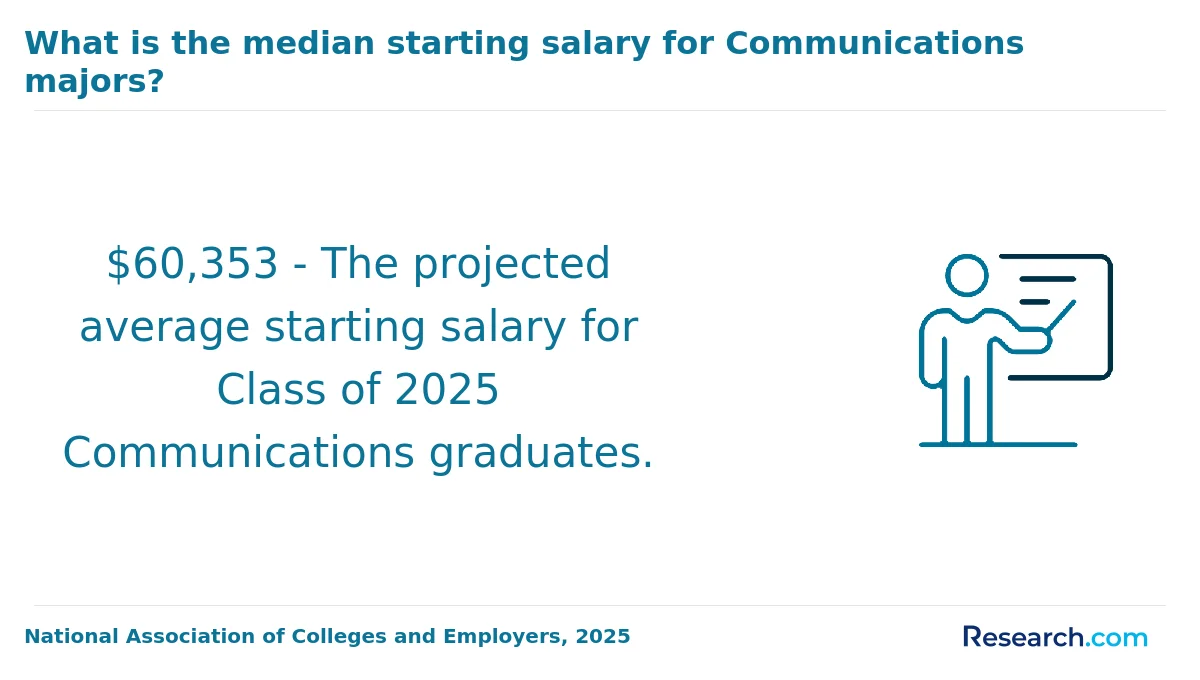
Graduates with an online communication degree in the Western United States often find promising salary opportunities, even as official data from the U.S. Bureau of Labor Statistics on specific roles remains unavailable. Many graduates from prominent institutions like the University of Southern California or the University of Washington report starting salaries around $50,000 to $60,000, reflecting regional market demands and digital skill emphasis.
In major urban centers such as Los Angeles or Seattle, communication specialists frequently earn a median salary near $62,000, with public relations positions in California reaching about $76,000 due to intense media and tech industry presence.
Entry-level roles might offer around $45,000, especially in nonprofits or smaller markets, but experience in digital strategy, social media management, or data analytics can quickly elevate incomes to $80,000 or more. Graduates enjoying internships and certifications in these areas often secure positions with competitive pay packages aligned with emerging tech trends.
Communication students from colleges like San Diego State University often see their earning potential grow significantly as they combine creativity with digital literacy, positioning themselves for innovation-driven roles in marketing agencies and media firms across the West.
2027 Fastest Online Master's in Communication Degree Programs Ranking in the West
How do we rank schools?
Investing in your education is a significant decision that can shape your career, and the Research.com team is committed to helping you make well-informed choices. To support prospective students in the western region, we have carefully developed the "2027 Fastest Online Master's in Communication Degree Programs Ranking in the West." Our dedication to quality, credibility, and accuracy is embodied in the thorough research and analysis conducted for this ranking.
We utilized the following reputable data sources to ensure a comprehensive evaluation of communication programs:
By consulting this ranking, readers will gain valuable insights into the fastest online master's programs in communication, enabling them to identify options that best fit their goals and timelines. For a deeper understanding of our ranking process, please visit our Research.com methodology page.




Key Findings
- Annual tuition for online communication bachelor's degrees in public Western universities ranges from $10,000 to $25,000, with private schools charging over $30,000.
- Graduates can expect average starting salaries around $50,000 per year, increasing to $75,000-$85,000 with experience.
- Job growth in Western states for communication-related fields is about 6% to 9% annually, driven by sectors like digital marketing and media production.
- Programs focus on practical skills such as writing, digital media, and interpersonal communication, often including internships and networking opportunities.
- Western universities provide strong support for online students through career services, tutoring, and advising to enhance job prospects.
How long does it take to complete online communication degree in the West?
Completing an online communication degree in the West often ranges from one to two years, a timeline shaped by personal commitments and study pace. Graduates from institutions like the University of Southern California and the University of Washington describe the flexibility as empowering, enabling them to balance work and family while progressing steadily. Many full-time students finish within 12 to 18 months, energized by immersive coursework and interactive virtual sessions that keep motivation high.
Part-time learners, inspired by their peers' success stories, commonly extend their programs closer to two years, appreciating the chance to absorb material at a comfortable rhythm. Some accelerated tracks allow ambitious students to graduate in just 12 months by intensively stacking credits or reducing breaks, opening opportunities for swift career advancement.
Looking ahead, evolving technology and personalized learning models promise even greater adaptability. Imagine future communication students in California tailoring their course schedules around live projects or simultaneous internships, turning the typical two-year path into highly efficient, bespoke journeys fueled by real-world engagement and ongoing encouragement.
What's the difference between online and on-campus communication degree?
Graduates from communication programs at well-known Western universities often describe their online experiences as empowering, especially when balancing work and family. One shared how flexible schedules at institutions like the University of Washington opened doors to networking through virtual group projects and discussion boards, allowing real-time interaction despite physical distance. In contrast, on-campus students at places such as the University of California, Los Angeles, frequently highlight the energizing atmosphere of face-to-face collaboration and access to media labs, which foster hands-on skills in public speaking and digital content creation.
Looking ahead, online programs in the West are likely to integrate more immersive technologies like virtual reality, making remote collaboration feel as immediate and engaging as sitting in a seminar room. This could bridge the gap between online convenience and campus vibrancy, offering students the best of both worlds. As regional universities continue to refine digital learning, future communication students may enjoy blending in-person connections with the agility of online study, enhancing both their skill set and emotional connection to their peers and instructors.
What is the average cost of online communication degree in the West?
The average cost of an online communication degree in the West hovers around $29,742, reflecting a balance between more affordable public institutions and higher-priced private universities. Many graduates recall initially worrying about tuition but found that programs at institutions like the University of Washington or Arizona State University offered solid value without overwhelming debt. These schools often provide competitive tuition rates that appeal to in-state students, making the total expenses for online communication master's programs western US more manageable.
Students report that while tuition is a significant factor, additional fees like technology and materials add to costs, though many programs strive to keep these minimal. The ease of access from home and flexible schedules have boosted positive feelings about pursuing communication degrees online in this region. For those weighing costs against quality, considering residency status can lead to substantial savings at state universities noted for communication studies.
Emerging trends include schools experimenting with accelerated formats and hybrid models, which may alter future price structures. Prospective students might benefit from exploring the fastest online degree in communication to find options that reduce both time and financial investment, enhancing affordability without compromising educational outcomes.
What financial aid is available to online communication degree students in the West?
Graduates from online communication programs at well-known Western universities often share how federal financial aid, like Direct Unsubsidized and Grad PLUS Loans, provided crucial support in navigating tuition costs. Many appreciate how FAFSA continues to open doors to manageable loan options tailored to their needs, easing anxiety about repayment. Meanwhile, some students from California reflect on the impact of Cal Grant, a state-funded boost that made attending schools such as UCLA Extension or San Francisco State University more accessible without overwhelming debt.
Institutional scholarships and employer tuition reimbursement programs are increasingly celebrated by online learners balancing work and study. Imagine a marketing professional in Seattle receiving partial tuition support from their employer while earning a communication degree from the University of Washington, helping them progress without financial strain. Similarly, merit-based scholarships reserved for communication majors at universities throughout the West continue to inspire students, creating a sense of achievement and motivation.
Private scholarships from organizations like the National Communication Association further empower students to pursue graduate studies with confidence, emphasizing leadership and academic excellence. These evolving financial aid opportunities promise even greater accessibility for future online communication students in the Western U.S.
What are the prerequisites for enrolling in online communication degree program in the West?
Applicants aiming to enroll in online communication degrees in the Western United States usually need a bachelor's degree from an accredited institution, often in communication or related areas like journalism or marketing. Graduates from popular schools in California or Washington share how meeting this baseline gave them confidence entering rigorous coursework while feeling supported by their programs' clear expectations. Many programs emphasize a minimum GPA around 3.0, ensuring students arrive prepared for advanced study without feeling overwhelmed.
Transcripts and letters of recommendation are commonly required, helping candidates showcase their academic and professional potential. Some graduates recall how thoughtful recommendation letters boosted their applications by highlighting unique communication experiences or leadership roles.
Standardized test requirements, like the GRE, are increasingly waived-an encouraging trend driving accessibility and reducing applicant stress. Non-native English speakers typically submit TOEFL or IELTS scores, affirming readiness to engage fully in courses. These evolving prerequisites reflect a hopeful shift toward flexibility, inclusivity, and valuing diverse backgrounds among communication learners in Western online programs.
What courses are typically in online communication degree programs in the West?
Online communication degrees in the Western U.S. typically feature a dynamic mix of courses that prepare students for the fast-evolving media landscape. Graduates from well-known universities often share how foundational classes like communication theory and ethics helped them think critically about messaging in real-world contexts. For example, at a prominent California university, students analyzed digital communication ethics by dissecting social media campaigns, making the concepts both relevant and exciting.
Courses in digital media production and multimedia storytelling are common, enabling students to craft compelling content across platforms. Many graduates from Oregon and Washington institutions describe how hands-on projects with social media strategies boosted their confidence and market readiness. Alongside, public relations and strategic communication courses simulate real campaigns, allowing students to lead brand projects virtually.
Interpersonal communication and media law also play pivotal roles, ensuring graduates can navigate diverse professional environments. This broad, customizable curriculum empowers Western students to pursue careers that match their passions, bridging theory with tangible skills in ways that feel energizing and immediate.
What types of specializations are available in online communication degree programs in the West?
Online communication degree specializations in the West are evolving to meet the needs of a rapidly changing media and business environment. Graduates from universities popular in the Western region often report choosing Strategic Communication to master crafting influential messages that support organizational goals, whether in nonprofit advocacy or corporate branding. This specialization aligns closely with real-world scenarios like managing crisis communication during major events, a skill highly sought after across industries.
Many also explore Digital Media and Technology, a track rich with practical skills in video production and data analytics. Students enjoy hands-on projects where they create compelling digital campaigns, reflecting the Western region communication degree concentration options that prepare them for dynamic marketing and multimedia roles. Health Communication is gaining traction too, with graduates contributing to public health outreach, especially in response to ongoing global health challenges.
For those passionate about global engagement, Intercultural Communication offers pathways into international business or diplomacy, resonating with the West's cultural diversity. Affordable options spread across the West encourage prospective students to consider the cheapest online degree in communication, making these career-enhancing specialties accessible and appealing.
How do you choose the best online communication degree in the West?
Choosing the best online communication degree in the West means looking beyond just cost and convenience. Graduates from universities like the University of Southern California or Arizona State University often emphasize how programs that integrate emerging trends-like social media strategy and multimedia storytelling-enabled them to stay ahead in fast-changing industries. These programs also usually provide flexible formats ideal for working professionals balancing life and study.
Affordability matters, but so does the program's ability to prepare you for real-world challenges. Many affordable online communication programs Western US offer extensive career support and practical projects. Graduates frequently recall how internships or capstone experiences gave them confidence and tangible skills for the workforce.
Focusing on accreditation and faculty expertise helps ensure your degree will be valued. Exploring aspects like crisis communication and data analytics in courses aligns well with evolving corporate demands. For a deeper understanding of career pathways, consider exploring what is a public relations degree, a common specialization shaping future communicators in the region.
What career paths are available for online communication degree students in the West?
Graduates with an online communication degree in the West often find themselves stepping into dynamic careers that blend creativity with strategic thinking. For example, many from renowned West Coast institutions engage in public relations roles, where they expertly shape brand narratives in expanding tech markets like Silicon Valley and Seattle. These graduates enjoy the challenge of real-time digital engagement, crafting messages that resonate across diverse audiences. Exploring career opportunities for communication graduates West Coast reveals a growing demand for digital marketers and social media managers who harness data analytics and content creation to drive impactful campaigns.
Others pursue paths in corporate communications, navigating crises with precision or specializing in technical writing to support complex products-skills highly valued in Western business hubs. Graduates often recall how their hands-on coursework prepared them for such roles, feeling confident as they enter competitive fields. For those curious about what careers can you pursue with a master's in public relation, the evolving digital economy and robust media presence in Western states offer promising prospects.
What is the job market for online communication degree in the West?
Graduates holding an online communication degree in the West find themselves in a vibrant job market fueled by expanding digital industries and evolving corporate needs. Many graduates from institutions like the University of Southern California or the University of Washington recall landing roles within dynamic corporate communication teams or cutting-edge digital marketing agencies, where their skills directly impact brand presence. The career opportunities for communication graduates West are varied and promising, spanning from public relations firms linked to entertainment hubs in Los Angeles to tech startups in Seattle focusing on social media strategies.
Students pursuing degrees online often appreciate the flexibility to work while studying, preparing them for real-world challenges in bustling metropolitan areas. With demand for communication specialists projected to grow, graduates may find themselves advancing rapidly, particularly in digital communication management. Those aiming to deepen expertise explore options such as a public relations masters degree online, enhancing prospects in high-growth sectors.
Frequently Asked Questions About communication
Students pursuing online communication degrees in the Western US can enhance their learning by actively engaging with interactive course materials and participating in virtual discussions. Studies from the Western Interstate Commission for Higher Education highlight that learners who collaborate through multimedia platforms retain 30% more information. Scheduling consistent study times helps maintain focus amid the flexibility of online formats.
Utilizing local internships and networking opportunities within Western media markets, such as Los Angeles and Seattle, provides practical experience that complements theoretical knowledge. Additionally, students should leverage university resources like online writing centers and communication labs to refine skills.
Finally, staying updated with regional communication trends through sources like the Journal of Communication Management can deepen understanding and career readiness.
Emerging niches within communication in the Western US increasingly focus on digital media and technology-driven fields. One key area is social media strategy, where professionals create and manage content to engage targeted audiences. Another growing niche is data analytics applied to communication, helping organizations measure the effectiveness of messaging campaigns.
The rise of remote work has also boosted interest in virtual communication and collaboration technologies. Additionally, crisis communication specialists are in demand to help companies navigate public relations during emergencies.
According to the National Communication Association, digital communication roles are expected to grow by over 10% through 2028, reflecting these shifts.
Graduates with an online communication degree in the Western US should focus on building practical skills alongside their academic knowledge to prepare effectively for the job market. According to the Bureau of Labor Statistics, communication-related jobs are projected to grow by approximately 8% through 2031, indicating steady demand. Networking plays a crucial role; joining professional organizations like the Public Relations Society of America (PRSA) can provide valuable connections and job leads.
Internships and freelance opportunities offer critical real-world experience. Additionally, developing digital competencies such as social media management, video production, and data analytics improves employability. Many successful graduates supplement their education by earning certifications in these areas to stay competitive.
Employers in the Western United States highly value communication degree graduates who demonstrate strong interpersonal and digital communication skills. According to the National Association of Colleges and Employers (NACE), over 80% of employers seek candidates with excellent verbal and written communication abilities. These skills are essential for roles in public relations, marketing, and corporate communication.
Additionally, proficiency in social media management and content creation is increasingly important, reflecting trends in the digital economy. Familiarity with analytics tools and strategic communication also enhances job prospects. Critical thinking and adaptability remain core competencies, as employers expect graduates to navigate diverse and evolving communication environments effectively.
Finding internships relevant to a communication degree in the Western US involves leveraging university resources and local industry connections. Many institutions offer career services that list internships in media, public relations, and digital communications. Research from the National Association of Colleges and Employers (NACE) shows that over 60% of students secure internships via their school's platform.
Additionally, students should explore opportunities at local media outlets, marketing firms, and nonprofit organizations. Networking through LinkedIn and attending regional communication conferences can also increase chances. According to the U.S. Bureau of Labor Statistics, communication roles are growing steadily in California and Washington, offering diverse internship options for students.
An online communication degree can significantly enhance career mobility and advancement opportunities in the Western United States. According to the Bureau of Labor Statistics, fields related to communication, such as public relations and marketing, are expected to grow by 10% between 2022 and 2032, faster than the average for all occupations.
This degree equips graduates with versatile skills like digital media proficiency, strategic communication, and interpersonal abilities, which employers in sectors like technology, healthcare, and media highly value. Additionally, earning a degree online allows working professionals to upskill without interrupting their careers, supporting smoother promotions and lateral moves.
Data from the National Communication Association highlights that professionals with a master's degree in communication earn approximately 15% more than those with only a bachelor's in the West, illustrating the financial benefit linked to advanced education.
Overall, the flexibility and specialized knowledge gained through an online communication degree can accelerate career growth and open doors to leadership roles in diverse industries across the region.
Studying for a communication degree in the Western United States equips students with skills applicable across multiple fields. Programs often emphasize media literacy, digital content creation, and strategic messaging, preparing graduates for roles in business, healthcare, politics, and technology. According to the National Communication Association, over 60% of communication grads work in interdisciplinary environments.
Western universities integrate collaborative projects that connect communication theory with practical applications in diverse industries. This hands-on approach boosts critical thinking and adaptability, vital for roles requiring coordination between departments.
Overall, these degrees build versatile professionals who can navigate complex workplace dynamics effectively.
Choosing between a thesis and a non-thesis online communication degree program in the West depends largely on your career goals and learning preferences. A thesis program typically suits students interested in research or pursuing a doctoral degree, as it requires conducting original research and writing a substantial paper. According to the Council of Graduate Schools, roughly 40% of communication master's students in the West opt for thesis tracks.
Non-thesis programs focus more on practical skills through coursework and projects, often attracting working professionals aiming for roles in corporate communication, media, or public relations.
Consider your time availability and desire for hands-on experience versus research depth when making this decision.
Students based in the Western United States interested in studying communication abroad have several online options through regionally accredited U.S. institutions. Western universities such as the University of Southern California and Arizona State University offer fully online master's degrees in communication, enabling students to earn accredited degrees without relocating. According to U.S. News & World Report, these programs combine flexibility with rigorous curricula, often incorporating global case studies to broaden perspectives.
In addition, some programs provide opportunities for short-term international residencies or virtual exchanges, enhancing the cross-cultural experience. Western students can also explore consortiums that partner with international universities to deliver joint online courses.
Part-time job opportunities in the Western US that complement online communication degrees are diverse and practical. Many students find roles in social media management, where they learn to engage audiences and analyze metrics, skills highly valued in communication careers. According to the Bureau of Labor Statistics, digital marketing roles are growing by 13% nationwide, reflecting increasing demand.
Other common positions include content creation, public relations assistance, and event coordination. These jobs provide experience in crafting messages and managing communication channels.
Internships or entry-level roles at local media outlets also offer hands-on learning, vital for understanding regional communication trends and audiences.
Online communication students in the Western United States have access to diverse networking opportunities through university-affiliated virtual events and professional organizations. Many Western institutions offer online webinars, guest lectures, and digital career fairs tailored to communication fields. These platforms enable students to connect with industry experts and alumni remotely.
The Western region hosts chapters of national bodies like the National Communication Association, which facilitate online networking and professional development. According to the Bureau of Labor Statistics, California and Washington lead the country in communication-related jobs, increasing the value of local connections.
Additionally, many programs encourage participation in virtual internships and collaborative projects, fostering practical experience and contacts essential for career advancement.
Alumni networks offer significant advantages to online communication degree students in the Western United States. These networks provide access to a broad community of professionals, fostering valuable connections for mentorship and career development. According to the National Communication Association, alumni engagement can increase job placement rates by up to 25% in communication fields.
Students benefit from exclusive job boards and networking events promoted through alumni associations, which are especially important in competitive media and public relations sectors in the West. Moreover, alumni often share insights about industry trends and regional market demands, giving current students a practical advantage.
Participation in these networks can also lead to internships and collaborative projects that enhance real-world skills. Overall, alumni networks serve as a critical resource for students pursuing long-term career success in communication within the Western US.
Customizing your online communication degree program in the West allows you to align your education with specific career goals. Many universities in this region offer flexible curricula, enabling you to select electives focused on areas like digital media, public relations, or organizational communication. According to the National Center for Education Statistics, over 60% of Western US institutions provide specialization options within communication degrees.
Additionally, students often have opportunities to engage in internships or practicum experiences remotely, which can be tailored to desired industries. Choosing courses that emphasize skills in emerging technologies or data analytics can further enhance employability in competitive markets. This personalized approach ensures your degree supports both professional growth and job market relevance.
Online communication students in the Western United States commonly face several challenges that impact their learning experience. One major issue is maintaining engagement in virtual environments, as the lack of face-to-face interaction can hinder effective networking and collaboration with peers and instructors. According to a 2023 report by the Western Interstate Commission for Higher Education (WICHE), nearly 40% of online students in communication fields report feelings of isolation during their studies.
Additionally, balancing professional and personal responsibilities while managing coursework is often difficult. Time management skills are essential, yet many students struggle without structured schedules. Furthermore, some students experience limited access to hands-on learning opportunities, such as internships or practicum projects, which are vital in communication degree programs for building real-world skills.
With an online communication degree, several professional certifications can enhance your qualifications and career prospects. Common certifications include the Accredited in Public Relations (APR), offered by the Public Relations Society of America, which is highly regarded in the Western U.S. job market. Another valuable option is the Digital Marketing Certification, provided by organizations like the American Marketing Association, reflecting the growing demand for digital communication skills.
Project Management Professional (PMP) certification is also relevant for communication professionals managing campaigns or teams. Additionally, the Certified Professional in Learning and Performance (CPLP) supports those focusing on corporate communication and training roles.
These certifications help graduates stand out by validating their expertise in specialized communication fields according to industry standards prevalent in the West.
When applying to an online communication program in the Western US, a clear and focused personal statement is essential. Admissions committees value applicants who can demonstrate strong writing skills alongside a passion for communication studies. It is beneficial to highlight relevant professional experience or internships that showcase practical knowledge.
Applicants should research each program's specific curriculum and tailor their application to fit its strengths. Including measurable achievements, such as managing social media strategies or conducting research projects, adds depth.
In 2023, about 57% of US communication program applicants cited personal statements as a primary factor for acceptance, according to the National Communication Association.
Finally, ensure all documents are error-free and submitted before deadlines to improve chances. Letters of recommendation from communication professionals further strengthen an application.
Communication careers have a growing global significance, especially in Western countries where digital media and information industries expand rapidly. According to the U.S. Bureau of Labor Statistics, employment in communication-related fields is projected to grow by 8% from 2022 to 2032, faster than the average for all occupations. This reflects the increasing demand for skilled professionals who can manage messaging across diverse platforms.
Western employers value communication graduates for their adaptability and understanding of multicultural audiences, crucial in today's interconnected world. Online degrees offer flexibility for students to acquire these skills while balancing work or personal commitments.
Research from the National Communication Association highlights that careers in public relations, digital media, and corporate communication offer stable job opportunities with competitive salaries in the West.
Gaining practical experience is essential when pursuing an online communication degree in the West. Many US universities integrate internships within their programs, offering students opportunities to work with local media, marketing firms, or nonprofit organizations. According to the National Association of Colleges and Employers (NACE), over 60% of communication students complete internships before graduation, greatly improving job prospects.
Additionally, students can participate in virtual projects such as social media campaigns or digital content creation. Some schools provide access to simulated newsroom environments, allowing hands-on experience in real-time communication scenarios. Networking through professional associations like the Public Relations Society of America also supports practical learning.
Choosing the right concentration within an online communication degree in the Western US requires evaluating your career goals and local industry demands. Popular concentrations include digital media, organizational communication, and public relations. According to the National Communication Association, the fastest-growing roles in communication emphasize digital skills, especially in California and Washington.
Review the curriculum offered by programs, ensuring courses align with skills like social media management or corporate communication. Consider job market data from the Bureau of Labor Statistics, which forecasts a 10% growth for communication specialists through 2032, especially in tech hubs like Silicon Valley.
Additionally, seek programs with strong online support and internships connecting students with Western-based employers for practical experience.
Top Trending Communication Rankings
References
- Top 6 Communication Skills for Career Growth and Organizational Impact https://www.callutheran.edu/programs/articles/top-communication-skills-career-growth-organizational-impact/
- Global Perspectives: Media, Communication, Culture | STUDY in BRNO https://www.study-in-brno.cz/s/global-perspectives-media-communication-culture
- Advice for Completing a Master's in Communication Thesis - MastersinCommunications.com https://www.mastersincommunications.com/features/advice-for-completing-masters-thesis
- Online BA in Communication https://www.wiu.edu/cofac/communication/online_BA.php
- Online Bachelor of Arts in Business Communication | UCW https://www.ucanwest.ca/programs/undergraduate/online-bachelor-of-arts-in-business-communication
- Unlocking Career Growth: The Power of Communication Skills https://www.pmmi.org/blog/unlocking-career-growth-the-power-of-communication-skills
- CAREERS AND COMMUNICATION ALUMNI https://www.villanova.edu/university/liberal-arts-sciences/programs/communication/careers.html
- Targeted communication strategy for alumni community https://www.alumnforce.com/en/targeted-communication-strategy-for-alumni-networks-how-to-create-lasting-commitment/
- How can we improve communication with international students? https://www.emundus.fr/en/resources/blog/how-to-improve-communication-with-international-students
- Online Degree vs. Traditional: Choosing the Right Path https://beal.edu/online-degree-vs-traditional/