2027 Easiest Online Bachelor's in Communication Degree Programs Ranking in the USA

Co-Founder and Chief Data Scientist
Choosing the right communication degree program can feel overwhelming. That's why this article presents the 2027 Easiest Online Bachelor's in Communication Degree Programs Ranking in the USA, created by the Research.com team of data scientists. It's designed to help you find programs that fit your needs and goals with ease.
Whether you want to boost your career or explore your passion, earning a communication degree opens many doors. This guide makes the decision easier and motivates you to take the next step confidently in your educational journey.
Key benefits of getting online communication degree in America
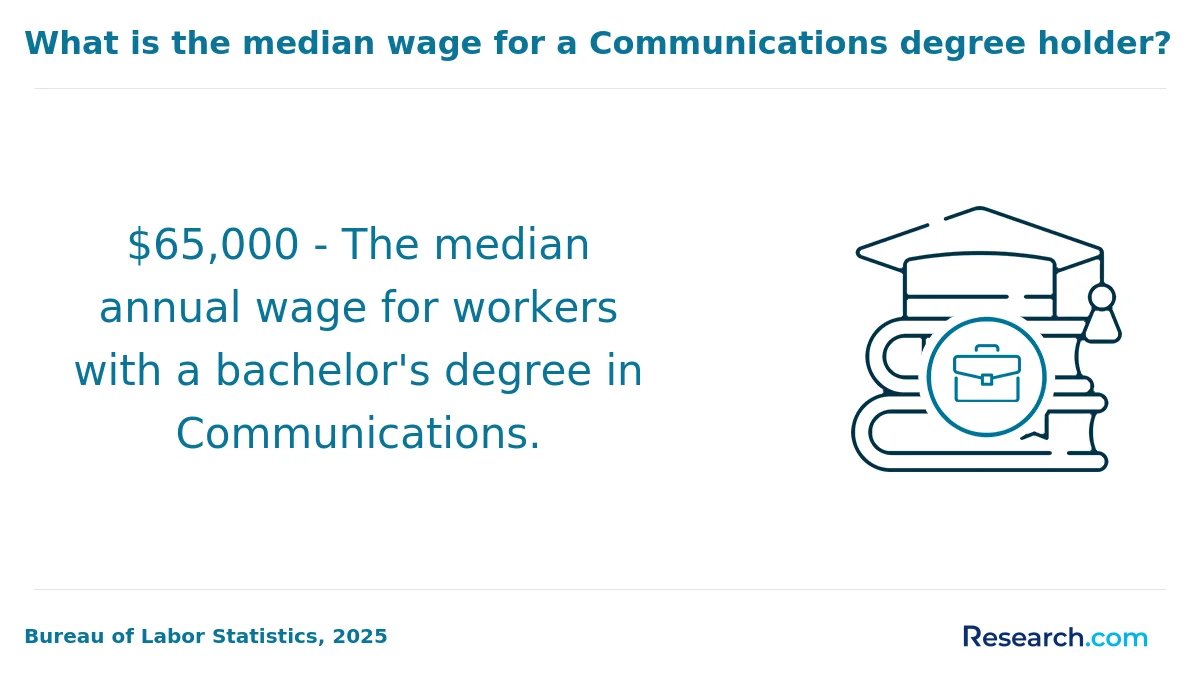
- Communication degree graduates in the US can expect a mean annual wage around $62,000 for roles like public relations specialists, offering a solid salary foundation to start a rewarding career.
- Graduates from popular universities, such as the University of Southern California, often find diverse career opportunities including media, marketing, and corporate communications, making this degree versatile and exciting.
- Online communication degrees, like those from Arizona State University, provide flexible learning schedules and the chance to balance work, life, and study, making education more accessible and convenient.
- Key benefits of getting online communication degree in America
- What can I expect from online communication degree in America?
- Where can I work with online communication degree in America?
- How much can I make with online communication degree in America?
- 2027 Easiest Online Bachelor's in Communication Degree Programs Ranking in the USA
- Key Findings
- How long does it take to complete online communication degree in America?
- What's the difference between online and on-campus communication degree?
- What is the average cost of online communication degree in America?
- What financial aid is available to online communication degree students in America?
- What are the prerequisites for enrolling in online communication degree program in America?
- What courses are typically in online communication degree programs in America?
- What types of specializations are available in online communication degree programs in America?
- How do you choose the best online communication degree in America?
- What career paths are available for online communication degree students in America?
- What is the job market for online communication degree in America?
- Top Trending Communication Rankings
What can I expect from online communication degree in America?
The average cost of an online communication degree in America varies widely, typically ranging from $15,000 to over $40,000 for a full bachelor's program, depending on whether the institution is public or private. Graduates from well-known universities often recall balancing tuition payments with scholarships and financial aid, which significantly eased their financial burden. For example, students from reputable state universities appreciate how accessible and affordable their education became, making the dream of a communication degree achievable without overwhelming debt.
Many online programs also offer payment plans, enabling students to manage costs flexibly while pursuing their studies. This financial accessibility encourages a diverse student body, creating vibrant virtual classrooms where peers from differing backgrounds share fresh perspectives on digital media and public relations.
Looking ahead, emerging technologies like blockchain-based certifications may further reduce costs and streamline credentialing, amplifying value for future graduates seeking careers as social media strategists or corporate communicators. The evolving landscape inspires confidence among communication students, who envision a bright professional future fueled by innovative learning and affordable education.
Where can I work with online communication degree in America?
Graduates from online communication programs at well-known institutions like the University of Southern California and the University of Florida often find themselves stepping into dynamic roles across media, marketing, and public relations. Many describe feeling excited when landing positions at public relations firms, where they shape positive public images and engage with digital platforms daily. With America's growing reliance on clear messaging, these roles offer the opportunity to influence how organizations connect with the public.
Marketing and advertising fields are rapidly expanding, too, with graduates from schools such as Penn State reporting satisfaction as social media managers or content creators. They enjoy the creativity involved in engaging diverse audiences, knowing their skills are driving business growth. Corporate communication careers in sectors like technology and healthcare offer meaningful work, managing internal messaging and vital stakeholder relations, often allowing graduates to feel their impact within large organizations.
Media roles remain challenging but rewarding for those coming from institutions like Boston University. Specialized training in digital storytelling helps graduates stand out in reporting or broadcasting, increasing their chances despite the competition. Government and non-profits also eagerly recruit communication graduates for advocacy and outreach, providing a sense of purpose and community involvement that many cherish as they build their careers.
How much can I make with online communication degree in America?
Graduates with an online communication degree in America often see starting salaries for entry-level roles, such as social media coordinators or communication assistants, ranging from $40,000 to $55,000 annually. Those who studied at well-known institutions like the University of Southern California or Syracuse University report feeling encouraged by how their skills translate into roles that blend creativity and strategy.
More seasoned professionals, including public relations specialists, commonly earn around $62,800 per year. Graduates working in metropolitan hubs such as New York City or Washington D.C. sometimes share experiences of salaries reaching roughly $74,000 due to higher demand and cost of living. These real-life examples inspire optimism about growing opportunities in competitive markets.
For those climbing the ladder or specializing, such as advertising or marketing managers, salaries can exceed $100,000, reflecting the premium placed on advanced skills and leadership. Future communication grads might find this trajectory appealing, especially as digital communication expands across industries.
2027 Easiest Online Bachelor's in Communication Degree Programs Ranking in the USA
How do we rank schools?
Investing in your education is a significant decision that can shape your future, and the Research.com team understands the importance of making informed choices. To assist prospective students, we have meticulously crafted the "2027 Easiest Online Bachelor's in Communication Degree Programs Ranking in the USA." Our commitment to quality, credibility, and accuracy is reflected in the extensive research and analysis conducted to compile this ranking.
We utilized the following reputable data sources to ensure a comprehensive evaluation of communication degree programs:
By exploring this ranking, readers will gain valuable insights into the easiest and most accessible online communication degree programs, empowering them to make well-informed decisions about their education. For more information on how this ranking was created, please visit our Research.com methodology page.
# 1 position
Full Sail University
Bachelor of Media Communications


Key Findings
- Online communication bachelor's degrees usually take about four years and can be completed entirely online.
- Tuition costs vary widely; in-state public university students pay between $7,000 and $15,000 per year, while private and out-of-state students may pay $20,000 to $35,000 annually.
- The total cost to finish an online communication degree generally ranges from $30,000 to $60,000.
- Entry-level salaries for communication graduates average around $45,000 per year, with experienced professionals earning between $60,000 and $75,000.
- Job growth in communication-related fields is projected at about 9% from 2022 to 2032, matching the average growth for all jobs.
How long does it take to complete online communication degree in America?
Completing an online communication degree in America generally takes around four years, aligning with the traditional bachelor's program timeline at many institutions like Arizona State University or the University of Florida. Graduates often share how balancing a full-time course load, roughly 120 to 130 credits, provides a steady yet rewarding pace toward their goals.
However, some students embrace accelerated paths, finishing in two to three years by taking continuous courses through summer semesters-a popular option among those at Northeastern University known for its year-round scheduling. These graduates often describe a sense of momentum and accomplishment from steadily moving through the material without long breaks.
Others opt for a more flexible experience, attending part-time due to work and life commitments, sometimes stretching their journey up to six years. Transfer credits frequently shorten duration for many; for instance, students leveraging associate degrees at institutions like Portland State University find themselves advancing quicker with up to 60 credits recognized.
Emerging trends such as competency-based education promise even more personalized pacing, allowing students to progress by demonstrating mastery instead of fixed semesters-potentially speeding up completion and fostering a motivated, confident learning experience.
What's the difference between online and on-campus communication degree?
Graduates from communication programs at well-known American universities often describe the difference between online and on-campus degrees as a balance between flexibility and immersive engagement. Online learners appreciate the freedom to study around their busy schedules, accessing lectures and assignments from anywhere, which is especially helpful for those juggling jobs or family commitments. For example, a student from a popular public university praises how their $8,500-a-year online program allowed them to gain skills in media studies without relocating or giving up work.
On the other hand, graduates from prestigious colleges with traditional on-campus programs highlight the energizing experience of face-to-face interactions with professors and peers. They often recall hands-on projects, live presentations, and campus events that deepened their understanding and network-opportunities less common in fully virtual settings.
Looking ahead, emerging technologies like virtual reality may narrow these gaps, offering online students more immersive practical experiences. Still, many current students happily trade the on-campus buzz for the autonomy and affordability of well-designed online programs in communication across America.
What is the average cost of online communication degree in America?
The average cost of an online communication degree in America typically centers around $51,360, representing a median total expense for both in-state and out-of-state students. For many pursuing affordable online communication bachelor programs USA-wide, this figure reflects a significant but manageable investment, especially compared to some private university tuitions that can reach much higher totals. For example, graduates from well-known public institutions often report finishing their degrees with tuition costs closer to $35,880 if they qualify for in-state rates, which can make a marked difference in overall affordability.
Many students share stories of balancing coursework while appreciating the flexibility of online programs at popular schools like those in California or Florida, where digital communication curricula align with modern industry demands. The ability to pace studies and sometimes accelerate degree completion allows students to potentially reduce costs and start benefiting from their education sooner. These real-life experiences highlight how thoughtful planning can ease financial strain when aiming for a communication degree online.
Emerging trends show institutions increasingly offering competitive pricing or tuition discounts for distance learners, encouraging more to consider the cheapest masters in communication online or bachelor's degrees as viable, cost-efficient routes to a rewarding career. Financial aid also plays a transformative role, with many full-time undergraduates receiving support that dramatically lowers out-of-pocket expenses. For those interested, resources like cheapest masters in communication online offer valuable guidance for navigating these costs effectively.
What financial aid is available to online communication degree students in America?
Students pursuing an online communication degree in America often rely on a range of financial aid options to ease the burden of tuition. Many graduates from popular schools like the University of Southern California or the University of Florida have shared how completing the FAFSA opened doors to federal Pell Grants, which provided crucial support without the need for repayment.
Federal loans with low fixed interest rates, especially the Direct Subsidized Loan, have helped numerous communication students manage costs while studying at least half-time, with the government covering interest during enrollment. State-specific grants and tuition waivers are increasingly common, and online learners at institutions such as Arizona State University benefit greatly from these programs tailored to residents.
Institutional scholarships based on merit or financial need add another layer of assistance, often making a significant difference in affording quality education. Additionally, private scholarships and employer tuition reimbursement programs inspire hope and make continued education more attainable for many pursuing communication studies online.
What are the prerequisites for enrolling in online communication degree program in America?
Most online communication degree programs in America currently require students to have a high school diploma or GED, reflecting a foundational level of education needed to dive into college coursework. For instance, graduates from popular institutions like the University of Florida or Arizona State University often recall submitting transcripts showcasing a minimum GPA around 2.0 to 3.0, which universities use to gauge readiness and commitment.
Many programs have shifted away from rigid standardized testing requirements such as SAT or ACT scores, making the application process feel less daunting and more accessible. This approach resonates positively with students who appreciate the chance to highlight their strengths through personal statements and letters of recommendation, sharing stories about their passion for communication and their future goals.
Transfer students from community colleges or other universities usually provide transcripts proving their success in relevant courses like journalism or media studies, helping institutions evaluate their preparedness. These evolving prerequisites reflect a forward-thinking emphasis on diverse backgrounds and genuine student motivation, echoing the experiences of many recent graduates who cherish feeling seen and supported by their chosen schools.
What courses are typically in online communication degree programs in America?
Typical online communication degrees in America include courses that cover essential communication theories and practical skills. Graduates from popular institutions like Penn State World Campus or the University of Florida Online often highlight how courses such as Introduction to Communication Theory helped them grasp how messages are crafted and received in real-world settings, like corporate meetings or social campaigns.
Courses in Interpersonal Communication prepare students to navigate both personal relationships and professional networking with confidence. Many students share how Public Speaking and Presentation Skills classes boosted their ability to engage audiences during virtual team meetings or client pitches, a vital skill in today's remote work environment.
Mass Communication and Media Studies delve into the impact of digital and social media, reflecting how platforms like Instagram and TikTok shape public opinion. Organizational Communication teaches students the flow of messages within companies, which graduates find immediately applicable in leadership roles.
Writing for Communication sharpens abilities to create press releases or digital content that connects with diverse audiences, while Research Methods empower students to analyze data and develop strategies-skills prized across marketing and PR fields in America's evolving communication landscape.
What types of specializations are available in online communication degree programs in America?
Online communication degree specializations in the USA often include Strategic Communication, Digital and Social Media Communication, Health Communication, and Interpersonal and Organizational Communication. Graduates from well-known American colleges describe how Strategic Communication helped them confidently craft impactful campaigns for nonprofits, while Digital and Social Media Communication enabled others to thrive managing brand presence across platforms like Instagram and Twitter. The increasing importance of clear, effective messaging in healthcare still leaves a promising space for Health Communication specialists, something many students experienced firsthand through projects at universities with strong public health ties.
From personal experiences shared by graduates, Media Production and Journalism also remain dynamic options, equipping students with technical skills and storytelling expertise relevant across industries. Many find that selecting a specialization through American online communication bachelor programs specializations provides a clear career direction and emotional fulfillment. For those exploring these paths, resources such as the online bachelor degree communications offer valuable insights into program offerings and trends.
How do you choose the best online communication degree in America?
Choosing the best online communication degree in America means looking beyond just tuition and location. Graduates from top accredited online communication programs America often highlight the importance of programs that offer real-world applications, such as digital media projects and social media strategy courses, which keep pace with industry trends. A graduate from a university known for integrating interactive platforms praised how flexible schedules and engaging coursework helped balance education with work and family life.
Technology-driven learning environments that simulate group collaboration and public speaking are becoming the norm. Students appreciate programs that provide access to experienced faculty actively working in communication fields, creating networking opportunities that can open doors post-graduation. Especially for those seeking best affordable online communication degrees USA, factors like cost-efficiency paired with strong academic support and career services are crucial.
Some students pursuing an online master of communications shared that programs emphasizing graduation rates and job placement provide confidence for future success. Selecting a program with transparent outcomes data gives a clearer picture of returns on investment in a competitive communication job market.
What career paths are available for online communication degree students in America?
Graduates with an online communication degree in America find diverse career opportunities that stretch across multiple dynamic fields. From becoming a public relations specialist managing an organization's image to stepping into roles as marketing coordinators crafting compelling campaigns, the possibilities reflect today's fast-paced media environment. Many recent graduates from popular universities report excitement in pursuing social media management, where they help brands engage with global audiences in real time.
Career paths for communication graduates in America also include content creators and corporate communication specialists who shape internal and external narratives for companies. These roles allow professionals to apply strategic messaging skills in real-world settings, such as crisis communication or digital media storytelling. Graduates often share how programs at prominent colleges have equipped them to embrace new trends like influencer relations or digital marketing analytics, opening doors to emerging industries.
Students interested in expanding their horizons can explore an online public relations degree, which leads to roles with strong future prospects. The rise of technology-driven communication means these fields evolve rapidly, making adaptability and creativity key for anyone entering communication degree jobs in the USA.
What is the job market for online communication degree in America?
The job market for graduates with an online communication degree in America continues to evolve, reflecting the expanding need for skilled communicators across diverse industries. Many graduates from recognized colleges find themselves thriving in roles like public relations, digital media, and corporate communication, where their ability to craft compelling narratives and manage information flows is highly prized. This dynamic environment encourages students to envision careers not only in traditional roles but also in emerging fields that blend communication with technology.
For those exploring career opportunities for communication graduates in America, real-life experiences from graduates at popular universities illustrate promising prospects. Online programs often emphasize flexible learning, allowing students to balance work and study while acquiring relevant skills. Graduates describe feeling empowered by coursework focused on media writing and digital strategies, which prepares them well for competitive job markets in both startups and established firms.
Tuition costs for such degrees vary, but financial aid options help reduce barriers, making these programs accessible. Students interested in advancing beyond a bachelor's level might consider options like the fastest online master of public relations, which offers accelerated pathways suited for motivated individuals aiming to deepen their expertise and expand career horizons in America's communication sector.
Frequently Asked Questions About communication
Online communication degree students in America can maximize their learning by actively engaging with course materials and participating in virtual discussions. Research from the National Center for Education Statistics highlights that students who interact regularly with peers and instructors tend to achieve higher grades. Building a study schedule ensures consistent progress, reducing procrastination common in remote learning.
Utilizing campus resources such as online tutoring and career services available to remote students enhances understanding and professional development. Additionally, applying theories learned through internships or virtual networking in the communications industry helps bridge academic knowledge with real-world skills.
Choosing programs accredited by recognized bodies like the Accrediting Council on Education in Journalism and Mass Communications (ACEJMC) guarantees curriculum quality relevant to the U.S. job market.
Emerging niches within the communication field reflect the rapid technological and social changes shaping the U.S. workforce. One growing area is digital content strategy, where professionals develop targeted messages for websites, social media, and mobile platforms. According to the U.S. Bureau of Labor Statistics, jobs related to digital marketing and social media management are expected to grow over 12% through 2031, much faster than average.
Another expanding niche is health communication, focusing on designing campaigns to promote public health and wellness. The CDC highlights increasing demand for experts who can effectively address misinformation and improve community outreach.
Additionally, crisis communication specialists are vital for managing organizational reputation during emergencies, with demand rising due to increased public scrutiny and social media influence.
Graduates with an online communication degree in America should focus on building practical skills to compete in the job market. Internships and freelance projects offer valuable experience and networking opportunities. According to the Bureau of Labor Statistics, communication-related roles are expected to grow by 9% from 2021 to 2031, faster than the average for all occupations.
Developing proficiency in digital tools like social media management, content creation, and data analysis is essential. Joining professional organizations such as the National Communication Association can provide career resources and connections. Additionally, crafting a tailored résumé highlighting relevant coursework and projects strengthens job applications.
Employers in America highly value communication degree graduates who demonstrate strong verbal and written communication skills. According to the National Association of Colleges and Employers (NACE), 82% of employers prioritize the ability to effectively convey ideas clearly and concisely. Critical thinking and problem-solving skills are also crucial, as these graduates must analyze information and develop strategic messaging.
Digital literacy is increasingly important, with 70% of communication roles requiring proficiency in social media, content management, and multimedia tools, as reported by the Bureau of Labor Statistics. Interpersonal skills and teamwork remain essential for collaboration in diverse workplace environments, while adaptability helps graduates keep pace with evolving technologies and communication trends.
Finding internships related to communication degrees in America involves multiple strategic steps. Start by utilizing your university's career services, which often have partnerships with media companies, nonprofits, and public relations firms. According to the National Association of Colleges and Employers (NACE), over 60% of internships come through on-campus recruiting or school collaborations.
Online platforms like Handshake and LinkedIn are also valuable for discovering remote or local internships. Additionally, professional organizations such as the Public Relations Society of America (PRSA) offer internship listings and networking opportunities specifically for communication students.
Networking with alumni and attending industry conferences can further increase your chances. Most communication internships in the U.S. are paid or offer academic credit, making them both beneficial and accessible for students in online programs.
An online communication degree in America significantly enhances career mobility and advancement. According to the Bureau of Labor Statistics, jobs in communication-related fields such as public relations, marketing, and media are projected to grow by 8% from 2022 to 2032. This growth opens more opportunities for graduates to enter and move within these industries.
Employers often value communication degrees for developing critical skills including writing, digital media, and interpersonal communication. Earning this degree online offers flexibility for working professionals to upskill without career interruption.
Moreover, many employers prefer candidates with formal training, leading to higher salary potential and quicker promotions. A 2023 survey by the National Communication Association found that 67% of communication graduates reported career advancement within three years after graduation.
Studying for a communication degree in America equips students with versatile skills applicable across many fields. Coursework often combines theory and practical training in media, public relations, marketing, and interpersonal communication. This broad foundation supports interdisciplinary roles in business, healthcare, technology, and government.
According to the National Communication Association, communication majors develop critical thinking and problem-solving abilities that employers value in diverse sectors. Nearly 75% of communication graduates find work outside traditional media roles, illustrating the degree's wide applicability.
Additionally, online programs incorporate collaborative projects and digital tools, preparing students for remote and hybrid work environments. This flexibility enhances readiness for evolving interdisciplinary careers in the American workforce.
When choosing between a thesis and a non-thesis online communication degree program in America, consider your career goals and time commitment. A thesis program typically suits students aiming for research, academia, or advanced study, requiring original research and critical analysis. It may take longer to complete but strengthens analytical and writing skills. Non-thesis programs focus on practical communication skills useful in industries like public relations or media, offering more coursework and less research.
According to the National Communication Association, over 70% of communication graduates pursue careers outside academia, which may influence this choice. Additionally, thesis programs often require faculty mentorship, which might affect availability online. Understanding these differences helps align your education with your professional aspirations.
American students interested in studying communication abroad have several options, including online degree programs offered by U.S. universities with international partnerships. Many schools provide study abroad opportunities or dual-degree programs with institutions in Europe, Asia, and Australia, allowing credits earned abroad to transfer back into their U.S. degrees.
Additionally, some accredited online communication degree programs permit students to complete coursework remotely from anywhere, including overseas, providing flexibility without relocating.
According to the National Center for Education Statistics, over 10,000 U.S. students participate in study abroad programs annually, with communication and media studies among popular fields.
Students should verify program accreditation and credit-transfer policies when considering international options to ensure their degrees remain valid within the U.S. system.
Part-time jobs can significantly enhance learning opportunities for students pursuing communication degrees online in America. Roles such as social media assistant, public relations intern, or content creator allow students to apply theoretical knowledge in real-world settings. According to the U.S. Bureau of Labor Statistics, positions in public relations and social media management are expected to grow by 12% through 2031, indicating strong job prospects within communication fields.
Working part-time in these roles helps build essential skills like writing, public speaking, and digital marketing. Additionally, many universities encourage internships and campus media involvement, which complement academic coursework effectively.
Online communication students in America have growing opportunities to build professional networks despite studying remotely. Many universities offer virtual career fairs, alumni mixers, and industry webinars that connect students with communication professionals nationwide.
Additionally, organizations like the National Communication Association (NCA) provide student memberships, access to conferences, and local chapters for networking. These platforms allow students to engage with peers and experts in fields such as media, public relations, and corporate communication.
LinkedIn and other digital platforms are also vital, with roughly 90% of recruiters using them to find communication graduates, according to the National Association of Colleges and Employers (NACE).
Alumni networks provide valuable support for online communication degree students in America by offering professional connections and career opportunities. These networks often organize events, mentoring programs, and job boards tailored to communication graduates, helping students transition from academics to the workforce. According to the National Association of Colleges and Employers (NACE), 80% of jobs are filled through networking, making alumni connections vital.
Additionally, alumni may share industry insights in media, public relations, and digital communication fields, where the U.S. expects employment growth of 10% by 2032, per the Bureau of Labor Statistics. This access strengthens student job prospects and professional growth.
Customizing an online communication degree in America allows students to align their education with specific career goals. Many programs offer concentrations or electives in areas like public relations, digital media, journalism, or corporate communication. According to the National Center for Education Statistics, over 60% of communication bachelor's programs provide such specializations.
Additionally, students can tailor their learning through internships and project-based courses, gaining real-world experience while studying. Online formats also let students adjust pacing and course load for flexibility. By choosing accredited programs, for example, those recognized by the Accrediting Council on Education in Journalism and Mass Communications (ACEJMC), students ensure quality education suited for their professional ambitions.
Online communication students in America often face several challenges related to technology and engagement. Maintaining consistent internet access and managing different digital tools can be difficult, especially in rural areas where connectivity is less reliable. According to the National Center for Education Statistics, about 14% of American households with students lack high-speed internet, which impacts online learning experiences.
Another challenge is the potential for reduced interaction with peers and instructors, which can affect the development of key communication skills. Students may also struggle with time management as balancing studies with work or family demands remains a common hurdle. Lastly, some find it harder to access internships and networking opportunities crucial for career advancement in communication fields.
Graduates with an online communication degree in the United States have access to several professional certifications that can enhance their career prospects. Popular options include the Accredited in Public Relations (APR) credential, recognized by the Public Relations Society of America. This certification demonstrates expertise in strategic communication and ethics.
Additionally, the Certified Digital Marketing Professional (CDMP) credential from the Digital Marketing Institute is valuable for communication graduates focusing on digital media and marketing strategies.
For those interested in human resources or corporate communication, the Society for Human Resource Management offers the SHRM-CP certification, which is useful for internal communication roles.
Finally, the Project Management Professional (PMP) is often pursued by communication professionals managing campaigns or projects.
Writing a winning application for an online communication program in America requires clarity and focus. Start by thoroughly researching the schools you are interested in, noting their unique offerings and admission criteria. Strong communication programs often look for applicants who demonstrate clear writing skills and a genuine interest in media, public relations, or digital communication.
Highlight relevant experiences such as internships, volunteer work, or professional roles involving communication. According to the National Communication Association, tailored personal statements that reflect understanding of communication theories and practice increase admission chances.
Ensure your application is error-free and includes all requested documents, such as transcripts and letters of recommendation. Meeting deadlines is crucial, as late submissions are seldom accepted.
Global perspectives on communication careers emphasize the growing importance of digital literacy and multicultural competence. In the United States, the Bureau of Labor Statistics projects a 10% growth in communications-related jobs from 2022 to 2032, highlighting strong domestic demand. American online communication degree programs increasingly focus on international media, intercultural communication, and global public relations to prepare graduates for worldwide challenges.
Many U.S. programs incorporate global case studies and encourage internships with multinational firms. This reflects employers' needs for professionals who can navigate diverse cultural contexts and online platforms.
As businesses expand globally, communication careers in America often require understanding both local and international audiences, bridging cultural divides effectively.
Gaining practical experience while studying for an online communication degree in America is essential for career readiness. Many programs integrate internships, allowing students to work with media outlets, nonprofits, or corporate communication teams. According to the National Association of Colleges and Employers (NACE), over 60% of internships lead to full-time jobs, highlighting their value.
Students can also participate in virtual projects, such as managing social media accounts or producing digital content. Networking through online workshops, webinars, and student organizations helps build professional connections. Additionally, some universities offer capstone projects that simulate real-world communication challenges, providing hands-on experience crucial for future roles in the communication field.
Choosing the right concentration within an online communication degree program in America depends on your career goals and interests. Common concentrations include media studies, public relations, digital communication, and organizational communication. According to the Bureau of Labor Statistics, employment in communication-related jobs is projected to grow 14% from 2022 to 2032, faster than average. This growth is driven by the increasing need for digital content and effective public messaging in businesses and media.
Consider your strengths: if you enjoy storytelling and creativity, media or digital communication might suit you. If you prefer strategy and relationship-building, public relations or organizational communication could be best.
Research each concentration's curriculum and employment outcomes through resources like the National Communication Association and college websites to ensure a good fit with your aspirations.
Top Trending Communication Rankings
References
- What studies are needed to work in communications? - Sup de Pub https://www.supdepub.com/en/guide/what-studies-are-needed-to-work-in-communications/
- Communication Difficulties: The Silent Barrier - Connect https://stageslearning.com/connect/articles/communication-difficulties-the-silent-barrier/
- Top 6 Career Paths to Pursue with a Strategic Communication Degree https://www.callutheran.edu/programs/articles/careers-with-a-strategic-communication-degree/
- How to Network with Alumni | Student Guide to Alumni Networking 2026 https://digitalrecordboard.com/blog/how-to-network-with-alumni/
- Online Degree vs. Traditional | University of Arkansas Grantham https://www.uagrantham.edu/blog/pros-cons-online-degree-vs-traditional-university/
- Know more about thesis vs non- thesis: what is the difference? https://studyfans.com/en/blogs/816
- What do you study in communication studies? - INSEEC https://www.inseec.com/en/guides/orientation-guide/what-do-you-study-in-communication-studies/
- Master of Arts (M.A.) Major in Communication Studies (Non-thesis Option) https://mycatalog.txstate.edu/graduate/fine-arts-communication/commstudies-nonthesis-nominor-ma/
- The Power of Effective Communication in Career Advancement https://www.nationalcollege.edu.au/The-Power-of-Effective-Communication-in-Career-Advancement.php
- Online Communication Degree | University of Phoenix https://www.phoenix.edu/online-liberal-arts-degrees/communication-bachelors-degree.html