2027 Most Valuable Online Master's in Communication Degree Programs Ranking in the USA

Co-Founder and Chief Data Scientist
Choosing the right online master's degree in communication can shape your future career and open new opportunities. To help you navigate this important decision, our article features the 2027 Most Valuable Online Master's in Communication Degree Programs Ranking in the USA. This ranking was carefully developed by the Research.com team of data scientists to provide reliable, data-driven insights.
By exploring this guide, you'll discover programs that offer strong value and quality education. Earning a communication degree can enhance your skills, boost your confidence, and prepare you to succeed in a rapidly evolving field.
Key benefits of getting online communication degree in America
- Communication degree graduates often find roles in public relations and media, where the average annual salary typically ranges from $40,000 to $60,000, offering solid financial stability and growth potential in the US job market.
- Graduates from universities like the University of Southern California have diverse career paths, including roles in marketing, corporate communications, and digital media, providing exciting opportunities to work across various industries.
- Online communication degrees from schools such as Arizona State University offer flexible schedules, allowing students to balance work and study while gaining the same respected credentials as traditional programs, making education more accessible and convenient.
- Key benefits of getting online communication degree in America
- What can I expect from online communication degree in America?
- Where can I work with online communication degree in America?
- How much can I make with online communication degree in America?
- 2027 Most Valuable Online Master's in Communication Degree Programs Ranking in the USA
- Key Findings
- How long does it take to complete online communication degree in America?
- What's the difference between online and on-campus communication degree?
- What is the average cost of online communication degree in America?
- What financial aid is available to online communication degree students in America?
- What are the prerequisites for enrolling in online communication degree program in America?
- What courses are typically in online communication degree programs in America?
- What types of specializations are available in online communication degree programs in America?
- How do you choose the best online communication degree in America?
- What career paths are available for online communication degree students in America?
- What is the job market for online communication degree in America?
- Top Trending Communication Rankings
What can I expect from online communication degree in America?
The average cost of an online communication degree in America typically ranges from $15,000 to $40,000, depending on the institution, program length, and credit requirements. For example, graduates from well-known universities offering flexible online communication programs often report tuition fees around $500 to $1200 per credit hour. With most master's programs requiring 30 to 36 credit hours, this creates a sizeable but manageable investment.
Many students appreciate that these programs fit their busy schedules without compromising quality. Graduates from established schools, such as those known for strong communication departments, often highlight how financial aid, scholarships, and veteran benefits helped ease the cost burden. This aligns with national trends indicating that online communication degrees offer accessible, affordable education especially designed for working professionals.
Students also mention the value gained from practical coursework and real-world projects that prepare them for roles in public relations, digital strategy, or corporate communication, justifying the tuition spent. This positive return on investment reflects the growing demand for skilled communicators, as projected by labor data through 2030.
Where can I work with online communication degree in America?
Graduates with an online communication degree in America find diverse employment opportunities across public relations, marketing, media, non-profit, government, and corporate sectors. For example, graduates from popular universities like the University of Southern California often enter public relations firms, managing reputation and writing press releases. The Public Relations Society of America reports that these specialists earn a median annual wage of about $62,810 as of 2023.
Others work in corporate marketing departments, developing campaigns and engaging consumers through social media. With the U.S. digital marketing sector valued at over $120 billion in 2023, graduates from institutions such as the University of Texas at Austin feel confident applying their skills where demand is strong.
Media organizations-television, radio, and online news-hire graduates as content creators or communication coordinators. Known for enhancing writing and interpersonal skills, communication programs at Michigan State University prepare students for these roles.
Additionally, graduates increasingly support internal communication in remote work environments, a trend highlighted by the International Association of Business Communicators. This makes their degree from recognized schools more valuable than ever.
How much can I make with online communication degree in America?
Graduates with an online communication degree in America can expect median salaries around $62,800 annually, according to the U.S. Bureau of Labor Statistics. Entry-level roles such as public relations specialists typically start between $40,000 and $60,000, but those who studied at well-regarded institutions like Arizona State University or the University of Florida frequently report faster salary growth as they gain experience.
Specialized roles like market research analysts and marketing specialists, which communication graduates often pursue, have median wages near $65,810. Graduates working in digital content strategy or social media management earn between $50,000 and $75,000, with higher salaries available for senior positions.
Industry and location also influence earnings. Those employed in finance or technology sectors can command salaries from $85,000 to $110,000, especially in metropolitan areas such as New York or Washington D.C. Graduates with advanced degrees from accredited online programs often qualify for management roles that boost earning potential.
2027 Most Valuable Online Master's in Communication Degree Programs Ranking in the USA
How do we rank schools?
Investing in your education is a significant decision that can shape your future, and the Research.com team understands the importance of making informed choices. To assist prospective students, we have meticulously crafted the "2027 Most Valuable Online Master's in Communication Degree Programs Ranking in the USA." Our commitment to quality, credibility, and accuracy is reflected in the extensive research and analysis conducted to compile this ranking.
We utilized the following reputable data sources to ensure a comprehensive evaluation of communication programs:
By exploring this ranking, readers will gain valuable insights into the most valuable online master's programs in communication, enabling them to make informed decisions about their educational investments. For more details on our methodology, please visit our Research.com methodology page.


# 4 position
University of Florida
Master of Mass Communication with a specialization in Digital Strategy


# 10 position
Florida International University
Master of Mass Communication, Global Strategic Communication




# 17 position
The University of Alabama
Master of Communication Studies with a Specialization in Organizational Leadership


# 20 position
Penn State University Park
Master of Strategic Communications

Key Findings
- Online communication degrees cover subjects like media, public relations, marketing, journalism, and corporate communication.
- Public universities charge between $7,000 and $15,000 per year for out-of-state students, while private universities can charge over $20,000 annually.
- Employment in communication fields is expected to grow 9% from 2021 to 2031, matching the average growth rate for all jobs.
- Starting salaries typically range from $40,000 to $55,000, with experienced professionals earning between $75,000 and $85,000 annually.
- Most programs require about 120 credit hours and often include practicum or internships for hands-on experience.
- Regional accreditation is important to ensure program quality and recognition by employers and other institutions.
How long does it take to complete online communication degree in America?
Completing an online communication degree in America typically takes around four years for full-time bachelor's students, aligning with 120 to 130 credit hours required by many accredited institutions such as Arizona State University and the University of Florida. Graduates often share that balancing coursework and work commitments can extend this timeframe to six years for part-time learners, a common choice for professionals managing jobs and family.
For those pursuing a master's in communication online, the timeline varies between one and two years full-time, with institutions like Syracuse University offering accelerated tracks that allow completion in as little as 12 months. Many working adults appreciate the flexibility of part-time options, which help manage career and study simultaneously but naturally extend the duration.
Students frequently emphasize that factors such as prior transfer credits, course load per semester, and institutional policies heavily influence their individual pace. The ability to take extra summer courses at schools like Penn State World Campus also provides an opportunity to shorten degree completion without sacrificing quality.
What's the difference between online and on-campus communication degree?
Online and on-campus communication degrees in America differ mainly in delivery and experience. For example, graduates from the University of Southern California's online program often praise the flexibility to attend lectures around busy work schedules, enabling them to balance family or jobs while earning a degree. This approach aligns with NCES data showing over 30% of U.S. graduate students enrolled exclusively in distance education as of 2022. Conversely, students at the University of Texas at Austin highlight the value of face-to-face interactions on campus, where engaging directly with professors and peers in real time fosters networking and immediate feedback critical to communication fields.
Cost factors also vary. The College Board reports that in-state tuition averages about $12,000 annually, but some universities offer lower online tuition to offset costs like commuting and housing, benefiting distant learners. However, online learners must maintain self-discipline and reliable technology, while on-campus peers enjoy access to specialized media labs and student organizations, enriching their practical experience.
What is the average cost of online communication degree in America?
The average cost of an online communication degree in America generally centers around a median total of $23,247, with in-state students paying closer to $18,177 and out-of-state students around $22,308. These figures reflect tuition expenses reported by graduates from well-known public universities and private colleges popular for communication programs. Students attending institutions like these often remark on the value of networking and hands-on learning opportunities that help balance cost concerns with real career benefits.
For many, the 2027 online master's in communication tuition fees can seem daunting initially, but understanding the breakdown helps. Public universities typically offer lower tuition rates for in-state residents, often between $300 and $600 per credit hour, with programs requiring 30 to 36 credits. Private institutions, favored for their flexibility and diverse course delivery, usually range from $700 to $1,200 per credit hour, leading to higher overall costs. Graduates from both types describe balancing tuition with available financial aid and scholarships, which most students receive to ease the financial burden.
Additional costs such as course materials, technology fees, and software can add between $1,000 and $3,000, but many find that investing in quality resources enhances their learning experience significantly. Financial assistance options, including employer tuition reimbursement, play a key role in making these degrees affordable and attractive. Prospective students motivated to find accelerated pathways to degree completion can explore the fastest online degree communication programs for both time and cost effectiveness, further improving their educational journey.
What financial aid is available to online communication degree students in America?
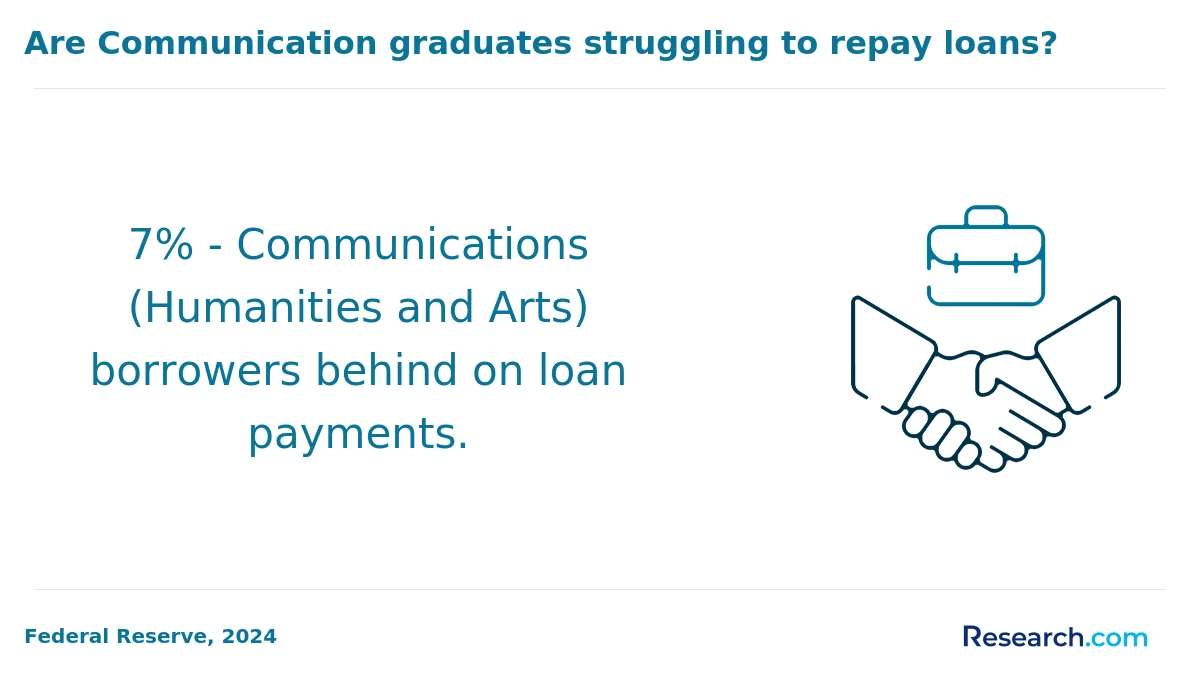
Graduate students pursuing online communication degrees in America typically access multiple financial aid sources to offset costs that average between $15,000 and $30,000 annually. Federal student aid remains the cornerstone, requiring completion of the FAFSA form to qualify for benefits such as Direct Unsubsidized Loans and Grad PLUS Loans. Many graduates from institutions like the University of Southern California or the University of Texas emphasize how federal loans with competitive interest rates facilitated manageable repayment plans tailored for online graduate students.
State-based grants and scholarships further reduce expenses, with residents of states like California and Texas benefiting from targeted programs supporting enrollment in accredited online communication programs. Universities themselves often provide merit-based scholarships or graduate assistantships, offering tuition remission or stipends. For example, communication graduates from Michigan State University have reported securing assistantships that included research responsibilities, easing their financial burden while enhancing professional skills.
Additionally, professional bodies such as the National Communication Association offer scholarships that encourage networking and career growth, valued especially by online learners seeking industry connections beyond campus.
What are the prerequisites for enrolling in online communication degree program in America?
Enrolling in an online communication degree in America typically requires a bachelor's degree from an accredited institution, often in fields like communications, journalism, or public relations. However, graduates from diverse academic backgrounds have successfully gained admission by demonstrating strong communication skills and relevant experience. For example, many students from broad liberal arts programs at universities such as the University of Southern California or Boston University have leveraged their unique perspectives to thrive.
Most programs expect a minimum undergraduate GPA around 3.0, although prestigious schools may require higher. This academic benchmark ensures applicants are well-prepared for graduate-level study. Graduates from competitive institutions recall the value of meeting or exceeding this standard, which helped ease their transition to advanced coursework.
Although GRE scores were once widely required, many schools now waive this requirement, reflecting modern hiring and admissions trends post-pandemic. Applicants with professional experience in media or corporate communication often highlight this strength, which can enhance their applications, especially at schools known for career-focused programs.
- Submission of letters of recommendation, usually two or three, from academic or professional sources
- Statement of purpose or personal essay explaining the applicant's goals and suitability for the program
- Official transcripts from all previously attended postsecondary institutions
This combination of academic credentials, professional experience, and clear motivation has empowered many graduates to succeed at top U.S. universities offering flexible online formats that accommodate working professionals and diverse life circumstances.
What courses are typically in online communication degree programs in America?
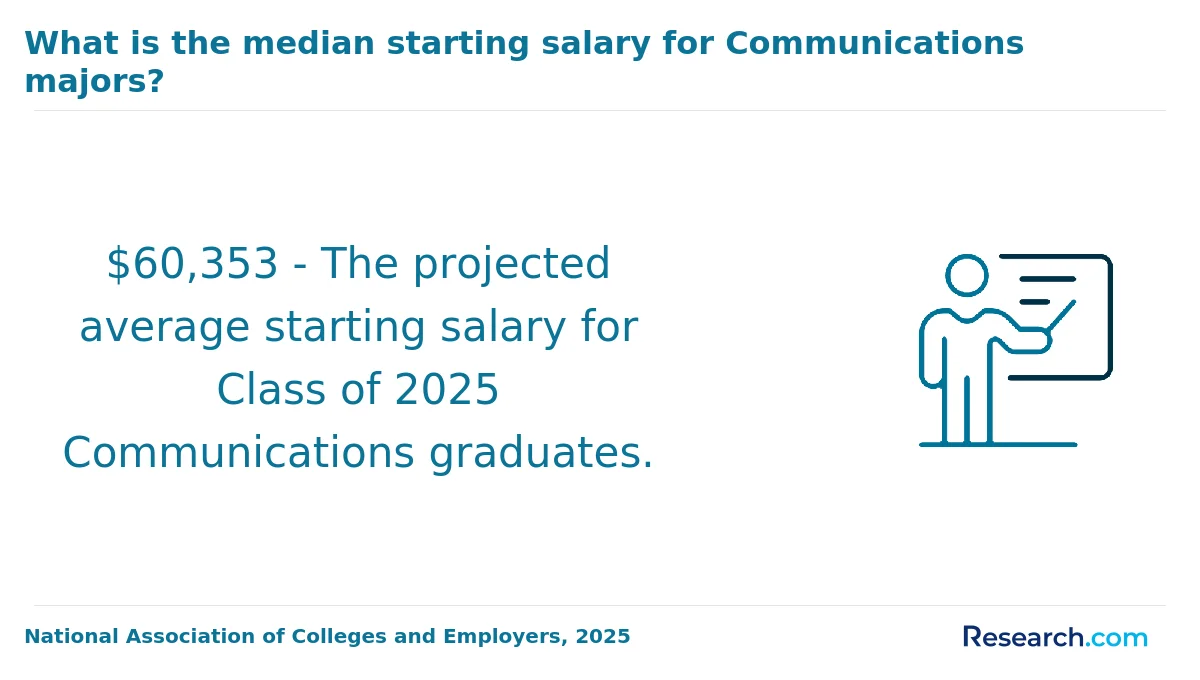
Online communication degrees in America typically include foundational courses in communication theory, public speaking, and interpersonal communication, essential for building effective speaking and listening skills. Graduates from well-known universities often recall how mastering public speaking boosted their confidence in professional settings such as interviews and presentations.
Students also engage in media writing and digital communication courses, learning to craft press releases and social media content tailored for diverse audiences. For example, communication graduates from popular colleges describe how writing real-world social media campaigns helped them secure internships and early job roles.
Strategic communication and crisis communication courses prepare students to plan campaigns and handle sensitive public relations situations, skills highly valued by employers nationwide. In addition, training in research methods and ethics equips them to analyze media impact responsibly, making their approach data-driven and trustworthy.
Electives like health or political communication allow personalization, enabling students to align their studies with specific interests. This curriculum mixture ensures that graduates from American online programs enter the workforce with both theoretical knowledge and practical expertise.
What types of specializations are available in online communication degree programs in America?
Online communication degree specializations USA typically include focused areas such as Digital Communication and Media, Public Relations and Strategic Communication, and Organizational and Corporate Communication. Graduates from universities known for communication programs report gaining practical expertise in digital marketing, social media management, and crisis communication-skills directly applicable in today's job market. For example, one graduate described mastering multimedia storytelling through case studies common at top colleges, which enhanced their confidence in content creation roles.
Types of communication master's degrees America offer also cover Health Communication and Intercultural Communication, addressing public health messaging and cross-cultural challenges respectively. These specializations reflect the growing demand for professionals who can navigate complex societal issues while improving public engagement. Students often appreciate how coursework includes real-world projects mirroring corporate and nonprofit settings.
The financial investment for these programs can vary, and many prospective students consider affordability important. For guidance on cost-effective options, explore the cheapest online degree communication listings. This data-driven approach helps future communication professionals make informed decisions that align with their career goals.
How do you choose the best online communication degree in America?
Choosing the best online communication degree in America requires careful evaluation of accreditation to ensure credits are transferable and programs meet regional standards like those from the Higher Learning Commission. Graduates from well-known universities often emphasize how accredited programs made advancing their careers smoother, especially when pursuing a specialization such as corporate communication or media studies. Curriculum relevance is critical; programs that integrate digital media, crisis communication, and data analytics better prepare students for the dynamic communications industry.
Cost considerations are equally important. With public four-year institutions averaging $10,560 annually for in-state students and private nonprofits around $27,020, understanding tuition and any online fees helps students avoid unexpected expenses. Flexibility with asynchronous learning and access to career support services significantly enhance student satisfaction, allowing balance between work and study. For those seeking affordability, some turn to the cheapest online bachelors in journalism degree programs. Exploring affordable online master's in communication America options can also provide tailored career pathways while maintaining budget control.
What career paths are available for online communication degree students in America?
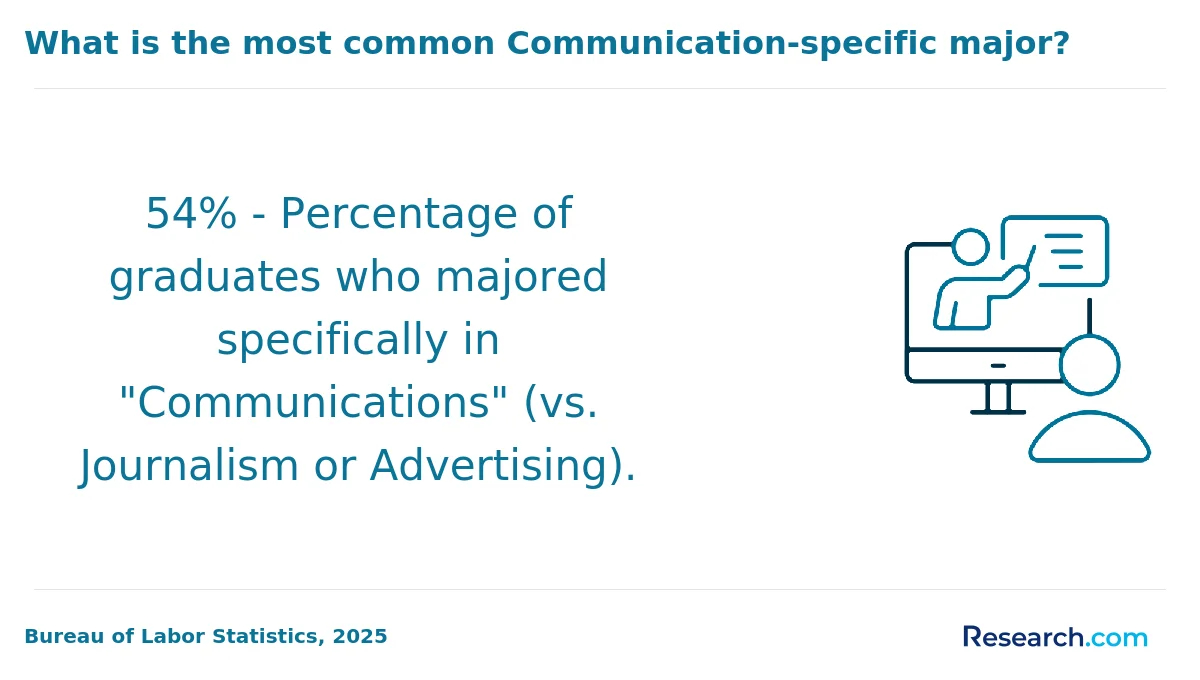
Graduates with an online communication degree in America access diverse career paths fueled by strong written, verbal, and digital communication skills. Popular roles include Public Relations Specialist, Marketing Communications Manager, and Social Media Manager, which are crucial in shaping brand images and engagement. Corporate Communications Officers and Technical Writers also utilize their expertise to craft consistent messaging and clear content, respectively. According to the U.S. Bureau of Labor Statistics, demand for communication-related jobs is set to grow steadily, highlighting the lasting value of such skills.
Many graduates from renowned institutions, including popular colleges known for communication programs, report positive employment outcomes and engaging workplace experiences. They often credit their education for not only technical abilities but also enhanced critical thinking and emotional intelligence-skills consistently valued by employers nationwide. For those exploring online communication degree career options USA offers flexibility and affordability without compromising on quality or access to professional networks.
Individuals considering this path often research detailed requirements for journalism to expand their expertise because journalism skills complement a broad communication skill set.
What is the job market for online communication degree in America?
The job market for graduates holding an online communication degree in America remains robust, with promising opportunities across various industries. Universities popular for communication studies, such as those offering flexible online programs, equip students with skills in digital content creation, public relations, and corporate communication that align with employer demands. Graduates often find roles as communications specialists, social media strategists, and corporate communications officers, leveraging both verbal and technological expertise.
Growth projections from the Bureau of Labor Statistics indicate an 11% increase in employment for communication-related fields through 2032, which outpaces the average trend across occupations. Many graduates from leading universities report a positive experience in securing positions that blend remote collaboration with digital strategy, reflecting the increased value of an online communication degree job outlook USA. Starting salaries vary, but data shows that public relations specialists can earn around $62,800, while managers in corporate communications often make close to $119,000.
Financially, online programs at state universities provide a competitive alternative to private institutions, supporting affordability. Graduates benefit from scholarship opportunities and financial aid tailored for communication majors. Those curious about specific earnings can explore public relations salary details, which help clarify overall career prospects for communication graduates in America.
Frequently Asked Questions About communication
Students pursuing online communication degrees in America can maximize their learning by actively engaging with course materials and instructors. Research from the National Center for Education Statistics indicates that students who participate regularly in online discussions tend to perform better. Establishing a structured study schedule helps balance coursework with professional and personal responsibilities, increasing retention and focus. Utilizing university resources such as tutoring, libraries, and career services also supports success. Networking with peers through virtual study groups enhances learning and professional growth, a key factor highlighted by the American Communication Association. Finally, choosing programs accredited by recognized bodies ensures quality education and better job prospects.
The communication field is rapidly evolving, with emerging niches reflecting changes in technology and society. One key area is digital communication, encompassing social media strategy, content creation, and online reputation management. According to the National Communication Association, job opportunities in this sector have grown by over 15% in the past five years.
Another rising niche is data analytics in communication, where professionals analyze audience metrics to tailor messages more effectively. This trend aligns with the increasing demand for evidence-based communication strategies in marketing and public relations.
Health communication is also expanding, focusing on public health campaigns and telehealth messaging, especially after the COVID-19 pandemic highlighted its importance.
Preparing for the job market after earning an online communication degree in America involves strategic planning and skill-building. According to the Bureau of Labor Statistics, communication jobs are projected to grow 9% from 2021 to 2031, faster than the average for all occupations. Graduates should focus on building a strong portfolio that showcases writing, digital media, and interpersonal communication skills.
Internships and practical experience obtained during studies are crucial. Employers highly value candidates with real-world communication experience. Additionally, networking through professional associations like the National Communication Association can provide career opportunities and mentoring.
Developing proficiency in social media, data analysis, and public relations software also boosts employability.
Employers in America highly value communication degree graduates who demonstrate strong interpersonal and presentation skills. According to the National Association of Colleges and Employers (NACE), 85% of employers prioritize oral and written communication abilities when hiring. These skills enable graduates to convey ideas clearly and collaborate effectively across teams.
Critical thinking and problem-solving are also key. Graduates must analyze information and develop strategic messaging in diverse settings, including media and corporate environments. Digital literacy, including proficiency with social media platforms and content management systems, is increasingly essential due to the rise of online communication channels.
Adaptability and cultural competence prepare graduates to work with diverse audiences in a globalized market. The U.S. Bureau of Labor Statistics notes steady growth in communication-related roles, emphasizing these competencies as vital for career advancement.
Finding internships relevant to a communication degree in America involves several practical strategies. Start by exploring your university's career center, which often lists internships targeted to communication students. Many schools partner with local media, PR firms, and corporations offering virtual or in-person internships. According to the National Association of Colleges and Employers (NACE), about 60% of internships lead to full-time jobs, emphasizing their importance for career entry.
Online platforms like Handshake and LinkedIn also feature internship listings specifically tailored to communication fields such as public relations, digital media, and corporate communications. Networking within professional associations like the Public Relations Society of America (PRSA) can provide valuable contacts and opportunities. Additionally, some states have specific internship programs supported by workforce agencies that focus on communication-related roles.
An online communication degree in America significantly enhances career mobility and advancement opportunities. According to the U.S. Bureau of Labor Statistics, roles related to communication, such as public relations specialists and media managers, are projected to grow 9% from 2022 to 2032, faster than the average for all occupations. Earning a degree online provides flexibility for working professionals to gain skills in digital media, strategic communication, and leadership without interrupting their careers.
Graduates often access higher-paying roles due to their advanced knowledge in communication theories and technologies. Employers value the ability to manage complex messaging across multiple platforms. Additionally, professional networks formed through online programs can open doors to new industries and leadership positions.
Studying for a communication degree in America equips students with versatile skills applicable across multiple industries. Programs emphasize critical thinking, media literacy, and persuasive communication, which are essential in fields like marketing, public relations, business, and healthcare. According to the National Center for Education Statistics, communication ranks among the top five most popular undergraduate majors, reflecting its broad appeal and relevance.
Courses often include interdisciplinary projects, combining insights from psychology, sociology, and technology. This prepares graduates to navigate complex professional environments where collaboration between fields is common. Additionally, many online programs incorporate real-world scenarios and digital tools, strengthening students' adaptability in diverse roles.
When choosing between a thesis and a non-thesis online communication degree in America, students should consider their career goals. Thesis programs focus on research and require a substantial written project, making them ideal for those interested in doctoral studies or academic roles. Non-thesis options typically emphasize practical skills and coursework, suitable for students aiming to enter the workforce quickly.
The Council of Graduate Schools reports that about 60% of American master's programs offer non-thesis options to accommodate working professionals. Research from the National Communication Association indicates that thesis graduates often pursue specialized fields like media analysis or strategic communication. Understanding whether you want to develop research skills or hands-on experience helps guide the choice effectively.
American students seeking to study communication abroad have several viable options through partnerships between U.S. universities and international institutions. Many accredited American universities offer exchange programs or dual degree opportunities with schools in Europe, Asia, and Australia. These programs allow students to earn credits toward their U.S. degree while gaining global perspectives in communication studies.
Additionally, some schools provide fully online communication degrees featuring virtual study abroad components or international internships. According to the National Center for Education Statistics, about 10% of U.S. students participate in study abroad programs, many involving communication disciplines.
Such international experiences help develop cross-cultural communication skills, increasingly valued in global media and corporate sectors.
Part-time job opportunities can greatly enhance your learning experience while pursuing an online communication degree in America. Positions such as social media coordinator, content writer, or public relations assistant offer practical skills that align with communication coursework. According to the U.S. Bureau of Labor Statistics (2023), jobs in public relations and communications are expected to grow 11% over the next decade, highlighting demand in these fields.
Working in customer service roles also builds interpersonal and organizational skills valuable to communication professionals. Internships or freelance work in marketing agencies provide hands-on experience with media tools and campaign strategies. Engaging in these roles helps students apply theoretical knowledge and improve employability upon graduation.
Online communication students in America benefit from a variety of networking opportunities designed to connect them with peers and industry professionals. Many accredited online programs provide virtual forums, group projects, and live webinars that foster collaboration. Schools often organize online career fairs and alumni networking events, essential for job prospects in media, public relations, and digital communication sectors.
Additionally, professional organizations like the National Communication Association and the Public Relations Society of America offer student memberships, granting access to conferences and exclusive online communities. According to the U.S. Bureau of Labor Statistics, networking significantly improves employment chances in communication fields, underscoring its importance for online students.
Alumni networks provide significant advantages to students pursuing online communication degrees in America. These networks often offer access to industry professionals working in media, public relations, and corporate communications. According to the National Communication Association, strong professional connections can increase job placement rates by up to 30% for recent graduates.
Alumni groups frequently host networking events, webinars, and mentoring programs tailored to communication careers. This allows students to gain insights into current industry trends and develop practical skills.
Furthermore, many universities maintain exclusive job boards for alumni, giving online communication students an edge in the competitive US job market.
Many online communication degree programs in America offer flexibility to tailor your studies according to career goals. You can often choose from elective courses focused on fields like public relations, digital media, corporate communication, or health communication. This customization helps build skills relevant to your desired industry.
Some programs provide capstone projects or internships that align with specific career paths, allowing practical experience. Additionally, accredited universities may offer specializations or certificates within the online degree, enhancing your expertise.
According to the National Center for Education Statistics, over 70% of U.S. communication graduates find jobs in media, marketing, or corporate sectors, where specialized knowledge can boost employability.
Online communication students in America often face several notable challenges. One key difficulty is maintaining engagement in virtual classrooms, as remote learning can lead to feelings of isolation. According to a 2023 EDUCAUSE report, 50% of online students reported struggling with connectivity and digital distractions.
Time management is another common issue, especially for students balancing work or family responsibilities. Interactive assignments and group projects may also be more complex due to differing schedules and limited face-to-face interaction.
Furthermore, students sometimes find it difficult to develop practical communication skills without in-person practice. This is a concern frequently highlighted by academics in communication studies, underscoring the need for innovative online teaching methods.
With an online communication degree in the United States, graduates can enhance their career prospects by pursuing several professional certifications. Popular options include the Certified Professional in Learning and Performance (CPLP), offered by the Association for Talent Development, which focuses on workplace learning and development.
Another valuable certification is the Accredited Business Communicator (ABC) from the Business Marketing Association, which validates skills in strategic communication and marketing.
Additionally, the Public Relations Society of America (PRSA) offers the Accreditation in Public Relations (APR), a well-regarded credential for PR professionals. According to the Bureau of Labor Statistics, communication professionals with certifications often experience faster career growth and higher salaries.
Crafting a successful application for an online communication degree in America requires clear demonstration of your motivation and relevant experience. Admissions committees look for applicants who articulate their goals in the personal statement, showing understanding of communication theories and real-world applications.
Highlight any prior coursework or professional roles involving media, public relations, or digital communications. According to the National Communication Association, practical experience significantly enhances acceptance chances.
Strong letters of recommendation from academic or workplace supervisors who can attest to your communication skills are essential. Also, ensure your resume is updated, emphasizing communication-related achievements.
Lastly, meet all deadlines and follow specific application instructions carefully to strengthen your candidacy.
The field of communication offers broad global opportunities, but perspectives vary by region. In the United States, communication careers are valued for their adaptability across industries, from public relations to digital marketing. According to the U.S. Bureau of Labor Statistics, the employment of communication specialists is expected to grow 10% from 2022 to 2032, faster than the average for all occupations.
Internationally, communication experts are crucial for global business, diplomacy, and media. The rise of online platforms increases demand for professionals skilled in intercultural communication and digital content creation.
American universities emphasize these global skills in their online communication programs, preparing students for diverse career paths both domestically and abroad.
Gaining practical experience while studying for an online communication degree in America is essential for career readiness. Many programs offer virtual internships, allowing students to work with real clients and projects remotely. According to the National Association of Colleges and Employers, nearly 60% of employers value internship experience when hiring communication graduates.
Participating in online student media, such as digital newspapers or radio stations, provides hands-on experience with content creation and media management. Networking through virtual industry events or webinars also helps build professional connections. Additionally, some universities partner with local organizations to provide service-learning opportunities that enhance applied skills.
Finally, completing capstone projects or portfolios often simulates real-world communication challenges, a strategy endorsed by the American Communication Association for skill development.
Choosing the right concentration within an online communication degree in America depends largely on your career goals and interests. Popular concentrations include public relations, digital media, organizational communication, and health communication. According to the National Communication Association, public relations roles are growing by 9% annually, indicating strong job opportunities.
Consider your preferred work environment-whether corporate, nonprofit, or media-focused-and seek programs offering relevant coursework. Many accredited programs allow flexibility to tailor electives, which can enhance specialized skills. Gathering information on alumni outcomes and internship options can also inform your decision. Finally, check if the program aligns with your professional certifications or industry standards.
Top Trending Communication Rankings
References
- Communication Frequently Asked Questions | Central Methodist University https://centralmethodist.edu/academics/undergraduate/communication/communication-faq.html
- The Power of Effective Communication in Career Advancement https://www.nationalcollege.edu.au/The-Power-of-Effective-Communication-in-Career-Advancement.php
- 2025 Most Affordable Online Communications Degrees https://www.onlineu.com/most-affordable-colleges/communications-degrees
- Online Degree vs. Traditional | University of Arkansas Grantham https://www.uagrantham.edu/blog/pros-cons-online-degree-vs-traditional-university/
- Where Communications Majors Earn the Most (and Least) https://www.mastersincommunications.org/where-communications-majors-earn-most-least/
- 10 Essential Networking Tips for Students to Help Build Strong Connections - Luxury Student Homes https://www.luxurystudenthomes.co.uk/networking-tips-for-students/
- What do you study in communication studies? - INSEEC https://www.inseec.com/en/guides/orientation-guide/what-do-you-study-in-communication-studies/
- Targeted communication strategy for alumni community https://www.alumnforce.com/en/targeted-communication-strategy-for-alumni-networks-how-to-create-lasting-commitment/
- What Kind of Jobs Can You Get With a Communications Degree? https://www.belmont.edu/stories/articles/2025/what-kind-of-jobs-can-you-get-with-a-communications-degree.html
- Online Graduate Certificate Programs in Communication: Strategic, Business https://www.mastersincommunications.com/faqs/graduate-certificate-programs-in-communication