2027 Fastest Online Master's in Communication Degree Programs Ranking in the USA

Co-Founder and Chief Data Scientist
Whether you're aiming to boost your career or explore new opportunities, earning a communication degree can open many doors. Choosing the right program matters, especially when time is a priority.
This article introduces the 2027 Fastest Online Master's in Communication Degree Programs Ranking in the USA, developed by the Research.com team of data scientists. It offers a clear, data-driven guide to help you find quality programs that fit your busy lifestyle.
Discover flexible options designed for speed without sacrificing value, and take confident steps toward your future success.
Key benefits of getting online communication degree in America
- Graduates with a communication degree can expect an average hourly wage around $22 to $30 in entry to mid-level roles, offering a solid financial foundation as they advance in their careers.
- Career paths for communication graduates include public relations, marketing, social media management, and corporate communication, as seen with alumni from popular universities like the University of Southern California.
- Online communication degrees offer flexibility and convenience, allowing graduates from schools like Arizona State University to balance work and study while gaining valuable skills without relocating or compromising their schedules.
- Key benefits of getting online communication degree in America
- What can I expect from online communication degree in America?
- Where can I work with online communication degree in America?
- How much can I make with online communication degree in America?
- 2027 Fastest Online Master's in Communication Degree Programs Ranking in the USA
- Key Findings
- How long does it take to complete online communication degree in America?
- What's the difference between online and on-campus communication degree?
- What is the average cost of online communication degree in America?
- What financial aid is available to online communication degree students in America?
- What are the prerequisites for enrolling in online communication degree program in America?
- What courses are typically in online communication degree programs in America?
- What types of specializations are available in online communication degree programs in America?
- How do you choose the best online communication degree in America?
- What career paths are available for online communication degree students in America?
- What is the job market for online communication degree in America?
- Top Trending Communication Rankings
What can I expect from online communication degree in America?
Wondering about the price tag on an online communication degree in America? Graduates juggling work and family from top programs at places like Arizona State University or the University of Florida often find the total cost landing between $10,000 and $25,000, depending on factors like residency and course load. This range makes these degrees an accessible investment, especially when weighed against their career-launching potential.
Imagine a busy professional designing campaigns by day and earning credits by night, all while feeling the thrill of practical projects and digital internships that simulate real-world client challenges. The modest tuition cost often includes access to cutting-edge virtual tools and supportive faculty who understand the remote learning hustle.
Students often share how this blend of affordability and flexibility sparked confidence and momentum, turning their online classrooms into hubs of creativity and collaboration. The price, when compared to the future payoff in marketing, PR, or media consulting roles, becomes a stepping stone rather than a barrier.
Where can I work with online communication degree in America?
Graduates from online communication programs at places like the University of Southern California or Penn State find themselves weaving stories and strategies across vibrant industries. Imagine crafting a viral social media campaign for a trendy startup in San Francisco or shaping the brand voice of a nonprofit championing climate action-these are real possibilities. In bustling corporate offices, communication grads become the pulse of internal dialogue, steering employee engagement and smoothing crises with poise. Others dive into public relations, orchestrating press releases or managing artful narratives for government agencies, turning complex ideas into captivating messages.
Marketing teams crave graduates who can decode audience behavior and build digital campaigns that sing, often landing roles as content creators or social media managers right out of college. Traditional journalists might feel the squeeze, but innovation pulses in digital media-video production and online storytelling offer expanding horizons. From the classrooms of New York University to virtual seminars at Arizona State, communication students embrace dynamic careers fueled by creativity and a knack for connection.
How much can I make with online communication degree in America?
Graduates emerging from online communication programs at renowned schools like the University of Southern California or the University of Pennsylvania discover a salary landscape that starts around $45,000 to $60,000 annually for entry-level roles. Imagine a fresh graduate stepping into a public relations firm in Chicago, earning a median salary near $63,000, enough to savor city life while planning future moves.
Those drawn to marketing and research positions enjoy median earnings around $65,000, turning creative ideas into campaigns that captivate audiences nationwide. The potential expands as they gain experience, climbing to managerial roles where salaries crest around $123,000. Picture a communications manager crafting corporate narratives in New York City, leveraging that 10-to-20% metropolitan salary boost to fuel an energized urban lifestyle.
The dynamic digital media realm also invites specialists like social media managers, who often command $60,000 to $90,000 depending on their flair and employer's scale. Online communication degrees from institutions across America unlock these promising pathways, where passion meets tangible financial rewards.
2027 Fastest Online Master's in Communication Degree Programs Ranking in the USA
How do we rank schools?
Investing in your education is a significant decision, and the Research.com team recognizes the importance of providing trustworthy information to guide prospective students. To support individuals seeking the fastest online master's degree programs in communication, we have carefully developed the "2027 Fastest Online Master's in Communication Degree Programs Ranking in the USA." Our dedication to quality, credibility, and accuracy involved thorough research and data analysis from multiple authoritative sources.
By engaging with this ranking, readers will receive clear, evidence-based guidance to choose a program that aligns with their timeline and professional goals. For a deeper understanding of how we compiled this ranking, please visit our Research.com methodology page.

# 2 position
Florida International University
Master of Mass Communication, Global Strategic Communication




Key Findings
- Online communication degrees cover public relations, media studies, digital communication, and interpersonal communication.
- Bachelor's degrees cost between $20,000 and $40,000 in total tuition, while master's programs range from $15,000 to $35,000.
- Entry-level salaries for communication graduates typically range from $40,000 to $50,000 per year.
- With experience, salaries can increase to between $60,000 and $80,000 annually depending on the role and sector.
- Communication jobs are projected to grow at about 9% over the next decade, faster than the average for all occupations.
How long does it take to complete online communication degree in America?
Picture a student juggling work and family while diving into an online communication degree at a well-known American university. For many, the journey to a bachelor's stretches across about four years, mirroring the rhythm of traditional campuses, with 120 to 130 credit hours to conquer. This pace offers ample room to savor learning without losing balance.
Graduate students, however, step into a whirlwind: many finish their master's in communication in just one to two years. At schools like those popular in America, accelerated paths allow some to don their cap and gown in as little as 18 months-ideal for those hungry to level up swiftly.
Full-time enrollment often feels like riding a fast train, while part-time students take a scenic route, absorbing knowledge with life's other demands. Imagine transferring prior credits and feeling the joy of those courses ticking off your list, cutting your journey shorter.
These timelines flex with your ambitions and life, wrapped in the freedom only online study can grant.
What's the difference between online and on-campus communication degree?
Imagine juggling your job and family while earning a communication degree from a place like Arizona State University-all from your cozy living room. That's the magic of online programs: flexibility and freedom. Graduates often rave about attending lectures after work and skipping the commute, making learning feel like a tailored part of their daily rhythm. On the flip side, picture stepping onto the University of Southern California's vibrant campus, engaging in face-to-face debates, and sweating through group media projects-on-campus life pulses with energy and spontaneous connections that fuel creativity.
Costs tell a story, too. Public universities average around $11,400 a year for in-state students on campus, not counting housing or parking. Online, many programs hover near that number but slice away extra expenses, offering a financial breather. Quality-wise, whether you're navigating digital classrooms or seminar rooms, top programs hold the same accreditation, ensuring that your diploma speaks the same academic language.
Networking and internships often bloom slightly differently. On-campus students tap into bustling local opportunities and career centers, while online learners dive into virtual resources, finding new ways to connect beyond geography.
What is the average cost of online communication degree in America?
Imagine balancing your life as a working adult or a busy parent while earning a communication degree online from a well-known American university like the University of Florida or Arizona State. The average cost of an online communication degree in America hovers around $23,247, a number that reflects a mix of in-state affordability and out-of-state premiums. Graduates often recall how this moderately priced investment unlocked new career paths without the dreaded financial strain many expect. For example, a student from a popular public university was pleasantly surprised to find in-state tuition closer to $18,177, making the dream feel attainable.
Others attending renowned institutions in different states faced out-of-state costs near $22,308 but offset that by securing scholarships or employer tuition assistance. They describe the process like assembling a puzzle where every piece-financial aid, flexible pacing, and personal grit-fit together to reveal a clear, achievable goal. This median total cost reflects the reality that pursuing your passion isn't a luxury but a reachable milestone.
Costs can be tricky with per-credit pricing that swings between $300 and $1,200 depending on the program structure. Many students prefer programs with accelerated formats to save both time and money. If you're curious about affordable options and want to dive deeper into how these figures can vary, consider exploring the cheapest online master's programs communications available nationwide.
True explorers of education know the total expenses for online communication master's in USA programs are more than mere numbers-they are invitations to personal and professional growth, promising a rewarding path filled with inspiration and real-world impact.
What financial aid is available to online communication degree students in America?
Imagine a graduate from the University of Southern California celebrating her acceptance to an online communication program, breathing a sigh of relief thanks to a mix of Pell Grants and unsubsidized federal loans that bridge the hefty $25,000 yearly tuition gap. This blend of federal financial aid-work-study gigs combined with loans capped at $20,500 annually-often shapes the backbone of funding for communication students across America.
Meanwhile, another grad at the University of Florida discovers institutional scholarships tailored to communication majors with a passion for public relations, easing financial stress while fueling ambition. Stateside programs amplify this support: imagine a student in Texas accessing in-state grants and loan forgiveness designed for those committed to public service or education in communication.
Professional organizations like the National Communication Association add a sprinkling of magic via scholarships that champion diversity and real-world experience-internships funded, research dreams realized. For many working professionals eyeing degrees, employer tuition assistance programs, boasting a 56% participation rate, turn career dreams into doable realities with tangible tuition reimbursements.
Each aid source interlocks like pieces in a puzzle, crafting a uniquely supportive financial path in the vibrant landscape of online communication education in America.
What are the prerequisites for enrolling in online communication degree program in America?
Imagine a dedicated graduate from a top-tier university in America, eager to jump into an online communication degree. Their journey began with a sturdy academic foundation-a bachelor's degree from an accredited U.S. college, boasting a GPA flirting with the 3.0 mark. This baseline isn't just a number; it's a signal schools like the University of Southern California or Syracuse look for, ensuring you're ready to engage deeply with communication theory and practice.
But it's not all about grades. Picture another graduate who, despite a slightly lower GPA, soared through with impressive hands-on experiences-crafting marketing campaigns, managing social media for nonprofits, or reporting for student media outlets. Programs often reward such professional proof, sometimes waving standardized tests like the GRE aside.
Gather your arsenal: official transcripts narrate your academic story, letters recommend your potential, a statement of purpose lets your voice shine, and your resume showcases real-world communication chops. International peers feel the pulse too, often demonstrating English fluency via TOEFL or IELTS scores, ready to join the American communication tapestry.
What courses are typically in online communication degree programs in America?
Imagine diving into a world where words shape reality-online communication degrees in America take you there. Graduates from renowned schools like the University of Southern California often describe their journey through courses that decode the art of messaging. Communication theory isn't just a buzzword; it's the secret map revealing how your texts, tweets, and talks ripple through society.
Picture sitting at your kitchen table, mastering interpersonal communication by role-playing real workplace scenarios, transforming awkward conversations into powerful connections. Core classes unravel mass communication and media studies, showing you how media from newspapers to Instagram steer public opinion.
- Communication research methods sharpen your detective skills, teaching you to gather and analyze data that uncovers hidden trends.
- Digital communication and social media classes empower you to craft vibrant online content that genuinely engages audiences across platforms.
- Organizational communication makes teamwork clicks and hums in offices and nonprofits alike.
- Media law and ethics ground you in the real-world rules shaping your freedom to speak and publish responsibly.
Graduates recall that these courses build a toolkit not only for careers but for everyday life, turning communication from a challenge into a thrilling adventure.
What types of specializations are available in online communication degree programs in America?
Imagine diving into an online communication degree in America where you can carve your own path through fields like Corporate Communication, mastering the art of steering company messages through crises or energizing employee engagement. Graduates from top schools often recall how this specialization felt like wielding a powerful tool for influencing real-world business dynamics.
Others plunge into Public Relations, crafting compelling stories and managing public perception with digital savvy-skills sharpened by programs known nationwide. Picture brainstorming viral campaigns from your living room, just like many students enrolled in the best communication degree focuses in America experience at renowned universities.
Then there's Media Studies and Digital Communication, a playground of social media wizardry and content creation where graduates feel they're shaping tomorrow's conversations. The hands-on approach echoes the evolving landscape of American media, engaging over 70% of adults online.
Health Communication draws students passionate about clear messaging in healthcare-translating complex info into life-changing campaigns that resonate deeply in communities. Interpersonal and Organizational Communication or Advertising specializations add further dimensions to this rich spectrum, illuminating just how versatile an online communication degree specializations USA can be.
For a thorough exploration of your options, tapping into resources on online bachelors in communication brings clarity and direction.
How do you choose the best online communication degree in America?
Picture yourself navigating the maze of best online communication degree programs USA-your compass is accreditation, so scout for universities recognized by solid agencies like the Higher Learning Commission. Graduates from top public universities rave about how accredited programs opened doors, making their resumes shine brighter in the job market. Affordability matters too; seasoned learners from private colleges often wise you to weigh tuition against potential debt, remembering that affordable online communication master's degrees America aren't just about sticker price but include hidden fees like tech and books.
Imagine shaping your studies like a master sculptor, selecting specialized courses-from interpersonal wizardry to digital storytelling-that fit your passion and career vibe. Alumni from major communication schools recall how options like corporate or health communication provided pathways tailored to their professional dreams.
Flexibility is your secret weapon: asynchronous classes allow busy professionals to juggle life's circus. Graduates appreciate programs offering internships and robust support, echoing how real-world experience and career resources prepare them for the stage. Curious about niche careers? Explore types of public relations jobs to see the spectrum.
What career paths are available for online communication degree students in America?
Graduates armed with an online communication degree from renowned American universities like the University of Southern California or Syracuse University often step into roles that blend creativity with strategy. Imagine orchestrating a campaign as a Public Relations Specialist, shaping narratives that ripple through media channels nationwide. Or envision yourself as a Marketing Coordinator, weaving digital and traditional tales that captivate diverse audiences. In the dynamic realm of corporate communications management, graduates find themselves crafting compelling internal dialogues that keep sprawling companies unified and energized.
Social Media Managers harness the pulse of platforms like Instagram and TikTok, transforming fleeting trends into brand loyalty, while Media Planner/Buyers strategically navigate advertising landscapes to maximize impact. The spectrum of online communication degree careers USA is vibrant and expansive, giving graduates the flexibility to follow their passion.
Many graduates from popular colleges celebrate how internships and projects during their studies armed them with real-world confidence and impressive portfolios. For those curious about elevating their earning potential, exploring the salary with a master's in public relations offers eye-opening insight.
Ultimately, communication degree job opportunities in America pulse with possibilities that welcome those ready to innovate and inspire.
What is the job market for online communication degree in America?
The American job market for communication graduates sparkles with promise as diverse sectors clamor for sharp storytellers and strategic minds. Graduates holding an online communication degree dive into roles like social media management and corporate communication with confidence, buoyed by rising demand in media and marketing. Those who studied at institutions like Arizona State University or the University of Florida often share how their practical coursework and flexible schedules prepared them for fluid career shifts, from nonprofit advocacy to bustling PR firms.
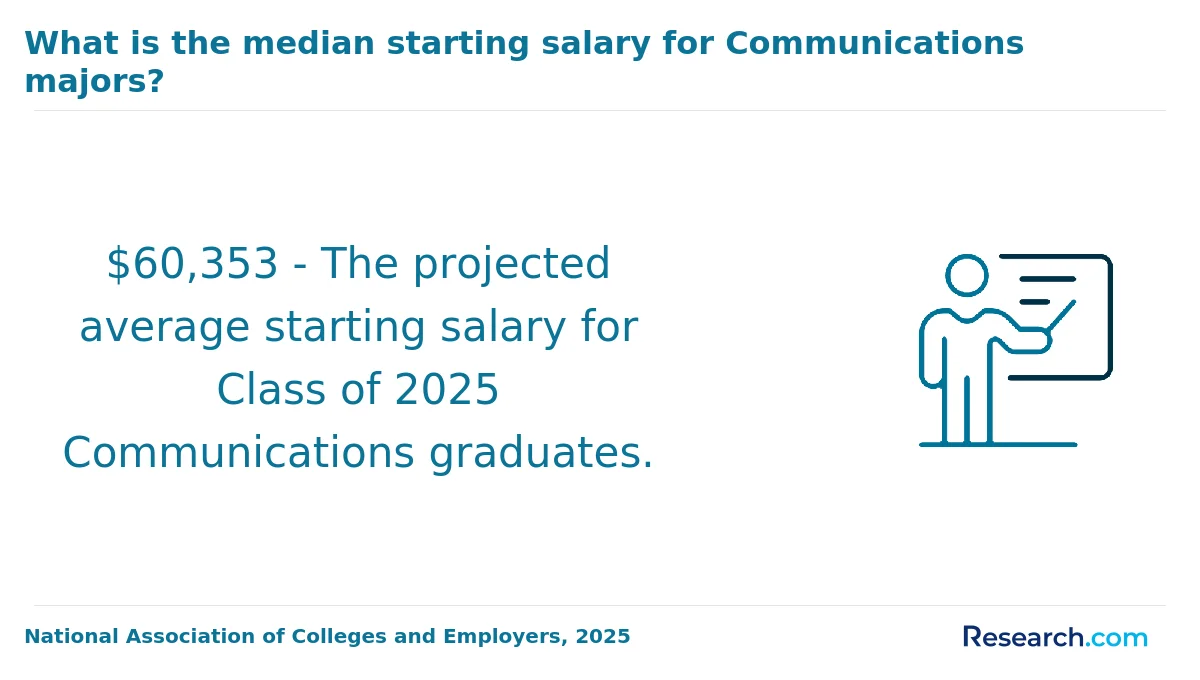
With employers eager to embrace graduates fluent in digital storytelling and analytics, the outlook brightens. The average starting salary hovers near $50,000, while savvy professionals elevate their earnings into the $70,000 to $90,000 range, especially in vibrant metropolitan hubs. Students pursuing an online communication degree job prospects USA speak to the enriching experience of balancing studies and real-world applications, making the leap into roles such as marketing coordinators or content creators.
Many students explore pathways toward a public relations master's degree to bolster their edge in this increasingly competitive landscape, blending the art of messaging with the rigor of strategy.
Frequently Asked Questions About communication
Online communication degree students in America can maximize their learning by actively engaging with course materials and participating in virtual discussions. According to the National Center for Education Statistics, online programs with interactive elements improve retention and comprehension. Setting a structured study schedule is crucial to stay disciplined, as self-motivation strongly influences success in online learning.
Students should also leverage digital networking opportunities, joining professional communication groups like those of the National Communication Association to build connections. Accessing American Public Libraries' online databases can provide valuable research resources as well. Finally, seeking internships or real-world projects enhances practical skills essential in the communication field.
Emerging niches within the communication field in America reflect the evolving digital landscape and societal shifts. One rapidly growing area is digital and social media communication, driven by the widespread use of platforms like Instagram and TikTok. According to the Bureau of Labor Statistics, communications roles that focus on digital strategy are expected to grow by 13% through 2032.
Another niche gaining momentum is health communication, which combines public health and media strategies to improve outcomes. The COVID-19 pandemic highlighted the critical need for clear, accurate messaging in this field.
Additionally, diversity and inclusion communication is becoming essential, with organizations investing more in outreach that supports equity initiatives. These emerging areas offer fresh opportunities for students pursuing online communication degrees to specialize and address contemporary challenges.
Preparing for the job market after completing an online communication degree in America involves developing practical skills alongside academic knowledge. Graduates should build a strong portfolio showcasing their writing, digital media, and public speaking abilities. According to the Bureau of Labor Statistics, employment in communication-related fields is expected to grow 8% from 2022 to 2032, indicating solid demand.
Networking is essential; joining professional organizations such as the Public Relations Society of America or the National Communication Association provides valuable connections. Internships and freelance opportunities also offer real-world experience, increasing employability. Additionally, mastering industry-standard software and understanding social media analytics can distinguish candidates in a competitive market.
Employers in America consistently seek communication degree graduates with strong interpersonal skills. According to the National Association of Colleges and Employers (NACE), verbal and written communication are among the top attributes valued by employers in 2023. Graduates must demonstrate the ability to clearly convey ideas across diverse audiences, including digital platforms.
Critical thinking and problem-solving also rank highly. The ability to analyze complex information and craft strategic messages is essential in fields like public relations and corporate communication. Furthermore, familiarity with digital media tools and data analytics is increasingly important due to the shift toward online and social media communication.
Teamwork and adaptability are equally valued, reflecting the collaborative nature of modern workplaces. Employers often prefer candidates with practical experience through internships or projects, which showcases their readiness to apply communication theories in real-world settings.
Finding internships relevant to an online communication degree in America involves multiple strategies tailored to the communication field. Start by exploring university career services, which often maintain partnerships with media firms, PR agencies, and corporations looking for communication interns. Many U.S. colleges report that nearly 70% of communication students secure internships through these offices (NACE, 2023).
Utilize professional networking platforms like LinkedIn to connect with communication professionals and companies. Joining organizations such as the Public Relations Society of America (PRSA) can also offer internship listings and mentorship opportunities.
Additionally, federal and local government websites post internship openings in communication roles. According to the Bureau of Labor Statistics, communication occupations are projected to grow by 9% from 2022 to 2032, increasing internship availability.
Online communication degrees in America significantly enhance career mobility and advancement by equipping students with modern skills in digital media, public relations, and strategic communication. According to the U.S. Bureau of Labor Statistics, employment in communication-related fields is projected to grow about 8% from 2022 to 2032, faster than the average for all occupations.
The flexibility of online programs allows working professionals to earn degrees without interrupting their careers, making it easier to qualify for higher positions or switch industries. Graduates often move into roles such as corporate communications managers, social media strategists, or public relations specialists, which typically offer higher salaries and leadership opportunities (Payscale, 2023).
Moreover, employers increasingly value digital communication proficiency, which online degrees emphasize through updated tools and platforms. This relevance improves graduates' competitiveness in the job market and supports sustained career growth inside organizations nationwide.
Studying for a communication degree in America equips students with versatile skills applicable across multiple fields. Communication programs emphasize critical thinking, interpersonal skills, and digital literacy, which are essential in today's interconnected workplace. According to the National Center for Education Statistics, communication is one of the most popular majors, reflecting its broad relevance.
Courses often integrate media studies, business, psychology, and technology, fostering an interdisciplinary approach. This prepares graduates for roles in marketing, public relations, healthcare, and more. For example, strong communication abilities enhance collaboration between technical and non-technical teams, a key asset in many industries.
The focus on both theory and practical application ensures graduates can adapt to diverse professional challenges. Furthermore, the increasing prevalence of online programs in communication allows students to engage with varied perspectives, preparing them for globalized work environments.
When choosing between a thesis and a non-thesis communication degree program in America, consider your career goals and learning preferences. Thesis programs emphasize research, requiring students to produce an original study, making them suitable for those interested in academic or research roles.
Non-thesis programs focus on practical skills and often include internships, appealing to students aiming for direct entry into communication industries like public relations or corporate communication.
The Council of Graduate Schools reports that approximately 40% of communication master's students opt for thesis tracks, reflecting strong interest in research careers.
Additionally, thesis programs may take longer to complete due to research demands, while non-thesis tracks often offer faster completion times, helpful for working professionals seeking flexibility.
American students seeking to study communication abroad have several online options through partnerships between U.S. universities and international institutions. Many accredited U.S. schools offer joint or dual degree programs, allowing students to earn credits from partner universities overseas while completing their degree remotely.
Popular destinations for these programs include the United Kingdom, Australia, and Canada, where communication studies often focus on global media, intercultural communication, and digital strategies.
According to the Institute of International Education (IIE), over 40,000 American graduate students enrolled in international programs in 2022, with communication fields growing steadily due to increased demand for multimedia expertise.
Students benefit from flexible schedules and exposure to diverse perspectives without leaving the U.S., making online study abroad viable amid travel restrictions or personal commitments.
Part-time job opportunities that complement an online communication degree in America often include roles in public relations, social media management, and content creation. These positions help build practical skills valuable for graduates entering the communication field. For example, social media internships allow students to apply digital marketing strategies while managing real campaigns.
Customer service and administrative roles at media companies or nonprofit organizations also provide relevant experience in effective communication and project coordination. According to the U.S. Bureau of Labor Statistics, communication specialists have a projected job growth of 11% from 2021 to 2031, indicating expanding opportunities.
Freelance writing and editing can further enhance one's portfolio, improving professional prospects upon graduation.
Networking opportunities for online communication students in America are robust and varied. Many accredited institutions offer virtual events, webinars, and discussion forums tailored specifically for communication students. For example, the National Communication Association hosts annual conferences that online students can often attend virtually, providing valuable interaction with professionals and academics.
Additionally, online programs commonly integrate group projects and peer collaboration tools to foster connections. According to the Bureau of Labor Statistics, communication jobs in the U.S. are expected to grow 10% from 2022 to 2032, highlighting the importance of strong professional networks.
Students can also join professional organizations such as the Public Relations Society of America or the American Marketing Association, which offer student memberships, mentorship, and local chapter events. These platforms help build meaningful relationships with industry experts and alumni, crucial for career advancement in communication fields.
Alumni networks offer significant advantages to online communication degree students in America by fostering professional connections that can lead to internships, job opportunities, and mentorship. According to the National Association of Colleges and Employers (NACE), 85% of jobs are filled through networking, highlighting the importance of strong alumni ties.
Many schools provide exclusive online platforms and virtual events that allow students to engage with successful graduates in media, public relations, and digital communication fields. This access supports career development and industry insights.
Additionally, alumni often share advice on navigating the evolving communication landscape, which can be invaluable for students aiming to specialize or stay current with trends. The American Marketing Association reports that communication roles are expected to grow by 10% by 2031, underscoring the need for robust networks.
Customizing an online communication degree program in America allows students to better align their education with specific career goals. Many universities offer concentrations such as public relations, digital media, corporate communication, and health communication. Selecting relevant electives and capstone projects strengthens expertise in desired areas.
Online programs often provide flexible scheduling, enabling students to balance work and study. According to the National Center for Education Statistics, over 60% of communication graduate students choose specialized tracks to increase job market competitiveness.
Additionally, internships and virtual networking opportunities integrated within programs can help build practical skills and professional connections, enhancing career prospects.
Online communication students in America often face challenges related to time management and self-discipline. Many learners must balance coursework with work and family responsibilities, which can lead to stress and reduced performance. According to the National Center for Education Statistics, about 41% of graduate students experience difficulties maintaining this balance.
Another common hurdle is limited hands-on interaction. Communication fields rely heavily on interpersonal skills, but virtual classes can restrict real-time practice and networking opportunities. This may affect skill development and professional connections.
Technical issues also pose a frequent challenge. Students may encounter unreliable internet service or lack familiarity with digital platforms used in online programs, causing disruptions.
Finally, some students report feeling isolated, as online environments may not fully replicate the campus community experience needed for motivation and engagement.
Graduates with an online communication degree in the United States can pursue several professional certifications to enhance their career prospects. Popular certifications include the Certified Communication Professional (CCP) and the Strategic Communication Management Professional (SCMP) offered by organizations like the International Association of Business Communicators (IABC) and the Global Communication Certification Council.
These certifications validate skills in areas such as public relations, corporate communication, and digital media strategy. According to the U.S. Bureau of Labor Statistics, communication-related roles are expected to grow by 11% from 2022 to 2032, making such credentials valuable for professionals.
Additionally, certifications in social media marketing and content strategy, like those from the Content Marketing Institute, are highly sought after in the communication field.
Writing a winning application for an online communication program in America requires careful attention to detail and clarity. Start with a strong personal statement that highlights your passion for communication and relevant experiences, such as internships or work in media, public relations, or digital marketing. According to the National Communication Association, effective writing skills are key to success in the field. Include specific goals showing how the program aligns with your career aspirations.
Submit all required documents on time, including transcripts and letters of recommendation from professionals familiar with your skills. Many programs also value GRE scores, but some waive this for relevant work experience. Lastly, ensure your resume demonstrates communication-related achievements clearly and accurately.
Global perspectives on a communication career emphasize its expanding importance in a connected world. In the United States, communication degrees equip students with skills valued internationally, such as media literacy, intercultural communication, and digital strategy. According to the U.S. Bureau of Labor Statistics, employment in communication-related fields is expected to grow by 8% from 2022 to 2032, showing strong demand domestically and relevance worldwide.
Many U.S. institutions offer online communication degrees with global content, preparing graduates for roles in multinational companies, diplomacy, and international media.
Professionals with these degrees often work in diverse settings, reflecting a globalized job market where clear messaging and cultural awareness are crucial.
Gaining practical experience while studying for an online communication degree in America is essential to building a strong professional portfolio. Many programs incorporate virtual internships, allowing students to work remotely with media companies, nonprofits, or corporate communications teams. According to the National Association of Colleges and Employers, nearly 60% of employers prefer candidates with internship experience, highlighting the value of such opportunities.
Students can also participate in online student media projects or collaborate on digital campaigns through university clubs and organizations. Additionally, freelancing in writing, social media management, or public relations offers hands-on skills. These experiences enhance resumes and prepare graduates for competitive communication careers.
Choosing the right concentration within an online communication degree in America involves understanding your career goals and interests. Popular concentrations include public relations, digital media, journalism, and organizational communication. Each concentration prepares students for specific roles, such as media strategists or corporate communicators. According to the Bureau of Labor Statistics, areas like public relations offer a projected job growth of 11% from 2022 to 2032, highlighting demand.
Researching curriculum details and considering accreditation, like from the Accrediting Council on Education in Journalism and Mass Communications (ACEJMC), is critical. Look for programs balancing theory and practical skills to ensure employability in the competitive communication industry.
Top Trending Communication Rankings
References
- How to find communication niches? - PSMM Monitoring & More https://psmm.pl/en/how-to-find-communication-niches/
- Top Communication Skills Employers Seek From College Grads https://www.manpower.com.sg/en/insights/blogs/2021/03/top-communication-skills-employers-seek-from-college-grads
- Communications Specialist Certifications: Best Credentials to Advance Your Career | Teal https://www.tealhq.com/career-paths/communications-specialist-certifications
- 2026 Best Online Communications Degrees https://www.onlineu.com/degrees/communications
- Know more about thesis vs non- thesis: what is the difference? https://studyfans.com/en/blogs/816
- Global Perspectives on Intercultural Communication https://www.routledge.com/Global-Perspectives-on-Intercultural-Communication/Croucher/p/book/9781138860780
- CONCENTRATIONS IN COMMUNICATION https://www.villanova.edu/university/liberal-arts-sciences/programs/communication/undergraduate-program/major/specializations.html
- Communications Degree | Communications Major https://www.collegeadvisor.com/resources/communications-degree/
- Advice for Completing a Master's in Communication Thesis - MastersinCommunications.com https://www.mastersincommunications.com/features/advice-for-completing-masters-thesis
- How to Network with Alumni | Student Guide to Alumni Networking 2026 https://digitalrecordboard.com/blog/how-to-network-with-alumni/