2027 Easiest Online Communication Degree Programs Ranking in Little Rock, AR

Co-Founder and Chief Data Scientist
If you're considering pursuing a communication degree online in Little Rock, AR, this article is here to guide you. The 2027 Easiest Online Communication Degree Programs Ranking in Little Rock, AR was created by the Research.com team of data scientists to help students like you make informed decisions.
You'll discover which programs offer the best combination of accessibility and quality, making your educational journey smoother. Earning a communication degree can open doors to diverse career paths and personal growth. Exploring these options is a smart step toward your future success.
Key benefits of getting online communication degree in Little Rock
- Graduates with communication degrees often pursue careers like public relations specialists, earning around $63,000 annually, providing a solid income foundation.
- A communication graduate from the University of Arkansas at Little Rock can explore exciting careers in media, marketing, or corporate communication, offering diverse and dynamic work environments.
- Obtaining an online communication degree, as offered by UA Little Rock, allows flexible study schedules and learning from home, making it easier to balance work, life, and education.
- 2027 Easiest Online Communication Degree Programs Ranking in Little Rock, AR
- What can I expect from online communication degree in Little Rock?
- Where can I work with online communication degree in Little Rock?
What can I expect from online communication degree in Little Rock?
The average cost of an online communication degree in Little Rock typically reflects a balance between quality education and affordability, often ranging close to in-state tuition rates at institutions like the University of Arkansas at Little Rock. Graduates frequently recall the relief of finding programs that don't burden them with excessive fees, making education more accessible while maintaining high standards.
Many students appreciate how universities here structure costs to support locals, often benefiting from scholarships or financial aid dedicated to communication majors. One graduate shared how these financial supports allowed them to focus more on mastering skills such as strategic communication and media writing without the constant worry of escalating expenses.
Moreover, the real value emerges as students engage with practical projects and virtual internships integrated into the curriculum. These experiences, offered online yet closely tied to Little Rock's dynamic communication industry, cultivate confidence and career readiness-an investment that far exceeds mere tuition dollars.
Where can I work with online communication degree in Little Rock?
Graduates from online communication programs at institutions like the University of Arkansas at Little Rock often find themselves naturally drawn to the city's vibrant media landscape. Many share how rewarding it is to work with local stations such as KATV or KARK, where they apply skills in journalism and content creation to tell stories that resonate with their community. This hands-on approach truly enriches their professional journey.
Others reflect on the meaningful impact of roles within healthcare organizations like Arkansas Children's Hospital or UAMS, where communicating complex medical information with clarity and compassion becomes a daily priority. These environments offer a unique blend of challenge and fulfillment, especially for those who thrive on connecting with diverse audiences.
Many graduates also appreciate Little Rock's role as Arkansas' capital, stepping into government communication positions that demand transparency and community engagement. Whether managing public information or coordinating outreach, they find a strong sense of purpose in serving the public good.
Finally, those who venture into the local business sector highlight the opportunities to shape company culture through internal communications and marketing, often describing it as an exciting space to innovate and grow professionally.
Graduates earning an online communication degree in Little Rock often find that starting salaries range from $40,000 to $45,000, reflecting entry-level roles with room for growth. Many recent alumni from well-known local institutions, such as the University of Arkansas at Little Rock, share that gaining hands-on skills in digital media and strategic communication early on made a noticeable difference in their first job offers.
Local public relations specialists typically earn around $54,000 annually, a figure that feels rewarding when balanced against the city's affordable living costs. Those progressing into management positions, like communications directors working for healthcare providers or nonprofits, report salaries approaching or exceeding $75,000. These roles offer not only better pay but a deeper sense of impact within the community, which many graduates find fulfilling.
Freelance work creates flexible income opportunities, though it may fluctuate. Graduates building strong portfolios benefit from both steady contracts and networking advantages unique to Little Rock's close-knit professional circles.
- Several accredited Arkansas institutions offer fully online or hybrid communication degrees accessible to Little Rock residents without relocating.
- The total cost for a bachelor's degree online ranges between $20,000 and $40,000, with public universities generally being more affordable for in-state students.
- Job growth for communication professionals in Arkansas is projected at 3% to 5% annually over the next decade due to expanding media industries.
- Starting salaries for communication graduates average $40,000 to $45,000 annually, rising up to $60,000 to $75,000 with experience and specialization.
- Many online programs include internships or practicum opportunities in Little Rock, enhancing practical skills and local job connections.
Completing an online communication degree in Little Rock generally takes between two and four years, depending on the level pursued and the student's pace. Graduates from the University of Arkansas at Little Rock often share how balancing asynchronous coursework with their daily routines made it possible to stay on track and finish a bachelor's degree in about four years, even while working or managing family responsibilities.
For those pursuing an associate degree, many find that completing around 60 credit hours fits well into a two-year timeline when enrolled full-time. Master's degree students appreciate programs requiring 30 to 36 credit hours, often finishing in under two years by leveraging flexible schedules designed specifically for working professionals in Little Rock.
It's common for part-time students to take longer, so planning your course load carefully can bring clarity and ease to this journey. Many graduates cherish the sense of accomplishment that comes with customizing their educational path, knowing that a Little Rock online communication degree supports both ambition and life's demands.
Choosing between online and on-campus communication degrees in Little Rock often comes down to how you learn best and what fits your lifestyle. Graduates from the University of Arkansas at Little Rock, for example, have shared how on-campus programs immerse them in vibrant media labs and foster real-time debates that sharpen public speaking skills. This hands-on environment builds confidence through face-to-face group presentations and instant feedback from professors.
Conversely, students pursuing online degrees appreciate the flexibility to balance work or family while studying. They use video lectures and digital forums that develop crucial virtual communication skills-a real asset in today's remote work culture. Little Rock residents find value in some online programs offering in-state tuition even if the school is out-of-state, making education more affordable without sacrificing quality.
Both paths cover similar topics like public relations and digital media, with graduates reporting comparable job outcomes. The difference lies in the experience: structured social interactions versus adaptable, self-guided learning tailored to your pace and needs.
The average cost of an online communication degree in Little Rock generally hovers around a median total of $23,119. Many graduates from programs at places like the University of Arkansas at Little Rock find this investment manageable when considering the quality of education and flexibility offered. Arkansas residents benefit from lower tuition rates, often around $287 per credit hour, which makes completing a 120-credit bachelor's degree more affordable compared to out-of-state rates that can approach $420 per credit hour.
Understanding the average cost of online communication degree Little Rock students face helps in planning your educational finances wisely. For example, graduates recall the relief of not having commuting expenses and the ability to balance work and study flexibly. Some also share how scholarships and institutional aid significantly decreased their total bills, easing the path toward graduation.
Private institutions typically charge above $500 per credit hour, pushing overall costs beyond $60,000. Yet, many students report feeling confident that these costs reflect specialized resources and networking opportunities. Exploring options like grants and employer tuition assistance can further reduce expenses, making the investment feel worthwhile.
Students interested in lowering costs might consider programs designed for accessibility and affordability. For those looking for an easy online undergraduate communications program, several local institutions align well with budgeting goals without sacrificing quality. By weighing these factors thoughtfully, prospective students can make empowered decisions about their education.
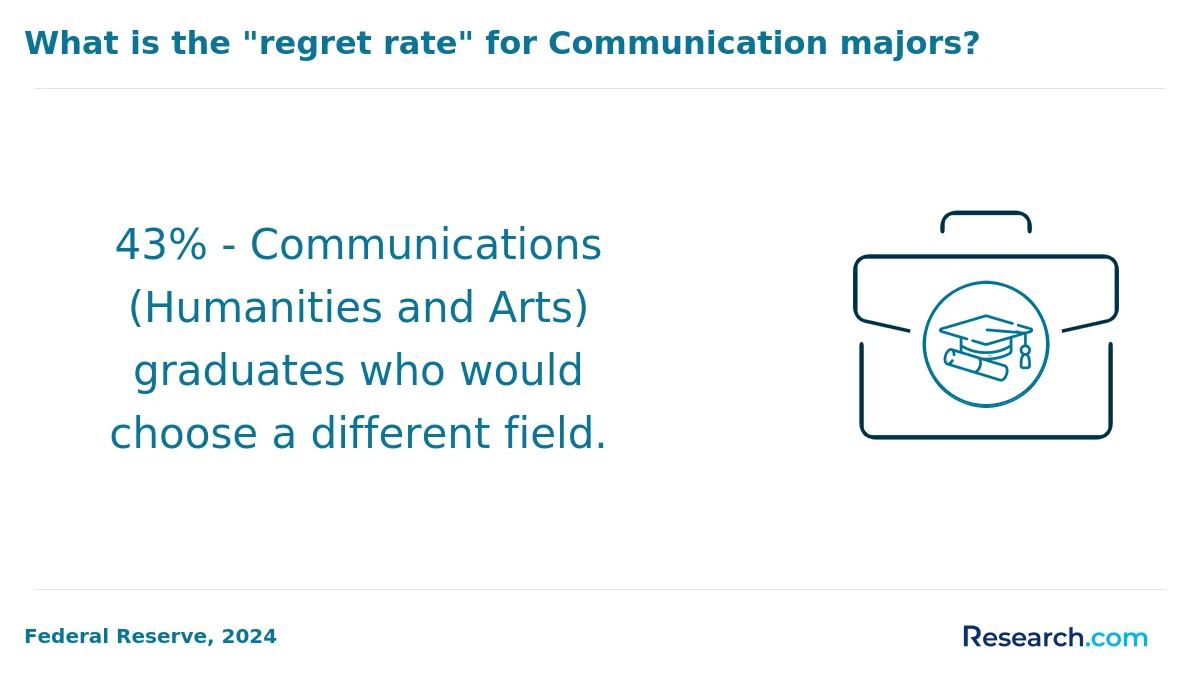
Students pursuing an online communication degree in Little Rock find that financial aid is often a lifeline, opening doors they once thought closed. Graduates from institutions like the University of Arkansas at Little Rock recall how filling out the FAFSA was their first crucial step, unlocking access to federal Pell Grants and subsidized loans. These need-based grants, which can offer up to $7,395 annually, have allowed many to focus on studies without the constant worry of tuition.
State scholarships like the Arkansas Academic Challenge Scholarship also play a vital role, easing the burden for residents who maintain strong GPAs. Alumni from Philander Smith College often mention how merit-based scholarships tied to leadership and academic excellence gave them confidence and a sense of pride while pursuing their degrees.
Additionally, private scholarships tailored for communication students add a hopeful layer of support. Many students describe the reassurance they felt browsing trusted scholarship platforms to find awards that fit their unique profiles.
While federal loans remain an option, graduates advise careful planning to manage debt wisely, emphasizing that aid is more than just money-it's a foundation for achievement in Little Rock's vibrant online communication community.
Enrolling in an online communication degree program in Little Rock begins with meeting a few key prerequisites that many graduates have found essential. Most programs require a high school diploma or GED, which lays a solid foundation for the coursework ahead. For example, students from the University of Arkansas at Little Rock often share how submitting official transcripts was a straightforward but important step in their application process.
While standardized test scores may be requested, many institutions now adopt test-optional policies, easing stress for applicants. Graduates frequently mention that demonstrating English proficiency through personal statements or portfolios helped showcase their readiness for communication studies, especially in specialized fields like digital media or public relations.
Successful online learners at local colleges emphasize the importance of reliable technology-simple things like steady internet and basic computer skills can make a big difference in staying engaged. Orientation sessions offered by these schools also help newcomers feel confident navigating virtual platforms, turning initial apprehension into excitement for their academic journey.
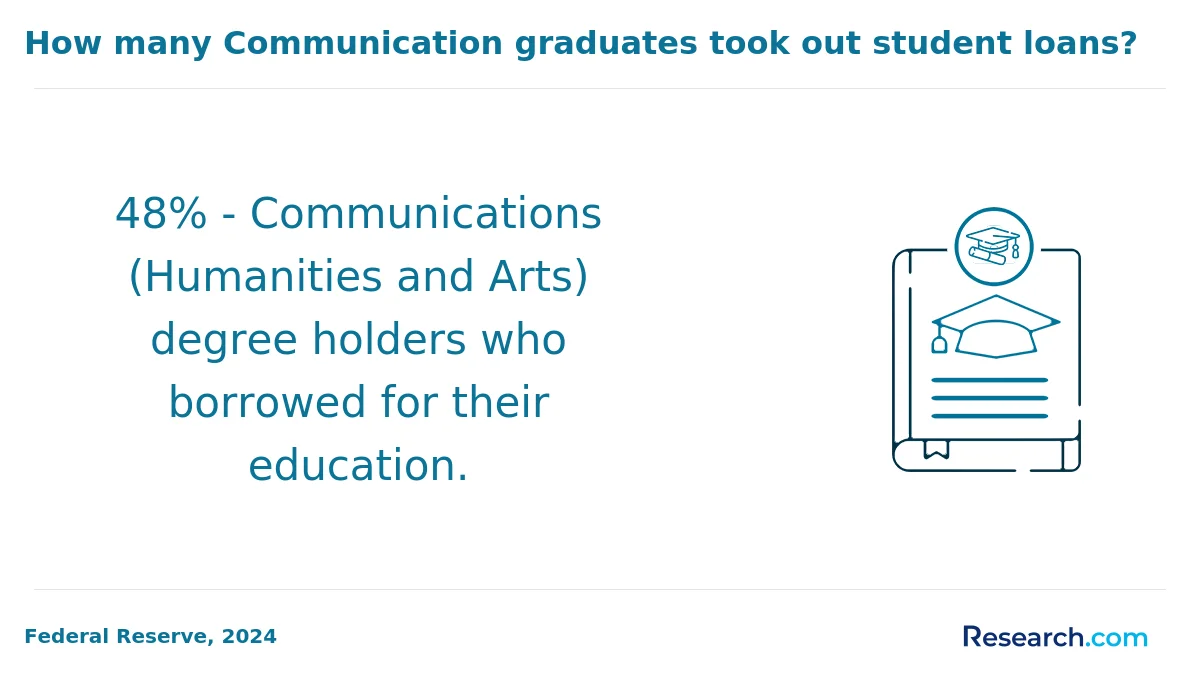
Online communication degree programs in Little Rock consistently offer courses that blend theory with practical skills, inspired by the experiences of graduates from local institutions like the University of Arkansas at Little Rock. Students frequently highlight foundational classes in communication theory, which explain how messages are crafted and received across varied settings-from intimate conversations to corporate meetings.
Courses in interpersonal and organizational communication stand out for their real-world relevance. Graduates often recall projects simulating workplace scenarios, where mastering clear, persuasive dialogue proved invaluable. This hands-on approach reinforces lessons that textbooks alone cannot convey.
Media-focused subjects such as digital media and social media strategies are also central, reflecting the shifting landscape graduates face today. For instance, designing social media campaigns tailored to different platforms is not merely academic but a skill alumni confidently apply in marketing roles throughout Little Rock's business community.
Furthermore, classes in public speaking and professional writing equip students with the poise and clarity demanded in professional environments, much appreciated by those stepping into demanding communication careers locally. Ethical and legal considerations round out the curriculum, ensuring graduates approach their roles responsibly and thoughtfully.
Online communication degree specializations in Little Rock AR reflect the diverse interests and career goals of students seeking practical and relevant skills. Graduates from popular local institutions often highlight tracks like Public Relations, which equips them to craft compelling messages for businesses and nonprofits, and Digital Media and Social Media Communication, a vital area given the rise of online platforms. Corporate Communication is another common choice, preparing students to manage internal dialogue and crisis communication in Arkansas's growing corporate sector.
Students also find value in Broadcast Journalism, gaining theoretical knowledge crucial for media careers, alongside Health Communication, a specialization closely aligned with Little Rock's strong healthcare industry. These specializations help graduates build portfolios that vividly demonstrate their expertise to employers in the region.
Choosing from the best communication majors online Little Rock offers allows learners to match their passions with market demands. Many graduates discover that these focused pathways not only enhance job readiness but also bring a rewarding sense of purpose. For those curious about options, exploring what career can you get with a communications degree gives clear guidance on turning these specializations into fruitful careers.
Choosing the best online communication degree in Little Rock means prioritizing accreditation and program relevance to your goals. Graduates often share how attending top accredited communication programs Little Rock schools provides confidence that their degrees are valued by local employers. For example, many cherish the tailored curriculum that emphasizes practical skills like social media management or corporate communication, which align with their career aspirations.
Cost is another key consideration. Those seeking affordable online communication degrees Little Rock AR appreciate that tuition here can be notably lower than the national average. One graduate noted how the University of Arkansas at Little Rock's reasonable online tuition made finishing the degree less stressful financially. Flexibility also plays a big role for busy students juggling work or family. Many Little Rock programs offer asynchronous courses, allowing you to study on your own schedule without missing work events or family time.
Additionally, investigating student support services and job placement rates is wise. Graduates recount how personalized advising and strong local industry connections boosted their confidence and job search success. Anyone comparing costs may want to consider options highlighted in research on the cheapest online journalism bachelors degree, which can inform choices about affordability.
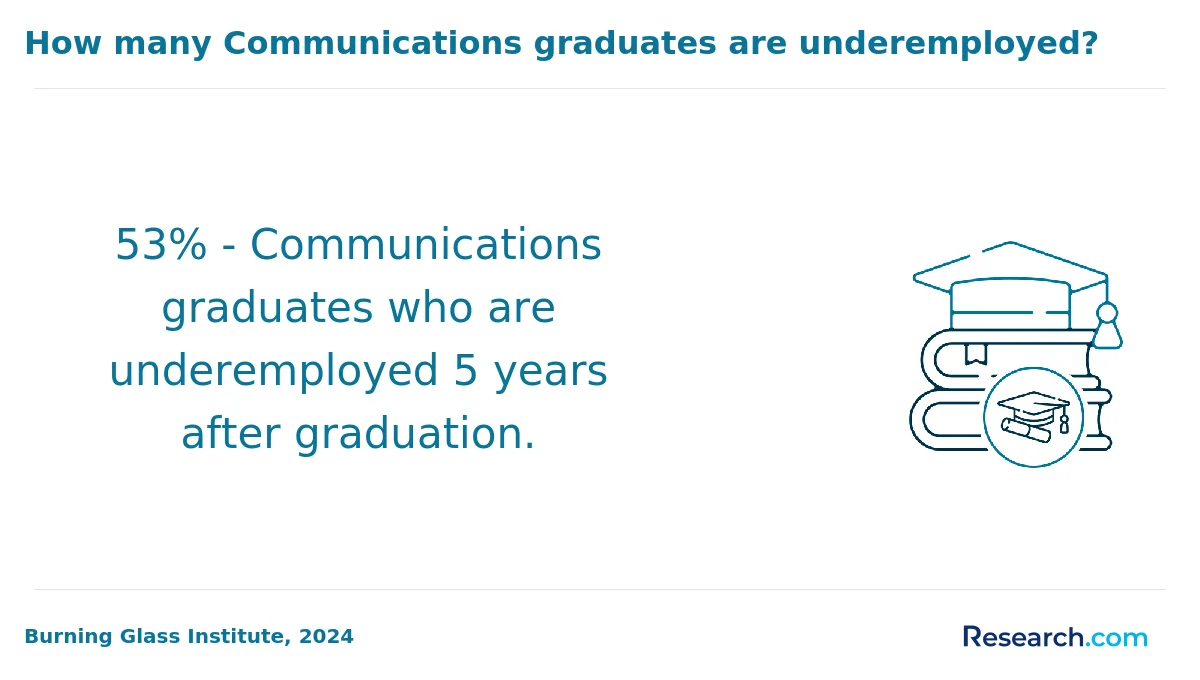
Graduates pursuing an online communication degree career opportunities Little Rock find themselves stepping into a vibrant landscape brimming with diverse roles. From my conversations with recent graduates of well-regarded universities in the area, many have embraced positions as public relations specialists, crafting narratives that build trust and credibility for local nonprofits and government agencies. These roles foster a genuine sense of fulfillment, especially when you see your strategies positively shaping community perception.
Others have gravitated toward corporate communications, where the challenge is to maintain clear, consistent messaging across departments in bustling industries like healthcare and retail. Graduates often describe the satisfaction of helping companies grow stronger relationships internally and with their customers. By studying at institutions known for their communication programs in Little Rock, these professionals develop practical skills that meet real-world needs.
Additionally, the city's expanding media sector attracts those passionate about broadcast and digital media, merging creativity with technology to engage audiences. For students curious about the broader media and communication spectrum, exploring what jobs can you get with a journalism degree can spark fresh inspiration and direction.
Indeed, the jobs with online communication degree in Little Rock Arkansas reflect a dynamic blend of opportunities that enable graduates to thrive in meaningful, impactful careers.
Graduates holding an online communication degree in Little Rock find a steadily growing job market driven by local industries such as healthcare, education, and technology services. Many graduates from popular universities in the area share how internships and strong networking connections locally helped them secure roles in media relations, digital marketing, or corporate communications within the city. The combination of in-person and online learning options in Little Rock schools gives students flexibility while allowing them to build relevant skills employers demand, such as social media management and content strategy.
Local companies and media outlets, including branches of national firms, regularly seek communication professionals, creating a solid foundation for online communication degree job opportunities in Little Rock. Graduates feel encouraged by salaries ranging from around $45,000 entry-level to $80,000 for experienced specialists. Additionally, many find remote work options broaden possibilities beyond Little Rock, making their degrees even more valuable. To better understand what jobs are public relations graduates qualified for, students benefit from practical exposure and digital media savvy.
2027 Easiest Online Communication Degree Programs Ranking in Little Rock, AR
Investing in your education is a significant decision that can shape your future, and the Research.com team understands the importance of making informed choices. To assist prospective students in Little Rock, AR, we have meticulously crafted the "2027 Easiest Online Communication Degree Programs Ranking." Our commitment to quality, credibility, and accuracy is reflected in the extensive research and analysis conducted to compile this ranking.
We utilized the following reputable data sources to ensure a comprehensive evaluation of communication degree programs:
By exploring this ranking, readers will gain valuable insights into the easiest online communication degree programs available in Little Rock, enabling them to make well-informed decisions that best suit their educational goals. For more details on our methodology, please visit our Research.com methodology page.

Frequently Asked Questions About communication
Students pursuing online communication degrees in Little Rock can enhance their learning by actively engaging with virtual class discussions and networking opportunities. Participating in webinars, workshops, and local media events offers practical experience and industry insights.
Utilizing Little Rock's public resources, such as the Arkansas Communications Network and local libraries, supports research and project development. Students benefit from connecting with professionals in the city's growing communication sector, which offers various internships and freelance roles.
Time management and consistent study schedules are vital, especially balancing coursework with local job markets. According to the Arkansas Department of Higher Education, online program retention improves when students remain disciplined and seek academic advising regularly.
The communication field is rapidly evolving, with new niches emerging that reflect changes in technology and society. In Little Rock, online communication degrees increasingly focus on digital media management, social media strategy, and health communication. These areas respond to growing demand for experts who can navigate online platforms and public health messaging effectively.
Data from the Arkansas Department of Workforce Services shows that jobs in digital content creation and public relations in Little Rock are expected to grow by 12% through 2030. Additionally, crisis communication and virtual event planning are gaining importance, requiring specialized skills taught in advanced online programs.
Students pursuing online communication degrees in Little Rock benefit from curricula that integrate data analytics and multimedia storytelling to meet these new industry needs.
After completing an online communication degree in Little Rock, graduates should focus on building practical skills to enhance employability. According to the U.S. Bureau of Labor Statistics, strong communication, digital literacy, and social media management skills are vital in today's job market.
Networking plays a key role; joining local professional groups such as the Arkansas Communication Association can provide valuable connections and job leads. Internships and freelance projects help to build a portfolio that showcases real-world experience. Additionally, Little Rock employers often value candidates familiar with regional media and public relations practices.
Job seekers should also leverage career services offered by their online programs for resume building and interview preparation tailored to communication roles in Arkansas's diverse industries, including healthcare and government sectors.
Employers in Little Rock highly value communication degree graduates who demonstrate strong verbal and written skills. According to the U.S. Bureau of Labor Statistics, clear messaging and effective presentation abilities remain crucial in this field nationwide.
Locally, organizations emphasize proficiency in digital media tools and social media management, reflecting the growing demand for content creators and public relations specialists. The Arkansas Department of Workforce Services highlights critical thinking and problem-solving as frequently requested skills among communication roles in Little Rock.
Additionally, teamwork and intercultural competence are important, given Little Rock's diverse business environment. Graduates adept in client relations and audience analysis tend to have better job prospects in this competitive market.
Finding internships in Little Rock related to communication degrees involves a strategic approach combining local resources and university connections. Many Little Rock-area employers, including media outlets, PR firms, and nonprofits, regularly offer internships that provide valuable hands-on experience.
Start by exploring internships offered through the University of Arkansas at Little Rock, which links students with local businesses and agencies. Use platforms like Arkansas Workforce, which posts internship opportunities specifically in the state, including communication roles. Networking with local chapters of professional organizations such as the Public Relations Society of America (PRSA) Arkansas chapter can also open doors.
According to the Arkansas Department of Workforce Services, communication-related internships in Little Rock typically pay between $12 and $18 per hour, depending on the employer size and sector. Early applications are crucial, as most competitive internships fill months in advance.
Online communication degrees offer significant advantages for career mobility and advancement in Little Rock. The local economy, with growth in sectors like marketing, public relations, and corporate communication, benefits from professionals well-versed in digital and interpersonal communication skills. According to the U.S. Bureau of Labor Statistics, jobs for communication specialists in Arkansas are projected to grow by 6% through 2031, aligning with national trends.
Graduates with an online communication degree can qualify for roles such as social media managers, content strategists, and corporate communicators, which are in demand in Little Rock's expanding business environment. The flexibility of online programs also supports working professionals seeking promotions without interrupting their careers.
Moreover, connections with local organizations and internships facilitated by some online programs in Arkansas enhance employment opportunities, boosting career advancement potential in the region's competitive job market.
Studying for an online communication degree in Little Rock offers strong preparation for interdisciplinary roles by combining theoretical knowledge with practical skills. Programs often include coursework in media, public relations, business communication, and digital technologies, which are essential across many industries. Little Rock's universities emphasize adaptable communication techniques, critical thinking, and cultural awareness, enabling graduates to engage effectively in diverse professional environments.
Furthermore, local job market data from the Arkansas Department of Workforce Services shows rising demand for versatile communicators in healthcare, government, and corporate sectors. This regional focus ensures students gain relevant experience tailored to interdisciplinary career paths. Online formats also facilitate flexible learning alongside professional work, broadening real-world application.
When choosing between a thesis and a non-thesis online communication degree program in Little Rock, consider your career goals first. A thesis option generally suits those interested in research or pursuing advanced graduate studies. This path requires completing a substantial research project, enhancing critical thinking and analytical skills.
On the other hand, non-thesis programs focus on practical skills and coursework, making them ideal for students aiming for direct entry into communication roles in business, media, or public relations.
Local employers in Little Rock often value practical experience, which non-thesis students gain through internships or projects. According to the Arkansas Department of Workforce Services, communication-related jobs in Little Rock have grown by 5% over recent years, emphasizing applied skills.
Ultimately, weigh your professional objectives, learning preferences, and time availability when making your decision.
Students based in Little Rock seeking to study communication abroad have limited direct U.S.-based programs with international components, but they can explore several online degree options featuring global perspectives. Many U.S. universities, including those accessible to Little Rock residents, offer fully online communication degrees with courses that focus on intercultural communication and global media.
Arkansas institutions, such as the University of Arkansas at Little Rock, provide online communication degrees that sometimes include faculty-led study abroad opportunities or virtual collaborations with international partners. Though direct study abroad programs may be limited locally, students can benefit from digital international exchanges integrated into coursework.
According to data from the Institute of International Education, approximately 2% of Arkansas students participate in study abroad, often through virtual or hybrid formats. This trend opens doors for Little Rock students to gain international communication skills without leaving home.
Part-time job opportunities in Little Rock that complement an online communication degree often include roles in marketing, public relations, and media. Many students find internships or assistant positions at local media outlets such as Arkansas Democrat-Gazette or Little Rock TV stations useful for gaining practical skills.
Additionally, nonprofits and government offices frequently seek communication interns or part-time coordinators, providing students hands-on experience with community engagement. According to the Arkansas Department of Workforce Services, positions in advertising, public relations, and social media management have seen steady growth, offering valuable opportunities for communication majors.
These jobs help develop writing, research, and digital communication skills essential for career advancement in this field.
Online communication students in Little Rock benefit from a variety of networking opportunities despite studying remotely. Local universities, including the University of Arkansas at Little Rock, often host virtual and in-person events, such as guest lectures and industry panels. These events connect students with communication professionals in fields like public relations, journalism, and digital media.
Additionally, Little Rock's growing media and tech sectors provide regional networking through organizations like the Arkansas Communication Association. This group holds regular meetings that welcome both students and professionals. According to the U.S. Bureau of Labor Statistics, Arkansas's communication-related job market is expected to grow moderately, increasing connections for graduates.
Students can also engage with alumni networks and local internships tailored to communication fields, enhancing practical experience and professional contacts within the city's supportive career environment.
Alumni networks provide crucial support for online communication degree students in Little Rock by connecting them to industry professionals and job opportunities. Graduates often gain access to exclusive internships and local media contacts through these networks.
In cities like Little Rock, where networking plays a significant role in the media and communications sector, such support can improve employment rates for recent graduates. According to the Arkansas Department of Workforce Services, communication jobs in the region grew by 5% from 2019 to 2023, increasing the value of strong professional connections.
Moreover, alumni groups often offer mentorship programs, helping students navigate the evolving digital media landscape while building practical skills and confidence.
Customizing an online communication degree in Little Rock involves selecting courses and experiences that align with your specific career goals. Many programs offer concentrations such as public relations, digital media, or corporate communication that allow focused skill development. For example, the University of Arkansas at Little Rock provides versatile online tracks tailored to industry needs.
Students can enhance their learning by choosing internships or practicum projects with local businesses or media outlets in Little Rock. This hands-on experience increases job readiness in the regional market, which employs over 5,000 communication professionals according to the U.S. Bureau of Labor Statistics.
Electives in emerging areas like social media analytics or crisis communication also add value and relevance to your degree, preparing you for the evolving communication landscape.
Online communication students in Little Rock commonly face challenges related to balancing coursework with personal and professional responsibilities. Many students report difficulties managing time effectively, especially when programs require synchronous participation across multiple time zones.
Technical barriers also affect learners, as stable internet access and familiarity with digital platforms are essential. According to the Arkansas Broadband Report, around 85% of Little Rock residents have reliable internet, but gaps remain, impacting some students' ability to engage fully.
Another notable challenge is limited local networking opportunities. Unlike traditional programs, online students often find fewer chances to connect with peers and professionals in Little Rock's communication industry, which can influence practical learning and job placements.
With an online communication degree, students in Little Rock can enhance their careers by pursuing various professional certifications. Popular options include the Certified Communication Professional (CCP), which validates skills in corporate communication and public relations. Another well-regarded credential is the Strategic Communication Management Professional (SCMP) certification, which focuses on strategic planning and leadership within communication roles.
Many graduates also pursue digital marketing certificates, such as those from the Digital Marketing Institute or Google, reflecting the growing demand for online content expertise. According to the U.S. Bureau of Labor Statistics, communication-related fields in Arkansas are expected to grow by 6% through 2030, highlighting the value of these certifications for career advancement.
Writing a winning application for an online communication program in Little Rock requires clear attention to detail and an understanding of local academic expectations. Begin by researching schools offering reputable programs, such as the University of Arkansas at Little Rock, which emphasizes practical media skills and digital communication.
Highlight your relevant experiences, including work or volunteer roles involving writing, public speaking, or digital media. Little Rock's growing media industry values candidates with a blend of theory and hands-on knowledge.
Strong letters of recommendation and a well-crafted personal statement that explains your goals and interest in communication are essential. Be sure to proofread carefully to present polished writing, reflecting your communication skills.
Keep your resume focused and demonstrate motivation toward careers in Arkansas's expanding communication sector, citing any local internships or projects.
The global outlook on communication careers emphasizes versatility and cultural awareness. Graduates with communication degrees often find opportunities in diverse sectors, such as public relations, marketing, media, and corporate communication. According to the U.S. Bureau of Labor Statistics, communication-related jobs are expected to grow 8% from 2022 to 2032, faster than average for all occupations.
For students in Little Rock pursuing online communication degrees, understanding global communication trends is crucial. Employers increasingly value skills in digital communication platforms and intercultural competence to navigate international markets. Local hubs like Little Rock's business district are expanding media and marketing roles, reflecting a nationwide demand.
Professional organizations, including the National Communication Association, highlight the importance of global engagement in curricula, enhancing graduates' prospects in an interconnected world.
Gaining practical experience while studying for an online communication degree in Little Rock is essential for career readiness. Many Arkansas universities offer virtual internships with local media outlets, nonprofits, and marketing agencies. These opportunities allow students to work on real-world projects remotely. Additionally, students can volunteer for community organizations in Little Rock to practice public relations and digital content creation.
Online courses often include collaborative assignments simulating workplace communication. Completing these strengthens teamwork and digital communication skills necessary for success. According to the Arkansas Department of Workforce Services, communication roles in Little Rock are expected to grow by 8% over the next decade, emphasizing the value of hands-on experience.
Choosing the right concentration within an online communication degree in Little Rock involves evaluating your career goals and the local job market. Communication fields like public relations, digital media, and corporate communication each offer distinct skill sets. Little Rock hosts several growing industries, including healthcare and government sectors, which value clear internal and external communication. According to the Arkansas Department of Labor, jobs for communication specialists in the region are expected to grow by 8% through 2030. Assess programs for student support, internship opportunities, and faculty expertise to match your interests with practical outcomes in the city's professional environment.
- Top 10 Effective Networking Tips for Students https://www.unfc.ca/blog/networking-tips-for-students
- Communications Degree Salary Guide | Maryville Online https://online.maryville.edu/online-bachelors-degrees/communications/careers/communications-degree-salary-guide/
- UA Little Rock's Online Master of Arts in Mass Communication https://www.mastersincommunications.com/schools/university-of-arkansas-little-rock-school-of-mass-communication
- Importance of Networking https://www.universitylabpartners.org/student-voices/importance-of-networking
- The University of Arkansas at Little Rock https://www.bestcommunicationsdegrees.com/colleges/the-university-of-arkansas-at-little-rock/
- Communication Frequently Asked Questions https://centralmethodist.edu/academics/undergraduate/communication/communication-faq.html
- 10 Essential Networking Tips for Students to Help Build ... https://www.luxurystudenthomes.co.uk/networking-tips-for-students/
- UA Little Rock announces tuition-free degree program https://www.ualrpublicradio.org/local-regional-news/2023-11-09/ua-little-rock-announces-tuition-free-degree-program
- The Online Bachelor of Arts Degree in Communication https://www.wiu.edu/cofac/communication/online_BA.php
- Why You Should Start Networking as a Student https://amplifyme.com/blog/why-you-should-start-networking-as-a-student