2027 Best Online Communication Degree Programs Ranking in the USA

Co-Founder and Chief Data Scientist
Choosing the right communication degree program can shape your future career and open doors to exciting opportunities. Our 2027 Best Online Communication Degree Programs Ranking in the USA was carefully crafted by the Research.com team of data scientists to guide you through the best options available nationwide.
By exploring this ranking, you'll gain valuable insights that make selecting a program easier and smarter. Earning a communication degree builds essential skills, boosts confidence, and prepares you to thrive in various industries. Dive in and discover the possibilities awaiting you!
Key benefits of getting online communication degree in America
- Communication degree graduates in the US often find roles such as public relations specialists, with a median annual wage of about $62,810, highlighting solid earning potential in a vibrant field.
- Graduates from places like the University of Southern California can explore diverse careers including marketing, media, and corporate communications, offering dynamic job opportunities that suit various interests.
- Completing a communication degree online from schools like Penn State World Campus provides flexibility and the ability to balance work and study, making education accessible without sacrificing quality.
- Key benefits of getting online communication degree in America
- What can I expect from online communication degree in America?
- Where can I work with online communication degree in America?
- How much can I make with online communication degree in America?
- 2027 Best Online Communication Degree Programs Ranking in the USA
- Key Findings
- How long does it take to complete online communication degree in America?
- What's the difference between online and on-campus communication degree?
- What is the average cost of online communication degree in America?
- What financial aid is available to online communication degree students in America?
- What are the prerequisites for enrolling in online communication degree program in America?
- What courses are typically in online communication degree programs in America?
- What types of specializations are available in online communication degree programs in America?
- How do you choose the best online communication degree in America?
- What career paths are available for online communication degree students in America?
- What is the job market for online communication degree in America?
- Top Trending Communication Rankings
What can I expect from online communication degree in America?
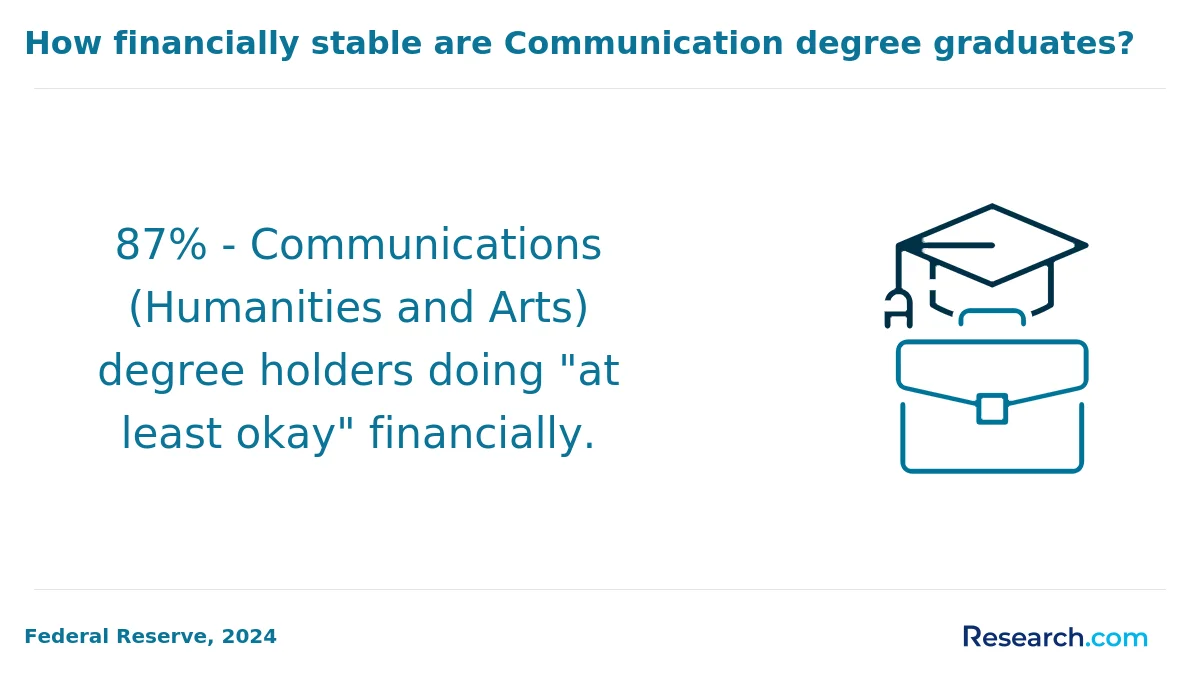
Picture diving into an online communication degree where the average cost feels less like a mountain and more like a stepping stone-typically ranging from $10,000 to $25,000 per year at well-known institutions like Arizona State University or Southern New Hampshire University. Graduates often smile recalling the flexible tuition combined with financial aid options that transformed hefty price tags into manageable monthly payments.
One graduate shares how in-state tuition rates made their dream of mastering digital media strategies attainable without drowning in debt, while another highlights scholarships and career services that added tangible value beyond the numbers. This balance of affordability and quality sparks confidence, letting students focus on crafting compelling messages rather than worrying endlessly about bills.
Imagine logging into video lectures about interpersonal communication in your favorite cozy corner, knowing your investment is backed by accredited programs that respect your time and wallet. For many, the cost doesn't just pay for classes-it buys a bridge to a flourishing career in a rapidly evolving digital landscape.
Where can I work with online communication degree in America?
With an online communication degree in America, you step into a mosaic of opportunities, from shaping public images in bustling healthcare firms to strategizing marketing campaigns in tech startups. Imagine graduates from the University of Southern California navigating the vibrant LA media scene, crafting compelling messages as social media managers or digital content creators that capture hearts and eyes alike.
Others, inspired by coursework at the University of Texas at Austin, find their rhythm in corporate communication-keeping teams motivated during crises or elevating company reputations through thoughtful storytelling. Picture them orchestrating seamless internal campaigns in Fortune 500 companies, turning intricate strategies into relatable narratives.
Public relations specialists from Syracuse University thrive on the frontline of perception management, where every press release is a brushstroke on an organization's public canvas. Meanwhile, graduates weaving their way through marketing and advertising, fueled by hands-on projects, embrace the rapid expansion of digital platforms, their creativity turning online campaigns into viral sensations.
From event planning at universities to community outreach in government agencies, communication majors find their voice resonating across arenas, proving that this degree is more than a diploma-it's a passport to influence and connection in America's dynamic professional tapestry.
How much can I make with online communication degree in America?
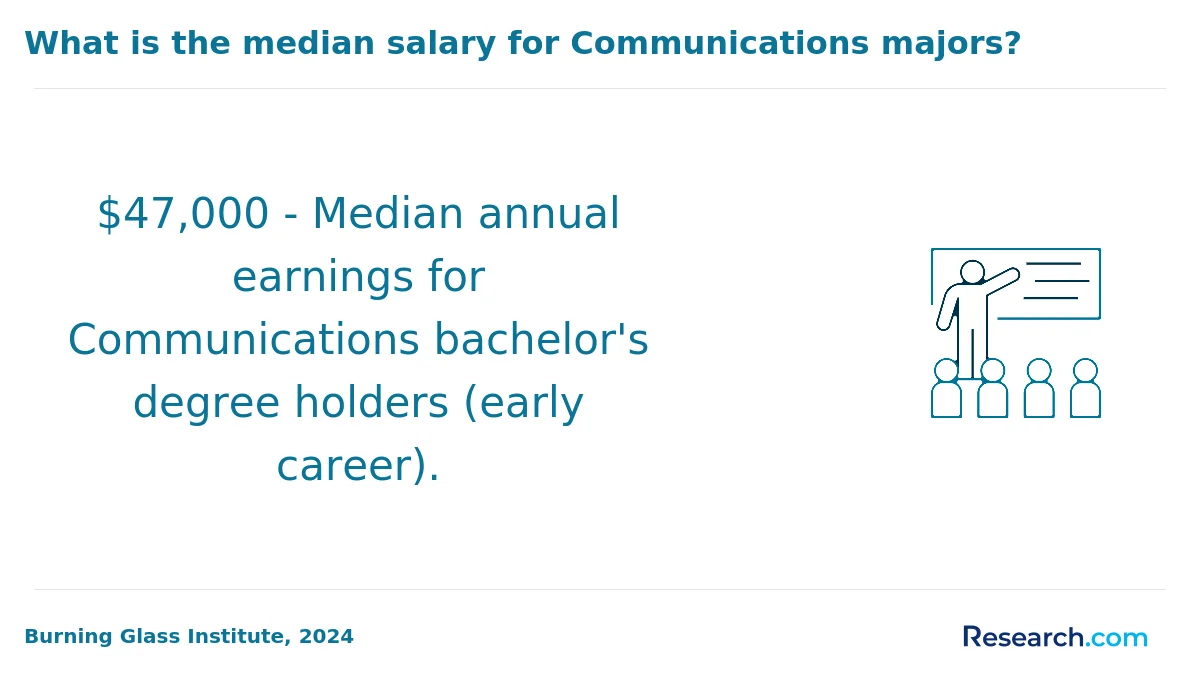
Graduates holding an online communication degree in America often find their wallets pleasantly surprised by the diverse salary spectrum awaiting them. Imagine a recent grad from a renowned program like Penn State or the University of Southern California stepping into their first role as a public relations assistant, earning between $40,000 and $50,000. This entry point fuels excitement-managing social media campaigns, crafting compelling press releases, and fueling brand stories.
With experience and grit, some of these grads ascend to mid-career ranks, flourishing as corporate communication directors or public relations managers. Picture a University of Texas alumnus commanding a salary that easily stretches from $70,000 to $110,000, sometimes even reaching that impressive $127,000 median salary spotlighted by the BLS. It's the payoff for mastering sophisticated messaging strategies and leading high-impact teams.
Geography spices up those figures. Graduates in hubs like New York City or Washington, DC often witness paychecks 10% to 20% heftier, reflecting the vibrancy and demand of these epicenters of communication excellence.
2027 Best Online Communication Degree Programs Ranking in the USA
How do we rank schools?
Investing in your education is a significant decision that can shape your future, and the Research.com team is committed to helping you make informed choices. To assist prospective students, we have carefully developed the "2027 Best Online Communication Degree Programs Ranking in the USA." Our dedication to quality, credibility, and accuracy is demonstrated by thorough research and analysis behind this ranking.
We utilized the following reputable data sources to ensure a comprehensive evaluation of online communication programs:
By consulting this ranking, readers gain valuable insights into top online communication degree programs across the USA, empowering them to choose the path best suited to their goals. For a deeper understanding of how this ranking was created, please visit our Research.com methodology page.


# 3 position
University of Florida
Master of Mass Communication with a specialization in Digital Strategy


# 14 position
Florida International University
Master of Mass Communication, Global Strategic Communication




Key Findings
- Tuition for online bachelor's degrees in communication ranges from $15,000 to $45,000, with public universities usually offering lower costs for in-state residents.
- Jobs in communication fields are expected to grow by about 9% over the next decade, faster than average for all occupations.
- Starting salaries for graduates typically range from $45,000 to $50,000 annually, with median pay rising to $60,000-$75,000 as experience increases.
- Accreditation is important for ensuring quality education and better employment chances in communication programs.
- Many programs include internships or project-based work to help develop real-world skills sought by employers.
How long does it take to complete online communication degree in America?
Imagine juggling work and family while earning your communication degree online from a well-known university like the University of Florida or Arizona State. For many, finishing an associate degree takes about two years of full-time focus-enough to launch into entry-level roles or transfer smoothly to a bachelor's program.
Those chasing the bachelor's often spend around four years full-time, but the beauty of American online programs is their flexibility. Graduates share stories of stretching their pace over five years, savoring life's moments while steadily ticking off required credits. Part-timers balance job promotions and late-night lectures, making the journey uniquely their own.
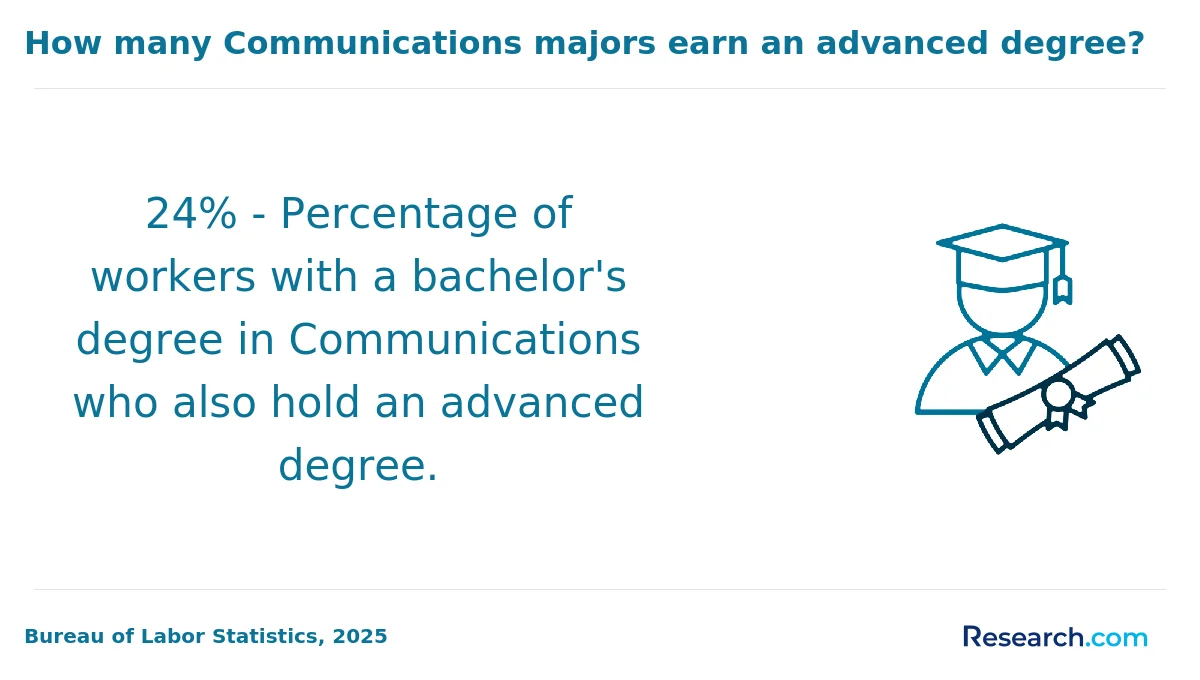
Master's seekers at places like Boston University might rocket through an accelerated 12- to 18-month program, feeling the rush of gaining advanced skills faster than expected. Others embrace a two-year plan, finding joy in deep dives and networking with peers nationwide.
Ultimately, the timeline dances to your rhythm-full or part-time, with credit transfers and accelerated courses adding sparks of possibility along the way.
What's the difference between online and on-campus communication degree?
Imagine diving into a communication degree at a bustling campus like the University of Southern California, where vibrant face-to-face debates unfold in classrooms and spontaneous brainstorming sessions spark over coffee. Here, the pulse of in-person interaction fuels creativity and networking, with access to media labs and student organizations amplifying your experience. Graduates recall how these tangible, dynamic environments forged lasting connections and honed collaborative skills.
Now picture an online student at Arizona State University, navigating the same communication concepts but with a digital compass. Through virtual classrooms and on-demand lectures, flexibility reigns supreme-they juggle studies alongside jobs or family without missing a beat. Many online learners find joy in tailoring their schedules, thriving in asynchronous discussions, and accessing industry webinars from anywhere in America.
The financial rhythm also differs. On-campus programs often ask for $20,000 to $40,000 annually, while online counterparts frequently trim costs by removing housing and commuting expenses, sometimes reducing tuition by up to 25%. Ultimately, whether it's the tangible buzz of a traditional campus or the adaptable freedom of an online experience, both paths prepare you to connect, create, and communicate effectively in today's fast-paced media landscape.
What is the average cost of online communication degree in America?
The average cost online communication degree USA students encounter hovers around $43,800, depending largely on whether you're an in-state or out-of-state enroller. Graduates from bustling public universities report tuition closer to $29,888 if they claim in-state residency, which feels like a true win for those mindful of their budgets. Meanwhile, out-of-state students brace for prices edging around $45,888, a sharper curve but still an investment many find worth every penny given the flexible online format.
Imagine logging into a virtual classroom that mirrors the energy of a campus like the University of Florida or Arizona State, where communication disciplines thrive. These schools mix affordable tuition with solid reputations, creating an environment where online learners feel connected and motivated. Graduates often recount how this careful balance between cost and quality fueled their enthusiasm, proving that pursuing communication studies online can be an accessible journey-not just a distant dream.
Tuition and fees for online communication degree in the USA rarely reflect the whole financial picture, though, as alumni remind you to expect ancillary costs like technology, course materials, and digital fees. Smart students weigh these factors early, catching opportunities for scholarships or financial aid. For deeper dives into affordability, checking competitive programs, or exploring financial options, the cheapest online master of communications link offers insight valuable to committed learners ready to budget strategically and pursue their passions without compromise.
What financial aid is available to online communication degree students in America?
Imagine a communication student at a top public university in California, relieved as the Cal Grant cushions the heavy tuition burden, transforming dreams into doable goals. For many like them, federal aid via FAFSA unlocks magic: Pell Grants up to $7,395 annually that feel like a gift, not a loan. It's the financial air helping students everywhere-from New York to Texas-breathe easier while chasing their online communication degrees.
Graduates often recall bundling Direct Subsidized and Unsubsidized Loans, a safety net with flexible terms, bridging the gap between ambition and affordability. Meanwhile, merit-based scholarships shine bright at private schools, rewarding late-night essays and project brilliance. Need-based grants soften the sting for those balancing part-time jobs and studies, especially when paired with campus-affiliated work-study roles, which some online programs also offer.
From nonprofit groups and the National Communication Association to corporate sponsors, private scholarships pop up like supportive friends in the financial journey. Students tapping into these multiple aid veins find empowerment, fueling their path through the vibrant world of communication.
What are the prerequisites for enrolling in online communication degree program in America?
To dive into an online communication degree in America, imagine standing at the doorway of a bustling virtual campus like those at the University of Florida or Arizona State University. The first key to enter? A high school diploma or a GED, the ticket that confirms you're ready for academic adventures ahead.
Graduates often recall that submitting official transcripts showcasing their perseverance was like revealing a map of their journey-highlighting a GPA around 2.5 or higher, signaling readiness for college challenges. Many embraced the mix of excitement and nerves when deciding whether to send SAT or ACT scores, as test-optional policies at top schools now allow flexibility based on each student's story.
At the heart of admissions, personal statements and writing samples become your personal stage, where your voice shines - vividly demonstrating why communication matters in your world. Graduate hopefuls bring bachelor's degrees often tied to media or communication, with some swapping GMAT or GRE hurdles for professional experience earned in real-world conversations.
Living the online learning experience means more than paperwork; graduates highlight the thrill of mastering digital tools and connecting seamlessly through multimedia, painting their future one pixel and heartfelt message at a time.
What courses are typically in online communication degree programs in America?
Imagine diving into communication theory at an online university like the University of Southern California, where graduates recall how decoding the dance of messages changed their perspective on everyday conversations. These courses break down how information zips from sender to receiver, making you the maestro of meaningful exchanges.
Next, picture practicing interpersonal communication through interactive projects at institutions such as Boston University, sharpening your knack for decoding body language and crafting impactful dialogues during virtual group work. It's the kind of hands-on skill that turns awkward Zoom calls into confident conversations.
Mass communication courses take you behind the scenes of media giants, unraveling how headlines shape society-graduates from New York University describe this as unlocking a superpower for understanding the news cycle and ethical storytelling.
Then, the digital era hits full force with social media strategy classes at schools like the University of Florida, where creating viral content and analyzing engagement metrics become exhilarating puzzles rather than chores. Public relations and technical writing round out your toolkit, preparing you to craft compelling narratives that resonate both online and offline.
What types of specializations are available in online communication degree programs in America?
Dive into the kaleidoscope of online communication degree specializations in America, where futures are crafted with precision and passion. Graduates from renowned schools like the University of Florida or Arizona State University often describe their journey through public relations as mastering the art of storytelling, turning crises into victories and brands into legends. Imagine waking up to strategize a campaign that resonates on a national scale-this is where theory meets electric real-world vibes.
Others become digital communication wizards, navigating social media channels like modern-day alchemists, transforming engagement metrics into compelling narratives. At institutions celebrated for communication degree concentrations in America, students thrive in virtual corridors where social media is both muse and battlefield, mirroring the energy of bustling digital cities.
From storytelling in mass communication to bridging cultures via intercultural communication, or fine-tuning corporate messages in organizational communication, the online format encourages exploration without limits. Graduates recall the thrill of public health campaigns shaped by health communication specializations, designed to impact lives deeply and directly.
For those ready to sculpt their professional path with tailored focus, more details await in the online bachelor's degree communications programs, bringing the American communication landscape to your screen with unmatched flexibility and insight.
How do you choose the best online communication degree in America?
Choosing the best online communication degree in America means diving into programs that don't just teach theory-they immerse you in the buzzing realities of media, digital storytelling, and public relations. Imagine a graduate from a renowned college in California, balancing asynchronous classes on their own schedule while applying social media strategies learned through live simulations. Their success wasn't luck; it came from a program focused on practical skills and faculty with real-world chops.
Look beyond flashy brochures and dig into affordability-like those affordable communication degree programs America offers through public universities-the kind that let you save on commuting while gaining robust knowledge. Graduates often praise how internships and project-based learning opened doors, turning theory into career-ready skills.
Don't overlook how accredited programs keep standards high. Plus, explore the dynamics of emerging skills such as crisis communication, valued by employers all over the U.S. For a peek into what you might earn post-degree, check out the public relations degree salary insights.
What career paths are available for online communication degree students in America?
Graduates holding an online communication degree in America often find themselves catapulted into dynamic roles that shape narratives and connect people across industries. They navigate public relations, crafting an organization's story with a flair that turns heads and hearts alike. Many graduates from popular communication programs at universities like the University of Southern California or San Diego State describe their excitement transitioning to public relations specialists, mastering the art of influence and media strategy while securing rewarding salaries aligned with a public relations master's salary.
Others dive into marketing communication, designing campaigns that ripple through digital spaces with precision and creativity. Communication degree job opportunities America-wide also encompass journalism and media production, where digital storytellers thrive amid evolving online platforms. Imagine graduates from schools like the University of Florida juggling deadlines as content creators, weaving compelling stories for an audience deeply immersed in digital news.
For many, social media management or event planning becomes a natural playground, linking brands with communities on platforms like Instagram or orchestrating virtual conferences that buzz with energy. These pathways reflect the exciting career paths available for online communication degree careers USA, energized by fresh ideas and fueled by digital innovation.
What is the job market for online communication degree in America?
The job market for online communication degree holders in America pulses with vibrant opportunity, especially as industries evolve with the digital age. Graduates from revered communication programs at universities such as the University of Southern California or Boston University often find themselves stepping confidently into roles like media directors or digital content strategists, where their storytelling and media savvy set them apart. With the growing relevancy of remote work, alumni share excitement about juggling roles in social media coordination or public relations from coast to coast, proving the flexibility of an online education.
Among the many career opportunities with online communication degree America offers, sectors like nonprofit outreach and corporate communication shine bright, fueled by a projected 10% job growth. Entry-level salaries ignite optimism for recent grads, often starting near $50,000, with seasoned professionals flourishing beyond $80,000.
For those aiming higher, diving deeper into specialized areas is made easier by programs that blend hands-on digital marketing expertise with foundational skills. Aspiring students can explore more about advancing through an online masters public relations, ensuring their career trajectory stays upward and bursting with promise.
Frequently Asked Questions About communication
Students pursuing online communication degrees in America can enhance their learning by actively engaging with interactive course materials and participating in discussion forums. Research from the National Communication Association highlights that collaboration and real-world case studies improve critical thinking skills in this field. Staying disciplined with time management is crucial, as online programs often require self-motivation to meet deadlines.
Additionally, leveraging university resources such as virtual libraries and career services can provide valuable support. Networking with peers and professionals through online groups and internships helps build practical experience, which is vital given that 70% of communication roles in the U.S. demand strong interpersonal skills, says the Bureau of Labor Statistics.
The communication field in America is rapidly evolving with several emerging niches attracting attention from both students and employers. One key area is digital and social media management, where professionals develop strategies to engage audiences across platforms. According to the U.S. Bureau of Labor Statistics, jobs in this niche are expected to grow 13% from 2022 to 2032, faster than average.
Another growing niche is health communication, focusing on public health campaigns and patient education. This field has gained prominence during recent health crises and is projected to expand alongside public health efforts nationwide.
Additionally, corporate communication specialists skilled in internal communication and change management are in increasing demand as companies adapt to remote work and digital collaboration tools. These niches demonstrate promising career paths for students pursuing online communication degrees in the U.S.
After completing an online communication degree in America, preparing for the job market involves developing both practical skills and professional connections. Employers often seek candidates proficient in digital media, public relations, and strategic communication. According to the U.S. Bureau of Labor Statistics, communication-related jobs are expected to grow 8% from 2022 to 2032, faster than average for all occupations.
Graduates should build a strong portfolio showcasing writing, social media management, and multimedia projects. Internships and networking through platforms like LinkedIn or professional associations such as the National Communication Association enhance job prospects. Continuous learning and certifications in emerging tools are also valuable.
Employers in America highly value communication degree graduates who demonstrate strong interpersonal and digital skills. According to the National Association of Colleges and Employers (NACE), 85% of employers seek candidates with excellent verbal and written communication abilities.
Critical thinking and problem-solving are also essential, helping graduates analyze information and adapt messages effectively for diverse audiences. Familiarity with digital media tools and platforms is increasingly important, as over 70% of communication roles now require social media and content management expertise, per the U.S. Bureau of Labor Statistics.
Teamwork and leadership skills further enhance employability, as many communication projects involve collaboration across departments and stakeholders.
Finding internships relevant to a communication degree in America involves strategic planning and resource use. Students should begin by leveraging their university's career services, as many colleges have established partnerships with media firms, nonprofits, and corporate communication departments. According to the National Association of Colleges and Employers (NACE), 60% of internships are sourced through campus resources.
Online job platforms such as Handshake and Internships.com specifically cater to student opportunities and often list communication internships nationwide. Networking is critical; joining professional groups like the Public Relations Society of America (PRSA) can open doors.
Many communication programs also integrate internship requirements, making academic advisors valuable contacts for internship guidance. Early application and tailoring resumes to the communication field improve chances of securing competitive positions.
An online communication degree significantly enhances career mobility and advancement opportunities in America. The U.S. Bureau of Labor Statistics projects a 10% growth in communication-related jobs between 2022 and 2032, faster than the average for all occupations. Graduates with such degrees often qualify for roles in public relations, corporate communications, marketing, and media, fields known for competitive salaries and promotional potential.
Employers increasingly value strong communication skills combined with digital literacy, which online programs emphasize. According to the National Association of Colleges and Employers (NACE) 2023 report, communication skills rank among the top attributes sought in candidates across industries.
Moreover, online learners can balance education with work, making it easier to gain experience and move up within organizations. Degree holders typically report higher annual earnings and greater access to management positions than peers without college qualifications.
Studying for a communication degree in America equips students to work across various fields by blending core communication skills with knowledge from disciplines like business, technology, and social sciences. According to the National Communication Association, programs emphasize teamwork, critical thinking, and digital literacy, which are essential in today's interdisciplinary work environments.
Many online programs include courses in media studies, public relations, and organizational communication, providing flexible options that suit diverse career goals. These degrees foster adaptable professionals prepared for roles in marketing, healthcare, government, and technology sectors.
Recent data from the U.S. Bureau of Labor Statistics shows that communication-related jobs are expected to grow 12% through 2031, reflecting the demand for interdisciplinary expertise.
When choosing between a thesis and a non-thesis online communication degree in America, consider your career goals. A thesis program typically involves conducting original research and writing a formal paper, which suits students interested in academic or research careers. According to the National Communication Association, about 20% of communication graduates pursue research-intensive roles, where a thesis may be beneficial.
A non-thesis program focuses more on coursework and practical skills, ideal for professionals aiming to enter industries like public relations or digital media directly. These programs often require internships or capstone projects and appeal to roughly 80% of communication students seeking applied skills.
Your choice should align with whether you prefer research depth or practical experience.
Students in America interested in studying communication abroad have several practical options through online and hybrid programs offered by US institutions with international partnerships. Many US universities provide fully online communication degrees that enable global study without relocating. Additionally, exchange programs allow students to study communication courses overseas for a semester or year while earning credits toward their US degree.
The National Center for Education Statistics reports that over 30% of US undergraduates participate in some form of study abroad, with communication being a popular major. Online platforms partnered with foreign universities also offer dual degrees or certificates in communication fields. These flexible pathways help American students gain international perspectives while maintaining accreditation by US education standards.
Part-time jobs that complement a communication degree in America often focus on practical skills like writing, public speaking, and digital media management. Common roles include social media assistant, public relations intern, content writer, and customer service representative. These jobs provide hands-on experience with communication strategies and technologies rapidly evolving in the U.S. market.
The Bureau of Labor Statistics highlights that communication-related roles tend to grow due to increasing demand for digital content and corporate communication. Gaining experience in these part-time positions can enhance a student's resume and build relevant networks, which are critical in a competitive job market. Such opportunities also allow flexibility alongside online studies.
Online communication degree students in America have access to a variety of valuable networking opportunities. Many universities hosting these programs offer virtual career fairs and alumni networking events, connecting students with industry professionals across the country. According to the National Communication Association, engagement in professional communication groups significantly enhances career prospects.
Students can also join specialized online forums and social media groups related to communication fields, fostering connections beyond their local areas. Platforms such as LinkedIn provide tailored networks where students showcase portfolios and connect with employers. Additionally, internships arranged through online programs often lead to direct industry contacts, enabling practical experience.
Overall, digital tools and university resources work together to support effective professional networking for online communication students in the U.S.
Alumni networks play a crucial role for online communication degree students in America by providing access to professional connections, mentorship, and job opportunities. According to the National Communication Association, strong networks can increase employment prospects by 20% for recent graduates. These networks often include experienced professionals working in media, public relations, and corporate communications, which are key fields for graduates.
Students benefit from alumni-hosted webinars, networking events, and exclusive job boards that offer insights into industry trends and hiring practices. Additionally, alumni collaboration can boost students' soft skills, such as negotiation and interpersonal communication, essential for career success.
Many American universities offer flexible online communication degree programs that allow students to tailor their studies according to career goals. Typically, customization happens through elective courses, specializations, and capstone projects. For example, students can focus on public relations, digital media, or organizational communication, depending on their interests.
According to the National Communication Association, over 60% of communication programs now provide concentration options online. These choices enable students to develop skills aligned with industries such as marketing, corporate communication, or social media management.
Furthermore, some programs allow internships and independent research, offering hands-on experience relevant to career aspirations. This personalized approach helps graduates enter the workforce with targeted expertise.
Online communication students in America often face challenges related to engagement and interaction. Without face-to-face contact, students may struggle to build relationships with peers and instructors, which are crucial for collaborative projects and discussions. According to the National Center for Education Statistics, 40% of distance learners report feelings of isolation during their studies.
Another common issue is managing time effectively while balancing work, family, and coursework. Online programs require strong self-discipline, yet many students underestimate this demand. Technical difficulties can also disrupt learning, especially for students lacking reliable internet access or familiarity with digital platforms.
Lastly, students may find it challenging to gain practical experience, such as internships or networking, which are vital in the communication field.
Graduates with an online communication degree in the United States can pursue various professional certifications to enhance their career prospects. Popular certifications include the Accredited in Public Relations (APR) credential offered by the Public Relations Society of America (PRSA). This certification validates skills in strategic communication and ethical practice.
Other relevant certifications are the Certified Communication Professional (CCP) and the Digital Marketing Certifications from organizations such as the American Marketing Association (AMA). These validate expertise in digital content and marketing strategies.
Professional certifications help improve job opportunities and earning potential in fields like media, corporate communication, and public relations.
To write a winning application for an online communication program in America, start with a clear, focused personal statement. Admissions committees look for applicants who demonstrate strong writing skills and a genuine interest in communication fields like media, public relations, or digital marketing. According to the National Center for Education Statistics, over 100 U.S. universities offer communication degrees online, making competition significant.
Highlight relevant experience, such as internships, volunteer work, or jobs involving communication. Use specific examples to show your skills and growth. Be sure to research each program thoroughly and tailor your application to match their values and curriculum focus.
Standardized test scores are less emphasized in many programs today, but strong GPA and letters of recommendation remain crucial. The Council for Advancement and Support of Education notes that personalized endorsements can increase acceptance chances by up to 30%.
Communication careers today are increasingly valued around the world, including in the United States. According to the National Center for Education Statistics, communication studies are among the top ten most popular undergraduate fields in the U.S., highlighting strong domestic demand.
Globalization and digital media have expanded career opportunities for communicators beyond national borders. Many U.S. communication graduates find roles in international marketing, public relations, and media, where cross-cultural skills are essential.
The U.S. Bureau of Labor Statistics projects a 10% growth in media and communication jobs over the next decade, driven by online content and social media.
Such trends reflect a broader global appreciation of communication expertise, but U.S. degrees often focus heavily on digital practices and strategic communication, equipping students to lead in worldwide contexts.
Gaining practical experience while studying for an online communication degree in America is essential to enhance skills and employability. Many programs encourage internships, which offer real-world exposure and networking opportunities. According to the National Association of Colleges and Employers, 62% of employers prefer candidates with internship experience.
Students can also participate in virtual projects, such as managing social media accounts or creating digital content for nonprofit organizations. Additionally, joining online student media groups or campus clubs, when available, helps develop teamwork and communication skills.
Some programs collaborate with companies to provide practicum assignments, allowing students to apply coursework in professional settings. These hands-on opportunities are vital in a competitive US communications job market, where storytelling and digital literacy continue to grow in demand.
Choosing the right concentration within an online communication degree in America depends largely on your career goals and interests. Common concentrations include digital media, public relations, journalism, and organizational communication. According to the National Center for Education Statistics, communication fields are expected to grow 8% by 2031, prompting demand for specialized skills.
Consider your strengths and preferred work environments. For instance, a digital media focus suits those interested in social media or content creation, while organizational communication prepares students for corporate roles. Researching job outlook and salary data from the U.S. Bureau of Labor Statistics can also guide your choice.
It helps to review course descriptions and faculty expertise at your prospective school to find a concentration aligned with current industry trends. Networking with professionals and alumni can provide insights into each specialization's practical value.
Top Trending Communication Rankings
References
- Communications Specialist Certifications: Best Credentials to Advance Your Career | Teal https://www.tealhq.com/career-paths/communications-specialist-certifications
- Why You Should Start Networking as a Student – and How to Do It https://amplifyme.com/blog/why-you-should-start-networking-as-a-student
- Online Degree vs. Traditional: Choosing the Right Path https://beal.edu/online-degree-vs-traditional/
- The Power of Effective Communication in Career Advancement https://www.nationalcollege.edu.au/The-Power-of-Effective-Communication-in-Career-Advancement.php
- What do you study in communication studies? - INSEEC https://www.inseec.com/en/guides/orientation-guide/what-do-you-study-in-communication-studies/
- Online Degree vs. Traditional | University of Arkansas Grantham https://www.uagrantham.edu/blog/pros-cons-online-degree-vs-traditional-university/
- How Long is an Online Master’s in Communication Program? https://www.onlineeducation.com/communication/faqs/how-long-to-earn-a-communications-masters-degree-online
- Utilize Your Alumni Networks https://www.keg.com/news/ways-to-use-your-alumni-networks-for-the-better
- Top Skills Employers Look for in Mass Communication Graduates https://urbeuniversity.edu/blog/top-skills-employers-look-for-in-mass-communication-graduates
- Online Bachelor’s Degree: Communication Studies https://www.umgc.edu/online-degrees/bachelors/communication