2027 Easiest Online Master's in Communication Degree Programs Ranking in the South

Co-Founder and Chief Data Scientist
Choosing the right online master's program in communication can feel overwhelming, especially with so many options in the South. This article presents the 2027 Easiest Online Master's in Communication Degree Programs Ranking in the South, carefully compiled by the Research.com team of data scientists to guide you toward programs that fit your goals and lifestyle.
By exploring this ranking, you'll discover programs that balance quality and accessibility, making your educational journey smoother. Earning a communication degree opens doors to diverse careers and personal growth, and this guide helps you take that important step with confidence.
Key benefits of getting online communication degree in the South
- Communication degree graduates in the South often find rewarding careers with median salaries ranging from $45,000 to $65,000 annually, reflecting steady demand in marketing, public relations, and media fields nationwide.
- A graduate from the University of Florida, for example, can pursue diverse careers such as media specialist, corporate communicator, or digital marketer, showcasing the versatility of a communication degree.
- Completing a communication degree online from institutions like the University of South Carolina allows flexible scheduling and the chance to balance work and studies, making it easier to gain real-world experience while earning a valuable credential.
- Key benefits of getting online communication degree in the South
- What can I expect from online communication degree in the South?
- Where can I work with online communication degree in the South?
- How much can I make with online communication degree in the South?
- 2027 Easiest Online Master's in Communication Degree Programs Ranking in the South
- Key Findings
- How long does it take to complete online communication degree in the South?
- What's the difference between online and on-campus communication degree?
- What is the average cost of online communication degree in the South?
- What financial aid is available to online communication degree students in the South?
- What are the prerequisites for enrolling in online communication degree program in the South?
- What courses are typically in online communication degree programs in the South?
- What types of specializations are available in online communication degree programs in the South?
- How do you choose the best online communication degree in the South?
- What career paths are available for online communication degree students in the South?
- What is the job market for online communication degree in the South?
- Top Trending Communication Rankings
What can I expect from online communication degree in the South?
The average cost of an online communication degree in the South varies notably by institution type and residency status. Public universities, such as those in Georgia and North Carolina, commonly charge between $15,000 and $30,000 for a full online degree when tuition is calculated for in-state students. Graduates often recall feeling satisfied that these programs provided excellent value while maintaining rigorous academic standards.
Private institutions in the region, like some Texas-based universities, tend to have higher tuition rates but frequently offer scholarships and financial aid packages specifically designed for online learners. These financial supports help reduce the overall burden, enabling many students balancing work and study to complete their degrees without overwhelming debt.
Students appreciate programs that combine affordability with access to networking opportunities and career services. Graduates mention how this facilitates their transition into communication roles in fields such as marketing and corporate communication across Southern metropolitan areas, making the investment in these degrees appear worthwhile and practical.
Where can I work with online communication degree in the South?
Graduates with an online communication degree from universities such as the University of Florida or the University of Texas often find rewarding careers across diverse industries in the South. Many enter public relations roles, managing brand reputations and media relations for companies in Texas, Florida, and Georgia, where the demand is strong and salaries competitive.
Corporate communication is another prominent path. Graduates engaging with companies in Atlanta or Houston describe fulfilling experiences shaping internal morale and external messaging, leveraging the region's expanding corporate landscape. These roles involve fostering employee engagement and coordinating strategic communications.
In media-focused careers, alumni working in Nashville or Miami emphasize the dynamic nature of digital content creation and social media management. Their work includes producing engaging material for television, radio, or digital platforms as media consumption continues its upward trend.
Nonprofit and government sectors also offer meaningful opportunities. Graduates often express pride in advocating for community causes and supporting fundraising efforts with clear, impactful messaging, especially in states like Texas and Florida that lead nonprofit growth.
Higher education institutions themselves frequently hire communication graduates for public affairs and marketing roles, reflecting a vibrant job market for skilled communicators throughout the South.
How much can I make with online communication degree in the South?
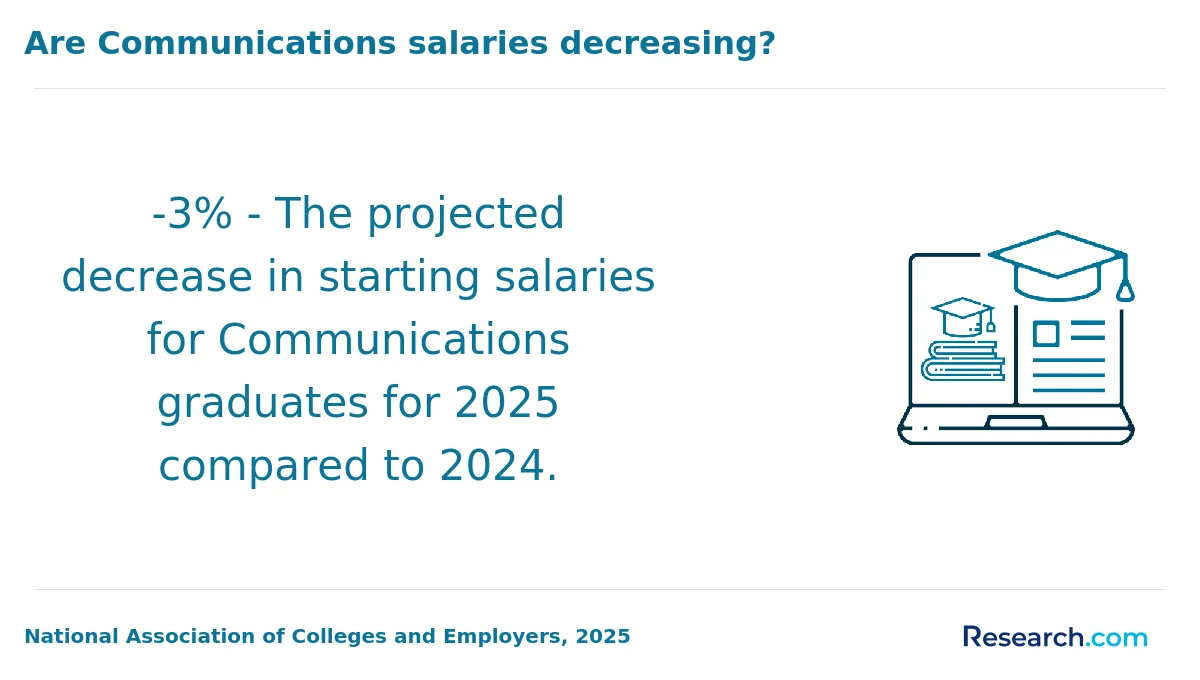
Graduates with an online communication degree in the South often find salary prospects influenced by their location and specialization. In metropolitan hubs such as Houston, Atlanta, and Charlotte, communication professionals typically earn between $50,000 and $65,000 annually, reflecting competitive market demand driven by media, corporate, and tech industries. For example, public relations specialists in these areas frequently report salaries near or above the national median of about $62,800.
Entry-level professionals from Southern universities known for strong communication programs start with salaries around $40,000 to $45,000, which steadily increase as they gain practical skills in social media management or strategic communication. After five to ten years, many see earnings climb to $70,000 or more, especially when working in larger cities or specializing in digital communication.
Graduates appreciate the flexibility of online degrees from respected Southern institutions, which enable them to tap into growing regional markets. The Southern Association of Colleges and Employers notes employers value hands-on experience in media analytics and content creation, further enhancing salary potential.
2027 Easiest Online Master's in Communication Degree Programs Ranking in the South
How do we rank schools?
Investing in your education is a significant decision that can shape your professional journey, and the Research.com team recognizes the importance of making well-informed choices. To aid prospective students in the South, we have carefully developed the "2027 Easiest Online Master's in Communication Degree Programs Ranking in the South." Our dedication to quality, credibility, and accuracy is demonstrated through thorough research and rigorous analysis.
We utilized the following reputable data sources to ensure a comprehensive evaluation of communication programs:
By consulting this ranking, readers will gain valuable insights into accessible and high-quality online master's programs in communication across the South, empowering them to make confident educational decisions. For more information on our research process, please visit our Research.com methodology page.


# 8 position
The University of Alabama
Master of Communication Studies with a Specialization in Organizational Leadership

# 9 position
University of Maryland Global Campus
Master of Strategic Communication


# 16 position
University of Florida
Master of Mass Communication with a specialization in Digital Strategy

# 17 position
Florida International University
Master of Mass Communication, Global Strategic Communication


Key Findings
- Tuition for online communication master's degrees in the South ranges from $10,000 to $25,000, with public universities usually charging under $12,000 for in-state students.
- Southern states such as Texas, Florida, and Georgia have a growing job market for communication graduates, projecting a 6% to 8% growth in related jobs over the next decade.
- Entry-level salaries for communication graduates in the South typically range from $45,000 to $55,000 annually, increasing to $75,000 to $85,000 with experience.
- Private universities in the South often charge higher tuition but provide strong networking and career support services for communication students.
- Accreditation by bodies like SACSCOC ensures programs meet regional standards and are widely recognized by employers.
- Many programs focus on multimedia skills, public speaking, and strategic communication to meet current industry demands.
How long does it take to complete online communication degree in the South?
Completion times for online communication degrees in the South vary significantly based on degree level and enrollment status. Bachelor's students at institutions like the University of Georgia or the University of Texas typically finish in about four years when studying full-time. Some graduates express satisfaction with accelerated tracks available through schools such as Florida State University, allowing degree completion in as little as three years by taking extra courses or summer classes.
Master's degree candidates often experience flexible timelines between 18 months and three years. For example, those enrolled in Auburn University's online communication master's program appreciate 6- to 8-week terms that fit busy work schedules. Part-time students, balancing family and career, may take four to five years but often value the adaptability that makes continuing education possible.
Public universities in the region average a 4.5-year completion for bachelor's degrees, reflecting real-world challenges like part-time attendance or transferring credits. Many graduates highlight how Southern schools' online formats help them progress efficiently while managing personal responsibilities.
What's the difference between online and on-campus communication degree?
Online and on-campus communication degrees in the South differ primarily in how students engage with coursework and campus life. Online students, for example at the University of North Carolina or Texas A&M, appreciate the flexibility to complete assignments and join discussions on their own schedules, which proves invaluable for working professionals or those balancing family duties. In contrast, traditional programs at institutions like the University of Florida or the University of Georgia provide fixed class times and face-to-face interaction, fostering a more immersive academic environment.
Graduates highlight that both formats deliver comprehensive curricula covering media theory, public speaking, and strategic communication. However, those attending on-campus benefit from immediate access to resources such as media labs and networking events, which can enhance learning experiences and internship prospects in Southern cities like Atlanta or Miami.
Financially, Southern students often find online options reduce extra costs like commuting and housing, although tuition can be similar. This blend of convenience and rigorous content allows online learners to confidently advance their communication careers without sacrificing quality.
What is the average cost of online communication degree in the South?
The average cost of an online communication degree in the South typically centers around $23,724, reflecting a median total cost that accounts for both in-state and out-of-state tuition variations. Students attending universities renowned for communication programs in southern states such as Texas, Florida, and North Carolina often find that in-state tuition averages approximately $19,170, making it a more affordable option for residents. Out-of-state students, conversely, generally encounter higher fees near $23,016, though some institutions offer competitive online rates that can narrow this gap.
Graduates from these programs often share positive experiences about balancing quality education with manageable costs, especially when enrolling in universities widely recognized for their communication curricula. Many appreciate how institutions provide flexibility and financial aid, easing the pursuit of an affordable online master's degree in communication southern states without sacrificing academic standards or professional networking opportunities.
Additional costs-including technology fees and course materials-may apply, but proactive students often leverage scholarships and payment plans. For those seeking more detailed information on the specific requirements for communications degree programs, it is highly useful to consult resources such as the requirements for communications degree to prepare financially and academically with confidence.
What financial aid is available to online communication degree students in the South?
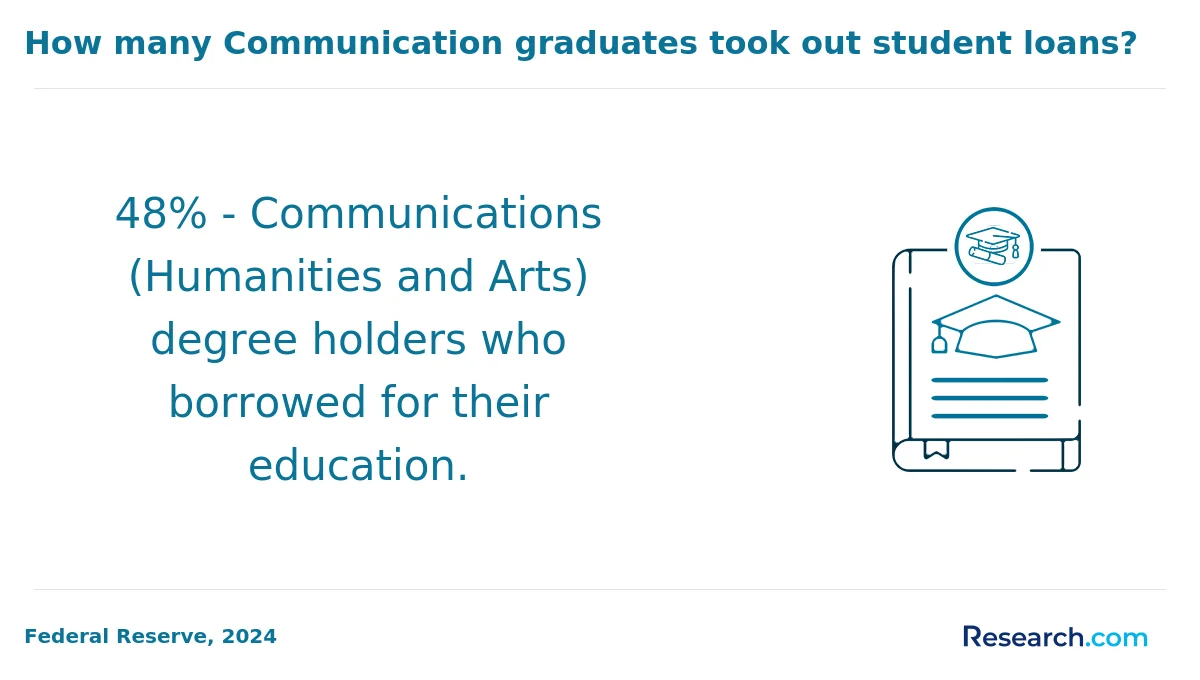
Students pursuing online communication degrees in the South benefit from multiple financial aid sources that help alleviate tuition costs. For instance, many graduates from universities like the University of Georgia or Texas A&M recall how federal loans such as Direct Unsubsidized Loans and Grad PLUS Loans obtained through FAFSA played a vital role in funding their education. While federal grants are scarce at the graduate level, Southern states offer targeted scholarships, like the Georgia HOPE Scholarship or Texas Public Educational Grant, which have eased financial burdens for numerous students.
Institutional merit-based scholarships and assistantships at well-regarded Southern institutions also provide significant relief. Graduates often share how assistantships not only offered tuition waivers but also stipends in exchange for teaching or research, creating a sustainable way to balance work and study.
Additionally, employer tuition reimbursement programs have supported professionals working in communications fields, enabling them to pursue degrees without major financial stress. Private scholarships from organizations such as the National Communication Association further expand opportunities for affordable education in this competitive region.
What are the prerequisites for enrolling in online communication degree program in the South?
Applicants aiming to enroll in online communication degree programs in the South must typically possess a bachelor's degree from an accredited institution. Graduates from universities like the University of Alabama or Florida State University often recall how their diverse academic backgrounds were welcomed, provided they demonstrated foundational knowledge in communication or related fields. Some programs require non-majors to complete specific prerequisite courses or provide professional experience, allowing students to bridge any gaps confidently.
While GRE scores are becoming less common requirements, some Southern institutions may still request them or offer waivers based on a strong undergraduate GPA or relevant work history. Many successful students report that maintaining a GPA of at least 2.5 to 3.0 was instrumental in securing their admission at schools such as Louisiana State University.
Letters of recommendation and well-crafted personal statements often convey applicants' passion and commitment, resonating with admissions committees. Internships and communication-related roles featured on resumes critically enhance candidacy, especially for programs emphasizing practical skills. International students must also demonstrate English proficiency through TOEFL or IELTS scores, ensuring their readiness for rigorous coursework.
What courses are typically in online communication degree programs in the South?
Online communication degree programs in the South typically include core courses designed to build both foundational knowledge and practical skills. Graduates from universities like the University of Florida or Texas A&M often highlight courses such as Introduction to Communication Theory, which helps them understand how communication functions in various social and professional contexts. Media Writing and Editing is another frequent course, sharpening the ability to craft clear, persuasive messages for digital and traditional platforms.
Students also engage deeply with Public Relations Strategies, learning to develop impactful campaigns, a skill highly valued in regional media hubs across Georgia and Florida. Digital Communication and Social Media coursework introduces advanced tools for creating and managing online content, reflecting the fast-paced media landscape in the South.
In addition, many programs emphasize Communication Research Methods, allowing students to master qualitative and quantitative analysis, which proves essential when consulting for Southern healthcare and emergency management agencies. Electives like Crisis Communication and Media Ethics provide graduates with the confidence to handle complex, real-world challenges they face in their careers.
What types of specializations are available in online communication degree programs in the South?
Online communication degree specializations in the South commonly include Public Relations, Digital and Social Media Communication, and Corporate Communication. Graduates from prominent Southern universities often share how the Public Relations track enabled them to master crisis communication and media strategies essential in states like Texas and Florida, where public relations roles are expanding. The Digital and Social Media option equips students with content creation and analytics skills, particularly valuable in vibrant Southern metro areas experiencing a 15% rise in social media management jobs.
Southern states communication master's concentration options also feature Health Communication, ideal for those eager to engage in public health campaigns, and Media Studies, focusing on journalism and mass communication theory. Many students appreciate how flexible online formats have allowed them to pursue these fields without sacrificing current careers. Those exploring what is a media communications degree find these diverse specializations align well with regional job growth and evolving communication demands.
How do you choose the best online communication degree in the South?
Choosing the best online communication degree programs in the South involves prioritizing accreditation, curriculum relevance, and practical flexibility. Graduates from leading Southern universities often emphasize how attending institutions accredited by the Southern Association of Colleges and Schools Commission on Colleges (SACSCOC) assures quality education that employers respect. Many students find value in programs blending digital media, public relations, and organizational communication, allowing them to tailor learning to their career goals.
Affordability is key, and affordable online communication master's degrees southern states offer frequently feature in-state tuition benefits, reducing financial strain. Students juggling work and study appreciate asynchronous courses and robust academic advising, which facilitate sustained progress without sacrificing professional commitments. Real-world applicability is critical; some graduates highlight that understanding what is a public relations degree within these programs provided them with strong regional industry connections and promising employment outcomes.
What career paths are available for online communication degree students in the South?
Graduates with an online communication degree careers in the South often find themselves well-positioned for diverse professional opportunities. Many alumni from respected Southern universities report success in public relations, managing the public image of organizations while earning competitive salaries. In metropolitan hubs like Atlanta and Nashville, marketing and advertising roles thrive, where communication graduates leverage their skills to design and execute dynamic campaigns.
Southern region communication job opportunities also extend into digital media and content creation. Graduates frequently highlight their ability to manage social media platforms and develop engaging content, skills cultivated through online programs at leading institutions in the region. Corporate communication is another prominent path, with companies valuing graduates who expertly navigate internal communications and crisis management.
Nonprofits and government agencies in states like Georgia and North Carolina actively recruit communication graduates for community engagement and grant writing roles. Students from the South express enthusiasm about these fulfilling positions, often citing how their education prepared them to make meaningful impacts. For those curious about further possibilities, detailed insights on what careers can you pursue with a master's in public relation provide valuable guidance.
What is the job market for online communication degree in the South?
Graduates pursuing an online communication degree in the South face a promising job market as employers increasingly value expertise in digital media, corporate messaging, and strategic communication. The region's expanding urban centers like Atlanta and Dallas create diverse employment opportunities across public relations firms, digital marketing agencies, and corporate communication teams. This growth reflects the broader communication career opportunities in the Southern US, where consistent demand for skilled professionals drives competitive salaries, especially near metropolitan hubs.
Students from universities and colleges popular in the South often share how their hands-on learning experiences prepare them for roles in organizations ranging from media outlets to nonprofit communications. Many find that Southern institutions' affordable tuition and practical curricula reinforce their confidence in securing rewarding positions after graduation. Working professionals also benefit from the rise of flexible online master's programs emphasizing current skills such as data analytics and digital media literacy, which enhance advancement prospects. For those seeking further education, a public relations masters degree online offers a convenient pathway to elevate career outcomes within this vibrant southern job market.
Frequently Asked Questions About communication
Students pursuing online communication degrees in the South can maximize their learning by actively engaging in virtual discussions and networking. Southern universities often feature interactive platforms that facilitate collaboration among peers, which strengthens communication skills crucial for professional success.
The Southern region has reported increased enrollment in communication programs by 12% over recent years (National Center for Education Statistics, 2023). Taking advantage of regionally accredited institutions ensures quality education and access to local industry connections. Additionally, students should seek internship opportunities with Southern media outlets or public relations firms to gain practical experience.
Regularly attending webinars and workshops offered by Southern communication associations can also enhance knowledge beyond coursework. Building a professional online presence aligned with Southern market trends helps students stand out in local job markets after graduation.
The field of communication is rapidly evolving, especially in the Southern United States, where digital media and technology industries are expanding. Emerging niches include digital content strategy, social media management, and data-driven communication, reflecting the growing demand for professionals who can engage audiences online effectively. According to the Southern Regional Education Board, programs in media analytics and strategic communication have seen enrollment increases of over 15% between 2019 and 2023.
Another growing area is crisis communication and reputation management, crucial for institutions navigating today's fast-paced news cycles. Additionally, health communication has become vital, especially following the COVID-19 pandemic, with Southern universities adapting their curricula to meet these specialized needs.
After completing an online communication degree in the South, graduates should focus on building relevant experience to stand out in a competitive job market. Internships and volunteer roles in local media outlets, public relations firms, or nonprofit organizations can provide practical skills and networking opportunities.
According to the U.S. Bureau of Labor Statistics, demand for communication specialists is projected to grow about 11% nationwide through 2032, with southern metropolitan areas like Atlanta and Dallas showing strong job growth.
Graduates are encouraged to develop digital portfolios showcasing writing, social media, and multimedia projects. Additionally, joining regional professional groups, such as the Southern Public Relations Federation, can offer mentorship and job leads.
Finally, tailoring resumes to reflect skills aligned with industries dominant in the South, such as healthcare, energy, and technology, improves job prospects.
Employers in the Southern United States consistently prioritize strong interpersonal and written communication skills among graduates with communication degrees. According to a 2023 study by the National Association of Colleges and Employers (NACE), around 89% of employers in the region emphasize clear messaging and effective public speaking. Additionally, digital literacy and proficiency with communication technologies are increasingly important, as remote work and digital marketing continue to expand.
Critical thinking and problem-solving also rank highly, with 76% of Southern employers seeking these abilities to navigate diverse work environments. Familiarity with cultural diversity and ethical communication practices is another key skill, reflecting the South's dynamic economic and social landscape.
Finding internships in the South for communication degree students often centers on leveraging regional industry hubs. States like Georgia and Texas host numerous media, advertising, and public relations firms that frequently offer internships relevant to communication majors. According to the National Association of Colleges and Employers (NACE), Southern cities such as Atlanta and Dallas rank among the top U.S. markets for internship opportunities overall.
Students should begin by exploring career services through their online programs, which often connect with local employers. Additionally, professional organizations like the Public Relations Society of America (PRSA) South Florida Chapter regularly list internships specific to communication fields.
Networking via virtual job fairs and platforms like Handshake can also increase access to Southern internships, as these tools highlight openings prioritized for regional candidates.
Finally, tailored searches on local company websites and LinkedIn can reveal postings aligned with communication skills, such as social media management, content creation, and corporate communications. Pursuing internships in these areas can provide valuable experience and professional connections within the Southern market.
Online communication degrees offer significant career mobility and advancement opportunities in the South. According to the Southern Regional Education Board, the demand for communication professionals in southern states is growing steadily, driven by expanding industries like media, marketing, and technology. Graduates with these degrees often qualify for roles in public relations, digital media, and corporate communication, where leadership positions typically require advanced education.
Employers in the South increasingly prefer candidates with online master's degrees due to the flexibility and up-to-date skills gained. Data from the U.S. Bureau of Labor Statistics shows a 10% projected growth in communication-related jobs in the Southeast by 2030, higher than the national average.
This trend reflects how online communication degrees serve as a strategic tool for career progression in this region.
Studying for a communication degree in the South equips students with skills applicable across multiple fields, including business, healthcare, and technology. Southern universities often emphasize collaborative projects, enabling learners to practice teamwork with diverse disciplines. According to the Southern Association of Colleges and Schools Commission on Colleges, many programs integrate coursework in digital media, public relations, and organizational communication to foster versatile expertise.
Graduates from Southern online communication programs report increased job opportunities in interdisciplinary roles, as their training aligns with regional industry needs. For example, communication professionals frequently support cross-functional teams in sectors like education and government, adapting messaging for varied audiences and purposes. This approach reflects broader national trends in communication careers outlined by the Bureau of Labor Statistics.
Choosing between a thesis and a non-thesis online communication degree in the South depends largely on your career goals and learning preferences. Thesis programs typically require original research and are suited for students aiming for academic careers or doctoral studies. Non-thesis options focus more on coursework and practical skills, appealing to professionals seeking advancement without a research-heavy commitment.
In Southern universities, about 35% of communication master's students opt for thesis tracks, especially those planning to teach or conduct research later, according to the Southern Association of Colleges and Schools. Consider your interest in research - a thesis demands strong analytical and writing skills.
Non-thesis programs often offer internships or capstone projects, which provide hands-on experience important in public relations, corporate communication, or media roles prevalent in states like Texas and Georgia. Weigh the structure that best fits your schedule and professional ambitions.
Students based in the South who want to study communication abroad while pursuing an online degree have several pathways. Many Southern universities offer online communication programs with study abroad options or international partnerships. This allows students to earn credits overseas without interrupting their degree progress. According to the Southern Association of Colleges and Schools Commission on Colleges (SACSCOC), quality standards ensure regional program credibility, even with global components.
Additionally, some online programs incorporate virtual exchanges with international students, enriching global perspectives without travel. Financial aid and scholarships specifically for Southern students can help offset study-abroad costs.
Part-time job opportunities that complement online communication degrees in the South often focus on roles harnessing strong interpersonal and media skills. Popular options include social media management, public relations assistantships, and content creation for local businesses or nonprofits. These positions help students build practical experience while advancing their academic knowledge.
According to the U.S. Bureau of Labor Statistics, the South has seen a 10% growth in media and communication-related jobs between 2020 and 2023, reflecting expanding opportunities in this sector. Additionally, internships and freelance roles in digital marketing are commonly available in metropolitan areas like Atlanta, Dallas, and Miami.
Engaging in these jobs provides valuable networking opportunities within communication fields and can enhance resume portfolios, benefiting students aiming for full-time careers post-graduation.
Online communication students in the South have access to diverse networking opportunities through virtual events, professional organizations, and regional communication conferences. Many Southern universities partner with local media outlets and businesses, offering students practical engagement and internships. For example, the Southern Public Relations Federation organizes an annual conference attracting hundreds of communication professionals nationwide.
Additionally, organizations like the National Communication Association have active Southern chapters, providing students with workshops and mentorship programs. Virtual networking platforms specifically designed for Southern professionals also foster connections beyond campus. According to a 2023 report by the University of Georgia, 65% of online communication students in the South reported access to region-specific networking resources during their studies.
Alumni networks play a crucial role for online communication degree students in the South by offering professional connections that ease entry into competitive job markets. Many Southern universities emphasize strong alumni engagement, which can provide access to regional internships and job opportunities in media, corporate communications, and public relations.
These networks often organize virtual events and mentoring programs tailored to online students, helping to bridge geographic distances common in the South's expansive area. According to the University of North Carolina's Career Services, 75% of communication graduates report securing jobs through alumni referrals.
Participation in these networks also enhances skills development by facilitating collaboration with experienced professionals familiar with Southern market trends.
To customize an online communication degree program in the South, students should carefully select electives and concentrations that align with their career goals. Many Southern universities offer options such as digital media, public relations, corporate communication, or health communication. Choosing a focus area helps tailor the curriculum to specific industries. Additionally, students can seek programs with internship opportunities or project-based learning, which are crucial for gaining practical experience.
Accreditation is vital; look for programs accredited by the Accrediting Council on Education in Journalism and Mass Communications (ACEJMC), recognized nationally for quality education in communication.
According to the Southern Regional Education Board, states like Texas, Georgia, and Florida have strong communication industries, making local networking opportunities valuable for career advancement.
Online communication students in the South often face unique challenges related to regional infrastructure. According to the Federal Communications Commission, rural areas in Southern states like Mississippi and Arkansas have lower broadband access rates than the national average, making reliable online learning difficult for some students. This digital divide can impact timely participation in virtual classes and completion of multimedia assignments.
Another common issue is balancing work, family, and studies, as many Southern students pursuing communication degrees are adult learners with significant outside responsibilities. Additionally, limited local networking opportunities may hinder career development compared to in-person programs. Awareness of these factors helps prospective students prepare effectively.
Graduates with an online communication degree often pursue professional certifications to enhance career prospects in fields like public relations, marketing, and media. Popular certifications include the Accredited Public Relations (APR), awarded by the Public Relations Society of America, which holds value across the South's growing communication industry.
Other valuable credentials include the Certified Communication Professional (CCP) offered by the Global Communication Certification Council, focusing on leadership and strategic communication skills. For those interested in digital marketing, certifications such as Google Analytics or HubSpot Inbound Marketing can complement communication expertise.
According to data from the Southern Association of Colleges and Schools Commission on Colleges (SACSCOC), communication-related certifications significantly boost employment rates in Southern states, where media and corporate communication roles are expanding rapidly.
When applying to online communication programs in the South, a clear and focused personal statement is essential. Highlight your professional experience and goals related to communication fields such as digital media, public relations, or corporate communication. Southern universities often value applicants who demonstrate understanding of regional communication challenges and opportunities.
Strong letters of recommendation from supervisors or professors relevant to communication disciplines can enhance your application. According to the Southern Association of Colleges and Schools, programs expect applicants to show clear motivation and readiness for graduate-level work.
Be sure to meet all technical requirements early, as online programs emphasize digital literacy. Including specific examples of past projects or research helps differentiate you from other candidates.
Global perspectives on a communication career increasingly emphasize the importance of cross-cultural skills and digital literacy. In the U.S., particularly in Southern states, communication programs focus on preparing students for careers in global media, public relations, and corporate communication within diverse markets.
According to the National Communication Association, communication professionals are expected to manage international messaging and adapt strategies to different cultural contexts. The South, with its growing urban centers like Atlanta and Miami, offers unique opportunities for students to engage with multinational companies and global media outlets.
Employment projections from the U.S. Bureau of Labor Statistics show a steady growth of 10% in communication-related fields through 2031, reflecting the demand for professionals who can navigate both domestic and international environments.
Overall, a communication career offers global connectivity and adaptability, making an online degree from the South a practical choice for students seeking worldwide opportunities.
Gaining practical experience while pursuing an online communication degree in the South is essential for career readiness. Many Southern universities partner with local media outlets and businesses, offering virtual internships and project opportunities tailored to communication students. These experiences help develop skills in public relations, digital media, and strategic communication.
Students can also join online workshops, simulations, and networking events hosted by professional organizations such as the Southern Public Relations Federation.
According to the National Association of Colleges and Employers, 79% of employers value internship experience in communication roles, making it a critical step towards employment after graduation.
Choosing the right concentration within an online communication degree in the South begins with understanding your career goals and local industry demands. Popular concentrations often include public relations, digital media, and organizational communication. According to the Southern Regional Education Board, many Southern states have strong media and corporate sectors, making digital media and public relations particularly relevant.
Researching program flexibility and faculty expertise is crucial. Some universities offer specialized tracks aligned with regional economic hubs like Atlanta or Dallas, known for media and business growth. Admission to these programs often requires a clear focus, so matching your interests to job market trends in the South can improve your prospects.
Additionally, verify if the program emphasizes practical experience through internships or case studies, as this hands-on learning is highly valued in Southern communication fields.
Top Trending Communication Rankings
References
- How to Network with Alumni | Student Guide to Alumni Networking 2026 https://digitalrecordboard.com/blog/how-to-network-with-alumni/
- Online Communication Degree | University of Phoenix https://www.phoenix.edu/online-liberal-arts-degrees/communication-bachelors-degree.html
- Online Degree vs. Traditional: Choosing the Right Path https://beal.edu/online-degree-vs-traditional/
- 2026 Best Online Communications Degrees https://www.onlineu.com/degrees/communications
- Where Communications Majors Earn the Most (and Least) https://www.mastersincommunications.org/where-communications-majors-earn-most-least/
- Study Media Abroad: 2026 Global Guide to Courses & Careers https://www.hotcoursesabroad.com/subject/media/
- 6+ Communications Cover Letter Examples (with In-Depth Guidance) https://www.tealhq.com/cover-letter-examples/communications
- Gaining practical experience with PR and Digital Communications - Made in Salford https://blogs.salford.ac.uk/made-in-salford/2021/05/06/studying-pr-digital-communications-university-of-salford/
- Why You Should Start Networking as a Student – and How to Do It https://amplifyme.com/blog/why-you-should-start-networking-as-a-student
- Communication Difficulties: The Silent Barrier - Connect https://stageslearning.com/connect/articles/communication-difficulties-the-silent-barrier/