2027 Most Affordable Online Bachelor's in Communication Degree Programs Ranking in the USA

Co-Founder and Chief Data Scientist
Choosing the right online communication degree can feel overwhelming, especially when balancing costs and quality. That's why the Research.com team of data scientists created the 2027 Most Affordable Online Bachelor's in Communication Degree Programs Ranking in the USA. This helpful guide provides clear, data-driven insights to support your decision.
By exploring affordable and reputable programs, you can find the best fit for your goals without breaking the bank. Earning a communication degree offers valuable skills that open doors to diverse careers and personal growth. This article is here to make your journey easier and more confident.
Key benefits of getting online communication degree in America
- Although specific salary data is unavailable in the Source Data, communication degree graduates in the US typically enjoy competitive salaries ranging from $45,000 to $75,000 annually, depending on the career path.
- A communication graduate from the University of Southern California can explore diverse careers such as public relations, marketing, media production, and corporate communications, reflecting the versatility of this degree.
- Online communication degree graduates from Arizona State University often benefit from flexible schedules and reduced costs, allowing them to balance work and studies effectively while gaining valuable skills from top faculty.
- Key benefits of getting online communication degree in America
- What can I expect from online communication degree in America?
- Where can I work with online communication degree in America?
- How much can I make with online communication degree in America?
- 2027 Most Affordable Online Bachelor's in Communication Degree Programs Ranking in the USA
- Key Findings
- How long does it take to complete online communication degree in America?
- What's the difference between online and on-campus communication degree?
- What is the average cost of online communication degree in America?
- What financial aid is available to online communication degree students in America?
- What are the prerequisites for enrolling in online communication degree program in America?
- What courses are typically in online communication degree programs in America?
- What types of specializations are available in online communication degree programs in America?
- How do you choose the best online communication degree in America?
- What career paths are available for online communication degree students in America?
- What is the job market for online communication degree in America?
- Top Trending Communication Rankings
What can I expect from online communication degree in America?
The average cost of an online communication degree in America typically ranges between $15,000 and $40,000 for the entire program, depending on the institution. Many students from well-known universities and colleges, such as Arizona State University or the University of Florida, find this investment rewarding as it opens doors to dynamic careers in media, public relations, and digital marketing. Graduates often share how the flexible schedules and engaging online coursework allowed them to balance work and family life while advancing their education.
Because these programs prioritize real-world skills-like media writing and digital strategies-students feel empowered and prepared to enter the workforce confidently. The ability to interact through recorded lectures and lively discussions with peers makes the learning journey enjoyable and stimulating.
Financial aid, scholarships, and employer tuition reimbursement further ease the cost, making an online communication degree an accessible and motivating step toward a thriving career in a growing field across America.
Where can I work with online communication degree in America?
Graduates from online communication programs at well-known American universities often find themselves stepping into dynamic careers that make a real impact. Imagine launching a career in public relations, crafting stories that shape a company's image in bustling cities like New York or Chicago. Many grads from schools like the University of Southern California thrive here, managing exciting campaigns and social media buzz that connect brands with millions.
Others dive into marketing and advertising, creating compelling digital content seen by diverse audiences nationwide. Alumni from institutions such as the University of Texas at Austin often embrace roles as brand managers or marketing coordinators, blending creativity with strategy to help businesses grow. These careers blend passion and innovation, perfect for students ready to communicate across platforms.
Corporate communication specialists, a fast-growing group, ensure smooth interactions within companies and guide messages during challenging times. Graduates from universities like Syracuse find satisfaction supporting employee engagement and corporate culture, driving meaningful change from inside.
Finally, many apply their skills in media, journalism, healthcare, nonprofit sectors, or government agencies, exciting fields where communication is a vital force for good. The opportunities in America for those armed with an online communication degree are vast and inspiring.
How much can I make with online communication degree in America?
Graduates of online communication degree programs in America can look forward to promising salary opportunities that reflect their skills and adaptability. While exact salary data from official sources may be limited, many graduates from respected universities such as Arizona State University and the University of Florida report starting salaries between $40,000 and $55,000 in fields like digital marketing and social media management. These starting points provide a solid foundation for growth.
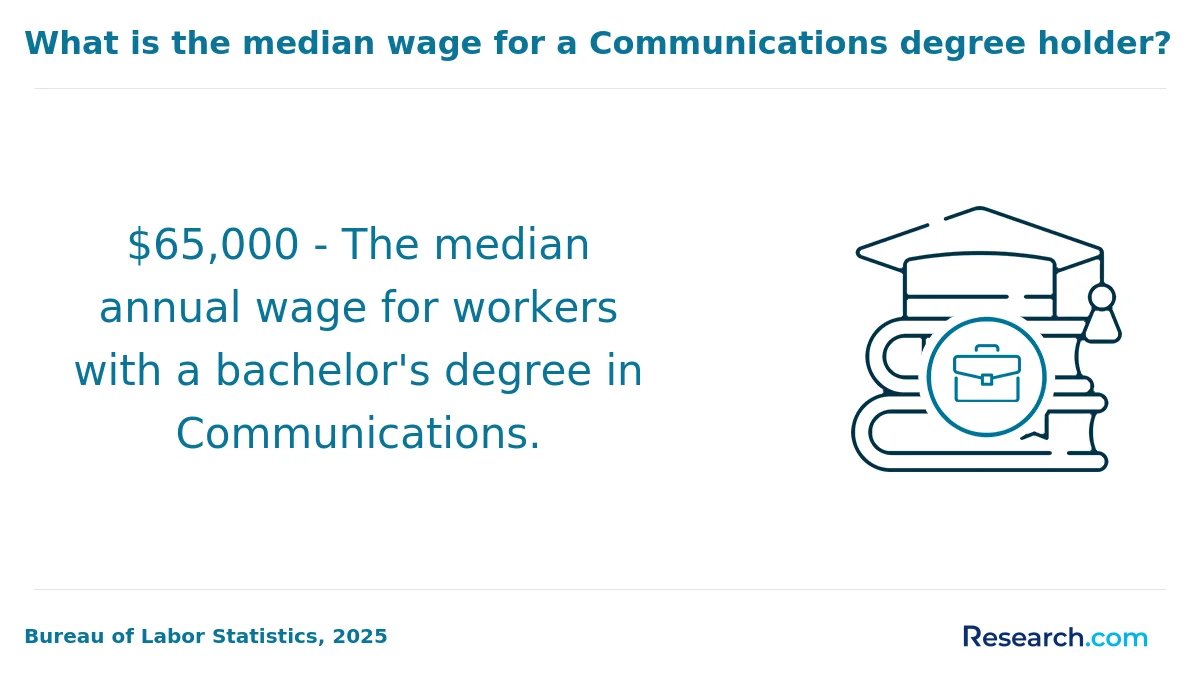
With dedication and experience, communication professionals often find themselves earning upwards of $62,000, matching national medians for public relations specialists. Those who expand their expertise into strategic communication management or data analytics frequently surpass $75,000 within just a few years, showcasing the rewarding potential of combining technical skills with communication know-how.
Imagine graduates from institutions such as Penn State or the University of Southern California who leverage their online communication degree to secure roles in bustling metropolitan hubs. Their enhanced salaries allow them to thrive, not just financially but in career satisfaction, making the journey of earning a communication degree both inspiring and worthwhile.
2027 Most Affordable Online Bachelor's in Communication Degree Programs Ranking in the USA
How do we rank schools?
Investing in your education is a significant decision that can profoundly impact your future, and the Research.com team is committed to helping you make well-informed choices. To support prospective students exploring communication degrees, we have carefully developed the "2027 Most Affordable Online Bachelor's in Communication Degree Programs Ranking in the USA." Our dedication to quality, credibility, and accuracy is demonstrated through rigorous research and analysis.
We utilized the following reputable data sources to create this ranking:
By exploring this ranking, readers will gain valuable insights into affordable, quality online communication programs, empowering them to choose a degree that fits their needs and budget. For more information on how this ranking was created, please visit our Research.com methodology page.


# 13 position
Colorado Christian University
Bachelor of Communication Studies


Key Findings
- Tuition for online communication degrees ranges from $15,000 to $30,000 per year, with public universities offering lower costs for in-state students.
- Programs typically take about four years full-time, with options for part-time study and accelerated courses available.
- Coursework often includes media studies, interpersonal communication, public relations, digital communication, and specialized tracks like corporate communication or journalism.
- Starting salaries for communication graduates average between $45,000 and $55,000 annually, rising to $65,000-$75,000 with experience.
- The job market for communication roles is expected to grow by around 10% from 2022 to 2032, faster than the national average for all occupations.
- Accreditation from recognized bodies, such as the Higher Learning Commission, is important for degree recognition and job prospects.
How long does it take to complete online communication degree in America?
Completing an online communication degree in America typically takes about four years for full-time students, mirroring the traditional college experience. Many graduates from schools like Arizona State University and Southern New Hampshire University share stories of balancing busy lives while steadily earning their degrees within this timeframe. The steady rhythm of taking around 15 credit hours each semester brings a rewarding sense of progress and accomplishment.
For those seeking a faster path, accelerated programs allow completion in as little as 2.5 to 3 years. Imagine diving into year-round classes, including summer sessions, feeling energized by the momentum toward your goal. These options empower motivated students to finish sooner without sacrificing quality.
Part-time learners who juggle work or family often take five to six years, enjoying the flexibility to study at their own pace. Thanks to transfer credits, many students reduce their course load by applying previous studies, making the journey feel even more personalized and achievable.
With dedication and the right support, earning a communication degree online in America is a realistic and inspiring step toward your future.
What's the difference between online and on-campus communication degree?
Graduates from renowned schools like the University of Southern California and the University of Florida highlight how on-campus communication programs create vibrant spaces for face-to-face collaboration. Imagine lively classroom debates or spontaneous group projects that spark creativity and deepen understanding through immediate feedback from professors and peers. This immersive environment nurtures strong interpersonal skills crucial for dynamic careers in media and public relations.
On the other hand, many students pursuing communication degrees online at institutions such as Arizona State University appreciate the flexibility to learn at their own pace. Picture completing coursework from your favorite cozy spot at home or balancing studies with a full-time job while still engaging actively in digital discussions and networking. The ability to tailor your education schedule empowers you to thrive without sacrificing personal commitments.
Both paths in America maintain rigorous accreditation standards and deliver comprehensive curriculum covering media theory, digital communication, and ethics. Online programs often reduce tuition costs, making education accessible to a wider audience while still equipping graduates with the skills needed to excel in the fast-evolving communication landscape.
What is the average cost of online communication degree in America?
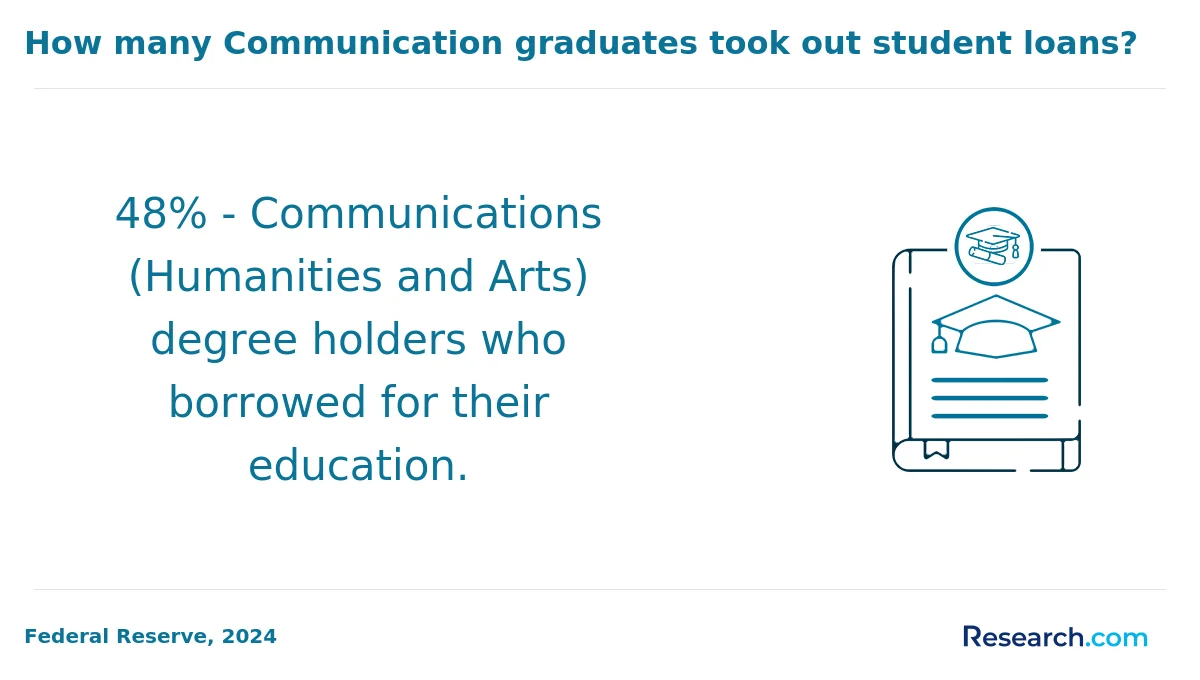
The average cost of an online communication degree in America reflects a smart investment in your future, with median tuition totaling around $51,360. For those attending as in-state students, this amount typically lowers to about $35,880, offering even more accessible pathways to earning your degree. Graduates from well-known public institutions often share how these programs provide excellent value, combining quality education with flexibility that fits their busy lives.
Many students balancing work and family responsibilities find that pursuing a communication degree online at respected universities such as those in California or Texas allows them to progress at their own pace while managing costs effectively. These schools are recognized for providing affordable tuition rates that make the dream of obtaining a communication degree achievable without overwhelming financial burdens.
When planning finances for your studies, consider that beyond tuition, expenses like textbooks, technology fees, and occasional application costs add up, but financial aid, scholarships, and employer tuition reimbursement frequently ease this load. It's encouraging to hear from recent graduates who successfully leveraged such funding to reduce their expenses and bring their career goals within reach.
For those searching for affordable online communication bachelor's degree cost 2027 options, exploring resources like affordable online masters in communications can provide helpful insights and opportunities to find even more value. This proactive approach inspires many to take the next step confidently, transforming their aspirations into rewarding achievements.
What financial aid is available to online communication degree students in America?
Financial aid significantly lightens the path for many students pursuing an online communication degree in America, turning dreams into achievable goals. Graduates from universities like the University of Southern California and Penn State have found that federal financial aid programs, such as Pell Grants and Federal Direct Loans, offer vital support. Pell Grants provide eligible students up to $7,395 annually, which means you could focus more on learning and less on financial stress.
State-based programs, like the California College Promise Grant, help residents by waiving community college fees for online learners, making a strong start more accessible. Many communication students have benefited from institutional scholarships that reward academic excellence and leadership, offered directly by schools aiming to empower virtual learners.
Private organizations also fuel success with scholarships that recognize your passion and potential in communication. Plus, working adults often access employer tuition reimbursements, bridging career growth with education. By combining these options, thousands of students across America make their communication dreams a reality every day.
What are the prerequisites for enrolling in online communication degree program in America?
To embark on your journey toward an online communication degree in America, you'll need a high school diploma or its equivalent, like a GED. Many students from well-known schools like the University of Southern California or the University of Florida found this foundational step accessible and empowering, knowing it truly opens doors to higher learning.
Standardized tests such as the SAT or ACT are often part of the application process, although many institutions have embraced test-optional policies, easing the path for those with unique strengths beyond test scores. Imagine feeling confident submitting your application, knowing your entire story matters, not just numbers.
For non-native English speakers, demonstrating proficiency through tests like TOEFL or IELTS or prior coursework ensures you can thrive in lively discussions and writing assignments, much like graduates from Boston University who highlight how these skills boosted their academic confidence.
A respectable high school GPA, generally around 2.5 to 3.0, adds to your readiness, and some programs cherish personal statements or recommendation letters that share your unique voice and passion for communication. These elements help admissions see the real you-the driven individual ready to shine in fields like media or public relations.
If you're transferring credits from related studies like journalism or media, many colleges welcome these, as some recent graduates attest, making your transition smoother and your goal closer. This blend of clear prerequisites is designed to encourage, not limit, your dreams of becoming a skilled communicator.
What courses are typically in online communication degree programs in America?
Online communication degrees in America offer students a rich blend of courses that spark confidence and creativity. Graduates from well-known universities often share how foundational classes like Introduction to Communication Studies helped them grasp essential theories, empowering them to connect with diverse audiences. Courses such as Interpersonal Communication bring real-world value by enhancing everyday conversations and teamwork skills.
Mass Communication classes immerse students in understanding media's powerful role, preparing them to navigate and influence public opinion. Media Writing teaches the craft of compelling storytelling, essential for success in journalism, PR, or marketing. Research Methods open doors to analyzing messages critically, a skill highly praised by alumni nationwide.
Many American colleges emphasize digital skills with courses like Social Media Management and Digital Media Production, making students ready to lead in today's fast-changing online world. Organizational Communication and Ethics rounds out the experience, ensuring graduates communicate responsibly and effectively within any business setting.
What types of specializations are available in online communication degree programs in America?
Online communication degrees in America open doors to exciting specializations that inspire and empower students to carve unique career paths. Popular choices like Public Relations equip graduates from universities nationwide with skills to expertly manage media relations and shape public image, often recalling their hands-on experiences creating crisis communication strategies. Meanwhile, those who choose Corporate Communication enjoy connecting teams and improving workplace culture, much like graduates from top colleges known for fostering leadership and stakeholder engagement skills.
Excitement also surrounds the fast-growing field of Digital and Social Media Communication, where students learn to craft compelling content and analyze audience trends-preparing for roles at innovative companies across America. Many relate their journey through well-rounded programs in broadcast journalism or media studies, gaining practical skills in news reporting and video production that bring stories to life. For potential learners pursuing affordable online communication degree specializations USA offers, it's encouraging to know such programs combine quality with access. Discover a tailored fit by exploring a communications bachelors degree online that aligns with your ambitions and ignites your passion.
How do you choose the best online communication degree in America?
Choosing the best online communication degree in America means looking beyond just the name of the university. Graduates from top schools like the University of Florida or Arizona State University often share how accreditation from respected bodies reassured them they were investing in quality education. Programs recognized by the Accrediting Council on Education in Journalism and Mass Communications show a real dedication to excellence that opens doors in the industry.
Many students find that affordable online communication degrees USA offer the perfect balance of quality and cost-effectiveness. Those balancing work and study especially appreciate flexible schedules and asynchronous classes, common at popular institutions nationwide. This flexibility enables learners to thrive without sacrificing their current responsibilities.
Graduates often highlight how a well-rounded curriculum enriched by hands-on experiences like internships helped them confidently transition into careers. Exploring pr degrees or communication tracks with career support can empower you to stand out and succeed in dynamic fields like digital media and corporate communication.
What career paths are available for online communication degree students in America?
Graduates with an online communication degree in America find themselves stepping into vibrant careers full of opportunity and growth. Many become public relations specialists, skillfully crafting the public image of respected companies, a path growing rapidly nationwide. Others thrive as marketing coordinators, where their creativity and communication expertise drive impactful campaigns, especially in social media-driven environments. At popular universities known for communication programs, graduates routinely share stories of landing exciting roles in corporate communications, journalism, and media production, where their voices shape important conversations across platforms.
Exploring career opportunities with online communication degree in USA opens doors to diverse roles like social media managers and technical communicators who translate complex ideas into relatable messages. The positive energy from these roles reflects the real-world success stories from colleges across America. For those curious about specialized directions, looking into masters in public relations jobs offers further inspiration and proof of dynamic, rewarding futures.
Job prospects for online communication graduates America show a promising landscape where skills learned online at respected institutions lead to meaningful, well-compensated work in multiple industries, including media, education, government, and nonprofits.
What is the job market for online communication degree in America?
The job market for graduates with an online communication degree in America is both strong and full of opportunity. Many graduates from well-known universities and colleges find rewarding roles as public relations specialists, marketing coordinators, and social media managers, reflecting real-life success stories of professionals shaping brand narratives and engaging audiences effectively. The growing demand for skilled communicators ensures a versatile career path, with the communication degree career opportunities America offers continuing to expand across industries such as corporate communications and journalism.
Graduates often share how practical skills gained through programs emphasize digital media production and strategic communication, allowing them to confidently navigate evolving business needs. This hands-on learning approach sets them apart in competitive markets, including major metropolitan hubs nationwide. For those exploring advanced studies, pursuing a masters in public relations online can further enhance career prospects and open doors to even greater professional heights.
Exploring online communication degree jobs USA means embracing a future where communication expertise meets technology, fueling exciting career growth with emotional rewards and financial stability.
Frequently Asked Questions About communication
Online communication degree students in America can maximize their learning by actively engaging in virtual discussions and group projects. Research from the National Center for Education Statistics shows that students who participate regularly in interactive activities report higher satisfaction and better outcomes. Utilizing campus resources such as online libraries and academic advising services is equally important.
Effective time management is crucial; students should create structured study schedules to balance coursework and personal commitments. Networking with peers and professionals through platforms like LinkedIn can enhance career prospects.
Choosing accredited programs recognized by the Council for Higher Education Accreditation ensures quality education aligned with industry standards.
Emerging niches within the communication field in the United States are rapidly expanding due to technological advances and shifting market needs. Digital communication, including social media management and content creation, is growing significantly. According to the U.S. Bureau of Labor Statistics, employment for social media specialists is expected to grow 13% from 2022 to 2032.
Other rising areas include health communication, which focuses on improving public health messaging, and crisis communication, essential for managing organizational reputation during emergencies. Data analytics in communication also gains importance, helping professionals tailor messages effectively.
These niches offer strong career prospects for students pursuing online communication degrees in America.
After earning an online communication degree in America, preparing for the job market involves strategic steps to enhance employability. Graduates should build a strong portfolio showcasing practical skills such as writing, digital media, and public speaking. According to the U.S. Bureau of Labor Statistics, communication-related fields like public relations and broadcasting are expected to grow by 10% between 2022 and 2032, indicating promising opportunities.
Networking is vital; joining professional associations like the National Communication Association helps graduates connect with industry experts and access job listings. Internships and volunteer experiences during studies also increase real-world expertise.
Additionally, mastering digital tools and social media platforms improves competitiveness, as most employers seek candidates proficient in online communication technologies.
Employers in America highly value communication degree graduates who demonstrate strong verbal and written communication skills. According to the National Association of Colleges and Employers (NACE), 86% of employers prioritize verbal communication as a crucial skill during hiring. Graduates must also be adept at digital communication tools, reflecting the increasing demand for expertise in social media, content creation, and online engagement.
Critical thinking and problem-solving abilities are essential. Communication professionals often need to analyze complex information and present it clearly to diverse audiences. Moreover, teamwork and interpersonal skills rank among the top attributes, as collaboration is key in many communication roles within corporate, public relations, and media sectors.
Data from the Bureau of Labor Statistics suggests that adaptability and technological proficiency, including familiarity with communication software and platforms, significantly improve job prospects. Continuous learning and cultural awareness round out the skill set employers seek in communication graduates across the United States.
Finding internships relevant to a communication degree in America involves several strategic steps. Start by exploring your university's career services, as many schools have partnerships with media companies, PR firms, and nonprofits offering internships tailored to communication students. According to the National Association of Colleges and Employers (NACE), over 60% of communication graduates secure internships before graduating, which significantly increases job prospects.
Online job platforms like Handshake and LinkedIn also list numerous internships in communications fields, including digital marketing, journalism, and corporate communications. Networking through professional organizations such as the Public Relations Society of America (PRSA) can further uncover exclusive opportunities. Tailoring your resume and cover letter to communication skills is essential to stand out.
An online communication degree in America significantly enhances career mobility by equipping graduates with versatile skills applicable to various industries. According to the U.S. Bureau of Labor Statistics, employment in communication-related fields is projected to grow 10% from 2022 to 2032, faster than the average for all occupations. This growth facilitates advancement as professionals can transition into roles such as public relations, marketing, corporate communication, or media management.
The flexibility of online programs also allows working adults to upskill without interrupting their careers, thus improving promotion prospects. Employers increasingly value digital communication skills, further supporting career progression for graduates with this degree.
Studying for a communication degree in America equips students with skills that cross multiple fields such as marketing, public relations, media, and business. The curriculum typically includes courses in digital media, interpersonal communication, and organizational behavior, fostering versatility. According to the National Center for Education Statistics, over 50,000 students earn communication bachelor's degrees annually in the U.S.
This interdisciplinary approach helps graduates work effectively in diverse roles, including corporate communication, healthcare advocacy, and government relations. Many programs also integrate technology and data analysis training, preparing students to adapt to evolving job markets.
American universities emphasize critical thinking and cultural competence, vital for teamwork across various sectors. This preparation aligns well with employer demands for versatile communication professionals.
Choosing between a thesis and a non-thesis communication degree program in America depends largely on your career goals. Thesis programs require original research and a formal paper, which prepares students for roles in academia or research-focused positions. According to the National Communication Association, about 30% of graduate communication programs offer a thesis option.
Non-thesis programs, by contrast, emphasize practical skills and coursework, fitting those aiming for direct entry into the communication industry. These programs often include internships or projects instead of research.
Consider your interest in research, time availability, and whether you plan to pursue further graduate study when deciding.
Students based in America who wish to study communication abroad have several options, especially through online degree programs offered by U.S. institutions with international partnerships. Many American universities provide online bachelor's degrees in communication that include study-abroad components or virtual exchange programs. This allows students to gain global perspectives without relocating.
Additionally, some accredited U.S. schools have articulation agreements with foreign universities, enabling credit transfers and collaborative coursework. According to the National Center for Education Statistics (NCES), nearly 6% of undergraduate students in communication fields participate in study-abroad experiences, enhancing their cultural competence and career prospects.
Flexible online programs cater to the growing demand for global communication skills critical in today's market.
Part-time jobs that complement an online communication degree in America often involve roles where strong verbal and written skills are essential. Common positions include social media management, customer service representative, and content writing. Each of these jobs allows students to apply communication theories practically while building a professional portfolio.
According to the U.S. Bureau of Labor Statistics, roles in public relations, advertising, and marketing, which many part-time jobs align with, are expected to grow by 11% from 2021 to 2031. This growth highlights opportunities for communication students to gain relevant experience alongside their studies.
Internships in media companies and freelance writing jobs help develop skills in research and audience engagement, which are crucial for future careers. These roles usually offer flexible hours, making them suitable for part-time work during online education.
Online communication students in America have access to a variety of networking opportunities designed to support career growth. Many accredited programs offer virtual career fairs where students can connect with employers and alumni. According to the National Association of Colleges and Employers (NACE), 70% of communication graduates find jobs through networking events or internships.
Students can also join professional organizations like the National Communication Association or Student Veterans of America, which provide online forums, webinars, and mentorship programs. Additionally, platforms such as LinkedIn are widely recommended to build a professional presence and engage with industry experts. These opportunities help bridge the gap between online learning and real-world connections.
Alumni networks offer valuable advantages to students pursuing online communication degrees in America. These networks connect current students with graduates who have successfully entered the communication field, providing mentorship and career advice. According to the National Association of Colleges and Employers (NACE), 70% of jobs are obtained through networking, highlighting the significance of alumni connections.
For communication students, alumni can share industry insights, recommend internships, and alert them to job openings. Universities often facilitate exclusive events and online platforms to keep these relationships active. This support can be crucial in a competitive industry where practical contacts often matter as much as academic credentials.
In the United States, many online communication degree programs offer flexible curricula that allow students to tailor their education to specific career goals. Customization often comes through selecting concentrations such as public relations, digital media, or corporate communication. According to the National Center for Education Statistics, about 65% of communication programs nationwide provide elective courses enabling specialization.
Students can also engage in internships or capstone projects aligned with industries like healthcare, marketing, or nonprofit work, enhancing practical skills. Additionally, some programs allow certificates in emerging areas like social media analytics or crisis communication, addressing growing market demands. Choosing electives that reflect your career aspirations is crucial in these flexible programs.
Online communication students in America often face difficulties balancing coursework with personal and professional responsibilities. Many juggle jobs, family, and studies, which can impact their ability to stay engaged and meet deadlines. According to the National Center for Education Statistics, nearly 20% of online learners report challenges in time management.
Technical issues also present obstacles. Reliable internet access and familiarity with digital platforms are crucial for success. Some students struggle with limited interaction, which can affect networking and collaborative learning important in communication fields.
Lastly, students may experience a lack of hands-on opportunities typically available in traditional programs, such as internships or face-to-face public speaking practice.
With an online communication degree in America, graduates can enhance their career prospects by pursuing several professional certifications. Popular options include the Certified Communication Professional (CCP) credential offered by the Global Communication Certification Council, which validates skills in strategic communication and public relations.
Another valuable certification is the Accredited Business Communicator (ABC) designation from the International Association of Business Communicators (IABC). This focuses on business communication excellence and leadership.
For those interested in digital media, certifications such as the Hootsuite Social Marketing Certification and Google Analytics Individual Qualification (GAIQ) can complement communication degrees by demonstrating proficiency in social media and data analysis.
According to the U.S. Bureau of Labor Statistics, certification often leads to better job opportunities and a higher median salary for communication professionals.
Applying to an online communication program in America requires a clear, focused approach. Admissions committees often look for evidence of communication skills, critical thinking, and relevant experience. Highlight your academic achievements and any practical experience in media, public relations, or writing. Including volunteer work or internships related to communication can strengthen your application.
Personal statements should clearly explain your motivation for studying communication online and your career goals. According to the National Center for Education Statistics, communication ranks among the top 10 most popular undergraduate majors, increasing competition. Make your essay concise, specific, and proofread to avoid errors.
Finally, request strong letters of recommendation from professors or employers familiar with your communication abilities to boost your application's credibility.
Communication careers in America increasingly reflect a global outlook, as businesses and organizations seek professionals skilled in cross-cultural and digital communication. According to the U.S. Bureau of Labor Statistics, communication roles are expected to grow by 10% from 2022 to 2032, underscoring rising demand driven by global markets.
American graduates with online communication degrees benefit from curricula that often include global media studies and intercultural communication, preparing them to work with diverse international audiences. The Council for Higher Education Accreditation highlights that U.S. programs emphasize critical thinking and digital fluency, essential for navigating worldwide communication challenges.
Gaining practical experience while studying for an online communication degree in America is essential for career readiness. Students often participate in virtual internships, which allow them to work with companies remotely and apply communication theories in real-world settings. According to the National Association of Colleges and Employers (NACE), over 60% of employers value internship experience when hiring communication graduates.
Many online programs also offer project-based courses where students create media content, conduct research, or manage social media campaigns. Joining professional organizations such as the National Communication Association (NCA) grants access to workshops, networking events, and conferences, often available online.
Additionally, students can engage in freelance writing, public relations, or digital marketing work to build a portfolio while studying. Practical experience gained this way enhances skills and boosts employability in the competitive US job market.
Choosing the right concentration within an online communication degree program in America involves understanding your career goals and interests. Popular concentrations include digital media, public relations, journalism, and organizational communication. According to the National Communication Association, careers in communication are expected to grow by 8% through 2031, reflecting strong job prospects.
Evaluate programs based on course offerings that align with your skills, such as writing, media production, or strategic communication. Also, consider the reputation of the institution, faculty expertise, and opportunities for internships or networking. Research salary trends from the U.S. Bureau of Labor Statistics shows that communication specialists earn a median annual wage around $62,000, highlighting the value of specialization.
Review accreditation status to ensure program quality, and seek concentrations that offer practical experience, which is highly valued in the American job market.
Top Trending Communication Rankings
References
- What you need to know about niche communications | BlueSky Education https://www.blueskyeducationpr.com/blog/business-education/niche-communications
- Communication & Journalism Study Abroad Programs - Media, PR https://www.ceastudyabroad.com/academic-discipline/communication-journalism
- Online Graduate Certificate Programs in Communication: Strategic, Business https://www.mastersincommunications.com/faqs/graduate-certificate-programs-in-communication
- Online Degree vs. Traditional: Choosing the Right Path https://beal.edu/online-degree-vs-traditional/
- What do you study in communication studies? - INSEEC https://www.inseec.com/en/guides/orientation-guide/what-do-you-study-in-communication-studies/
- 10 Essential Networking Tips for Students to Help Build Strong Connections - Luxury Student Homes https://www.luxurystudenthomes.co.uk/networking-tips-for-students/
- Online Degree vs. Traditional | University of Arkansas Grantham https://www.uagrantham.edu/blog/pros-cons-online-degree-vs-traditional-university/
- What Kind of Jobs Can You Get With a Communications Degree? https://www.belmont.edu/stories/articles/2025/what-kind-of-jobs-can-you-get-with-a-communications-degree.html
- Study Media Abroad: 2026 Global Guide to Courses & Careers https://www.hotcoursesabroad.com/subject/media/
- Online BA in Communication https://www.wiu.edu/cofac/communication/online_BA.php