2027 Most Valuable Online Master's in Communication Degree Programs Ranking in the Northeast

Co-Founder and Chief Data Scientist
Choosing the right online master's in communication program can feel overwhelming, especially with so many options in the Northeast. This article introduces the 2027 Most Valuable Online Master's in Communication Degree Programs Ranking in the Northeast, carefully crafted by Research.com's team of data scientists.
It's designed to help you make an informed decision about which programs truly stand out for value and quality. Earning a communication degree opens doors to diverse career paths and personal growth. Dive in to discover which degrees align best with your goals and aspirations.
Key benefits of getting online communication degree in the Northeast
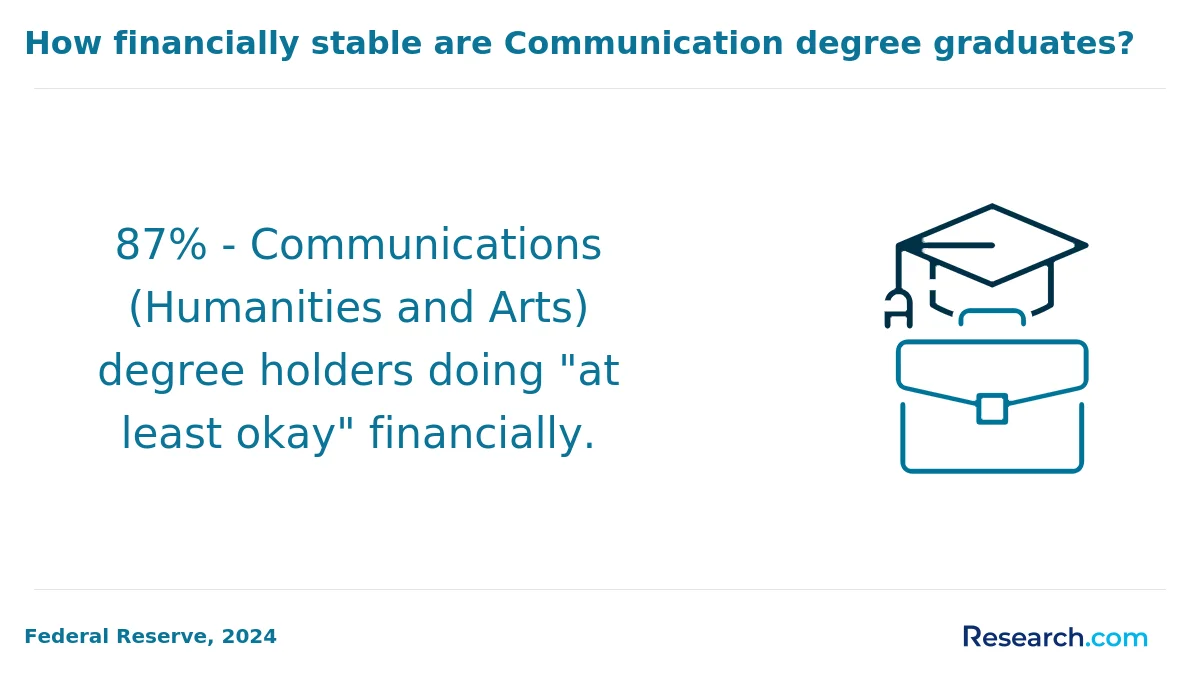
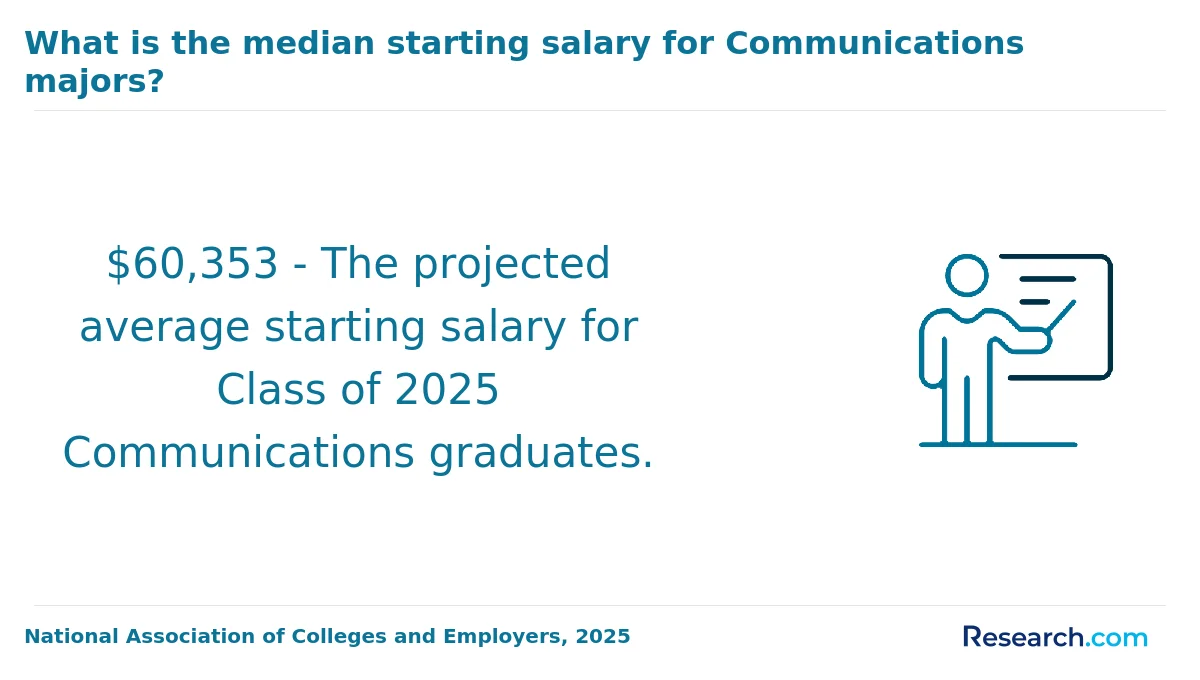
- Communication degree graduates often start careers in public relations, marketing, or media, with average salaries around $60,000 in the US, offering promising financial stability.
- A graduate from Boston University found diverse career paths including corporate communication, digital media, and nonprofit outreach, showcasing the flexibility of this degree in the Northeast job market.
- Obtaining an online communication degree from Syracuse University allows for balancing work and studies, providing convenience and accessibility without sacrificing educational quality.
- Key benefits of getting online communication degree in the Northeast
- What can I expect from online communication degree in the Northeast?
- Where can I work with online communication degree in the Northeast?
- How much can I make with online communication degree in the Northeast?
- 2027 Most Valuable Online Master's in Communication Degree Programs Ranking in the Northeast
- Key Findings
- How long does it take to complete online communication degree in the Northeast?
- What's the difference between online and on-campus communication degree?
- What is the average cost of online communication degree in the Northeast?
- What financial aid is available to online communication degree students in the Northeast?
- What are the prerequisites for enrolling in online communication degree program in the Northeast?
- What courses are typically in online communication degree programs in the Northeast?
- What types of specializations are available in online communication degree programs in the Northeast?
- How do you choose the best online communication degree in the Northeast?
- What career paths are available for online communication degree students in the Northeast?
- What is the job market for online communication degree in the Northeast?
- Top Trending Communication Rankings
What can I expect from online communication degree in the Northeast?
The average cost for an online communication degree in the Northeast generally ranges from $20,000 to $40,000 for the entire program. Public institutions tend to offer more affordable tuition rates, while private universities like Emerson College may be on the higher end of this spectrum. Graduates from renowned schools such as Syracuse University and Northeastern University often highlight the value they received relative to their investment, citing accessible financial aid and employer tuition assistance as key factors that eased the financial burden.
Many students find that the cost aligns with the comprehensive coursework offered, including communication research methods, digital media analytics, and crisis communication. The flexibility of online formats allows working professionals to progress without sacrificing income, making the financial commitment manageable. This accessibility, combined with practical skills development and networking in vibrant media hubs like Boston and New York City, contributes to the positive sentiment of graduates about their educational experience in the Northeast.
Where can I work with online communication degree in the Northeast?
Graduates with online communication degrees from well-regarded Northeast institutions, such as Boston University or Syracuse University, frequently secure positions in dynamic industries like public relations, marketing, and digital media. For instance, many find roles as social media managers or content strategists within New York City's bustling advertising agencies, benefiting from the city's projected 5% employment growth in media and communications through 2032. Others collaborate with tech firms and healthcare providers in Massachusetts, leveraging digital marketing and healthcare communications expertise.
Philadelphia-area alumni often report thriving careers in nonprofit organizations or government agencies focused on community engagement, underscoring the region's diverse opportunities. Remote work further extends these possibilities, enabling graduates to impact organizations statewide while balancing flexible lifestyles. Hands-on skills in digital storytelling, data analytics, and media strategy-frequently emphasized in these online programs-create a competitive edge, making graduates sought after across multiple sectors. The local job market's responsiveness to such expertise reflects a trend where communication professionals blend creativity with strategic insight to drive real-world results.
How much can I make with online communication degree in the Northeast?
Graduates holding online communication degrees in the Northeast often find promising salary opportunities, especially when considering metropolitan hubs like New York City, Boston, and Philadelphia. For example, many graduates from well-known institutions such as Boston University or New York University report starting salaries in the range of $45,000 to $50,000. Early-career public relations specialists typically earn between $55,000 and $85,000 annually, demonstrating a competitive edge compared to national averages.
With experience, media and communication managers-common career paths for these graduates-can earn salaries exceeding $95,000, reflecting the Northeast's dense media environment and corporate presence. Graduates who pursue master's degrees online often boost their earning potential, with some advancing into executive communication roles that command salaries over $100,000.
The combination of location and advanced skills such as digital communication further enhances salary prospects. Urban centers in the Northeast naturally offer higher compensation, making the investment in an online degree from respected regional universities very worthwhile for communication students eager to launch or elevate their careers.
2027 Most Valuable Online Master's in Communication Degree Programs Ranking in the Northeast
How do we rank schools?
Investing in your education is a significant decision that can shape your future, and the Research.com team understands the importance of making informed choices. To assist prospective students in the Northeast, we have meticulously developed the "2027 Most Valuable Online Master's in Communication Degree Programs Ranking." Our commitment to quality, credibility, and accuracy is demonstrated by the thorough research and analysis involved in creating this ranking.
We utilized the following reputable data sources to ensure a comprehensive evaluation of online communication programs:
By examining this ranking, readers will gain valuable insights into the most valuable online master's programs in communication available in the Northeast, enabling them to make confident and well-informed decisions about their educational journey. For more details on our methodology, please visit our Research.com methodology page.


# 3 position
Penn State University Park
Master of Strategic Communications


Key Findings
- Tuition for online communication master's programs in the Northeast ranges from $20,000 to $40,000, with public universities generally offering lower rates than private ones.
- The job market in major cities like New York, Boston, and Philadelphia provides strong employment opportunities in public relations, marketing, digital media, and journalism.
- The median starting salary for communication graduates is about $50,000 annually, with experienced professionals earning between $70,000 and $90,000.
- Many programs offer fully online study options focused on skills such as multimedia storytelling, social media strategy, and crisis communication.
- Accreditation from bodies like the Council for Higher Education Accreditation or the Middle States Commission is important when choosing a program.
How long does it take to complete online communication degree in the Northeast?
Completing an online communication degree in the Northeast usually takes between one and two years, depending largely on whether students study full-time or part-time. Graduates from well-known institutions in New York and Massachusetts often report finishing their master's degrees in about 12 to 18 months when enrolled full-time. Those balancing work and studies typically need closer to two years, taking advantage of flexible scheduling and asynchronous courses that reputable schools in Pennsylvania offer.
Most programs require between 36 and 48 credit hours, which can be completed over several semesters or accelerated sessions. For example, a part-time student at a major New York university described managing classes alongside a demanding job by attending asynchronous lectures, which helped them stay motivated and on track despite a busy schedule.
Factors like credit load, thesis or capstone projects, and recognition of prior professional experience can also affect the timeline. The Northeast's established online programs make it feasible for students to tailor their pace without sacrificing quality or career goals.
What's the difference between online and on-campus communication degree?
Online and on-campus communication degrees in the Northeast share core academic content, but their delivery differs greatly. Graduates from schools like Boston University and Syracuse University often note that on-campus programs offer immersive face-to-face networking, easy access to facilities, and hands-on group presentations in dynamic classroom settings. These experiences foster real-time collaboration and social engagement, which many find energizing and essential for interpersonal skill development.
Conversely, students pursuing online degrees from institutions such as Northeastern University appreciate the flexibility to study remotely, balancing work and family commitments without relocating to expensive cities like New York or Philadelphia. Online formats use digital platforms for lectures and assignments, with some programs including occasional in-person residencies to supplement virtual interactions. Cost savings are notable, as online tuition can reflect in-state rates and eliminate campus-related expenses, easing financial stress for many.
Ultimately, while on-campus programs excel in direct engagement, online students value convenience and adaptability, both pathways providing respected communication training suited to diverse lifestyles in the Northeast.
What is the average cost of online communication degree in the Northeast?
The average cost of an online communication degree in the Northeast typically centers around the median total cost of $32,742. This figure reflects a blend of both in-state and out-of-state tuition rates at public and private institutions. Graduates from well-known universities such as the State University of New York system often pay closer to in-state tuition levels, around $38,563, which many find manageable when balancing work and study schedules. On the other hand, communication students attending prestigious private colleges in states like Pennsylvania or Connecticut may face costs near the out-of-state median of $46,927, justified by smaller class sizes and extensive academic resources that enhance their learning experience.
Many students pursuing an online master's communication program tuition Northeast encounter additional expenses like technology fees and course materials, which can add around 10-15% to the overall cost. Still, numerous graduates appreciate the practical benefits of flexible online formats, which enable them to maintain employment while progressing through their degree. These price points align closely with the broader market, although Northeast programs tend to be on the higher side due to the region's concentration of private institutions and urban living expenses.
Those exploring options for an affordable online masters in communications should consider comparing credit costs and potential scholarships offered by universities in the region. Overall, the Northeast provides a competitive but well-valued educational landscape for communication degrees, where graduates often share satisfaction with the investment relative to career advancement opportunities.
What financial aid is available to online communication degree students in the Northeast?
Students pursuing online communication degrees in the Northeast benefit from multiple financial aid sources that help manage tuition costs, which range between $15,000 and $40,000 annually. Graduates from institutions like Boston University or the University of Pennsylvania often emphasize how completing the FAFSA unlocks federal aid opportunities, including the Pell Grant, which offers up to $7,495 each year for undergraduates, and subsidized federal loans for graduate students. These forms of aid significantly reduce reliance on costly private loans.
State-specific programs also play a crucial role. For example, residents of Massachusetts attending Northeastern University online can access scholarships through the Complete College Foundation, easing the financial burden. Likewise, many students in New York and Pennsylvania highlight the value of state-funded tuition waivers and loan forgiveness initiatives tailored for public service careers.
Merit-based scholarships and institutional assistantships at colleges like Syracuse University frequently reward academic excellence and professional achievements, often applied to communication students. Furthermore, some working professionals celebrate employer-supported tuition reimbursement, which substantially lowers out-of-pocket expenses, allowing them to advance their skills without financial stress.
What are the prerequisites for enrolling in online communication degree program in the Northeast?
Enrolling in an online communication degree program in the Northeast generally requires applicants to hold a bachelor's degree from an accredited institution. Many graduates from universities such as Syracuse or Boston University share that their undergraduate majors varied-ranging from media studies to unrelated fields-yet strong writing and analytical skills were essential to meet admission standards. Official transcripts demonstrating a minimum GPA near 3.0 on a 4.0 scale are often required, reflecting a competitive regional academic environment.
While some programs still request GRE scores, an increasing number of reputable Northeast institutions waive this requirement as of 2024, making the path more accessible for working professionals. Personal statements articulating clear career goals and motivation are commonly emphasized, as one graduate recalls the impact of a compelling essay on their acceptance at a top regional college.
Letters of recommendation-typically two or three-from academic or professional contacts provide critical insight into applicants' preparedness. Practical experience or portfolios are encouraged, especially in applied fields like public relations, allowing students to showcase talents developed through internships or part-time roles in local media companies.
What courses are typically in online communication degree programs in the Northeast?
Online communication degree programs in the Northeast typically feature a core curriculum designed to equip students with both theoretical and practical skills. Graduates from institutions such as Boston University or Syracuse University report that courses like Introduction to Communication Theory provide essential frameworks to understand human interaction, crucial for crafting impactful messages in real-world settings.
Additional core courses include Media Writing and Production, where students learn to create content across digital, print, and broadcast platforms-skills often cited by graduates who transition smoothly into media roles in New York City's competitive market. Interpersonal and Organizational Communication classes help develop leadership and conflict resolution abilities, important in team-driven corporate environments common in the Northeast.
Other vital courses like Public Relations Strategies and Digital Communication and Social Media reflect the region's fast-evolving media landscape, enabling students to design effective campaigns and navigate social platforms professionally. Research Methods in Communication equips learners with data analysis tools, fostering confidence to support decisions with solid evidence.
Many students appreciate electives tailored to fields like health communication or political communication, reflecting the Northeast's diverse industries and providing personalized career pathways.
What types of specializations are available in online communication degree programs in the Northeast?
Online communication degree specializations Northeast programs cover a broad spectrum designed to align with regional industry demands. Graduates from colleges in this area often emphasize tracks like Public Relations and Strategic Communication, which is crucial in metropolitan hubs such as New York City and Boston for managing corporate reputation and media outreach. Another prominent specialization is Digital and Social Media Communication, where students develop expertise in content creation and digital campaign analytics, reflecting the growing importance of online branding in the Northeast's competitive markets.
Additionally, Corporate Communication is a favored focus for students aiming to work within large organizations, benefiting from the area's concentration of Fortune 500 companies. Health Communication appeals to those interested in public health outreach, especially relevant to Northeastern states emphasizing preventive health education. Interpersonal and Organizational Communication attracts learners keen on enhancing team dynamics and leadership messaging within businesses. Many graduates from well-regarded online Northeast accredited communication programs online report satisfaction owing to the flexible study options and the relevance of their specialization in boosting career trajectories.
Prospective students can explore a comprehensive selection of options and further insights by pursuing a communications bachelors degree online, tailored specifically for the dynamic demands of the Northeast market.
How do you choose the best online communication degree in the Northeast?
Choosing the best online communication degree Northeast requires a rigorous assessment of accreditation, curriculum, cost, and flexibility. Graduates from prominent institutions such as the University of Massachusetts often highlight the value of programs accredited by regional bodies like MSCHE, ensuring credits transfer smoothly and credentials are respected by employers. They appreciate curricula that balance theory with internships or capstone projects, building practical skills vital for competitive fields like digital media or public relations.
Cost remains a defining factor; while national averages range from $17,000 to $30,000 annually, Northeastern students often find public universities offering affordable communication master's programs Northeast, with rates around $600 per credit. Flexibility through asynchronous classes helps working adults juggle responsibilities, a common benefit praised by recent alumni. Strong student services, including career counseling, contribute to positive outcomes, as reflected in a median starting salary near $50,000.
Those researching specific paths can explore opportunities in pr degrees, popular among Northeast programs, to align career goals with academic pursuits effectively.
What career paths are available for online communication degree students in the Northeast?
Graduates with an online communication degree in the Northeast find diverse career paths aligned with key regional industries. Popular roles include Public Relations Specialists in cities like New York and Boston, where corporations and media firms drive demand. Many graduates from top communication programs at leading Northeast colleges report rewarding experiences managing organizational images and media relations. Corporate Communications Managers are another common path, particularly within larger companies headquartered in the region, tasked with crafting strategic messaging to enhance brand reputation.
Digital Marketing Specialists focus on developing online campaigns and improving search engine presence, benefiting from growing digital marketing budgets. Northeast graduates often appreciate the hands-on learning from university projects that mirror real business challenges. Journalists and Media Producers contribute to the robust local media landscape, thriving in the region's urban centers. Content Strategists and Communications Consultants also offer advisory roles that suit graduates eager to shape communication strategies.
Students exploring online communication degree careers in the Northeast can review detailed outlooks on masters in public relations jobs, a notable segment with a median salary above the national average. Such data supports the strong employment opportunities characteristic of the Northeast region.
What is the job market for online communication degree in the Northeast?
The job market for online communication degree jobs Northeast offers strong prospects due to the region's dynamic economy and concentration of media, technology, and corporate sectors. Graduates from institutions such as those in Boston and New York find plenty of opportunities in industries ranging from public relations to healthcare, leveraging their communication skills to support marketing campaigns and digital outreach efforts. Many graduates share positive experiences securing roles at major media corporations and nonprofit organizations, highlighting how their programs prepared them for real-world challenges.
Communication career opportunities Northeastern US are fueled by a growing demand for expertise in digital platforms and social media management, especially as businesses adapt to remote work. Salaries in metropolitan hubs tend to surpass the national median of $63,000, reflecting high industry demand and cost-of-living adjustments.
Students seeking flexible, cost-effective education options often consider programs like a masters in public relations online, which provide comparable curricula to traditional universities but with greater accessibility for working professionals and those balancing other commitments.
Frequently Asked Questions About communication
Online communication degree students in the Northeast can maximize their learning by engaging actively with virtual class discussions and utilizing school-provided digital resources. Research shows that students who frequently participate online retain information better and improve critical thinking skills. Institutions like Boston University and Syracuse University offer extensive library databases and media labs accessible remotely.
Networking is also crucial. Students should join regional communication associations, such as the New England Communication Association, to connect with professionals and peers. According to the National Communication Association, networking boosts job placement rates by up to 30%.
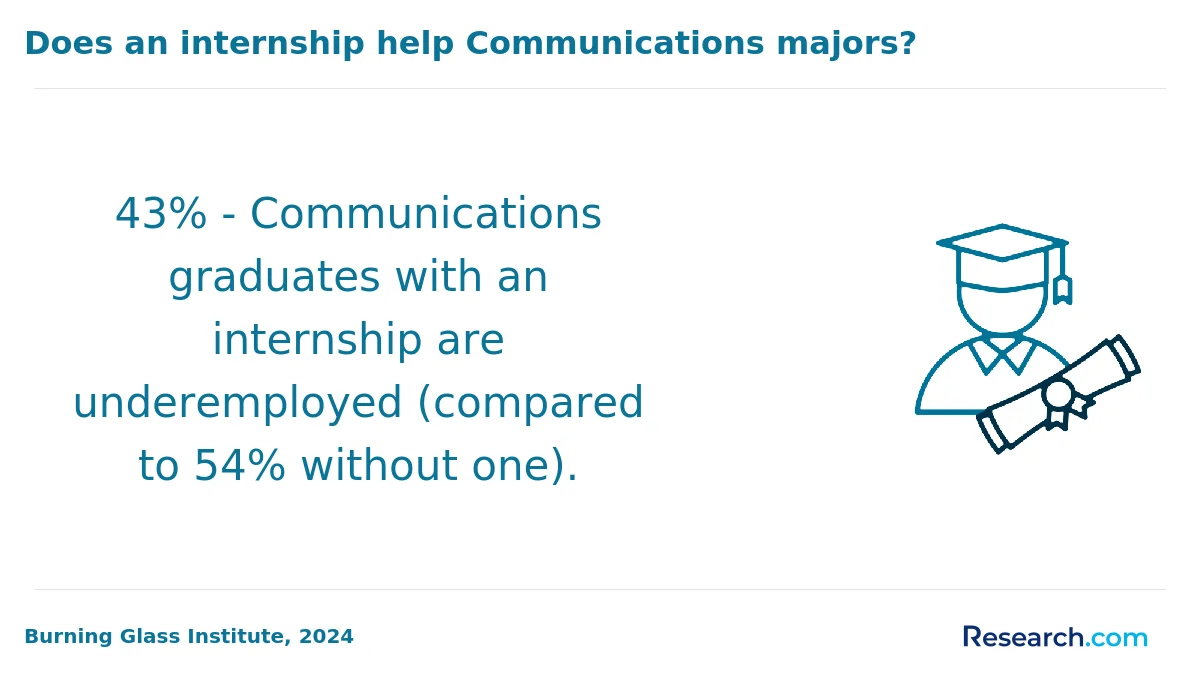
Additionally, combining internships with online coursework adds practical experience. Several Northeast universities partner with local media outlets and corporations to offer remote internship opportunities, which can significantly enhance resumes.
The communication field is rapidly evolving, especially in the Northeast, where digital innovation drives new career paths. Emerging niches include social media analytics, digital content strategy, and crisis communication. These areas reflect growing demand as companies seek experts who can navigate complex online environments efficiently. According to the Bureau of Labor Statistics, jobs in digital marketing and communication are projected to grow faster than average through 2031.
Additionally, specialized roles in health communication and environmental communication are gaining traction due to regional priorities in public health and sustainability. Northeastern universities often integrate these focuses into their online communication programs, preparing students to meet specific industry needs.
Overall, mastering technical skills combined with strategic communication knowledge remains essential for success in these emerging specialties within the Northeast's competitive job market.
Graduates with an online communication degree in the Northeast can enhance their job prospects by developing strong digital portfolios showcasing writing, media, and strategic communication projects. According to the Bureau of Labor Statistics, the communication field in the Northeast is projected to grow by 6% through 2031, indicating steady demand.
Networking is crucial; joining regional professional groups like the New England Chapter of the Public Relations Society of America offers valuable local connections. Internships or freelance projects with businesses in major cities such as Boston or New York provide practical experience and help build resumes.
Certifications in social media management or data analytics can further distinguish candidates in a competitive market.
Employers in the Northeast highly value communication degree graduates who demonstrate strong verbal and written communication skills. According to the Bureau of Labor Statistics, effective communication is essential in over 70% of positions within media, public relations, and corporate communications.
Interpersonal skills, including teamwork and active listening, are also key, as many roles require collaboration across departments and with clients. Additionally, proficiency in digital communication tools, such as content management systems and social media platforms, is increasingly important given the region's growth in tech and marketing sectors.
Analytical thinking and the ability to craft clear, targeted messages remain top priorities. The National Communication Association highlights that critical thinking combined with adaptability prepares graduates to meet the dynamic needs of Northeast employers.
Finding internships in the Northeast relevant to a communication degree begins with leveraging university career centers, which often have partnerships with local media, nonprofits, and corporate firms. According to the National Association of Colleges and Employers (NACE), nearly 70% of communication interns in the region secure positions through these campus resources.
Online job platforms like Handshake and regional sites specializing in media and communications also provide valuable listings. Networking plays a critical role, especially in cities such as New York and Boston, where industry events and professional organizations offer opportunities to connect directly with employers.
Students should target internships in public relations, digital marketing, and media production, which are top sectors growing by over 10% annually in the Northeast, per the U.S. Bureau of Labor Statistics.
An online communication degree in the Northeast significantly enhances career mobility and advancement opportunities. According to the U.S. Bureau of Labor Statistics, the region hosts major media, marketing, and public relations firms, increasing demand for skilled communicators. Graduates with such degrees often qualify for roles in corporate communications, digital marketing, or media management, sectors projected to grow by 8% through 2030 in states like New York and Massachusetts.
Flexibility of online programs allows working professionals to upskill without interrupting careers, often leading to promotions or lateral moves. Additionally, many Northeastern universities maintain strong industry ties, providing networking events and internships even for online students, which strengthens job prospects.
Studying for a communication degree in the Northeast equips students with skills that extend beyond traditional communication roles. Programs often emphasize the integration of disciplines such as marketing, psychology, technology, and business, reflecting the interdisciplinary nature of modern workplaces.
Many accredited institutions in the region design curricula that foster critical thinking, digital literacy, and cultural competence. According to the National Communication Association, schools in the Northeast consistently report high graduate employment rates in fields requiring cross-functional collaboration.
This preparation enables graduates to work effectively in diverse roles, from corporate communication to health advocacy, by applying knowledge across multiple sectors.
When deciding between a thesis and a non-thesis online communication degree program in the Northeast, consider your career goals and learning style. Thesis programs emphasize research and academic writing, preparing students for doctoral studies or research-intensive roles. Non-thesis options often focus on practical skills through projects or internships, appealing to those seeking immediate workforce entry.
In the Northeast, where communication industries including media and public relations are highly competitive, a thesis can demonstrate advanced expertise. However, the non-thesis path allows faster graduation and flexibility, important for working professionals.
Universities like Penn State and Boston University offer both options, with enrollment statistics showing a balanced interest across formats (NCES, 2023).
Students based in the Northeast seeking to study communication abroad have multiple options, often combining online coursework with international experiences. Many Northeastern universities with strong communication programs, such as Boston University and Syracuse University, offer study abroad partnerships or exchange programs in Europe, Asia, and Latin America.
These programs emphasize global communication trends and cross-cultural media practices, important for a career in today's interconnected world. According to the Institute of International Education, over 13% of U.S. study abroad participants in 2022 were communication majors, reflecting high interest in global media literacy.
For online communication degree students, some institutions provide virtual international internships and collaborative projects with global peers, enhancing cross-border communication skills without long-term relocation.
Overall, Northeastern students can combine remote study with immersive global experiences, preparing them effectively for international roles in media and communications.
Part-time job opportunities in the Northeast that complement communication degree education are abundant and diverse. Students often find roles in social media management, content creation, and public relations internships valuable, as these positions develop practical skills directly related to their studies.
According to the Bureau of Labor Statistics, communication and media-related roles in metropolitan areas like New York City and Boston are projected to grow around 7% from 2022 to 2032, higher than the national average. This growth supports an increasing availability of entry-level and part-time roles.
Additionally, many local non-profits and small businesses seek part-time communication assistants to help with outreach and event promotion. These roles offer networking opportunities and hands-on experience with real-world communication challenges, making them well-suited to complement academic work.
Online communication students in the Northeast benefit from a variety of networking opportunities designed to enhance their careers. Many universities offer virtual career fairs and alumni networks that connect students with communication professionals across New York, Massachusetts, and Pennsylvania. According to the National Communication Association, the Northeast hosts several regional conferences each year, providing online students a platform to engage with industry leaders remotely.
The region's dense media and public relations markets allow students to join organizations such as the Public Relations Society of America's local chapters. These groups frequently host webinars and panels accessible to remote learners. Additionally, platforms like LinkedIn have active Northeast communication groups, facilitating connections that can lead to internships or job prospects, even without in-person attendance.
Alumni networks play a crucial role for online communication degree students in the Northeast by providing valuable professional connections and career support. These networks often include graduates working in media, public relations, and digital marketing-sectors that are highly active in cities like New York and Boston.
Students gain access to mentorship, internships, and job opportunities through alumni events and online platforms. According to a 2023 report by the National Communication Association, more than 60% of communication graduates in the Northeast found employment through personal connections, including alumni.
Moreover, alumni networks help students navigate regional industry trends and expand their professional visibility, which is essential in competitive markets.
Online communication degree programs in the Northeast offer various ways to tailor your studies to career objectives. Many universities allow students to choose concentrations such as digital media, public relations, or corporate communication. According to the National Communication Association, these specializations reflect industry demands found in the Northeast's diverse job market, including key hubs like New York City and Boston.
Students can often select elective courses that develop practical skills, including social media strategy, crisis communication, and data analytics.
Internships and capstone projects available through some programs provide hands-on experience aligned with your goals.
Flexible scheduling and part-time options cater to working professionals, allowing customization based on individual timelines.
Online communication students in the Northeast often face several notable challenges. One primary issue is the balancing act between demanding work schedules and rigorous coursework, given that many students are working professionals. According to the National Center for Education Statistics, about 50% of online graduate students in the region juggle employment alongside studies.
Technical difficulties and varying access to reliable high-speed internet also impact students, especially in rural parts of the Northeast where connectivity can be inconsistent. This affects the ability to participate in live discussions and group projects vital for communication courses.
Additionally, students report difficulties in building meaningful networking connections through purely virtual environments, a key concern in a field reliant on interpersonal skills.
With an online communication degree, students in the Northeast can pursue various professional certifications to enhance career opportunities. Popular options include the Accredited Business Communicator (ABC) and the Certified Communication Professional (CCP)
Additionally, certifications in digital marketing and social media management, like those offered by the Digital Marketing Institute, are valuable for communication graduates focused on online platforms. These credentials align with market demands in Northeast urban centers such as New York City and Boston. Many Northeast institutions also encourage certification in project management or content strategy to complement communication degrees, broadening employment options in competitive industries.
Applying for an online communication program in the Northeast requires a focused, well-prepared approach. Admissions committees look for clear evidence of your communication skills, relevant experience, and motivation to succeed. Start by crafting a concise personal statement that highlights your background, career goals, and why you chose a Northeastern school.
Include specific examples of your writing or projects to demonstrate your abilities. According to the National Center for Education Statistics, communication programs in the Northeast grow annually by about 4%, increasing competition. Ensure your application aligns with program prerequisites and emphasizes adaptability to online learning.
Strong letters of recommendation from professionals or educators familiar with your communication skills are essential. Finally, meet all deadlines and follow instructions carefully to make a positive impression.
The global perspectives on a communication career emphasize its growing importance in a connected world. Graduates with communication degrees are valued for skills in media, public relations, and digital content-fields that are expanding rapidly across the US and internationally. According to the U.S. Bureau of Labor Statistics, employment in communication-related occupations is expected to grow 8% from 2022 to 2032, faster than average for all occupations.
In the Northeast, home to vibrant media hubs like New York City and Boston, online programs prepare students to meet diverse global demands. These programs offer training in intercultural communication and digital strategies to equip graduates for international workplaces.
Gaining practical experience while studying for an online communication degree in the Northeast is crucial for career readiness. Many Northeastern universities offer virtual internships, allowing students to work with local media outlets, nonprofits, or corporate communications teams. According to the National Association of Colleges and Employers (NACE), 70% of internships lead to job offers, highlighting their value.
Students can also participate in online simulations and project-based courses, which build real-world skills in digital content creation, public relations, and strategic communication. Additionally, networking through regional professional communication organizations, like the New England Chapter of the Public Relations Society of America (PRSA), provides opportunities to engage with industry experts.
Choosing the right concentration within an online communication degree in the Northeast requires careful consideration of your career goals and industry demands. Popular concentrations include digital media, corporate communication, and public relations, each aligning with different professional paths.
Look at regional job market trends: according to the U.S. Bureau of Labor Statistics, communication jobs in metropolitan areas like Boston and New York are growing faster than the national average. Focus on concentrations offering skills in demand locally, such as social media management or crisis communication.
Review program curricula and faculty expertise, ensuring they match your interests and offer practical experience opportunities. Accreditation and alumni success rates also provide important indicators of program quality.
Top Trending Communication Rankings
References
- What You Can Do with a Communications Degree https://www.cune.edu/news/what-you-can-do-communications-degree
- Master of Arts (M.A.) Major in Communication Studies (Non-thesis Option) https://mycatalog.txstate.edu/graduate/fine-arts-communication/commstudies-nonthesis-nominor-ma/
- BA in Communications & Media https://www.umassglobal.edu/academic-programs/ba-communications-media
- Communication https://northeast.edu/degrees-and-programs/communication
- Importance of Networking https://www.universitylabpartners.org/student-voices/importance-of-networking
- Finding Networking Opportunities as a Student | National Society of High School Scholars https://www.nshss.org/resources/blog/blog-posts/how-to-find-networking-opportunities-as-a-student/
- Undergraduate Online Financial Aid | Bushnell University https://www.bushnell.edu/financial-aid/undergraduate-online/
- Top Communication Skills Employers Seek From College Grads https://www.manpower.com.sg/en/insights/blogs/2021/03/top-communication-skills-employers-seek-from-college-grads
- 10 Essential Networking Tips for Students to Help Build Strong Connections - Luxury Student Homes https://www.luxurystudenthomes.co.uk/networking-tips-for-students/
- Online Degree vs. Traditional | University of Arkansas Grantham https://www.uagrantham.edu/blog/pros-cons-online-degree-vs-traditional-university/