2027 Most Valuable Online Communication Degree Programs Ranking in Georgia

Co-Founder and Chief Data Scientist
Choosing the right online communication degree program can feel overwhelming, especially in Georgia's growing educational landscape. This article presents the 2027 Most Valuable Online Communication Degree Programs Ranking in Georgia, developed by the Research.com team of data scientists. It's designed to help you make an informed decision by highlighting programs that offer real value.
Exploring this ranking will give you confidence in selecting a program that fits your goals and boosts your career prospects. Pursuing a communication degree opens doors to diverse opportunities and personal growth, making it a rewarding investment in your future.
Key benefits of getting online communication degree in Georgia
- Communication degree graduates in Georgia can expect competitive salaries in roles such as Public Relations Specialists, who earn a median annual wage of around $62,810 nationwide, offering financial stability.
- Graduates from universities like the University of Georgia often find diverse career paths including media, marketing, and corporate communications, allowing for exciting and flexible job opportunities.
- Completing a communication degree online from a school like Kennesaw State University offers convenience and the ability to balance work and study, making education more accessible and tailored to your lifestyle.
- Key benefits of getting online communication degree in Georgia
- What can I expect from online communication degree in Georgia?
- Where can I work with online communication degree in Georgia?
- How much can I make with online communication degree in Georgia?
- 2027 Most Valuable Online Communication Degree Programs Ranking in Georgia
- Key Findings
- How long does it take to complete online communication degree in Georgia?
- What's the difference between online and on-campus communication degree?
- What is the average cost of online communication degree in Georgia?
- What financial aid is available to online communication degree students in Georgia?
- What are the prerequisites for enrolling in online communication degree program in Georgia?
- What courses are typically in online communication degree programs in Georgia?
- What types of specializations are available in online communication degree programs in Georgia?
- How do you choose the best online communication degree in Georgia?
- What career paths are available for online communication degree students in Georgia?
- What is the job market for online communication degree in Georgia?
- Related Communication Rankings for Nearby States
- Top Trending Communication Rankings
What can I expect from online communication degree in Georgia?
If you're wondering about the average cost of an online communication degree in Georgia, expect it to be pretty reasonable compared to other states. Graduates from places like Kennesaw State University and the University of West Georgia often mention that tuition runs anywhere from about $6,000 to $12,000 per year for online programs. This affordability makes it super approachable if you're balancing work or family while earning your degree.
Many students share how scholarships and financial aid specifically aimed at online learners really help lighten the financial load. One graduate talked about how choosing a school accredited by SACSCOC gave them confidence their investment would pay off nationwide.
Beyond cost, folks appreciate that these programs blend practical skills-like digital media production and social media management-with hands-on experience through virtual internships. That mix, combined with solid tuition rates, makes studying communication online in Georgia feel like a smart, manageable step toward a great career.
Where can I work with online communication degree in Georgia?
With an online communication degree in Georgia, you've got a bunch of exciting career paths waiting. Graduates from schools like Georgia State or Kennesaw State often jump into public relations, managing how big names like Coca-Cola or Delta Airlines stay in the spotlight. Imagine being the go-to person for keeping a company's image shining bright-that's pretty cool and totally doable here.
Others dive into marketing communications, working as digital marketers or social media pros, especially with Atlanta's buzzing small business scene. Picture creating viral campaigns that get everyone talking-that's the kind of everyday magic these grads enjoy.
Media jobs are also hot, thanks to big players like CNN headquarters in Atlanta. Graduates often become producers or reporters, shaping what people see and hear daily.
Plus, corporate communication roles and nonprofit gigs offer chances to boost employee morale or help raise funds for causes you care about. It's all about using your skills in real-world places right here in Georgia where communication truly matters.
How much can I make with online communication degree in Georgia?
If you're studying communication online in Georgia, you're probably curious about the paycheck waiting for you afterward. Most grads see salaries between $50,000 and $65,000 a year, which is pretty solid for starting out. For instance, graduates from popular schools like the University of Georgia or Georgia State University often land roles as public relations specialists or social media managers, especially in Atlanta where the pay bumps up to around $60,000 thanks to its buzzing corporate scene.
Picture yourself joining a marketing team for a growing tech startup or managing social media campaigns for a nonprofit in Savannah-these gigs typically fit within that salary range. Also, if you pick up some extra skills like video production or data analytics, you might even surpass these numbers. Many graduates share that the mix of remote-friendly communication jobs and Georgia's steady demand means you're in a great spot to build up your income over time as you gain experience.
2027 Most Valuable Online Communication Degree Programs Ranking in Georgia
How do we rank schools?
Investing in your education is a significant decision that can shape your future, and the Research.com team understands the importance of making informed choices. To assist prospective students in Georgia, we have meticulously crafted the "2027 Most Valuable Online Communication Degree Programs Ranking in Georgia." Our commitment to quality, credibility, and accuracy is reflected in the extensive research and analysis conducted to compile this ranking.
We utilized the following reputable data sources to ensure a comprehensive evaluation of online communication degree programs:
By exploring this ranking, readers will gain valuable insights into the most valuable online communication degree programs available in Georgia, helping them make well-informed decisions about their educational and career paths. For more details on our methodology, please visit our Research.com methodology page.


Key Findings
- The cost of a bachelor's degree in communication online in Georgia ranges from $15,000 to $25,000 for in-state students, varying by public or private school.
- Starting salaries for communication graduates in Georgia are typically between $40,000 and $50,000 per year, rising to about $65,000 mid-career.
- Major employers include media, healthcare, education, and government sectors, with strong job opportunities in the Atlanta metropolitan area.
- Online programs often focus on practical skills like digital media, public speaking, and strategic communication.
- Accredited online degrees provide flexibility for working adults and those with other commitments.
How long does it take to complete online communication degree in Georgia?
Completing an online communication degree in Georgia usually takes around four years if you're studying full time, just like many graduates from the University of Georgia or Kennesaw State University have found. These programs are designed to fit your life, so if you're working or have family commitments, you can easily take classes part-time and finish in about five to six years without feeling overwhelmed.
Associate degrees typically wrap up in about two years, perfect for those who want to jump into the workforce quickly or plan to transfer later. And if you're thinking about graduate school, master's programs often take one to two years, with some online options offered by Georgia State University moving faster for people eager to advance their careers.
Many students love the flexibility of online courses, letting them study in summer or accelerated sessions to get their degree sooner. The balance between school, work, and life feels manageable thanks to this flexibility, making the whole journey more enjoyable and less stressful.
What's the difference between online and on-campus communication degree?
If you're thinking about getting a communication degree in Georgia, the big difference between online and on-campus programs comes down to how you want to learn and your lifestyle. Online degrees, like those offered at Kennesaw State or Georgia Southern, let you juggle work, family, or your busy life by studying whenever it fits your schedule. One graduate shared how they loved being able to watch lectures after putting their kids to bed and appreciated not having to commute across Atlanta's traffic.
On the flip side, on-campus students at places like the University of Georgia get that classic college vibe-chatting face-to-face with professors, joining media clubs, or working in broadcasting labs. These hands-on experiences and networking moments are something online classes can't quite match.
Cost-wise, both options can be affordable-Georgia residents often pay between $4,500 and $7,000 yearly, and scholarships help a lot too. Just remember, online learners should be self-driven and tech-savvy, while campus students thrive on routine and in-person resources.
What is the average cost of online communication degree in Georgia?
If you're thinking about getting an online communication degree in Georgia, you might be wondering about the average cost. On average, students can expect to spend around $36,765 for the full degree, which covers tuition and fees. Many graduates from schools like Georgia Southern University or Kennesaw State University have shared how manageable this cost feels, especially when compared to private options.
Since communication programs often charge per credit hour, around $300 to $400 for in-state students, the total adds up over time but still offers some flexibility. Online students appreciate how they save money on commuting and housing, so even if tuition feels steep at first, these savings help balance things out in the end.
It's also worth noting that financial aid and scholarships are readily available, making it easier for students to afford their studies. Many find that with grants and aid, the out-of-pocket expenses drop significantly, which makes the whole journey feel more doable and less stressful.
For those curious about detailed costs, checking tuition and fees for communication degrees Georgia schools list on their websites is always a good idea. Plus, to get a clearer picture of the overall expenses, you might want to explore the cost of a communication degree across different programs.
What financial aid is available to online communication degree students in Georgia?
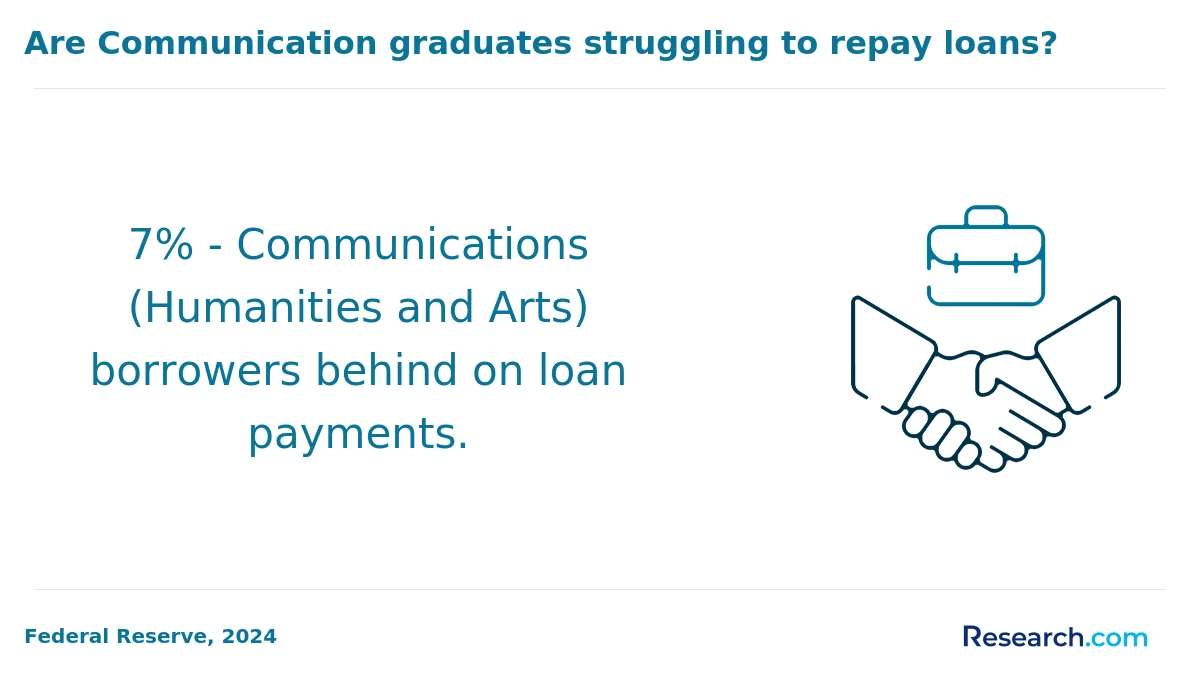
If you're eyeing an online communication degree in Georgia, there's good news: plenty of financial aid options can lighten the load. Graduates from schools like the University of Georgia or Georgia State often praise how federal aid, especially Pell Grants, helped them cover thousands of dollars without worrying about repayment. It's all about filling out the FAFSA early to tap into grants, loans, and work-study opportunities.
State perks like the HOPE Scholarship and HOPE Grant make a big difference, too. Lots of Georgia residents studying communication at tech colleges or public universities report significant tuition savings thanks to these programs, as long as they keep up their GPA.
And it's not just state or federal money-some schools offer their own scholarships for communication majors, rewarding hard work and need. Plus, many students juggling jobs find employer tuition assistance a real game-changer, especially in media or PR gigs, helping them balance work and school without breaking the bank.
What are the prerequisites for enrolling in online communication degree program in Georgia?
If you're thinking about enrolling in an online communication degree program in Georgia, the first step is having a high school diploma or a GED. Most programs at schools like Georgia State University or Kennesaw State University expect that for undergrad admission. If you're eyeing a graduate degree, you'll need a bachelor's first, usually in communication or a related field.
Many graduates say they felt more confident after submitting a personal statement or letters of recommendation, which really helped showcase their passion and communication skills. Some programs might still ask for SAT or ACT scores, but plenty have moved past that, especially since the pandemic.
Tech-wise, you'll need solid internet and basic computer skills-think navigating Blackboard or Canvas to join classes and turn in assignments. A lot of students appreciated the orientation sessions offered to get familiar with online platforms.
Also, having some background in English or journalism can make a big difference once you start classes. This isn't always required, but many say it helped them feel more prepared.
What courses are typically in online communication degree programs in Georgia?
If you're diving into an online communication degree in Georgia, you'll find a mix of courses designed to keep things interesting and practical. Graduates from universities like Georgia State or Kennesaw State often talk about how classes like Introduction to Communication Studies helped them grasp the basics of how we share ideas every day, from a casual text to a big presentation.
Then there's Public Relations and Strategic Communication, which gets you ready to handle crisis messages or boost a brand's image-stuff that grads working in Atlanta's buzzing media scene find super useful. Media Writing and Production is another favorite; it's where students learn to craft stories and ads that really click with audiences online or on TV.
Courses like Interpersonal and Group Communication tune up your personal skills, great for teamwork in any career. Digital Media and Social Networking is a hit too, teaching the ropes of engaging people on platforms you probably use daily. Plus, with Communication Research Methods and Ethics in Communication, you get the smarts to back up your skills with solid facts and good judgment, which Georgia's top schools emphasize to help you stand out.
What types of specializations are available in online communication degree programs in Georgia?
If you're diving into an online communication degree in Georgia, you'll find plenty of interesting specializations to choose from. Many students enjoy focusing on Strategic Communication, where they learn how to shape messages for brands or manage public relations-skills that grads from schools like Georgia State swear by when landing corporate gigs. Another hot area is Digital and Social Media Communication, which is perfect if you're into creating and managing content on platforms like Instagram or TikTok-especially since Atlanta is buzzing with media and tech companies growing fast. Some folks take on Health Communication, which means they get trained to clearly explain health info in ways that matter-ideal for the booming healthcare scene in GA.
Others go for Media Studies to explore journalism and broadcasting or choose Interpersonal and Organizational Communication to improve workplace or personal communication skills. These different paths within the online communication degree specializations Georgia schools offer really help students connect what they learn with real-world jobs. If you're curious about media communications jobs salary, it's encouraging to know this area has strong career potential and practical benefits.
How do you choose the best online communication degree in Georgia?
Picking the best online communication degree in Georgia means focusing on what really matters to you. Many graduates from popular schools like the University of Georgia or Kennesaw State highlight how accreditation made a huge difference-they felt more confident employers would take their degree seriously. Cost is also key; students often look for affordable communication degree programs Georgia offers to avoid breaking the bank, especially since some schools provide pay-per-credit options that keep expenses manageable.
Curriculum-wise, it helps to choose programs packed with courses you can actually use, like digital marketing or media ethics. One graduate shared how hands-on projects at Georgia State University helped them land their first job because they got to tackle real-world scenarios before graduating. And don't forget post-grad outcomes-checking local job growth and median salaries can guide your choice. For example, the Communications Arts sector in Georgia is booming, so programs aligned with this growth give you a leg up.
If you want to dig deeper, sites like online masters degrees in communication offer great resources that make browsing options way easier. Plus, strong student support services-like online advising and career counseling-are lifesavers when you're juggling school with the rest of life. Bottom line: find a program that fits your goals and budget and supports you every step of the way!
What career paths are available for online communication degree students in Georgia?
If you're diving into an online communication degree career options in Georgia, you're in luck-there's a bunch of cool paths you can take. Graduates from popular colleges here often jump into public relations roles, helping companies shape their public image and handle media buzz. For instance, many find themselves working in corporate communications right in Atlanta's buzzing business scene, partnering with big-name brands without ever leaving the state.
Marketing and advertising are also hot spots, especially since big players like Coca-Cola are based nearby. Graduates get excited about crafting digital campaigns and brand stories that reach millions. Plus, technical writing and media production are growing areas, especially with Georgia's expanding tech industry. One graduate shared how their online degree opened doors to event coordination gigs and community outreach programs, keeping their work varied and social.
If you want more focused options, checking out public relations online degrees is a smart move to narrow down your job opportunities for communication graduates Georgia offers.
What is the job market for online communication degree in Georgia?
Graduates with an online communication degree in Georgia are stepping into a job market that's buzzing with opportunity. Atlanta, with its huge media presence and countless marketing agencies, offers a playground for those ready to dive into roles like public relations or corporate communications. Many students from well-known Georgia colleges have shared how their hands-on projects and internships helped them land jobs managing social media campaigns or crafting brand stories for big companies.
If you're exploring communication degree career opportunities Georgia has plenty of openings across nonprofit sectors, government roles, and the booming digital marketing scene. Entry-level jobs often call for skills in content writing, video production, and managing social platforms-skills that students build through their programs and real-world practice. Plus, the salaries are pretty encouraging, with public relations specialists earning around $55K and marketing analysts closer to $65K.
For anyone worried about cost, the statewide online programs let you study without breaking the bank. Some graduates even recommend checking out the fastest online masters degrees in public relations to speed up your career path while staying in Georgia and gaining practical expertise.
All in all, the online communication degree jobs in Georgia scene is flourishing, making it a smart choice for students eager to build a versatile, exciting career without leaving home.
Frequently Asked Questions About communication
Students pursuing online communication degrees in Georgia can enhance their learning by actively engaging with course materials and virtual class discussions. Building strong relationships with instructors through emails or scheduled video calls fosters deeper understanding and networking opportunities. Leveraging local communication organizations, such as the Georgia Communication Association, can provide valuable professional connections and resources tailored to regional industry trends.
Balancing coursework with real-world practice is crucial. Internships within Georgia's growing media and public relations sectors offer practical experience, which complements theoretical studies. According to the Georgia Department of Economic Development, communication-related occupations are expected to grow by 8% through 2030, highlighting the importance of experiential learning.
Finally, setting a consistent study schedule helps students stay disciplined and manage time effectively in a remote environment.
Emerging niches in the communication field reflect the evolving digital landscape and Georgia's growing tech and media industries. One prominent area is digital and social media management, driven by businesses needing experts who can navigate platforms strategically. Another rapidly expanding field is data analytics within communication, where professionals interpret audience metrics to optimize campaigns.
Health communication is gaining traction statewide, as public health initiatives grow in importance, especially after the COVID-19 pandemic. Georgia's government and private sectors increasingly demand specialists in this niche to promote clear, effective messaging.
Additionally, crisis communication and corporate communication remain vital as organizations seek to manage reputations in a fast-paced media environment. The Georgia Department of Labor projects a 12% growth in communication jobs by 2030, underscoring these trends.
Preparing for the job market after completing an online communication degree in Georgia involves strategic steps. Graduates should build a strong portfolio showcasing writing, media production, and digital communication skills, which are highly valued by employers in Atlanta's growing media and corporate sectors. Networking is crucial; joining professional groups like the Georgia Communication Association can provide valuable contacts and job leads. Internships or freelance projects during your studies offer practical experience and improve employability. According to the Georgia Department of Labor, communication specialists in the state earn a median wage of around $60,000, with continued growth expected through 2028.
Employers in Georgia highly value communication degree graduates who possess strong interpersonal and digital communication skills. According to the Georgia Department of Economic Development, the ability to create clear and persuasive messages across multiple platforms is essential. Graduates must also be proficient in social media management, as 73% of businesses in Georgia report using these channels to engage audiences.
Critical thinking and problem-solving abilities are equally important. Employers expect candidates to analyze information and adapt communication strategies effectively. Additionally, teamwork and collaboration skills stand out, especially in roles involving public relations or corporate communications.
Technical proficiency in content creation tools like Adobe Creative Suite and data analysis software is increasingly demanded, reflecting the digital shift in Georgia's job market. These combined skills help graduates meet the evolving needs of employers statewide.
Finding internships in Georgia for online communication degree students involves leveraging local resources and industry connections. Many universities in Georgia partner with businesses in Atlanta, the state's major media and communications hub, where over 20,000 communication jobs are projected by 2028, according to the Georgia Department of Economic Development.
Students should explore opportunities through their school's career services, which often have listings specific to communication fields such as public relations, media, and corporate communications.
Additionally, websites like GeorgiaCareerInfo.ga.gov provide access to local internships aligned with communication skills.
Networking through professional organizations such as the Georgia Communication Association can also open doors to internship placements and mentorships.
Obtaining an online communication degree in Georgia can significantly enhance career mobility and advancement opportunities. The state's growing media, advertising, and corporate sectors value graduates with strong communication skills for roles in public relations, marketing, and digital media.
According to the U.S. Bureau of Labor Statistics, Georgia's communication-related occupations are projected to grow by about 9% from 2022 to 2032, higher than the national average. This growth creates demand for skilled communicators, enabling degree holders to access better positions more quickly.
Employers in Georgia increasingly prefer candidates with formal communication education, as it demonstrates proficiency in critical thinking, media technology, and audience engagement. Online programs also offer flexibility for working professionals aiming to upskill without relocating.
Studying for an online communication degree in Georgia equips students with versatile skills essential for interdisciplinary roles across industries. Georgia's programs emphasize critical thinking, digital literacy, and effective messaging, which are valuable in fields like business, healthcare, and technology. According to the Georgia Department of Economic Development, communication professionals in the state often collaborate with diverse teams, requiring knowledge beyond traditional media.
Many programs integrate coursework in marketing, public relations, and media studies, preparing graduates to adapt in varied environments. The University System of Georgia reports that communication-related jobs are growing by 7% through 2030, reflecting demand for adaptable skill sets. This multidimensional training supports careers in project management, corporate communication, and beyond.
When choosing between a thesis and a non-thesis online communication degree program in Georgia, students should consider their career goals and time availability. Thesis programs require original research and a substantial written project, ideal for those planning to pursue doctoral studies or research-intensive roles. Non-thesis programs focus more on practical skills and coursework, appealing to professionals looking to enter the workforce quickly or shift careers.
In Georgia, enrollment data shows that about 40% of communication graduate students prefer non-thesis options due to flexibility and faster completion times (National Center for Education Statistics, 2023). Cost and program length also vary.
Students in Georgia seeking to study communication abroad have several options through US institutions offering online degrees with international study components. Many universities based in Georgia partner with global campuses or offer study-abroad opportunities as part of their communication programs. For example, Georgia State University and the University of Georgia both provide flexible online communication degrees that may include short-term exchange programs or internships overseas.
These programs often allow students to gain global communication skills without relocating entirely. According to the Georgia Department of Education, over 30% of Georgia's higher education students participate in some study-abroad or global learning experience, reflecting growing interest in international perspectives.
Students can also explore partnerships facilitated by organizations like IES Abroad or the Council on International Educational Exchange, often integrated within their degree plans. This blended model supports career readiness in global communication fields while maintaining ties to local educators and resources.
Part-time job opportunities in Georgia that complement an online communication degree often include roles in public relations, social media management, and content creation. These positions allow students to apply communication theories in real-world settings while building professional portfolios.
Georgia's growing media and marketing sectors, particularly in Atlanta, offer numerous internships and part-time roles. According to the Georgia Department of Labor, jobs in communication-related fields are projected to grow by 10% from 2022 to 2032, reflecting steady demand.
Other common opportunities include working as a campus communications assistant, freelance writing for local businesses, or supporting nonprofit organizations with outreach efforts.
Online communication students in Georgia benefit from various networking opportunities that connect them with industry professionals and peers. Many universities offer virtual career fairs and alumni networking events tailored for online learners, helping students build valuable contacts.
Georgia hosts numerous organizations, like the Atlanta Chapter of the Public Relations Society of America (PRSA), which welcomes students for workshops and conferences, enhancing professional connections.
Additionally, students can engage with internships and collaborative projects facilitated by Georgia's robust media and communication sector, centered in Atlanta, a major hub with over 300,000 communication-related jobs as reported by the Georgia Department of Labor.
Online programs often include access to mentorship and exclusive webinars, crucial for career development in a competitive media landscape.
Alumni networks offer significant advantages to online communication degree students in Georgia. Graduates benefit from professional connections that help with job placements and internships in the state's growing media and corporate communication sectors. The University System of Georgia emphasizes strong alumni engagement, connecting students to a community of over 3,000 communication professionals statewide.
Networking events and online forums provide mentorship opportunities, enhancing career readiness. According to the Georgia Department of Labor, employment for communication specialists in the state is projected to grow 7% through 2030, making these connections valuable for entering a competitive job market.
Alumni can share insights on industry trends and skills that Georgia employers prioritize, such as digital media proficiency and strategic messaging, equipping students to meet local workforce demands effectively.
Students pursuing an online communication degree in Georgia have multiple ways to customize their studies to align with career goals. Many institutions allow selection of concentrations such as public relations, digital media, or organizational communication. This lets learners focus on skills most valued in Georgia's expanding media and business sectors.
Some programs offer elective courses tailored to emerging fields, like social media strategy or crisis communication. According to the U.S. Bureau of Labor Statistics, Georgia's communication-related jobs are expected to grow roughly 7% by 2030, increasing demand for specialized skills.
Additionally, internships and practicums embedded in programs provide practical experience tailored to individual career paths.
Online communication students in Georgia often face challenges related to technology access and digital literacy. Despite increasing internet availability, rural areas in Georgia still experience slower connections, impacting the ability to engage in live discussions and submit assignments on time, according to a 2023 report by the Georgia Department of Education.
Another common issue is time management. Balancing work, family, and study requires strong self-discipline, especially since online communication courses often include group projects and presentations that depend on coordinated efforts.
Additionally, students may encounter difficulties building professional networks remotely, which are crucial for communication careers. Limited face-to-face interaction can hinder networking opportunities, a factor noted in a 2022 survey by the Georgia Career Resource Network.
Graduates with an online communication degree in Georgia have several professional certifications to consider, enhancing their career prospects in media, marketing, and public relations. Popular options include the Certified Communication Professional (CCP) credential, which validates skills in strategic communication. The Public Relations Society of America (PRSA) offers the Accreditation in Public Relations (APR), a recognized certification for communication specialists.
Marketing professionals often pursue certifications like the Digital Marketing Institute's Certified Digital Marketing Professional (CDMP). According to the Georgia Department of Labor, jobs requiring such certifications are growing faster than average, especially in Atlanta's expanding media sector.
Applying to an online communication program in Georgia requires a clear and well-structured approach. Start by researching accredited institutions, as Georgia hosts several reputable online communication degrees offered by universities like the University of Georgia and Georgia State University. These programs often emphasize writing samples and personal statements that highlight your communication skills, career goals, and why you chose an online format.
Admissions committees value applicants who demonstrate strong writing, critical thinking, and relevant experience. Include any professional or volunteer work related to media, public relations, or digital communication. Georgia's workforce data shows communication roles growing by 10% through 2028, making demonstrated interest crucial (Georgia Department of Labor, 2024).
Finally, tailor each application to reflect how specific program features align with your ambitions-this personal connection often distinguishes successful candidates.
The field of communication is recognized globally for its critical role in shaping public opinion, marketing strategies, and media relations. In the United States, including Georgia, communication careers offer diverse opportunities in sectors like corporate communication, public relations, and digital media. According to the U.S. Bureau of Labor Statistics, employment in communication-related jobs is expected to grow 9% from 2021 to 2031, faster than the average for all occupations.
Graduates with online communication degrees in Georgia benefit from a strong job market, with Atlanta serving as a major hub for media and communications industries. The integration of global perspectives is increasingly important as communicators must adapt to multicultural audiences and international markets. Universities in Georgia incorporate global communication theories and digital tools to prepare students for these challenges. This global approach broadens career prospects beyond local markets, especially in multinational companies and global nonprofits.
Gaining practical experience while studying for an online communication degree in Georgia is essential for career readiness. Many institutions in Georgia offer virtual internships, allowing students to work with local media outlets, public relations firms, and marketing agencies. According to the Georgia Department of Economic Development, internships increase employment opportunities by over 40% for communication graduates.
Students can also participate in virtual student-run media, such as online newspapers and radio stations, which provide real-world experience in journalism and broadcasting. Networking events and professional organizations, including the Georgia Communication Association, frequently host online workshops and webinars useful for skill development.
Additionally, volunteering for nonprofits in Georgia through remote communications roles helps build a portfolio and gain practical knowledge applicable to career goals in public relations, social media management, and corporate communication.
Choosing the right concentration in an online communication degree program in Georgia depends on your career goals and interests. Common concentrations include public relations, digital media, journalism, and interpersonal communication. Each offers unique skills suited for different industries.
Research the local job market in Georgia, which shows strong demand in digital media and public relations fields per the Georgia Department of Labor. Understanding which industries are growing can guide your concentration choice.
Consider program curricula carefully; many Georgia schools allow students to tailor their courses. This flexibility helps align your studies with specific career paths.
Lastly, seek programs with faculty experienced in Georgia's communication landscape to gain relevant insights and networking opportunities.
Related Communication Rankings for Nearby States
- 2027 Most Valuable Online Communication Degree Programs Ranking in Florida
- 2027 Most Valuable Online Communication Degree Programs Ranking in North Carolina
- 2027 Most Valuable Online Communication Degree Programs Ranking in Kentucky
- 2027 Most Valuable Online Communication Degree Programs Ranking in Virginia
- 2027 Most Valuable Online Communication Degree Programs Ranking in Arkansas
- 2027 Most Valuable Online Communication Degree Programs Ranking in Missouri
- 2027 Most Valuable Online Communication Degree Programs Ranking in Ohio
- 2027 Most Valuable Online Communication Degree Programs Ranking in Illinois
- 2027 Most Valuable Online Communication Degree Programs Ranking in Pennsylvania
- 2027 Most Valuable Online Communication Degree Programs Ranking in Kansas
Top Trending Communication Rankings
References
- Mass Communication B.A. https://www.gcsu.edu/artsandsciences/communication/mass-communication-ba
- 2026 Master's in Communication Programs in Georgia https://www.mastersincommunications.com/states/georgia
- Strategic Communication Major | Online or In-Person | Mercer https://professionaladvancement.mercer.edu/academic-programs/undergraduate/strategic-communication/
- Bachelor of Science in Digital Media & Communication https://www.highlands.edu/academic-programs/bachelor-science-digital-media-and-communication/
- Best Master's in Communication Programs in Georgia (2026) https://www.mastersincommunications.org/state/georgia/
- Communication and Emerging Media https://www.gsw.edu/arts-and-sciences/music-communication-emerging-media/communication-emerging-media
- The Online Bachelor of Arts Degree in Communication https://www.wiu.edu/cofac/communication/online_BA.php
- How Long is an Online Master's in Communication Program? https://www.onlineeducation.com/communication/faqs/how-long-to-earn-a-communications-masters-degree-online
- What You Can Do with a Communications Degree https://www.cune.edu/news/what-you-can-do-communications-degree
- Communications Degree Salary Guide | Maryville Online https://online.maryville.edu/online-bachelors-degrees/communications/careers/communications-degree-salary-guide/