2027 Easiest Online Master's in Communication Degree Programs Ranking in the Northeast

Co-Founder and Chief Data Scientist
Choosing the right online master's program in communication can feel overwhelming, especially in the Northeast where options abound. This article introduces the 2027 Easiest Online Master's in Communication Degree Programs Ranking in the Northeast, crafted by Research.com's data science team to guide you through the best choices.
By exploring this ranking, you'll discover programs designed to fit your busy lifestyle while advancing your career goals. A communication degree opens doors to exciting opportunities across industries, helping you grow personally and professionally.
Reading this article will empower you to make a confident, informed decision for your future.
Key benefits of getting online communication degree in the Northeast
- Communication degree graduates in the Northeast often enter roles like public relations specialists or social media managers, with average US salaries for these positions around $62,000 annually, offering solid financial opportunities.
- A graduate from Boston University's communication program can pursue diverse careers such as media planning, corporate communications, or digital marketing, showcasing a wide range of exciting job options.
- Completing an online communication degree from a school like Northeastern University provides flexibility and convenience, allowing students to balance work and study while gaining the same valuable skills as traditional programs.
- Key benefits of getting online communication degree in the Northeast
- What can I expect from online communication degree in the Northeast?
- Where can I work with online communication degree in the Northeast?
- How much can I make with online communication degree in the Northeast?
- 2027 Easiest Online Master's in Communication Degree Programs Ranking in the Northeast
- Key Findings
- How long does it take to complete online communication degree in the Northeast?
- What's the difference between online and on-campus communication degree?
- What is the average cost of online communication degree in the Northeast?
- What financial aid is available to online communication degree students in the Northeast?
- What are the prerequisites for enrolling in online communication degree program in the Northeast?
- What courses are typically in online communication degree programs in the Northeast?
- What types of specializations are available in online communication degree programs in the Northeast?
- How do you choose the best online communication degree in the Northeast?
- What career paths are available for online communication degree students in the Northeast?
- What is the job market for online communication degree in the Northeast?
- Top Trending Communication Rankings
What can I expect from online communication degree in the Northeast?
The average cost of an online communication degree in the Northeast typically ranges between $15,000 and $30,000, depending on the institution. Imagine a graduate from Syracuse University, juggling a part-time job and family responsibilities, feeling relieved to find a program that fits both schedule and budget. Another student at the University of Massachusetts Amherst might discover that financial aid and employer tuition assistance make this investment much easier on the wallet, opening doors to career growth without overwhelming debt.
These programs balance affordability with quality, offering rich coursework in media studies and strategic communication that sparks excitement and creativity. Graduates often reflect on how the manageable tuition paired with robust online resources made their educational journey feel achievable and rewarding, fueling their passion to thrive in Northeast's vibrant media and tech industries.
The accessible price point, combined with high regional demand for communication specialists, creates a hopeful and dynamic path for those embracing online study in this picturesque and opportunity-rich part of the country.
Where can I work with online communication degree in the Northeast?
Graduates with an online communication degree in the Northeast find themselves stepping into vibrant careers that stretch across exciting industries. Imagine a graduate from a renowned school like Boston University landing a role at a bustling New York City media company, crafting stories for a digital platform or managing social feeds that connect millions. The media and broadcasting sector here is alive with energy, offering pathways from television networks to innovative radio stations.
Others, inspired by experiences at universities such as Northeastern or Penn State, dive into public relations or advertising agencies. Picture working in a dynamic New York PR firm, shaping the voice of global brands or launching digital campaigns that truly resonate. Salaries in these roles can be rewarding, opening doors to financial independence and creative growth.
Corporate communication is another thrilling avenue. Graduates often thrive in Fortune 500 companies or healthcare giants like Massachusetts General Hospital, where they juggle internal communications and build community trust. The rise of digital marketing also invites graduates to become social media managers or content creators, embracing remote work while influencing digital landscapes.
This rich blend of possibilities makes the Northeast a launchpad for communication careers that are as diverse as the region itself. Graduates often share a sense of pride and excitement, knowing their skills open doors to constantly evolving, meaningful work.
How much can I make with online communication degree in the Northeast?
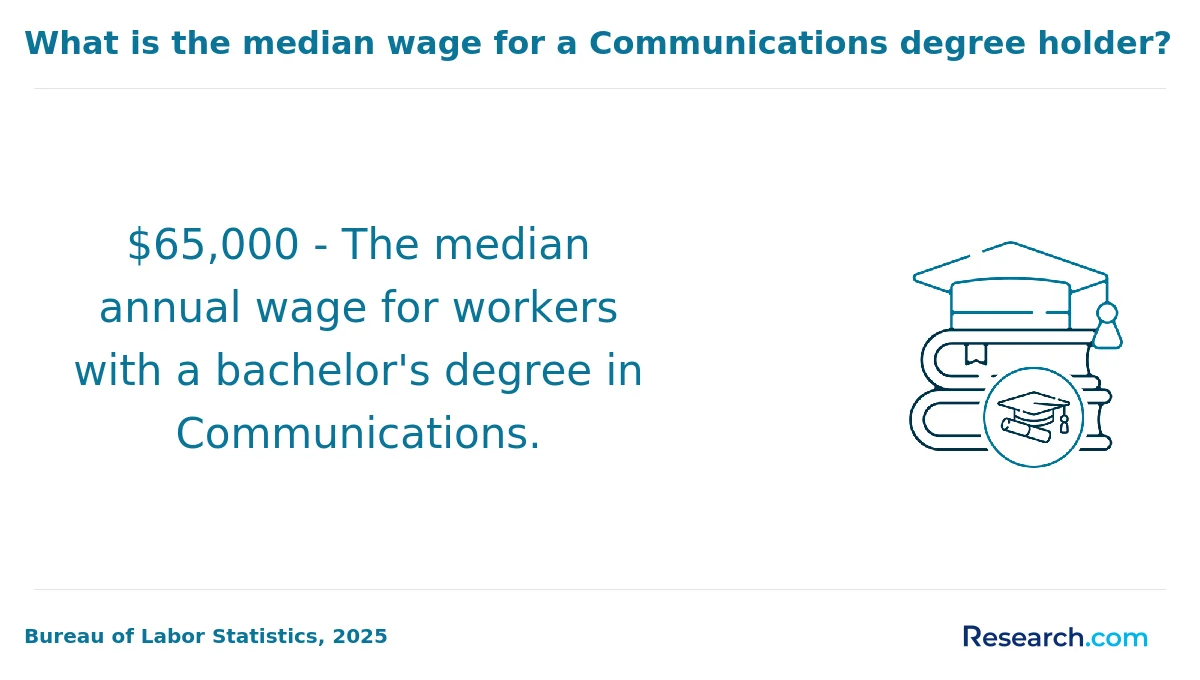
Wondering about the paycheck that awaits after earning an online communication degree in the Northeast? Graduates from well-known universities like Boston University or Syracuse often discover that salaries here can be quite rewarding. For example, public relations specialists in vibrant cities such as New York or Boston typically earn between $65,000 and $75,000 annually, topping the national average and reflecting the region's competitive media and corporate landscape.
Imagine landing a role as a market research analyst near Philadelphia, where median salaries hover around $70,000 to $80,000-a promising leap for those stepping into the field. Graduates pursuing leadership roles, such as communication managers or directors in bustling urban centers, may enjoy earnings from $95,000 up to $115,000. This comes with the excitement of shaping company narratives and leading dynamic teams, making the effort in advanced online programs worthwhile.
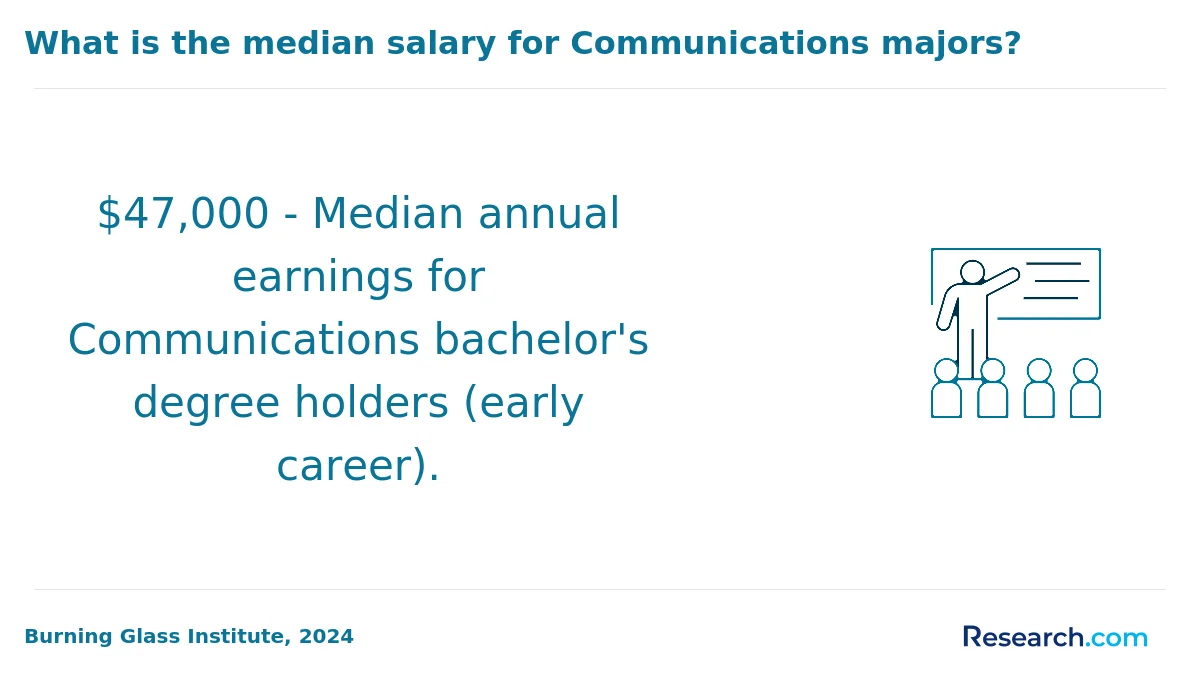
Even entry-level positions start near $45,000 to $55,000, enabling new graduates to build experience while networking in industries like healthcare or tech, both thriving across the Northeast. Those who specialize can amplify their income even more, turning a communication degree into a gateway for growth and adventure in a lively, opportunity-filled region.
2027 Easiest Online Master's in Communication Degree Programs Ranking in the Northeast
How do we rank schools?
Investing in your education is a significant decision that can shape your future, and the Research.com team understands the importance of making informed choices. To assist prospective students in the Northeast, we have meticulously crafted the "2027 Easiest Online Master's in Communication Degree Programs Ranking in the Northeast." Our commitment to quality, credibility, and accuracy is reflected in the extensive research and analysis conducted to compile this ranking.
We utilized the following reputable data sources to ensure a comprehensive evaluation of communication programs:
By exploring this ranking, readers will gain valuable insights into the most accessible online master's programs in communication across the Northeast, empowering them to make informed decisions about advancing their education and career prospects. For more details on our methodology, please visit our Research.com methodology page.


Key Findings
- Online communication degrees in the Northeast are offered by both public and private institutions, focusing on media studies, corporate communication, digital marketing, and public relations.
- Tuition for master's programs usually ranges from $15,000 to $35,000, with public universities being more affordable for in-state students.
- Starting salaries for communication graduates average between $50,000 and $60,000, increasing to $75,000 to $95,000 with mid-career experience.
- Employment in media and communication fields in the Northeast is projected to grow by about 8% over the next decade.
- Online programs often offer flexible, asynchronous courses and regional internships to support working professionals and career development.
How long does it take to complete online communication degree in the Northeast?
Embarking on an online communication degree journey in the Northeast often means balancing ambition with life's unpredictable rhythms. Many full-time students at well-known institutions like Boston University or Syracuse University eagerly dive into roughly 120 credit hours, wrapping up their bachelor's in about four years. Imagine the satisfaction of crossing that virtual stage while still juggling everyday commitments!
But not everyone's path is the same. Graduates who chose part-time enrollment found themselves stretching the adventure over six years or more, carving out moments to study between work shifts or family time. It's a flexible approach embraced by schools in New York and Pennsylvania, adapting to the real world rather than the other way around.
For the bold who leap into master's programs, the pace quickens-often a thrilling whirlwind of 30 to 36 credits completed in just one to two years. Some even recounted finishing in as little as 12 months through accelerated tracks, pushing boundaries at Northeastern University or others offering year-round classes.
What's the difference between online and on-campus communication degree?
Choosing between online and on-campus communication degrees in the Northeast sparks an exciting journey into two distinct worlds. Imagine a graduate from a well-known Boston university sharing how their online program fit perfectly into a busy life-balancing work while diving into engaging video lectures and lively virtual discussions. This flexibility fuels motivation and puts control in the student's hands, making education feel like an adventure tailored just for them.
Alternatively, picture a recent graduate from a New York City college thriving in vibrant campus media labs and unforgettable face-to-face workshops. The energy of interacting with peers in bustling campus cafes or joining spontaneous brainstorming sessions brings theories to life in a way online sometimes can't capture. Plus, proximity to major media hubs offers tempting internships, adding real-world excitement to the classroom experience.
Both paths cultivate strong skills, but while online students embrace independence and adaptable schedules, on-campus learners thrive in immersive, hands-on environments loaded with direct access to mentors and local industry hotspots. Each route invites discovery in unique, rewarding ways for Northeast communication enthusiasts.
What is the average cost of online communication degree in the Northeast?
For those curious about the average cost of an online communication degree in the Northeast, numbers tell an intriguing story. Median total tuition tends to hover around $32,742, offering a balanced glimpse into expenses faced when pursuing this dynamic field online. Graduates from well-known colleges, who embarked on this academic journey from their own homes, often describe the investment as rewarding and manageable, especially when factoring in in-state tuition savings. In reality, Northeast residents may see costs closer to $38,563 while out-of-state students might encounter higher fees around $46,927, shaping the financial landscape in nuanced ways.
Many students find comfort in knowing that online programs at popular universities in the region - schools that have crafted their curricula around communication's evolving nature - offer flexible tuition models. This makes chasing a degree not just an educational adventure but also a strategic financial choice. Students excited by the possibilities often share how in-state tuition discounts and scholarship opportunities lightened their burdens while fueling their passion for storytelling and media mastery.
One graduate recalls how their experience pursuing one of the affordable online master's communication programs Northeast was both empowering and cost-effective. Their program's per-credit costs aligned well with their budget, minimizing financial stress and maximizing focus on creative projects. For prospective learners mapping out their futures, exploring the cheapest online master's programs communications is a great way to navigate options tailored to budget without sacrificing quality.
What financial aid is available to online communication degree students in the Northeast?
Diving into financial aid for online communication degrees in the Northeast feels like unlocking hidden treasures. Many graduates from schools like Syracuse University found federal aid through FAFSA to be a game-changer, accessing Direct Unsubsidized Loans and Grad PLUS Loans to balance tuition and living costs. Pell Grants may not apply at this level, but federal loans provide real support on the journey.
State-specific gems also await curious students. Imagine tapping into New York's Tuition Assistance Program (TAP) or Pennsylvania's grants to lighten the financial load while focusing on studies. These programs create a safety net tailored to residents, easing the path in their home states.
Institutions themselves often become champions of your adventure. Communication students at Rutgers University, for example, have reported receiving scholarships and assistantships based on merit and experience, energizing their educational pursuits with a mix of academic recognition and financial relief.
For many working professionals, employer tuition reimbursement programs add another treasured layer. With over 60% of U.S. employers offering tuition aid, it's like having a teammate cheering you on while you juggle work and study.
Professional organizations spark hope too, offering scholarships that add sparkle to the financial aid constellation for communication grads. These multiple sources intertwine to open doors and brighten the path for eager learners in the Northeast.
What are the prerequisites for enrolling in online communication degree program in the Northeast?
Envision stepping into an online communication degree program in the Northeast, where the adventure begins by holding a bachelor's degree-no strict communication major required, though connections to journalism or media studies definitely give you a leg up. Graduates from well-known universities in New York and Massachusetts have shared how maintaining a GPA around 3.0 opened doors for them, making the application feel like a promising challenge rather than a hurdle.
Imagine submitting two or three heartfelt letters of recommendation from mentors who have witnessed your passion for storytelling and digital dialogue. Alongside, crafting a personal statement that captures your unique career dreams and motivations is your chance to show what sets you apart in a sea of applicants.
Picture the relief of many Northeast programs waiving GRE scores, rewarding your professional experience or solid academic history. At the same time, the buzz of synchronous sessions or video interviews connects you directly with instructors and peers, turning the virtual world into a lively classroom.
For international explorers, proving English proficiency through TOEFL or IELTS becomes the final step to unlock this educational journey, all while ensuring your voice is clearly heard in every discussion and assignment.
What courses are typically in online communication degree programs in the Northeast?
Picture diving into an online communication degree in the Northeast, where coursework sparks your curiosity and sharpens your skills for real-world challenges. Graduates from renowned schools in states like New York and Massachusetts recall immersing themselves in foundational classes such as Communication Theory and Models, which unveil how messages shape our society. They found courses like Interpersonal and Organizational Communication especially eye-opening, offering practical insights they applied instantly in their jobs or volunteer projects.
Hands-on classes like Media Writing and Production felt like creative playgrounds, pushing them to craft compelling stories for digital platforms. Imagine navigating the fast-paced world of Digital Media and Social Networking or strategizing campaigns with Public Relations Strategies-both staples of Northeastern programs that prepare you for dynamic careers. The blend of Research Methods and Communication Ethics ensured graduates balanced innovation with responsibility, ready to tackle complex communication puzzles.
What types of specializations are available in online communication degree programs in the Northeast?
When exploring online communication degree specializations Northeast, students often discover thrilling paths that perfectly match their passions and career goals. Graduates from well-known Northeastern colleges frequently share how they dove into Public Relations, mastering crisis communication and media outreach through local business collaborations-experiences that truly energized their learning journey. Others found themselves captivated by Organizational Communication, learning to lead change and foster teamwork in vibrant industries like marketing and human resources.
Imagine crafting digital campaigns that spark conversations worldwide-that's the Digital Media and Communication specialization many students embrace, especially as companies push their social media presence. Meanwhile, those drawn to helping communities engage in meaningful health conversations gravitate toward Health Communication, supported by strong ties between Northeast schools and health agencies.
Adding to this exciting mix is Intercultural Communication, vital for navigating the diverse corporate networks in the region. For anyone curious about detailed options in a communication master's concentration options Northeast can provide, check out programs that blend these dynamic fields, enhancing your future opportunities.
Many eager minds find guidance and detailed offerings when researching online options; for a deeper dive into flexible learning paths, explore online bachelors in communication programs tailored for busy professionals.
How do you choose the best online communication degree in the Northeast?
Choosing the best online communication degree Northeast students rave about often begins with exploring programs that balance rigorous academics with flexibility. Graduates from well-known institutions share how regional accreditation gave them confidence in transferability and employer recognition, making their journeys smoother. Imagine a busy professional fitting asynchronous classes into their hectic day, connecting with passionate faculty who bring real-world media and public relations insights alive.
Affordability is another adventure in itself. Some affordable online communication programs in the Northeast have surprised students by offering in-state tuition regardless of location, making a top-tier degree more attainable. Alumni mention courses tailored to emerging digital trends, helping them land exciting roles after graduation. Curious learners also dive into opportunities to boost their resumes through internships and expand their network.
For those intrigued by types of public relations jobs, picking a program that emphasizes career services and industry connections can be a game-changer, opening new doors right after graduation.
What career paths are available for online communication degree students in the Northeast?
Graduates holding an online communication degree in the Northeast discover invigorating career opportunities spanning public relations, digital marketing, broadcast journalism, and corporate communications. Imagine a graduate from a popular Northeastern university, energized by thriving metropolitan hubs like New York City and Boston, stepping into renowned media outlets or major corporations headquartered nearby. These vibrant environments cultivate skills that open doors to roles where creativity and strategy meet, from shaping brand stories in digital marketing to managing compelling public relations campaigns.
Many graduates appreciate how their programs, often costing between $15,000 and $35,000, balance affordability and quality-offering pathways to meaningful jobs in sectors where communication skills are prized. Students engaging with event planning or non-profit communication find themselves part of communities that value connection, transparency, and impact. Some delve into corporate communication, thriving within financial or tech companies eager for talents who can foster employee engagement.
Exploring online communication degree jobs in the Northeast can also lead to discovering earnings potential, a vital motivator for many. Curious about what that looks like? Graduates often research salary with a master's in public relations to guide their next moves.
Career opportunities with Northeast communication degree online continue to expand, supported by a regional media market rich with energy and innovation that fuels graduates' ambitions and success.
What is the job market for online communication degree in the Northeast?
Exploring the job market for online communication degree jobs in the Northeast reveals a dynamic landscape fueled by bustling cities like New York and Boston. Graduates often find themselves stepping into roles at public relations agencies or corporate communication teams, where their skills in digital content and strategic messaging come alive. Many alumni from popular universities recount the thrill of landing positions within nonprofit organizations or media firms, motivated by the vibrant energy of the region's diverse economy.
Institutions such as Boston University and New York University offer programs that blend traditional communication theories with modern digital strategies, empowering students to thrive. The job outlook for communication graduates Northeast is bright, driven by the region's demand for versatile professionals who can navigate both social media trends and data analytics.
Those pursuing a public relations master's degree online often praise the flexibility of balancing work and study while tapping into one of the country's richest job markets.
Frequently Asked Questions About communication
Students pursuing online communication degrees in the Northeast can enhance their learning by actively engaging with digital platforms offered by their institutions. Many universities provide virtual workshops, discussion boards, and networking events tailored to communication fields. According to the National Communication Association, students who participate in interactive activities report higher satisfaction and knowledge retention.
Additionally, taking advantage of regional internships-even remotely-connects students with Northeast-based media outlets and organizations, offering practical experience. Schools in the region often collaborate with local industries, making these opportunities more accessible to online learners.
Finally, joining professional groups and attending virtual conferences specific to communication enriches learning beyond coursework. This approach helps students build regional networks and stay current with industry trends.
The communication field is rapidly evolving, and several emerging niches are gaining prominence, especially in the Northeast. Digital media strategy is a major growth area, driven by increasing demand for skilled professionals who can manage online brand presence and engage audiences through social platforms.
Another rising niche is health communication, crucial in a region with numerous healthcare hubs. Specialists in this area design effective public health campaigns and navigate complex medical information.
Additionally, corporate communication with a focus on crisis management is expanding, reflecting companies' need for transparency and swift responses in a fast-changing media environment.
According to the Bureau of Labor Statistics, communication-related jobs in the Northeast are projected to grow by 8% through 2030, highlighting the importance of these niches for students seeking relevant skills.
Graduates with an online communication degree in the Northeast can strengthen their job prospects by building a strong professional network. Locally, organizations like the Public Relations Society of America's New York and Boston chapters offer valuable opportunities to connect with industry leaders. Enhancing digital literacy, including proficiency in tools like social media analytics and content management systems, is crucial.
The Bureau of Labor Statistics reports the Northeast region has a steady demand for communication professionals, with an average growth rate of 6% through 2030. Internships and remote freelance projects further provide practical experience and portfolio development, which regional employers highly value.
Additionally, graduates should tailor resumes to highlight skills relevant to Northeast industries such as media, marketing, and nonprofit sectors.
Employers in the Northeast highly value communication degree graduates who possess strong interpersonal and digital communication skills. According to the National Association of Colleges and Employers (NACE), 85% of employers seek candidates with effective teamwork and collaboration abilities. Additionally, proficiency in social media management and content creation is essential, as many organizations emphasize digital outreach.
Analytical skills and the ability to interpret communication data are also important, especially in media and marketing roles common in metropolitan areas like New York and Boston. Graduates familiar with public relations strategies and crisis communication tend to stand out in competitive job markets.
Strong writing and presentation skills remain foundational, as they enable clear messaging across diverse platforms.
Finding internships in the Northeast for communication degree students involves leveraging regional resources and networks. Major cities like New York, Boston, and Philadelphia offer abundant opportunities in media, public relations, and corporate communications. According to the National Association of Colleges and Employers (NACE), internships in communication-related fields in these cities have grown by 8% over the past three years.
Students should utilize university career centers, which often connect students with local businesses and nonprofits. Additionally, platforms like Handshake and the NACE Job Board focus on internships tailored to communication majors. Networking through local communication associations, such as the Public Relations Society of America (PRSA) chapters in the Northeast, can also increase your chances.
An online communication degree improves career mobility by providing flexible learning options for working professionals in the Northeast. Many employers in this region value communication skills highly; according to the Bureau of Labor Statistics, communication-related jobs like public relations specialists and media managers are projected to grow by 10% to 15% through 2030. Degree holders often advance faster into leadership roles because programs emphasize digital media, strategic communication, and writing skills relevant to Northeast markets such as New York City and Boston.
Online degrees also increase access to professional networks and internships, benefiting job seekers in competitive urban areas. Graduates report salary increases of up to 20% within five years, reflecting these degrees' impact on long-term career growth.
Studying for a communication degree in the Northeast equips students with skills applicable across multiple fields, supporting interdisciplinary roles. Many programs incorporate coursework in digital media, business, psychology, and public relations, reflecting the complex communication needs in industries such as healthcare, technology, and government. According to the National Communication Association, Northeastern universities emphasize collaborative projects and critical thinking, essential for navigating diverse professional environments.
Regional employers increasingly seek communication graduates who can bridge gaps between technical and non-technical teams. For example, Boston and New York City rank among the top metropolitan areas for communication jobs, offering opportunities that require versatile, cross-disciplinary abilities.
Choosing between a thesis and a non-thesis communication degree program in the Northeast depends largely on your career goals and learning preferences. Thesis programs emphasize research, requiring a substantial project that develops skills in critical analysis and academic writing. These are ideal for students planning to pursue doctoral studies or research-intensive careers.
Non-thesis programs focus more on practical skills, often including internships or capstone projects, preparing students for immediate professional roles in media, public relations, or corporate communications. According to the National Center for Education Statistics, approximately 40% of communication graduate students in Northeastern states opt for non-thesis tracks, reflecting the region's strong demand for applied skills.
Consider the time commitment as well; thesis programs often require one to two additional semesters. Understanding program requirements and reviewing faculty expertise at specific Northeast institutions can guide your decision effectively.
Students based in the Northeast seeking to study communication abroad have several options through US institutions offering global online programs. Many universities in this region, such as Syracuse University and Emerson College, provide flexible online communication degrees with international study components or partnerships that facilitate abroad experiences. These programs often include virtual internships and collaborative projects with global organizations.
According to the National Center for Education Statistics, over 30% of public and private universities in the Northeast reported offering some form of online communication degree that includes study abroad or international exchange options as of 2023. These opportunities allow students to gain cross-cultural communication skills while remaining enrolled domestically.
Students concerned about credit transfer or program accreditation will find that most Northeastern institutions maintain strong regional accreditation, making international study credits recognized and valuable. This hybrid approach suits graduate students balancing professional commitments with global learning experiences.
Students pursuing online communication degrees in the Northeast can benefit from part-time roles in public relations, social media management, and content creation. According to the U.S. Bureau of Labor Statistics, New York and Massachusetts lead the region in communication-related job opportunities. Many local companies seek interns and assistants who support marketing campaigns and digital outreach efforts. Working as a communications assistant or social media coordinator offers practical experience alongside academic coursework. Additionally, non-profit organizations across the Northeast often hire part-time communication aides to manage public information and community engagement, providing hands-on skills valuable for graduates entering media and corporate sectors.
Online communication students in the Northeast benefit from diverse networking opportunities available through universities and professional organizations. Many institutions partner with local media firms and businesses in cities like New York, Boston, and Philadelphia, creating virtual internships and collaborative projects that foster industry connections.
Professional associations such as the New England Chapter of the Public Relations Society of America offer online events and webinars year-round, enabling students to engage with regional experts. According to the Northeast Communication Association, participation in such groups can increase job prospects by up to 30%.
Additionally, several universities provide access to alumni networks, mentorship programs, and career fairs tailored specifically for communication students. These resources help bridge the gap between remote learning and real-world professional relationships.
Alumni networks play a crucial role for online communication degree students in the Northeast by providing valuable career support. Graduates often gain access to exclusive job postings and internships shared within these networks, helping them enter competitive markets like New York City and Boston, which are communication hubs.
These networks also facilitate mentorship opportunities. Experienced alumni guide current students on industry trends and professional development, increasing job placement rates. According to the National Communication Association, students connected to alumni networks report 20% higher employment within six months of graduation.
Additionally, alumni events and online platforms promote networking, collaboration, and lifelong relationships essential for career growth in communication fields.
Students pursuing online communication degrees in the Northeast can tailor their programs through a variety of electives and specialization options. Many universities offer tracks like corporate communication, digital media, or public relations, allowing learners to focus on areas aligned with their career goals. According to the National Center for Education Statistics, over 60% of Northeastern schools providing communication degrees enable students to design individualized study plans. Additionally, some programs incorporate internship opportunities or capstone projects in regional industries such as media, advertising, and nonprofits, enhancing practical experience. Customizing coursework in this way helps graduates meet specific job market demands in the Northeast.
Online communication students in the Northeast often face challenges related to balancing coursework with professional and personal responsibilities. Many learners juggle full-time jobs, which can limit time for synchronous classes or group projects. According to a 2023 report by the National Center for Education Statistics, about 65% of online master's students nationwide work while studying, a trend seen prominently in the Northeast's urban areas like New York and Boston.
Additionally, technical issues and inconsistent internet access occasionally disrupt learning, especially for students in rural parts of the region. Networking opportunities and hands-on experiences can be limited compared to traditional programs, posing another hurdle for career advancement. These challenges require effective time management and self-motivation for success.
With an online communication degree, graduates in the Northeast can pursue several professional certifications that enhance career prospects. Popular options include the Accredited Business Communicator (ABC) certification, which validates skills in business and professional communication. The Certified Professional in Learning and Performance (CPLP) is another valuable credential for those interested in corporate training and development.
Specialized certifications like the Digital Marketing Certificate from organizations such as the American Marketing Association are also common, reflecting the growing emphasis on digital communication skills.
Obtaining these certifications can lead to higher salary potential; according to the Bureau of Labor Statistics, communication-related roles in the Northeast often pay above the national average.
Applying to an online communication program in the Northeast requires careful preparation. Start by highlighting your relevant experience in media, writing, or digital communication, as admissions committees value practical skills. Many programs prefer applicants with a bachelor's degree related to communication or a strong professional background. According to the National Center for Education Statistics, Northeastern institutions offer competitive programs with acceptance rates averaging around 45% in communication fields.
Craft a clear, concise personal statement that explains your career goals and why you chose this region's online program. Be sure to tailor your statement to reflect knowledge of Northeast institutions' focus on innovative communication technologies.
Request strong letters of recommendation from professionals or professors familiar with your communication abilities. Finally, maintain a polished resume and ensure all transcripts are official and up to date.
The communication field is increasingly recognized worldwide as vital for effective information exchange across cultures and industries. In the United States, especially in the Northeast, communication careers are expanding thanks to globalization and digital media advances. According to the Bureau of Labor Statistics, employment for communication professionals is projected to grow by 10% nationally from 2022 to 2032. This growth reflects global business needs for skilled communicators who understand diverse audiences.
In the Northeast, home to major media hubs like New York City and Boston, communication specialists have unique opportunities to engage with international firms and nonprofits. Online communication degrees here often emphasize global media strategies and intercultural communication skills, preparing graduates for worldwide roles. Educational institutions frequently incorporate case studies from multinational corporations, aiding students' understanding of communication challenges on a global scale.
Gaining practical experience while studying for an online communication degree in the Northeast is essential for career readiness. Many universities in this region offer virtual internships, allowing students to work with media companies, public relations firms, or nonprofit organizations remotely. According to the National Association of Colleges and Employers, 60% of communication students who completed internships reported higher job placement rates.
Students can also engage in project-based courses that mimic real-world communication challenges, including social media campaigns and crisis communication drills. Additionally, some schools provide access to regional networking events and workshops online, connecting students with professionals from Boston, New York, and Philadelphia.
Choosing the right concentration within an online communication degree in the Northeast depends largely on your career goals and interests. Common concentrations include public relations, digital media, corporate communication, and journalism. Each area offers unique skills suited to different industries. For example, corporate communication is valuable in the Northeast's finance and tech sectors.
Consider job market data from the Bureau of Labor Statistics, which shows strong growth for public relations specialists in metropolitan areas such as Boston and New York. Additionally, research from the National Communication Association highlights increasing demand for digital media expertise. Evaluate your strengths and the local industry trends to make an informed decision.
Top Trending Communication Rankings
References
- 2026 Best Online Communications Degrees https://www.onlineu.com/degrees/communications
- Financial Aid For Online Colleges https://www.affordablecollegesonline.org/financial-aid/financial-aid-for-online-colleges/
- Why You Should Start Networking as a Student – and How to Do It https://amplifyme.com/blog/why-you-should-start-networking-as-a-student
- Communication Studies, BA https://www.nec.edu/programs/communication-studies-b-a
- Online Communication Degree | University of Phoenix https://www.phoenix.edu/online-liberal-arts-degrees/communication-bachelors-degree.html
- CONCENTRATIONS IN COMMUNICATION https://www.villanova.edu/university/liberal-arts-sciences/programs/communication/undergraduate-program/major/specializations.html
- Gaining practical experience with PR and Digital Communications - Made in Salford https://blogs.salford.ac.uk/made-in-salford/2021/05/06/studying-pr-digital-communications-university-of-salford/
- Media and Communication Degree Careers and Salary in Europe - StudyinEurope.eu https://www.studyineurope.eu/media-communication/media-communication-degree-careers-salary-europe/
- Importance of Networking https://www.universitylabpartners.org/student-voices/importance-of-networking
- How to find communication niches? - PSMM Monitoring & More https://psmm.pl/en/how-to-find-communication-niches/