2027 Most Affordable Online Communication Degree Programs Ranking in Pennsylvania

Co-Founder and Chief Data Scientist
Choosing the right communication degree program can feel overwhelming, especially when balancing cost and quality. This article introduces the 2027 Most Affordable Online Communication Degree Programs Ranking in Pennsylvania, designed by the Research.com team of data scientists to guide you through the best options available.
Whether you're starting fresh or advancing your career, earning a communication degree opens doors to diverse opportunities and meaningful work. By exploring this ranking, you'll gain clear insights to make confident, informed decisions without the guesswork.
Invest in your future with knowledge that truly supports your goals.
Key benefits of getting online communication degree in Pennsylvania
- Graduates with a communication degree in Pennsylvania can expect average salaries around $62,000 per year in roles such as public relations specialists or marketing coordinators, reflecting strong earning potential in dynamic fields.
- Career paths often include positions in media, corporate communications, and digital marketing, as demonstrated by alumni from the University of Pennsylvania who smoothly transition into impactful roles within top companies.
- Completing a communication degree online, like students from Penn State World Campus, offers flexible scheduling and affordable tuition, making it easier to balance work, life, and studies without sacrificing quality education.
- Key benefits of getting online communication degree in Pennsylvania
- What can I expect from online communication degree in Pennsylvania?
- Where can I work with online communication degree in Pennsylvania?
- How much can I make with online communication degree in Pennsylvania?
- 2027 Most Affordable Online Communication Degree Programs Ranking in Pennsylvania
- Key Findings
- How long does it take to complete online communication degree in Pennsylvania?
- What's the difference between online and on-campus communication degree?
- What is the average cost of online communication degree in Pennsylvania?
- What financial aid is available to online communication degree students in Pennsylvania?
- What are the prerequisites for enrolling in online communication degree program in Pennsylvania?
- What courses are typically in online communication degree programs in Pennsylvania?
- What types of specializations are available in online communication degree programs in Pennsylvania?
- How do you choose the best online communication degree in Pennsylvania?
- What career paths are available for online communication degree students in Pennsylvania?
- What is the job market for online communication degree in Pennsylvania?
- Related Communication Rankings for Nearby States
- Top Trending Communication Rankings
What can I expect from online communication degree in Pennsylvania?
The average cost of an online communication degree in Pennsylvania varies depending on the institution, but students at schools like Pennsylvania State University World Campus commonly report tuition rates around $18,000 to $25,000 for the entire bachelor's program. Graduates often appreciate the affordability balanced with the quality of education, which allows them to pursue their degrees without overwhelming debt. Temple University's hybrid communication degree students have shared that flexible payment plans and access to financial aid made it easier to manage expenses alongside work commitments.
Many programs require approximately 120 credit hours, with costs typically calculated per credit. This allows students to pace their learning and control costs more effectively. Several Pennsylvania colleges also participate in state tuition assistance programs and offer transfer credits, which can further reduce the overall financial burden.
Ultimately, graduates highlight that the investment in these programs is worthwhile, as strong digital literacy and practical experience gained through internships or capstone projects position them well for competitive careers in communication-related fields across Pennsylvania's urban job markets.
Where can I work with online communication degree in Pennsylvania?
Graduates with an online communication degree in Pennsylvania often find rewarding career opportunities throughout the state's vibrant job market. Many secure roles in media and broadcasting within major markets like Philadelphia and Pittsburgh, working as reporters, producers, or public information officers. Graduates from Pennsylvania's top communication programs frequently report gaining hands-on experience that prepares them for the dynamic media environment in these cities.
Public relations and corporate communication positions are prevalent across sectors such as healthcare, nonprofits, and finance, where communication specialists play a crucial role in shaping organizational messages. Communication alumni from well-known Pennsylvania universities often highlight how internships and networking events helped them transition smoothly into these roles.
Marketing agencies in cities like Harrisburg and Allentown offer engaging positions like social media management and content creation. Communication students express enthusiasm about contributing creatively to campaigns that support the growth of small and medium businesses statewide.
Additionally, many graduates pursue careers in education and government, utilizing digital communication and instructional design skills to support evolving public and academic needs. Overall, Pennsylvania's diverse economy fosters optimistic career growth for communication degree holders.
How much can I make with online communication degree in Pennsylvania?
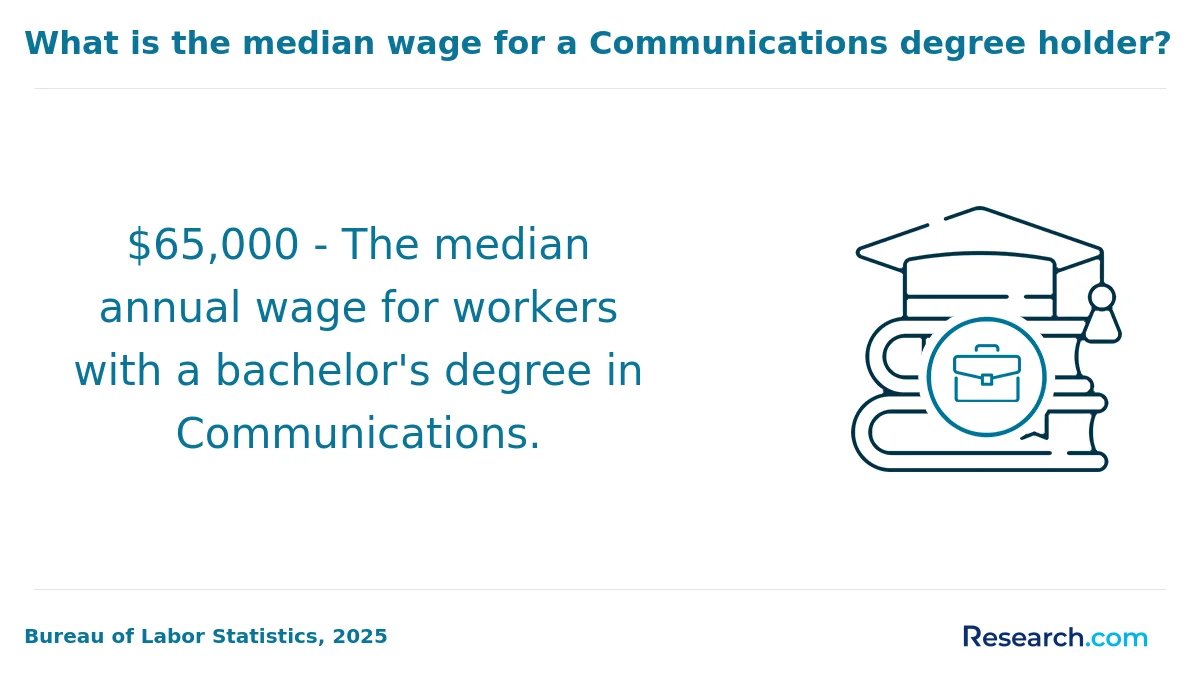
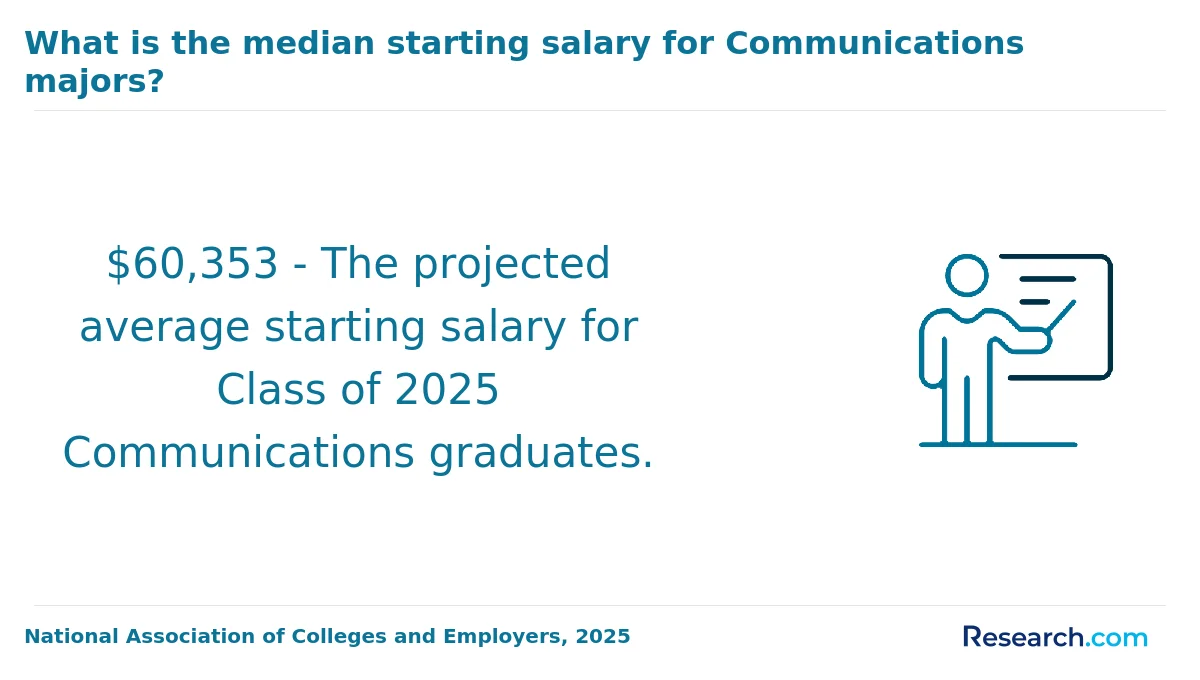
Graduates with an online communication degree in Pennsylvania typically see starting salaries around $55,000, reflecting national averages reported by the National Association of Colleges and Employers. Many graduates from institutions like Pennsylvania State University and Temple University find their skills valued across sectors such as healthcare, business, and nonprofit organizations. Entry-level roles such as public relations specialists or social media managers frequently earn between $45,000 and $62,500 annually, depending on location.
In larger metropolitan areas like Philadelphia and Pittsburgh, graduates often enjoy higher wages, with public relations specialists earning median salaries near $70,000 due to greater demand and cost of living. Pennsylvania communication graduates attest to steadily growing incomes as they gain experience, especially when combining their degrees with digital marketing or corporate communications expertise.
Such promising financial prospects contribute to the enthusiasm many graduates feel about their career prospects, knowing their online communication education equips them for diverse and rewarding opportunities throughout the Commonwealth.
2027 Most Affordable Online Communication Degree Programs Ranking in Pennsylvania
How do we rank schools?
Investing in your education is a significant decision that can shape your future, and the Research.com team understands the importance of making informed choices. To assist prospective students in Pennsylvania, we have meticulously crafted the "2027 Most Affordable Online Communication Degree Programs Ranking in Pennsylvania." Our commitment to quality, credibility, and accuracy is reflected in the extensive research and analysis conducted to compile this ranking.
We utilized the following reputable data sources to ensure a comprehensive evaluation of communication degree programs:
By exploring this ranking, readers will gain valuable insights into affordable online communication programs in Pennsylvania, empowering them to make well-informed decisions about their educational journey. For more information on how this ranking was created, please visit our Research.com methodology page.
# 1 position
Penn State University Park
Master of Strategic Communications



# 4 position
Penn State University Park
Bachelor of Organizational and Professional Communication
Key Findings
- The total tuition for online communication bachelor's degrees in Pennsylvania ranges from $20,000 to $40,000.
- In-state residents generally pay lower tuition at public universities offering online programs.
- Starting salaries for communication graduates in Pennsylvania average around $45,000 per year.
- Experienced communication professionals in the state can earn between $65,000 and $80,000 annually.
- Communication-related jobs in Pennsylvania are projected to grow by about 6% over the next ten years.
- Many programs offer asynchronous courses and are accredited by the Middle States Commission on Higher Education.
How long does it take to complete online communication degree in Pennsylvania?
Completing an online communication degree in Pennsylvania typically requires about four years for full-time students pursuing a bachelor's degree. Graduates from institutions such as Penn State World Campus or Temple University Online often appreciate how this timeframe aligns well with their personal and professional goals, enabling them to stay motivated and on track.
Part-time students frequently extend their studies to five or six years, balancing coursework with work or family commitments. For example, many find that asynchronous courses offered by universities like West Chester University provide the flexibility needed to manage busy schedules without sacrificing progress.
Associate degrees generally take around two years, serving as a vital stepping stone for students attending community colleges across Pennsylvania. Graduates often express satisfaction with the foundational skills gained in media and public relations, which prepare them for further education or entry-level roles.
Master's degrees in communication demand 1.5 to 2 years for full-time students. Alumni from schools such as La Salle University highlight the advantage of part-time options that accommodate their professional lives while steadily advancing their expertise.
What's the difference between online and on-campus communication degree?
Online and on-campus communication degrees in Pennsylvania differ mainly in delivery and interaction styles. Online students benefit from flexible scheduling that accommodates work or family commitments, allowing them to study at their own pace through digital platforms. For instance, graduates from programs affiliated with universities like Penn State share how this flexibility empowered them to balance careers and coursework effectively.
Conversely, on-campus students at institutions such as Temple University experience direct, face-to-face engagement with faculty and peers, enriching networking opportunities and participation in hands-on activities like student media or live public speaking events. These in-person interactions help develop practical skills and foster community connections vital to communication careers.
While both formats uphold accreditation standards and yield similar academic outcomes, on-campus students often highlight the energizing atmosphere of live collaboration, whereas online learners appreciate the autonomy and convenience of virtual internships and synchronous sessions offered by many Pennsylvania schools today.
What is the average cost of online communication degree in Pennsylvania?
The average cost of an online communication degree in Pennsylvania varies significantly depending on residency status and institution type, but median figures offer a clear benchmark. For in-state students, the median total cost is approximately $38,640, a figure that reflects the generally more affordable rates offered by public universities. Out-of-state students typically face higher expenses, with median total costs around $41,640, due to increased tuition rates.
Graduates of well-regarded Pennsylvania institutions like Pennsylvania State University World Campus report positive experiences balancing affordability with quality. For example, in-state students paying roughly $590 per credit can complete their degree costs between $20,000 and $30,000, illustrating how carefully planned course loads and transfer credits can reduce overall tuition. These figures highlight why many choose online programs as a cost-effective alternative to traditional on-campus communication degrees, benefiting from savings on housing and commuting expenses.
Students seeking affordable online communication degrees in Pennsylvania often find financial aid and scholarships essential in managing costs. Access to resources such as the Pennsylvania Higher Education Assistance Agency enhances affordability, making education more accessible. Additionally, prospective students might explore options like the cheapest online master's in communication to continue advancing their credentials without prohibitive expenses.
What financial aid is available to online communication degree students in Pennsylvania?
Students pursuing an online communication degree in Pennsylvania benefit from a variety of financial aid options designed to minimize the burden of tuition costs. Many graduates recall how completing the FAFSA opened doors to federal grants like the Pell Grant, which for the 2023-2024 academic year offers up to $7,395 without requiring repayment. This funding often brought a sense of relief, allowing them to focus more on mastering communication theories at schools such as Penn State World Campus or Drexel University Online.
State-specific aid, notably the Pennsylvania State Grant Program, also plays a crucial role for residents attending approved institutions. Recipients frequently report that awards reaching over $4,000 annually helped bridge the gap left by federal assistance, making education financially feasible.
Institutional scholarships and grants, tailored for communication majors or online learners, are commonly highlighted by students from popular Pennsylvania universities as transformative, further reducing out-of-pocket expenses. In addition, manageable federal loans coupled with income-driven repayment plans provide flexible borrowing options, valued by those balancing work and study.
Employer tuition assistance is another practical resource, often praised by graduates who worked while earning their degrees, reinforcing the diversity of support pathways available in Pennsylvania's online communication programs.
What are the prerequisites for enrolling in online communication degree program in Pennsylvania?
Enrolling in an online communication degree in Pennsylvania typically requires a high school diploma or GED, a prerequisite that graduates from institutions like Penn State World Campus and Temple University often recall as their first step. Most students submit official transcripts to confirm academic readiness, reflecting a commitment that reassures both admissions committees and future employers.
While standardized tests such as the SAT or ACT are increasingly optional, some universities maintain flexibility depending on the program level. Graduate applicants generally present a bachelor's degree, aligning with the expectations of well-regarded programs at Drexel University's online school.
Additional prerequisites often include maintaining a GPA around 2.0 to 3.0, submitting letters of recommendation, and writing personal statements. Many international applicants demonstrate English proficiency through TOEFL or IELTS scores, a requirement shared by online programs across the state. Graduates commonly share that relevant work or volunteer experiences, especially in strategic communication, significantly enriched their application and future success.
These clear and achievable prerequisites support prospective students in planning their academic journey with confidence and a positive outlook.
What courses are typically in online communication degree programs in Pennsylvania?
Online communication degree programs in Pennsylvania typically feature a carefully structured curriculum designed to blend theory with practical skills essential for today's communication careers. Graduates from well-regarded institutions such as Temple University and Drexel University often reflect on courses like Introduction to Communication Studies, where they delve into fundamental theories that explain human interaction and media influence-insights that prove invaluable in professional settings.
Many students recall how Interpersonal Communication sharpened their abilities in face-to-face engagement and relationship-building, skills crucial for roles in public relations or corporate communications. Others highlight Media and Society as eye-opening, offering perspectives on how mass media shapes culture and public opinion across Pennsylvania's diverse communities.
Notably, digital and organizational communication courses, such as Digital Media Production and Organizational Communication, equip learners with hands-on experience in producing digital content and managing communication within institutions. Graduates appreciate how these classes mirror real-world challenges, preparing them effectively for dynamic careers in media and marketing across Pennsylvania's evolving markets.
What types of specializations are available in online communication degree programs in Pennsylvania?
Students pursuing an online communication degree in Pennsylvania can choose from various focused specializations that align with regional industry strengths and personal career goals. Among the best communication concentration options in Pennsylvania are Corporate Communication, Media Studies, Public Relations, Interpersonal and Organizational Communication, and Digital Communication and Social Media. For instance, graduates from universities around Philadelphia emphasize how studying Corporate Communication equipped them with skills to adeptly manage internal messaging and crisis scenarios within dynamic business environments.
Similarly, those opting for Media Studies find opportunities in media production and journalism especially rewarding, benefiting from Pennsylvania's vibrant media markets in cities like Pittsburgh. The emphasis on digital communication also reflects current market demands, preparing students to lead social media and marketing initiatives for tech-savvy employers. Flexible programs at major colleges allow learners to balance work and study effectively.
For prospective students keen on exploring all degree options, the online bachelors degree communications pathways offer comprehensive training tailored to Pennsylvania's diverse professional landscape, combining theoretical insight with practical application.
How do you choose the best online communication degree in Pennsylvania?
When selecting the best online communication degree Pennsylvania offers, start by verifying the program's accreditation, such as regional accreditation from the Middle States Commission on Higher Education, which ensures quality and recognition. Graduates from prominent universities in Pennsylvania often emphasize how this accreditation boosted their confidence in job hunting. Next, consider the curriculum's alignment with your career goals-whether it's public relations, media production, or corporate communication. Students pursuing digital media specializations frequently report satisfaction with hands-on projects that prepare them for real-world challenges.
Affordability is crucial; many turn to affordable communication degree programs PA to balance education costs and quality. Online learning reduces expenses related to commuting and housing. Some students recommend exploring options like the cheapest online bachelor's in journalism for comparable savings. Flexibility and robust student support, including tech help and career services, often enhance the experience, as noted by graduates juggling work and study. Finally, analyze graduation and job placement rates; those who chose schools with strong alumni networks in Pennsylvania benefited from meaningful internships and employment connections.
What career paths are available for online communication degree students in Pennsylvania?
Graduates holding an online communication degree in Pennsylvania find diverse career opportunities spanning public relations, marketing communication, and corporate communication. Many graduates from prominent institutions such as Temple University and Penn State report securing roles as public relations specialists, where they manage the public image of organizations and navigate media relations in Pennsylvania's competitive job market. These positions typically offer median salaries around $70,000, reflecting both the demand and the rewarding nature of the work.
Other graduates pursue careers in marketing communication, crafting strategies that engage consumers and drive brand growth within Pennsylvania's thriving healthcare, technology, and financial sectors. Corporate communication roles, popular among alumni of Drexel University, focus on internal messaging to bolster employee engagement and brand consistency. Some communication graduates also excel in journalism jobs, leveraging skills developed in digital content creation and multimedia storytelling. For those interested in practical newsroom experience, journalism jobs provide a promising avenue.
Nonprofit organizations likewise seek communication professionals to lead fundraising initiatives and social media campaigns, offering fulfilling careers that make meaningful community impacts. These career options illustrate why online communication degree jobs in Pennsylvania attract aspiring professionals eager to contribute across varied and dynamic sectors.
What is the job market for online communication degree in Pennsylvania?
The job market for graduates with an online communication degree in Pennsylvania is robust and offers diverse opportunities in key industries such as media, corporate communication, and digital marketing. Graduates from well-known institutions in Philadelphia or Pittsburgh often find roles in media companies or public relations agencies, where their skills in content creation and communication strategy are highly valued. The steady employment growth expected in the state supports this positive outlook for online communication degree employment Pennsylvania.
Many recent graduates describe feeling confident entering the workforce equipped with practical skills gained through their online studies, which are designed around Pennsylvania's expanding digital marketing and social media sectors. With an average wage near $58,000 annually and competitive starting salaries, students feel optimistic about career prospects. Additionally, the flexibility of remote work allows graduates to blend Pennsylvania-based expertise with opportunities nationwide.
Employers such as healthcare organizations and corporate headquarters frequently seek communication specialists who can manage patient outreach and internal messaging, reflecting a strong demand across sectors. For those exploring career options, reviewing public relations job titles and salaries can offer valuable insights into potential roles and compensation in the region.
Frequently Asked Questions About communication
Students pursuing online communication degrees in Pennsylvania can enhance their learning by actively engaging with course materials and participating in virtual discussions. Research shows that institutions like Penn State World Campus offer extensive multimedia resources that support diverse learning styles. Utilizing university career services to connect with local media and public relations firms helps students gain practical experience.
Networking is vital; joining professional groups such as the Pennsylvania Communication Association provides access to workshops and conferences. According to the U.S. Bureau of Labor Statistics, Pennsylvania's communication sector is expected to grow steadily, making early professional connections beneficial.
Time management also improves outcomes, as online programs often require self-discipline. Staying organized and seeking faculty feedback regularly can maximize knowledge retention and skill development.
The communication field is rapidly evolving, with several emerging niches gaining prominence in Pennsylvania and across the US. One key area is digital communication, which includes social media management, content creation, and online branding. According to the Bureau of Labor Statistics, jobs in digital communication are expected to grow by 13% between 2022 and 2032 nationwide. Another growing niche is health communication, especially important in Pennsylvania's expanding healthcare sector, where professionals craft messages about public health initiatives and patient education.
Additionally, data analytics combined with communication skills is becoming vital. Graduates who understand how to interpret data trends to shape effective messages are increasingly in demand. Virtual reality (VR) communication and immersive media are also gaining traction, offering new ways to engage audiences.
These niches reflect the integration of technology and communication strategies essential for Pennsylvania's modern economy, making specialized skills in these areas valuable for students pursuing online degrees.
Graduates with an online communication degree in Pennsylvania can enhance their job prospects by building a strong professional network. Joining local chapters of organizations like the Public Relations Society of America (PRSA) or the Pennsylvania Communication Association offers valuable connections and job leads.
Gaining practical experience through internships or freelance projects during or after studies is crucial. Pennsylvania's media and corporate sectors often seek candidates with proven writing, digital media, and public speaking skills.
Additionally, tailoring résumés and portfolios to specific roles in media, marketing, or corporate communication can significantly improve employment chances. According to Pennsylvania Department of Labor, communication occupations are expected to grow by 7% through 2030, promising ample opportunities.
Continuing education and certifications in digital marketing or multimedia tools also increase a graduate's marketability.
Employers in Pennsylvania value communication degree graduates who demonstrate strong verbal and written communication skills. According to the National Association of Colleges and Employers, 85% of employers prioritize clear writing abilities when hiring recent graduates. In Pennsylvania's growing media, marketing, and public relations sectors, graduates must also show proficiency in digital communication platforms and social media management.
Critical thinking and problem-solving skills are highly sought after, helping graduates adapt to various communication challenges in business and nonprofit organizations. Additionally, teamwork and interpersonal skills enable effective collaboration within diverse professional settings.
Data from the Pennsylvania Department of Labor & Industry highlights that communication graduates with project management knowledge and multimedia production experience gain a competitive edge in the local job market.
Finding internships in Pennsylvania relevant to a communication degree involves several strategic steps. Start by exploring local universities with communication programs, such as Penn State and Temple University, which often have established internship databases and employer partnerships. Websites like the Pennsylvania Department of Labor & Industry provide resources for internships across various industries, including media and public relations.
Networking is crucial. Joining professional groups like the Pennsylvania Communication Association or LinkedIn groups focused on communication can connect you with internship opportunities. According to the Bureau of Labor Statistics, Pennsylvania hosts over 15,000 communication-related jobs, indicating a healthy job market for entry-level internships.
Additionally, consider reaching out to media outlets, public relations firms, and nonprofit organizations directly in major cities such as Philadelphia and Pittsburgh. Many of these companies offer summer or semester internships tailored for communication students.
Obtaining an online communication degree in Pennsylvania significantly enhances career mobility and advancement opportunities. The communication field in Pennsylvania is growing, particularly in sectors like corporate communications, media, and public relations. According to the U.S. Bureau of Labor Statistics, the state is projected to see a 7% growth in communication specialist roles through 2030, faster than the national average.
Graduates with an online communication degree benefit from flexible learning formats while gaining skills that employers value, such as digital literacy and strategic messaging. Many regional employers prefer candidates with degrees due to the competitive job market. Additionally, Pennsylvania's diverse economy supports varied career paths, including marketing, journalism, and nonprofit communications.
Online degrees from accredited Pennsylvania institutions also enable networking with professionals statewide, which can further career advancement. This flexibility often leads to promotions or lateral moves into higher-paying leadership roles.
Studying for a communication degree in Pennsylvania equips students with diverse skills essential for interdisciplinary roles. Many programs emphasize collaboration across fields like business, healthcare, and technology, mirroring the evolving workplace where communication intersects with multiple industries. Pennsylvania universities, such as Penn State and Temple University, integrate courses in digital media, public relations, and organizational communication, preparing graduates for varied career paths.
According to the Pennsylvania Department of Labor & Industry, demand for professionals with strong communication skills across sectors is projected to grow 10% by 2030. These programs cultivate critical thinking, cultural awareness, and technical proficiency, essential for adapting in interdisciplinary teams and roles.
When choosing between a thesis and a non-thesis online communication degree program in Pennsylvania, consider your career goals and learning preferences. A thesis option typically focuses on research, requiring you to conduct a detailed study under faculty supervision. This path suits students aiming for academic careers or doctoral studies.
The non-thesis route usually emphasizes practical skills and coursework, appealing to those seeking immediate employment in fields like public relations or media management. According to data from the Pennsylvania Department of Education, many local employers value applied experience, which non-thesis programs often provide.
Review program details carefully and align your choice with your professional ambitions and schedule flexibility.
Students based in Pennsylvania seeking to study communication abroad have several options facilitated by local universities offering online degrees with international study components. Many Pennsylvania institutions, including Penn State World Campus, incorporate virtual exchange programs, allowing students to collaborate globally without leaving the US. According to the Institute of International Education (IIE), over 60% of Pennsylvania undergraduates engage in some form of study abroad, though this rate is lower among online learners. For full immersion, some online communication programs promote summer residencies or partnerships with universities overseas, particularly in Europe and Asia. These opportunities provide cross-cultural experience essential for communication professionals.
Students should consider programs accredited by the Council for Higher Education Accreditation (CHEA) to ensure quality. Furthermore, Pennsylvania's proximity to international hubs like New York City and Washington, D.C., strengthens access to study abroad advising and resources. Prospective students are encouraged to consult institutional study abroad offices for program-specific details and financial aid options tailored for online learners interested in international studies.
Part-time job opportunities in Pennsylvania that complement an online communication degree are diverse and regionally accessible. Roles such as social media coordinator, public relations assistant, and content writer are common options, particularly in cities like Philadelphia and Pittsburgh where media and marketing firms are concentrated.
According to the Pennsylvania Department of Labor & Industry, communication-related roles in marketing and public relations are expected to grow by 8% through 2030, aligning well with students building practical experience.
Internships or part-time roles with local non-profits and community organizations also offer hands-on experience in communication strategy and outreach, enhancing resume value.
Freelance opportunities in digital content creation and editing enable flexible schedules suited for students pursuing their degrees online.
Online communication students in Pennsylvania have access to diverse networking opportunities that enhance their academic and professional journeys. Many universities in the state offer virtual career fairs and alumni networking events tailored for communication majors. For example, Pennsylvania State University's World Campus facilitates online meetups and connects students with industry professionals.
Additionally, statewide organizations like the Pennsylvania Communication Association provide forums, conferences, and workshops where students can network remotely with peers and experts. According to the Bureau of Labor Statistics, Pennsylvania employs over 70,000 communication professionals, underscoring robust local job markets.
Students should also leverage LinkedIn groups and local chapters of national communication societies to build connections across Pennsylvania's media and corporate sectors.
Alumni networks offer significant advantages to online communication degree students in Pennsylvania. These networks connect current students with graduates who have firsthand experience in the state's dynamic communication industry. Access to alumni allows students to gain mentorship, guidance, and industry insights, which can be crucial for career development.
Many universities in Pennsylvania, such as Penn State and Temple, maintain active alumni groups that organize networking events and job placement opportunities. According to the Pennsylvania Department of Labor & Industry, about 12% of communication graduates find employment through alumni referrals, highlighting the network's practical benefits. Alumni connections also help students navigate Pennsylvania's competitive media and public relations sectors by providing insider knowledge on local market trends and employer expectations.
Students pursuing an online communication degree in Pennsylvania often have options to tailor their studies to align with specific career goals. Many Pennsylvania institutions allow customization through elective courses or concentrations, such as public relations, media production, or corporate communication. This flexibility helps learners focus on skills relevant to fields like marketing, journalism, or nonprofit communication.
The Pennsylvania Department of Education and state university systems highlight that successful programs often include internships or capstone projects, providing practical experience. Additionally, students can choose courses that improve digital media proficiency, a skill in demand in Pennsylvania's growing communications job market.
Online communication students in Pennsylvania often face challenges that affect their academic success. One common issue is limited access to reliable high-speed internet, especially in rural areas where connectivity can be inconsistent. According to the Pennsylvania Broadband Development Authority, nearly 30% of residents in some counties still lack adequate internet access.
Time management presents another frequent difficulty. Many students juggle work, family, and studies simultaneously, which can make meeting deadlines and staying engaged harder in a fully online environment.
Additionally, students may struggle with fewer opportunities for networking and direct interaction with faculty or peers, which are important for communication skill development.
With an online communication degree in Pennsylvania, graduates can pursue several professional certifications to enhance their career prospects. A popular choice is the Accredited Business Communicator (ABC) credential offered by the Association for Business Communication, which validates skills in corporate communication.
The Project Management Professional (PMP) certification is also valuable, especially for communication graduates involved in media or organizational projects. It is recognized nationally and can boost salary potential.
Additionally, certifications like the Digital Marketing Certified Associate (DMCA) or HubSpot Content Marketing Certification align well with communication skills and the growing digital marketing field in Pennsylvania.
Professional certificates are practical tools to differentiate candidates in Pennsylvania's competitive communication job market, where the U.S. Bureau of Labor Statistics notes steady growth for related occupations.
Writing a winning application for an online communication program in Pennsylvania requires clear focus and preparation. Start by thoroughly researching the schools you are interested in, as Pennsylvania offers diverse programs tailored to fields like media, public relations, and digital communication. Highlight relevant experience, such as internships or volunteer work, that demonstrates your skills and commitment. Use your personal statement to explain why communication matters to you and how studying online fits your career goals. According to the Pennsylvania Department of Education, over 50% of communication graduates find employment within six months, so emphasize your plans to contribute to this strong job market.
Be sure to meet all application deadlines and provide transcripts showing your academic readiness. Including strong letters of recommendation, ideally from professors or employers familiar with your communication abilities, can greatly enhance your application. Pennsylvania-based programs often look for applicants who show initiative and effective written communication, so proofread all materials carefully. Following these steps will improve your chance of admission into an affordable and reputable online communication degree program within the state.
Global perspectives on a communication career emphasize the field's growing importance across industries such as media, marketing, and public relations. In the United States, and specifically in Pennsylvania, communication professionals are increasingly valued for their ability to navigate complex cultural and technological landscapes. According to the U.S. Bureau of Labor Statistics, the communication sector is projected to grow 10% nationally from 2022 to 2032, which aligns with Pennsylvania's steady demand for skilled communicators in urban areas like Philadelphia and Pittsburgh.
Effective communication skills are essential for global collaboration, making online communication degrees attractive to students aiming for international opportunities. Penn State University and Temple University, for example, offer programs that highlight intercultural communication and digital media.
Industry reports also reveal that Pennsylvania's communication workforce benefits from strong ties to international firms, reflecting the global reach of the profession. These trends suggest students in Pennsylvania can expect a career path with broad, worldwide relevance and increasing local and global job prospects.
Gaining practical experience while studying for an online communication degree in Pennsylvania is essential for career readiness. Many Pennsylvania universities encourage students to participate in virtual internships with local media outlets, public relations firms, or nonprofit organizations. According to the Pennsylvania Department of Labor & Industry, internships in communication fields have increased by 12% over recent years in the state.
Students can also engage in project-based courses that simulate real-world communication challenges. Additionally, joining online student media groups or professional communication associations like the Pennsylvania Communication Association provides networking opportunities and hands-on projects.
These experiences complement academic learning and improve employability upon graduation.
Choosing the right concentration within an online communication degree program in Pennsylvania depends on your career goals and interests. Popular concentrations include public relations, digital media, corporate communication, and journalism. Each focuses on specific skills relevant to Pennsylvania's diverse job market, which includes media firms, nonprofit organizations, and corporate communications departments.
Consider Pennsylvania's job growth trends in communication fields; for example, the Bureau of Labor Statistics projects a 7% increase in media and communication jobs nationwide through 2030. Look for programs offering specialized courses aligned with these trends. Additionally, verify that the program is accredited and provides practical experience opportunities.
Research local industry connections and alumni outcomes to ensure the concentration supports your professional network development in Pennsylvania's communication sector.
Related Communication Rankings for Nearby States
- 2027 Most Affordable Online Communication Degree Programs Ranking in New York
- 2027 Most Affordable Online Communication Degree Programs Ranking in Ohio
- 2027 Most Affordable Online Communication Degree Programs Ranking in Virginia
- 2027 Most Affordable Online Communication Degree Programs Ranking in Kentucky
- 2027 Most Affordable Online Communication Degree Programs Ranking in North Carolina
- 2027 Most Affordable Online Communication Degree Programs Ranking in Georgia
- 2027 Most Affordable Online Communication Degree Programs Ranking in Illinois
- 2027 Most Affordable Online Communication Degree Programs Ranking in Florida
- 2027 Most Affordable Online Communication Degree Programs Ranking in Missouri
- 2027 Most Affordable Online Communication Degree Programs Ranking in Arkansas
Top Trending Communication Rankings
References
- Communication (2036) https://www.hacc.edu/ProgramsandCourses/communication-2036.cfm
- Global Perspectives: Media, Communication, Culture | STUDY in BRNO https://www.study-in-brno.cz/s/global-perspectives-media-communication-culture
- 6 benefits of a master's in health care management https://www.unfc.ca/blog/must-have-workplace-communication-skills-for-graduates
- PR strategies for niche markets: Gaining visibility through targeted communication - HBI Communication https://www.hbi.de/en/blog/pr-strategies-for-niche-markets-gaining-visibility-through-targeted-communication/
- 6+ Communications Cover Letter Examples (with In-Depth Guidance) https://www.tealhq.com/cover-letter-examples/communications
- Best Online Colleges in Pennsylvania https://www.onlineu.com/best-online-colleges/pennsylvania
- Online BA in Communication https://www.wiu.edu/cofac/communication/online_BA.php
- Why You Should Start Networking as a Student – and How to Do It https://amplifyme.com/blog/why-you-should-start-networking-as-a-student
- What You Can Do with a Communications Degree https://www.cune.edu/news/what-you-can-do-communications-degree
- Utilize Your Alumni Networks https://www.keg.com/news/ways-to-use-your-alumni-networks-for-the-better