2027 Best Online Communication Degree Programs Ranking in Kansas

Co-Founder and Chief Data Scientist
Choosing the right communication degree program can shape your future career and open many exciting opportunities. Our article presents the 2027 Best Online Communication Degree Programs Ranking in Kansas, carefully developed by the Research.com team of data scientists. This ranking is designed to help you make a well-informed decision about which programs truly stand out.
Whether you're starting fresh or advancing your skills, earning a communication degree offers valuable benefits in today's connected world. This guide aims to support you every step of the way, making the process easier and more confident.
Key benefits of getting online communication degree in Kansas
- Communication degree graduates in the US often earn around $60,000 to $75,000 annually, depending on their specific career path, providing a rewarding salary outlook.
- A graduate from a well-known Kansas university, like the University of Kansas, can pursue diverse careers such as public relations, media management, or corporate communication, ensuring versatile job opportunities.
- Online communication degrees offer great flexibility, allowing students like those from Kansas State University's online program to balance work and studies, making education accessible and convenient.
- Key benefits of getting online communication degree in Kansas
- What can I expect from online communication degree in Kansas?
- Where can I work with online communication degree in Kansas?
- How much can I make with online communication degree in Kansas?
- 2027 Best Online Communication Degree Programs Ranking in Kansas
- Key Findings
- How long does it take to complete online communication degree in Kansas?
- What's the difference between online and on-campus communication degree?
- What is the average cost of online communication degree in Kansas?
- What financial aid is available to online communication degree students in Kansas?
- What are the prerequisites for enrolling in online communication degree program in Kansas?
- What courses are typically in online communication degree programs in Kansas?
- What types of specializations are available in online communication degree programs in Kansas?
- How do you choose the best online communication degree in Kansas?
- What career paths are available for online communication degree students in Kansas?
- What is the job market for online communication degree in Kansas?
- Related Communication Rankings for Nearby States
- Top Trending Communication Rankings
What can I expect from online communication degree in Kansas?
Students pursuing an online communication degree in Kansas often find the average tuition cost to be competitive and attainable, typically ranging from $8,000 to $15,000 per year depending on the institution. Graduates from schools like Kansas State University share how this affordability made balancing work, family, and study less stressful, allowing them to focus on mastering skills like digital media strategy and crisis communication.
Many programs emphasize flexible payment plans and financial aid tailored for online learners, which future students might find reassuring as they plan their budgets. Considering the practical and career-focused nature of these degrees, the investment feels rewarding when graduates land roles in Kansas' thriving media and corporate communication sectors.
Looking ahead, as more professionals embrace remote learning options, the cost structures of online communication degrees in Kansas might continue to favor accessibility, making it easier for a diverse range of students to pursue their ambitions without prohibitive expenses. This promising trend can empower upcoming cohorts to gain sought-after communication expertise while managing real-life demands seamlessly.
Where can I work with online communication degree in Kansas?
Graduates with an online communication degree from well-known Kansas schools like the University of Kansas or Wichita State University often find themselves thriving in dynamic roles across the state. Many step confidently into public relations firms in Kansas City or marketing agencies in Overland Park, crafting engaging campaigns that capture local audiences. They share excitement about applying their digital media skills in fast-paced environments, managing brand reputations while honing strategic communication techniques learned online.
Others discover rewarding careers within corporate communications departments at companies such as Spirit AeroSystems in Wichita. Here, graduates leverage crisis communication and internal messaging expertise to support large teams, often citing how their academic projects simulating real-world scenarios prepared them for these challenges.
Media production and social media coordination also present promising career paths, especially with Kansas's growing digital broadcasting scene. Alumni working with nonprofits or government agencies express fulfillment in using their skills to foster community engagement and transparency, reflecting the state's unique demands for effective public communication.
How much can I make with online communication degree in Kansas?
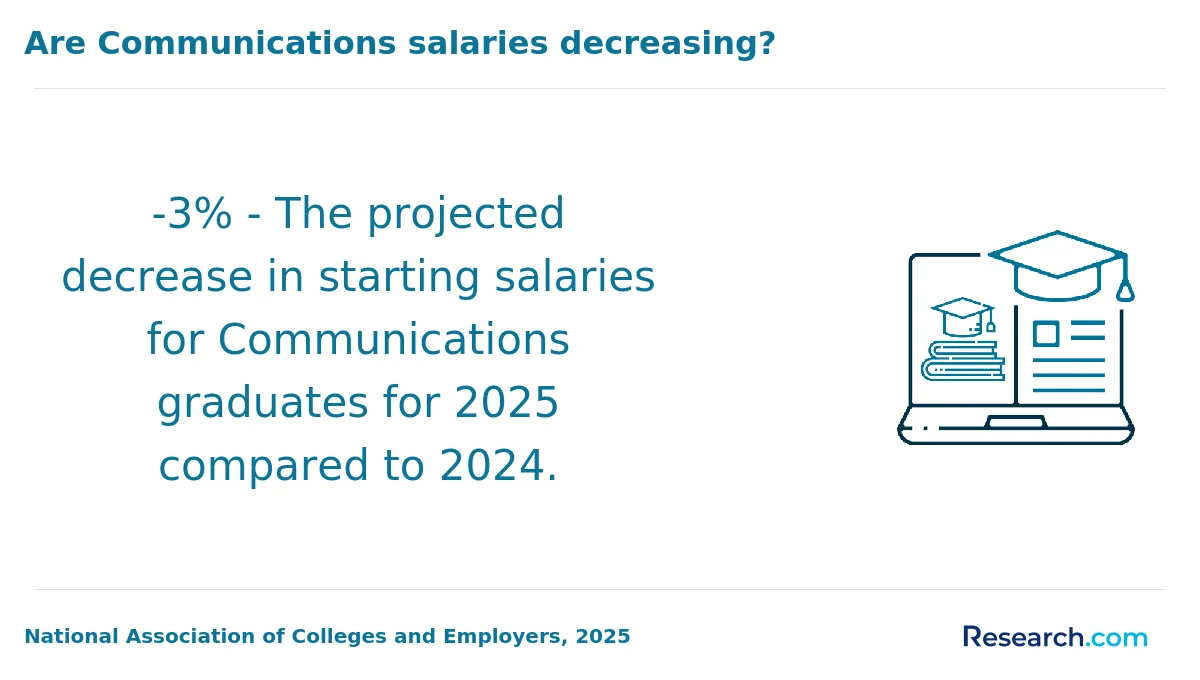
Graduates holding an online communication degree in Kansas often find promising salary opportunities, with many reporting starting salaries between $35,000 and $45,000. For example, those from popular institutions like the University of Kansas or Wichita State University share how their internships and networking in local media industries boosted their early earnings and opened doors to higher-paying roles.
Experienced professionals, especially those focusing on public relations or marketing communication, typically earn from $50,000 up to $70,000 annually. Corporate communication managers with advanced skills can see salaries ranging as high as $80,000, benefiting from Kansas's expanding sectors such as healthcare and technology, where effective communication is crucial.
Graduates appreciate the flexibility of online programs combined with the practical skills needed to thrive in Kansas's growing digital media landscape. Many envision advancing into specialized roles that leverage evolving platforms, suggesting even stronger earning potential as digital communication continues to transform traditional industries and create new opportunities statewide.
2027 Best Online Communication Degree Programs Ranking in Kansas
How do we rank schools?
Investing in your education is a significant decision that can shape your future, and the Research.com team understands the importance of making informed choices. To assist prospective students in Kansas, we have meticulously crafted the "2027 Best Online Communication Degree Programs Ranking in Kansas." Our commitment to quality, credibility, and accuracy is reflected in the extensive research and analysis conducted to compile this ranking.
We utilized the following reputable data sources to ensure a comprehensive evaluation of communication programs:
By exploring this ranking, readers will gain valuable insights into the best online communication degree programs available in Kansas, helping them make informed decisions about their educational paths. For more details on our methodology, please visit our Research.com methodology page.


Key Findings
- Tuition for online bachelor's degrees in communication at Kansas public universities ranges from $7,000 to $10,000 per year for in-state students.
- Private institutions in Kansas may charge between $15,000 and $25,000 annually, with some online programs offering competitive pricing or financial aid.
- Early-career salaries for communication graduates in Kansas average $40,000 to $45,000 annually, increasing to $60,000 to $70,000 with experience.
- Communication jobs in Kansas are projected to grow by about 8% over the next decade, driven by needs in digital content creation and social media management.
- Online programs typically include coursework in digital media, journalism, and strategic communication, often paired with internships or real-world projects.
- Kansas online communication programs are accredited and designed to be accessible for adult learners and working professionals without requiring relocation.
How long does it take to complete online communication degree in Kansas?
Completing an online communication degree in Kansas generally unfolds over about four years for full-time students at institutions like the University of Kansas or Kansas State University. Graduates often share how balancing coursework with work or family life inspired them to appreciate flexible schedules offered by these programs.
Some find accelerated options especially empowering, as shorter terms can shrink the typical timeline to around three years, making their academic dreams more reachable without sacrificing quality. For example, a student juggling a full-time job might comfortably finish their associate degree in two years while appreciating the support from their college's online resources.
Many graduates express how the realistic pacing-typically 120 to 130 credits for a bachelor's-feels manageable when paired with helpful faculty and adaptable deadlines. Part-time students, who may stretch their studies to five or six years, often emphasize a sense of steady progress amidst life's unpredictability, finding joy in each milestone reached.
What's the difference between online and on-campus communication degree?
Online communication degrees in Kansas, such as those offered by Wichita State University, open doors for students who juggle work or family by allowing flexibility in pace and location. Graduates often share how this format allowed them to balance life commitments while engaging deeply with course materials through digital platforms. Imagine logging in from home to participate in lively discussion boards or submit multimedia projects without the stress of commuting.
Conversely, on-campus programs at institutions like the University of Kansas provide a vibrant atmosphere where in-person collaboration sparks creativity. Students enjoy hands-on experiences in media labs and unplanned hallway conversations that can lead to internships or job connections. One graduate recalls how face-to-face networking at campus job fairs played a pivotal role in landing their first communication role.
Looking ahead, Kansas' communication programs may blend these strengths-leveraging immersive online tools and virtual reality to simulate campus interactions, fostering community while maintaining flexibility. This evolving landscape promises enriched experiences tailored to diverse student needs.
What is the average cost of online communication degree in Kansas?
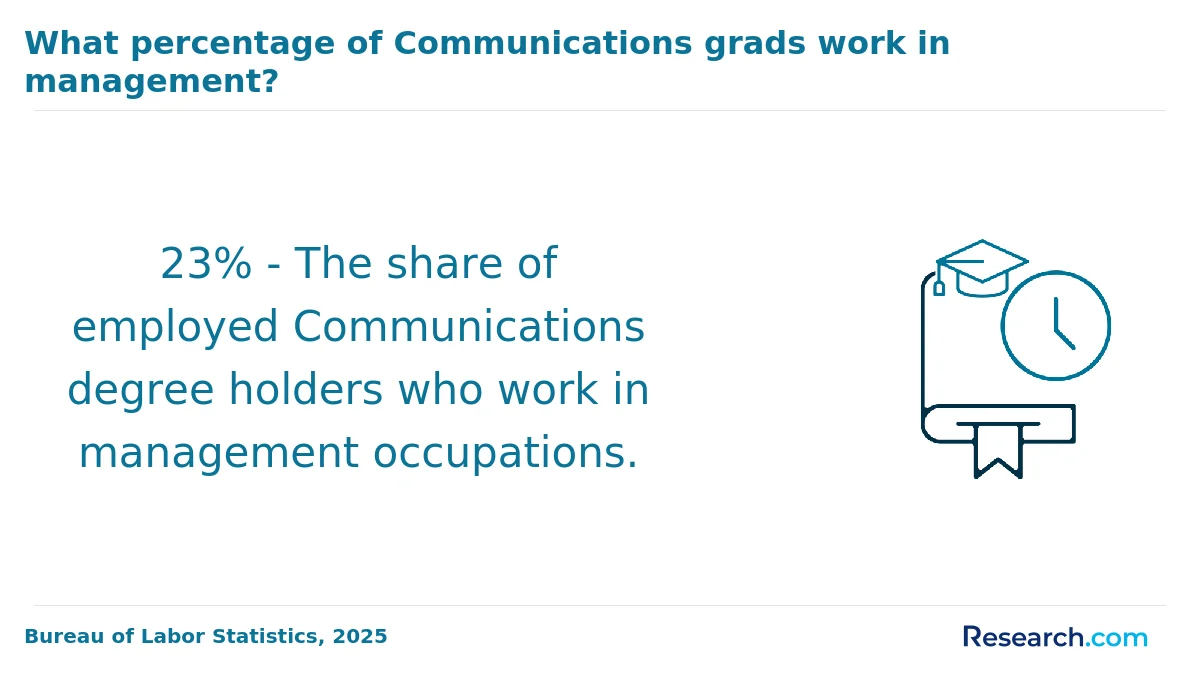
The average cost of an online communication degree in Kansas generally centers around a median total of $17,970. This figure aligns with the experiences of many graduates from well-known Kansas institutions offering flexible online communication programs. These students often share how manageable tuition costs, combined with the convenience of digital learning platforms, helped them pursue their educational goals without overwhelming financial strain. For example, public universities in Kansas typically offer in-state tuition rates near $9,300 annually, creating an accessible pathway to degree completion for state residents.
Tuition fees frequently depend on credit hours, with online communication students paying roughly $250 to $400 per credit at various Kansas universities. This range allows students to pace their studies according to individual circumstances, balancing coursework and personal commitments. Graduates often remark on how this pay-per-credit model contributed to a positive and less stressful experience compared to traditional on-campus tuition structures.
Additional costs such as technology fees, course materials, and textbooks might raise the total investment by $1,000 to $2,000, but many online programs integrate digital resources that help reduce these expenses. This proactive approach to affordability illustrates the evolving landscape for students exploring the average cost of online communication degree Kansas options.
Financial aid, scholarships, and employer tuition reimbursement opportunities further ease the financial burden for many students, particularly those enrolled at institutions with strong ties to regional workforce initiatives. Interested individuals might also find value in researching accelerated online communication degree programs available in Kansas, which can offer both time and cost savings for motivated learners.
What financial aid is available to online communication degree students in Kansas?
Kansas students pursuing online communication degrees often find a blend of financial aid options that make their education more affordable and exciting. Imagine a student at Wichita State University feeling relief as a Pell Grant covers part of their tuition without repayment worries. Others attending the University of Kansas benefit from state-specific aid such as the Kansas Comprehensive Grant, which supports online learners enrolled in eligible programs, easing financial pressures.
Merit-based scholarships awarded by these universities bring an extra boost of encouragement, rewarding academic effort and dedication. Many graduates recall how these institutional scholarships made their journey feel valued and achievable, fueling ambition.
Beyond school-sponsored aid, private scholarships from Kansas-based businesses and professional communication associations provide unexpected opportunities, turning community support into career stepping stones. While federal loans offer necessary backup funding, their cautious use is common among students aware of future repayment responsibilities. This mix of aid options opens doors, creating hopeful pathways for communication students across Kansas.
What are the prerequisites for enrolling in online communication degree program in Kansas?
To enroll in an online communication degree program in Kansas, students typically need a high school diploma or GED, creating a clear starting point for many eager learners. Graduates from popular universities like the University of Kansas often recall submitting official transcripts to confirm their academic backgrounds, which helped them feel confident their efforts mattered in the admission process.
While some Kansas schools still request SAT or ACT scores, many have embraced test-optional policies, relieving stress for adult learners balancing work and family. This shift reflects a growing appreciation for life experience and academic records over standardized testing, making the journey toward a communication degree more accessible.
Applicants may also be asked to write a personal statement outlining their passion for communication-a favorite milestone for students who enjoy sharing their ambitions and connecting with the program on a personal level. Finally, comfort with technology and access to reliable internet are essential, as fully online learning requires mastering digital platforms used by institutions such as Kansas State University, making students feel prepared and empowered for remote study.
What courses are typically in online communication degree programs in Kansas?
Online communication degrees in Kansas often include courses that build both foundational knowledge and practical skills essential for success in dynamic communication roles. Graduates from popular institutions like the University of Kansas share how Introduction to Communication Theory helped them grasp real-life conversations, from team meetings to community events, by breaking down complex human interactions into clear models.
Courses in Interpersonal Communication are frequently praised for boosting confidence, with students recalling tangible improvements in managing conflicts and relationships at work or home. Meanwhile, Public Speaking and Presentation Skills empower learners to deliver compelling speeches, vital for roles in media or healthcare communications within Kansas' diverse job market.
Emerging classes in Digital Communication and Social Media reflect the growing demand for savvy content creators, where graduates from Wichita State University report feeling excited to apply strategies that engage online audiences and influence public opinion. Others appreciate Media Writing and Reporting for teaching journalistic skills transferable to local newspapers and digital platforms.
Beyond basics, courses like Organizational Communication and Principles of Public Relations prepare students for leadership in companies or non-profits, fostering positive emotional connection through effective messaging. The holistic curriculum, anchored in Kansas's unique industries, offers a blend of theory and practice that graduates find both fulfilling and empowering.
What types of specializations are available in online communication degree programs in Kansas?
Online communication degree specializations Kansas students choose often reflect dynamic industry needs and regional job prospects. Graduates from universities like the University of Kansas and Kansas State University frequently highlight programs in Organizational Communication, which sharpen skills in leadership messaging and conflict management-ideal for Kansas's robust nonprofit and corporate sectors.
Others lean toward Public Relations and Media Studies, capitalizing on Kansas City's vibrant media landscape to gain hands-on experience through internships, fueling excitement about careers in digital storytelling and media relations. These students often share how their courses empower them to innovate in marketing and brand reputation management.
The rise of digital platforms has surged interest in Social Media Strategy concentrations at multiple Kansas colleges, helping students master audience engagement through analytics and content creation. Health Communication is another emerging specialization, especially relevant given regional healthcare challenges, where graduates feel a strong sense of purpose conveying vital information to diverse public groups.
Many students embrace the flexibility of combining minors or certificates with these core areas, enhancing their skill sets for various future roles. For those weighing options, exploring affordable online communication degree programs in Kansas can reveal valuable opportunities tailored to evolving communication careers.
How do you choose the best online communication degree in Kansas?
Choosing the best online communication degree in Kansas means weighing factors like accreditation, curriculum, and cost while envisioning your future career path. Graduates from Wichita State University often recall how their program's flexible, asynchronous classes allowed them to balance work and study, making their educational journey feel empowering rather than restrictive. When exploring the best online communication degree programs Kansas offers, seek programs tied to local industries to maximize internship and job placement opportunities. These connections frequently lead to meaningful real-world experiences that ignite passion and confidence.
Cost is another crucial consideration. Many students find relief when discovering affordable online communication degrees Kansas options that extend in-state tuition rates online, sometimes making a degree more accessible than expected. Comparing these expenses with options such as the affordable online bachelor's in journalism can reveal smart financial pathways without compromising quality. Imagine launching your communication career well-prepared and financially secure, thanks to smart program choices that fit your lifestyle and goals.
What career paths are available for online communication degree students in Kansas?
Graduates with an online communication degree in Kansas find themselves stepping into a vibrant job market filled with evolving opportunities. Many from universities like the University of Kansas and Kansas State University share experiences of swiftly moving into roles such as Social Media Manager or Corporate Communications Manager, where their skills in digital content and strategic messaging are highly valued. As industries increasingly embrace digital transformation, these roles expand, allowing graduates to shape brand narratives and engage audiences through innovative platforms.
Job opportunities with communication degree Kansas graduates often include positions like Public Relations Specialist or Content Creator, where storytelling meets marketing strategy. Some alumni highlight how their hands-on projects in broadcasting or technical writing helped them secure jobs with growing media outlets or tech companies. The positive outlook is reflected in the rising demand for experts skilled in social media management and digital communication planning.
For those curious about specialized pathways, learning how many years does it take to become a journalist can guide further focus. Exploring these career paths reveals how Kansas-based programs are preparing students to thrive in a connected, fast-moving communication landscape.
What is the job market for online communication degree in Kansas?
The job market for an online communication degree in Kansas is promising, especially as industries in Wichita, Overland Park, and Kansas City increasingly rely on skilled communicators. Graduates from popular institutions like the University of Kansas and Kansas State University often find themselves well-prepared for roles that require mastery of digital platforms and storytelling. Many graduates share how their flexible online studies allowed them to gain practical skills while balancing work, which helped secure positions in corporate communications and digital marketing.
Employers in Kansas value candidates who can navigate multiple communication channels and analyze audience engagement using data-driven approaches. This demand aligns with the expanding roles available, from social media management to technical writing. Graduates report positive experiences entering a job market with consistent opportunities, reflecting an outlook shared in many analyses of Kansas communication degree employment opportunities.
As businesses adopt remote work and prioritize digital strategies, the skill set provided by an online communication degree becomes even more valuable. Those pursuing this path are encouraged to explore a list of careers in public relations to better understand potential career paths and future growth areas.
Frequently Asked Questions About communication
Students pursuing online communication degrees in Kansas can enhance their learning by actively engaging with course materials and participating in virtual discussions. Research shows that Kansas ranks among the top states for digital communication job growth, making practical skills essential.
Utilizing campus resources such as online tutoring and career counseling, even remotely, can improve understanding and career readiness. Networking with peers and faculty through virtual events or social media groups also builds professional connections.
Staying updated on Kansas media trends and local communication practices adds relevant context to studies. According to the Kansas Department of Labor, communication-related roles are expected to grow 8% through 2030, highlighting the value of focused learning.
The communication field continues to evolve with new niches driven by digital transformation. In Kansas, areas such as social media management, digital marketing, and data-driven communication are gaining traction. According to the Bureau of Labor Statistics, jobs in digital communication are expected to grow by 13% nationally through 2032.
Emerging roles often combine communication skills with technology, including content strategy for virtual reality and podcast production. Additionally, health communication has expanded, especially given recent public health challenges, requiring professionals who can effectively translate complex information.
Kansas institutions increasingly incorporate these specializations into their online communication degrees, aligning with market demand.
After earning an online communication degree in Kansas, preparing for the job market involves developing both practical skills and professional connections. Graduates should build a strong portfolio showcasing writing, digital media, and public speaking abilities, as employers in Kansas often seek communication specialists with versatile expertise. According to the Kansas Department of Labor, communication-related jobs in media and public relations are expected to grow by about 5% through 2030.
Internships or volunteer roles with local organizations can provide valuable experience and networking opportunities. Additionally, joining professional groups such as the Kansas Communication Association can help graduates stay informed about industry trends and job openings.
Familiarity with digital marketing tools and social media analytics is increasingly important, as many Kansas companies emphasize online engagement. Continuous learning through workshops or certifications can enhance a graduate's marketability in this evolving field.
Employers in Kansas seek communication degree graduates with strong interpersonal and digital communication skills. According to the Kansas Department of Labor, effective verbal and written communication ranks among the top competencies required for roles in public relations, marketing, and corporate communications across the state.
Critical thinking and adaptability are also highly valued, as graduates must navigate diverse media platforms and rapidly changing technologies. Data analysis skills, especially in interpreting audience metrics and social media trends, enhance a candidate's employability in Kansas' growing digital marketing sector.
Additionally, teamwork and leadership abilities are essential, with many Kansas employers emphasizing collaborative projects and cross-functional communication in their job descriptions.
Finding internships in Kansas relevant to a communication degree involves targeted research and networking. Many universities offering online communication programs maintain partnerships with local businesses and media outlets, providing internship placement assistance.
Specifically, Kansas has a growing media and marketing sector, including companies in Wichita and Overland Park, where communication interns are often sought. Websites like the Kansas Department of Labor and local chambers of commerce frequently list internship openings in public relations, journalism, and digital marketing.
Students are encouraged to use professional platforms such as LinkedIn to connect with Kansas-based communication professionals. Additionally, organizations such as the Kansas Association of Broadcasters and public relations firms may offer internships relevant to communication fields.
According to the U.S. Bureau of Labor Statistics, communications-related internships in Kansas have grown by approximately 8% over the past five years, reflecting expanding opportunities for students.
An online communication degree can significantly enhance career mobility and advancement opportunities for professionals in Kansas. The state's diverse economy, including sectors like education, media, healthcare, and public relations, values strong communication skills essential for leadership and specialized roles.
According to the U.S. Bureau of Labor Statistics, employment of communication specialists in Kansas is expected to grow by 5% from 2022 to 2032, reflecting steady demand. Earning a degree online allows flexibility for working adults to upskill while maintaining employment, increasing chances for promotions or career changes.
Graduates often qualify for roles in marketing management, corporate communication, and digital media, which typically offer higher salaries and leadership tracks. Regional employers also recognize accredited online degrees, contributing to upward mobility.
Studying for an online communication degree in Kansas equips students with versatile skills valued across many industries. Kansas institutions emphasize critical thinking, media literacy, and interpersonal communication, which are essential for interdisciplinary work. According to the Kansas Board of Regents, graduates often find roles in marketing, public relations, healthcare, and education, where communication intersects with other fields.
Courses typically include conflict resolution, technology use, and cultural studies, fostering adaptability. The state's economy, with strong sectors like agriculture, manufacturing, and healthcare, benefits from professionals who can bridge communication gaps between technical experts and the public. This broad skill set prepares graduates for diverse career paths locally and beyond.
Choosing between a thesis and a non-thesis online communication degree program in Kansas depends largely on your career goals and learning preferences. Thesis programs typically emphasize research skills and can prepare students for doctoral studies or research-intensive careers. Non-thesis options often focus more on practical skills, coursework, and professional applications, appealing to those seeking immediate employment in fields like public relations or media.
In Kansas, several universities offer both formats, with thesis programs usually requiring 6 to 9 credit hours of original research. According to the National Center for Education Statistics, graduates from thesis tracks are 30% more likely to pursue advanced degrees.
Consider your future plans carefully: if aiming for academic roles or specialized research jobs, a thesis might be beneficial. For business or communication management roles, the non-thesis path may be more suitable.
Students in Kansas pursuing online communication degrees have several pathways to incorporate international study into their education. Many universities in the US offer study abroad programs or international internships through partnerships with foreign institutions, allowing students to earn credits while immersed in a global context.
For Kansas students, schools such as the University of Kansas and Kansas State University frequently provide such opportunities. These programs often focus on media, intercultural communication, and global public relations. According to the Institute of International Education, nearly 15% of communication majors nationwide participate in study abroad experiences, reflecting growing interest.
Online students can benefit from hybrid models combining virtual coursework with short-term travel abroad, offering flexibility without compromising degree progress. Additionally, virtual international exchanges and collaborative projects using digital platforms are expanding, especially post-pandemic.
Students pursuing online communication degrees in Kansas have various part-time job options that enhance their academic experience and resume. Common opportunities include roles in social media management, where students apply their skills in content creation and audience engagement.
Additionally, positions such as public relations assistants or communications interns at local media outlets provide hands-on experience in writing, event planning, and media relations. According to the Kansas Department of Labor, the marketing and advertising sector in Kansas has seen steady job growth, supporting these roles.
Freelance writing or editing for Kansas-based businesses can further develop research and storytelling abilities relevant to communication careers. These jobs allow students to balance work with study efficiently.
Online communication students in Kansas benefit from multiple networking opportunities despite studying remotely. Many universities, such as the University of Kansas and Kansas State University, offer virtual career fairs and alumni networking events tailored to communications students. These events enable students to connect with industry professionals and potential employers within the state.
Local chapters of communication organizations like the Kansas Association of Broadcasters and the Public Relations Society of America-Kansas City provide additional networking platforms. Membership often includes access to workshops, conferences, and mentoring programs relevant to communication fields.
Moreover, Kansas ranks in the top 30 states for media and communications jobs, according to the U.S. Bureau of Labor Statistics, offering strong professional prospects for graduates who actively engage in regional networks.
Alumni networks provide significant advantages for online communication degree students in Kansas. These networks connect current students with graduates who have experience in the local job market, offering valuable insights into regional communication industries.
Access to alumni mentorship helps students develop practical skills and professional relationships, which can increase job placement rates. According to the Kansas Board of Regents, institutions with strong alumni engagement boast employment rates near 85% in communication-related fields within six months of graduation.
Moreover, alumni often share internship opportunities and facilitate introductions to employers in Kansas media, public relations, and corporate communication sectors. This support enhances students' ability to secure relevant positions after completing their degrees.
Participating in alumni events also fosters a sense of community, encouraging ongoing professional development and networking beyond graduation.
In Kansas, students pursuing an online communication degree can tailor their studies by selecting electives that align with specific career goals such as public relations, digital media, or organizational communication. Many Kansas universities offering online programs provide concentrations or certificates within communication degrees, allowing focused skill development.
Additionally, students can engage in internships or capstone projects with local media outlets, businesses, or nonprofit organizations, which help build relevant experience. According to the Kansas Board of Regents, customization options are increasingly emphasized to meet workforce demands in sectors like marketing and corporate communication.
Advisors also play a key role by guiding course choices to balance theoretical knowledge with practical application.
Online communication students in Kansas often face challenges related to balancing coursework with personal and professional responsibilities. Many learners juggle jobs and family duties while adapting to the demands of virtual education. According to the National Center for Education Statistics, adult learners constitute a significant portion of online students nationwide, highlighting time management as a key hurdle.
Technical issues pose another barrier, especially in rural parts of Kansas where internet connectivity can be unreliable. This limits access to live lectures and interactive assignments, affecting the overall learning experience.
Additionally, some students report difficulties building networking opportunities and collaborative skills through online platforms, which are essential in communication careers. Institutions often recommend proactive engagement to overcome these obstacles.
Graduates with an online communication degree in Kansas can pursue various professional certifications to enhance their credentials. Popular options include the Accredited Business Communicator (ABC) certification from the International Association of Business Communicators, which validates skills in corporate communication.
Public relations specialists often aim for the Communication Management Professional (CMP) certification, demonstrating expertise in strategic communication.
For digital media focus, certifications like the Digital Marketing Certificate through Kansas-based organizations provide practical skills highly valued by local employers. According to the Kansas Department of Labor, communication-related fields are expected to grow by 7% through 2030, increasing demand for certified professionals.
Writing a winning application for an online communication program in Kansas requires clear focus and preparation. Start by researching each program's specific requirements, as Kansas universities often value relevant experience and strong writing skills. Highlight any prior work or volunteer communication roles, showcasing your ability to manage digital platforms or public relations.
Many programs request a personal statement; use this to explain your career goals and why an online format suits your needs. According to the Kansas Board of Regents, online enrollment has grown steadily, showing the state's commitment to accessible education-mentioning this trend can demonstrate your awareness of educational opportunities.
Ensure your application includes well-edited writing samples, as effective communication is essential. Finally, meet all deadlines and maintain professional formatting to present yourself as a serious candidate.
Communication careers are increasingly valued worldwide for their role in connecting people and organizations. In the U.S., including Kansas, communication professionals often work in public relations, marketing, media, and corporate communications. According to the U.S. Bureau of Labor Statistics, employment in communication-related fields is projected to grow by 10% through 2032, reflecting strong demand.
Globally, communication skills are essential in multicultural and digital environments. For Kansas students pursuing online degrees, understanding global communication trends can enhance their job prospects.
The Kansas Department of Labor highlights steady growth in communication jobs within the state's urban centers, especially in technology and healthcare sectors. Online communication programs equip students with skills relevant both locally and internationally, addressing the global need for effective messaging across diverse audiences.
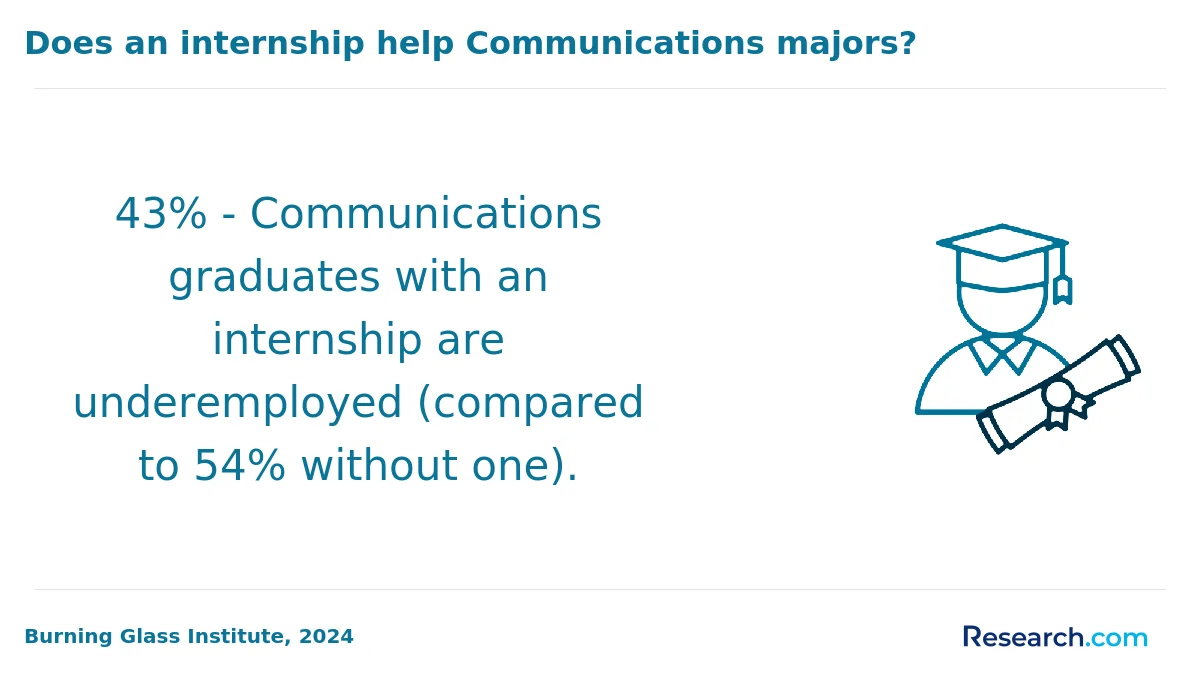
Gaining practical experience while studying for an online communication degree in Kansas is essential for career readiness. Many Kansas universities encourage internships with local media outlets, businesses, and nonprofit organizations. These internships offer real-world exposure and networking opportunities.
Students can also participate in virtual practicums or capstone projects, which simulate workplace challenges. According to the Kansas Board of Regents, over 60% of communication undergraduates engage in internships before graduation. Additionally, joining Kansas-based communication clubs or online student organizations helps build skills and professional connections.
Volunteering for community media or online content creation is another effective method to apply classroom knowledge practically while studying remotely.
Choosing the right concentration within an online communication degree program in Kansas involves understanding your career goals and local job market trends. Popular concentrations include public relations, digital media, corporate communication, and journalism. According to the Kansas Department of Labor, communication-related jobs are expected to grow by about 7% through 2030, especially in marketing and media sectors.
Students should consider programs that offer specialized courses aligned with Kansas' industry needs, such as agriculture communication or government relations. Reviewing curriculum details and internship opportunities available through local businesses can also guide your choice.
Finally, consider faculty expertise and alumni outcomes to ensure the concentration fits your professional aspirations.
Related Communication Rankings for Nearby States
- 2027 Best Online Communication Degree Programs Ranking in Missouri
- 2027 Best Online Communication Degree Programs Ranking in Colorado
- 2027 Best Online Communication Degree Programs Ranking in Arkansas
- 2027 Best Online Communication Degree Programs Ranking in Illinois
- 2027 Best Online Communication Degree Programs Ranking in Kentucky
- 2027 Best Online Communication Degree Programs Ranking in Georgia
- 2027 Best Online Communication Degree Programs Ranking in Florida
- 2027 Best Online Communication Degree Programs Ranking in Ohio
- 2027 Best Online Communication Degree Programs Ranking in North Carolina
- 2027 Best Online Communication Degree Programs Ranking in Virginia
Top Trending Communication Rankings
References
- Online BA in Communication https://www.wiu.edu/cofac/communication/online_BA.php
- Utilize Your Alumni Networks https://www.keg.com/news/ways-to-use-your-alumni-networks-for-the-better
- What Kind of Jobs Can You Get With a Communications Degree? https://www.belmont.edu/stories/articles/2025/what-kind-of-jobs-can-you-get-with-a-communications-degree.html
- PR strategies for niche markets: Gaining visibility through targeted communication - HBI Communication https://www.hbi.de/en/blog/pr-strategies-for-niche-markets-gaining-visibility-through-targeted-communication/
- Online Communication Degree | University of Phoenix https://www.phoenix.edu/online-liberal-arts-degrees/communication-bachelors-degree.html
- Online Graduate Certificate Programs in Communication: Strategic, Business https://www.mastersincommunications.com/faqs/graduate-certificate-programs-in-communication
- Communication - Professional Communication Emphasis https://online.umkc.edu/programs/ba-professional-communication/index.php
- Communication Skills that will advance your career https://dcmlearning.ie/blog/communication-skills-that-will-advance-your-career.html
- Communication & Journalism Study Abroad Programs - Media, PR https://www.ceastudyabroad.com/academic-discipline/communication-journalism
- Communications Specialist Certifications: Best Credentials to Advance Your Career | Teal https://www.tealhq.com/career-paths/communications-specialist-certifications