2027 Best Online Communication Degree Programs Ranking in Colorado

Co-Founder and Chief Data Scientist
Choosing the right online communication degree program in Colorado can feel overwhelming. This article presents the 2027 Best Online Communication Degree Programs Ranking in Colorado, created by the Research.com team of data scientists. Their detailed analysis helps you identify programs that truly stand out.
By exploring this ranking, you'll gain clarity on which schools offer valuable opportunities to develop essential skills. Earning a communication degree opens doors to exciting careers and personal growth. This guide empowers you to make informed decisions with confidence as you plan your educational journey.
Key benefits of getting online communication degree in Colorado
- Communication graduates in Colorado can expect rewarding careers, with general US salaries for related roles like public relations specialists averaging around $62,810 per year, offering a solid financial foundation.
- A graduate from the University of Colorado Boulder typically explores diverse career paths such as media planning, corporate communication, or digital marketing, opening doors to creative and dynamic industries.
- Online communication degrees from institutions like Colorado State University Global provide flexibility and convenience, allowing students to balance work and study while gaining the same valuable skills as traditional programs.
- 2027 Best Online Communication Degree Programs Ranking in Colorado
- What can I expect from online communication degree in Colorado?
- Where can I work with online communication degree in Colorado?
What can I expect from online communication degree in Colorado?
The average cost of an online communication degree in Colorado typically ranges between $15,000 and $30,000 for a bachelor's program, but this can vary depending on the institution and whether you qualify for in-state tuition. For example, graduates from schools like the University of Colorado-Denver often share how the affordability paired with high-quality instruction made pursuing their degree manageable and rewarding.
Many students from Colorado State University report feeling energized knowing their investment connects them to extensive digital marketing and media networks within Denver and Boulder, where internships provide hands-on experience. This real-world exposure complements the solid foundation of communication theory and strategic skills taught online.
Studying at an accredited Colorado institution also means your degree holds weight with local employers. Graduates often describe the confidence they gained through courses that emphasize clear writing, multimedia storytelling, and social media strategy - skills in high demand across Colorado's expanding digital media and corporate sectors.
Where can I work with online communication degree in Colorado?
Graduates with an online communication degree in Colorado find themselves in a thriving job market filled with exciting opportunities. Whether you studied at the University of Colorado Boulder or Colorado State University, you'll discover that places like Denver, Boulder, and Colorado Springs buzz with demand for communication professionals. Imagine working in public relations for a tech startup in Boulder, shaping brand stories that capture attention and drive success-many graduates have stepped into roles like this, feeling energized by their impact.
Others pursue careers in digital media and marketing, crafting social media campaigns or managing content for innovative companies growing rapidly in the region. These roles tap into creativity and analytical skills, creating a dynamic workday that keeps graduates motivated.
Public sector and nonprofit organizations also offer meaningful careers. Graduates often help community programs communicate effectively, whether they're organizing public health campaigns or advancing environmental awareness across Colorado.
Lastly, graduates report rewarding positions in media outlets such as Denver's TV and radio stations, where storytelling and adaptability are vital every day. Your studies prepare you well for these roles, giving you confidence to enter Colorado's vibrant communication landscape.
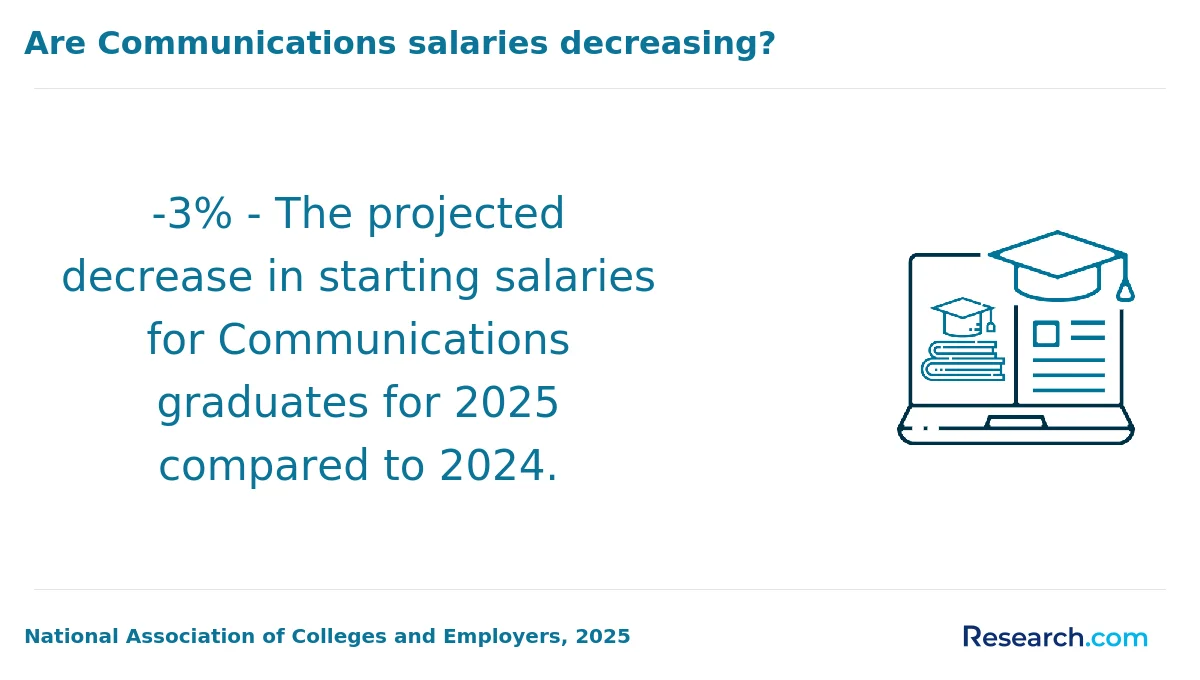
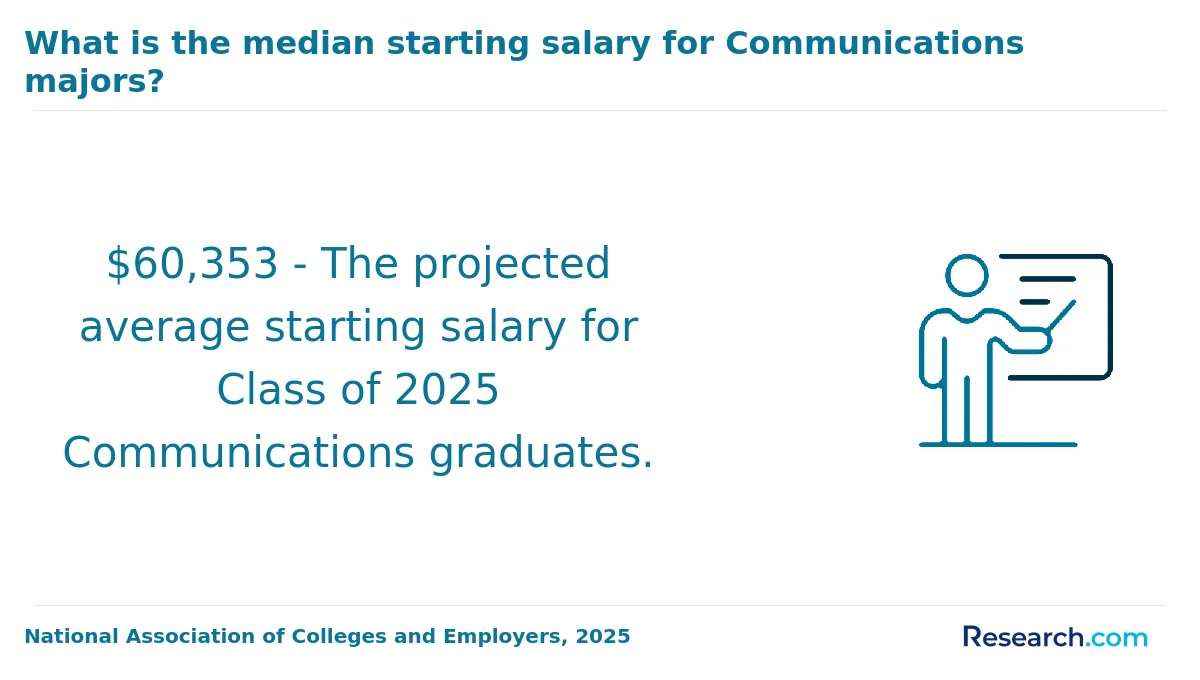
Graduates with an online communication degree in Colorado can expect to start their careers with salaries around $40,000 annually in entry-level roles such as public relations coordinators or communication assistants. Many students from well-known institutions like the University of Colorado Boulder or Colorado State University discover that gaining hands-on experience during their studies significantly boosts their earning potential.
With a few years of experience, especially in thriving sectors like technology or corporate communication in Denver and Boulder, salaries often rise to between $60,000 and $75,000. Graduates who sharpen skills in digital media or content creation find themselves in even stronger positions to negotiate higher pay.
For those advancing toward managerial roles, public relations managers can earn a median of about $85,000, while marketing managers with a communication background surpass $90,000. These figures reflect a vibrant job market that rewards professionals who combine their degree with practical skills and adaptability.
Choosing to study communication online in Colorado not only offers flexibility but also connects students to a growing ecosystem where creative and analytical talents are highly valued and fairly compensated.
- Tuition for online communication degrees in Colorado ranges from $300 to $600 per credit hour for in-state students, totaling about $18,000 to $36,000 for a 120-credit bachelor's degree.
- The average starting salary for communication graduates in Colorado is around $45,000 per year, increasing to a median annual salary of about $70,000 after five to ten years of experience.
- Job growth for communication professionals in Colorado is projected to increase by approximately 7% over the next decade.
- Key cities like Denver and Colorado Springs offer many job opportunities in advertising, media, nonprofits, and government sectors.
- Online programs focus on skills like digital writing, media analysis, and strategic communication, often including internships and practical projects to boost job readiness.
Completing an online communication degree in Colorado generally aligns with the standard timelines seen nationwide, but your journey can be uniquely tailored. For instance, bachelor's degrees at schools like Colorado State University or the University of Colorado often take about four years when studying full-time. Many graduates share how this timeframe allowed them to deeply engage with their courses while balancing work or family.
If your schedule is busier, part-time study is a viable option-students often take five to six years, making it easier to manage other commitments without feeling overwhelmed. Some graduates appreciated this slower pace, as it reduced stress and allowed for steady progress.
For those aiming to jump in quickly, associate degrees from community colleges can be completed in about two years, offering a solid foundation or a stepping stone toward a bachelor's program. Meanwhile, online master's programs in Colorado typically take two years, though accelerated tracks can shorten this to as little as 12 to 18 months, making it a perfect choice for motivated professionals ready to advance swiftly.
The key difference between online and on-campus communication degrees in Colorado lies in how you experience learning. Graduates from programs at universities like the University of Colorado Boulder often recall how on-campus classes allowed them to engage directly with professors and classmates, sparking lively debates and instant feedback that enriched group projects. This face-to-face setting builds powerful networking skills and deepens your connection to the campus community.
Meanwhile, those who pursued their communication degrees online at institutions such as Colorado State University appreciate the flexibility to study from anywhere across the state-whether you're balancing a job in Denver or family commitments in Fort Collins. Online programs leverage technology to deliver lectures and discussions asynchronously, allowing you to learn at your own pace, which many find empowering and adaptable to their unique schedules.
Choosing between these formats means considering your lifestyle, how you thrive best, and your goals for hands-on experiences and local internships within Colorado's vibrant media and communication industries.
The average cost of an online communication degree in Colorado typically centers around a total of $50,040, which offers a clear picture for students planning their futures. Graduates from well-regarded institutions like Colorado State University Global Campus often recall the manageable tuition rates of about $350 per credit hour, which can make the commitment feel both realistic and worth the investment. This balance of quality and affordability is one reason many find pursuing their communication studies in Colorado motivating and accessible.
When exploring online communication degree tuition fees Colorado residents benefit from lower costs at public universities, compared to private institutions whose rates can surpass $1,000 per credit hour. One graduate's experience highlights how effective budget planning, combined with available scholarships and financial aid, can soften these costs and keep education within reach. Considering these factors encourages students to weigh not only tuition but also additional fees like technology or course materials, which can influence the final price tag.
For students seeking more accelerated paths, it's worth checking programs like the accelerated communication online degree options, which blend affordability with faster completion. This approach can be both financially and personally rewarding, helping students jumpstart their careers without an overwhelming financial burden.
When pursuing an online communication degree in Colorado, financial aid options can truly make a difference in your educational journey. Many graduates from the University of Colorado's online programs recall how institutional scholarships, sometimes covering up to half of their tuition, lifted a heavy financial burden and empowered them to focus on learning.
Filling out the FAFSA is a crucial first step, opening access to federal Pell Grants that can provide up to $7,395 annually without needing repayment. These grants are a real game-changer for many communication students navigating budgeting challenges.
Colorado's state-specific awards, like the Colorado Opportunity Scholarship Initiative (COSI), offer $1,000 to $3,000 each year, supporting students in high-demand fields such as communication. These funds can be the key to making higher education more affordable and attainable.
Don't overlook work-study jobs or employer tuition assistance; some media companies in Colorado actively collaborate with universities to help employees advance their skills while easing tuition fees. Graduates often share how these opportunities not only provided financial relief but also valuable professional connections.
Lastly, exploring scholarships from organizations like the National Communication Association enhances chances to secure extra funding. Reaching out early to your chosen school's financial aid office can uncover personalized aid pathways tailored just for you.
To enroll in an online communication degree in Colorado, you'll need to meet some essential prerequisites that set you up for success. Most undergraduate programs, like those at the University of Colorado or Colorado State University, ask for a high school diploma or GED. Graduates often recall how meeting a GPA threshold around 2.5 gave them confidence, knowing they were prepared for the challenges ahead.
Official transcripts play a key role, painting a clear picture of your academic journey so far. If you're transferring from another college, having at least 24 transferable credits can smooth your path into these programs. Many online students find this structure helpful, grounding their ambitions with tangible benchmarks.
For graduate studies, a bachelor's degree with a decent GPA-usually between 2.5 and 3.0-is necessary. Alumni from Colorado's graduate communication programs often highlight how submitting thoughtful letters of recommendation or a strong statement of purpose helped them stand out. These prerequisites reflect real-world readiness, encouraging you to showcase your unique voice and experiences right from the start.
When you enroll in an online communication degree in Colorado, expect a thoughtfully crafted curriculum blending theory and hands-on skills. Many graduates from popular institutions like the University of Colorado and Colorado State University recall how foundational courses in communication theory illuminated the ways messages travel and influence audiences, a key insight for any future communicator.
Courses in mass communication often transport students into the heart of media industries, helping them grasp journalism and digital platforms-skills that proved invaluable to graduates juggling marketing roles remotely. Interpersonal communication classes go beyond lecture halls, teaching techniques like negotiation and conflict resolution that alumni use daily in professional and personal settings.
Given Colorado's evolving digital landscape, students engage deeply with digital media and social media strategy courses, gaining real-world tools to build online brand presence. Writing-intensive classes fortify students' abilities to craft compelling stories and conduct research, a confidence booster for those moving into public relations or corporate communication roles.
Electives let students personalize their journey, choosing paths in advertising or crisis communication, empowering them to pursue their passions within Colorado's dynamic job market.
If you're exploring an online communication degree specializations Colorado offers, you'll find several paths tailored to distinct career ambitions. Graduates from universities like the University of Colorado Denver often highlight how Strategic Communication empowered them to lead impactful campaigns in nonprofit or corporate settings. This specialization sharpens skills in crafting persuasive messaging, which employers highly value across industries.
For those who thrive in creative, tech-savvy roles, Digital Media and Communication is a perfect fit. Students at institutions such as Colorado State University gain hands-on experience in social media management and multimedia production, benefiting from the state's vibrant tech hubs like Boulder. This specialization aligns perfectly with the growing demand in Colorado's digital sector and allows graduates to command competitive salaries.
Many also pursue Health Communication, combining theory with the practical needs of public health outreach-an area especially relevant given Colorado's investment in health education. Others appreciate Environmental Communication, which taps into Colorado's leadership in sustainability, allowing students to inspire real-world environmental action. You can discover more about affordable options by exploring an affordable communication online degree that fits your goals.
Choosing the best online communication degree in Colorado means looking beyond just tuition and course lists. Graduates from popular Colorado institutions often share how a program's flexibility made all the difference-being able to attend asynchronous classes allowed them to juggle jobs, family, and studies without feeling overwhelmed. Focus on programs offering a mix of media studies, public relations, and hands-on opportunities. For example, many students praised Colorado universities for integrating projects where they applied strategic communication skills directly to local businesses, boosting both confidence and resumes.
Affordability is another key-many find that exploring affordable online communication programs Colorado offers opens doors to quality education without breaking the bank. Consider the value of financial aid and scholarships available specifically for online communication learners. Some graduates found their journey smoother by choosing accredited schools with proven graduation and employment rates.
Remember, a great program often includes strong faculty support and career advising. To deepen your research, check out options like an affordable bachelor's degree in journalism online for insights on balancing cost and quality while setting up your future.
If you're pursuing an online communication degree in Colorado, the career opportunities are as dynamic as the state's growing industries. Graduates from universities like the University of Colorado Boulder and Colorado State University find themselves thriving in roles such as public relations specialists, marketing coordinators, and social media managers. These positions allow you to shape a company's image, develop creative campaigns, or lead digital engagement-all crucial in cities like Denver and Colorado Springs where businesses demand skilled communicators.
Many graduates also explore corporate communications or content creation, merging storytelling with strategy to impact internal and external audiences. Some even transition into broadcasting or media production, energized by Colorado's vibrant media landscape. Success stories often highlight how expertise gained has translated into impactful work that resonates locally and nationally.
For those considering broader options, including degrees in journalism, explore degrees in journalism that complement communication skills with investigative rigor, enhancing your career potential.
Remember, your online communication degree jobs Colorado opens doors to thrilling career paths tailored to your passion and talents, fueled by hands-on experience and Colorado's diverse market.
The job market for graduates with an online communication degree in Colorado is bright and filled with opportunity. Graduates from well-known institutions like the University of Colorado Boulder often find themselves stepping confidently into roles in public relations, digital media, and marketing, thanks to Colorado's vibrant economy and expanding sectors. Many communication degree holders thrive in Denver's dynamic media landscape or with tech startups that value clear, strategic messaging. This real-world success reflects the strong demand for communicators capable of navigating today's digital and hybrid work environments.
Students focusing on communication degree career opportunities Colorado appreciate that their skills open doors in industries such as healthcare, education, and corporate communications, where clear, impactful messaging is essential. Graduates frequently share how their online programs prepared them to handle fast-paced content creation and social media strategies, enhancing their job prospects.
For those curious about career paths, exploring careers in pr reveals promising salaries and growth potential, reinforcing the value of investing in a communication degree in Colorado.
2027 Best Online Communication Degree Programs Ranking in Colorado
Investing in your education is a significant decision that can shape your future, and the Research.com team understands the importance of making informed choices. To assist prospective students in Colorado, we have meticulously crafted the "2027 Best Online Communication Degree Programs Ranking in Colorado." Our commitment to quality, credibility, and accuracy is reflected in the extensive research and analysis conducted to compile this ranking.
We utilized the following reputable data sources to ensure a comprehensive evaluation of communication programs:
By exploring this ranking, readers will gain valuable insights into the top online communication degree programs in Colorado, empowering them to make well-informed decisions about their educational journeys. For more details on our methodology, please visit our Research.com methodology page.

# 2 position
Colorado Christian University
Bachelor of Communication Studies


Frequently Asked Questions About communication
Students pursuing online communication degrees in Colorado can enhance their experience by actively engaging with digital course materials and participating in virtual discussions. Colorado has a growing job market in media and public relations, with a 12% increase in communication roles expected through 2030, according to the Colorado Department of Labor and Employment.
Utilizing state-supported resources such as libraries and online databases available through Colorado institutions helps deepen research skills. Networking with professionals via LinkedIn groups focused on Colorado communication industries can also provide valuable insight and internship opportunities.
Moreover, setting a structured study schedule and seeking feedback from instructors improves retention and practical skills essential to communication careers.
The communication field is evolving rapidly with several emerging niches gaining importance, especially for students pursuing online communication degrees in Colorado. Digital content creation, social media strategy, and data-driven communication are becoming critical skills as organizations seek experts who can navigate online platforms effectively.
Colorado's growing tech industry fuels demand for professionals skilled in cybersecurity communication and crisis management. According to the Colorado Department of Labor and Employment, communication roles related to digital media and public relations are predicted to grow by over 10% through 2030.
Additionally, health communication is expanding due to public health initiatives and Colorado's emphasis on wellness education. These niches offer promising career opportunities for graduates prepared to work in multi-platform and interdisciplinary environments.
After earning an online communication degree in Colorado, preparing for the job market involves focused skill development and leveraging local resources. Graduates should build strong portfolios showcasing writing, digital media, and public speaking abilities to appeal to Colorado's competitive communications sector. According to the U.S. Bureau of Labor Statistics, Colorado's communication-related jobs, such as public relations specialists and media coordinators, are expected to grow by 10% through 2030, slightly above the national average.
Networking plays a vital role. Joining Colorado-based professional organizations like the Public Relations Society of America (PRSA) Denver chapter can open doors. Internships or volunteer work with local media outlets or businesses enhance real-world experience. Additionally, mastering tools like social media analytics and content management systems increases employability in a digital-driven market.
Employers in Colorado highly value communication degree graduates who demonstrate strong interpersonal and multimedia skills. According to the Colorado Department of Labor and Employment, effective oral and written communication ranks among the top five skills sought in the communication field statewide.
In addition, proficiency with digital tools, such as social media management and video production, is increasingly critical due to the rise of online platforms. Analytical thinking and the ability to craft clear messages tailored to diverse audiences also stand out as essential attributes.
Colorado employers often favor graduates with practical experience in teamwork and public relations, reflecting local industry demands in marketing, media, and corporate communications.
Finding internships in Colorado related to a communication degree involves using targeted resources and local networks. Many universities such as the University of Colorado and Colorado State University offer career centers that list internships in fields like public relations, media, and corporate communication. Students can also explore statewide job platforms like Colorado Workforce Centers and Handshake, which often feature communication-specific internships.
In addition, professional organizations such as the Colorado Broadcasters Association and Public Relations Society of America's Denver chapter maintain internship listings and networking events. Leveraging these connections increases the chance of securing relevant opportunities. According to the Colorado Department of Labor, communication internships in Denver and Boulder have grown steadily by over 5% annually, reflecting strong demand.
An online communication degree in Colorado can significantly enhance career mobility and advancement opportunities. Employers in sectors like public relations, media, and corporate communications often prioritize candidates with formal education in communication theories and digital tools. According to the Colorado Department of Labor and Employment, jobs in media and communication show a projected growth rate of 6% from 2022 to 2032, outpacing many other fields.
Graduates gain versatile skills in writing, digital media, and interpersonal communication, which apply across industries. This versatility allows professionals to shift roles more easily, from marketing to public affairs or social media management. Additionally, online programs offer flexibility for working adults, enabling them to upskill without interrupting their employment.
Research from the National Communication Association highlights that communication graduates often report faster promotions and salary increases due to their strong strategic and analytical abilities. In Colorado, local companies increasingly seek professionals who can adapt messaging to diverse audiences, benefiting those with a solid communication background.
Studying for a communication degree in Colorado equips students with versatile skills applicable across many fields. Programs often combine core communication theories with practical training in digital media, public relations, and organizational communication.
Colorado's diverse economy-including technology, healthcare, and government sectors-benefits from graduates who can navigate interdisciplinary roles. According to the Colorado Department of Higher Education, communication-related occupations in the state are projected to grow by 8% through 2030, reflecting demand for adaptable professionals.
Online degrees provide flexibility while encouraging collaboration through virtual projects, preparing students to work in varied industries that require clear messaging across disciplines.
When choosing between a thesis and a non-thesis online communication degree in Colorado, students should consider their career goals and learning preferences. A thesis program emphasizes original research and writing, ideal for those interested in academic or research roles. Non-thesis programs usually focus on coursework and practical skills, better suited for students aiming for immediate employment in media, public relations, or corporate communication.
Many Colorado universities offer both options, but thesis tracks may demand more time and commitment. According to the Colorado Department of Higher Education, about 45% of communication graduates pursue advanced research careers, favoring thesis paths.
Prospective students should review program curricula, faculty expertise, and possible support for online learners before deciding.
Students in Colorado pursuing online communication degrees have several opportunities to study abroad through their home institutions. Many Colorado universities with communication programs participate in exchange partnerships with international universities, allowing students to take courses abroad while maintaining progress toward their degree.
Colorado State University and the University of Colorado Boulder offer study abroad programs tailored for communication majors, often including locations in Europe, Asia, and Latin America. These programs typically last one semester and can be integrated into online schedules for flexibility.
Additionally, online students can explore short-term faculty-led trips or fully virtual international experiences focused on global communication trends, supported by organizations like IES Abroad and CIEE. Such options help Colorado students gain multicultural communication skills vital for 21st-century careers.
Students pursuing online communication degrees in Colorado can benefit from several part-time job opportunities that align with their studies. Roles such as social media coordinator, public relations assistant, and content writer are common and provide valuable hands-on experience. According to the Colorado Department of Labor and Employment, communication-related jobs in areas like Denver and Boulder are expected to grow by 5-7% through 2028, reflecting increasing demand.
Additionally, internships with local media outlets and nonprofit organizations offer practical exposure to communication strategies. These positions help students develop critical skills in messaging, audience engagement, and digital marketing while balancing academic commitments.
Online communication students in Colorado have access to diverse networking opportunities designed to enhance their career prospects. Many universities in the state provide virtual events, webinars, and career fairs specifically for communication students. These platforms connect students with industry professionals from Denver's growing media and public relations sectors.
The Colorado Communication Association offers valuable memberships, fostering connections with local communication experts and alumni. Additionally, students can benefit from Colorado's strong presence of organizations like the Public Relations Society of America (PRSA), which hosts regional conferences and workshops.
According to recent data from the Colorado Department of Labor, communication roles are expected to grow by 8% through 2030, underscoring the importance of effective networking during studies.
Alumni networks provide valuable support for online communication degree students in Colorado by connecting them with experienced graduates working in diverse media, public relations, and corporate communication roles. These networks offer mentorship opportunities, which can help current students navigate career paths and develop relevant skills. According to a 2023 report by the Colorado Workforce Development Council, communication graduates see a 15% higher job placement rate when actively engaged with alumni connections. Furthermore, alumni often share exclusive job postings and internships within Colorado's competitive communication sector, enhancing employment prospects for online students. This professional community also facilitates networking events and workshops that promote practical learning.
Customizing an online communication degree in Colorado allows students to align their education with specific career goals. Many Colorado institutions offer flexible curricula where students choose electives related to public relations, digital media, or corporate communication. For example, the Colorado Department of Higher Education highlights that nearly 60% of communication programs include practical projects or internships, which enable hands-on experience tailored to industry needs.
Students can also select concentrations or minors in areas like marketing or journalism to diversify skills. This approach is key in Colorado's growing communication job market, which the U.S. Bureau of Labor Statistics predicts will expand by 6% through 2032. Ultimately, degree customization in Colorado supports a strategic career path in communication fields.
Online communication students in Colorado often encounter unique challenges related to the state's diverse population and geographic size. Many students balance coursework with full-time jobs, making time management crucial. A 2023 survey by the Colorado Department of Higher Education found that 42% of online learners reported difficulty staying motivated without face-to-face interaction. Additionally, limited access to high-speed internet in rural areas can disrupt learning, affecting nearly 9% of Colorado households according to the Federal Communications Commission. Students also face challenges with practical communication skills, as remote settings reduce opportunities for real-time collaboration and networking, essential for communication careers.
With an online communication degree in Colorado, graduates can enhance their credentials by pursuing several professional certifications. Common options include the Certified Communication Professional (CCP) and the Association for Talent Development (ATD) Communication Certification. These certifications validate skills in workplace communication, public relations, and corporate messaging.
Additionally, certifications like the Project Management Professional (PMP) are valuable for communication majors focusing on managing communication projects. Colorado's growing tech and business sectors increase demand for such qualifications, backed by reports from the Colorado Department of Labor and Employment.
Other relevant designations include digital marketing certificates, which complement communication studies and boost employment prospects.
Applying for an online communication degree in Colorado requires clear focus and preparation. Start by researching programs accredited by recognized agencies like the Higher Learning Commission, which ensures quality education. Highlight relevant experience, such as internships or jobs involving media, public relations, or digital communication. Colorado's vibrant media industry values practical skills alongside academic achievement.
Emphasize your goals in communication, and tailor your personal statement to reflect how the program aligns with career aspirations. Many Colorado universities look for applicants demonstrating strong writing ability and understanding of digital platforms. Submitting polished writing samples can strengthen your application.
Lastly, meet all deadlines and provide complete transcripts to improve your chances.
Careers in communication increasingly require a global outlook due to the worldwide reach of media and digital networks. In the United States, including Colorado, communication professionals engage with diverse cultures, languages, and international markets. According to the Bureau of Labor Statistics, media and communication jobs grow about 12% through 2031, partly driven by global demand.
Colorado's communication graduates benefit from opportunities to work with multinational companies and digital platforms connecting global audiences. Universities with online programs emphasize skills like intercultural communication and media literacy to prepare students for global challenges. This trend reflects wider U.S. education priorities focused on global competence in communication careers.
Gaining practical experience while studying for an online communication degree in Colorado is possible through several effective methods. Many accredited Colorado institutions encourage students to engage in internships with local media outlets, nonprofits, or businesses focusing on public relations and marketing. These internships often offer flexible hours and remote options, fitting well with online study schedules.
Additionally, students can participate in virtual simulations and projects provided by their programs. Colorado's growing communication industry, especially in Denver and Boulder, creates opportunities for networking and real-world collaboration. According to the Colorado Department of Labor, communication jobs in the state are projected to grow by 10% through 2030, emphasizing the value of hands-on experience.
Choosing the right concentration in an online communication degree in Colorado begins with assessing your career goals. Different concentrations, such as public relations, media studies, or organizational communication, prepare students for varied roles in industries like business, healthcare, or government.
Consider Colorado's job market trends. According to the U.S. Bureau of Labor Statistics (2023), Colorado cities like Denver and Boulder show growing demand for professionals skilled in digital communication and public relations.
Evaluate course offerings carefully. Programs may include hands-on projects, internships, or specializations aligned with regional industries. Accreditation and faculty expertise also matter for ensuring quality education.
Use university resources and career services to understand how each concentration supports networking opportunities within Colorado's communication sector.
- 2027 Best Online Communication Degree Programs Ranking in Kansas
- 2027 Best Online Communication Degree Programs Ranking in Arizona
- 2027 Best Online Communication Degree Programs Ranking in Missouri
- 2027 Best Online Communication Degree Programs Ranking in Arkansas
- 2027 Best Online Communication Degree Programs Ranking in Illinois
- 2027 Best Online Communication Degree Programs Ranking in Kentucky
- 2027 Best Online Communication Degree Programs Ranking in Georgia
- 2027 Best Online Communication Degree Programs Ranking in Florida
- 2027 Best Online Communication Degree Programs Ranking in North Carolina
- 2027 Best Online Communication Degree Programs Ranking in Ohio
- CAREERS AND COMMUNICATION ALUMNI https://www.villanova.edu/university/liberal-arts-sciences/programs/communication/careers.html
- 6 benefits of a master's in health care management https://www.unfc.ca/blog/must-have-workplace-communication-skills-for-graduates
- Communication & Journalism Study Abroad Programs - Media, PR https://www.ceastudyabroad.com/academic-discipline/communication-journalism
- Communications Specialist Certifications: Best Credentials to Advance Your Career | Teal https://www.tealhq.com/career-paths/communications-specialist-certifications
- What do you study in communication studies? - INSEEC https://www.inseec.com/en/guides/orientation-guide/what-do-you-study-in-communication-studies/
- Online Communication Degree | University of Phoenix https://www.phoenix.edu/online-liberal-arts-degrees/communication-bachelors-degree.html
- Communications Degree Salary Guide https://online.maryville.edu/online-bachelors-degrees/communications/careers/communications-degree-salary-guide/
- Unlocking Career Growth: The Power of Communication Skills https://www.pmmi.org/blog/unlocking-career-growth-the-power-of-communication-skills
- How Long is an Online Master’s in Communication Program? https://www.onlineeducation.com/communication/faqs/how-long-to-earn-a-communications-masters-degree-online
- Master's in Communication Salaries by Career and Position (2025 Update) https://www.mastersincommunications.com/faqs/masters-in-communication-salary