2027 Best Online Master's in Communication Degree Programs Ranking in the West

Co-Founder and Chief Data Scientist
Choosing the right online master's in communication can be daunting, especially with so many options available in the West. This article introduces the 2027 Best Online Master's in Communication Degree Programs Ranking in the West, created by the Research.com team of data scientists. It is designed to help you make an informed decision about which programs truly stand out.
By exploring these carefully ranked programs, you can find a path that fits your goals and lifestyle. Earning a communication degree opens doors to exciting career opportunities and personal growth. Let this guide inspire your journey toward success.
Key benefits of getting online communication degree in the West
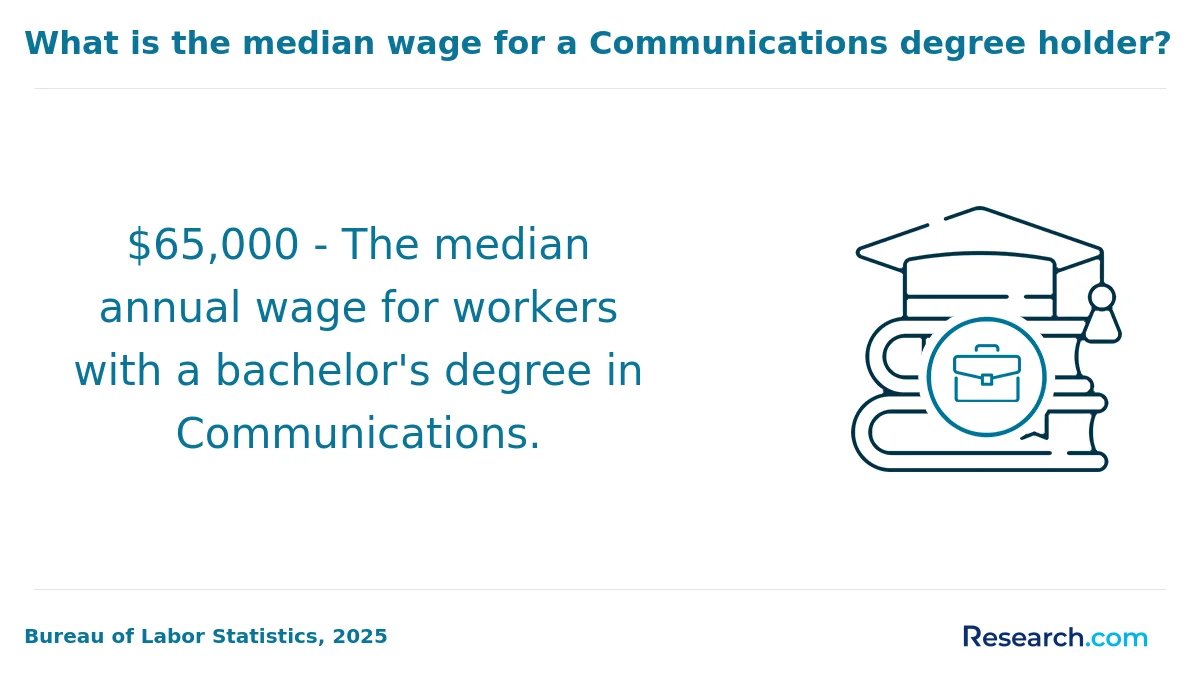
- Communication degree graduates in the US can expect an average salary around $60,000 annually, offering a solid income potential in diverse roles like public relations and media.
- A graduate from a popular Western university often explores career paths such as corporate communication, marketing, and digital media, providing exciting and diverse opportunities.
- Completing a communication degree online offers flexibility and accessibility, enabling students to balance studies with work or personal commitments while earning a respected credential from well-known institutions.
- Key benefits of getting online communication degree in the West
- What can I expect from online communication degree in the West?
- Where can I work with online communication degree in the West?
- How much can I make with online communication degree in the West?
- 2027 Best Online Master's in Communication Degree Programs Ranking in the West
- Key Findings
- How long does it take to complete online communication degree in the West?
- What's the difference between online and on-campus communication degree?
- What is the average cost of online communication degree in the West?
- What financial aid is available to online communication degree students in the West?
- What are the prerequisites for enrolling in online communication degree program in the West?
- What courses are typically in online communication degree programs in the West?
- What types of specializations are available in online communication degree programs in the West?
- How do you choose the best online communication degree in the West?
- What career paths are available for online communication degree students in the West?
- What is the job market for online communication degree in the West?
- Top Trending Communication Rankings
What can I expect from online communication degree in the West?
When considering the average cost of an online communication degree in the Western United States, students often find tuition ranging from $15,000 to $40,000 for the full program. Graduates from popular Western institutions share how this investment felt manageable when weighed against the flexible formats and career-boosting potential these programs offer. Many appreciate that schools like those in California or Washington provide asynchronous classes, letting them balance work, family, and study without added stress.
These programs typically require 30 to 40 credit hours, and the total cost varies depending on whether you enroll full-time or part-time. For example, some graduates mention that spreading coursework over two years helped ease financial pressure while maintaining steady progress. The presence of regional and ACEJMC accreditation reassures students that their education holds weight in competitive industries.
Understanding these costs in context highlights the value of the degree-graduates find their communication expertise opens doors to fulfilling roles with salaries reflecting their skill and commitment. This return on investment, combined with a supportive learning environment in the West, makes the expense worthwhile for many.
Where can I work with online communication degree in the West?
Graduates with an online communication degree in the West often find themselves stepping into vibrant roles across diverse sectors. From working at innovative tech companies in the Silicon Valley area to joining nonprofit organizations in Seattle, these graduates leverage their skills to craft impactful messages that resonate broadly.
Many alumni from well-regarded institutions like the University of California system or the University of Washington recall early career moments managing brand reputation for startups or coordinating digital campaigns for regional nonprofits. The dynamic media landscapes in cities like Portland and Denver offer exciting pathways in content creation and social media strategy, where creative energy meets growing demand.
Others describe rewarding experiences engaging with educational or healthcare organizations, where their communication expertise supports community outreach and public information efforts. This hands-on involvement cultivates a sense of purpose and belonging, making their work both fulfilling and meaningful.
Overall, pursuing communication degrees in the West opens doors to roles that are not only professionally enriching but emotionally gratifying, encouraging graduates to thrive in some of the nation's most influential and fast-growing economies.
How much can I make with online communication degree in the West?
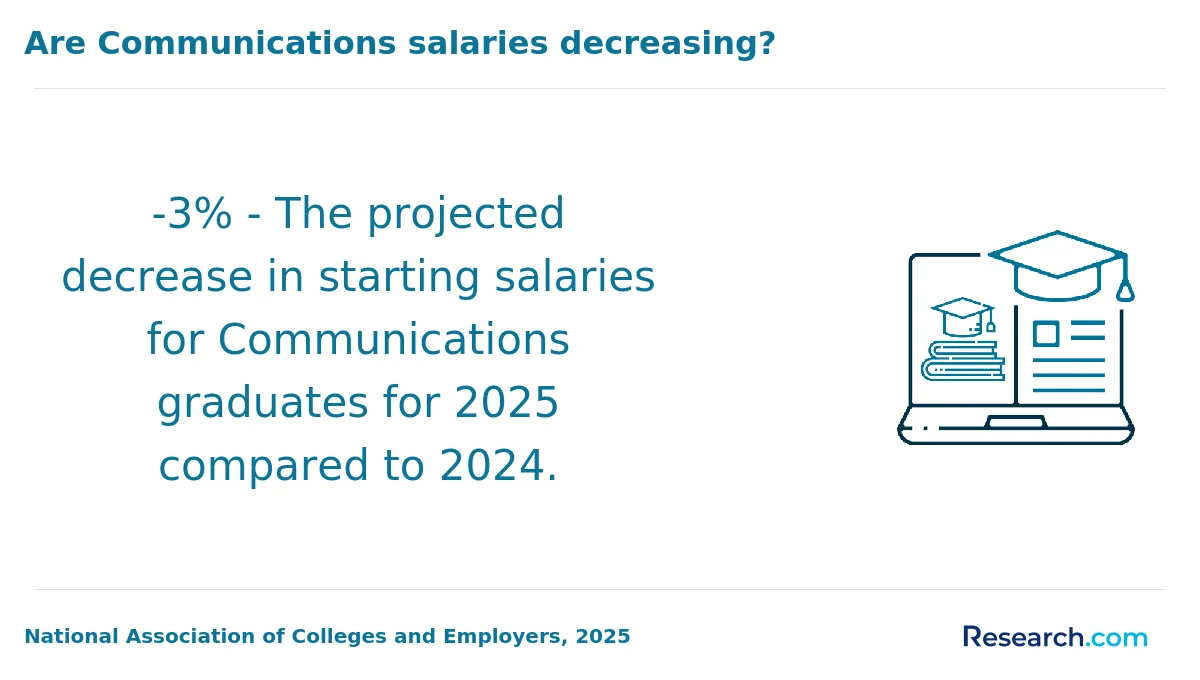
Graduates with an online communication degree in the Western U.S. often find themselves navigating promising salary ranges shaped by their roles and local markets. Many start in entry-level positions earning between $45,000 and $55,000 annually. For instance, those entering public relations roles around major schools like the University of Southern California or the University of Washington report median salaries near $62,000-comfortably above national averages due to the region's competitive industry landscape.
Advancement to positions such as marketing managers or communication directors in tech-centric cities like San Francisco or Seattle can push earnings to $90,000 or more, sometimes exceeding $120,000 with experience and leadership skills. These graduates often share how their digital expertise gained during studies at institutions like California State University, Fullerton, enhanced their value to employers.
Beyond base pay, many communication professionals benefit from bonuses and perks adding 10-20% to total compensation. Graduates who develop skills in digital analytics or bilingual communication frequently discover doors opening to even higher salaries, reflecting the West's growing emphasis on versatile, tech-savvy communicators.
2027 Best Online Master's in Communication Degree Programs Ranking in the West
How do we rank schools?
Investing in your education is a significant decision that can shape your future, and the Research.com team understands the importance of making informed choices. To assist prospective students, we have meticulously crafted the "2027 Best Online Master's in Communication Degree Programs Ranking in the West." Our commitment to quality, credibility, and accuracy is reflected in the extensive research and analysis conducted to compile this ranking.
We utilized the following reputable data sources to ensure a comprehensive evaluation of communication programs:
By exploring this ranking, readers will gain valuable insights into the best online communication master's degree programs in the Western region, helping them make well-informed decisions about their educational journey. For more details on our methodology, please visit our Research.com methodology page.




Key Findings
- Tuition for online communication degrees in the Western U.S. ranges from $12,000 to $30,000 per year depending on public or private institutions.
- Public universities generally offer more affordable in-state tuition for residents in the region.
- Entry-level jobs for graduates include social media coordinator, communications specialist, and marketing assistant, with starting salaries between $45,000 and $55,000 annually.
- Experienced communication professionals can earn $70,000 or more yearly, with senior roles in major cities offering six-figure salaries.
- Job growth for communication roles in the West is projected at 6% through 2031, matching the national average.
- Programs focus on practical skills like digital media production, content strategy, and analytics, often providing flexible schedules and virtual internships.
How long does it take to complete online communication degree in the West?
Completing an online communication degree in the West typically aligns with well-established timeframes, yet the path can feel uniquely tailored by a student's lifestyle and goals. Graduates from universities in California or Oregon often reflect on balancing their coursework with work or family commitments, appreciating how flexible online programs allowed them to finish a bachelor's degree in about four years. These programs usually require 120 to 130 credit hours, a manageable goal for those who pace themselves steadily.
For those pursuing a master's degree in the region, the journey often spans 1 to 2 years full-time, with accelerated options enabling some to finish sooner. Part-time study, popular among professionals in Washington, frequently extends the timeline to around three years, offering a welcomed balance between career and education commitments. Graduates value this flexibility, sharing how asynchronous classes let them tailor their studies to busy schedules without sacrificing depth or quality.
Ultimately, the time it takes to graduate depends on course load, prior credits, and the program format, but the supportive online environment enjoyed by many Western students nurtures steady progress and meaningful achievement.
What's the difference between online and on-campus communication degree?
Graduates from well-known Western universities often reflect on how online communication programs brought a welcome flexibility, especially for those balancing work and family. Living in rural Nevada or Idaho, they appreciated attending lectures at their own pace without sacrificing professional commitments. This flexibility made earning a degree from institutions like the University of Washington or Arizona State University feel not just achievable but empowering.
On-campus students at schools such as the University of Southern California frequently share how face-to-face discussions and impromptu networking in class inspired creative ideas and lasting industry connections. Access to campus media labs and live events deepened their hands-on experience in ways virtual settings struggle to replicate.
Cost considerations also matter. Many online learners found programs more affordable or priced with remote students in mind, but they knew to carefully review fees. Despite different delivery formats, both types of programs covered similar topics like media strategy and rhetoric, ensuring graduates were well-prepared for careers.
Career support differed in feel but aimed to be equally helpful. While on-campus students enjoyed local internships in hubs like Los Angeles, online learners accessed growing virtual counseling and networking tools tailored for Western states.
What is the average cost of online communication degree in the West?
The average cost of an online communication degree in the West generally centers around a median total tuition of approximately $29,742. Graduates of programs at well-known institutions like the University of Arizona often reflect on this investment as a valuable stepping stone, despite occasional concerns about sticker shock. Public universities in the region tend to charge between $9,000 and $21,600 for the entire degree, depending on credit requirements, which offers a practical option for many.
Private colleges in the West usually have higher tuition, frequently reaching between $25,000 and $43,000. These programs often reward students with enhanced faculty interaction and networking possibilities, which many alumni recall as contributing positively to their career growth. Understanding the average cost of online communication degree programs in the West helps students balance their expectations against the benefits they seek from different schools.
Additional fees such as technology or application charges can add to the expenditure, but many students find these offset by savings on commuting or housing expenses typical of on-campus study. Financial aid and scholarships can also significantly alleviate the financial burden, making the goal of earning a communication degree feel more attainable. Prospective students are encouraged to explore federal aid and employer tuition assistance alongside university-specific scholarships tailored to communication majors.
To better navigate the full spectrum of costs, students should investigate detailed tuition and fees for Western online communication degrees. Carefully reviewing this information, as well as current trends and offerings, is crucial for making sensible decisions. For those looking for guidance on affordable options, resources like cheapest online master's programs communications provide helpful insights tailored specifically to prospective communication students.
What financial aid is available to online communication degree students in the West?
Many students pursuing online communication degrees in the Western U.S. find federal aid to be a critical starting point. Graduates from well-known institutions like the University of Washington often recall how completing the FAFSA led them to Pell Grants or Federal Direct Loans, providing essential low-interest support that made their education manageable. These federal options stand out because they typically offer flexible repayment plans compared to private loans.
State-funded grants also play a significant role, especially in California, where programs like the Cal Grant occasionally support graduate students in communication. Graduates from universities such as UCLA have shared how this state support eased their financial burden during challenging times.
Institutional aid is another valuable resource. Many Western colleges offer merit-based scholarships or special awards aimed at professional learners returning to school. Graduates frequently express appreciation for these opportunities, which acknowledge their life experience and foster a nurturing learning environment.
Employer tuition reimbursement programs are a hidden gem on the West Coast, particularly within tech and media companies. Graduates balancing work and study find this aid encouraging, allowing them to upskill without sacrificing financial stability.
Connecting with professional associations related to communication can unearth less-known scholarships, adding yet another layer to the rich tapestry of financial aid available in this region.
What are the prerequisites for enrolling in online communication degree program in the West?
To enroll in an online communication degree program in the Western United States, a bachelor's degree is essential, ideally in communication or a related field like journalism or media studies. However, many graduates from universities such as the University of Southern California or the University of Washington have shared that coming from a different background can still work if you highlight relevant work experience or coursework. This flexibility often eases the transition for those switching careers.
Maintaining a solid GPA around 3.0 is typically expected. Graduates recall that exceeding this benchmark can boost your confidence and your application, especially in selective programs. Some programs may require GRE scores if your GPA dips below their threshold, though many have waived this recently, appreciating a holistic view of candidates.
Beyond academics, crafting a thoughtful statement of purpose and securing strong letters of recommendation are crucial. Many find these personal elements showcase motivation and readiness, making their applications memorable. Practical experience, such as internships in communication fields, often strengthens applications by illustrating real-world skills.
For non-native English speakers, proving language proficiency through TOEFL or IELTS is a familiar step. Graduates emphasize that preparing these materials early dispels stress and allows focus on connecting genuinely with programs that resonate with your career aspirations.
What courses are typically in online communication degree programs in the West?
Graduates from well-regarded communication programs at universities across the Western United States often reflect on the blend of theory and hands-on skills their courses provided. Core classes like Introduction to Communication Theory offer a foundational understanding of how messages shape societies, allowing students to grasp the complexities behind everyday media they consume in hubs like Los Angeles or Silicon Valley. This theoretical grounding is frequently complemented by practical courses such as Media Writing and Reporting, where students learn to craft compelling stories for diverse platforms-skills that graduates find invaluable when entering dynamic media markets.
Many students recount how specialized classes, for example Social Media Strategies and Digital Content Creation, helped them engage real-world audiences. The ability to analyze digital trends and produce multimedia content prepares learners for careers in fast-paced tech-driven environments common in the West.
Courses in Public Relations Campaigns and Crisis Communication further equip students to handle reputation management with confidence. Ethics studies foster responsible communication, an essential aspect graduates value deeply amid today's media challenges.
Lastly, diverse communities in the West make Intercultural Communication especially relevant, while Research Methods in Communication develops skills to critically evaluate and lead projects-key strengths alumni bring into any career path.
What types of specializations are available in online communication degree programs in the West?
Students pursuing online communication degree specializations in the West often find themselves drawn to diverse areas that reflect both regional industry demands and broader societal trends. Graduates from prominent Western universities frequently highlight specializations like Media and Digital Communication, which prepares them for thriving careers in digital marketing and content creation, especially relevant in tech-savvy hubs like California. Others gravitate toward Organizational and Corporate Communication, where they master communication strategies that align with the complex dynamics of Silicon Valley's fast-paced business environment. Experiencing these programs firsthand, many recall how Public Relations and Strategic Communication training empowered them to confidently shape public narratives for startups and nonprofits.
Health Communication is another specialization that resonates in states like Washington, given the growing need for effective public health messaging. Intercultural and Global Communication also stands out, reflecting the West's rich diversity and preparing students to engage meaningfully across cultures. Those looking to start early on their journey can explore foundational courses through an online bachelors in communication, solidifying the skills needed for these specialized graduate paths.
How do you choose the best online communication degree in the West?
Choosing the best online communication degree programs West requires focusing on accreditation, cost, and flexibility. Graduates from popular Western institutions often highlight how WSCUC-accredited programs gave them confidence in their education's quality and recognition by employers. Many found affordable online communication master's degrees West at public universities where in-state tuition significantly reduced expenses, making education more accessible while maintaining strong program quality.
Specialization matters deeply. For instance, students pursuing digital media or public relations concentrations at schools near California's tech hubs shared how aligning their studies with industry demands fueled their enthusiasm and career growth. Exploring types of public relations jobs helped clarify their career paths and enriched their learning experience.
Flexibility is another key advantage. Graduates juggling work and family prioritized programs offering asynchronous courses, allowing study on their own schedule without losing connection to faculty expertise and networking opportunities. Reflecting on these experiences reveals that careful research into program format, specialization, and support services truly defines the best path in this diverse and vibrant region.
What career paths are available for online communication degree students in the West?
Graduates of online communication degrees in the West find themselves well-equipped for dynamic career paths, shaped by the region's vibrant industries. Many have stepped confidently into roles such as Public Relations Specialist, where they craft positive narratives for tech startups in Silicon Valley or entertainment firms in Los Angeles. Others become Corporate Communication Managers, skillfully navigating messaging within healthcare companies spread across the West Coast.
From personal conversations with graduates of popular Western universities, a common theme emerges: these degrees open doors to evolving fields like social media management and content strategy. Students remark on how programs in institutions like the University of Southern California or the University of Washington blend theory with practical skills, preparing them for the digital demands of today's job market. For those prioritizing tangible career outcomes, understanding the salary with a master's in public relations within this context provides valuable encouragement and clarity.
In this region, where innovation meets tradition, the option to pursue online communication degree careers in the West offers both flexibility and relevance, enabling graduates to thrive in specialized roles that intersect with local market needs and personal aspirations.
What is the job market for online communication degree in the West?
The job market for graduates holding an online communication degree in the West reflects a vibrant and steadily growing landscape. Many who graduate from well-regarded regional programs at universities or colleges in California, Washington, and Oregon find themselves stepping into dynamic roles within marketing firms, public relations agencies, and corporate communication departments. The West regional market for communication graduates benefits greatly from the presence of tech companies and media hubs that value digital fluency and virtual communication skills, essential for remote work environments.
Graduates frequently share experiences of how their education prepared them for the rapidly evolving demand for social media managers, content strategists, and communication coordinators. The rewarding career paths they embark on match the rising employment trends projected by the U.S. Bureau of Labor Statistics. Students often weigh programs carefully, and those choosing online degrees appreciate that these can be more affordable while still offering quality training. Many explore options such as a public relations master's degree to sharpen their skills and increase their marketability in this competitive but promising field.
Frequently Asked Questions About communication
Online communication degree students in the West can maximize their learning by actively engaging with course material and participating in virtual discussions. According to the National Center for Education Statistics, students who interact frequently with instructors and peers tend to perform better academically. Utilizing campus resources, such as online tutoring or career services, also enhances understanding and professional growth. Additionally, scheduling dedicated study time and minimizing distractions helps maintain consistent progress. Students should consider joining relevant professional organizations in communication, such as the Western States Communication Association, to network and access industry insights. This approach prepares learners for diverse communication careers in a digital world.
Emerging niches within the communication field reflect evolving technology and societal needs. In the Western US, digital and social media communication is expanding rapidly, with the Bureau of Labor Statistics projecting a 13% growth in related jobs by 2032. Specializations such as health communication and corporate communication are gaining prominence, responding to the growing demand for effective messaging during public health crises and in global business environments.
Another rising area is data-driven communication, where professionals use analytics to tailor content and measure impact. Online programs increasingly offer courses in multimedia storytelling and virtual reality communication, preparing students for innovative roles. According to the National Communication Association, these niches are shaping the future landscape for communication graduates.
After completing an online communication degree in the West, preparing for the job market requires strategic planning. Graduates should focus on building a professional portfolio showcasing skills in writing, digital media, and public relations. According to the Bureau of Labor Statistics, communication-related jobs in the US are projected to grow 10% through 2031, faster than average.
Networking is essential; joining organizations like the National Communication Association can open doors. Internships and freelance projects during studies also offer practical experience and contacts.
Finally, developing proficiency in popular digital tools, such as social media analytics and content management systems, significantly enhances employability.
Employers in the Western US highly value communication degree graduates who demonstrate strong interpersonal skills. According to the National Association of Colleges and Employers (NACE), 85% of employers prioritize candidates with effective verbal and written communication abilities. Graduates must also be adept at digital literacy, including proficiency with social media platforms and content management systems, as these tools are central to modern communication roles.
Critical thinking and problem-solving skills are equally important. The Bureau of Labor Statistics highlights that communication jobs in the West often require the ability to analyze audience needs and craft tailored messages. Collaborative skills and cultural awareness also help graduates succeed in diverse workplace environments, which are common in Western metropolitan areas.
Finding internships in the Western US relevant to a communication degree involves strategic planning and utilizing multiple resources. Universities often offer dedicated career services that connect students with local media outlets, PR firms, and marketing agencies. Leveraging platforms like Handshake and local chapters of professional organizations, such as the Public Relations Society of America (PRSA), can provide targeted internship opportunities.
Statistically, the communication sector in California and Washington shows strong growth, with 8% job growth projected through 2030 according to the US Bureau of Labor Statistics. This trend increases available internships, especially in tech hubs and media markets.
Networking remains crucial. Attending virtual career fairs and joining communication-focused LinkedIn groups can help students secure internships aligned with their specialties. Additionally, seeking internships related to digital communication or social media increases relevance for online communication degree students.
An online communication degree can significantly enhance career mobility and advancement in the Western United States. According to the Bureau of Labor Statistics, employment in communication-related fields like public relations and media is projected to grow by 9% from 2022 to 2032, faster than average for all occupations. This growth increases opportunities for degree holders to advance into leadership roles.
Graduates often gain skills in digital media, strategic communication, and analytics, which employers in the West highly value. These skills enable professionals to adapt to evolving industries such as technology, healthcare, and entertainment.
Furthermore, universities in California, Oregon, and Washington reporting strong alumni networks help graduates access diverse job markets. Online degrees facilitate flexible learning without geographic limits, supporting career shifts or promotions.
Studying for a communication degree in the Western United States equips students with skills that span multiple disciplines. Programs often integrate courses in marketing, psychology, technology, and media studies, fostering adaptability in diverse professional environments. According to the National Center for Education Statistics, over 30% of communication graduates in the West pursue careers requiring knowledge from multiple fields.
Online degrees emphasize practical applications such as digital communication and data analysis, preparing students for roles in business, healthcare, and public relations. This interdisciplinary approach encourages collaboration and critical thinking, essential for addressing complex challenges in today's workforce.
Many universities in the West also offer partnerships with industries, providing real-world experience and networking opportunities to enhance students' versatility across sectors.
Choosing between a thesis and a non-thesis online communication degree program in the Western US depends largely on your career goals and learning preferences. Thesis programs emphasize research skills, requiring a substantial final research project. This path suits students aiming for doctoral studies or research-driven roles in academia or industry.
Non-thesis programs typically focus on practical skills and coursework, often including a capstone project or comprehensive exams. They appeal to professionals targeting leadership, media, or corporate communication careers.
According to the National Center for Education Statistics, thesis options may take longer to complete, averaging around 30 credit hours plus research time, whereas non-thesis tracks often require fewer credits in structured classes.
Consider your time availability, interest in independent research, and career aspirations when deciding between these formats.
Students based in the Western United States seeking online communication degrees have several regional options. Many accredited universities in states like California, Oregon, and Washington offer fully online master's programs in communication, allowing flexibility for working professionals. For example, California State University and the University of Washington provide comprehensive online tracks with specializations including digital media and organizational communication.
According to data from the National Center for Education Statistics (NCES), enrollment in online graduate communication programs in the West has grown by over 15% from 2018 to 2022. This trend reflects the increasing acceptance of remote learning combined with strong academic reputations typical of Western institutions.
Additionally, some programs in the West feature partnerships or exchange opportunities with international universities, enabling students to enhance global perspectives while completing their degrees online. These programs also emphasize current industry skills, preparing graduates for roles in public relations, media strategy, and corporate communication.
Students pursuing an online communication degree in the Western United States can enhance their education by seeking part-time jobs that build relevant skills. Common roles include social media coordinator, content creator, and public relations assistant. These positions allow students to apply theoretical knowledge in real-world settings.
Working as a media intern or freelance writer is also popular, offering experience with messaging strategies and audience engagement. According to the U.S. Bureau of Labor Statistics, communications-related jobs in California alone are projected to grow by 7% from 2022 to 2032, reflecting a strong local market.
Additionally, campus or community event coordinator roles help sharpen organizational and interpersonal skills, both crucial for communication professionals. These work opportunities often provide networks that can be valuable for future career advancement in the field.
Online communication students in the Western United States benefit from diverse networking opportunities tailored to the region's dynamic media landscape. Many universities partner with local media outlets, tech firms, and marketing agencies, providing students access to internships and virtual job fairs. According to the Western Association of Schools and Colleges, about 85% of online communication programs incorporate live webinars and networking events with industry professionals.
Students often engage in regional communication conferences like the Western States Communication Association annual meeting, which attracts hundreds of communication experts and offers online participation options. Additionally, LinkedIn groups and university-hosted digital forums facilitate peer and alumni networking, crucial for career advancement.
Alumni networks play a crucial role for online communication degree students in the Western United States. These networks connect current students with graduates who work in diverse communication fields like digital media, public relations, and corporate communication.
Through alumni networks, students gain access to mentorship opportunities. Experienced alumni provide guidance on career paths and professional development, often sharing insights about regional job markets.
Networking events and online platforms hosted by universities help students build relationships that can lead to internships or job offers. According to the Western Association of Schools and Colleges, programs with active alumni engagement report higher employment rates for graduates.
Such connections are valuable in a competitive Western communications industry where 65% of job placements rely on networking (Bureau of Labor Statistics, 2023).
Customizing an online communication degree in the West involves selecting electives and concentrations that align with your career goals. Many programs offer specializations such as public relations, digital media, health communication, or organizational communication, allowing you to target industries in demand within Western states like California and Washington.
Students can often tailor their coursework based on market trends. For instance, the Bureau of Labor Statistics notes a growing demand for digital communication experts in tech hubs like Silicon Valley and Seattle. Additionally, capstone projects or internships may be chosen to gain practical experience relevant to desired roles.
Advisors in US universities typically help shape your plan to include both theory and applied skills, ensuring relevance for the Western job market. Research from the Western Interstate Commission for Higher Education highlights that 70% of communication graduates find employment within their field within six months.
Online communication students in the Western United States often face challenges related to technological access and digital literacy. Approximately 10% of college students report unreliable internet connectivity, which can disrupt live lectures and group collaborations, according to the National Center for Education Statistics (NCES).
Another challenge is maintaining engagement and motivation when learning remotely. Without in-person interaction, students may feel isolated, impacting their academic performance and networking opportunities.
Additionally, students must develop strong time management skills to balance coursework with personal and professional responsibilities. Many online programs require self-discipline to meet assignment deadlines effectively.
Finally, some students encounter difficulties accessing internships and practical experiences essential for communication careers, as these opportunities can be limited geographically.
With an online communication degree, professionals can pursue several valuable certifications to enhance their career prospects. Popular options include the Accredited Business Communicator (ABC) credential offered by the Business Marketing Association. This certification validates skills in strategic communication and marketing within business environments.
Another option is the Certified Professional in Learning and Performance (CPLP) from the Association for Talent Development, which is beneficial for those focused on corporate training and instructional design.
According to the National Communication Association, certification can boost earning potential by up to 15% in many Western U.S. markets where communication roles are in high demand. These certifications typically require both education and practical experience, which online degrees can support flexibly.
To write a winning application for an online communication program in the West, start by thoroughly researching the universities you are interested in. Many top programs in states like California and Washington emphasize leadership, digital media skills, and strategic communication.
Highlight your relevant experience in writing, public speaking, or media production. Schools may ask for a statement of purpose, so clearly explain your career goals and why the program fits your needs. According to the National Center for Education Statistics, communication is among the top five fields for online graduate enrollments in the US, showing growing demand.
Request strong letters of recommendation from supervisors or professors familiar with your work ethic. Ensure your resume is updated and tailored to communication roles. If required, prepare for the GRE but check each program's testing policy, as many waive the exam for experienced candidates.
Communication careers are increasingly valued across the globe, including in the West, where digital media and globalization drive demand. According to the U.S. Bureau of Labor Statistics (2023), employment in communication-related fields is expected to grow by 11% through 2032, faster than average.
Professionals with communication degrees often work in public relations, marketing, media, and corporate communications. Western institutions emphasize skills like intercultural communication and digital storytelling, reflecting global business needs.
International perspectives highlight that strong communication skills are central to leadership and influence, making this career path adaptable worldwide. This trend motivates Western students to pursue online degrees that blend theory with practical, global applications.
Gaining practical experience while studying for an online communication degree in the West is essential for career readiness. Many programs encourage internships with local businesses or media outlets, offering hands-on experience in areas such as public relations, digital marketing, and media production.
Virtual internships have also grown popular, especially due to increased remote work, allowing students to collaborate with organizations nationwide. According to the National Association of Colleges and Employers (NACE), 60% of graduates with internship experience receive job offers, highlighting the value of practical learning.
Additionally, students can participate in class projects, case studies, or join communication clubs to build skills relevant to the job market.
Choosing the right concentration within an online communication degree program in the West involves assessing your career goals and interests. Common concentrations include digital media, organizational communication, public relations, and health communication. According to the Western Interstate Commission for Higher Education, demand for digital media specialists in the West grew by 12% from 2019 to 2022.
Consider local industry trends and job markets. For example, California's booming tech and entertainment sectors heavily favor digital and media communication skills. Health communication is also growing due to expanding healthcare institutions across the Pacific Northwest.
Review program curricula carefully and seek concentrations that offer practical experience and internships. Accreditation and faculty expertise can further guide your choice, ensuring the program meets regional professional standards.
Top Trending Communication Rankings
References
- Communication Studies https://www.westvalley.edu/catalog/programs/communication-studies-associate-in-arts-degree.html
- Master's in Communication Salaries by Career and Position ... https://www.mastersincommunications.com/faqs/masters-in-communication-salary
- How can we improve communication with international ... https://www.emundus.fr/en/resources/blog/how-to-improve-communication-with-international-students
- 2026 Best Online Communications Degrees https://www.onlineu.com/degrees/communications
- How a Media and Communication Degree Can Help You ... https://www.whistlingwoods.net/how-a-media-and-communication-degree-can-help-you-reach-your-goals/
- How Long is an Online Master's in Communication Program? https://www.onlineeducation.com/communication/faqs/how-long-to-earn-a-communications-masters-degree-online
- Online Bachelor of Arts in Business Communication https://www.ucanwest.ca/programs/undergraduate/online-bachelor-of-arts-in-business-communication
- The Online Bachelor of Arts Degree in Communication https://www.wiu.edu/cofac/communication/online_BA.php
- Communications Degree Salary Guide | Maryville Online https://online.maryville.edu/online-bachelors-degrees/communications/careers/communications-degree-salary-guide/
- Communications Degree Job Outlook 2026: Career Tips & Data https://www.mastersincommunications.org/communications-degree-job-outlook/