2027 Most Affordable Online Communication Degree Programs Ranking in Virginia

Co-Founder and Chief Data Scientist
Choosing the right communication degree program can be a big decision, especially when considering cost and quality. This article presents the 2027 Most Affordable Online Communication Degree Programs Ranking in Virginia, created by the Research.com team of data scientists. It aims to help students across Virginia make informed choices based on reliable data.
Reading this guide can save you time and effort by highlighting programs that offer great value. Earning a communication degree opens doors to exciting career opportunities and personal growth, making it a worthwhile investment in your future.
Key benefits of getting online communication degree in Virginia
- Communication degree graduates in Virginia can expect entry-level salaries around $40,000 to $60,000 annually, with potential to grow as they gain experience in roles like public relations or media management.
- Graduates from institutions like the University of Virginia often explore diverse career paths including marketing, corporate communications, journalism, and digital media, offering exciting opportunities to match individual interests.
- Completing a communication degree online from schools such as Virginia Commonwealth University allows for flexible scheduling, letting students balance work and study while gaining the same respected credentials as traditional programs.
- Key benefits of getting online communication degree in Virginia
- What can I expect from online communication degree in Virginia?
- Where can I work with online communication degree in Virginia?
- How much can I make with online communication degree in Virginia?
- 2027 Most Affordable Online Communication Degree Programs Ranking in Virginia
- Key Findings
- How long does it take to complete online communication degree in Virginia?
- What's the difference between online and on-campus communication degree?
- What is the average cost of online communication degree in Virginia?
- What financial aid is available to online communication degree students in Virginia?
- What are the prerequisites for enrolling in online communication degree program in Virginia?
- What courses are typically in online communication degree programs in Virginia?
- What types of specializations are available in online communication degree programs in Virginia?
- How do you choose the best online communication degree in Virginia?
- What career paths are available for online communication degree students in Virginia?
- What is the job market for online communication degree in Virginia?
- Related Communication Rankings for Nearby States
- Top Trending Communication Rankings
What can I expect from online communication degree in Virginia?
The average cost of an online communication degree in Virginia varies but generally falls within an affordable range, especially at public universities. Many students find that in-state tuition rates for schools like George Mason University or Virginia Commonwealth University range from approximately $8,000 to $12,000 per year for online programs. Graduates often appreciate how this cost allows them to balance quality education with budget constraints.
Students frequently report that affordable tuition, combined with digital resources and support services, helps them stay motivated without heavy financial pressure. For example, graduates from James Madison University's online communication program have noted how manageable tuition fees freed up resources to invest in internships and professional development opportunities, enhancing their resumes.
Additionally, financial aid options and scholarships targeting Virginia residents further reduce net costs. Choosing a program within Virginia means credits are fully transferable and tuition is typically lower compared to out-of-state options, which can make a significant difference for students balancing work and study.
Where can I work with online communication degree in Virginia?
Graduates with an online communication degree in Virginia find rich career opportunities throughout the state, especially in Northern Virginia's government and defense sectors. Many alumni from institutions like George Mason University have secured roles managing public affairs at federal agencies such as the Pentagon or CIA, where clear messaging is crucial during complex operations.
Others from universities like Virginia Commonwealth University thrive in media roles within cities like Richmond and Norfolk, working as reporters or digital media managers who keep their communities informed. These real-world experiences show how versatile communication skills open doors in fast-paced environments.
Corporate communications roles are abundant at Virginia-based Fortune 500 companies where graduates apply their training to internal communications and crisis management, using expertise developed through internships and campus projects.
Moreover, grads often join nonprofits or educational institutions to lead fundraising campaigns and outreach programs, finding personal fulfillment in stories that make a difference. Focusing on practical skills and internships while studying at well-connected colleges prepares students to confidently step into these diverse roles across Virginia.
How much can I make with online communication degree in Virginia?
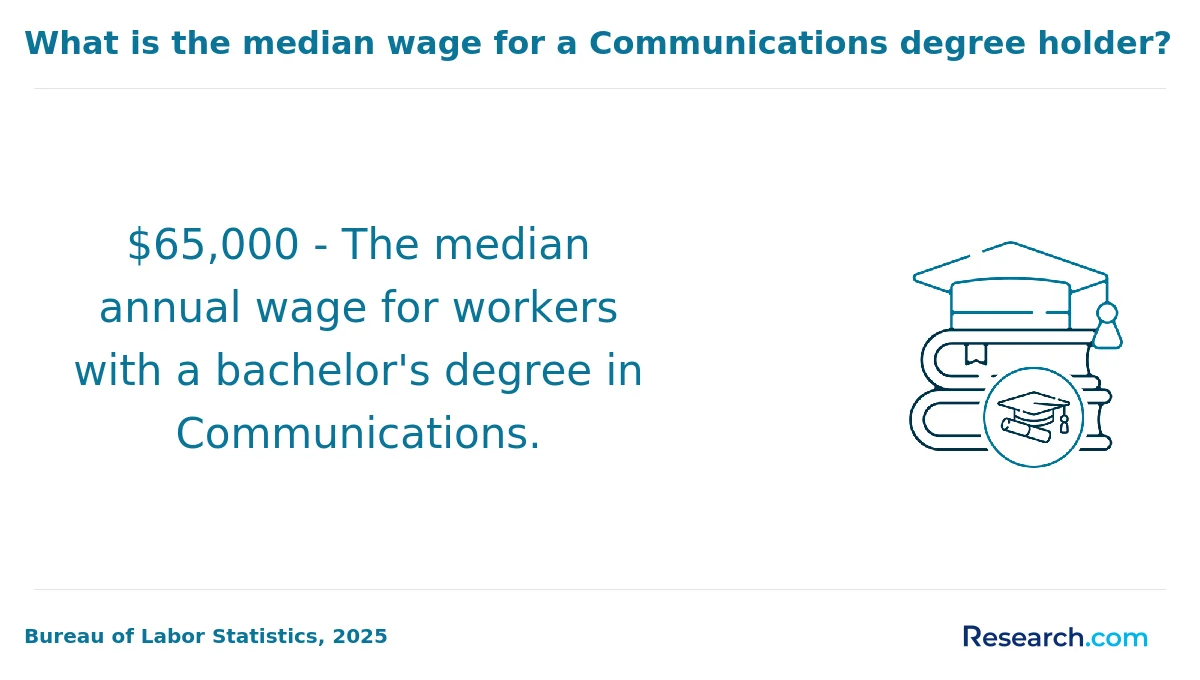
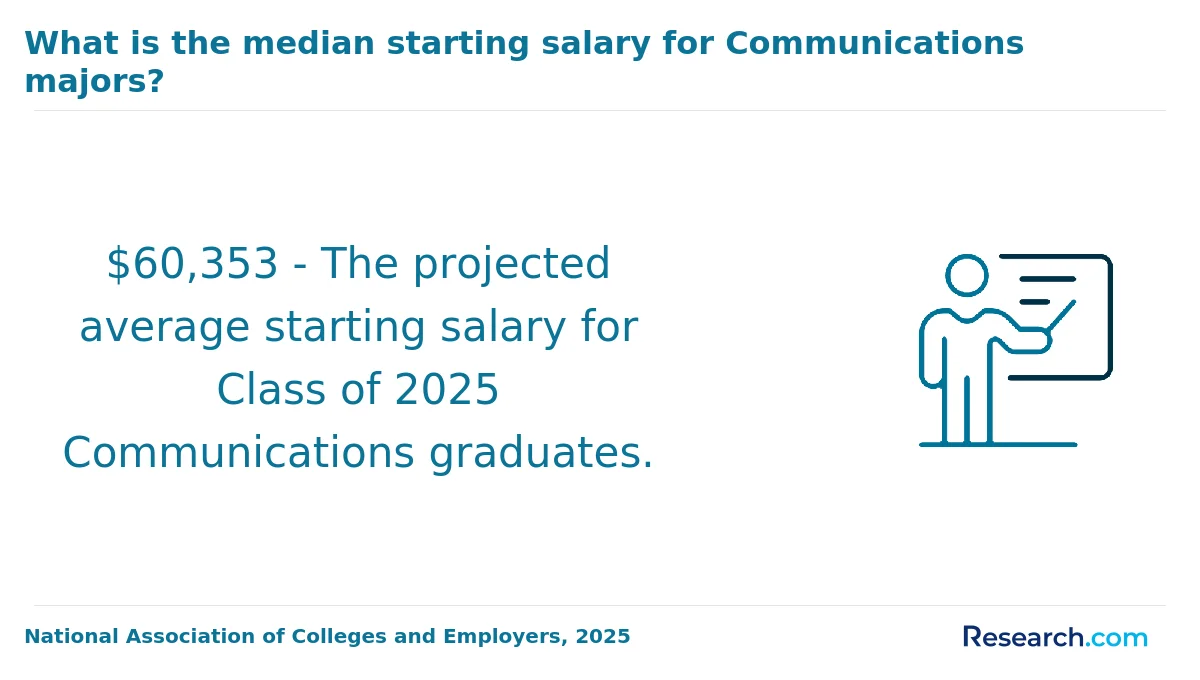
Graduates with an online communication degree in Virginia can expect average salaries around $62,000 per year, reflecting the broad opportunities available in this field. Entry-level roles, often taken by recent graduates from institutions like James Madison University or George Mason University, typically start between $40,000 and $50,000 annually. This range fits many who are beginning their careers in areas such as public relations or media analysis.
As experience grows, especially in Virginia's active markets like Richmond or Northern Virginia, salaries rise to $60,000-$75,000. Mid-career graduates working for top organizations see this growth clearly, often benefiting from leadership training and networking on campus that enhances their career paths.
Specific roles highlight earning potential: public relations specialists average $58,810, while marketing specialists can earn close to $65,000 yearly. Communications managers earn more, around $95,000, demonstrating the value of aiming for advanced positions. Graduates find that combining their degree with certifications or remote consulting expands their income possibilities within Virginia's growing tech and healthcare sectors.
2027 Most Affordable Online Communication Degree Programs Ranking in Virginia
How do we rank schools?
Investing in your education is a significant decision that can shape your future, and the Research.com team understands the importance of making informed choices. To assist prospective students in Virginia, we have meticulously crafted the "2027 Most Affordable Online Communication Degree Programs Ranking in Virginia." Our commitment to quality, credibility, and accuracy is reflected in the extensive research and analysis conducted to compile this ranking.
We utilized the following reputable data sources to ensure a comprehensive evaluation of online communication degree programs:
By exploring this ranking, readers will gain valuable insights into affordable, high-quality online communication programs in Virginia, empowering them to make well-informed decisions about their educational investments. For more details on our methodology, please visit our Research.com methodology page.


Key Findings
- The average cost for an online bachelor's degree in communication in Virginia ranges from $20,000 to $35,000 for in-state students.
- Entry-level salaries for communication graduates in Virginia are about $45,000 to $50,000 per year, increasing to $65,000 to $75,000 mid-career.
- Key job industries include public relations, marketing, media, corporate communications, nonprofit organizations, government, technology, and healthcare sectors.
- Many online programs prepare students for professional certification exams to enhance employability.
- Accredited online degrees in Virginia qualify students for federal financial aid and ensure quality education.
How long does it take to complete online communication degree in Virginia?
Completing an online communication degree in Virginia typically takes about two years for an associate degree and around four years for a bachelor's degree when studying full-time. Many students from popular schools like George Mason University or Old Dominion University find that full-time enrollment helps them stay on track and graduate on time, feeling motivated by their steady progress.
Part-time students often take longer-sometimes up to six years for a bachelor's-balancing studies with work or family. However, Virginia colleges increasingly offer accelerated options, where taking extra courses or summer sessions can shave a year or more off the timeline. Graduates who chose these routes often share a strong sense of accomplishment and relief at entering the workforce earlier.
For those pursuing a master's degree in communication online at Virginia universities, completion typically ranges between 18 months and three years, depending on pacing and program flexibility. Many value how part-time options let them manage jobs while advancing their careers efficiently.
What's the difference between online and on-campus communication degree?
Online communication degrees in Virginia offer flexible learning that fits busy schedules, ideal for working adults or those with family commitments. Graduates from programs like those at Liberty University often praise the ability to study anywhere and progress at their own pace, reducing stress and enabling balance between life and education.
In contrast, on-campus programs at schools such as James Madison University provide lively campus environments where students build strong networks through direct interaction with peers and faculty. Hands-on experiences like internships and media production projects foster confidence and practical skills, which past graduates find invaluable for job readiness.
Cost is a key factor to consider: while online degrees can lower expenses tied to commuting and housing, some programs charge out-of-state tuition regardless of residency, which may impact savings. It's important to check whether the online Virginia programs offer regional accreditation to ensure your degree holds value with employers.
Both pathways have distinct advantages-choose based on your lifestyle, career goals, and learning preferences to enjoy a rewarding communication education in Virginia.
What is the average cost of online communication degree in Virginia?
The average cost of an online communication degree in Virginia typically centers around $31,518 for in-state students, making it a practical option for many residents. Public universities such as Old Dominion University and George Mason University provide programs with tuition closer to this median, helping students feel confident about managing their education expenses without overwhelming debt. Graduates often share how taking advantage of in-state tuition rates and flexible online coursework allowed them to balance school, work, and family life successfully.
Out-of-state students generally face higher costs, with the median around $35,130, but several public institutions offer tuition parity or special rates for online learners to ease this burden. This affordability factor positions Virginia's online programs as attractive choices for a wide range of students looking for quality education without moving away. Many also appreciate that private universities, while more expensive, offer additional resources and networking opportunities for communication students aiming for specialized career paths.
To manage expenses, students frequently explore scholarships, employer tuition assistance, and technology fee waivers. Adding to this, students considering affordable online communication programs Virginia-wide can explore various financial aid options. Practical strategies like taking courses part-time or during summer terms helped some recent graduates accelerate their degree completion.
For those seeking a focused pathway, reviewing details of an accelerated online undergraduate communications program may reveal tailored options balancing cost, time, and career goals.
What financial aid is available to online communication degree students in Virginia?
Students pursuing online communication degrees in Virginia can access several financial aid options to lessen tuition costs. Federal aid through FAFSA offers Pell Grants up to $7,395 annually and low-interest student loans, providing vital support for those balancing work and study. Completing the FAFSA early can unlock these benefits, ensuring eligibility.
State programs like the Virginia Guaranteed Assistance Program (VGAP) and the Virginia Tuition Assistance Grant (VTAG) provide targeted help for residents attending approved institutions, including private colleges. Many graduates from James Madison University and Old Dominion University share how these aids made enrolling in their communication programs affordable and manageable.
Additionally, institutions often award merit-based scholarships to students demonstrating academic strength or relevant professional experience. Online learners frequently find these scholarships reduce financial pressure and encourage success.
Working students should also consider employer tuition assistance programs. Many Virginia employers enthusiastically support continuing education by reimbursing tuition or offering stipends, enabling students to confidently pursue their degrees without sacrificing income.
What are the prerequisites for enrolling in online communication degree program in Virginia?
To enroll in an online communication degree program in Virginia, you typically need a high school diploma or GED, with coursework in English and social studies. For example, students enrolling at popular schools like George Mason University often share how meeting this basic requirement gave them confidence to pursue their passion for communication.
Standardized tests like the SAT or ACT are mostly optional now, thanks to test-optional policies embraced by many Virginia colleges after the pandemic. This flexibility allows applicants to focus more on other important areas, such as writing a compelling personal statement explaining their communication goals.
Transfer students usually must submit official transcripts showing at least a 2.0 college GPA with relevant courses completed, similar to the experience of graduates from James Madison University who successfully transferred credits.
Reliable internet and a capable computer are essential for participating fully in online classes, ensuring you stay connected with instructors and peers while balancing work or family life.
What courses are typically in online communication degree programs in Virginia?
Online communication degrees in Virginia typically include practical and theory-driven courses designed to elevate your skills for real-world challenges. Graduates from popular Virginia institutions often highlight courses like Communication Theory and Media Writing and Reporting as foundational, helping them confidently craft clear, persuasive messages in professional settings.
Many programs focus on digital platforms, so you'll study Digital and Social Media Strategies and Public Relations and Strategic Communication, preparing you to manage campaigns across online channels effectively. For example, students from well-known colleges often share how mastering social media messaging opened doors to roles in marketing and corporate communication.
Hands-on courses such as Communication Research Methods and Crisis and Conflict Communication train you to analyze audiences and respond to urgent communication needs-skills crucial in today's fast-paced media environment.
Electives like Interpersonal and Organizational Communication further diversify your expertise, often reflecting what communication professionals in Virginia workplaces require. These courses prepare you to engage confidently in team settings and complex corporate environments.
What types of specializations are available in online communication degree programs in Virginia?
Online communication degree specializations in Virginia cover diverse fields tailored to career-ready skills. Graduates from prominent Virginia colleges frequently highlight specializations like Public Relations (PR), where they manage crisis communication and develop strategic plans for organizations. Digital Media and Communication Technology is another standout, focusing on content creation for social media and emerging platforms-vital as digital roles grow fast. Many students appreciate Corporate Communication for its focus on internal messaging and branding, skills highly sought after by businesses in the region.
Health Communication specialization attracts those wanting to merge healthcare with effective public messaging, responding to a vital community need. Media Studies and Journalism remain essential, offering practical training in digital news and ethical reporting. Those exploring Virginia affordable communication degree concentrations often find programs priced competitively compared to national averages, making these tracks accessible. For clear guidance on costs and options, prospective students can explore an affordable online undergraduate communications program.
How do you choose the best online communication degree in Virginia?
To choose the best online communication degree in Virginia, start by confirming the program's accreditation to ensure quality education recognized by employers and other institutions. Graduates from universities like Virginia Commonwealth University often praise the real-world internship opportunities that helped them build strong industry connections.
Next, focus on programs that align with your interests-whether it's digital media, public relations, or interpersonal communication. Many students from James Madison University have found success with curricula balancing theory and practical skills. Considering the cost is essential; Virginia's public universities generally offer lower tuition for residents, making affordability an important factor for those seeking top online communication programs Virginia cost matters.
Flexibility also plays a key role. Some graduates appreciate asynchronous classes that fit their busy schedules. Investigating support services such as career counseling can make your experience smoother and more rewarding. For additional guidance on affordable options, explore this affordable online journalism bachelors degree resource to identify strong, cost-effective programs.
What career paths are available for online communication degree students in Virginia?
Graduates of online communication degree programs in Virginia often find rewarding career paths in public relations, social media management, and corporate communications. For instance, many graduates from popular universities in Richmond and Norfolk leverage their skills to create impactful messaging campaigns for nonprofit organizations or government agencies. These roles demand clear communication and strategic thinking-qualities strengthened through these programs. Recent graduates have shared positive experiences, highlighting how internships and digital media courses offered by Virginia colleges prepared them to excel in marketing and media production.
Networking is another key strategy to boost job opportunities with communication degree Virginia. Alumni from well-regarded schools in the state often find success as marketing coordinators or corporate communication managers, using their knowledge of media tools to influence company branding. Additionally, hands-on experience in broadcasting or journalism positions at local outlets provides practical skills highly valued in Virginia's media markets. For students wondering about educational costs and career outlooks, resources such as how much is a journalism degree offer useful insights into planning for a future in communication.
What is the job market for online communication degree in Virginia?
The job market for online communication degree jobs Virginia is strong, especially near the Washington D.C. metro area where many graduates find roles in public affairs, digital media, and corporate communications. Graduates from popular Virginia colleges share that their skills in digital content creation and social media management give them a competitive edge, particularly in sectors like government, technology, and healthcare.
Virginia's expanding tech industry and numerous nonprofit organizations provide diverse opportunities for communication experts. Many graduates successfully leverage their online education to manage marketing strategies or lead health campaigns in local hospitals. Networking with professionals in the area is key, as is gaining experience through internships and freelance projects.
Those pursuing an online communication degree career outlook in Virginia benefit from competitive tuition rates, which help reduce financial burdens. Graduates often explore roles highlighted in public relation careers, where communication is critical for organizational success. Focusing on digital tools and strategic messaging opens doors across multiple thriving industries.
Frequently Asked Questions About communication
Online communication degree students in Virginia can maximize their learning by actively participating in virtual discussions and group projects. Engaging with peers through forums and video conferences helps build critical communication skills vital for this field.
Virginia is home to several accredited institutions offering online communication programs, such as Old Dominion University and George Mason University, which follow the standards set by the Southern Association of Colleges and Schools Commission on Colleges (SACSCOC). Familiarizing oneself with these quality assurance measures ensures a recognized degree.
Students should also take advantage of internships and virtual networking events within Virginia's growing media and public relations sectors, which employs over 25,000 communication professionals statewide, according to the Virginia Employment Commission.
Utilizing academic resources, like digital libraries and tutoring services available through Virginia's public universities, further supports effective learning. Combining these approaches equips students to succeed in Virginia's dynamic communication industry.
The communication field continues to evolve, especially in Virginia, where online communication degrees are growing in popularity. Emerging niches include digital media strategy, social media management, and health communication. According to the Virginia Department of Education, demand for professionals skilled in digital content creation and strategic messaging has increased by over 15% in recent years.
Another important area is data analytics within communication, helping organizations understand audience behavior and improve outreach efforts. Additionally, crisis communication and public relations are gaining relevance due to the rising need for skilled communicators in government and healthcare sectors across Virginia.
Graduates with an online communication degree in Virginia should begin preparing early for the competitive job market. Building a strong professional network through internships and virtual networking events is essential. According to the Virginia Employment Commission, communication-related jobs in the state are projected to grow by 5% through 2028, indicating moderate opportunities.
Students should also develop digital skills such as social media management, content creation, and data analytics, which are highly valued by Virginia employers across sectors. Joining local professional organizations, such as the Public Relations Society of America's Richmond chapter, can provide access to job leads and mentorship.
Additionally, creating a tailored resume and portfolio showcasing relevant projects increases employability. Utilizing Virginia's career services and job platforms like Virginia Workforce Connection can aid in finding suitable openings aligned with one's communication expertise.
Employers in Virginia highly value a range of skills in graduates with online communication degrees. Strong written and verbal communication abilities are essential, as these skills facilitate clear messaging across diverse platforms. According to the Virginia Department of Labor, 85% of local communication-related job postings emphasize teamwork and collaboration skills, highlighting the importance of working well with others.
Critical thinking and problem-solving are also top priorities, enabling graduates to analyze information and craft effective strategies. Additionally, proficiency with digital media tools and social media management is increasingly requested, reflecting the growing demand for tech-savvy communicators in Virginia's job market.
Finally, cultural awareness and adaptability often make candidates stand out, as Virginia's diverse economy includes sectors ranging from government to media and business, each requiring tailored communication approaches.
Finding internships in Virginia relevant to a communication degree involves several strategic steps. Start by exploring career services offered by Virginia's accredited online communication programs, many of which maintain strong local industry connections. According to the Virginia Economic Development Partnership, the state hosts numerous media companies, nonprofits, and government agencies that frequently offer internships.
Utilize online platforms like Handshake and the Virginia Workforce Connection, which list communication-related internships. Networking through professional organizations such as the Virginia Communication Association can also open doors. Finally, directly contacting local businesses and media outlets in cities like Richmond and Virginia Beach can help secure valuable practical experience.
An online communication degree can significantly enhance career mobility and advancement in Virginia's diverse job market. According to the Virginia Employment Commission, communication-related roles are projected to grow faster than the average for all occupations through 2030. Graduates with strong communication skills are in demand across industries such as public relations, marketing, media, and government.
Employers in Virginia value the ability to effectively convey information, manage digital content, and engage audiences. These skills often lead to higher salaries and promotion opportunities.
Online programs provide flexibility, allowing working professionals in Virginia to improve qualifications without interrupting their careers. Combining practical skills with local market knowledge, graduates can position themselves competitively.
Studying for an online communication degree in Virginia equips students with skills applicable across multiple disciplines. The curriculum often integrates courses in media, public relations, business, and technology, reflecting the diverse demands of modern workplaces. According to the National Center for Education Statistics, many Virginia institutions emphasize communication theories alongside practical applications, fostering adaptability.
Virginia's growing industries, such as government, healthcare, and technology, value graduates who can navigate interdisciplinary teams. Communication programs in the state frequently collaborate with these sectors to tailor content relevant to real-world challenges, improving students' employment prospects.
These degrees focus on critical thinking, digital literacy, and cultural awareness-skills essential for roles that span marketing, management, and information technology.
Choosing between a thesis and a non-thesis online communication degree program in Virginia depends largely on your career goals and learning preferences. Thesis programs emphasize research and writing, ideal for students aiming for academic roles or doctoral studies. They typically require completing a substantial research project under faculty supervision.
Non-thesis programs focus more on practical skills and applied knowledge, suiting those seeking immediate entry or advancement in professional communication roles. These programs often replace the thesis with additional coursework or a capstone project.
According to the National Center for Education Statistics, Virginia universities offer both formats, with about 40% of communication graduate students opting for thesis tracks as of 2022. Consider your time commitment, interest in research, and long-term plans when deciding.
Students based in Virginia who pursue online communication degrees have several opportunities to study abroad through their home institutions. Many Virginia universities with communication programs participate in exchange programs and partnerships with foreign universities, allowing students to earn credits remotely or during short-term study abroad experiences.
For example, universities like Old Dominion University and the University of Virginia offer global learning programs tailored for communication students, integrating international perspectives into the curriculum.
While fully online degrees limit long-term abroad stays, students can often engage in virtual internships or international collaborative projects, enhancing their global communication skills without leaving Virginia.
This flexible approach suits professionals balancing work and study, providing a broad view of communication in diverse cultural contexts.
Students pursuing an online communication degree in Virginia can benefit from part-time jobs that provide practical experience alongside their studies. Roles like social media coordinator, public relations assistant, and content writer are common options. According to the Virginia Employment Commission, positions in marketing and communications are expected to grow by 6% through 2028, reflecting rising demand.
Internships at local media outlets or non-profit organizations also offer hands-on learning. These opportunities refine skills such as press release writing, media outreach, and campaign management, directly complementing academic coursework.
Moreover, jobs in customer service and event planning in Virginia's vibrant business sectors enhance interpersonal communication abilities, valuable for future career paths in communication.
Online communication students in Virginia benefit from a variety of networking opportunities that connect them with professionals and peers across the state. Many accredited institutions encourage virtual participation in local chapters of national communication organizations such as the National Communication Association and the Public Relations Society of America.
Virginia's proximity to Washington, D.C., also offers students access to industry events, internships, and guest lectures from government and media professionals. Additionally, online learners can join university-sponsored virtual networking events, webinars, and alumni groups that facilitate professional connections within communications fields.
According to the Virginia Department of Education, approximately 30% of communication undergraduates engage in internships or cooperative education, which often serve as networking gateways.
Alumni networks play a crucial role for students pursuing online communication degrees in Virginia. These networks connect graduates to a broad community of professionals working in media, public relations, marketing, and related fields across the state. Active alumni groups often organize virtual networking events, webinars, and mentorship programs tailored to communication careers.
According to the Virginia Department of Education, strong alumni connections can improve job placement rates by providing access to job openings not publicly advertised. For online students, who may lack on-campus engagement, alumni networks compensate by fostering professional relationships and industry insights.
Additionally, Virginia's communication alumni often collaborate with universities to offer internship opportunities, enhancing real-world experience and employability. This support helps students navigate the competitive communication job market more effectively.
Many online communication degree programs in Virginia offer flexible curricula that allow students to tailor their studies to fit specific career goals. Students can often choose electives or concentration areas such as digital media, public relations, or organizational communication. This customization helps align academic experiences with targeted industries.
Some Virginia schools provide options for internships or capstone projects, giving students practical experience in local businesses or media outlets. According to the Virginia Community College System, experiential learning boosts employability by 15-20% in communication fields.
Additionally, online learners can usually select courses that enhance technical skills like social media management or multimedia production, relevant in Virginia's growing tech and media sectors.
Online communication students in Virginia often face challenges related to technology access and digital literacy. Although Virginia ranks high in broadband availability, rural areas still experience connectivity issues that can disrupt coursework and participation. According to the Virginia Department of Education, nearly 10% of households in some rural counties lack reliable internet, affecting their ability to complete online assignments on time.
Time management is another major challenge. Balancing work, family, and study demands requires strong self-discipline, especially since communication courses often include group projects and interactive discussions, which require coordination across different schedules.
Students also report difficulties in building meaningful relationships with peers and instructors, which can limit networking opportunities crucial in the communication field. Virginia's diverse urban and rural higher education landscape means online students may feel isolated without sufficient institutional support.
An online communication degree from a Virginia institution can open doors to various professional certifications that enhance career prospects. Graduates often pursue certifications like the Accredited in Public Relations (APR), offered by the Public Relations Society of America, which is recognized nationwide. This credential is valuable for communication professionals seeking credibility in public relations and strategic communication roles.
Additionally, certifications in digital marketing and social media, such as the Certified Digital Marketing Professional from the Digital Marketing Institute, are popular options. These are beneficial given Virginia's growing technology and media industries.
Other certifications include Certified Professional in Learning and Performance (CPLP) for those interested in corporate communication and training. According to Virginia's Department of Labor Statistics, communication-related jobs grew by 12% from 2018 to 2023, increasing the demand for professionals with such credentials.
Writing a winning application for an online communication program in Virginia requires clear focus and preparation. Start by carefully reviewing the program's requirements, as many Virginia schools emphasize strong writing samples and relevant experience. Public universities like Virginia Commonwealth University often look for applicants with a minimum 3.0 GPA, though standards vary.
Highlight your technical skills and digital communication experience, as they are increasingly important in modern communication roles. Many programs prefer applicants who demonstrate adaptability with multimedia tools and social media management. Including measurable achievements, like engagement growth or successful campaigns, strengthens your application.
Use your personal statement to explain why you want to study communication online and how you plan to apply the skills professionally in Virginia's expanding media landscape, which according to the Virginia Employment Commission, grew by 4.2% in related fields between 2018 and 2023.
Communication careers offer significant global opportunities as businesses increasingly require skilled professionals to manage diverse audiences and cross-cultural interactions. In the United States, including Virginia, the Bureau of Labor Statistics forecasts a 7% employment growth for communication specialists from 2022 to 2032, reflecting steady demand.
Virginia's strategic location near international hubs and government agencies boosts the value of communication degrees with a global focus. Graduates often engage in public relations, media, and corporate communication roles that require understanding international perspectives.
National surveys show that employers value skills in digital communication, intercultural competence, and strategic messaging, all essential for global markets.
Students pursuing an online communication degree in Virginia can gain practical experience through various opportunities that complement their coursework. Many Virginia universities encourage internships with local media outlets, public relations firms, and government agencies. According to the Virginia Employment Commission, communication-related jobs in the state are projected to grow by 7% through 2030, highlighting internship value in this field.
Additionally, virtual internships have become increasingly accessible, allowing students to work remotely with national and regional organizations. Participating in student-run media groups or freelance writing projects can also build practical skills. Leveraging these experiences enhances resumes and prepares graduates for a competitive job market.
Choosing the right concentration within an online communication degree in Virginia requires understanding your career goals and interests. Common concentrations include public relations, media studies, corporate communication, and digital media. Each area offers specific job opportunities; for example, public relations is projected to grow by 9% nationwide from 2020 to 2030, according to the U.S. Bureau of Labor Statistics.
Virginia's diverse economy benefits communication graduates with opportunities in government, nonprofits, and tech companies. Research local labor market trends using resources like the Virginia Employment Commission to identify high-demand specializations.
Additionally, consider program flexibility and faculty expertise when selecting a concentration to ensure it fits your schedule and learning preferences.
Related Communication Rankings for Nearby States
- 2027 Most Affordable Online Communication Degree Programs Ranking in North Carolina
- 2027 Most Affordable Online Communication Degree Programs Ranking in Kentucky
- 2027 Most Affordable Online Communication Degree Programs Ranking in Pennsylvania
- 2027 Most Affordable Online Communication Degree Programs Ranking in Ohio
- 2027 Most Affordable Online Communication Degree Programs Ranking in Georgia
- 2027 Most Affordable Online Communication Degree Programs Ranking in New York
- 2027 Most Affordable Online Communication Degree Programs Ranking in Florida
- 2027 Most Affordable Online Communication Degree Programs Ranking in Missouri
- 2027 Most Affordable Online Communication Degree Programs Ranking in Illinois
- 2027 Most Affordable Online Communication Degree Programs Ranking in Arkansas
Top Trending Communication Rankings
References
- Finding Networking Opportunities as a Student | National Society of High School Scholars https://www.nshss.org/resources/blog/blog-posts/how-to-find-networking-opportunities-as-a-student/
- Top 6 Communication Skills for Career Growth and Organizational Impact https://www.callutheran.edu/programs/articles/top-communication-skills-career-growth-organizational-impact/
- Online Degree vs. Traditional | University of Arkansas Grantham https://www.uagrantham.edu/blog/pros-cons-online-degree-vs-traditional-university/
- How Long is an Online Master’s in Communication Program? https://www.onlineeducation.com/communication/faqs/how-long-to-earn-a-communications-masters-degree-online
- What do you study in communication studies? - INSEEC https://www.inseec.com/en/guides/orientation-guide/what-do-you-study-in-communication-studies/
- Importance of Networking https://www.universitylabpartners.org/student-voices/importance-of-networking
- What you need to know about niche communications | BlueSky Education https://www.blueskyeducationpr.com/blog/business-education/niche-communications
- 5 Common Barriers To Communication In Schools | Skool Loop https://skoolloop.com/news-items/5-common-barriers-to-communication-in-schools/
- How to Network with Alumni | Student Guide to Alumni Networking 2026 https://digitalrecordboard.com/blog/how-to-network-with-alumni/
- Global Perspectives: Media, Communication, Culture | STUDY in BRNO https://www.study-in-brno.cz/s/global-perspectives-media-communication-culture