2027 Best Online Bachelor's in Communication Degree Programs Ranking in Missouri

Co-Founder and Chief Data Scientist
Choosing the right communication degree program can shape your future in exciting ways. This article presents the 2027 Best Online Bachelor's in Communication Degree Programs Ranking in Missouri, carefully developed by the Research.com team of data scientists.
Our goal is to help Missouri students make informed decisions about which programs offer the best value and quality. Whether you aim to develop strong interpersonal skills or pursue a dynamic career, a communication degree opens many doors.
Explore this guide to find programs that fit your goals and start building your path with confidence.
Key benefits of getting online communication degree in Missouri
- Communication degree graduates in Missouri can expect a variety of career options, often earning competitive salaries around $60,000 to $75,000 annually in communication-related fields nationwide, offering financial stability and growth potential.
- Graduates from Missouri universities often pursue careers such as public relations specialists, marketing coordinators, or media analysts, enjoying diverse opportunities to use their skills creatively and impactfully.
- Online communication degrees from Missouri institutions provide flexibility and convenience, allowing students to balance work and life while gaining the same respected credentials as traditional programs, boosting confidence and career readiness.
- Key benefits of getting online communication degree in Missouri
- What can I expect from online communication degree in Missouri?
- Where can I work with online communication degree in Missouri?
- How much can I make with online communication degree in Missouri?
- 2027 Best Online Bachelor's in Communication Degree Programs Ranking in Missouri
- Key Findings
- How long does it take to complete online communication degree in Missouri?
- What's the difference between online and on-campus communication degree?
- What is the average cost of online communication degree in Missouri?
- What financial aid is available to online communication degree students in Missouri?
- What are the prerequisites for enrolling in online communication degree program in Missouri?
- What courses are typically in online communication degree programs in Missouri?
- What types of specializations are available in online communication degree programs in Missouri?
- How do you choose the best online communication degree in Missouri?
- What career paths are available for online communication degree students in Missouri?
- What is the job market for online communication degree in Missouri?
- Related Communication Rankings for Nearby States
- Top Trending Communication Rankings
What can I expect from online communication degree in Missouri?
The average cost of an online communication degree in Missouri typically ranges from $20,000 to $40,000 for the full program, depending on the institution and specific enrollment options. For example, graduates from well-regarded universities in Missouri often share that the affordability combined with the quality of education allows them to efficiently balance work and study commitments. Many programs follow the Higher Learning Commission's standards, which assures prospective students of receiving education that justifies the expenditure.
Students from popular colleges in Missouri frequently report that tuition costs are manageable through financial aid, scholarships, and flexible payment plans tailored to online learners. One graduate described how the cost-effectiveness permitted them to focus more on mastering communication theory and practical skills rather than financial stress. This experience reflects a common sentiment among enrollees who find the investment rewarding when launching careers in public relations, marketing, or corporate communication.
Overall, Missouri's online communication degree programs offer a financially accessible pathway while maintaining strong academic rigor and professional preparation in a growing job market.
Where can I work with online communication degree in Missouri?
Graduates with an online communication degree from Missouri institutions like the University of Missouri or Missouri State University often find rewarding career opportunities in public relations and corporate communications. These roles, especially in cities such as St. Louis and Kansas City, involve managing internal and external messaging for large corporations and nonprofits, providing graduates with a strong sense of professional fulfillment and impact.
Many alumni report entering broadcast media and journalism, capitalizing on the state's robust media landscape. Working for local TV stations or digital news outlets allows them to apply skills learned through hands-on projects and internships, offering dynamic and creative work environments.
Others pursue marketing or advertising careers, becoming content strategists or social media managers. Students from Missouri's well-regarded programs express enthusiasm for these positions' fast-paced nature and the chance to shape brand narratives.
Education, government, and nonprofit sectors also attract graduates, where communication expertise supports public outreach, training development, and community engagement. Such roles provide stability and meaningful service opportunities within Missouri's diverse communities.
How much can I make with online communication degree in Missouri?
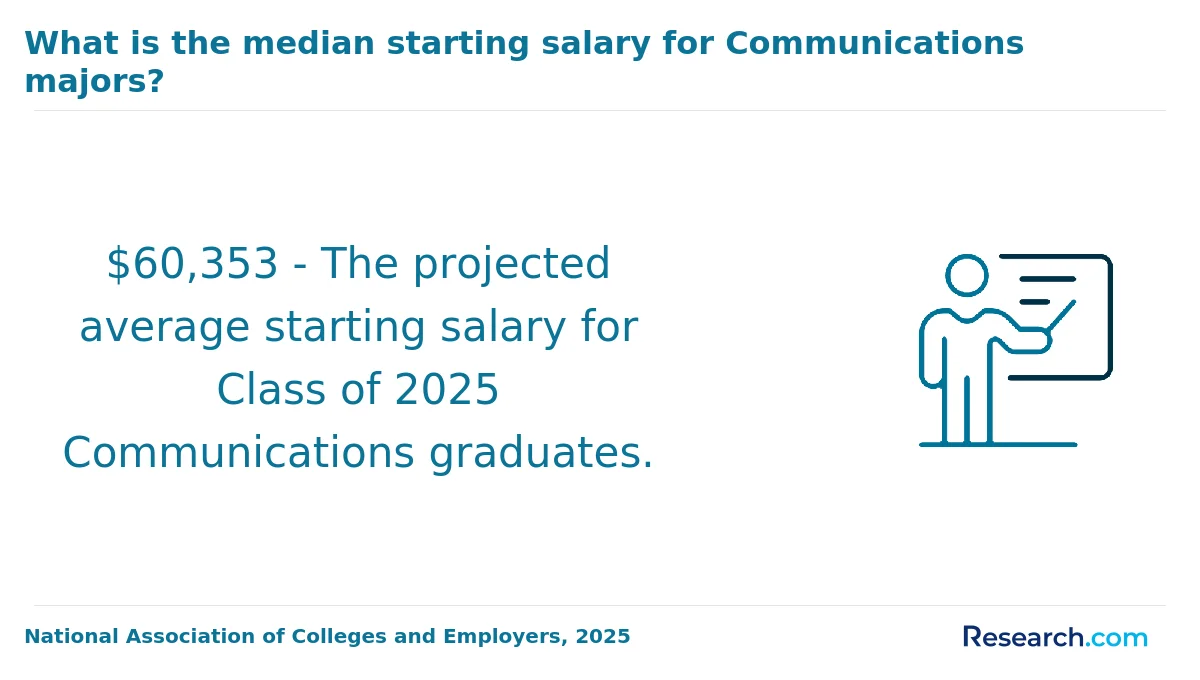
Graduates with an online communication degree in Missouri often find starting salaries ranging from $40,000 to $50,000 per year, especially in entry-level roles such as communication specialists or marketing assistants. For example, alumni from institutions like the University of Missouri or Webster University report securing positions in St. Louis and Kansas City where local demand supports these figures.
With gained experience or specialized roles-such as public relations specialists or communications managers-graduates see median salaries around $58,000, as noted by regional economic research. This aligns well with Missouri's cost of living, making these positions attractive to recent online graduates.
More advanced positions in communications management or media direction can elevate earnings to upwards of $80,000 annually. These roles often stem from combining an online degree with internships or practical experience, offering graduates fulfilling career paths with strong financial incentives.
Graduates often express enthusiasm about the flexibility an online communication degree offers, allowing them to explore diverse roles in digital marketing, social media, and content creation within Missouri's evolving job market.
2027 Best Online Bachelor's in Communication Degree Programs Ranking in Missouri
How do we rank schools?
Investing in your education is a significant decision that can shape your future, and the Research.com team understands the importance of making informed choices. To assist prospective students in Missouri, we have meticulously crafted the "2027 Best Online Bachelor's in Communication Degree Programs Ranking in Missouri." Our commitment to quality, credibility, and accuracy is reflected in the extensive research and analysis conducted to compile this ranking.
We utilized the following reputable data sources to ensure a comprehensive evaluation of communication programs:
By exploring this ranking, readers will gain valuable insights into the best online communication degree programs in Missouri, helping them make well-informed decisions about their educational paths. For more details on our methodology, please visit our Research.com methodology page.


Key Findings
- Online communication degrees in Missouri are offered by accredited institutions through fully online or hybrid programs.
- The cost for a bachelor's degree in communication ranges from $20,000 to $40,000 for in-state students, with public universities generally being more affordable.
- Entry-level salaries for communication graduates start around $40,000 to $45,000 annually, increasing to $60,000 to $75,000 with experience.
- Job opportunities are available in cities like St. Louis, Kansas City, and Columbia across media, corporate, healthcare, and government sectors.
- Programs emphasize skills in digital literacy, multimedia, marketing analytics, and project management to meet employer demands.
- Graduates remain eligible for professional certifications that enhance job market competitiveness in Missouri.
How long does it take to complete online communication degree in Missouri?
Completing an online communication degree in Missouri typically takes about four years for full-time students, a timeline consistent with popular institutions such as the University of Missouri and Webster University. Graduates often describe the journey as manageable yet rewarding, balancing coursework with personal and professional commitments. For many, enrolling part-time extends the duration to five or six years, offering flexibility for those juggling jobs or family responsibilities.
Students at Missouri State University and other well-regarded colleges appreciate accelerated programs that enable finishing sooner, sometimes in under four years, by utilizing year-round classes or transferring previously earned credits. For example, a graduate who transferred credits from a local community college reported completing their degree a year ahead of schedule, which created both financial relief and a sense of accomplishment.
Most online communication degrees in Missouri require about 120 credit hours. Those taking 15 credits each semester, including summer sessions, often find this pace encouraging, fostering a steady path toward graduation while allowing time for internships or practical experience.
What's the difference between online and on-campus communication degree?
Online and on-campus communication degrees in Missouri differ primarily in delivery and daily experience. Online programs, such as those offered by the University of Missouri and Missouri State University, allow students to study remotely with flexible schedules. This flexibility suits working professionals or those managing family commitments, who appreciate the ability to complete coursework asynchronously without commuting.
Conversely, traditional on-campus degrees at institutions like the University of Missouri-St. Louis provide structured class times with live interaction. Graduates often highlight the benefit of immediate access to campus resources, including media labs and internship placements in cities like St. Louis or Kansas City, which foster stronger local networking.
Cost-wise, online degrees may reduce fees tied to campus facilities but mirror in-state tuition, typically between $10,000 and $12,000 annually at Missouri public universities. Alumni from both formats affirm that while online learners enjoy autonomy and convenience, on-campus students value immersive environments and face-to-face collaboration.
Ultimately, Missouri communication students must weigh personal circumstances to choose the format that best fits their lifestyle and career aspirations in public relations, marketing, or media fields.
What is the average cost of online communication degree in Missouri?
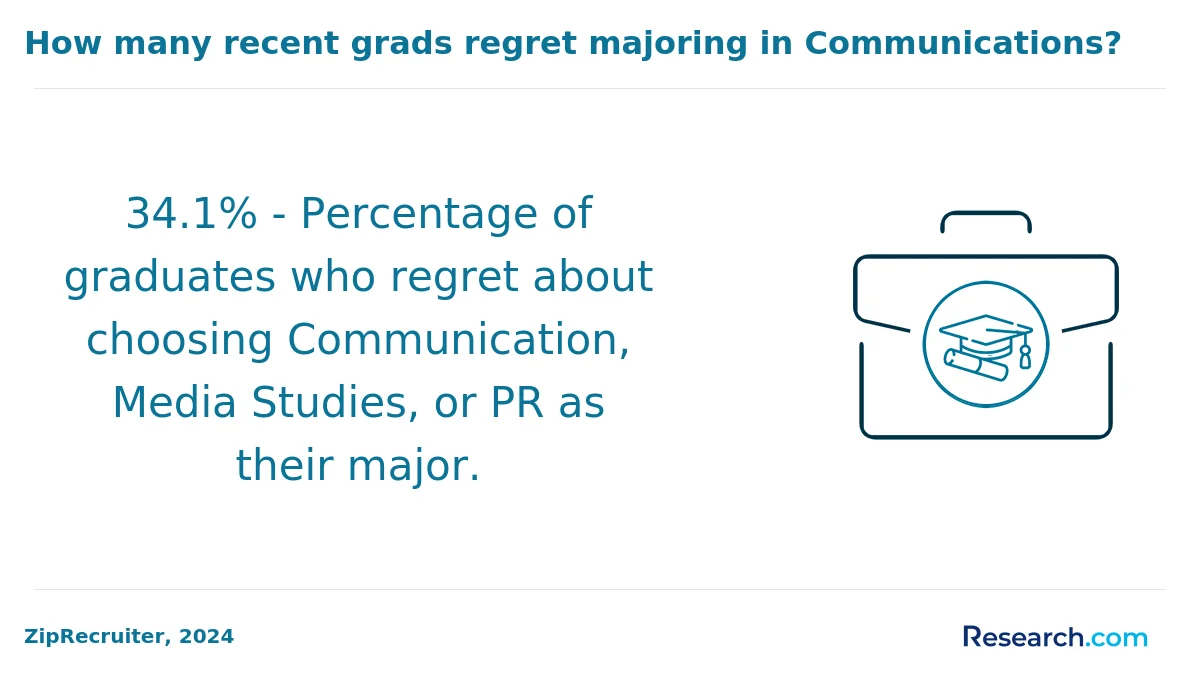
The average cost of earning an online communication degree in Missouri varies depending on institution type and residency status. For in-state students, the median total tuition typically hovers around $35,340. Public universities like Missouri State University and the University of Central Missouri offer more affordable options, with graduates often recalling manageable tuition expenses that reflect both quality education and reasonable costs. These programs consistently attract students who appreciate balancing academic excellence with financial practicality.
Private institutions in Missouri generally command higher tuition fees, pushing total costs well above $59,000, with many graduates sharing stories of significant investment but also valuing the comprehensive support and smaller class sizes they experienced. These students often highlight how their education empowered them with advanced skills and networking opportunities despite the greater expense.
Additional fees such as technology charges and course materials can increase the total tuition cost by 10-20%, which prospective students should carefully consider when planning their budgets. Fortunately, many find that effective financial aid, including scholarships and employer tuition reimbursement, substantially reduces their out-of-pocket expenses. Those exploring the average cost of online communication degree Missouri programs are encouraged to research these options thoroughly.
To navigate different program choices efficiently, prospective students might explore resources like the fastest online communication programs, which provide detailed comparisons and accelerate degree completion timelines.
What financial aid is available to online communication degree students in Missouri?
Students pursuing an online communication degree in Missouri frequently access federal financial aid by completing the Free Application for Federal Student Aid (FAFSA), unlocking grants, loans, and work-study options. Many graduates recall how the Pell Grant-offering up to $7,395 annually-played a crucial role in easing their tuition burden at institutions like the University of Missouri or Missouri State University. This federal support often forms the foundation of their funding strategy.
Missouri residents also benefit from state-specific programs such as the Access Missouri grant, which some graduates of online programs mention as instrumental in covering tuition fees. Universities well-regarded for communication degrees, including Washington University in St. Louis, provide merit-based scholarships that reward academic excellence and leadership, making education more affordable for motivated students.
Working professionals enrolled in these programs often achieve added financial relief through employer tuition reimbursement, a common perk that enables them to balance education and work. These combined aids transform the challenge of financing an online communication degree into an achievable opportunity for many Missouri students.
What are the prerequisites for enrolling in online communication degree program in Missouri?
Enrolling in an online communication degree program in Missouri typically requires applicants to have earned a high school diploma or its equivalent, providing a fundamental academic foundation. Many students from well-known institutions such as the University of Missouri and Missouri State University recall the importance of completing core courses in English, math, and social studies to succeed in their communication coursework. These foundational classes sharpen critical thinking and writing skills essential for effective communication.
Standardized test scores like the SAT or ACT remain important for some schools, although many have embraced test-optional policies that reduce barriers for prospective students. Graduates often emphasize how submitting a personal essay or statement about their passion for communication helped personalize their applications and showcased their dedication.
In addition to academic requirements, participation in communication-related internships, volunteer work, or leadership roles can enhance an applicant's profile by demonstrating practical experience. Missouri's online programs, known for their affordability and flexibility, often attract students balancing work and study, who appreciate the emphasis on both theory and real-world skills.
What courses are typically in online communication degree programs in Missouri?
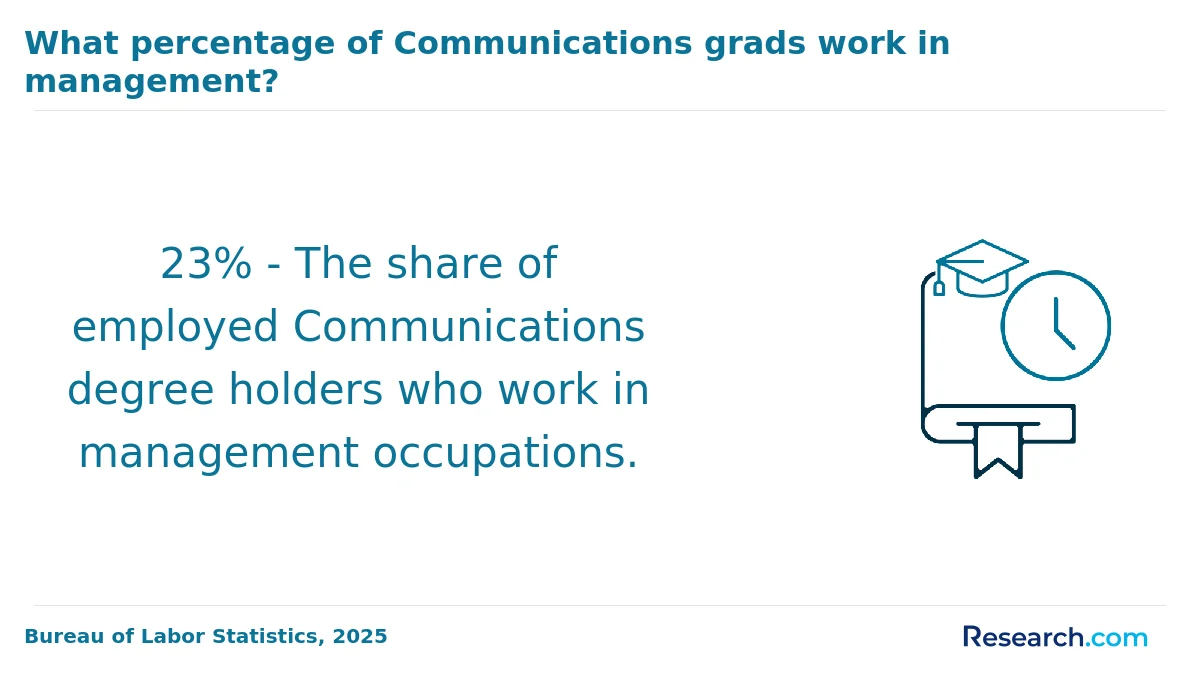
Online communication degree programs in Missouri typically include a well-rounded set of courses designed to prepare students for dynamic careers in the field. Graduates often reflect positively on foundational classes such as Introduction to Communication Studies, Public Speaking and Presentation Skills, and Interpersonal and Group Communication, which build essential abilities applicable to everyday and professional interactions.
Students at popular Missouri institutions find that specialized courses, like Social Media Strategy and Analytics or Digital Media Production, offer hands-on experience with tools and techniques highly valued in today's digital landscape. These courses enable learners to craft effective campaigns and manage real-world social media challenges, fostering confidence and excitement about their future careers.
Additionally, communication research methods and media ethics form a critical part of the curriculum. Graduates often mention how learning to analyze communication effectiveness rigorously has enhanced their strategic thinking. Missouri's online programs balance theory and practice, with many students engaging in capstone projects or internships that simulate workplace environments, making the learning process both practical and rewarding.
What types of specializations are available in online communication degree programs in Missouri?
Students pursuing online communication degrees in Missouri can select from multiple specializations designed to match diverse interests and career demands. These typically include Public Relations (PR), where graduates from popular universities in St. Louis and Kansas City describe gaining hands-on crisis communication skills and social media strategies that directly translate into roles within Missouri's healthcare and manufacturing sectors. The richness of Missouri's business environment offers a dynamic backdrop for students focusing on organizational communication, sharpening leadership communication and employee engagement techniques relevant to Fortune 500 companies like Centene.
Other common types of communication majors in Missouri encompass Digital and Social Media, providing graduates with experience in crafting digital marketing campaigns and analyzing audience trends-skills highly sought after in the state's expanding internet economy. Additionally, mass media and journalism tracks remain critical, with many students benefiting from practical internships in urban markets, enhancing job-ready abilities.
Those prioritizing affordability and quality can explore the cheapest online communication programs in Missouri, which balance cost with robust specialization options, making these degrees compelling for ambitious students statewide.
How do you choose the best online communication degree in Missouri?
When choosing the best online communication degree in Missouri, accreditation is paramount. Graduates from regionally accredited schools, such as those recognized by the Higher Learning Commission, report greater confidence in their qualifications when entering competitive job markets. Many students share how attending established institutions-well-known for their communication programs-offered curricula rich in public relations, media studies, and corporate communication, providing practical skills that employers actively seek.
Affordability also influences decision-making. Missouri offers affordable online communication programs Missouri residents appreciate, especially at public universities where tuition is often around $9,000 annually. Graduates often mention how flexible scheduling and credit transfers reduced time to completion, enabling them to balance studies with professional responsibilities effectively.
Exploring the range of online masters degrees in communication available through Missouri institutions further helps prospective students find programs that suit their career goals, emphasizing faculty expertise and strong student support networks.
What career paths are available for online communication degree students in Missouri?
Graduates holding an online communication degree in Missouri find a broad spectrum of career paths that tap into their verbal and written prowess, critical thinking, and media skills. Common roles include public relations specialists, who shape public perception and develop press materials for organizations in thriving urban centers like St. Louis or Kansas City. These graduates often reflect positively on their experiences at popular Missouri universities, where hands-on projects and internships make the learning process engaging and applicable.
Many also pursue marketing and advertising careers, working as content creators or social media managers within the state's expanding digital landscape. Such positions benefit from knowledge gained during coursework and internship opportunities with Missouri-based firms. Communication graduates frequently enter corporate communication roles, facilitating smooth intra-company messaging and fostering a collaborative culture.
Those interested in nonprofit work or journalism leverage storytelling skills honed during their studies. Aspiring professionals can see notable examples from graduates who emphasize the value of certifications and practical experience alongside their degree.
For students seeking more detailed insight into specialized offerings, this link to public relations online degrees provides valuable information pertinent to careers in Missouri.
These job opportunities with communication degree Missouri illustrate the versatility and rewarding prospects awaiting graduates within the state's dynamic communication sectors.
What is the job market for online communication degree in Missouri?
The job outlook for online communication degree Missouri graduates is notably positive, with various sectors actively seeking skilled communicators. Graduates from popular universities and colleges in Missouri often find themselves employed in dynamic roles within media outlets, corporate communication teams, and healthcare organizations. Many report feeling confident as they engage in real-world projects, applying strategic messaging and multimedia skills learned online. This practical experience makes them competitive candidates in key urban centers like St. Louis and Kansas City, where communication roles are expanding steadily.
Students pursuing an online communication degree in Missouri appreciate the flexibility to study while building a professional portfolio, which enhances their employment opportunities with communication degree Missouri. Employers value proficiency in digital communication tools, supporting graduates who navigate social media management and public affairs with ease. Additionally, those interested in advancing quickly can explore accelerated paths through fastest online masters degrees in public relations, which further sharpen specialized skills needed in this evolving job market.
Frequently Asked Questions About communication
Students pursuing online communication degrees in Missouri can enhance their learning by actively engaging with course materials and faculty. Many Missouri institutions offer access to librarians and academic advisors specializing in communication studies, which can provide tailored support. Participating in virtual study groups or communication clubs allows students to practice skills and network.
Leveraging internships or Missouri-based media organizations remotely offers practical experience, boosting resumes. According to the Missouri Department of Higher Education, students who combine coursework with internships report higher employment rates post-graduation.
Using online resources such as webinars or communication-focused databases through university subscriptions also enriches understanding. Staying proactive and managing time effectively are key to succeeding in Missouri's online communication programs.
Emerging niches within the communication field reflect the rapidly changing digital and social landscape. In Missouri, online communication degrees increasingly emphasize areas like digital media strategies, healthcare communication, and social justice advocacy. According to the Missouri Department of Higher Education, programs now integrate training for content creation on social platforms and data-driven communication analytics.
Another growing niche is crisis communication, especially relevant as organizations adapt to unpredictable environments. Additionally, user experience (UX) design and virtual reality (VR) communication are gaining traction, linked to innovations in technology and media industries in the state.
These specializations prepare students for diverse careers in marketing, public relations, and nonprofit sectors, meeting Missouri's evolving job market demands.
After completing an online communication degree in Missouri, preparing for the job market involves several key steps. First, gaining practical experience through internships or volunteer positions is vital. Many Missouri organizations, including media outlets and nonprofit groups in cities like St. Louis and Kansas City, offer opportunities for real-world application of communication skills.
Next, developing a professional portfolio showcasing writing samples, presentations, or media projects can help graduates stand out. According to the Missouri Economic Research and Information Center, communication-related jobs are expected to grow by 6% by 2030, highlighting the importance of demonstrating practical skills.
Networking through local chapters of professional groups such as the Public Relations Society of America (PRSA) Missouri chapter or attending job fairs hosted by Missouri universities can open doors. Additionally, acquiring relevant certifications, such as digital marketing or social media management, can increase employability in Missouri's evolving communication sector.
Employers in Missouri highly value communication degree graduates who demonstrate strong verbal and written communication skills. According to the Missouri Economic Research and Information Center, these skills are critical for roles in public relations, marketing, and corporate communications. Graduates must be adept at crafting clear messages for varied audiences and platforms.
In addition, interpersonal skills such as teamwork and active listening are essential for collaborating across diverse professional environments. Analytical abilities to assess media trends and audience responses are increasingly important as well.
Technical proficiency with digital communication tools and social media platforms is another top skill, reflecting the state's growing emphasis on online engagement.
Finding internships in Missouri relevant to a communication degree involves leveraging local industry connections and university resources. Many communication students turn to Missouri-based organizations such as the Kansas City Public Relations Society or the St. Louis Advertising Club for internship opportunities. According to the Missouri Economic Research and Information Center, the media and communications sector remains strong in urban areas of Missouri, offering diverse internships in public relations, digital media, and corporate communication.
University career centers often collaborate with local businesses to provide internship listings tailored to communication students. Platforms like Handshake and MissouriJobCenter.gov also list numerous internships statewide.
Networking events and professional associations play a vital role in uncovering hidden internship opportunities.
An online communication degree in Missouri can significantly enhance career mobility and advancement opportunities for graduates. The state's diverse economy, including sectors such as healthcare, education, and business, relies heavily on effective communication strategies. According to the Missouri Economic Research and Information Center, employment in communication-related jobs is projected to grow moderately through 2028.
Graduates with communication degrees often qualify for roles in public relations, marketing, and corporate communications, which tend to offer clear promotion pathways. Online degrees provide flexibility for working professionals, allowing them to gain skills without interrupting their careers.
Missouri employers increasingly value digital communication proficiency, especially skills in social media, content creation, and multimedia production, all commonly taught in accredited online programs. This alignment boosts job prospects and potential salary growth.
Studying for an online communication degree in Missouri equips students with versatile skills applicable across many disciplines. Missouri programs often emphasize critical thinking, media literacy, and intercultural communication, essential for roles in business, healthcare, education, and public relations.
Missouri's higher education institutions incorporate coursework that intersects with fields like marketing, psychology, and technology, preparing graduates for collaborative work environments. According to the Missouri Department of Higher Education, communication majors have a growing presence in interdisciplinary teams, especially in urban centers such as St. Louis and Kansas City.
Online degrees in communication offer flexible learning while teaching data analysis, digital media production, and strategic messaging. These skills meet Missouri employers' demand for adaptable professionals who can navigate diverse industries effectively.
When choosing between a thesis and a non-thesis online communication degree program in Missouri, consider your career goals and learning preferences. A thesis option typically involves conducting original research and writing a detailed paper, which can be valuable if you plan to pursue graduate studies or research roles. Non-thesis programs often focus on practical skills and coursework, appealing to students aiming for direct entry into communication professions.
The Missouri Department of Higher Education notes many state universities offer both options, with thesis tracks generally requiring more credits and time. Evaluate workload, faculty support, and your interest in research versus applied learning before deciding.
Students based in Missouri seeking to study communication abroad through online programs have several practical options. Many Missouri universities offer partnerships with international institutions, allowing students to participate in exchange programs or joint courses without leaving the US. Additionally, fully online communication degrees accredited in Missouri can include global perspectives and collaboration with international students.
According to the Missouri Department of Higher Education, about 15% of communication majors explore study-abroad options integrated into their program. Universities such as the University of Missouri provide virtual study tours and foreign language integration to enhance cultural immersion remotely. These opportunities ensure students gain global communication skills while completing an accredited Missouri-based degree.
International fieldwork is less common but may be arranged with advisor support in certain institutions. Overall, Missouri students benefit from flexible, tuition-compatible international learning experiences within online communication curricula.
Part-time job opportunities in Missouri that complement a communication degree often involve roles enhancing practical skills in media, public relations, and digital communication. Positions such as social media coordinator, content creator, and communications assistant can provide valuable experience while studying. According to the U.S. Bureau of Labor Statistics, Missouri's media and communication jobs are growing steadily, with employment in public relations expected to increase by 7% through 2031.
Working in local news stations or nonprofit organizations also offers applied communication practice. Students may find internships or part-time roles in marketing agencies around Kansas City and St. Louis. These settings foster skills in messaging, audience engagement, and campaign development, crucial for a communication bachelor's degree.
Online communication students in Missouri have access to various networking opportunities despite studying remotely. Many universities offer virtual career fairs and online networking events that connect students with Missouri-based communication professionals. Additionally, organizations such as the Public Relations Society of America (PRSA) Missouri Chapter provide industry networking and mentorship that online students can join.
Missouri's strong media market, including cities like St. Louis and Kansas City, offers internships and virtual job shadowing in communication fields. Schools often facilitate connections with local companies through alumni networks, increasing students' chances of building relevant professional contacts.
According to Missouri's Department of Higher Education, participation in these networks improves employment outcomes for graduates in communication-related roles statewide.
Alumni networks provide valuable support for online communication degree students in Missouri through connections that enhance career opportunities. These networks offer access to industry professionals, enabling mentorship and advice crucial for job placement.
Missouri's communication graduates benefit from established groups that organize events, share job leads, and provide networking platforms. According to the Missouri Department of Higher Education, these connections can increase employment rates by up to 15% for recent graduates.
Additionally, alumni often collaborate with schools to offer internships and real-world projects, giving students practical experience. This engagement is especially important in Missouri's evolving media and corporate communication sectors, where professional relationships frequently influence hiring decisions.
In Missouri, online communication degree programs often allow students to tailor their studies through various electives and concentration options. Many universities provide specializations such as public relations, digital media, or organizational communication. Choosing a focus aligned with your career goals helps develop relevant skills and strengthens your resume.
Some programs include practical experiences like internships or capstone projects, which are valuable for networking and applying knowledge in real-world settings. According to the Missouri Department of Higher Education, approximately 65% of communication graduates in the state pursue roles in media, marketing, or corporate communications, highlighting popular fields to consider.
It is also beneficial to look for programs that offer flexibility in course selection and mentorship opportunities to better fit your aspirations.
Online communication students in Missouri often face challenges balancing coursework with personal and professional responsibilities. Many students juggle full-time jobs or family duties, which can interfere with consistent participation in virtual classes.
Access to reliable high-speed internet remains a challenge, especially in rural parts of Missouri. According to the Missouri Broadband Development Office, around 40% of rural households lack adequate internet connectivity, which impacts students' ability to stream lectures or submit assignments on time.
Another common issue is limited real-time interaction with instructors and peers. Communication degrees benefit from discussions and group projects, yet asynchronous online formats can reduce engagement.
Finally, some students report difficulties adapting to self-directed learning and managing deadlines without the structure of on-campus programs, making time management skills critical for success.
With an online communication degree in Missouri, graduates can pursue several professional certifications that enhance their career prospects. Popular options include the Certified Communication Professional (CCP) and the Accredited Business Communicator (ABC)
Additionally, certifications like the Digital Marketing Certificate are valuable given the increasing integration of communication and digital media. Missouri professionals benefit from credentials recognized nationwide, helping access jobs in marketing, corporate communication, and media relations. According to the Missouri Department of Higher Education, holding certifications can improve job placement rates in communication fields by approximately 15%. Certifications affirm practical expertise beyond degree credentials, aiding competitiveness in Missouri's growing communication sector.
Applying for an online communication program in Missouri requires careful preparation. Start by researching accredited universities, such as the University of Missouri or Missouri State University, known for their strong communication departments. Ensure your application highlights relevant experience and skills in public speaking, media, or writing.
Missouri reports a competitive job market for communication graduates, with a 5% growth projected through 2030 according to the Bureau of Labor Statistics. Emphasize your adaptability to online learning environments and proficiency with digital communication tools.
Strong letters of recommendation and a compelling personal statement explaining your career goals and interest in communication fields can significantly enhance your application.
Lastly, meet all deadlines and follow submission guidelines precisely to demonstrate professionalism and commitment.
The field of communication is increasingly viewed through a global lens, reflecting the interconnected world economy and digital advances. Professionals with communication degrees often work in diverse environments, including international media, marketing, public relations, and corporate communication. According to the U.S. Bureau of Labor Statistics, communication-related occupations are expected to grow 12% from 2022 to 2032, faster than average, highlighting strong demand.
Missouri's institutions offering online communication degrees prepare students to engage with global audiences by emphasizing cross-cultural skills and digital literacy. The Missouri Economic Research and Information Center notes that local employers value graduates who can navigate both domestic and international communication challenges.
Students trained in Missouri benefit from programs aligned with U.S. professional standards while developing competencies applicable worldwide. This global perspective supports career flexibility, whether in multinational corporations or nonprofit organizations operating abroad.
Gaining practical experience while pursuing an online communication degree in Missouri involves several effective strategies. Many programs encourage internships with local media outlets, businesses, or nonprofit organizations. According to the Missouri Department of Higher Education, internships can enhance your resume and provide valuable networking opportunities within the state's communication industry.
Students can also participate in virtual workshops, simulations, and group projects offered by their schools. Online communication programs frequently incorporate real-world assignments, such as creating press releases or managing social media campaigns.
Additionally, joining Missouri-based professional organizations like the Missouri Professional Communicators helps build connections and access job shadowing or mentorship programs.
Choosing the right concentration in an online communication degree program in Missouri requires understanding your career goals and interests. Common concentrations include public relations, corporate communication, digital media, and health communication. Each offers unique skills tailored to different industries.
In Missouri, industries such as healthcare, education, and agriculture increasingly demand communication specialists, with the Missouri Economic Research and Information Center reporting a 5% job growth for communication roles over the next decade. Researching local job trends can guide concentration choice effectively.
Consider programs accredited by the Accrediting Council on Education in Journalism and Mass Communication (ACEJMC), which ensure quality education aligned with professional standards.
Additionally, evaluate course flexibility, faculty expertise, and internship opportunities within Missouri-based organizations to enrich your learning experience.
Related Communication Rankings for Nearby States
- 2027 Best Online Bachelor's in Communication Degree Programs Ranking in Arkansas
- 2027 Best Online Bachelor's in Communication Degree Programs Ranking in Illinois
- 2027 Best Online Bachelor's in Communication Degree Programs Ranking in Kentucky
- 2027 Best Online Bachelor's in Communication Degree Programs Ranking in Colorado
- 2027 Best Online Bachelor's in Communication Degree Programs Ranking in Texas
- 2027 Best Online Bachelor's in Communication Degree Programs Ranking in Florida
- 2027 Best Online Bachelor's in Communication Degree Programs Ranking in Pennsylvania
- 2027 Best Online Bachelor's in Communication Degree Programs Ranking in New York
- 2027 Best Online Bachelor's in Communication Degree Programs Ranking in Arizona
Top Trending Communication Rankings
References
- How Long is an Online Master’s in Communication Program? https://www.onlineeducation.com/communication/faqs/how-long-to-earn-a-communications-masters-degree-online
- Why You Should Start Networking as a Student – and How to Do It https://amplifyme.com/blog/why-you-should-start-networking-as-a-student
- Communication Studies, BS https://www.ucmo.edu/academics/programs/majors/cahss/communication-and-digital-media-production/communication-studies-bs/
- Top Communication Skills Employers Seek From College Grads https://www.manpower.com.sg/en/insights/blogs/2021/03/top-communication-skills-employers-seek-from-college-grads
- What studies are needed to work in communications? - Sup de Pub https://www.supdepub.com/en/guide/what-studies-are-needed-to-work-in-communications/
- Master of Arts (M.A.) Major in Communication Studies (Non-thesis Option) https://mycatalog.txstate.edu/graduate/fine-arts-communication/commstudies-nonthesis-nominor-ma/
- Communications Officer Cover Letter Example https://www.kickresume.com/en/help-center/communications-officer-1-cover-letter-sample/
- Communications Degree Salary Guide https://online.maryville.edu/online-bachelors-degrees/communications/careers/communications-degree-salary-guide/
- What Kind of Jobs Can You Get With a Communications Degree? https://www.belmont.edu/stories/articles/2025/what-kind-of-jobs-can-you-get-with-a-communications-degree.html
- What you need to know about niche communications | BlueSky Education https://www.blueskyeducationpr.com/blog/business-education/niche-communications