2027 Best Online Bachelor's in Communication Degree Programs Ranking in Kentucky

Co-Founder and Chief Data Scientist
Choosing the right online communication degree can shape your future in meaningful ways. For students in Kentucky, finding quality programs that fit your lifestyle and goals is essential.
This article introduces the 2027 Best Online Bachelor's in Communication Degree Programs Ranking in Kentucky, created by the Research.com team of data scientists. Their careful analysis helps you focus on programs that truly stand out.
Exploring these top options can open doors to exciting careers and personal growth. Dive in to discover the best paths toward earning your communication degree with confidence.
Key benefits of getting online communication degree in Kentucky
- Communication degree graduates in Kentucky can expect competitive salaries comparable to national figures, with public relations specialists earning around $62,800 annually on average in the US.
- Graduates from the University of Kentucky often pursue diverse career paths such as media relations, corporate communications, or digital marketing, offering exciting job opportunities across industries.
- Completing a communication degree online, like those offered by Western Kentucky University, provides flexibility to balance work and study while gaining the same valuable skills as on-campus programs, making education accessible and convenient.
- 2027 Best Online Bachelor's in Communication Degree Programs Ranking in Kentucky
- What can I expect from online communication degree in Kentucky?
- Where can I work with online communication degree in Kentucky?
What can I expect from online communication degree in Kentucky?
The average cost of an online communication degree in Kentucky generally ranges between $10,000 and $25,000 for the entire program, depending on the institution and program length. Many students at universities like the University of Kentucky or Eastern Kentucky University find this investment worthwhile, as it opens doors to rewarding careers in dynamic fields such as public relations, media, and corporate communication.
Graduates often share how the affordability combined with flexible, high-quality online coursework gave them the freedom to work while studying, easing financial pressures. For example, one graduate who balanced a full-time job appreciated how the tuition fit within their budget without sacrificing educational value.
Financial aid, scholarships, and payment plans are common options at Kentucky institutions, making the expense more manageable. This approach allows students to focus on learning how to craft compelling messages, manage digital campaigns, and understand media ethics-skills highly sought after in Kentucky's growing professional sectors.
Where can I work with online communication degree in Kentucky?
Graduates with an online communication degree in Kentucky find themselves stepping into a world full of exciting career possibilities. Many have successfully launched their careers in public relations, working with trusted companies headquartered right here, like Lexmark and Humana, managing campaigns and building brand stories that resonate deeply with local communities.
Others thrive in media and journalism, joining local TV stations or newspapers in cities such as Lexington and Louisville. Picture a recent graduate crafting digital content that shapes public conversation, energized by the dynamic media landscape Kentucky offers.
Education roles also attract communication majors from popular schools like the University of Kentucky or Western Kentucky University, where graduates become instructors or academic advisors inspiring new learners.
Healthcare organizations in Kentucky value communicators who improve patient experiences, often finding rewarding positions in renowned facilities such as Baptist Health.
And if influencing public policy or community outreach excites you, government agencies and nonprofits eagerly welcome skilled communicators ready to make a real difference.
With so many paths, your degree can open doors across industries, matching your passion with purpose right here in Kentucky.
Graduates from online communication degree programs in Kentucky often find encouraging salary opportunities that reflect their growing expertise. For example, those finishing their studies at respected institutions like the University of Kentucky or Western Kentucky University start their careers in roles such as public relations assistants or social media coordinators with salaries typically ranging from $30,000 to $40,000. This is a rewarding starting point that opens doors to meaningful experience and upward mobility.
As these professionals gain confidence and skills, many move into mid-career positions earning between $50,000 and $70,000 annually, especially in sectors like healthcare, education, and manufacturing, which are strong in Kentucky. Communication specialists who advance to leadership roles such as marketing managers or communications directors often exceed $80,000 per year, reflecting the value of strategic planning and digital communication expertise.
Many graduates share how their online degree's flexibility enabled them to explore freelance opportunities-crafting content, managing media relations, or training teams. This adaptability can lead to diverse income sources and professional fulfillment throughout their careers in Kentucky's dynamic job market.
- In-state tuition for online communication bachelor's programs in Kentucky ranges from $8,000 to $15,000 per year.
- Public universities like the University of Kentucky offer more affordable tuition compared to private schools.
- Kentucky had about 4,000 jobs in communication-related fields as of 2023, with employment expected to grow by 6% over the next decade.
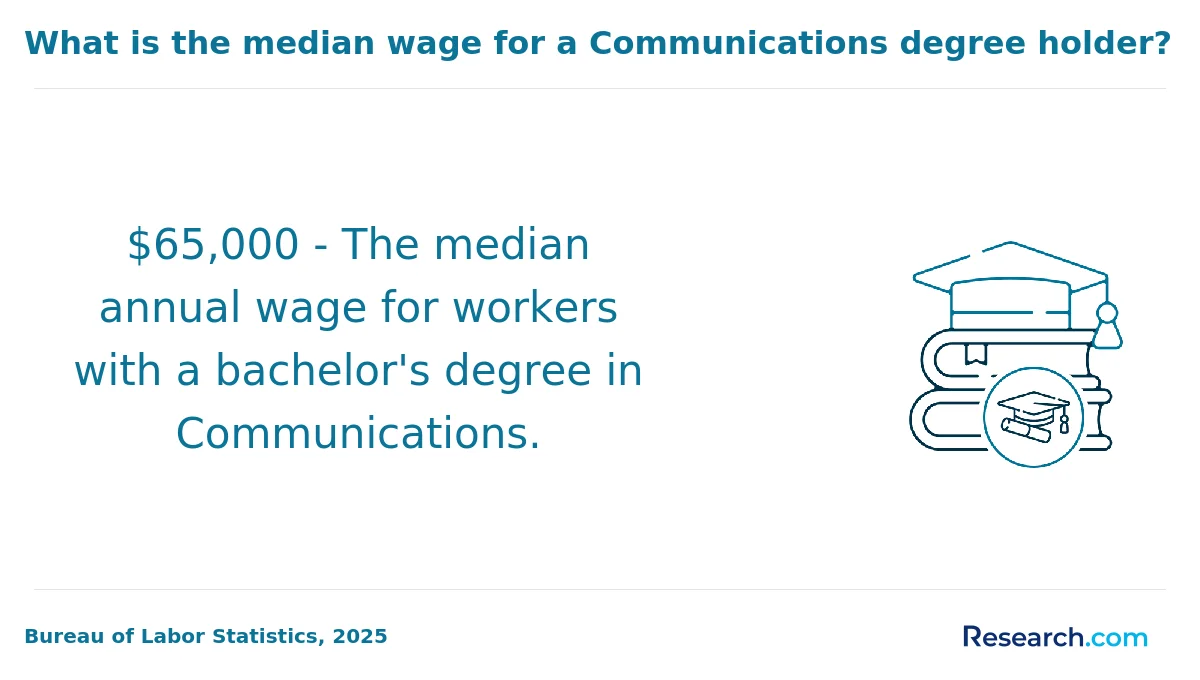
- Starting salaries for recent graduates average around $42,000 annually, rising to about $65,000 or more with mid-career experience.
- Online programs cover topics such as digital media, public speaking, writing, and strategic communication.
Completing an online communication degree in Kentucky usually takes about four years when studying full-time, reflecting the typical path for most undergraduates. Graduates from institutions like Western Kentucky University or the University of Louisville often share how setting a steady pace helped them balance coursework with life's demands.
Some students find themselves needing more time, especially if they juggle work or family commitments, stretching their studies to five or six years. Others, particularly those transferring credits from community colleges, can accelerate their journey and finish sooner.
Programs offering accelerated tracks let motivated learners complete degrees in as little as three years by taking extra courses year-round. This flexibility is a big encouragement for many Kentuckians who want to advance quickly without sacrificing quality.
By understanding your own lifestyle and goals, you can tailor your educational experience-just like many successful graduates-while enjoying the freedom of an online format designed to fit varied schedules.
When choosing between online and on-campus communication degrees in Kentucky, it's important to recognize how each path shapes your experience. Online programs offer incredible flexibility-imagine finishing coursework after your workday or while caring for family, all without the stress of commuting long distances from rural areas. Many graduates from the University of Kentucky's online program appreciate this freedom, sharing how it allowed them to balance life's demands while still earning a respected degree.
Conversely, on-campus programs at schools like Western Kentucky University bring you into dynamic environments filled with live discussions, campus events, and hands-on internships with local media. Graduates often recall how real-time conversations and networking built their confidence and practical skills in ways digital classrooms can't fully replicate.
Both options cover similar subjects like media studies and public relations. The key is choosing the format that fits your lifestyle-whether you thrive with the structure and community of campus life or the self-driven pace and accessibility of online learning.
The average cost of an online communication degree in Kentucky typically centers around a median total of $53,760, a figure many graduates from well-known institutions like the University of Kentucky or Western Kentucky University have navigated successfully. These students often mention how understanding the average cost helped them plan finances realistically while balancing work and study. The online communication degree tuition and fees Kentucky residents face are generally more affordable than private or out-of-state options, making it possible to invest in a valuable education without overwhelming debt.
Examples of graduates highlight that while tuition forms the bulk of expenses, additional fees for technology and course materials are also important to consider. Many students find that online learning reduces commuting and housing costs, which can offset some expenses. Kentucky residents pursuing their degree online enjoy tuition rates often between $300 and $400 per credit hour at public universities, aligning well with the median total.
To keep costs manageable, prospective students are encouraged to look into scholarships or financial aid specific to communication majors and online learners, which has helped several recent graduates secure funding. Exploring financial support options can turn a dream degree into a feasible reality. For those curious about cost-effective pathways, resources like affordable online master's in communications provide valuable guidance and inspiration in planning educational journeys.
When pursuing an online communication degree in Kentucky, you have access to valuable financial aid options designed to lighten your load. Many students at institutions like the University of Kentucky and Murray State University found completing the FAFSA early to be a game changer, unlocking federal grants such as the Pell Grant which can cover up to $7,395 annually. This grant alone transformed the college experience for many by drastically cutting tuition costs.
State aid, like the Kentucky Tuition Grant, also plays a vital role. Graduates from regional universities often share how this need-based support, ranging from $1,200 to $2,500 a year, made their education affordable without sacrificing quality. On top of this, institutional scholarships tailored specifically for communication majors reward dedication and leadership in fields like media and public relations.
Think about students balancing work and study who tapped into employer tuition reimbursement; this kind of support felt like having a partner in their educational journey. And professional organizations, including the National Communication Association, sometimes offer scholarships that provide both financial relief and encouragement for your career goals in communication.
To enroll in an online communication degree program in Kentucky, you'll first need a high school diploma or an equivalent like a GED. Graduates from universities such as the University of Kentucky often share how this basic step set a strong foundation for their entire academic journey. You'll also want to prepare your official transcripts-these verify your educational background and are essential whether you're a first-time student or transferring credits from another school.
Many programs here have embraced more flexible admissions, making standardized tests like the SAT or ACT optional. However, some schools may still request them, so it's wise to check with your chosen college.
Proving your English proficiency is another common ask, especially if you're an international student. Communication thrives on clear writing and speaking, and past students at institutions like Western Kentucky University found that meeting this requirement boosted their confidence in tackling communication projects.
Transfer students typically face minimum GPA requirements around 2.0 to 2.5, ensuring they're ready for the critical thinking and research demands ahead. Finally, reliable technology and fast internet aren't just perks-they're essentials to engage fully with your online courses and lively virtual discussions in Kentucky's dynamic communication programs.
When you dive into an online communication degree in Kentucky, you'll encounter courses that build a strong foundation and inspire confidence. Graduates from universities like the University of Kentucky often highlight how Introduction to Communication helped them grasp crucial theories about interpersonal and public communication, setting them up for success in real-world scenarios like job interviews or team meetings.
Typical classes such as Public Speaking and Presentation Skills empower you to express ideas clearly, whether you're pitching in a boardroom or leading a community event. Kentucky State University students appreciate courses like Mass Media and Society for understanding how news and social media influence public opinion, which is invaluable if you're aiming for careers in PR or journalism.
Electives like Digital Media and Communication and Communication Ethics allow you to navigate the fast-changing digital landscape responsibly. These hands-on experiences-ranging from crafting media campaigns to ethical decision-making-make the learning feel relevant and engaging, preparing you to thrive in a variety of industries across Kentucky and beyond.
If you're exploring an online communication degree in Kentucky, you'll find a range of specializations designed to fit diverse career goals. Schools like the University of Kentucky and Northern Kentucky University offer paths such as Public Relations, where graduates often reflect on how mastering crisis management helped them confidently navigate high-pressure environments. Digital Media and Communication stands out too, allowing students to harness social media and multimedia skills - invaluable in our digital era and especially relevant in Kentucky's growing tech hubs. In programs with a focus on Interpersonal and Organizational Communication, students gain powerful leadership and conflict resolution abilities, which former graduates praise for easing their transition into management roles in local businesses.
Health Communication is another compelling choice, preparing learners to clearly convey complex information in healthcare settings - a growing field in Kentucky's expanding medical sector. Media Studies provides insight into journalism and broadcasting, equipping students to critically engage with media ethics and production. Many students pursuing Kentucky online bachelor's communication programs appreciate hands-on internships that bring classroom theory into real-world practice. For a deeper look at options, consider exploring bachelors in communications online, tailored to today's dynamic job market.
Choosing the best online communication degree in Kentucky means focusing on accreditation, curriculum, and flexibility tailored to your life. Graduates from well-regarded schools like the University of Kentucky or Western Kentucky University often praise how regionally accredited programs boosted their confidence, knowing their degrees opened doors nationwide. Imagine diving into courses that cover digital media and strategic communication, arming you with skills directly relevant to today's fast-changing job market.
Cost is also a sensible consideration. Many students find affordable online communication programs Kentucky-wide that balance quality with reasonable tuition, making education accessible without overwhelming debt. One graduate shared how the availability of strong academic advising and career counseling helped them navigate work and family commitments smoothly, turning challenges into opportunities for growth.
Technology plays a vital role too. A student thrives when their program offers a user-friendly platform promoting collaboration and timely feedback. To explore further, consider programs that align with your goals by checking out this comprehensive resource on the online communications degree master's.
Graduates with an online communication degree in Kentucky find numerous career paths waiting for them, especially if they choose well-known schools like the University of Kentucky or Western Kentucky University. Many fellow graduates have successfully stepped into public relations roles, managing media relations and crafting impactful messages for local companies. These jobs often involve writing press releases or coordinating community events, providing a fulfilling way to directly influence public perception. This is a key example of Kentucky communication degree job opportunities that blend creativity with strategic thinking.
Other graduates thrive in marketing and advertising, developing campaigns that resonate with Kentucky's diverse industries, from healthcare to manufacturing. Those who enjoy storytelling and technical expertise explore fields like broadcasting, podcast production, or technical writing. Social media management is another exciting avenue, where graduates shape brand identities across platforms such as Facebook and Instagram. For those wanting to deepen their expertise, it's worth exploring online degrees in public relations tailored to these exciting careers.
The job market for those holding an online communication degree in Kentucky offers steady and promising opportunities. Graduates from well-regarded institutions like the University of Kentucky or Eastern Kentucky University have shared how their skills in media production and audience engagement helped them secure roles in public relations and corporate communications, sectors that continue to grow locally. Employers value communicators who can navigate digital platforms effectively, an area where many Kentucky students excel through their coursework.
Growth projections in Kentucky align with national trends, with positions such as marketing coordinators and social media strategists becoming increasingly essential. If you're exploring online communication degree jobs Kentucky provides, consider how the state's mix of healthcare, education, and manufacturing industries demands strong communication professionals who can bridge internal and external messaging.
For those eager to fast-track their careers, pursuing an accelerated online public relations degree master's program is a strategic path. These programs emphasize hands-on experience and can significantly enhance your prospects in this dynamic field.
2027 Best Online Bachelor's in Communication Degree Programs Ranking in Kentucky
Investing in your education is a significant decision that can profoundly impact your future, and the Research.com team recognizes the importance of making well-informed choices. To support prospective students in Kentucky, we have carefully developed the "2027 Best Online Bachelor's in Communication Degree Programs Ranking in Kentucky." Our dedication to quality, credibility, and accuracy is demonstrated through thorough research and meticulous analysis performed to create this ranking.
We utilized the following reputable data sources to ensure a comprehensive evaluation of online communication degree programs:
By consulting this ranking, readers will obtain valuable insights into the best online communication degree programs in Kentucky, enabling them to make confident and informed decisions about their educational journey. For additional information on how this ranking was created, please visit our Research.com methodology page.


Frequently Asked Questions About communication
Students pursuing online communication degrees in Kentucky can maximize their learning by engaging actively with their coursework and peers. Research shows that interaction, even in virtual settings, enhances understanding and retention. Utilizing Kentucky's digital libraries and communication resources, such as those offered by the University of Kentucky, can provide access to valuable academic journals and local media studies.
Practical experience is crucial; students should seek internships with Kentucky-based organizations like public relations firms or media outlets, which often offer remote opportunities. Additionally, joining virtual student groups or professional associations like the Kentucky Communication Association helps build networks and industry insight.
Effective time management and seeking faculty support are essential to succeed in Kentucky's online programs, ensuring students remain on track and motivated throughout their studies.
Emerging niches within the communication field reflect the evolving needs of digital and diverse media landscapes. In Kentucky, students pursuing online communication degrees can explore areas like digital content creation, social media strategy, and health communication. These specializations respond to increasing demand; for example, the Kentucky Cabinet for Health and Family Services noted a growing need for professionals skilled in public health messaging.
Another niche is crisis communication, which has gained prominence due to recent global events requiring precise, timely public messaging. Additionally, intercultural communication and media analytics are expanding, driven by Kentucky's diverse population and the rise of data-driven decision making in marketing and public relations.
According to the Bureau of Labor Statistics, job opportunities in these areas are expected to grow faster than average in the U.S., making targeted online degrees valuable for Kentucky students. Several regional universities now offer courses tailored to these niches, helping graduates meet market demands efficiently.
After completing an online communication degree in Kentucky, preparing for the job market involves a combination of practical experience and strategic networking. Engaging in internships with local media, public relations firms, or businesses can significantly enhance your resume. Kentucky's unemployment rate for communication-related fields remains lower than the state average, highlighting steady demand in roles such as corporate communication, marketing, and journalism (Kentucky Center for Statistics, 2023).
Building a professional portfolio that includes writing samples, multimedia projects, or campaign work is essential. Additionally, joining state-specific organizations like the Kentucky Communication Association provides networking opportunities and career resources. Continuous skill development, especially in digital media and data analytics, aligns well with employer expectations in Kentucky's evolving job market.
Employers in Kentucky seek communication degree graduates with strong interpersonal and digital communication skills. According to the Kentucky Center for Statistics, adaptability and critical thinking are also highly valued, especially as workplaces continue evolving with technology. Graduates proficient in public speaking, social media management, and writing clearly for diverse audiences tend to stand out. Knowledge of data analytics and content strategy increasingly adds practical value.
Technical skills in media production tools are beneficial, but employers prioritize creativity and problem-solving abilities more. Furthermore, teamwork and emotional intelligence are essential in the collaborative culture of Kentucky's businesses, especially in sectors like healthcare and education, which prominently employ communication graduates.
Finding internships in Kentucky relevant to a communication degree involves targeted research and networking. Start by exploring local media outlets, public relations firms, and marketing agencies in cities like Louisville and Lexington where the communication industry is active. The Kentucky Department of Labor offers resources through its Career Center, including internship listings and employer contacts specific to the state.
Many universities with online communication programs partner with regional businesses, so consult your school's career services. According to the National Association of Colleges and Employers (NACE), internships in communication fields often lead to higher job placement rates post-graduation.
Additionally, professional groups such as the Kentucky Public Relations Society of America (PRSA) chapter regularly advertise internship opportunities targeted to communication students in Kentucky.
An online communication degree in Kentucky can significantly enhance career mobility and advancement. Communication skills are essential across many industries in the state, including healthcare, corporate, media, and education sectors. According to the Kentucky Center for Statistics, employment in communication-related fields is projected to grow by 6% through 2030, faster than many other occupations.
Graduates with a communication degree benefit from strong verbal and written skills, making them competitive for roles requiring leadership and collaboration. Many Kentucky employers value the flexibility and self-discipline demonstrated by online learners, which supports career progression.
Moreover, Kentucky's expanding digital economy increases demand for professionals skilled in digital communication, public relations, and media management. As a result, degree holders often find opportunities for promotions or transitions into specialized roles more accessible than those without formal education in communication.
Studying for an online communication degree in Kentucky equips students with skills applicable across multiple fields. Communication programs emphasize critical thinking, interpersonal skills, and digital literacy, which are essential in roles such as public relations, marketing, healthcare, and education. Kentucky universities often incorporate interdisciplinary coursework, blending communication theory with business, sociology, and technology.
According to the Kentucky Council on Postsecondary Education, communication graduates in the state find opportunities in diverse sectors due to their adaptable skills. The rise of digital media and remote work further increases the demand for professionals who can effectively manage messaging across platforms.
These programs prepare students to collaborate with experts from various disciplines, enhancing their versatility and employability in Kentucky's evolving job market.
Choosing between a thesis and a non-thesis online communication degree program in Kentucky depends largely on your career goals and learning preferences. A thesis option typically suits students who plan to pursue research or graduate studies, as it involves in-depth study and a formal research project.
Non-thesis tracks are more practice-oriented and focus on professional skills, ideal for those aiming to enter the communication workforce directly after graduation. According to the Kentucky Council on Postsecondary Education, programs with thesis options often require more credits and take longer to complete.
Consider whether you prefer hands-on experience or academic research before deciding.
Students based in Kentucky who seek to study communication abroad through online programs have several options. Many universities with strong communication departments offer fully online bachelor's degrees that include study abroad or international partnership opportunities. These programs often allow students to complete coursework remotely while participating in short-term international experiences or virtual global collaborations.
While Kentucky institutions like the University of Kentucky provide comprehensive online communication degrees, direct study abroad options specifically for online students remain limited. Instead, students often rely on exchange programs coordinated through their home universities or third-party providers that facilitate international internships or virtual seminars.
According to the Institute of International Education, approximately 70 Kentucky students studied abroad in communication-related fields in recent years. This reflects growing interest but also suggests the need for expanding accessible online study abroad pathways within the state's educational offerings.
Students pursuing online communication degrees in Kentucky can benefit greatly from part-time jobs that build relevant skills. Roles in customer service, public relations, and social media management are common and align well with communication curricula. For example, Kentucky's growing digital marketing sector offers numerous entry-level positions suited for students.
Internships at local media outlets or nonprofit organizations also provide practical experience. According to the Kentucky Cabinet for Economic Development, communications-related jobs are expected to grow by 7% through 2030, emphasizing demand for skilled communicators.
Additionally, freelance writing or content creation jobs allow flexible schedules while honing writing and editorial abilities valued in the field.
Online communication students in Kentucky have multiple networking opportunities despite studying remotely. Many Kentucky universities offering online communication degrees provide virtual career fairs and alumni events tailored to connect students with regional media, marketing, and nonprofit professionals.
In addition, Kentucky's professional organizations, such as the Public Relations Society of America (Kentucky Chapter) and the Kentucky Broadcasters Association, frequently host networking events and webinars. These platforms enable students to build local industry connections and gain insights into the state's communication sector.
According to the Kentucky Center for Statistics, nearly 15,000 communication professionals are employed statewide, which highlights a robust network for internships and job placements.
Online learners can also access mentorship programs and local communication meetups in cities like Louisville and Lexington, fostering valuable connections while earning their degrees.
Alumni networks offer valuable benefits to online communication degree students in Kentucky by providing access to professional connections and industry insights. Graduates from Kentucky's communication programs often share job opportunities and mentorship through these networks, which can be crucial in a competitive media and communications field.
According to the Kentucky Chamber of Commerce, networking is a key factor in securing positions within local media companies and public relations firms. Alumni events and online platforms help students build relationships beyond the classroom.
Additionally, these networks often facilitate internships and collaborative projects, important for gaining practical experience.
Many online communication degree programs in Kentucky offer flexible curricula, allowing students to tailor courses to their career goals. For example, you can often select electives in areas like public relations, media writing, digital marketing, or organizational communication. This customization helps align your studies with local industry demands.
The Kentucky Center for Statistics reports growing communication-related roles in cities such as Louisville and Lexington, emphasizing skills in digital media and strategic communication. Some universities in Kentucky also provide internship opportunities or capstone projects that can focus on your specific interests, enhancing practical experience.
Consulting academic advisors at your chosen school is key to mapping a personalized plan that suits your professional aspirations while meeting state education requirements.
Students pursuing online communication degrees in Kentucky often face challenges related to balancing coursework with personal and professional responsibilities. Many learners are working adults, which makes time management crucial. According to the Kentucky Council on Postsecondary Education, nearly 50% of online students report difficulty staying motivated without in-person interaction.
Another issue is access to reliable technology and internet service, especially in rural parts of Kentucky where connectivity can be limited. This impacts the ability to participate in live discussions or submit assignments on time. Additionally, some students find it challenging to build meaningful relationships with faculty and peers due to the virtual format.
Lastly, navigating the variety of program requirements and transfer credits can be confusing, delaying degree progress if not managed carefully.
With an online communication degree, Kentucky graduates can enhance their credentials by pursuing several respected professional certifications. Popular options include the Accredited Public Relations (APR) certification, valued nationwide for careers in public relations and corporate communication. Another option is the Certified Communication Professional (CCP) credential, which recognizes expertise in business communication techniques.
Additionally, certifications such as the Project Management Professional (PMP) can complement communication skills, especially since Kentucky's communication sector increasingly overlaps with project management roles. According to the U.S. Bureau of Labor Statistics, Kentucky's employment in media and communication fields grew steadily, highlighting the value of certifications that improve job prospects and salary potential.
Local universities and professional bodies often provide exam preparation resources, making certification accessible to online learners based in Kentucky.
When applying for an online communication degree program in Kentucky, start by carefully reviewing each school's admission requirements. Most programs expect a completed application, official transcripts, and a personal statement detailing your interest in communication and career goals.
Highlight your relevant experience, such as internships, volunteer work, or jobs involving public speaking, writing, or social media management. Kentucky's communication job market grew 5% between 2019 and 2023, according to the Kentucky Center for Statistics, so demonstrating industry awareness helps your application stand out.
Maintain a strong GPA, ideally above 3.0, to increase acceptance chances. Some programs may also require letters of recommendation, so choose endorsers familiar with your communication skills and character. Finally, proofread all materials carefully to ensure clarity and professionalism.
Global perspectives on a communication career emphasize the importance of cultural awareness and digital skills. In the US, including Kentucky, communication professionals increasingly work in diverse environments requiring effective cross-cultural interaction. According to the U.S. Bureau of Labor Statistics, employment for communication specialists is projected to grow 13% from 2021 to 2031, faster than average for all occupations.
Kentucky's growing industries, such as healthcare and manufacturing, value communication graduates skilled in media, public relations, and digital messaging. Online degrees in communication prepare students to contribute globally while staying relevant in local job markets. These programs often incorporate international communication theories and real-world digital tools.
Gaining practical experience during an online communication degree in Kentucky is essential for career readiness. Many programs encourage internships with local media outlets, public relations firms, and marketing agencies. Kentucky's vibrant cities like Louisville and Lexington offer numerous opportunities for remote or in-person internships.
Students can also participate in virtual projects such as content creation, social media campaigns, or digital storytelling. According to the Kentucky Council on Postsecondary Education, several universities partner with businesses, allowing online learners to gain hands-on experience while studying.
Additionally, involvement in online student media or communication clubs provides practical skills valuable in the job market. These activities help build professional portfolios and networks critical for post-graduation success.
Choosing the right concentration within an online communication degree in Kentucky depends on your career goals and interests. Common concentrations include public relations, media studies, and organizational communication. According to the Kentucky Center for Statistics, many communication jobs in the state focus on digital media and corporate communications, reflecting industry trends.
Consider the courses offered and how they align with local job markets. For example, public relations is strong in Louisville and Lexington, where many companies seek skilled communicators. Research faculty expertise and program flexibility to ensure the concentration fits your learning style.
Exploring internships or networking opportunities through Kentucky universities can also guide your decision toward a concentration that best suits Kentucky's communication landscape.
- 2027 Best Online Bachelor's in Communication Degree Programs Ranking in Illinois
- 2027 Best Online Bachelor's in Communication Degree Programs Ranking in Missouri
- 2027 Best Online Bachelor's in Communication Degree Programs Ranking in Arkansas
- 2027 Best Online Bachelor's in Communication Degree Programs Ranking in Pennsylvania
- 2027 Best Online Bachelor's in Communication Degree Programs Ranking in Florida
- 2027 Best Online Bachelor's in Communication Degree Programs Ranking in New York
- 2027 Best Online Bachelor's in Communication Degree Programs Ranking in Texas
- 2027 Best Online Bachelor's in Communication Degree Programs Ranking in Colorado
- 2027 Best Online Bachelor's in Communication Degree Programs Ranking in Arizona
- Communications Specialist Certifications: Best Credentials to Advance Your Career | Teal https://www.tealhq.com/career-paths/communications-specialist-certifications
- PR strategies for niche markets: Gaining visibility through targeted communication - HBI Communication https://www.hbi.de/en/blog/pr-strategies-for-niche-markets-gaining-visibility-through-targeted-communication/
- Top 10 Effective Networking Tips for Students https://www.unfc.ca/blog/networking-tips-for-students
- Communications Officer Cover Letter Example https://www.kickresume.com/en/help-center/communications-officer-1-cover-letter-sample/
- Know more about thesis vs non- thesis: what is the difference? https://studyfans.com/en/blogs/816
- Master's in Communication Salaries by Career and Position (2025 Update) https://www.mastersincommunications.com/faqs/masters-in-communication-salary
- What do you study in communication studies? - INSEEC https://www.inseec.com/en/guides/orientation-guide/what-do-you-study-in-communication-studies/
- Communication Frequently Asked Questions | Central Methodist University https://centralmethodist.edu/academics/undergraduate/communication/communication-faq.html
- Master of Arts (M.A.) Major in Communication Studies (Non-thesis Option) https://mycatalog.txstate.edu/graduate/fine-arts-communication/commstudies-nonthesis-nominor-ma/
- Online BA in Communication https://www.wiu.edu/cofac/communication/online_BA.php