2027 Easiest Online Communication Degree Programs Ranking in Minnesota

Co-Founder and Chief Data Scientist
Are you considering pursuing a communication degree online in Minnesota? Our article introduces the 2027 Easiest Online Communication Degree Programs Ranking in Minnesota, developed by the Research.com team of data scientists. This ranking aims to guide you toward programs that balance quality and accessibility, making your educational journey smoother.
Choosing the right program can feel overwhelming, but this ranking helps simplify your decision. Earning a communication degree can open doors to exciting careers, build valuable skills, and boost your confidence in connecting with others. We're here to support your success every step of the way.
Key benefits of getting online communication degree in Minnesota
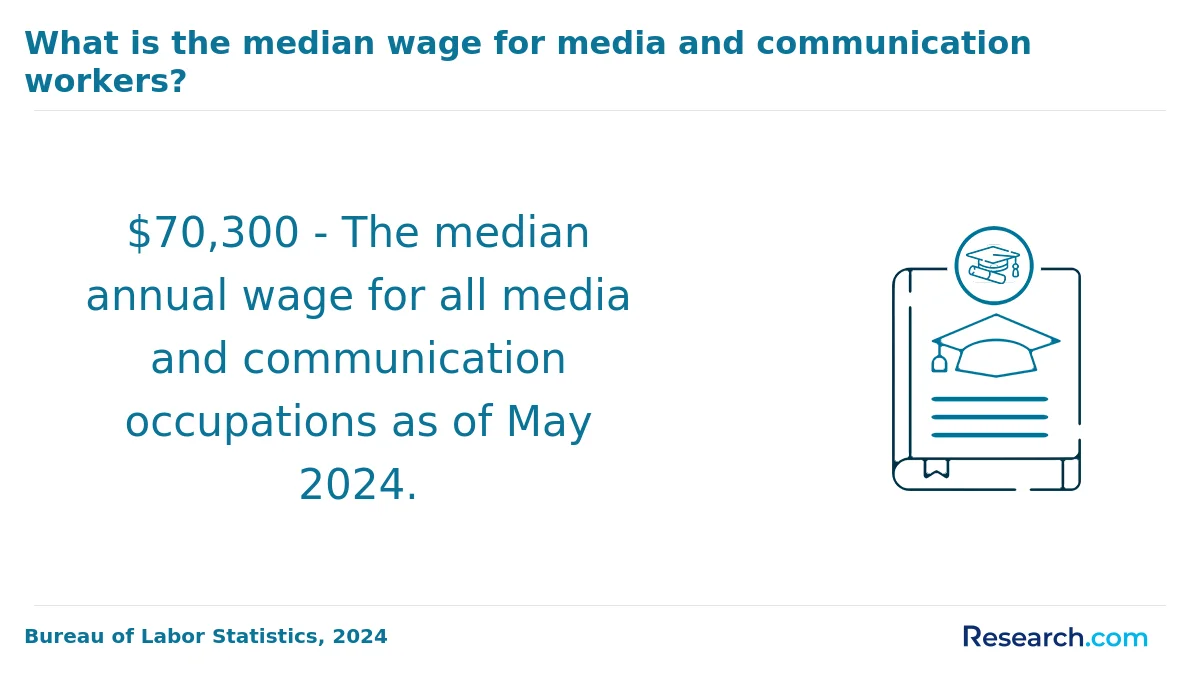
- Communication degree graduates in Minnesota can expect competitive salaries, with roles like public relations specialists earning around $65,000 annually on average in the US.
- Graduates from the University of Minnesota have diverse career paths available, including marketing, media relations, and corporate communication, offering exciting opportunities to use creative and strategic skills.
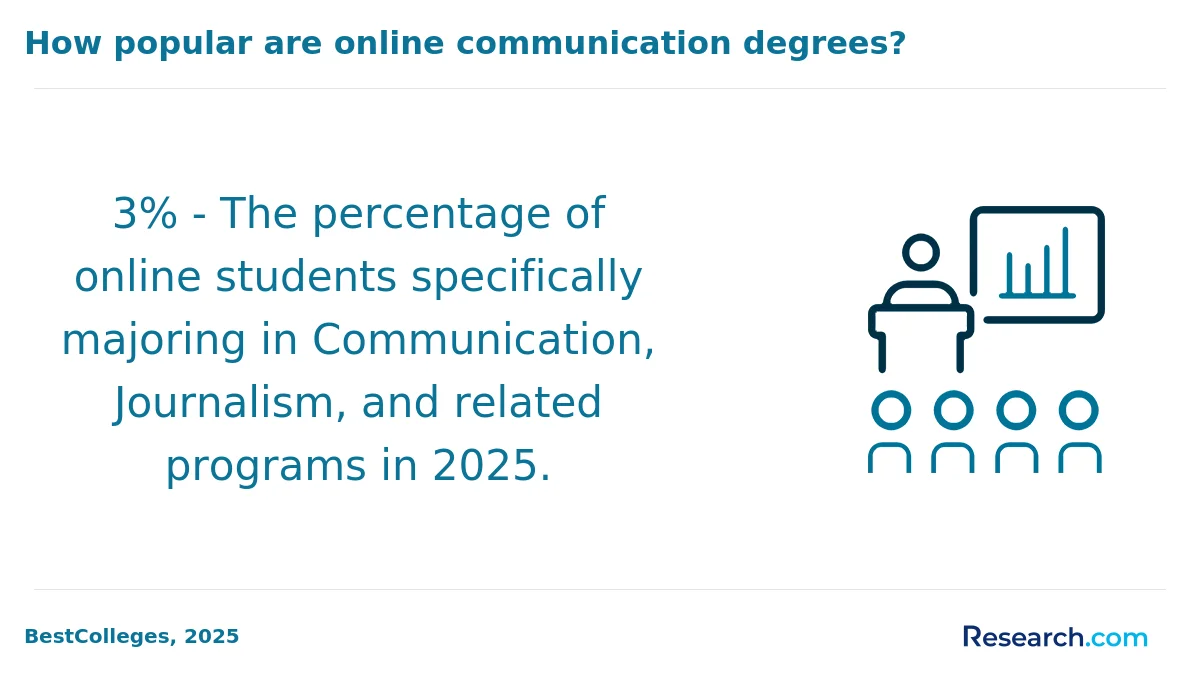
- Obtaining a communication degree online from universities like Minnesota State University Mankato provides flexibility and allows students to balance work and study, making education more accessible and convenient.
- Key benefits of getting online communication degree in Minnesota
- What can I expect from online communication degree in Minnesota?
- Where can I work with online communication degree in Minnesota?
- How much can I make with online communication degree in Minnesota?
- 2027 Easiest Online Communication Degree Programs Ranking in Minnesota
- Key Findings
- How long does it take to complete online communication degree in Minnesota?
- What's the difference between online and on-campus communication degree?
- What is the average cost of online communication degree in Minnesota?
- What financial aid is available to online communication degree students in Minnesota?
- What are the prerequisites for enrolling in online communication degree program in Minnesota?
- What courses are typically in online communication degree programs in Minnesota?
- What types of specializations are available in online communication degree programs in Minnesota?
- How do you choose the best online communication degree in Minnesota?
- What career paths are available for online communication degree students in Minnesota?
- What is the job market for online communication degree in Minnesota?
- Related Communication Rankings for Nearby States
- Top Trending Communication Rankings
What can I expect from online communication degree in Minnesota?
The average cost of an online communication degree in Minnesota generally ranges between $10,000 and $30,000 for a full bachelor's program, depending on whether you enroll in a public university or a private college. Graduates from institutions like the University of Minnesota or St. Cloud State report paying closer to the lower end when attending in-state and using financial aid.
Many students find that budgeting carefully for tuition, fees, and required technology upfront helps them avoid surprises. For example, a typical scenario involves paying per credit hour, commonly around $300 to $500 for public schools in Minnesota, which adds up over the 120 to 130 credits needed. Choosing schools with clear, transparent pricing like Bemidji State or Metropolitan State University makes financial planning easier.
Graduates often praise the value they get: affordable tuition combined with access to accredited programs and flexible schedules. This practical balance allows them to work while studying and steadily invest in their careers. For these students, cost is weighed alongside the quality of faculty interaction and real-world assignments tailored to Minnesota's communication market.
Where can I work with online communication degree in Minnesota?
Graduates with an online communication degree from Minnesota State University or the University of Minnesota often find rewarding roles in corporate communication within the state's top companies like 3M and Target. Imagine managing internal messaging or boosting brand presence for these well-known firms-many alumni share how internships through their college's career centers led directly to these opportunities.
Others leverage their skills in the thriving Minneapolis media market. Working as social media managers or content creators at local TV stations or newspapers is common, offering dynamic environments where graduates apply digital storytelling learned during their coursework.
Nonprofit organizations also actively seek communicators to handle public awareness campaigns and grant writing. Graduates from colleges like Augsburg University report fulfilling experiences collaborating on community outreach projects tied closely to their studies.
Local government offices present additional career paths in public affairs and crisis communication. Graduates often feel proud serving their communities, citing practical skills from their programs that prepare them for advocacy roles.
Marketing agencies in urban areas round out the options, where recent grads enjoy fast-paced work developing campaigns and conducting consumer research. The Minnesota Department of Employment and Economic Development confirms this is a growing job sector, reassuring those wondering about job stability.
How much can I make with online communication degree in Minnesota?
Graduates with an online communication degree in Minnesota can typically expect starting salaries between $40,000 and $50,000, especially in entry-level roles like Social Media Coordinator or Content Creator. For example, graduates from popular institutions such as the University of Minnesota or St. Cloud State University often begin their careers managing digital content or coordinating campaigns in these ranges.
With experience, Minnesota communicators frequently move into roles like Public Relations Specialists, earning around $62,000 annually, aligning closely with the national median. This salary reflects responsibilities such as managing media relations and shaping an organization's public image.
Those advancing further into managerial positions-Marketing and Communication Managers-can see median salaries near $95,000. Graduates with strong leadership skills from Minnesota programs find this rewarding, especially working in urban centers like Minneapolis-St. Paul, where demand for communication professionals is high.
Focusing on specializations like digital media or corporate communication increases earning potential, meaning several years of experience often bring annual salaries ranging from $60,000 to $85,000. Real-life success stories from Minnesota graduates illustrate how practical skills combined with networking in local media markets make this growth achievable.
2027 Easiest Online Communication Degree Programs Ranking in Minnesota
How do we rank schools?
Investing in your education is a significant decision that can shape your future, and the Research.com team understands the importance of making informed choices. To assist prospective students, we have meticulously crafted the "2027 Easiest Online Communication Degree Programs Ranking in Minnesota." Our commitment to quality, credibility, and accuracy is reflected in the extensive research and analysis conducted to compile this ranking. We utilized the following reputable data sources to ensure a comprehensive evaluation of online communication programs:
By exploring this ranking, readers will gain valuable insights into the easiest online communication degree programs available in Minnesota, helping them make informed decisions about their educational paths. For more details on our methodology, please visit our Research.com methodology page.
# 1 position
Walden University
Master of Communications

# 2 position
Walden University
Bachelor of Communications

Key Findings
- In-state tuition for online communication undergraduate programs at Minnesota public universities averages between $13,000 and $15,000 per year.
- Private institutions in Minnesota typically charge $20,000 to $30,000 annually for online communication degrees.
- Entry-level salaries for communication graduates in Minnesota range from $45,000 to $50,000 per year, with experienced professionals earning around $70,000 to $75,000 annually.
- Employment growth in communication-related fields in Minnesota is projected at 4% to 6% over the next decade, aligning with national averages.
- Many Minnesota online communication programs are regionally accredited by bodies like the Higher Learning Commission, ensuring credit transferability and employer recognition.
How long does it take to complete online communication degree in Minnesota?
Completing an online communication degree in Minnesota generally takes between two and four years. For example, graduates from well-known institutions like the University of Minnesota or Minnesota State often finish their bachelor's degree in about four years when studying full-time. Those who balance work and family may take longer, enrolling part-time or spreading courses across summer and regular semesters to maintain a manageable workload.
Many students find that transferring previous college credits speeds up their journey, allowing completion closer to two or three years. Online programs typically require around 120 semester credits, aligning with national accreditation standards, so staying on top of course availability and prerequisites is key to finishing on time.
Graduates often share how flexibility in scheduling-offered by institutions such as Augsburg University or St. Cloud State-helps them maintain motivation and progress steadily. Taking internships or capstone projects into account, adjusting your timeline thoughtfully can keep your degree affordable and achievable.
What's the difference between online and on-campus communication degree?
When choosing between online and on-campus communication degrees in Minnesota, consider how each fits your lifestyle and learning preferences. For example, graduates from the University of Minnesota who studied online appreciated scheduling flexibility, allowing them to balance jobs or family responsibilities without the stress of Minnesota's harsh winters.
On-campus students at institutions like Hamline University often highlight the benefit of face-to-face interaction. They experienced instant feedback during class discussions and built strong networks by attending campus events and using media labs-valuable for careers requiring public speaking and hands-on practice.
Both options cover essential subjects like media writing and communication theory, but online courses adapt with video presentations and digital forums ideal for self-disciplined learners. On-campus programs create structured environments that help students thrive with direct faculty support.
Ultimately, Minnesota's programs provide quality education either way, but consider whether you prefer the independence of online study or the community feel of an on-campus experience.
What is the average cost of online communication degree in Minnesota?
The average cost of earning an online communication degree in Minnesota typically centers around a median total of $48,240. Graduates from popular institutions such as the University of Minnesota's Twin Cities campus or Saint Cloud State University often share that managing tuition and fees requires careful planning, especially since these schools offer a blend of public affordability and strong program reputation. For students paying in-state tuition, expenses will generally be lower compared to out-of-state learners, but thoughtful budgeting for tuition and additional fees-like technology and course materials-is still necessary.
Understanding the tuition and fees for online communication degree in Minnesota involves recognizing how credit hours factor into the total cost. For example, a typical program requiring roughly 120 credit hours at public universities might cost in the range of $36,000 to $72,000 before financial aid. Many students find that applying for state grants and institutional scholarships significantly lightens this burden. Graduates often reflect on how such support made their educational journey more manageable and less stressful, allowing them to focus on building communication skills that open career doors.
Given the variety of tuition rates, exploring financial aid deeply is essential. For those seeking easier pathways and cost-effective options, looking into the easiest online communication programs can be a practical step toward balancing quality education with affordability.
What financial aid is available to online communication degree students in Minnesota?
For students enrolled in online communication degree programs at universities like the University of Minnesota or St. Cloud State University, federal financial aid is often the first step. Completing the FAFSA opens doors to Pell Grants, which can cover up to $7,395 annually for those with significant financial need. Several graduates recall how accessing Pell Grants made affording tuition for their online classes much less stressful.
State-specific aid through the Minnesota State Grant offers additional support, especially for residents attending public institutions. These grants vary but generally help cover essential expenses, lightening the financial load for many students balancing work and study.
Merit-based scholarships at schools like Metropolitan State University are another valuable resource. Communication students often share how earning scholarships not only eased costs but also motivated them to excel in their coursework.
Working professionals can explore employer tuition reimbursement programs, which some Minnesota companies offer, thus reducing education expenses while gaining relevant skills.
Finally, external scholarships from organizations related to communication provide extra funding opportunities and are worth pursuing early in your academic journey.
What are the prerequisites for enrolling in online communication degree program in Minnesota?
To enroll in an online communication degree program in Minnesota, you first need a high school diploma or GED for undergraduate studies. For graduate programs, holding a bachelor's degree is essential. Many students from well-known schools like the University of Minnesota have found that submitting SAT or ACT scores, when required, strengthens their applications, though some programs now offer test-optional policies.
English proficiency is critical. Imagine preparing for discussions and essays at institutions such as St. Cloud State University; students without strong English skills often take the TOEFL or IELTS to prove their readiness. This step ensures confidence in tackling intensive writing tasks.
Applicants often write personal statements, sharing their passion for communication, or gather recommendation letters, especially for graduate admissions. Practical tech readiness also matters-having a reliable laptop and internet connection lets students engage fully in virtual classes, which graduates highlight as key to their success.
What courses are typically in online communication degree programs in Minnesota?
If you're pursuing an online communication degree in Minnesota, expect courses that build practical skills alongside strong theory. Graduates from well-regarded schools often highlight how foundational classes like Introduction to Communication laid out essential models and theories they still use in their jobs today. Interpersonal Communication courses help sharpen the ability to engage effectively in meetings or small team projects, a skill graduates say is invaluable for remote work environments.
Other typical courses include Media and Society, which explores how news and social platforms influence public opinion-helpful for students aiming for roles in marketing or public relations. Public Relations Principles and Organizational Communication teach managing messaging both internally within companies and externally with audiences, something many alumni find applicable when handling crisis communication or corporate campaigns.
Writing for Mass Media and Digital Communication courses focus on creating compelling online content and mastering social media strategies. Graduates often recall how hands-on assignments in these classes boosted their confidence producing real-world campaigns during their time at Minnesota's online programs.
What types of specializations are available in online communication degree programs in Minnesota?
Online communication degree specializations in Minnesota typically focus on areas that align closely with local industry demands. Graduates from universities like the University of Minnesota often emphasize Public Relations and Corporate Communication, where they gain skills in managing organizational messaging and media relations, ideal for companies such as 3M or Medtronic. Another popular path is Digital Media and Communication Technology, which equips students with hands-on experience in social media management and content creation-skills essential for today's digital marketing roles.
Some students from Minnesota State University highlight how the Health Communication specialization prepared them for roles within healthcare organizations like the Mayo Clinic, focusing on patient education and public health campaigns. Meanwhile, Organizational Communication attracts those interested in improving internal communication and leadership dynamics within nonprofit or corporate settings. For learners weighing their options, reviewing the range of online communication degree specializations Minnesota offers will help them tailor their studies for practical career advancement.
Many find these focused tracks provide the applied knowledge necessary to enter thriving fields confidently. Prospective students can explore future opportunities and market trends by visiting resources that detail communication careers.
How do you choose the best online communication degree in Minnesota?
Start by verifying the accreditation of the program, focusing on institutions recognized by the Higher Learning Commission (HLC), which most Minnesota universities hold. Graduates from these programs often praise their degree's local and national recognition, making job hunting smoother in the Twin Cities and beyond. When exploring the curriculum, seek a program that blends theory with practical skills, such as digital media and strategic communication, reflecting what real jobs require. For example, graduates from the University of Minnesota appreciate hands-on projects that helped them build portfolios while studying remotely.
Cost is crucial when choosing among the best online communication degree programs Minnesota offers. Public universities in Minnesota tend to offer affordable communication degrees online Minnesota residents find manageable, with in-state tuition around $15,000 per year. Many graduates recount using financial aid or scholarships to reduce their expenses effectively.
Flexibility and support services also matter. Look for schools providing advising, career counseling, and tech help designed for online learners balancing work and study. Some students found the career services vital in landing positions post-graduation.
Lastly, for a deeper dive into options, consider exploring an online communications degree master's through resources that outline program specifics and outcomes tailored to Minnesota students. This step helped many recent graduates feel confident in their choice and hopeful about their career paths.
What career paths are available for online communication degree students in Minnesota?
Graduates with an online communication degree in Minnesota find various practical career options to consider. Many recent graduates from schools like the University of Minnesota and Minnesota State University have successfully entered public relations and corporate communications, managing brand reputation and media outreach for Fortune 500 companies and local businesses. Their roles often involve crafting press releases and coordinating media relations, aligning with the state's growing demand in this sector.
Others pursue marketing and advertising careers, taking on positions such as social media managers or content creators. These roles are common among graduates from institutions such as Metropolitan State University, where students build expertise in digital tools and data analysis - vital skills in Minnesota's healthcare and manufacturing marketing industries. The state's median marketing salaries, ranging from $55,000 to $75,000, reflect solid return on investment for students.
For those exploring other avenues, media and journalism jobs at Minnesota's expanding online outlets offer chances to engage communities through digital storytelling. Additionally, career paths in human resources, event planning, and customer relations benefit from the strong communication foundations gained. If you want to focus on specific fields, consider exploring online degrees in public relations for targeted skills relevant in Minnesota's job market.
These varied options make online communication degree jobs Minnesota graduates pursue both promising and adaptable, suitable for those ready to enter diverse industries.
What is the job market for online communication degree in Minnesota?
Graduates with an online communication degree in Minnesota find a job market that values versatile skills across media, public relations, marketing, and corporate communications. Many who studied at popular Minnesota institutions balance their education with real-world projects, preparing them to meet local employers' needs for digital messaging and audience engagement. For example, graduates often land positions as social media managers or public relations specialists within the Twin Cities' bustling media and corporate sectors.
Students benefit from programs that emphasize practical skills alongside communication theory, helping them confidently enter roles such as marketing coordinators or corporate communications officers. Those pursuing an online option appreciate how flexible schedules fit work demands, accelerating their career start. If you want to boost your prospects, consider exploring an accelerated online public relations degree master's, which focuses on real-time industry needs relevant to Minnesota's market.
The Minnesota communication degree career outlook remains strong, supported by growth in digital startups and established employers seeking professionals skilled in current communication technologies. Graduates report satisfaction in finding meaningful work with starting salaries near $60,000, increasing with experience and expertise in digital marketing or public relations.
Frequently Asked Questions About communication
Students pursuing online communication degrees in Minnesota can enhance their learning by actively engaging with virtual resources provided by accredited institutions. Participating in discussion forums and group projects encourages collaboration and practical skill development, essential for communication careers.
Utilizing Minnesota's public library systems, such as the Hennepin County Library, offers free access to research databases and digital media tools that support coursework and projects. According to the National Communication Association, communication employment in Minnesota is projected to grow by 8% through 2030, highlighting the importance of practical experience.
Additionally, seeking internships with local media outlets or public relations firms can provide hands-on learning and networking opportunities, complementing theoretical knowledge gained online.
The communication field in Minnesota is evolving, with several emerging niches gaining attention. Digital and social media management ranks high as companies increasingly rely on online engagement to reach diverse audiences.
Another growing area is health communication, especially important in Minnesota's extensive healthcare and public health sectors. Professionals skilled in conveying complex medical information clearly are in demand.
Corporate communication remains essential, focusing on internal communication and change management to support Minnesota's large business community.
Additionally, data analytics applied to communication strategies is becoming vital, allowing professionals to measure audience impact effectively.
These niches reflect trends identified by the Minnesota Department of Employment and Economic Development and recent educational program adjustments statewide.
After completing an online communication degree in Minnesota, graduates should focus on gaining practical experience. Internships with local media, public relations firms, or corporate communication departments provide valuable skills and networking opportunities. According to the Minnesota Department of Employment and Economic Development, the communication field in the state is projected to grow by 5% between 2020 and 2030, making real-world experience essential to stand out.
Additionally, developing digital skills such as social media management, content creation, and data analytics is crucial. Joining professional organizations like the Minnesota Public Relations Society of America can also connect graduates with job leads and mentors.
Employers in Minnesota seek specific skills from communication degree graduates to meet the region's dynamic job market. Key abilities include strong verbal and written communication, essential for roles in media, public relations, and corporate communications. According to the Minnesota Department of Employment and Economic Development, proficiency in digital tools and social media management is increasingly critical as businesses prioritize online presence.
Critical thinking and problem-solving are also highly valued, enabling graduates to craft effective messages and campaigns in diverse industries. Additionally, teamwork and interpersonal skills help graduates collaborate across departments in Minnesota's growing businesses. These competencies reflect employer expectations in both urban centers like Minneapolis and smaller communities statewide.
Finding internships in Minnesota relevant to a communication degree involves leveraging regional resources and university career centers. Many Minnesota colleges, such as the University of Minnesota, offer online communication programs and maintain partnerships with local media, nonprofits, and corporations. These connections often lead to internship placements.
The Twin Cities area hosts over 150 media and public relations firms, creating ample opportunities for communication students. Websites like MinnesotaWorks.net and Handshake frequently list relevant internships. Additionally, joining professional organizations such as the Minnesota Public Relations Society of America can provide networking and internship leads.
Proactive outreach, including informational interviews with local communication professionals, is recommended. According to the National Association of Colleges and Employers, 65% of internships in communication fields lead to job offers, underscoring the value of securing one early.
An online communication degree can significantly enhance career mobility and advancement opportunities in Minnesota. According to the Minnesota Department of Employment and Economic Development (DEED), communication-related fields are projected to grow faster than the average for all occupations through 2030. The degree equips graduates with skills in digital media, public relations, and interpersonal communication, which are in high demand across Minnesota's expanding business, healthcare, and nonprofit sectors.
Employers in Minneapolis-Saint Paul value candidates with strong communication skills for leadership roles, often linked to higher salaries. Online degrees also offer flexibility, allowing working professionals to upskill without disrupting their careers, which supports continuous advancement.
Studying for a communication degree online in Minnesota equips students with versatile skills applicable across multiple disciplines. Programs emphasize critical thinking, media literacy, and intercultural communication, which are essential in fields like health, business, and technology. According to the Minnesota Office of Higher Education, over 60% of communication graduates find roles that intersect with marketing, public relations, or organizational management.
Courses frequently integrate teamwork and project-based learning, preparing students for collaborative environments common in interdisciplinary work. Online formats also often include digital media and data analysis components, aligning with the growing importance of tech skills in communication careers.
This focus on both theory and practical application helps ensure graduates can adapt to diverse professional settings within Minnesota's evolving job market.
Choosing between a thesis and a non-thesis online communication degree in Minnesota depends on your career goals and learning preferences. A thesis program involves conducting original research and writing a detailed paper, which suits students aiming for academic or research-focused careers. Non-thesis options usually focus more on practical skills and coursework, ideal for those pursuing leadership roles in media, public relations, or corporate communications.
The University of Minnesota and other local institutions offer both formats. According to the National Center for Education Statistics, thesis programs typically require more credits and time, often around 36-42 credits, compared to 30-36 for non-thesis tracks. Consider your professional aspirations and schedule flexibility when deciding.
Students based in Minnesota who wish to study communication abroad have limited direct options within fully online programs, as few U.S. institutions offer fully remote overseas study tracks. However, many Minnesota universities with communication degrees participate in exchange programs or short-term study abroad opportunities through partnerships with international institutions. For example, the University of Minnesota facilitates semester exchanges where students can experience global communication perspectives firsthand.
Online communication students can also enhance their learning by enrolling in global virtual internships or collaborative projects offered by some universities. According to the Minnesota Office of Higher Education, about 15% of Minnesota college students participated in study abroad programs prior to the COVID-19 pandemic, many within communication and media fields. These programs often combine online coursework with international immersion. While fully online Minnesota communication degrees rarely include a mandatory abroad component, students can pursue additional accredited credits through affiliated global programs.
Part-time jobs in Minnesota can significantly enhance the learning experience of online communication degree students. Roles such as social media coordinator, public relations assistant, and content writer allow students to apply theoretical knowledge in practical settings. According to the Minnesota Department of Employment and Economic Development (DEED), social media-related positions grew by over 12% from 2020 to 2023, reflecting strong local demand.
Internships or freelance opportunities in local media outlets, nonprofits, or marketing firms provide hands-on experience in crafting messages and managing audiences. These roles build critical skills in digital communication, strategic planning, and media relations, crucial for career advancement in communication fields.
Online communication students in Minnesota benefit from multiple networking opportunities that support career growth. Many universities offer virtual forums and alumni groups, allowing students to connect with professionals statewide. For example, the Minnesota Communication Association hosts regular events and webinars, fostering links between students and industry experts.
Additionally, local chapters of national organizations like the Public Relations Society of America (PRSA) provide online workshops and networking sessions tailored to communication fields. These platforms are valuable for building professional contacts and gaining insights into Minnesota's media and communication sectors.
Internships arranged through online programs often connect students to Minnesota-based companies, helping bridge education and employment. According to the Minnesota Department of Employment and Economic Development, communication roles in the region grew by 7% from 2019 to 2023, increasing networking demand.
Alumni networks play a significant role in supporting online communication degree students in Minnesota. These networks offer valuable connections to industry professionals across fields such as public relations, media, and digital marketing, which are prominent in the state's growing communication sector. According to the Minnesota Private Colleges Council, graduates often secure internships and job opportunities through these established contacts.
Students accessing alumni networks gain mentorship and guidance, helping them navigate the competitive job market. Additionally, many Minnesota universities host networking events and webinars, boosting students' professional development remotely. This engagement enhances practical skills and increases employment chances after graduation.
Overall, alumni networks strengthen students' career prospects and provide ongoing support, essential for successful communication professionals in Minnesota.
Customizing an online communication degree in Minnesota allows students to align their studies with specific career goals. Many Minnesota colleges offer concentrations such as public relations, digital media, or organizational communication that let students tailor their coursework.
Students can often choose electives that emphasize skills in social media management, content creation, or corporate communication. This flexibility supports career paths in marketing, journalism, or human resources.
Additionally, some programs provide internship opportunities with Minnesota-based companies, offering practical experience that enhances employability. According to the Minnesota Department of Employment and Economic Development, communication roles in the state are expected to grow by 7% through 2028.
Advising services help students select courses matching industry demands including those from the Minneapolis-Saint Paul media market, which is among the top 15 in the US by reach and influence.
Online communication students in Minnesota often face challenges related to balancing coursework with personal and professional responsibilities. Many learners juggle jobs or family duties while attempting to meet assignment deadlines and participate in virtual discussions. Limited access to reliable high-speed internet in some rural parts of Minnesota can also hinder smooth online learning experiences.
Another common difficulty is the lack of in-person interaction, which can affect networking opportunities and real-time feedback. Students sometimes struggle with self-motivation and time management, essential skills for success in asynchronous online programs. According to the Minnesota Office of Higher Education, nearly 30% of online students report feelings of isolation during their studies, affecting retention rates.
Graduates with an online communication degree in Minnesota can pursue several professional certifications to enhance their career prospects. Common certifications include the Accredited Business Communicator (ABC) and the Professional Certified Marketer (PCM) in digital marketing, which are nationally recognized credentials. These certifications validate skills in public relations, marketing, and corporate communication.
In Minnesota, where communication roles are growing in sectors like healthcare and education, certifications such as the Certified Professional in Learning and Performance (CPLP) are also valuable. The Minnesota Department of Employment and Economic Development highlights communication as a key competency, increasing demand for certified professionals.
Additional options include social media marketing certificates and project management certifications that complement communication expertise. Pursuing these can significantly improve job opportunities and salary potential in the Minnesota job market.
Applying to an online communication program in Minnesota requires clear and focused preparation. Start by thoroughly researching accredited institutions such as the University of Minnesota or Minnesota State University, which offer respected communication programs. Highlight academic achievements and relevant experience in your application, demonstrating strong written and verbal skills.
Emphasize your interest in specific areas like digital media, public relations, or organizational communication, aligning with Minnesota's growing media and corporate sectors. According to the Bureau of Labor Statistics, communication roles in Minnesota are expected to grow by 7% through 2030.
Strong letters of recommendation from professionals or educators and a compelling personal statement explaining your career goals can set you apart. Finally, ensure your application is error-free and submitted before deadlines.
The field of communication is increasingly global, reflecting the interconnected nature of today's world. Professionals with communication degrees can work in diverse sectors like media, public relations, marketing, and international business. According to the U.S. Bureau of Labor Statistics, employment in communication-related occupations is expected to grow about 11% nationally from 2021 to 2031, which is faster than average. In Minnesota, strong industries such as healthcare, technology, and education offer expanding opportunities for communication graduates. Understanding global communication trends is critical, as organizations prioritize skills in cross-cultural messaging and digital platforms to reach worldwide audiences effectively.
Global perspectives emphasize adaptability and cultural sensitivity, skills taught in many Minnesota online communication programs. These programs reflect international communication standards while addressing local industry needs. The demand for professionals trained in managing diverse audiences continues to rise in both domestic and international markets.
Gaining practical experience while studying for an online communication degree in Minnesota is essential. Many universities encourage students to participate in virtual internships, which offer hands-on work experience with local media companies, nonprofits, or corporate communication departments. Minnesota's Twin Cities area hosts numerous organizations that welcome remote interns, giving students access to real-world projects.
Additionally, students can join online student media groups or digital storytelling clubs to develop communication skills actively. According to the Minnesota Private College Council, 70% of communication majors report internships significantly enhance their employability after graduation.
These opportunities allow learners to apply theoretical knowledge and build a professional portfolio remotely.
Choosing the right concentration in an online communication degree program in Minnesota depends on your career goals and interests. Popular concentrations include public relations, digital media, and organizational communication. According to the U.S. Bureau of Labor Statistics, Minnesota's communication-related fields, such as public relations specialists and media specialists, are expected to grow by 7% over the next decade.
Consider the local job market when selecting a focus. For example, Minneapolis-Saint Paul has a growing demand for digital marketing and content creation roles, influenced by its vibrant business and tech sectors. Reviewing curriculum details and alignment with industry needs can guide your choice.
Additionally, evaluate programs that offer internships or partnerships within Minnesota's media and corporate sectors to gain practical experience. You can check specific labor market data via the Minnesota Department of Employment and Economic Development for up-to-date trends.
Related Communication Rankings for Nearby States
- 2027 Easiest Online Communication Degree Programs Ranking in Illinois
- 2027 Easiest Online Communication Degree Programs Ranking in Missouri
- 2027 Easiest Online Communication Degree Programs Ranking in Kansas
- 2027 Easiest Online Communication Degree Programs Ranking in Indiana
- 2027 Easiest Online Communication Degree Programs Ranking in Ohio
- 2027 Easiest Online Communication Degree Programs Ranking in Colorado
- 2027 Easiest Online Communication Degree Programs Ranking in Kentucky
- 2027 Easiest Online Communication Degree Programs Ranking in Arkansas
- 2027 Easiest Online Communication Degree Programs Ranking in Tennessee
- 2027 Easiest Online Communication Degree Programs Ranking in Georgia
Top Trending Communication Rankings
References
- 2026 Best Online Communications Degrees https://www.onlineu.com/degrees/communications
- Media and Communication Degree Careers and Salary in Europe - StudyinEurope.eu https://www.studyineurope.eu/media-communication/media-communication-degree-careers-salary-europe/
- How job seekers can use their college & alumni networks - Journalism Institute https://www.pressclubinstitute.org/how-job-seekers-can-use-their-college-alumni-networks/
- Communications Degree Salary Guide https://online.maryville.edu/online-bachelors-degrees/communications/careers/communications-degree-salary-guide/
- How to Network with Alumni | Student Guide to Alumni Networking 2026 https://digitalrecordboard.com/blog/how-to-network-with-alumni/
- Best Bachelor's in Communication Degrees in Minnesota (2026) https://www.mastersincommunications.org/bachelors/minnesota/
- Online Graduate Certificate Programs in Communication: Strategic, Business https://www.mastersincommunications.com/faqs/graduate-certificate-programs-in-communication
- 10 Essential Networking Tips for Students to Help Build Strong Connections - Luxury Student Homes https://www.luxurystudenthomes.co.uk/networking-tips-for-students/
- Global Perspectives on Intercultural Communication https://www.routledge.com/Global-Perspectives-on-Intercultural-Communication/Croucher/p/book/9781138860780
- Transform Student Futures Through Systemic Career and College Readiness https://news.sourcewell-mn.gov/transform-student-futures-through-systemic-career-and-college-readiness/