2027 Easiest Online Communication Degree Programs Ranking in Kansas

Co-Founder and Chief Data Scientist
Choosing the right online communication degree program can feel overwhelming, especially with so many options available. This article introduces the 2027 Easiest Online Communication Degree Programs Ranking in Kansas, created by the Research.com team of data scientists to guide you toward the best programs worth considering.
By exploring this ranking, you'll gain valuable insights that make your decision easier and more confident. Earning a communication degree opens doors to exciting careers while enhancing your skills in a meaningful way. Let's help you find the perfect fit for your educational journey.
Key benefits of getting online communication degree in Kansas
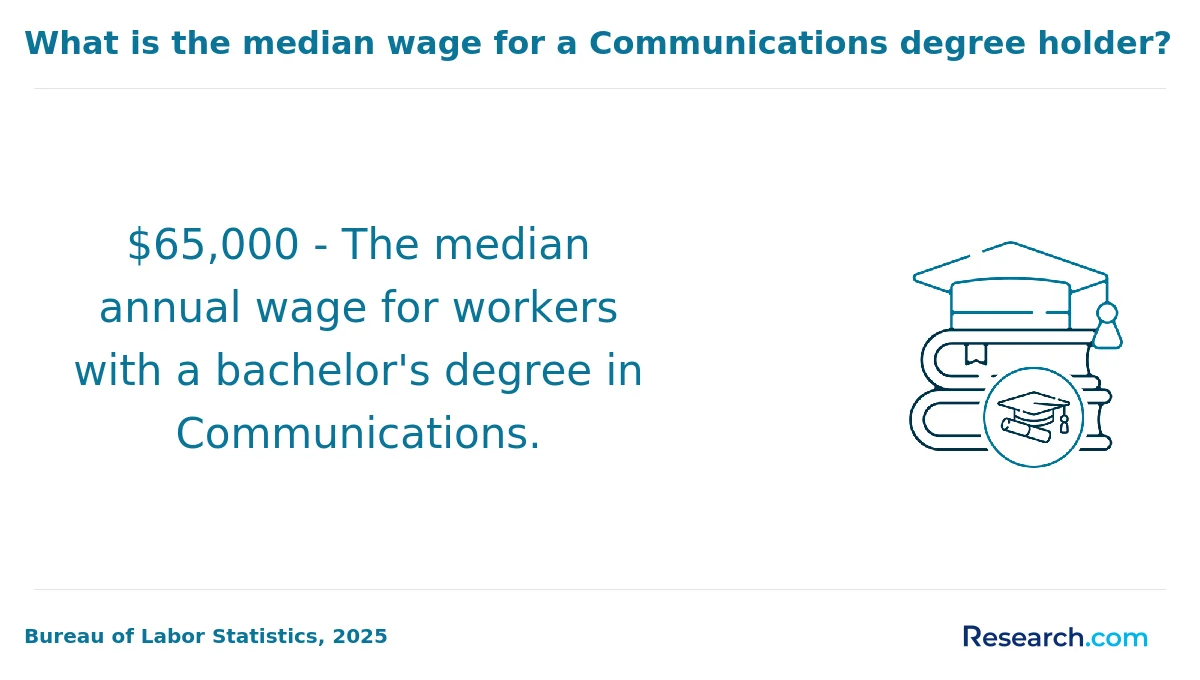
- Graduates with communication degrees typically find careers in fields like public relations, marketing, or media, with annual salaries often ranging from $45,000 to $65,000 nationwide. This offers a solid financial foundation as you grow professionally.
- A communication degree from a Kansas university, such as the University of Kansas, opens doors to diverse career paths including corporate communications, social media management, and journalism, giving you flexibility to pursue your passions.
- Online communication degrees from Kansas institutions provide the convenience of studying from anywhere while balancing work or family, making it easier to earn your degree without sacrificing your current lifestyle.
- Key benefits of getting online communication degree in Kansas
- What can I expect from online communication degree in Kansas?
- Where can I work with online communication degree in Kansas?
- How much can I make with online communication degree in Kansas?
- 2027 Easiest Online Communication Degree Programs Ranking in Kansas
- Key Findings
- How long does it take to complete online communication degree in Kansas?
- What's the difference between online and on-campus communication degree?
- What is the average cost of online communication degree in Kansas?
- What financial aid is available to online communication degree students in Kansas?
- What are the prerequisites for enrolling in online communication degree program in Kansas?
- What courses are typically in online communication degree programs in Kansas?
- What types of specializations are available in online communication degree programs in Kansas?
- How do you choose the best online communication degree in Kansas?
- What career paths are available for online communication degree students in Kansas?
- What is the job market for online communication degree in Kansas?
- Related Communication Rankings for Nearby States
- Top Trending Communication Rankings
What can I expect from online communication degree in Kansas?
Students pursuing online communication degrees in Kansas typically encounter affordable tuition rates, making this educational path both accessible and rewarding. For example, graduates from Kansas State University and Fort Hays State University often share how the cost-effectiveness allowed them to focus on honing their skills without financial stress. On average, tuition for online communication programs at these institutions ranges between $8,000 and $12,000 per year, offering a valuable investment in a future career.
The flexibility of these programs means students juggling jobs or family commitments can progress at their own pace without sacrificing quality education. Many graduates reflect on how this balance enabled them to enhance their writing, public relations, and media production skills while maintaining daily responsibilities.
By choosing an online communication degree from Kansas schools, learners gain practical expertise tailored to a diverse state economy, all while paying reasonable tuition costs that empower them to confidently pursue their professional goals.
Where can I work with online communication degree in Kansas?
Graduates with an online communication degree in Kansas find exciting opportunities in dynamic fields like marketing, public relations, media, and corporate communication. Many from popular institutions such as the University of Kansas and Wichita State University step confidently into roles at local marketing agencies, crafting compelling campaigns that captivate audiences across Kansas City and Wichita. The thrill of managing social media for businesses or coordinating events energizes these graduates as they see their strategies create real impact.
Others thrive in public relations, working with nonprofits or government agencies to build strong community connections and manage important messaging. Imagine shaping the story of a Kansas education initiative or leading crisis communication for a state department-graduates feel proud contributing to meaningful projects that improve lives.
Media and broadcasting careers also shine, with alumni becoming digital content creators and storytellers, adapting swiftly to the evolving media landscape. Corporate communication roles at thriving Kansas headquarters offer engaging challenges, where graduates enhance employee engagement and company culture. Each path reflects vibrant possibilities fueled by their education and passion.
How much can I make with online communication degree in Kansas?
Graduates with an online communication degree in Kansas can look forward to a rewarding career with salaries typically ranging from $45,000 to $75,000 annually. Many alumni from notable institutions like the University of Kansas or Kansas State University have found fulfilling roles in vibrant cities such as Wichita and Kansas City, where the demand for skilled communicators continues to grow.
Starting out, graduates often earn around $40,000 to $45,000, gaining valuable experience as public relations specialists or social media managers. With dedication and expanding expertise, such as mastering digital content creation or analytics, professionals can see their income rise well above $70,000. Many find joy in the flexibility remote work offers, opening doors beyond Kansas and allowing them to shape their careers on their own terms.
Working for larger corporations or government agencies often brings enhanced benefits and higher pay, while the robust communication industry in Kansas ensures steady opportunities to grow both professionally and financially.
2027 Easiest Online Communication Degree Programs Ranking in Kansas
How do we rank schools?
Investing in your education is a significant decision that can shape your future, and the Research.com team understands the importance of making informed choices. To assist prospective students in Kansas, we have meticulously crafted the "2027 Easiest Online Communication Degree Programs Ranking in Kansas." Our commitment to quality, credibility, and accuracy is reflected in the extensive research and analysis conducted to compile this ranking.
We utilized the following reputable data sources to ensure a comprehensive evaluation of communication degree programs:
By exploring this ranking, readers will gain valuable insights into the easiest online communication degree programs available in Kansas, helping them make well-informed decisions about their educational paths. For more details on our methodology, please visit our Research.com methodology page.


Key Findings
- Kansas offers fully online communication degree programs at schools like the University of Kansas and Wichita State University, allowing flexible study without relocating.
- The average total cost for an online bachelor's degree in communication in Kansas ranges from $15,000 to $25,000 for in-state students.
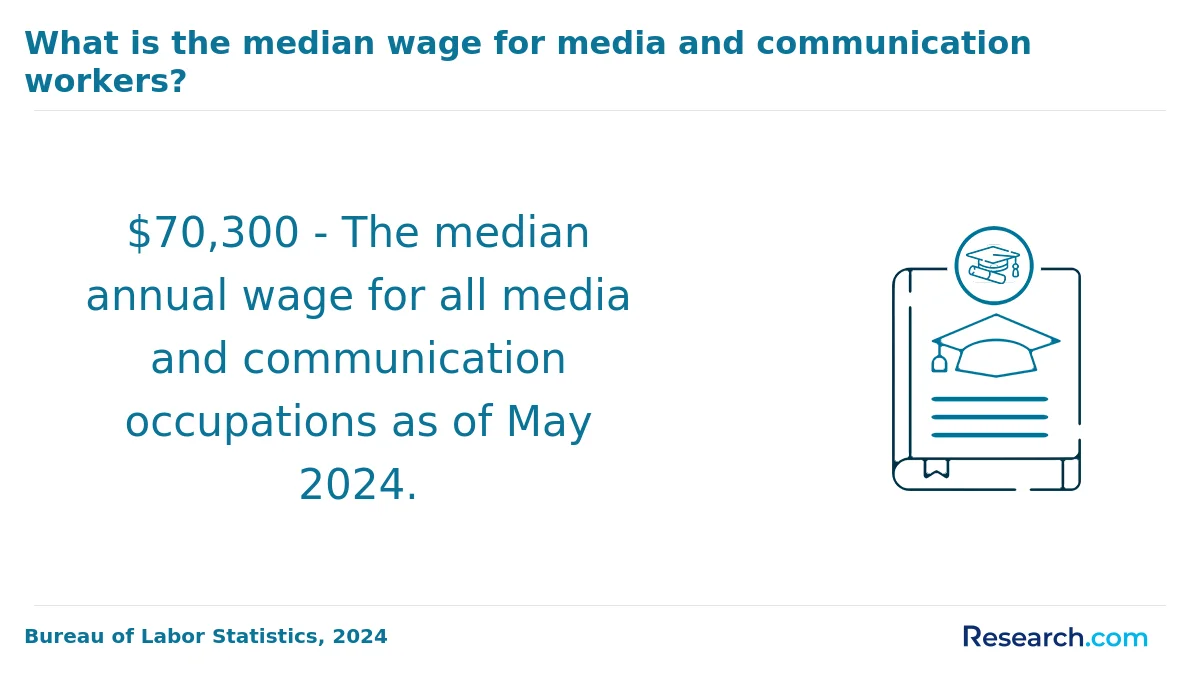
- Entry-level communication graduates in Kansas typically earn between $40,000 and $45,000 annually, with mid-career salaries near $65,000 to $70,000.
- Jobs in marketing, public relations, social media management, and corporate communications are in demand, with a state growth rate of about 5% in communication-related occupations.
- Online programs often focus on practical skills like digital media production and strategic communication and provide accredited degrees recognized nationwide.
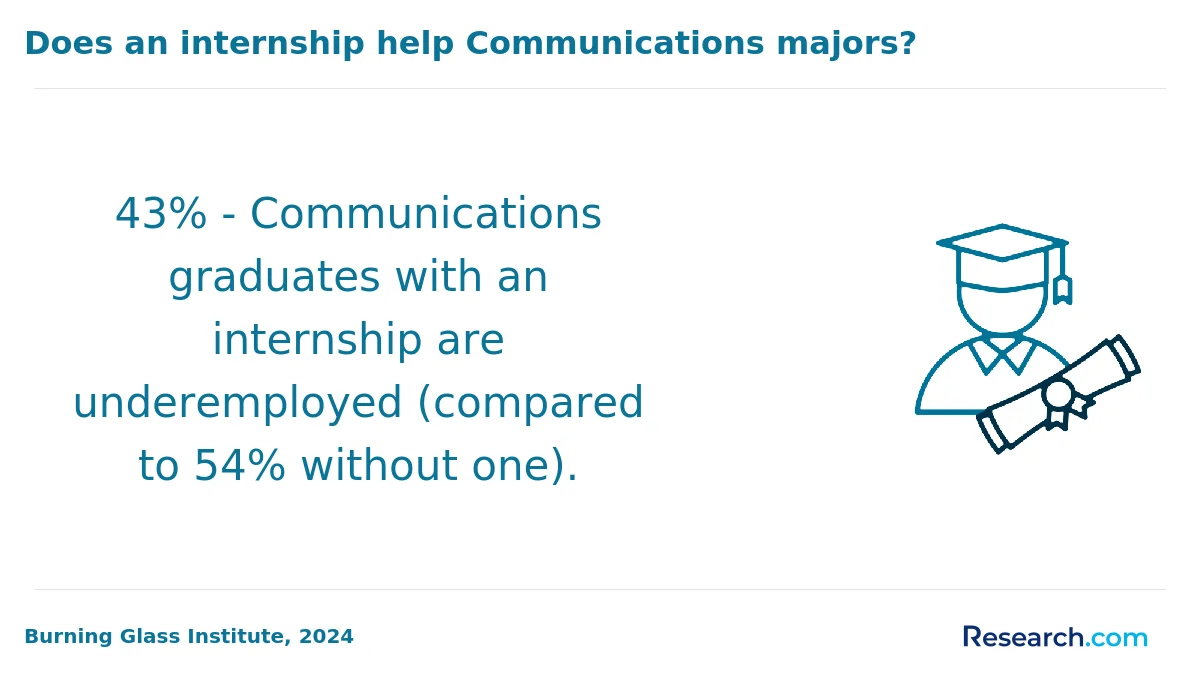
- Career services such as internship placement and job search help are important factors to check when choosing an online communication program.
How long does it take to complete online communication degree in Kansas?
Completing an online communication degree in Kansas is an exciting journey that typically spans from two to four years, depending on your goals and pace. Many students at Wichita State University and the University of Kansas find that a bachelor's degree, requiring about 120 credit hours, fits perfectly into a four-year timeline with full-time study. It's inspiring to see how some graduates balance work and family, using flexible online options to extend their learning journey while maintaining their lives.
Associate's degrees, often completed in about two years, open doors quickly, while motivated students accelerate their progress by taking summer classes or extra credits, finishing sooner than expected. Graduate degrees in communication offer even more flexibility, typically completed within one to two years, ideal for professionals eager to advance their skills.
Imagine developing your communication talents from home while following a personalized roadmap, just like many Kansas students who thrive using transfer credits, competency-based programs, and part-time study. This adaptability makes earning your communication degree in Kansas an attainable and empowering pursuit.
What's the difference between online and on-campus communication degree?
Online communication degrees in Kansas offer amazing flexibility, allowing you to study on your own schedule while balancing work or family life. Graduates from programs like the University of Kansas cherish being able to watch lectures anytime and submit assignments without the stress of commuting, making education accessible no matter where they live.
In contrast, on-campus programs at institutions such as Kansas State University provide vibrant face-to-face interactions, where students build real connections through group projects, discussions, and campus events. Many appreciate the immediate feedback from professors and the rich opportunities to practice communication skills live, fostering confidence and networking within Kansas's supportive academic community.
Both paths share strong academic standards and respected accreditation, ensuring employers value your degree equally. Whether you thrive in the structured rhythm of campus life or the empowering independence of online learning, Kansas's communication programs open doors to growth and success that fit your unique lifestyle and goals.
What is the average cost of online communication degree in Kansas?
The average cost of an online communication degree in Kansas generally centers around a median total tuition of about $17,970, making it an accessible and realistic goal for many aspiring students. Graduates from institutions like Fort Hays State University often share how manageable tuition rates and flexible course schedules allowed them to balance education with work and family life, turning their dream of earning a communication degree into a rewarding journey.
Students pursuing affordable online communication degree programs Kansas often find community colleges and regional public universities offer particularly competitive rates, with per-credit costs ranging between $120 and $150 for in-state learners. This affordability, combined with shorter program lengths for associate degrees, helps many students build a strong foundation before transferring to four-year schools, reinforcing a hopeful pathway toward a well-rounded communication education.
Such cost-effective choices resonate deeply with many graduates who recall overcoming financial stress by carefully researching programs and leveraging scholarships and financial aid. These successful stories reflect the value of Kansas's options compared to national averages, where in-state tuition at public institutions can rise above $10,000 annually. By exploring options and investing wisely, students are empowered to thrive through knowledge and practical skills.
If you are seeking to maximize your educational investment, consider exploring affordable online master of communications programs as an extension of your learning journey, designed to elevate your career without overwhelming financial burden.
What financial aid is available to online communication degree students in Kansas?
Online communication students in Kansas find a wealth of financial aid opportunities designed to lighten their journey. By filling out the FAFSA, many unlock access to Pell Grants-gift aid that lifts the weight of tuition without repayment-and Federal Direct Loans with affordable terms. Graduates from schools like the University of Kansas share how these federal resources made pursuing their dreams possible without overwhelming debt.
Kansas also shines with scholarships from the Kansas Board of Regents, rewarding academic achievement and supporting students striving in their chosen fields. Imagine earning merit-based scholarships or the Kansas Workforce Grant, helping reduce costs while preparing you for a vibrant career in communication.
Internal scholarships at institutions such as Wichita State University offer additional financial support, often tailored by need or excellence. Alumni recall the relief and motivation these funds provided, allowing them to focus on their studies and build meaningful connections.
Private scholarships from organizations like the National Communication Association and employer tuition programs add even more pathways. Financial aid counselors at Kansas colleges stand ready to guide you, turning ambition into reality with every step toward your degree.
What are the prerequisites for enrolling in online communication degree program in Kansas?
Enrolling in an online communication degree in Kansas opens doors to exciting opportunities, and meeting the prerequisites is the first rewarding step. Most programs, including those at well-known Kansas universities, ask for a high school diploma or GED- a gateway that many graduates remember as a proud milestone that set them on their path.
A solid academic foundation is valued, with many programs requiring a GPA around 2.0 to 2.5. Graduates often recall this as a manageable standard that encouraged them to focus and prepare for real-world communication challenges.
While some schools request SAT or ACT scores, many Kansas colleges embrace test-optional policies, recognizing diverse talents and life experiences. This flexibility helps motivated learners balance study with work or family life.
- For non-native English speakers, proving English proficiency through tests like TOEFL or IELTS ensures clear, confident communication in their studies and careers.
- Applicants may also submit letters of recommendation or personal statements, giving them a chance to share their unique stories and passion for communication.
- Transfer students often provide official transcripts to demonstrate readiness for advanced courses, a process many find straightforward when guided by supportive advisors.
What courses are typically in online communication degree programs in Kansas?
Online communication degree programs in Kansas are designed to equip you with essential skills through engaging and diverse courses. Students at well-known institutions like the University of Kansas and Kansas State University often find themselves diving into foundational classes such as Introduction to Communication Studies, Public Speaking and Presentation Skills, and Media Writing and Editing. These courses provide practical knowledge that graduates carry confidently into their careers.
Many graduates recall how courses like Interpersonal and Group Communication helped them navigate real-world relationships, making presentations, and teamwork feel effortless. In addition, specialized subjects like digital communication and social media strategies reflect the dynamic landscape of modern media, allowing students to create meaningful online content just as professionals do in thriving Kansas media markets.
The hands-on approach through media production or campaign planning fosters creativity and readiness. Graduates frequently share how these experiences boosted their confidence, making them well-prepared for exciting roles in public relations, corporate communication, or media organizations across the state and beyond.
What types of specializations are available in online communication degree programs in Kansas?
Online communication degree specializations in Kansas open doors to exciting career paths tailored to your passion. Graduates from popular universities like Wichita State find themselves thriving in Public Relations, mastering the art of shaping powerful narratives and connecting organizations with their communities. Others choose Organizational Communication, where they develop leadership skills to foster teamwork and solve workplace challenges, setting the stage for success in corporate environments.
For those drawn to creativity and the digital world, the Digital Media specialization offers opportunities to lead in social media management and content creation, perfectly aligned with Kansas's growing digital sectors. Students appreciate how programs respond to regional needs, blending theory with real-world skills. Some graduates even embrace Health Communication, crafting impactful campaigns that improve patient education and community health.
Exploring the best communication majors available online Kansas presents can ignite your future. Many find that a bachelor's degree in communications online not only fits their lifestyle but also propels them toward meaningful, dynamic roles across industries.
How do you choose the best online communication degree in Kansas?
When choosing the best online communication degree programs Kansas offers, focus on accreditation first. Graduates from well-regarded institutions such as the University of Kansas and Kansas State University often share how regional accreditation boosted their confidence in the value of their degree. These programs ensure your education meets high national standards, opening doors across industries.
Consider a curriculum that excites you-whether it's digital media strategy, public relations, or journalism. Many communication students at popular Kansas colleges appreciate programs allowing specialization and real-world projects, which make learning engaging and directly applicable to careers in local media or business.
Cost can influence your choice, but remember that affordable online communication degrees in Kansas often deliver excellent value. One graduate spoke highly of financial aid options and reasonable tuition, making the pursuit manageable and motivating. For more insight on budgeting, explore resources like the affordable journalism bachelor degree online to find tailored options.
Look at graduation rates and student support services too. Successful alumni frequently mention strong advising and career counseling helped them thrive remotely, turning challenges into opportunities. With these key factors in mind, your journey to a fulfilling communication career in Kansas can feel genuinely empowering.
What career paths are available for online communication degree students in Kansas?
Graduates with an online communication degree in Kansas find exciting doors opening in fields like public relations, marketing, and media. Many alumni from popular institutions such as the University of Kansas and Wichita State University share how they transitioned into dynamic roles crafting compelling stories and managing communications that inspire change. Positions like social media manager or corporate communication specialist allow them to connect brands with audiences creatively and effectively, often working remotely across the state.
Career opportunities with communication degree Kansas extend into event planning and technical writing, where graduates enjoy the satisfaction of coordinating meaningful experiences or producing clear, impactful materials. This hands-on experience is enhanced through programs that mirror real-world demands, helping students feel confident stepping into these roles. Exploring how long does it take to get a journalism degree offers additional insights for those fascinated by the media and journalism aspect, which remains a vibrant sector in Kansas.
For those aiming to build a rewarding career, the flexibility of online communication degree jobs Kansas supports growth in a variety of industries while nurturing lifelong skills in digital media and interpersonal communication.
What is the job market for online communication degree in Kansas?
The job market for an online communication degree in Kansas is vibrant and promising, offering graduates many pathways to success. Many graduates from well-known Kansas institutions discover roles in major cities like Wichita and Overland Park, where businesses and media outlets actively seek skilled communicators. These graduates often find themselves thriving in dynamic environments such as corporate departments, government agencies, and media companies, where their ability to manage digital platforms and create compelling content is highly valued. If you're curious about the financial prospects in this field, exploring the highest paying pr jobs can provide inspiring examples of career growth in public relations within Kansas and beyond.
Students pursuing online communication degrees in Kansas often feel encouraged by the support from universities that understand flexible learning needs. Many balance work and family commitments while gaining skills that employers across agriculture, healthcare, and manufacturing sectors eagerly seek. This strong Kansas communication degree career outlook reflects a steady demand for professionals who can connect with diverse audiences and drive engagement. Graduates share stories of securing roles soon after graduation, motivated by the affordable tuition and practical experience obtained online.
For those focused on online communication degree jobs in Kansas, there are countless opportunities to impact sectors ranging from education to marketing, demonstrating the state's diverse economic landscape. The adaptability and creativity fostered through online programs enable graduates to confidently enter this expanding job market and make meaningful contributions that resonate throughout their communities.
Frequently Asked Questions About communication
Students pursuing online communication degrees in Kansas can enhance their learning by actively engaging with virtual class discussions and group projects. Research from the Kansas Board of Regents highlights that interactive participation correlates with higher course completion rates.
Leveraging local media outlets for internships or practical experience can provide valuable real-world skills. Kansas hosts diverse communication industries, including public relations and digital media, offering opportunities for hands-on learning.
Utilizing university resources such as online writing centers and academic advising helps students stay on track to graduate. Consistent time management and setting clear goals also improve success rates among online learners nationally.
The communication field is evolving with several emerging niches that are gaining importance, especially for Kansas students pursuing online degrees. Digital communication, including social media management and content strategy, is growing rapidly as businesses seek experts to manage their online presence. According to the U.S. Bureau of Labor Statistics, demand for specialists in digital and social media roles is expected to grow by 15% nationwide through 2031.
Another rising niche is health communication, which combines communication studies with public health initiatives-an area increasingly relevant in Kansas due to statewide health programs and campaigns. Corporate communication focusing on internal and external messaging for businesses also remains vital, with Kansas' growing industries requiring skilled communicators to strengthen brand reputation.
These specialized areas reflect an expanding job market for communication graduates with skills in digital media, healthcare outreach, and organizational messaging. Online programs in Kansas often include courses designed to meet these changing industry needs.
After earning an online communication degree in Kansas, preparing for the job market involves several key steps. First, gaining practical experience through internships or volunteering with local media or organizations helps build a strong portfolio. Kansas offers various public relations and marketing opportunities in cities like Wichita and Overland Park, where communication skills are in demand.
Networking is crucial. Joining professional groups such as the Kansas Association of Communication Professionals can connect graduates with employers and industry events. According to the U.S. Bureau of Labor Statistics, the Wichita metropolitan area expects a 5% growth in communication-related jobs through 2030, reflecting steady demand.
Additionally, mastering digital tools and platforms used in communication is important for standing out. Continuing education, certifications, or workshops in social media, content creation, and data analysis will improve job prospects in this competitive field.
Employers in Kansas highly value communication degree graduates who demonstrate strong interpersonal skills and the ability to convey ideas clearly across various platforms. According to the Kansas Department of Labor, effective verbal and written communication ranks among the top skills sought in related job postings.
Additionally, proficiency in digital communication tools and social media management is increasingly important, reflecting a shift toward integrated marketing and online engagement strategies. Critical thinking and problem-solving abilities also stand out as essential competencies.
Employers appreciate graduates who can adapt their message to diverse audiences and collaborate well within teams. These skills collectively enhance workplace productivity and support organizational goals in Kansas's evolving job market.
Finding internships in Kansas related to a communication degree involves a mix of leveraging local resources and online platforms. Many universities in Kansas, such as the University of Kansas and Kansas State University, offer career services that connect students with internships in media, public relations, and corporate communication.
Students should explore opportunities within Kansas City and Wichita, where major companies and media outlets frequently seek communication interns. The Kansas Department of Labor provides labor market data, noting growth in the communications sector, which can guide internship searches.
Additionally, using websites like Handshake and Indeed, tailored to Kansas listings, helps identify paid and unpaid internships aligned with your academic focus.
Networking through local professional organizations, such as the Kansas Public Relations Society of America chapter, can also open doors to internships and mentorship.
An online communication degree in Kansas can significantly enhance career mobility and advancement opportunities. According to the U.S. Bureau of Labor Statistics, Kansas is projected to see steady growth in communication-related fields, such as public relations and media, with an estimated 5% job growth from 2022 to 2032. Earning this degree equips graduates with essential skills, including digital media literacy and strategic communication, that employers increasingly demand.
Professionals with communication degrees often experience higher earning potential and greater chances to move into leadership roles. The Kansas Department of Labor reports that individuals with at least a bachelor's degree in communication earn on average 20% more than those without.
Furthermore, the flexibility of online programs allows students to maintain current employment while advancing their education, making career transitions more feasible in industries such as marketing, corporate communication, and nonprofit sectors within Kansas.
Studying for a communication degree in Kansas equips students with skills applicable across various fields such as business, healthcare, education, and technology. Kansas colleges emphasize core communication theories alongside practical experience, preparing graduates to work effectively in interdisciplinary teams.
Programs often include courses in digital media, organizational communication, and public relations, fostering adaptability to different industries. According to the Kansas Board of Regents, graduates with communication degrees have seen increased employment opportunities in sectors that require collaborative problem-solving and clear messaging.
The online format further supports flexibility, allowing students to engage with diverse professionals, enhancing their interdisciplinary competence. This combination of theory, practical skills, and networking makes Kansas communication graduates valuable contributors in multifaceted roles.
Choosing between a thesis and a non-thesis online communication degree in Kansas depends on your career goals and learning preferences. Thesis programs typically require original research and a formal paper, preparing students for doctoral studies or research-intensive careers. In Kansas, schools like the University of Kansas offer such rigorous tracks.
Non-thesis options focus more on practical skills and coursework, ideal for students aiming for professional roles in media, corporate communication, or public relations. According to the National Center for Education Statistics, non-thesis degrees are more common in applied communication fields.
Consider whether you prefer research or applied learning, and check specific Kansas institutions' program details to ensure alignment with your career plans.
Students based in Kansas seeking to study communication abroad have several options, primarily through partnerships and exchange programs offered by Kansas universities. Many public and private institutions, such as the University of Kansas and Kansas State University, participate in international exchange initiatives allowing communication majors to spend a semester or year abroad.
Additionally, students enrolled in online communication degrees can often customize their curricula with overseas study components, depending on their school's policies. The Institute of International Education reports that over 8% of Kansas undergraduates engage in study abroad, with communication-related disciplines well-represented.
While fully online communication programs offer global access, those interested in in-person international experiences should consult their academic advisors early to explore eligible programs, credit transfer options, and financial aid availability.
Part-time job opportunities in Kansas that complement an online communication degree often include roles in public relations, social media management, and content creation. According to the Kansas Department of Labor, communication-related roles in cities like Wichita and Overland Park are growing steadily, with social media specialist jobs increasing by 12% over the last five years.
Students frequently find work as interns or assistants in marketing firms, nonprofit organizations, and local media outlets. These experiences help develop skills in writing, digital communication, and campaign management relevant to their degree.
Some also work in customer service or community outreach, gaining valuable experience with audience engagement and interpersonal communication.
Online communication students in Kansas benefit from several networking opportunities offered through both virtual and local channels. Universities such as the University of Kansas and Kansas State University provide access to alumni networks, industry panels, and virtual job fairs specifically tailored to communication majors. These events connect students with professionals from media, public relations, and corporate communication sectors.
Kansas is home to various communication associations, like the Kansas Communication Association, which hosts conferences and workshops to help students expand their contacts. Participation in these groups and local chapters of national organizations such as the Public Relations Society of America (PRSA) enhances professional visibility. According to the National Center for Education Statistics, students in Kansas are increasingly leveraging these platforms to gain internships and job placements.
Alumni networks play a crucial role for students pursuing online communication degrees in Kansas. These networks connect current students with graduates who have real-world experience in fields like public relations, media, and corporate communication. Access to alumni can increase job opportunities by 20%, according to data from the Kansas Board of Regents.
Many alumni actively mentor students, offering advice on industry trends and professional development. They also facilitate internships and entry-level positions, which is vital in a competitive market. In Kansas, where communication industries are growing, strong alumni ties can provide local insights and networking advantages not found elsewhere.
Students pursuing an online communication degree in Kansas can tailor their programs by selecting specialized electives and focus areas aligned with their career goals. Many universities offer concentrations such as public relations, digital media, corporate communication, and journalism. Customization is often available through project-based courses or internships, allowing practical experience in desired fields.
Kansas has a growing demand for communication professionals, with the Kansas Department of Labor projecting a 5% job growth in communication roles through 2030. Choosing relevant coursework in emerging media technologies or strategic communication can enhance employability.
Advisors at Kansas institutions often assist students in mapping out degree plans to fit specific industries like healthcare, government, or business.
Online communication students in Kansas often face challenges related to the balance between coursework and personal responsibilities. Many students juggle jobs, family, and other commitments alongside their studies, which can impact their ability to engage fully with online material. A 2023 report from the Kansas Board of Regents highlights that nearly 40% of online learners in the state cite time management as their biggest obstacle.
Additionally, students may encounter difficulties with limited face-to-face interaction, making it harder to build networking connections and receive immediate feedback from instructors. Technical issues also affect approximately 25% of Kansas online communication students, according to a 2022 survey by the National Center for Education Statistics.
Access to reliable internet service remains a concern in rural parts of Kansas, where coverage gaps can disrupt participation in synchronous sessions or access to course resources. These factors combined create a learning environment that requires strong self-discipline and support systems to succeed.
With an online communication degree, Kansas students can pursue several professional certifications that enhance career opportunities in media, public relations, and corporate communication. Popular certifications include the Certified Communication Professional (CCP) offered by the International Association of Business Communicators (IABC), which is respected nationwide.
Another valuable option is the Public Relations Society of America's (PRSA) Accreditation in Public Relations (APR). This certification signifies advanced knowledge and strategic thinking in public relations practices.
Additionally, certifications in digital marketing, such as Google Analytics or HubSpot Content Marketing, complement communication degrees by providing essential technical skills.
According to the Kansas Department of Labor, communication careers are growing by 6% through 2030, increasing the value of such certifications locally.
Writing a winning application for an online communication program in Kansas involves clear and focused preparation. Begin by researching the specific program requirements at Kansas universities or community colleges offering online communication degrees. Schools often look for a strong statement of purpose explaining your interest in communication and how it aligns with your career goals. Highlight any relevant experience, such as internships, writing samples, or media projects.
According to the Kansas Board of Regents, programs value applicants who demonstrate both academic ability and practical communication skills. Ensure your transcripts reflect consistent performance, especially in English and related subjects.
Letters of recommendation can strengthen your application by providing insight into your skills and work ethic. Finally, tailor your application to reflect an understanding of Kansas's unique media and communication landscape, showing commitment to contributing locally or nationally.
The field of communication is increasingly viewed as essential across global markets, including in the United States. Communication careers focus on skills such as public relations, media strategy, and intercultural interaction, which are vital in today's connected world.
In Kansas, online communication degree programs prepare students to navigate diverse communication challenges both locally and internationally. According to the U.S. Bureau of Labor Statistics, employment in communication-related fields is projected to grow about 6% nationally through 2031.
Global perspectives emphasize the need for adaptability and digital fluency, qualities reflected in Kansas institutions offering versatile online curricula. This ensures graduates can effectively engage in global media environments and corporate communications.
Gaining practical experience while studying for an online communication degree in Kansas is essential for career readiness. Many Kansas institutions encourage students to participate in internships, even via remote opportunities, with local media outlets, businesses, and non-profits. According to the Kansas Board of Regents, internships are often integrated into communication degree programs as credit-earning components.
Students can also engage in virtual student media projects such as podcasts, digital newsletters, or social media campaigns. These hands-on activities help develop skills in real-world communication strategies.
Additionally, professional associations like the Kansas Association of Broadcasters offer networking events and workshops to enhance practical knowledge.
Choosing the right concentration within an online communication degree program in Kansas depends on your career goals and interests. Common concentrations include public relations, digital media, journalism, and organizational communication. Each path offers distinct skills valued in Kansas's growing communication job market, which is expected to expand by about 8% through 2030, according to the U.S. Bureau of Labor Statistics.
Research local industry demands by consulting resources like the Kansas Department of Labor or university career centers. Some programs offer practical internships with media outlets or businesses based in Wichita or Kansas City, enhancing hands-on experience in your chosen concentration.
Consider your preferred work environment and skill set. For instance, if you enjoy writing and storytelling, journalism might suit you, while public relations suits those who excel in strategy and networking. Aligning your concentration with workforce trends and local opportunities helps ensure relevance and job readiness after graduation.
Related Communication Rankings for Nearby States
- 2027 Easiest Online Communication Degree Programs Ranking in Missouri
- 2027 Easiest Online Communication Degree Programs Ranking in Colorado
- 2027 Easiest Online Communication Degree Programs Ranking in Arkansas
- 2027 Easiest Online Communication Degree Programs Ranking in Illinois
- 2027 Easiest Online Communication Degree Programs Ranking in Kentucky
- 2027 Easiest Online Communication Degree Programs Ranking in Georgia
- 2027 Easiest Online Communication Degree Programs Ranking in Florida
- 2027 Easiest Online Communication Degree Programs Ranking in Ohio
- 2027 Easiest Online Communication Degree Programs Ranking in North Carolina
- 2027 Easiest Online Communication Degree Programs Ranking in Virginia
Top Trending Communication Rankings
References
- Top 10 Effective Networking Tips for Students https://www.unfc.ca/blog/networking-tips-for-students
- Advice for Completing a Master's in Communication Thesis - MastersinCommunications.com https://www.mastersincommunications.com/features/advice-for-completing-masters-thesis
- 10 Essential Networking Tips for Students to Help Build Strong Connections - Luxury Student Homes https://www.luxurystudenthomes.co.uk/networking-tips-for-students/
- What do you study in communication studies? - INSEEC https://www.inseec.com/en/guides/orientation-guide/what-do-you-study-in-communication-studies/
- Most Popular Online Communication & Media Studies ... https://courseadvisor.com/majors/communication-and-journalism/communication-and-media-studies/rankings/most-popular-online/associates-degrees/the-plains-states/kansas/
- Communication - Strategic Communication https://online.umkc.edu/programs/ba-strategic-communication/index.php
- Top 6 Communication Skills for Career Growth and Organizational Impact https://www.callutheran.edu/programs/articles/top-communication-skills-career-growth-organizational-impact/
- How Long is an Online Master’s in Communication Program? https://www.onlineeducation.com/communication/faqs/how-long-to-earn-a-communications-masters-degree-online
- Global Perspectives on Intercultural Communication https://www.routledge.com/Global-Perspectives-on-Intercultural-Communication/Croucher/p/book/9781138860780
- Master of Arts (M.A.) Major in Communication Studies (Non-thesis Option) https://mycatalog.txstate.edu/graduate/fine-arts-communication/commstudies-nonthesis-nominor-ma/