2027 Most Affordable Online Master's in Communication Degree Programs Ranking in the West

Co-Founder and Chief Data Scientist
Choosing the right online master's in communication program can feel overwhelming, especially with so many options available in the West. This article presents the 2027 Most Affordable Online Master's in Communication Degree Programs Ranking in the West, carefully created by the Research.com team of data scientists.
Our goal is to help you make an informed decision by showcasing programs that balance quality and affordability. Earning a communication degree opens doors to exciting career opportunities and personal growth. Exploring this ranking can guide you toward a rewarding academic journey that fits your goals and budget.
Key benefits of getting online communication degree in the West
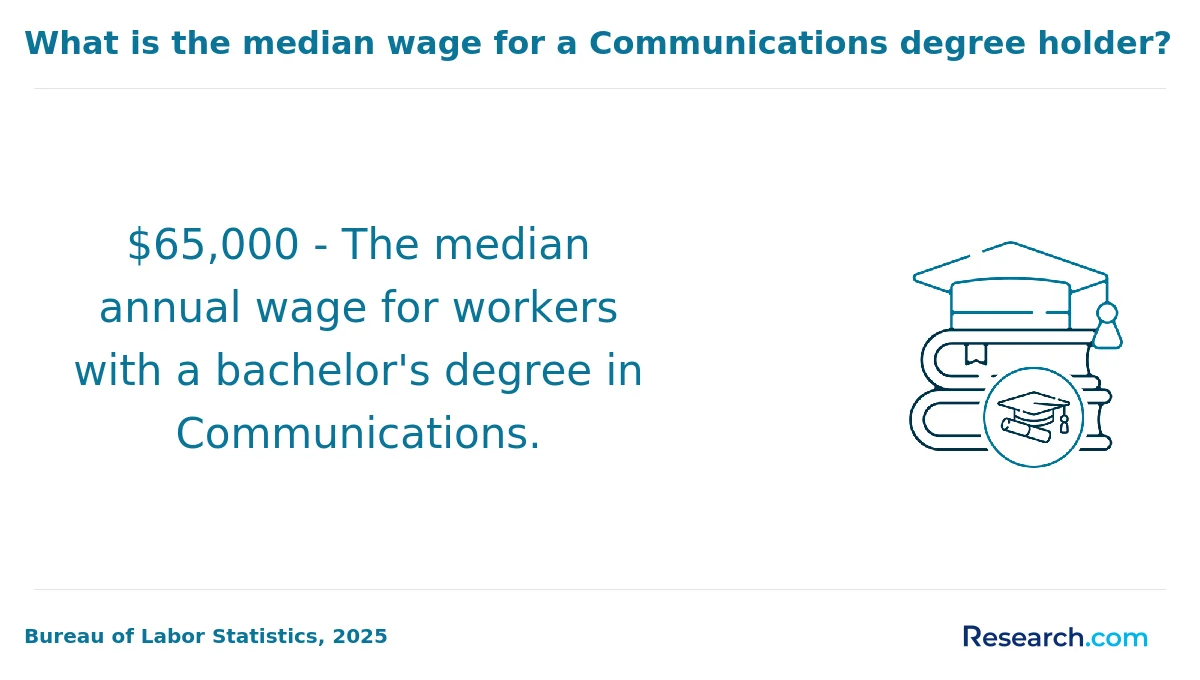
- While specific salary data is unavailable from the source, communication degree graduates in the US generally earn competitive wages, with median salaries around $60,000 annually, reflecting strong market demand.
- Graduates from Western universities often pursue careers in public relations, media, marketing, and corporate communications, showcasing versatile opportunities with creative and leadership roles.
- Online communication degrees from top schools in the West offer flexibility and accessibility, allowing students to balance work and study while gaining the same valuable skills as traditional programs.
- Key benefits of getting online communication degree in the West
- What can I expect from online communication degree in the West?
- Where can I work with online communication degree in the West?
- How much can I make with online communication degree in the West?
- 2027 Most Affordable Online Master's in Communication Degree Programs Ranking in the West
- Key Findings
- How long does it take to complete online communication degree in the West?
- What's the difference between online and on-campus communication degree?
- What is the average cost of online communication degree in the West?
- What financial aid is available to online communication degree students in the West?
- What are the prerequisites for enrolling in online communication degree program in the West?
- What courses are typically in online communication degree programs in the West?
- What types of specializations are available in online communication degree programs in the West?
- How do you choose the best online communication degree in the West?
- What career paths are available for online communication degree students in the West?
- What is the job market for online communication degree in the West?
- Top Trending Communication Rankings
What can I expect from online communication degree in the West?
The average cost of an online communication degree in the Western United States generally falls between $10,000 and $25,000 for the entire program at public universities. This range reflects tuition rates typical for in-state residents, which is a significant advantage for local students. Graduates from institutions like California State University often share how this affordability eased their financial stress, enabling them to focus more on learning digital media strategies and public relations without juggling overwhelming debt.
Out-of-state students might encounter higher fees, though some universities are breaking traditional barriers by offering tuition parity to online learners regardless of residency, creating a more equitable financial landscape. For example, a graduate from the University of Washington appreciated the ability to access quality education remotely while maintaining a lower cost structure than expected for an out-of-state program.
Some programs also provide scholarships, assistantships, or financial aid, which are crucial for many students balancing work and study. These supports make it realistic for professionals to pursue advanced communication skills tailored to roles in marketing, corporate communication, or media relations.
Therefore, while costs vary, the Western online communication degrees combine quality and affordability in ways that can fit diverse financial situations and career goals.
Where can I work with online communication degree in the West?
Graduates with an online communication degree from institutions like the University of Southern California or the University of Washington often find themselves drawn to public relations and corporate communications roles in bustling cities such as Los Angeles or Seattle. These graduates report feeling energized by shaping brand stories and engaging diverse audiences, a clear advantage given the West's strong media and business sectors.
Others discover fulfilling careers in digital marketing or social media management, particularly within tech hubs like Silicon Valley. Here, skills in both communication and technology merge, offering graduates the satisfaction of crafting campaigns that resonate globally. Several alumni mention the excitement of working alongside innovators in these fast-paced environments.
Nonprofit organizations and government agencies in places like Portland or San Diego also employ many communication graduates, where they take pride in driving community outreach and advocacy programs with genuine impact. These roles offer a positive work culture focused on meaningful engagement.
Communication experts from California universities often find rewarding positions in higher education, managing alumni relations or enrollment marketing. The variety of paths reflects the adaptable nature of this degree in the Western U.S.
How much can I make with online communication degree in the West?
Graduates with an online communication degree in the Western U.S. generally see median annual wages around $62,000 nationwide, though this figure can be higher in urban hubs like Los Angeles or Seattle. For instance, those graduating from well-regarded programs at universities such as the University of Southern California or the University of Washington often find starting salaries ranging from $45,000 to $55,000. With five or more years of experience, particularly in roles like corporate communication or digital strategy, annual earnings can exceed $80,000.
Communication students who enter tech firms or marketing agencies frequently report higher pay compared to peers in nonprofit or government sectors. Specialized skills such as social media management can push salaries even higher, with some communications managers in the tech-heavy Silicon Valley area earning between $85,000 and $110,000. Leadership roles, like communications directors in major West Coast corporations, may surpass $120,000.
While rural areas in the West offer lower salary averages, graduates benefit from reduced living costs, making salary figures context-dependent. Graduates emphasize the importance of researching local market trends and leveraging university career services to navigate these variations effectively.
2027 Most Affordable Online Master's in Communication Degree Programs Ranking in the West
How do we rank schools?
Investing in your education is a significant decision that can shape your career, and the Research.com team recognizes the importance of making well-informed choices. To support prospective students seeking affordable and quality communication master's programs in the western U.S., we have carefully developed the "2027 Most Affordable Online Master's in Communication Degree Programs Ranking in the West." Our dedication to quality, credibility, and accuracy is evident in the rigorous research and analysis behind this ranking.
We utilized the following reputable data sources to ensure a comprehensive evaluation of programs:
By consulting this ranking, readers gain valuable insights into affordable, accredited online communication master's programs, helping them make confident decisions for their educational journey. For a deeper understanding of our ranking process, please visit our Research.com methodology page.


Key Findings
- Tuition for online communication degrees in the Western US ranges from $15,000 to $30,000 for a full master's program, with public universities generally offering lower costs for in-state students.
- Entry-level graduates can expect starting salaries around $50,000 per year, while experienced professionals earn between $70,000 and $90,000 depending on their field.
- Job growth for communication roles in the West is projected to be about 8% over the next decade, matching or slightly exceeding the national average.
- Most online programs are accredited by regional agencies recognized by the U.S. Department of Education, ensuring quality and credit transferability.
- Financial aid and scholarships can reduce program costs by 20% to 40%, so students should explore these options early in their application process.
How long does it take to complete online communication degree in the West?
Completing an online communication degree in the Western United States commonly ranges from one to two years for full-time students, though part-time learners often take longer-sometimes up to three years or more. For example, graduates from universities like Arizona State University and the University of Southern California appreciate the accelerated tracks that enable finishing in about 12 months, which helps maintain motivation and momentum.
Many students juggling work and personal lives find part-time options practical, even if it means extending the timeline to two or three years. These extended durations often reflect a positive balance, allowing students to absorb material thoughtfully rather than rushing. The typical requirement of 30 to 40 credit hours influences this pace, but personal commitment and course availability also play crucial roles.
One common student experience is leveraging asynchronous courses to fit studies around busy schedules, fostering a sense of control and satisfaction. However, prerequisites or foundational courses can add time, reminding prospective students that flexibility has trade-offs.
Ultimately, timelines vary widely, underscoring the importance of examining each program's design and personal circumstances to find the best fit in the West.
What's the difference between online and on-campus communication degree?
Online communication degrees in the West, such as those offered by California State University and University of Washington, provide flexibility that many graduates appreciate-allowing them to balance work, family, and study without relocating or commuting. One graduate recalled completing assignments late at night after work, feeling a sense of accomplishment without sacrificing personal commitments. This format often reduces costs, from transportation to housing, making it appealing to those wary of high living expenses in cities like San Francisco or Seattle.
In contrast, on-campus programs deliver immersive experiences. Graduates from traditional programs speak fondly of engaging directly with professors and peers during media lab projects or public speaking events on campus, which foster valuable networking and hands-on skills. However, this sometimes comes with higher tuition and living costs.
Both formats maintain rigorous accreditation, yet students emphasize different strengths: online learners highlight convenience, while on-campus students cherish interpersonal interaction and practical exposure that enriches their understanding.
What is the average cost of online communication degree in the West?
The average cost of an online communication degree in the West typically centers around $29,742, reflecting a balance between public and private institutions. Many graduates from well-known public universities, such as California State University and the University of Washington, report tuition fees near $300 to $600 per credit hour for in-state students. Given a typical 30 to 36 credit requirement, this translates to $9,000 to $21,600, making it a more affordable option for residents. These figures align well with the concept of affordable online master's in communication tuition Western US students often seek.
Conversely, private universities in the region may charge substantially more, often ranging from $800 to $1,200 per credit hour. Consequently, total tuition can approach $24,000 to $43,200 for the entire program. Graduates from these institutions frequently highlight the flexible course schedules and enhanced networking opportunities as valuable despite the higher expense. Additional fees such as technology and registration can add $500 to $1,500 to the overall cost, something prospective students should carefully consider.
Because tuition costs vary widely by residency and institution type, students often explore financial aid and scholarships, which are common in many Western schools. This personalized approach is key to making an online communication degree more accessible. For those curious about accelerated paths, exploring options like an accelerated communication degree online may offer a more efficient route both in time and cost.
When budgeting for this degree, it's wise to weigh the benefits and costs at each school, bearing in mind that the average cost of online communication degree programs in the West hinges on individual circumstances and choices.
What financial aid is available to online communication degree students in the West?
Students pursuing online communication degrees in the West often rely on federal financial aid as a primary resource. For example, graduates from universities like the University of Southern California or the University of Washington frequently mention FAFSA as a crucial step to access Direct Unsubsidized Loans or Grad PLUS Loans. Although grants such as the Pell Grant are typically unavailable for graduate students, these loans help bridge funding gaps, even if the prospect of debt can be daunting.
Many students also find relief through scholarships targeted specifically at communication majors. Institutions across California and Oregon offer merit-based and need-based scholarships, while organizations like the National Communication Association provide external funding that many graduates have successfully secured to reduce costs.
Additionally, working professionals enrolled online often benefit from employer tuition reimbursement programs, which some graduates describe as a lifeline balancing work and study demands.
State programs like the California College Promise Grant occasionally waive fees for eligible enrollees, further easing financial strain, especially at public universities offering online options.
Flexible payment plans offered by several Western institutions offer another pragmatic approach, allowing students to manage tuition without accruing interest, a relief often appreciated by those juggling multiple responsibilities.
What are the prerequisites for enrolling in online communication degree program in the West?
Applicants seeking enrollment in online communication degree programs in the Western United States generally must hold a bachelor's degree from an accredited institution, though the major need not be exclusively in communication. Graduates from fields like journalism or media studies often find their backgrounds welcomed by universities known across the West, such as those in California and Washington. These programs typically require at least a 3.0 GPA, a threshold many students recall working hard to achieve during their undergraduate years, which helps reassure admissions committees about academic readiness.
While some schools waive the GRE requirement, especially after recent shifts prompted by the pandemic, others still ask for it or alternative assessments. For example, graduates from well-regarded Western communication programs note that presenting strong letters of recommendation and a thoughtfully crafted statement of purpose often outweigh test scores in admissions decisions.
Some applicants encounter requests for foundational coursework in communication, which can feel daunting but also motivating, encouraging them to build a solid skillset before fully diving into graduate study.
- Completion of a bachelor's degree from an accredited institution
- A minimum undergraduate GPA around 3.0
- Letters of recommendation highlighting relevant skills and experience
- A personal or statement of purpose outlining goals and interest in communication
- GRE scores where required, though often optional
- Some programs may require foundational coursework in communication or related disciplines
What courses are typically in online communication degree programs in the West?
Online communication degree programs in the Western United States commonly feature courses that blend theory with practical skills, essential for today's dynamic media landscape. Graduates from prominent institutions like the University of Southern California or the University of Washington often reflect on how courses such as Communication Theory helped them decode everyday interactions, from team meetings to social media dialogues. Interpersonal Communication classes sharpen skills critical for managing workplace conflicts or nurturing client relationships, experiences frequently cited by alumni as invaluable.
Other core subjects include Media Ethics and Law, which bring to life the complex decisions communication professionals face, especially when handling sensitive information. Public Relations Strategies often involve real-world case studies that graduates recall as turning points in understanding brand reputation management.
Courses like Digital and Social Media Communication offer hands-on experiences with platforms that students actively use, making lessons both relevant and engaging. Organizational Communication and Research Methods further prepare students to analyze and improve communication patterns in diverse settings, a practical advantage praised by those entering corporate or nonprofit sectors in the West.
What types of specializations are available in online communication degree programs in the West?
Online communication degree specializations West students often explore include Public Relations and Strategic Communication, focusing on managing organizational image and media engagement. Graduates from California State University, Fullerton, for example, report gaining confidence in crafting impactful messages for diverse audiences. Another prominent area is Digital and Social Media Communication, which equips learners with skills to analyze online behaviors and develop marketing strategies-especially relevant in a region where tech and social media industries thrive.
In addition, Health Communication is emerging as a vital specialization reflecting the Western healthcare sector's influence. Graduates often feel motivated by the real-world impact of improving patient education and public health outcomes. Organizational Communication is also valued, helping students from universities in the Western region enhance leadership and teamwork skills crucial for internal business success.
Specializations like Media Production and Intercultural Communication address practical content creation and cultural fluency, respectively. Those entering these fields emphasize the authentic engagement such training fosters in metropolitan environments. Students seeking accessible options might consider programs with competitive pricing; reviewing the affordable communication degree online offerings helps balance costs with these rich specialization choices.
How do you choose the best online communication degree in the West?
Choosing the best online communication degree in the West involves more than just tuition costs or brand recognition. Graduates from popular colleges in California or Washington often emphasize the importance of programs that combine accreditation and relevant curriculum content, especially those covering digital media and public relations. For working professionals juggling schedules, flexibility through asynchronous classes proves invaluable, allowing engagement without sacrificing personal commitments.
Many students seek affordable online master's in communication Western US options, balancing cost with comprehensive support systems such as academic advising and career counseling. For example, graduates share how institutions with strong online platforms helped them stay motivated and connected despite geographic distance. Additionally, understanding residency requirements or synchronous sessions in local universities can prevent unexpected obstacles during the program.
To align education with future opportunities, it's wise to explore post-graduation earning potential and compare outcomes against different schools. Consulting resources like communications masters degree online listings can provide updated guidance tailored to Western students' needs.
What career paths are available for online communication degree students in the West?
Graduates with an online communication degree in the West often pursue diverse career paths that leverage strong media and interpersonal skills. Popular fields include public relations, marketing, and corporate communications, where graduates from universities like the University of Southern California or the University of Washington share positive experiences managing campaigns and internal messaging. These roles offer a blend of creativity and strategic thinking, providing both job satisfaction and growth potential.
Career opportunities for online communication graduates in the West also extend to digital content creation and nonprofit communication management. Graduates frequently highlight the adaptability gained through their studies, which equips them to navigate dynamic work environments in cities like Seattle and Los Angeles. While salary expectations vary, many graduates report feeling encouraged by the 8% job growth predicted for communication roles in the region.
For those exploring specialty areas, media production and event planning provide fulfilling outlets that capitalize on storytelling and organizational skills. Students interested in public relations can explore options at institutions offering an accredited online public relations degree, ensuring credible training aligned with market demands. Job prospects with online communication degree West region highlight a promising landscape, though candidates should remain mindful of evolving digital trends and competitive markets.
What is the job market for online communication degree in the West?
The job market for online communication degree jobs in the West reflects a growing demand across industries like marketing, public relations, and digital media. Graduates from popular institutions such as the University of Southern California and the University of Washington have found opportunities in media companies, tech firms, and nonprofits, reporting positive career growth. Many appreciate the flexibility of online programs combined with competitive salaries, such as the median wage of $74,000 for public relations specialists in California.
Employment opportunities in the West region communication degree employment opportunities often require adapting to evolving digital platforms. Graduates highlight the value of acquiring skills in digital communication strategy and data analytics, which employers increasingly prefer. Those from local schools mention how practical experience and certifications can boost prospects, helping them navigate competitive markets and higher living costs effectively.
For working professionals seeking faster advancement, an accelerated public relations masters degree online offers a practical path without sacrificing quality. This blend of affordability, flexibility, and relevant skills prepares graduates to thrive in the West's dynamic communication job market.
Frequently Asked Questions About communication
Students pursuing online communication degrees in the Western United States can enhance their learning by actively engaging with virtual course materials and participating in discussion forums. According to the Western Interstate Commission for Higher Education, approximately 30% of graduate students prefer interactive platforms that foster collaboration.
Utilizing university-provided resources like digital libraries and tutoring services is also crucial. Time management skills help balance coursework with professional or personal obligations, improving retention and performance.
Joining regional communication associations or online networking groups provides practical insights and career connections specific to the Western job market.
Emerging niches within the communication field reflect the evolving landscape of media and technology in the United States. One significant area is digital communication strategy, where professionals develop targeted content for social media and online platforms. According to the National Communication Association, demand for experts in social media management and analytics is growing rapidly in Western states like California and Washington.
Another niche is health communication, which combines communication skills with public health to improve patient education and healthcare outreach. The U.S. Bureau of Labor Statistics highlights increased job opportunities in this area due to ongoing public health challenges.
Additionally, crisis communication specialists are increasingly crucial as organizations seek to manage reputations during emergencies. These niches often require strong skills in digital media, data interpretation, and audience engagement.
Graduates with an online communication degree in the West can boost job prospects by gaining practical experience alongside academic knowledge. Internships remain a key strategy; 68% of communication graduates who completed internships secured jobs within six months, according to the National Association of Colleges and Employers (NACE) 2023 report. Networking through professional organizations like the Public Relations Society of America (PRSA) also plays a vital role, enabling access to job listings and mentorship.
Building a digital portfolio showcasing writing, media projects, and social campaigns is essential, as employers increasingly seek verifiable skills. Additionally, graduates should focus on mastering emerging tools in digital communication such as social media analytics and content management systems. Continuous learning, including certifications in software like Adobe Creative Suite, further strengthens candidacy for roles in marketing, public relations, and corporate communication.
Employers in the Western United States highly value several core skills in communication degree graduates. According to the National Association of Colleges and Employers (NACE), strong written and verbal communication skills rank among the top qualities sought by employers nationwide, with an emphasis on practical application in digital platforms.
Graduates must demonstrate proficiency in interpersonal communication, critical thinking, and the ability to adapt messages for diverse audiences. The demand for social media expertise and data analytics is rising, especially in tech hubs like California.
Furthermore, teamwork and problem-solving abilities remain crucial as employers prioritize collaborative project environments. These skills enhance both internal and external organizational communication efficiency.
Finding internships in the Western United States relevant to a communication degree involves strategic planning and active networking. Start by leveraging your online program's career services-many Western universities partner with local media outlets, PR firms, and corporate communication departments.
Sites like Handshake and LinkedIn are essential; according to the National Association of Colleges and Employers (NACE), 70% of students find internships via these platforms.
Target industries such as technology, entertainment, and public relations, which are particularly strong in Western states like California and Washington.
Additionally, joining professional organizations like the Public Relations Society of America (PRSA) can provide access to exclusive internship listings and networking events.
In the Western United States, earning an online communication degree can significantly enhance career mobility and advancement opportunities. According to the Western Interstate Commission for Higher Education (WICHE), professionals with advanced communication skills are increasingly sought after in sectors like media, public relations, and corporate communications.
Online degrees offer flexible access to education while maintaining respect from employers across the West. Data from the National Center for Education Statistics (NCES) indicates that graduates with communication degrees report a 15% higher likelihood of management promotion within five years compared to peers without the degree.
This credential helps professionals develop critical digital and interpersonal skills, essential in the evolving workplace landscape. Institutions in California, Oregon, and Washington emphasize practical learning through virtual internships and projects, further boosting employability and advancement potential.
Studying for a communication degree in the West equips students with skills that are valuable across multiple fields. Many programs emphasize critical thinking, media literacy, and digital communication, which are essential in today's interconnected work environments. According to the National Communication Association, over 80% of communication graduates find employment in interdisciplinary roles involving marketing, public relations, and healthcare sectors.
Online programs often offer flexible curricula that integrate courses from business, technology, and psychology. This approach prepares students to adapt communication strategies to diverse professional settings.
Universities such as the University of Southern California and Arizona State University provide online communication degrees that foster collaboration and practical experience in various industries.
Choosing between a thesis and a non-thesis online communication degree in the West involves understanding your career goals and academic preferences. Thesis programs require original research and a formal dissertation, ideal for students aiming for doctoral studies or research roles. Non-thesis tracks focus more on coursework and practical skills, suited for those targeting professional advancement in fields like public relations or corporate communication.
In the US, especially in Western states, about 60% of communication graduate programs offer both options, giving flexibility to students. According to the National Center for Education Statistics, non-thesis formats are growing due to demand for applied skills.
Consider your time commitment too: thesis options usually extend program length by 6-12 months.
Students based in the Western United States seeking to pursue communication degrees abroad face limited direct options due to geographic distance and institutional policies. However, many US universities in the West offer online bachelor's and master's programs in communication, enabling students to earn accredited degrees without relocating. According to the National Center for Education Statistics, over 30% of communication graduates from Western states are enrolled in online programs. Additionally, partnerships between Western institutions and international universities sometimes allow students to participate in exchange programs or joint degrees. These arrangements, though less common, expand practical global learning opportunities without the need for permanent study abroad.
Students pursuing online communication degrees in the Western US can enhance their education by engaging in relevant part-time jobs. Common roles include social media management, content creation, public relations assistance, and digital marketing support. These jobs provide practical experience with communication tools and strategies, aligning well with academic learning.
According to the Bureau of Labor Statistics (2023), communication-related roles in the Western region are growing by 8% annually, reflecting demand for digital communication skills. Working in such positions also helps students build professional networks and portfolios.
Additionally, internships with local media outlets or nonprofit organizations often offer flexible schedules, making them ideal for part-time commitment while studying online.
Online communication students in the Western United States have access to various networking opportunities that enhance their career prospects. Many universities partner with regional media outlets, marketing firms, and tech companies to offer virtual internships and live project collaborations. Additionally, students frequently join professional associations such as the Western States Communication Association, which hosts annual conferences and webinars tailored for communication professionals in the region.
Some programs also provide access to alumni networks, fostering connections within the local industry. According to the 2023 National Center for Education Statistics, about 65% of communication graduates in the West found employment through networking.
Alumni networks play a crucial role in supporting online communication degree students in the Western United States. These networks offer valuable opportunities for mentorship, connecting current students with graduates who have successfully entered communication-related fields. According to a 2023 report from the National Communication Association, 68% of communication students in the West reported that alumni connections helped secure internships or job placements.
Additionally, alumni groups often organize virtual events and webinars tailored to topical issues in media, public relations, and digital communication. This creates ongoing learning opportunities beyond formal coursework. Networking through alumni can also provide access to exclusive job boards and industry contacts, which are especially valuable in a region where media and technology sectors are highly competitive.
Customizing an online communication degree in the Western United States allows students to align their studies with specific career goals. Many regional universities offer flexible curricula where learners select concentrations such as digital media, corporate communication, or public relations.
Elective courses and internship opportunities enable practical experience relevant to industries dominant in the West, including technology and entertainment. For instance, California institutions often emphasize media and tech communication skills, reflecting local job markets.
According to the Western Interstate Commission for Higher Education (WICHE), over 60% of online communication programs in the West include customizable tracks to meet diverse professional needs. This approach enhances career readiness by targeting skills in high demand within the region.
Additionally, students can often engage with faculty experts active in Western communication networks, helping to build valuable connections tailored to regional employment trends.
Online communication students in the Western US often face challenges related to balancing coursework with personal and professional responsibilities. According to the National Center for Education Statistics (NCES), over 40% of online graduate students work full-time while studying, which can lead to time management issues.
Many students also report difficulties with limited face-to-face interaction, which can affect networking opportunities and engagement. Technical issues and varying quality of online platforms further complicate learning.
Finally, some struggle with accessing practical experiences, such as internships, crucial for communication careers in media, public relations, or corporate communication.
Graduates with an online communication degree in the Western US can enhance their credentials through various professional certifications. Popular options include the Certified Professional in Learning and Performance (CPLP) and the Accredited Business Communicator (ABC), both recognized nationwide for communication professionals.
Additionally, the Project Management Professional (PMP) certification is valuable for those focusing on communication project coordination, with Western employers often seeking this skill set.
According to the National Communication Association, over 60% of communication graduates in the West pursue certifications to boost employment prospects. These certifications can increase salary potential by 10-15% on average.
Other options include social media and digital marketing certifications relevant for communication specialists.
To write a winning application for an online communication program in the West, start by clearly showcasing your motivation and relevant experience. Admissions committees value candidates who demonstrate a strong understanding of communication theories and practical skills. Highlight any previous work or academic projects related to media, digital communication, or public relations.
It's important to tailor your personal statement to the specific program's focus, whether it's strategic communication, journalism, or digital media. According to the Western Interstate Commission for Higher Education, communication fields are growing by 8% annually, so emphasize your goal to meet this rising demand.
Provide clear, concise writing and proofread carefully to avoid errors. Including letters of recommendation from professionals or professors familiar with your communication skills can strengthen your application.
Communication careers in the West are increasingly shaped by global trends, emphasizing cross-cultural competence and digital fluency. According to the National Communication Association, U.S. employment in communication-related fields is expected to grow by 8% from 2021 to 2031, reflecting a rising demand for professionals adept in global and online communication.
Many employers value experience with international media, social platforms, and intercultural messaging. Degrees with global case studies or virtual collaboration projects better prepare graduates for roles in multinational companies, NGOs, and governmental agencies.
Additionally, Western universities are adapting online communication programs to address global challenges, such as misinformation and intercultural dialogue, aligning education with worldwide industry needs and opportunities.
Students pursuing an online communication degree in the Western US can gain practical experience through internships offered by local media outlets, public relations firms, and nonprofit organizations. Many universities in the region have partnerships that connect students with remote or flexible internships, allowing them to apply classroom knowledge in real-world settings.
Additionally, online programs often encourage participation in virtual projects, such as digital marketing campaigns or social media management, to build hands-on skills. According to the Western Interstate Commission for Higher Education (WICHE), nearly 60% of communication students in the West engage in internships during their studies.
Networking through online forums and professional associations, like the Public Relations Society of America (PRSA), also plays a crucial role in gaining experience and job opportunities.
Choosing the right concentration within an online communication degree in the Western US depends on your career goals and interests. Common concentrations include organizational communication, digital media, public relations, and health communication. Each offers specialized skills targeting specific industries.
Research from the National Communication Association highlights that organizational and digital media paths are in high demand due to the growing tech sector in California, Washington, and Oregon. Consider concentrations tied to regional economic strengths to enhance job prospects.
Additionally, review curriculum details and faculty expertise to ensure the program aligns with your learning style. Exploring internship or networking opportunities available virtually can also impact your decision.
Lastly, check if programs offer certifications or practical projects within your desired concentration, as hands-on experience is valued by Western employers.
Top Trending Communication Rankings
References
- Online Bachelor of Arts in Business Communication https://www.ucanwest.ca/programs/undergraduate/online-bachelor-of-arts-in-business-communication
- Communication Studies https://www.westvalley.edu/catalog/programs/communication-studies-associate-in-arts-degree.html
- How a Media and Communication Degree Can Help You ... https://www.whistlingwoods.net/how-a-media-and-communication-degree-can-help-you-reach-your-goals/
- 2026 Best Online Communications Degrees https://www.onlineu.com/degrees/communications
- The Online Bachelor of Arts Degree in Communication https://www.wiu.edu/cofac/communication/online_BA.php
- How can we improve communication with international ... https://www.emundus.fr/en/resources/blog/how-to-improve-communication-with-international-students
- Types of Communication Degree Programs & Specializations https://www.onlineeducation.com/communication/faqs/types-of-communication-degree-programs
- Communications Degree Job Outlook 2026: Career Tips & Data https://www.mastersincommunications.org/communications-degree-job-outlook/
- Careers in Communication: What Can You Do With a Degree ... https://www.mastersincommunications.com/features/careers-in-communication
- Communications Degree Salary Guide | Maryville Online https://online.maryville.edu/online-bachelors-degrees/communications/careers/communications-degree-salary-guide/