2027 Most Valuable Online Bachelor's in Communication Degree Programs Ranking in the West

Co-Founder and Chief Data Scientist
Choosing the right online communication degree can shape your future in meaningful ways. Whether you're starting fresh or advancing your career, finding a program that offers real value is essential.
This article introduces the 2027 Most Valuable Online Bachelor's in Communication Degree Programs Ranking in the West, created by the Research.com team of data scientists. It's designed to help you make an informed decision based on trusted data and thorough analysis.
Discover programs that combine quality education with practical skills, setting you up for success in a dynamic field.
Exploring this ranking will guide you toward opportunities that fit your goals and lifestyle.
Key benefits of getting online communication degree in the West
- Communication degree graduates in the US can expect average salaries around $60,000 per year, with variations depending on the specific career path and location.
- Graduates from popular Western universities often pursue careers in public relations, marketing, media, or corporate communication, offering diverse and exciting opportunities.
- Completing a communication degree online provides flexibility for working students and can accelerate career growth by allowing learners to balance education with real-world experience.
- Key benefits of getting online communication degree in the West
- What can I expect from online communication degree in the West?
- Where can I work with online communication degree in the West?
- How much can I make with online communication degree in the West?
- 2027 Most Valuable Online Bachelor's in Communication Degree Programs Ranking in the West
- Key Findings
- How long does it take to complete online communication degree in the West?
- What's the difference between online and on-campus communication degree?
- What is the average cost of online communication degree in the West?
- What financial aid is available to online communication degree students in the West?
- What are the prerequisites for enrolling in online communication degree program in the West?
- What courses are typically in online communication degree programs in the West?
- What types of specializations are available in online communication degree programs in the West?
- How do you choose the best online communication degree in the West?
- What career paths are available for online communication degree students in the West?
- What is the job market for online communication degree in the West?
- Top Trending Communication Rankings
What can I expect from online communication degree in the West?
The average cost of an online communication degree in the Western United States typically ranges from about $15,000 to $35,000 for a full bachelor's program. This varies depending on whether you attend a public university, such as those in California's state systems, or a private institution known for strong communication programs. Graduates often mention the value they received, highlighting flexible tuition payment options and financial aid that helped manage expenses without sacrificing quality education.
Many students balance work and family by using online platforms offered by universities in the West, which include interactive video lectures and virtual group projects that mirror real workplace communication challenges. For example, a graduate from a prominent Western university recalls developing a digital marketing campaign as part of coursework, a project that opened doors to internships in Silicon Valley firms.
When considering cost, also factor in potential savings on commuting and housing, as online programs allow you to study from home. This practical approach helps many students minimize debt while gaining skills that meet the fast-growing industry demand in the region.
Where can I work with online communication degree in the West?
Graduates from online communication programs at well-known Western schools like the University of Washington or California State University often find themselves working in public relations, managing reputations for companies or nonprofits. Imagine a recent grad coordinating media events for a nonprofit in Seattle, helping raise community awareness while building strong professional networks.
Others leverage digital marketing skills to land roles in tech hubs such as Silicon Valley or Portland, where they create engaging social media campaigns and analyze online audience data. For example, a graduate might develop content strategies that increase brand visibility for a startup in San Francisco, gaining valuable hands-on experience.
Corporate communication jobs are another common path, particularly in cities with Fortune 500 companies like Denver or San Francisco. Graduates often handle internal messaging or crisis communication, supporting smooth operations within large organizations.
Media roles remain accessible as well, from digital journalism to content creation, especially near major news outlets in Los Angeles or Seattle. Nonprofit sectors in California and Washington also actively hire communicators for outreach and fundraising, creating meaningful careers that connect with community causes.
How much can I make with online communication degree in the West?
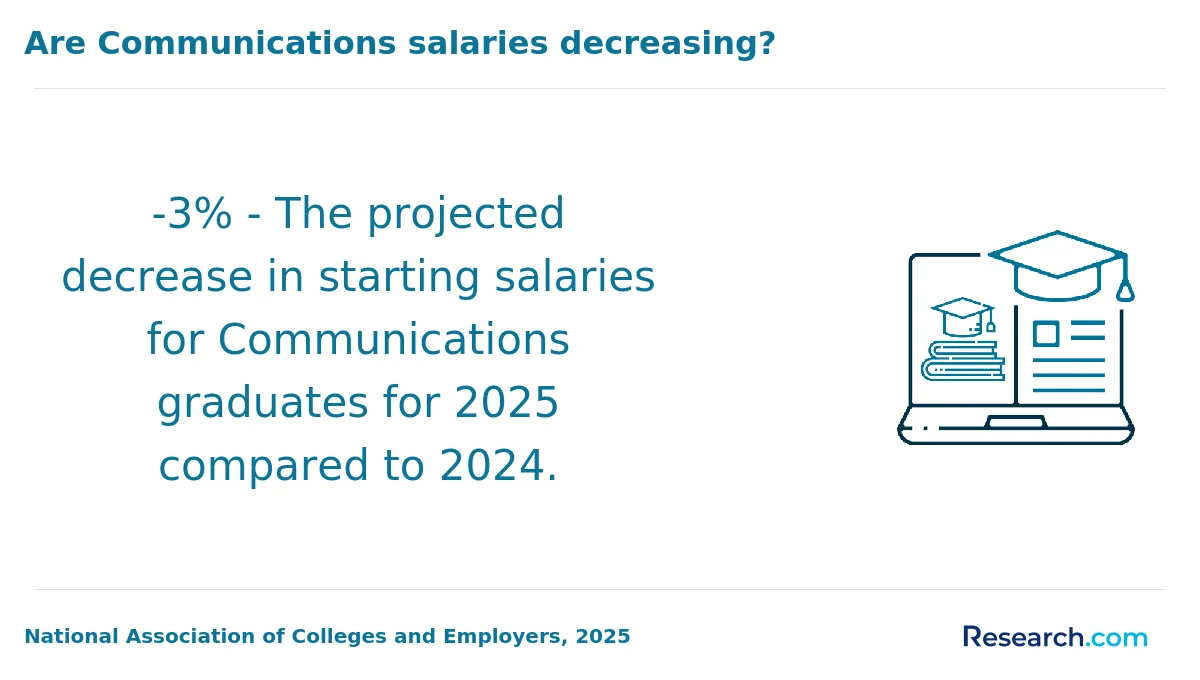
Graduates from online communication programs in the Western United States, such as those attending well-known institutions in California or Washington, typically start with salaries around $45,000 annually. Entry-level roles like public relations specialists often reflect this starting point but can rise steadily with experience. For example, graduates working in California may see median wages nearing $67,000, while those in Oregon earn closer to $58,000, highlighting regional cost-of-living differences.
Many graduates find that specializing in digital communication or social media management leads to higher pay. Digital communication managers in the West can expect earnings between $65,000 and $85,000, depending on the size of the employer and campaign complexity. This trend is especially clear among recent graduates who have gained practical skills through internships or project-based learning at prominent universities.
Advanced degrees or certifications further boost earning potential. Graduates who pursue these often move into leadership roles, such as communication directors, with salaries surpassing $90,000 in major Western metro areas like Los Angeles or Seattle. Practical experience combined with targeted education is key to unlocking these opportunities.
Freelance and consulting work also offer flexibility and income growth, with average hourly rates reported between $30 and $50 in the region. Graduates leveraging strong portfolios and networks formed during their programs often report satisfying freelance careers that combine creativity with financial rewards.
2027 Most Valuable Online Bachelor's in Communication Degree Programs Ranking in the West
How do we rank schools?
Investing in your education is a significant decision that can shape your future, and the Research.com team fully recognizes the importance of making well-informed choices. To guide prospective students in the western United States, we have carefully developed the "2027 Most Valuable Online Bachelor's in Communication Degree Programs Ranking in the West." Our dedication to quality, credibility, and accuracy is demonstrated through thorough research and detailed analysis underpinning this ranking.
We utilized the following reputable data sources to ensure a comprehensive evaluation of communication degree programs:
By consulting this ranking, readers will receive valuable guidance on the most worthwhile online communication bachelor's programs in the region, empowering them to make confident educational choices. For further information about our evaluation process, please visit our Research.com methodology page.




# 7 position
Colorado Christian University
Bachelor of Communication Studies


Key Findings
- Online communication degrees in the Western US offer specializations like digital media, organizational communication, and strategic communication.
- Public universities charge $7,000 to $12,000 per year for in-state online tuition, while private and out-of-state tuition often exceeds $20,000 annually.
- Entry-level salaries for communication graduates range from $45,000 to $55,000, increasing to $70,000-$85,000 with five to ten years of experience.
- Key Western cities like Los Angeles, Seattle, and San Francisco provide higher pay due to competitive job markets.
- The communication job market is expected to grow by 10% through 2030, driven by digital content and social media management roles.
- Top programs have regional accreditation and offer varied online formats, internships, and industry connections.
How long does it take to complete online communication degree in the West?
Completing an online communication degree in the Western U.S. typically takes about four years for full-time students, matching the traditional pace at schools like California State University. Many graduates recall starting with a standard course load, which allowed them to finish on time while balancing work and family commitments.
Part-time students often take longer, sometimes up to six years. For example, some find success spreading courses over more semesters to manage jobs without feeling overwhelmed. This flexible pacing lets students adapt their education to life's demands.
Graduates transferring credits from community colleges or associate degrees often finish sooner-around two to three years-since they bypass foundational classes. This approach is popular among working adults in Washington and Oregon who want a faster route to their degree.
Some Western institutions even offer accelerated paths, enabling motivated students to complete degrees in about three years by taking extra credits. These options increase motivation and satisfaction by rewarding commitment with quicker graduation.
What's the difference between online and on-campus communication degree?
Choosing between online and on-campus communication degrees in the Western US boils down to how you want to engage with your education and daily routine. On-campus students at schools like the University of Southern California enjoy direct interactions through lively classroom discussions and access to media labs, enhancing hands-on skills and networking. Graduates often recall these in-person moments as energizing and vital for building confidence.
In contrast, online students from institutions such as Arizona State University appreciate the flexibility to fit studies around work and family, accessing lectures and assignments anytime. While some miss face-to-face connections, many find video calls and forums a practical way to stay connected without sacrificing other commitments.
Cost is another factor: average on-campus tuition in the West hovers around $11,000 a year. Online programs can be slightly cheaper but vary widely, so checking fee structures is crucial. Both formats cover core topics like public relations and digital media strategies, meaning your degree maintains strong academic value regardless of delivery.
For those comfortable mastering digital tools, online paths offer efficient, relatable experiences, while on-campus options provide immersive environments perfect for hands-on learning and live collaboration.
What is the average cost of online communication degree in the West?
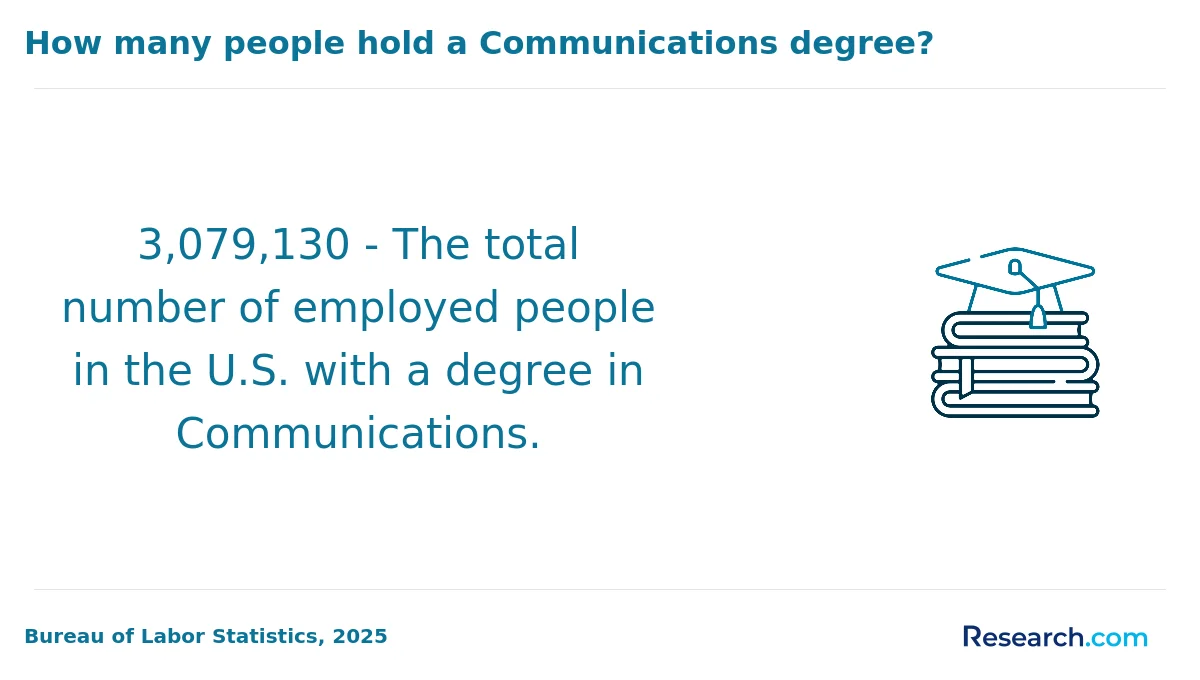
The average cost of an online communication degree in the West depends largely on whether you attend a public or private institution, and if you qualify for in-state tuition. Data shows most students completing a communication degree in this region face a median total cost around $62,760. In-state students at public universities often pay closer to $46,668 for the entire program, which makes campuses like California State University attractive due to their affordable tuition and solid reputation.
Graduates frequently mention the relief of choosing an in-state public university to keep costs manageable while benefiting from quality online instruction. However, private universities, known for their flexibility and extensive resources, can push costs up to nearly $100,000. Despite this, students often find value in the personalized support and networking opportunities at top-tier private schools in the West.
When budgeting for your online communication degree, consider that fees beyond tuition-such as technology and course materials-can add to total expenses. A pragmatic step is investigating potential financial aid, scholarships, or employer tuition reimbursement plans to lighten the financial load.
Since most programs require about 120 credit hours, multiplying your per-credit fee gives a clearer estimate of overall expenses. Planning ahead with such realistic figures helps avoid unexpected costs. For those new to the field, exploring the prerequisites for a communication degree can also guide smarter choices about your educational investment and timeline.
Understanding the average cost of online communication degree programs in the West equips you to make decisions that balance quality and affordability, setting a strong foundation for your future career.
What financial aid is available to online communication degree students in the West?
When pursuing an online communication degree in the West, accessing financial aid begins with completing the FAFSA to qualify for federal support like Pell Grants, which cover up to $7,395 annually. Many students at universities such as the University of Washington have relied on Pell Grants to lessen tuition burdens while balancing work and study.
State-specific aid is also a vital resource. For example, California's Cal Grant provides up to $12,570 for tuition costs, often making a huge difference for students at institutions like San Diego State University. Graduates often recall how state grants allowed them to focus more on their studies and less on debt.
Institutional scholarships targeted at communication majors are commonly offered by Western colleges and universities. These awards can range from modest amounts to full tuition waivers, giving students multiple chances to ease financial pressure.
Additionally, private scholarships and employer tuition assistance programs offer practical avenues for funding. Working adults pursuing degrees at schools such as Arizona State University on flexible schedules find these programs especially helpful in managing education costs without sacrificing their jobs.
What are the prerequisites for enrolling in online communication degree program in the West?
To enroll in an online communication degree program in the West, start by securing a high school diploma or GED. This is the baseline requirement across most universities, including popular institutions like the University of Arizona and California State University. Graduates often share how this initial step gave them a solid foundation to build on, boosting their confidence.
Next, prepare your official transcripts, as schools typically require proof of your academic history. For instance, California State University online programs expect at least a 2.5 GPA, so make sure your past grades reflect readiness. Some programs may accept transfer credits or relevant work experience, which can save time and money.
Although standardized tests like the SAT or ACT are becoming optional, having a solid personal statement is essential. Many applicants find that articulating their passion for communication in a clear essay opens doors. Letters of recommendation, while not always mandatory, strengthen applications and reflect your network's belief in your potential.
Non-native English speakers should be ready to submit TOEFL or IELTS scores. Aiming for a TOEFL score between 80 and 100 aligns with the expectations of Western universities, ensuring you can confidently engage in courses focused on language and media.
What courses are typically in online communication degree programs in the West?
When pursuing an online communication degree in the West, expect a curriculum that balances theoretical knowledge with practical application. Graduates from popular institutions like the University of Washington or California State University describe beginning with core courses such as Introduction to Communication, which breaks down essential communication models they later apply in real-world contexts like corporate meetings or media interviews.
Next, courses in Interpersonal Communication and Public Speaking build confident conversational skills and presentation abilities-key for any career in communication, whether pitching ideas in a startup or delivering speeches at community events.
Digital savvy is critical, so classes like Digital Media and Society or Social Media Strategies teach students how to craft engaging online content that resonates with diverse audiences, a skill many graduates find immediately useful in marketing roles across Western tech hubs.
Specialized courses such as Organizational Communication and Public Relations prepare you for managing internal messaging or shaping public perception, skills former students have applied successfully in nonprofit or corporate settings.
Research-focused classes like Communication Research Methods train you to analyze data and measure outreach effectiveness-vital when you want to prove your strategies work in today's data-driven communication landscape.
What types of specializations are available in online communication degree programs in the West?
Online communication degree specializations in the West cover practical fields that align with diverse career paths. Graduates from universities popular in the West often highlight Corporate Communication for mastering skills in company messaging, crisis handling, and PR strategy-ideal for those aiming to work as communication managers or PR specialists. Another commonly chosen path is Digital Media and Social Media Communication, focusing on content creation and analytics; this specialization benefits from the booming online economy, making graduates confident in their market value.
Health Communication is also significant, blending healthcare knowledge with communication tactics. Graduates report satisfaction from participating in local health department projects, which adds real-world depth to their studies. For those focused on workplace dynamics, Interpersonal and Organizational Communication teaches leadership communication and human behavior, perfect for careers in HR or management. Lastly, Broadcast Communication remains relevant, training for media ethics and video production applicable to TV, radio, and digital platforms.
This range of West region online communication programs specialties offers flexibility and strong market appeal, with some graduates citing their understanding of the media communications major salary prospects as a motivating factor.
How do you choose the best online communication degree in the West?
Start by verifying regional accreditation from organizations like the Northwest Commission on Colleges and Universities, crucial for online degrees in the West. Graduates from schools such as the University of Washington praise how this accreditation eased credit transfers and boosted employer confidence. Next, evaluate curriculum variety-programs at institutions in California often emphasize digital media or strategic communication, giving students hands-on experience through internships. Flexibility is key; many find asynchronous courses at Western universities invaluable for fitting study around jobs or family. Look for programs offering part-time or accelerated options to maintain balance. Cost is a practical hurdle but some online programs reduce expenses by eliminating commuting and housing fees. Public universities typically charge $7,000 to $12,000 annually for in-state students, while private schools often exceed $30,000. For those seeking affordable options, exploring the cheapest online bachelors in journalism degree programs can be a helpful start. This step-by-step approach helps identify the best online communication degree programs West.
What career paths are available for online communication degree students in the West?
Graduates with an online communication degree from schools in the West frequently find that career opportunities with online communication degree in the West are diverse and increasingly accessible. Many from universities in California and Washington have successfully entered fields like public relations, marketing, corporate communications, and social media management. These roles often involve real-world tasks, such as managing brand reputations in competitive markets like Los Angeles or Seattle. For instance, a graduate from a major Western university might work as a Public Relations Specialist, shaping the public image for growing tech startups or entertainment firms.
Others leverage their skills in journalism or content production, creating stories and videos pertinent to local or national audiences. Understanding the requirements for journalism at these institutions helps students focus their career path effectively. By targeting industries dominant in Western cities and using the flexibility of online programs, graduates can confidently pursue top job prospects for West online communication graduates in areas where demand for communication expertise is high.
What is the job market for online communication degree in the West?
The job market for graduates with an online communication degree in the West is dynamic and growing, especially across media, technology, and business sectors. Graduates from universities popular in the region, such as those in California and Washington, report strong demand for skills in public relations, digital marketing, and social media management. Many find roles quickly, leveraging the expanding opportunities, particularly in hubs like Silicon Valley and Los Angeles.
Employment trends in the West region communication degree employment trends show a steady need for professionals who can create engaging content and manage branding strategies. Entry-level salaries often range from $45,000 to $55,000, reflecting the competitive market. Graduates appreciate the flexibility of online programs since they balance work and study without sacrificing quality.
Many graduates pursue career paths that involve public relations and corporate communications, social media, or broadcasting. Those aiming for a more specialized role can explore the projected growth in related fields like market research. For a clearer picture of compensation, students can refer to reliable data such as public relations salary estimates found on public relations salary resources.
For students planning ahead, it's wise to focus on gaining real-world experience through internships and networking in local media companies or startups that thrive in the West. This proactive approach complements online coursework and positions graduates for success in a competitive job market.
Frequently Asked Questions About communication
Students pursuing online communication degrees in the Western United States can enhance their learning by actively engaging with course materials and faculty. Research from the National Center for Education Statistics shows that interaction with instructors significantly improves retention and understanding in online formats.
Joining virtual study groups or communication forums can deepen practical skills, especially since 75% of communication jobs in the West require strong teamwork and digital collaboration, according to a 2023 regional labor report. Additionally, seeking internships or affiliate opportunities with local media outlets provides valuable real-world experience.
Utilizing university-provided academic resources such as writing centers and career counseling helps tailor a student's path toward communication specialties popular in the West, like public relations or digital media. Consistent time management and self-discipline remain crucial for success in these flexible programs.
The communication field in the Western US is rapidly evolving, with emerging niches reflecting technological advances and societal shifts. One key area is digital storytelling, where professionals craft engaging narratives for social media, podcasts, and interactive platforms. According to the National Communication Association, demand for digital skills in communication jobs has grown by over 20% in recent years.
Another developing niche is health communication, focusing on public health messaging and crisis communication, especially after the COVID-19 pandemic heightened awareness of clear, accurate information dissemination.
Data analytics in communication is gaining traction, as experts use metrics to shape strategies in marketing and public relations. These specializations make online communication degrees attractive and relevant in today's job market.
Graduates with online communication degrees in the Western US should build practical skills to enhance employability. Employers often seek candidates proficient in digital media, public relations, and content creation, so gaining hands-on experience through internships or freelancing is essential.
Networking locally and online can open job opportunities. LinkedIn and industry groups like the Public Relations Society of America (PRSA) offer valuable connections and resources.
According to the U.S. Bureau of Labor Statistics, communication-related jobs are projected to grow by 9% from 2022 to 2032, faster than average, emphasizing strong demand.
Supplementing your degree with certificates in social media management or data analytics can also boost marketability in Western job markets.
Employers in the Western United States prioritize several key skills when hiring communication degree graduates. Strong written and verbal communication abilities top the list, as organizations seek individuals who can convey ideas clearly and effectively. According to the National Communication Association, 85% of communication employers value adaptability in evolving media landscapes.
Additionally, digital literacy and proficiency with social media tools are increasingly important. The U.S. Bureau of Labor Statistics highlights that communication roles demanding multimedia skills grow faster than average job categories.
Critical thinking and problem-solving remain essential, enabling graduates to analyze messages and strategize effectively. Finally, teamwork and interpersonal skills are crucial for collaboration within diverse workplaces prevalent in the Western region.
Finding internships in the Western US for communication degree students often begins with utilizing university career centers. Many institutions maintain partnerships with local media companies, public relations firms, and marketing agencies offering structured internship programs.
Online platforms like Handshake and LinkedIn are also popular tools to discover internship listings relevant to communication majors. According to the National Association of Colleges and Employers (NACE), about 60% of internships are found through online job portals or school resources.
Additionally, students should attend networking events or join regional chapters of communication organizations such as the Public Relations Society of America (PRSA) to connect directly with employers.
Internships in California, Oregon, and Washington frequently focus on digital media, public relations, and corporate communications, reflecting regional industry strengths.
An online communication degree increasingly supports career mobility and advancement for students in the Western United States. According to the Bureau of Labor Statistics (BLS, 2023), communication-related roles in the West show steady growth, with job opportunities expected to increase by 7% through 2031. This growth is driven by expanding media, public relations, and digital marketing sectors.
Graduates with online communication degrees benefit from acquiring skills in digital literacy, media strategy, and interpersonal communication, which employers highly value. Many professionals report promotions or role changes within five years of completing their degree, especially in urban centers like Los Angeles and Seattle.
Furthermore, regional studies from the Western Interstate Commission for Higher Education (WICHE) highlight that online programs provide flexible access to education, which helps working adults improve their qualifications without relocating. This flexibility enhances career advancement possibilities by allowing students to gain credentials while maintaining employment.
Studying for a communication degree in the Western United States equips students with diverse skills applicable to interdisciplinary roles. Programs often combine media studies, public relations, and digital communication, preparing graduates to collaborate across various sectors such as business, healthcare, and technology.
Many universities emphasize practical experience with digital tools and teamwork, reflecting workplace demands. According to the National Center for Education Statistics, nearly 60% of communication graduates in the West find employment in fields outside traditional media within two years of graduation.
This integrated approach fosters adaptability, critical thinking, and effective messaging, all essential for dynamic career paths involving multiple disciplines.
Choosing between a thesis and a non-thesis communication degree program in the West depends largely on your career goals and learning preferences. Thesis programs require original research and typically suit students aiming for academic or research-intensive careers. They develop strong analytical and writing skills through a major project.
Non-thesis programs often focus more on practical skills such as media writing, public relations, or digital communication. These programs usually demand more coursework and may include internships, preparing students for immediate entry into the workforce.
According to the National Center for Education Statistics, about 40% of communication graduates in Western states pursue applied rather than research tracks, reflecting job market demands.
Assess your professional goals, time availability, and interest in research before deciding.
Students based in the Western United States seeking online communication degrees have multiple study-abroad opportunities through US institutions partnering with international universities. Many Western colleges offer dual-degree or exchange programs allowing students to earn credits abroad while completing most coursework online. According to the Institute of International Education (IIE), digital learning partnerships increased by 20% among US universities from 2020 to 2023, expanding global access.
Popular destinations include Canada and Western Europe, where institutions offer communication curricula aligned with US standards. These partnerships often provide cultural immersion and international perspectives without requiring full-time relocation, making them ideal for remote learners.
Part-time job opportunities in the Western US that complement communication degree studies often include roles in public relations, marketing, and social media management. These positions allow students to apply communication theories in real-world settings while building valuable professional networks.
Internships with local media outlets or nonprofit organizations are also common and provide practical experience in content creation and audience engagement. According to the Bureau of Labor Statistics, communications-related employment in California and Washington is projected to grow faster than the national average through 2030, enhancing job prospects for students.
Additionally, freelance writing and digital marketing gigs offer flexible schedules, ideal for part-time students seeking hands-on experience alongside their coursework.
Online communication students in the Western US have access to diverse networking opportunities that complement their virtual studies. Many Western universities offer virtual career fairs and online networking events, connecting students with local media, marketing firms, and nonprofit organizations.
Students can join professional groups such as the Public Relations Society of America (PRSA) chapters in California or Washington, which frequently host webinars and workshops tailored for communication students. According to the National Communication Association, roughly 60% of communication professionals find jobs through networking, emphasizing its importance.
In addition, schools often partner with local businesses for internships, giving online learners practical experience and in-person connections. Platforms like LinkedIn also play a crucial role, allowing students to engage with regional professionals and alumni networks throughout the West.
Alumni networks play a crucial role for online communication degree students in the Western United States by providing valuable career support and professional connections. Graduates from communication programs often join these networks to access job leads, mentorship opportunities, and industry insights relevant to media, public relations, and digital marketing sectors.
According to the National Communication Association, strong alumni engagement can increase job placement rates by up to 20% in communication fields. These networks help students navigate regional markets in California, Washington, and Oregon, where communication industries are rapidly evolving.
Moreover, alumni events and online platforms foster community building, allowing students to collaborate on projects and stay informed about emerging trends. This support system enhances practical learning beyond the classroom, aiding students' professional growth in competitive Western markets.
Customizing your online communication degree program in the Western US allows you to align studies with your unique career ambitions. Many institutions offer electives in public relations, digital media, journalism, or corporate communication, enabling focused skill development.
In addition, students can often choose capstone projects or internships that match sectors such as tech, entertainment, or nonprofit organizations-key industries in Western states. According to the National Center for Education Statistics, roughly 40% of communication programs in the region provide these flexible options.
Advisors typically help tailor your coursework and provide guidance based on local industry trends, helping you build a relevant professional network while studying remotely.
Online communication students in the Western United States often face challenges related to balancing their studies with personal and professional responsibilities. A 2023 report by the National Center for Education Statistics found that 65% of online undergraduate students work at least part-time, complicating time management.
Technical difficulties also affect many students. Reliable internet access can be inconsistent, especially in rural areas of the West, impacting participation in live discussions and timely submission of assignments. According to Pew Research, 20% of rural households in the U.S. lack high-speed internet.
Moreover, students sometimes struggle with limited face-to-face interaction, which can hinder networking and collaboration skills critical in communication careers. This isolation may affect motivation and engagement, making self-discipline essential for success.
Graduates with an online communication degree in the Western US can enhance their credentials by pursuing several professional certifications. Popular options include the Certified Communication Professional (CCP), which validates skills in media strategy and interpersonal communication. This certification is offered by the Global Communication Certification Council and is recognized nationwide.
Additionally, certifications in digital marketing like the HubSpot Content Marketing Certification or Google Analytics Individual Qualification can complement communication degrees by expanding technical expertise. According to the U.S. Bureau of Labor Statistics, communication-related jobs are expected to grow 10% by 2032, indicating rising demand for versatile professionals.
For professionals focusing on public relations, the Accreditation in Public Relations (APR) from the Public Relations Society of America is highly regarded in Western states like California and Washington. These certifications not only improve employability but also signal commitment to professional growth.
Applying for an online communication program in the Western United States requires a clear and focused approach. Start by researching accredited universities with strong communication faculties, as accreditation ensures quality education recognized by employers.
Highlight your relevant experiences, such as internships or social media management, in your personal statement. According to the National Communication Association, applicants with practical experience often have a competitive edge.
Maintain a strong GPA, ideally above 3.0, and submit official transcripts as proof. Many programs also consider recommendation letters from professionals familiar with your communication skills.
Finally, tailor your application to demonstrate understanding of digital media trends, reflecting the growing industry demand in the West.
Global perspectives on a communication career highlight the field's expanding role in today's interconnected world. In the United States and the broader Western context, communication professionals are increasingly valued for their ability to navigate cross-cultural dialogues and digital media landscapes. According to the U.S. Bureau of Labor Statistics, employment in communication-related fields is projected to grow 10% from 2022 to 2032, faster than the average for all occupations.
Western employers seek graduates with skills in public relations, media strategy, and intercultural communication. These competencies reflect global demands where managing diverse audiences and digital platforms is essential.
Western universities emphasize practical experience and international perspectives in online communication degrees, preparing students to work in multinational companies, nonprofits, and global media organizations.
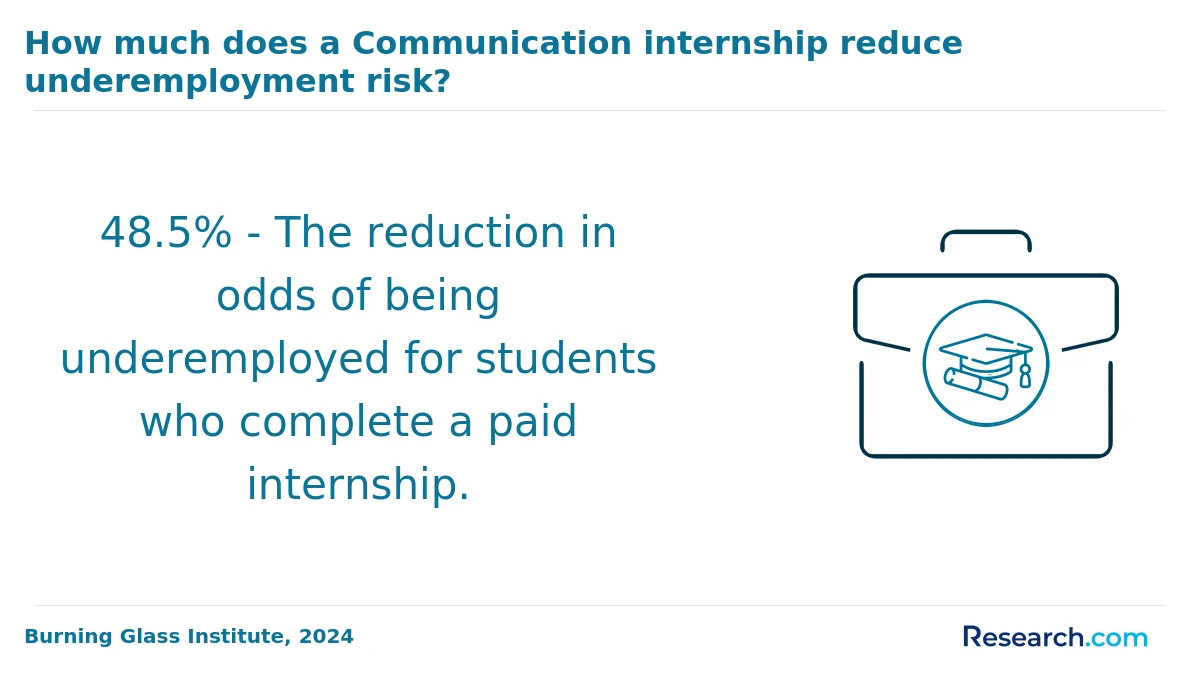
Gaining practical experience while studying for an online communication degree in the West is achievable through multiple avenues. Many programs encourage internships with local media companies, nonprofits, and public relations firms, even when studying remotely. According to the National Association of Colleges and Employers (NACE), 60% of employers in communication-related fields prefer candidates with internship experience.
Students can also engage in virtual internships or work on real-world projects via university partnerships. Additionally, participating in campus-run media outlets, such as online newspapers or radio, builds skills. Networking through professional organizations like the Public Relations Society of America helps secure practical opportunities.
Choosing the right concentration within an online communication degree in the West begins with understanding your career goals and interests. Common concentrations include public relations, digital media, journalism, and corporate communication, each offering unique skill sets. For example, public relations focuses on managing brand images, while digital media emphasizes content creation across platforms.
Research from the Western Interstate Commission for Higher Education shows growing demand for digital communications roles, with a 12% job growth projected by 2030. Consider local industry strengths; California's tech hubs favor digital marketing, while Oregon has a strong emphasis on media production.
Additionally, review concentrations offered by accredited programs and their alignment with national communication competencies outlined by the National Communication Association. Prioritize options that provide practical experience and networking opportunities specific to your target market in the West.
Top Trending Communication Rankings
References
- Careers in Communication: What Can You Do With a Degree in Communications? https://www.mastersincommunications.com/features/careers-in-communication
- Why You Should Start Networking as a Student – and How to Do It https://amplifyme.com/blog/why-you-should-start-networking-as-a-student
- Online BA in Communication https://www.wiu.edu/cofac/communication/online_BA.php
- Know more about thesis vs non- thesis: what is the difference? https://studyfans.com/en/blogs/816
- 6 benefits of a master's in health care management https://www.unfc.ca/blog/must-have-workplace-communication-skills-for-graduates
- Online Communication Degree | University of Phoenix https://www.phoenix.edu/online-liberal-arts-degrees/communication-bachelors-degree.html
- Top Skills Employers Look for in Mass Communication Graduates https://urbeuniversity.edu/blog/top-skills-employers-look-for-in-mass-communication-graduates
- Online Bachelor of Arts in Business Communication | UCW https://www.ucanwest.ca/programs/undergraduate/online-bachelor-of-arts-in-business-communication
- 10 Essential Networking Tips for Students to Help Build Strong Connections - Luxury Student Homes https://www.luxurystudenthomes.co.uk/networking-tips-for-students/
- Gaining practical experience with PR and Digital Communications - Made in Salford https://blogs.salford.ac.uk/made-in-salford/2021/05/06/studying-pr-digital-communications-university-of-salford/