2027 Most Valuable Online Communication Degree Programs Ranking in Kentucky

Co-Founder and Chief Data Scientist
Choosing the right communication degree program can feel overwhelming, especially with so many options available online. This article presents the 2027 Most Valuable Online Communication Degree Programs Ranking in Kentucky, thoughtfully created by the Research.com team of data scientists. It's designed to help students like you make an informed decision about which programs truly stand out.
Getting a communication degree opens doors to exciting career paths and personal growth. By exploring this ranking, you'll gain insight into programs that offer real value and can set you on a rewarding journey. Let's discover the best opportunities together.
Key benefits of getting online communication degree in Kentucky
- Communication degree graduates in the US can expect average salaries around $60,000 per year, offering a solid financial foundation for careers in public relations or corporate communication.
- A degree from a school like the University of Kentucky opens doors to diverse roles such as media planning, marketing, or social media management, allowing graduates to explore creative and dynamic career paths.
- Online communication degrees provide flexibility and convenience, ideal for busy Kentuckians balancing work or family, while still delivering quality education recognized by employers.
- Key benefits of getting online communication degree in Kentucky
- What can I expect from online communication degree in Kentucky?
- Where can I work with online communication degree in Kentucky?
- How much can I make with online communication degree in Kentucky?
- 2027 Most Valuable Online Communication Degree Programs Ranking in Kentucky
- Key Findings
- How long does it take to complete online communication degree in Kentucky?
- What's the difference between online and on-campus communication degree?
- What is the average cost of online communication degree in Kentucky?
- What financial aid is available to online communication degree students in Kentucky?
- What are the prerequisites for enrolling in online communication degree program in Kentucky?
- What courses are typically in online communication degree programs in Kentucky?
- What types of specializations are available in online communication degree programs in Kentucky?
- How do you choose the best online communication degree in Kentucky?
- What career paths are available for online communication degree students in Kentucky?
- What is the job market for online communication degree in Kentucky?
- Related Communication Rankings for Nearby States
- Top Trending Communication Rankings
What can I expect from online communication degree in Kentucky?
Many graduates of online communication programs in Kentucky recall balancing ambitious career goals with the practical realities of education costs. The average cost for an online communication degree at reputable institutions like the University of Kentucky or Eastern Kentucky University tends to range between $10,000 and $25,000 for the entire program, depending on residency status and financial aid options. This cost reflects roughly 120 credit hours of coursework, blending general education with specialized communication classes.
For working adults juggling jobs and families, these costs can feel like a significant investment, yet many find the flexibility and quality of instruction well worth it. Graduates often describe a sense of achievement from engaging in real-world projects through internships connected to Kentucky businesses, an experience that supplements the financial commitment with valuable career momentum. The structured use of platforms like Canvas or Blackboard also enhances their ability to absorb material efficiently while managing other life demands.
Ultimately, the transparent pricing and accessible format of these programs challenge the old notion that quality education must come with exorbitant expenses, especially for students rooted in Kentucky's evolving media and communications landscape.
Where can I work with online communication degree in Kentucky?
Graduates from online communication programs at Kentucky institutions often find themselves stepping into dynamic roles across the state's bustling media landscape. Imagine starting your career as a content creator for a leading Louisville news outlet or shaping public perception as a public affairs specialist in Lexington's expanding broadcast market. These experiences reflect how widely communication skills are prized.
Successful graduates report excitement working in public relations for government agencies or nonprofits, using their expertise to manage community outreach and influence local narratives. Kentucky's growing corporate giants, such as those near universities like the University of Kentucky or Northern Kentucky University, actively recruit communicators to craft internal messaging and compelling marketing campaigns, blending professionalism with creativity daily.
Digital media management offers another thrilling path, where graduates can harness social platforms to engage audiences and build brands for startups and established businesses alike.
These careers aren't hypothetical-they're real opportunities where Kentuckians apply their communication degrees, fueling growth and connection in a variety of fields.
How much can I make with online communication degree in Kentucky?
Graduates from online communication programs at institutions like the University of Kentucky or Northern Kentucky University find their earnings vary widely, yet promising opportunities await. While precise BLS salary data for Kentucky communication roles is unavailable, graduates typically see starting salaries around $35,000 to $40,000 in entry-level roles like communication assistants or junior public relations specialists. This aligns with real stories of early career professionals landing their first jobs within local media outlets or nonprofit organizations.
With experience, many climb to mid-level positions earning approximately $50,000 to $55,000 annually, especially in sectors such as healthcare communications or corporate communications embedded in Kentucky's manufacturing hubs. Graduates equipped with digital marketing or social media skills often find themselves paid closer to $65,000, reflecting the industry's shifting demands.
Some alumni report reaching communication manager roles in Louisville or Lexington, commanding salaries exceeding $75,000, a reminder that combining specialized skills and networking can defy typical expectations. These examples show how an online communication degree in Kentucky can translate into real-world financial growth when paired with strategic career moves.
2027 Most Valuable Online Communication Degree Programs Ranking in Kentucky
How do we rank schools?
Investing in your education is a significant decision that can greatly impact your career and personal growth, and the Research.com team recognizes the importance of making well-informed choices. To support students considering online communication degrees in Kentucky, we have carefully developed the "2027 Most Valuable Online Communication Degree Programs Ranking in Kentucky." Our dedication to quality, credibility, and accuracy is demonstrated through thorough research and the use of trusted data sources.
We utilized the following reputable data sources to ensure a comprehensive evaluation of programs:
By reviewing this ranking, prospective students will gain valuable insights into the most worthwhile online communication degree programs in Kentucky, helping them choose educational paths that align with their goals. For a deeper understanding of our ranking process, please visit our Research.com methodology page.


Key Findings
- Tuition for online communication degrees in Kentucky ranges from $7,000 to $15,000 per year for in-state students, with public universities generally being more affordable.
- Employment in communication fields in Kentucky is growing at about 5% annually, especially in public relations, marketing, media, and corporate communications.
- Starting salaries for communication graduates average between $42,000 and $48,000 per year, while mid-career wages reach around $60,000 annually.
- Senior communication roles in large cities like Louisville and Lexington can pay over $75,000, particularly in management and digital media positions.
- Kentucky offers accredited fully online communication programs that meet U.S. educational standards and support career licensing requirements.
- Programs often include courses in media writing, interpersonal communication, digital marketing, and public relations, with practical learning through virtual internships or projects.
How long does it take to complete online communication degree in Kentucky?
Completing an online communication degree in Kentucky often takes about four years for full-time students, particularly those enrolled in well-known universities like the University of Kentucky or Western Kentucky University. Graduates recall balancing coursework with jobs and family, making the flexibility of online programs a crucial factor. Some opted to accelerate their pace by taking summer classes, finishing ahead of schedule, while others embraced a slower rhythm to maintain work-life balance.
Part-time students frequently extend their studies to five or six years, yet many celebrate the freedom to tailor their education around their own lives, rather than the reverse. Associate degrees, commonly finished in two years, offer a practical stepping stone at institutions popular among Kentucky learners, helping students gain relevant skills quickly.
Master's degree seekers at Kentucky schools often experience a two-year full-time journey, sometimes stretched up to four years part-time, but appreciate online formats that respect professional demands. Many reflect on how transfer credits and accelerated tracks helped them graduate sooner than expected, proving that the timeline is often more personal than universal.
What's the difference between online and on-campus communication degree?
Graduates from the University of Kentucky often describe their on-campus communication experience as a vibrant tapestry of face-to-face interactions-engaging group projects, lively campus events, and immediate feedback from professors. This environment fosters a strong sense of community and networking that feels energizing and supportive. In contrast, online communication graduates reflect on the freedom to tailor their studies around busy schedules, like balancing work and family, which the Northern Kentucky University's online platform effectively supports.
Flexibility is a clear win for online learners, who appreciate setting their own pace without sacrificing quality. Yet, this demands self-discipline and comfort with technology-a challenge some find empowering rather than isolating.
On-campus students enjoy ready access to hands-on facilities like media labs and career centers, enriching practical skills through in-person collaboration, while online students navigate digital tools that aim to replicate these experiences, though sometimes less tangibly.
Ultimately, the key difference lies in how Kentucky communication students connect-with either the dynamic campus energy or the autonomy of the virtual classroom-each shaping growth in uniquely rewarding ways.
What is the average cost of online communication degree in Kentucky?
The average cost of an online communication degree in Kentucky largely reflects a balance between affordability and quality, typically ranging from $10,000 to $12,000 annually at public universities for in-state students. Graduates from these programs often recall how the reasonable tuition fees at institutions like the University of Kentucky and Western Kentucky University allowed them to focus more on honing their skills rather than worrying about overwhelming debt. One graduate described the experience as empowering, emphasizing how the predictable and competitive tuition rates made advanced learning feel accessible rather than a financial burden.
While private universities in Kentucky may charge significantly more-often between $25,000 and $35,000 per year-these costs are frequently offset by scholarships and aid, giving students options in how they plan. Online students appreciate the convenience and savings on commuting, housing, and other campus-related fees, which further enhances the value of pursuing a Kentucky online communication degree tuition fees that are transparent and manageable.
This financial landscape encourages prospective students to explore their options carefully. Delving into the communication major class requirements and tuition structures can illuminate paths that balance personal passion and practical budgeting, transforming what might seem like an intimidating investment into one filled with opportunity and growth.
What financial aid is available to online communication degree students in Kentucky?
Financial aid for online communication degrees in Kentucky goes beyond simple scholarships-it's a lifeline that many students at places like the University of Kentucky and Western Kentucky University rely on. Imagine a student who juggles work and study discovering the Kentucky Educational Excellence Scholarship (KEES), which rewards their high school achievements with tuition funds, making the dream of finishing a communication degree much more attainable. Others tap into federal Pell Grants, providing up to $7,395 annually, easing the burden without the pressure of repayment.
Beyond scholarships, many find reassurance in employer tuition reimbursements, especially those already working in communication fields. This practical support reflects the real-world value of their education. Graduates often cite how the Kentucky Higher Education Assistance Authority's grants and programs like the Work Ready Kentucky Scholarship helped them bridge financial gaps, turning uncertainty into confidence as they pursued their goals.
Tax credits such as the American Opportunity Tax Credit further highlight that financial aid isn't just about upfront money but persistent, layered support that makes a Kentucky online communication degree truly within reach.
What are the prerequisites for enrolling in online communication degree program in Kentucky?
Enrolling in an online communication degree program in Kentucky often begins with the foundational step of possessing a high school diploma or GED, a requirement that graduates from universities like the University of Kentucky recall as the gateway to their journey. Beyond this, many programs emphasize courses in English and social sciences-subjects that spark curiosity and prepare students for the nuanced world of communication.
Interestingly, the SAT or ACT is becoming optional at institutions such as Bellarmine University, reflecting a shift toward valuing diverse experiences over standardized scores. Imagine submitting a personal statement that genuinely captures your passion for storytelling or media, a pivotal moment shared by many recent graduates who found this essay to be a heartfelt conversation with admissions committees.
Residency can be a game changer, too. Kentucky students benefit from significantly lower tuition, nearly one-third of the out-of-state cost, which makes pursuing a degree less daunting financially. Alongside official transcripts and sometimes letters of recommendation, these prerequisites collectively create a framework that doesn't just assess eligibility but invites prospective students into a vibrant community ready to amplify their voices.
What courses are typically in online communication degree programs in Kentucky?
Students pursuing an online communication degree in Kentucky often find themselves immersed in courses like Introduction to Communication Studies and Interpersonal Communication, which lay the groundwork for understanding human connection in both personal and professional contexts. Graduates from the University of Kentucky often recall how mastering Public Speaking and Presentation Skills gave them confidence in high-stakes meetings and networking events. Meanwhile, courses such as Media Writing and Reporting sharpen the ability to craft clear, compelling messages-skills highly praised by those who studied at Western Kentucky University.
Beyond fundamentals, Digital Media Production and Social Media Strategies push students to engage with the rapidly evolving media landscape. One graduate described the excitement of creating real-time social campaigns, reflecting the demands of today's digital-first communication roles. These classes challenge students to think critically about crisis communication, a topic that resonates deeply within Kentucky's dynamic business and public sectors. Through this blend of theory and practice, students feel prepared and empowered to enter the competitive communication field.
What types of specializations are available in online communication degree programs in Kentucky?
Kentucky's online communication degree specializations challenge students to move beyond simple message delivery, diving into fields that shape real-world dynamics. Graduates from popular institutions like the University of Kentucky often highlight how Public Relations and Strategic Communication taught them to handle crisis scenarios practically, not just theoretically. Others who pursued Digital and Social Media Communication discovered how managing digital campaigns felt like directing a live, interactive story with immediate feedback-a far cry from traditional classroom lectures.
Specializations like Corporate Communication equip students to navigate the nuances of internal messaging, vital in Kentucky's growing business sectors. Meanwhile, Interpersonal and Organizational Communication offers tools for resolving workplace conflicts, proving crucial in the collaborative environments of colleges such as Eastern Kentucky University. For those drawn to storytelling, Media and Journalism pathways prepare graduates for today's evolving newsroom realities, blending ethics with multimedia skills.
Exploring Kentucky online communication programs with concentrations reveals how these focused paths not only prepare students for distinct career opportunities but reflect the state's economic trends, especially in digital and corporate realms. For students curious about the impact of these roles, insights into media communication salary may motivate them to specialize with purpose.
How do you choose the best online communication degree in Kentucky?
Choosing the best online communication degree in Kentucky isn't just about picking a school with a nice website or low tuition. Graduates from well-known public universities in Kentucky often share how accreditation was a game-changer-they wanted programs recognized by the Southern Association of Colleges and Schools Commission on Colleges to ensure their credits mattered beyond state lines. Imagine balancing work and family while logging into asynchronous classes from a flexible platform-this is where many found real freedom and motivation.
Affordability also plays a critical role; numerous students searching for affordable communication programs Kentucky-wide discovered that real value comes from comparing total costs, including fees and scholarships, rather than sticker price alone. Reflecting on career goals, such as specializing in public relations or digital communication, helps focus choices. One graduate's success story pointed to specifically choosing a curriculum aligned with their aspirations in media management, emphasizing how crucial it was to have relevant course options.
Faculty expertise and strong support networks truly define the online experience. For example, students at popular Kentucky colleges often praised instructors who bring professional insight, making learning immersive rather than theoretical. Many found that seeking programs that offer career counseling combined with specialized mentoring boosted their confidence. If you want to dive deeper into options, consider exploring a public relations degree as a focused path within communications.
What career paths are available for online communication degree students in Kentucky?
Graduates with an online communication degree in Kentucky often discover career opportunities far beyond traditional expectations. Whether working with nonprofit organizations, government agencies, or dynamic media outlets, numerous paths open up. Many graduates from popular institutions such as the University of Kentucky or Western Kentucky University find themselves thriving as public relations specialists, marketing coordinators, or corporate communication officers, where strategic messaging and audience engagement are central.
One common experience among these graduates involves navigating the state's unique media landscape, including local TV stations and digital news platforms, which demand versatile skills in journalism and broadcasting. This adaptability is a key trait that employers across Kentucky value, further emphasized in job listings featuring online communication degree jobs in Kentucky.
Interestingly, those focusing on digital production and strategic communication feel particularly empowered, as Kentucky's growing digital market and remote work culture create a ripe environment for career growth. For students curious about earnings, exploring the online masters in public relations degree salary reveals competitive prospects that complement the state's affordable education landscape.
What is the job market for online communication degree in Kentucky?
The job market for online communication degree jobs Kentucky graduates is encouraging, especially for those who embrace digital skills. Graduates from institutions like the University of Kentucky have found that mastering social media management and content creation opens doors in regional healthcare systems and educational organizations. These graduates often share how their roles in public outreach or internal communications bring a sense of purpose and connection to their communities.
Mid-career professionals note that salaries typically range from $65,000 to $75,000, with public relations and media specialists positioned at the higher end. Kentucky's economy values communication experts who can navigate government, manufacturing, and healthcare sectors, reflecting growing demand for effective messaging. Students pursuing an online communication degree in Kentucky are often encouraged by these trends, appreciating the opportunity to contribute meaningfully while maintaining affordable tuition rates compared to national averages.
For those looking to deepen their expertise, an online masters degree in pr is becoming a popular path. Graduates frequently express enthusiasm about the career opportunities that open up, underscoring how Kentucky communication degree career opportunities are not only viable but also rewarding in the current job market.
Frequently Asked Questions About communication
Online communication degree students in Kentucky can maximize their learning experience by actively engaging with interactive course materials and participating in virtual discussions. Many programs utilize platforms like Canvas or Blackboard, which offer tools to collaborate with peers and instructors effectively.
Additionally, students should take advantage of Kentucky's regional communication organizations, such as the Kentucky Communication Association, to network and gain practical insights.
Time management is crucial; according to the National Center for Education Statistics, successful online learners dedicate at least 10-15 hours weekly to coursework. Leveraging virtual internships and local media outlets can also enhance real-world skills.
Emerging niches within the communication field reflect the rapid evolution of technology and media habits. In Kentucky, areas such as digital media strategy, social media management, and health communication are gaining importance. The Bureau of Labor Statistics projects a 9% growth in roles related to media and communication specialists nationwide by 2030, highlighting demand in these areas.
Digital storytelling and data analytics are also growing fields, especially for those interested in public relations and corporate communication. Health communication is crucial in Kentucky due to ongoing public health initiatives, requiring professionals skilled in crafting clear messages for diverse populations.
As more companies adopt remote work, expertise in virtual communication platforms is essential. Online communication degree programs increasingly integrate these emerging topics to prepare students for the evolving job market in Kentucky and beyond.
Preparing for the job market after completing an online communication degree in Kentucky involves several strategic steps. Graduates should build a strong portfolio showcasing skills in public relations, media writing, and digital communication, which are in demand across Kentucky's growing marketing and media industries.
Networking is essential. Joining state and local professional groups, such as the Kentucky Communication Association, can connect graduates with potential employers and industry trends. Internships or volunteer work with Kentucky-based organizations enhance practical experience and employment prospects.
Understanding regional job data helps. According to the U.S. Bureau of Labor Statistics, communication-related roles in Kentucky are expected to grow by approximately 8% through 2030, especially in urban centers like Louisville and Lexington.
Additionally, focusing on digital skills like social media management and content creation will improve marketability in Kentucky's competitive communication job market.
Employers in Kentucky seek communication degree graduates who demonstrate strong interpersonal and digital communication skills. According to the Kentucky Center for Statistics, over 70% of communication roles require proficiency in writing, public speaking, and audience analysis. These skills enable graduates to convey ideas clearly across various platforms, essential in today's diverse media landscape.
Adaptability and critical thinking are also highly valued. Employers expect graduates to analyze complex information and adapt communication strategies to changing environments. Additionally, familiarity with digital media tools and social media management is in high demand, reflecting the state's growing emphasis on online and multimedia communication in business sectors.
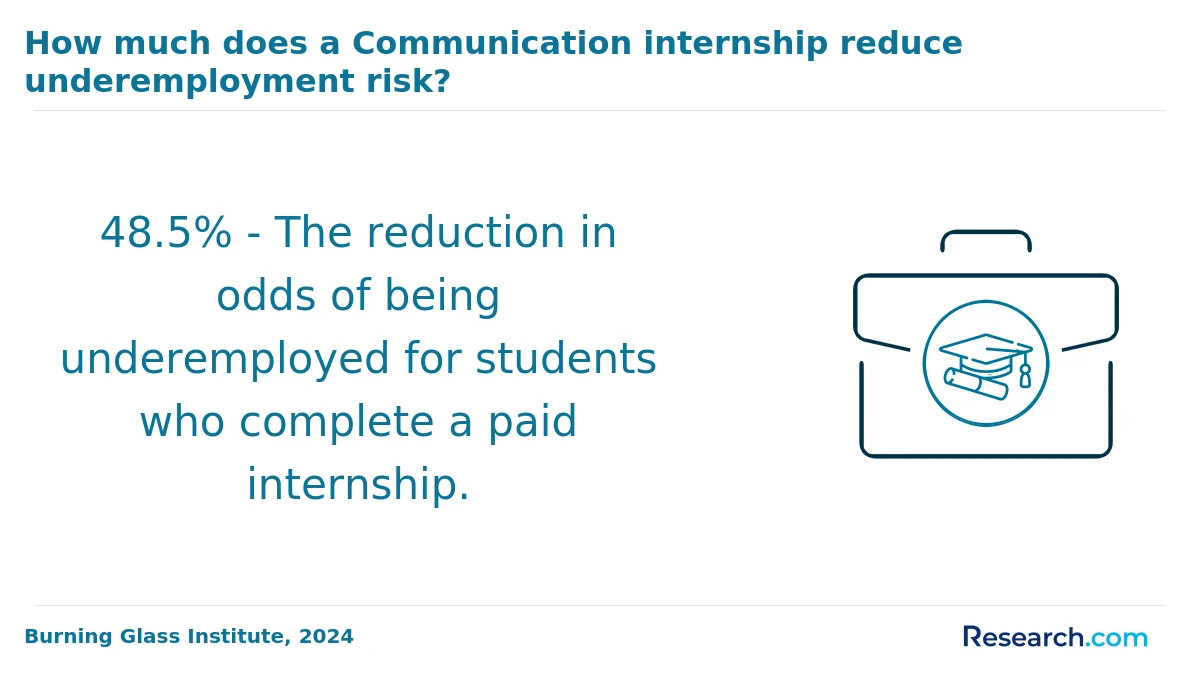
Finding internships in Kentucky relevant to a communication degree involves leveraging multiple local resources and networks. Start by exploring university career centers, many of which offer virtual internship listings tailored to communication students. Schools like the University of Kentucky and Western Kentucky University often have partnerships with regional businesses in media, public relations, and advertising.
Utilize online platforms such as Handshake and the Kentucky Chamber of Commerce job board, which frequently list internships in communication fields. Additionally, local media outlets like the Lexington Herald-Leader and Louisville-based agencies provide opportunities for hands-on experience.
Networking through professional organizations, such as the Kentucky PRSA (Public Relations Society of America), can open doors to internships and mentorships. According to the Kentucky Center for Statistics, communication-related internships have grown by 8% over the past three years, reflecting expanding opportunities in the state's media and public relations sectors.
An online communication degree in Kentucky can significantly enhance career mobility and advancement opportunities within the state's diverse job market. According to the Kentucky Center for Statistics, industries such as public relations, marketing, and media are growing steadily, increasing demand for skilled communication professionals.
Graduates with online communication degrees often qualify for roles in corporate communication, social media management, and journalism, where effective communication skills are critical. Employers in Kentucky value candidates who demonstrate strong digital literacy and strategic communication abilities.
Moreover, data from the U.S. Bureau of Labor Statistics highlights that communication-related occupations in Kentucky are projected to grow by approximately 7% over the next decade, faster than the average for all occupations. This growth supports upward mobility for graduates who continually develop their expertise.
Overall, earning an online communication degree in Kentucky offers a flexible pathway to strengthen skills and improve employability in key regional sectors.
Studying for an online communication degree in Kentucky equips students with skills highly valued across multiple fields, fostering interdisciplinary career opportunities. Programs typically cover areas like media studies, public relations, and organizational communication, preparing graduates to work effectively with teams from diverse professional backgrounds.
The Kentucky Center for Statistics reports that communication-related roles are growing statewide, emphasizing the need for adaptable professionals. Coursework often includes collaboration, critical thinking, and digital literacy, which are essential in sectors such as healthcare, business, and public policy.
This varied skill set enables graduates to bridge gaps between technical experts and non-specialists, enhancing workplace communication and project success.
When choosing between a thesis and a non-thesis online communication degree in Kentucky, consider your career goals carefully. Thesis programs typically require original research and a comprehensive paper, ideal for students aiming at research, academia, or advanced graduate study.
Non-thesis programs usually focus more on practical skills and coursework, appealing to professionals seeking quicker entry into fields like public relations or corporate communication. According to the Kentucky Council on Postsecondary Education, nearly 35% of communication graduates pursue careers in applied settings, making non-thesis tracks popular.
Also, non-thesis options often allow greater flexibility in internships and electives, which can boost employability in Kentucky's growing media and business sectors. Your choice should align with whether you prefer research depth or practical experience.
Students in Kentucky seeking online communication degrees with a study abroad component have several viable options. Many Kentucky universities, including public and private institutions, offer partnerships with international schools to facilitate study abroad programs within their communication curricula. For example, the University of Kentucky and Western Kentucky University participate in exchange programs that enable students to earn credits overseas.
Additionally, online communication programs sometimes include virtual global collaborations or short-term international residencies to provide cross-cultural experiences without long-term travel. This flexibility is especially important for working students or those with family commitments.
The Kentucky Council on Postsecondary Education reports that around 15% of Kentucky college students participate in some format of study abroad, showing growing interest in international exposure.
Therefore, Kentucky-based students can integrate study abroad experiences into their online communication degrees through institution-specific programs or virtual international opportunities backed by their home universities.
Part-time job opportunities in Kentucky can greatly enhance the practical skills gained through an online communication degree. Roles such as social media coordinator, public relations assistant, or content writer are common and provide hands-on experience with messaging and audience engagement. According to the Kentucky Center for Statistics, communication-related jobs in marketing and media are expected to grow by 7% through 2030, offering ample opportunity for part-time employment.
Internships or freelance work with local nonprofits and businesses in cities like Louisville and Lexington are valuable. These positions help develop skills in digital communication, event planning, and media relations relevant to the field.
Online communication students in Kentucky have various networking opportunities that can enhance their academic and professional journeys. Many universities offer virtual events, including webinars and career fairs, accessible statewide. For example, the Kentucky Communication Association hosts annual conferences that welcome both in-person and remote attendees, fostering connections with professionals and peers.
Additionally, students can join national organizations like the National Communication Association, which offers Kentucky-specific chapters and online networking tools. Graduates benefit from Kentucky's robust media market and business hubs, including Louisville and Lexington, providing ample internship and mentorship options. According to the Bureau of Labor Statistics, Kentucky had over 4,000 communication-related positions as of 2023, indicating strong networking potential.
Alumni networks offer significant advantages to online communication degree students in Kentucky. These networks connect current students with graduates working across various sectors, such as media, public relations, and corporate communication. According to the National Communication Association, Kentucky has a growing communications job market, making alumni connections valuable for internships and job placements.
Students benefit from mentorship opportunities, gaining insights into industry trends and professional development directly from experienced alumni. Many universities in Kentucky actively engage their alumni to support career services and networking events tailored to communication fields.
These connections also increase access to regional job openings, often not widely advertised, offering a competitive edge in the local market.
Customizing an online communication degree program in Kentucky allows students to align their studies with specific career goals. Many Kentucky institutions offer electives in areas such as digital media, public relations, or corporate communication. Selecting these options can help develop skills directly applicable to fields like marketing, journalism, or human resources.
Internships and practicum experiences are often part of online programs, providing practical knowledge and networking opportunities within Kentucky's communication industry. Additionally, some programs allow focus on research methods or strategic communication, both valuable in business or media careers.
According to the Kentucky Council on Postsecondary Education, tailoring coursework increases job placement rates in state communication roles. This customization enhances a graduate's readiness for Kentucky's evolving communication job market.
Online communication students in Kentucky often face challenges related to limited local networking opportunities. Unlike traditional on-campus programs, online learners may struggle to connect with local professionals and organizations, which is essential for internships and job placements.
Another common issue is balancing coursework with work and family responsibilities. Many Kentucky students choosing online programs are non-traditional and juggle multiple commitments, making time management critical. According to the Kentucky Council on Postsecondary Education, around 40% of adult learners report difficulty in this area.
Access to reliable internet can also be a concern in rural areas of Kentucky. The Federal Communications Commission data from 2023 shows that approximately 15% of Kentucky households lack broadband, potentially hindering participation in video-based classes and discussions.
With an online communication degree, Kentucky students can pursue several professional certifications that enhance career prospects. One valuable certification is the Certified Communication Professional (CCP) offered by the Global Communication Certification Council. This credential validates skills in strategic communication, important for roles in marketing, public relations, and corporate communication.
Another relevant certification is the Accredited in Public Relations (APR) by the Public Relations Society of America. APR holders are recognized for their expertise in public relations management, which is in demand across Kentucky businesses.
Additionally, digital marketing certificates, such as Google's Certificate in Digital Marketing & E-commerce, complement communication degrees well, especially given Kentucky's growing online business sector.
To write a winning application for an online communication program in Kentucky, start by clearly demonstrating your interest in communication and how it aligns with your career goals. Kentucky's education system values applicants who show an understanding of communication's role in business, media, or public relations sectors within the state. Include strong personal statements that highlight relevant experiences and skills.
Additionally, provide all required documents meticulously, such as transcripts and letters of recommendation. According to the Kentucky Council on Postsecondary Education, clear and complete applications increase acceptance rates.
Emphasize any practical experience, like internships or volunteer work related to communication. This strengthens your application and shows readiness for online learning challenges specific to Kentucky's diverse industries.
Communication careers are increasingly valued worldwide, reflecting the importance of clear messaging in global business, media, and technology.
In the United States, including Kentucky, the demand for skilled communicators is growing. According to the U.S. Bureau of Labor Statistics, employment for communication specialists is projected to grow 11% from 2022 to 2032, faster than the average for all occupations.
Kentucky's online communication degree programs prepare students for roles that require cultural awareness and digital literacy, essential skills in our interconnected world. Graduates often work in public relations, marketing, and media, fields that rely heavily on global understanding.
Institutions like the University of Kentucky emphasize global communication competencies, reflecting trends seen in leading U.S. programs.
Students pursuing an online communication degree in Kentucky can gain practical experience through internships offered by local media, corporate firms, and nonprofit organizations. Many Kentucky universities have partnerships helping students secure placements that build real-world skills. For example, the Kentucky Department of Education reports internships boost employability by 20% among communication graduates statewide.
Additionally, engaging in virtual projects such as digital marketing campaigns or remote teamwork simulations can enhance practical knowledge. Some programs encourage participation in student-run media or online communication clubs, providing hands-on experience with content creation, public relations, and social media management.
This experiential learning helps bridge academic theories and professional demands in Kentucky's evolving communication industries.
Choosing the right concentration within an online communication degree program in Kentucky depends on your career goals and interests. Common concentrations include public relations, media studies, digital communication, or corporate communication. Each focuses on different skills, from storytelling to managing company messaging. Consider Kentucky's job market: areas like public relations and digital marketing are growing due to the state's expanding business sectors, according to the Kentucky Cabinet for Economic Development.
Review course offerings carefully. Look for accredited programs that provide practical experience through internships or projects. Check if the curriculum aligns with industries active in Kentucky, such as healthcare, education, or government.
Finally, reflect on your strengths and preferred work style. Some concentrations emphasize creativity and writing, while others focus on analytics or management. Selecting a concentration that fits your skills and local job opportunities increases your chances of success.
Related Communication Rankings for Nearby States
- 2027 Most Valuable Online Communication Degree Programs Ranking in Ohio
- 2027 Most Valuable Online Communication Degree Programs Ranking in Virginia
- 2027 Most Valuable Online Communication Degree Programs Ranking in Illinois
- 2027 Most Valuable Online Communication Degree Programs Ranking in Missouri
- 2027 Most Valuable Online Communication Degree Programs Ranking in North Carolina
- 2027 Most Valuable Online Communication Degree Programs Ranking in Georgia
- 2027 Most Valuable Online Communication Degree Programs Ranking in Arkansas
- 2027 Most Valuable Online Communication Degree Programs Ranking in Pennsylvania
- 2027 Most Valuable Online Communication Degree Programs Ranking in Florida
- 2027 Most Valuable Online Communication Degree Programs Ranking in New York
Top Trending Communication Rankings
References
- PR strategies for niche markets: Gaining visibility through targeted communication - HBI Communication https://www.hbi.de/en/blog/pr-strategies-for-niche-markets-gaining-visibility-through-targeted-communication/
- Global Perspectives: Media, Communication, Culture | STUDY in BRNO https://www.study-in-brno.cz/s/global-perspectives-media-communication-culture
- 6 benefits of a master's in health care management https://www.unfc.ca/blog/must-have-workplace-communication-skills-for-graduates
- Communications Specialist Certifications: Best Credentials to Advance Your Career | Teal https://www.tealhq.com/career-paths/communications-specialist-certifications
- What Kind of Jobs Can You Get With a Communications Degree? https://www.belmont.edu/stories/articles/2025/what-kind-of-jobs-can-you-get-with-a-communications-degree.html
- Importance of Networking https://www.universitylabpartners.org/student-voices/importance-of-networking
- How Long is an Online Master’s in Communication Program? https://www.onlineeducation.com/communication/faqs/how-long-to-earn-a-communications-masters-degree-online
- Study Media Abroad: 2026 Global Guide to Courses & Careers https://www.hotcoursesabroad.com/subject/media/
- Communications Degree Salary Guide https://online.maryville.edu/online-bachelors-degrees/communications/careers/communications-degree-salary-guide/
- 2026 Best Online Communications Degrees https://www.onlineu.com/degrees/communications