2027 Most Valuable Online Communication Degree Programs Ranking in Florida

Co-Founder and Chief Data Scientist
Choosing the right communication degree program can shape your future in exciting ways. Whether you're starting your journey or looking to switch careers, finding the best online option is key.
This article features the 2027 Most Valuable Online Communication Degree Programs Ranking in Florida, crafted by the Research.com team of data scientists. It's designed to help you discover which programs offer the best value and opportunities.
Explore the ranking to make an informed decision and unlock the potential of a rewarding communication career.
Key benefits of getting online communication degree in Florida
- Communication degree graduates in Florida often pursue careers like public relations specialists and market research analysts, with typical US salaries ranging from $60,000 to $75,000 annually, offering a rewarding income potential.
- A graduate from the University of Florida found diverse career paths in media, corporate communications, and social media management, highlighting the degree's versatility and opportunities for growth in dynamic industries.
- Completing a communication degree online through Florida State University allowed for flexible scheduling and learning at one's own pace, making education accessible and convenient without sacrificing quality.
- 2027 Most Valuable Online Communication Degree Programs Ranking in Florida
- What can I expect from online communication degree in Florida?
- Where can I work with online communication degree in Florida?
What can I expect from online communication degree in Florida?
The average cost of an online communication degree in Florida typically ranges between $15,000 and $30,000 for a bachelor's program, depending on the institution and residency status. Graduates from schools like the University of Florida or Florida State University often share how financial aid opportunities and scholarships make pursuing these degrees more accessible, easing concerns about tuition fees. For master's degrees, costs may be higher, often between $20,000 and $40,000, reflecting the advanced curriculum and specialized coursework.
Many students describe feeling encouraged by flexible payment plans and the value they gain from the comprehensive learning experience. Imagine balancing a full-time job while attending virtual classes offered by the University of Central Florida-graduates often emphasize how the affordability combined with high-quality instruction fosters confidence and motivation to advance their careers in competitive fields like media strategy or corporate communication.
With state-specific aid and internship connections, the investment in an online communication program in Florida can feel both practical and rewarding, setting the stage for future growth in an evolving digital landscape.
Where can I work with online communication degree in Florida?
Graduates with an online communication degree from Florida State University or the University of Central Florida often find themselves thriving in dynamic industries across the state. Many enter public relations and advertising sectors, especially in Miami or Tampa, where they craft compelling brand stories and manage vibrant social media campaigns. These roles tap into the creativity and strategic thinking honed during their studies, making each project exciting and impactful.
Others gravitate toward broadcasting and media production, joining TV stations or digital news platforms in cities like Orlando. Here, grads enjoy the fast-paced environment, developing multimedia content that reaches wide audiences and adapts to new technology trends. The hands-on experience gained from internships at local media outlets gives them confidence to innovate.
Healthcare and tourism companies also welcome communication graduates to build patient outreach programs or promote Florida's world-renowned attractions. Working within these sectors allows grads to see the tangible results of their work, feeling proud to contribute to community wellness or visitor engagement.
Many alumni share how their adaptability and digital expertise open doors to nonprofit and government roles in Tallahassee or Jacksonville, where impactful messaging supports social causes and public awareness campaigns.
Graduates with an online communication degree in Florida often find starting salaries around $40,000 to $50,000, with many quickly advancing to earn $60,000 or more. For example, those who studied at well-regarded institutions like the University of Florida or Florida State University share stories of landing roles in Miami's bustling media and marketing industries, where salaries can climb to $70,000 for positions like public relations specialists.
Many recent graduates highlight how developing strong digital media and social media skills has boosted their earning potential, especially as companies increasingly prioritize online communication strategies. Entry-level corporate communication managers and digital marketers in Tampa and Orlando report competitive wages that reflect this shift.
Freelancers and contract workers in Florida also mention flexible hourly rates ranging from $20 to $40, showing the diverse opportunities the communication field offers. As demand grows across sectors like advertising and media, Florida's graduates feel optimistic about rising salaries and exciting career paths ahead.
- The average total cost for a bachelor's degree in online communication at Florida public universities ranges from $25,000 to $40,000 for in-state students.
- Florida's State University System, including the University of Florida and Florida State University, offers accredited online communication programs focused on media studies, public relations, and digital strategies.
- Early career salaries for communication graduates in Florida average around $45,000 per year, rising to about $70,000 annually with five to ten years of experience.
- High-demand fields include digital marketing, public relations, corporate communication, and social media management, especially in metropolitan areas like Miami, Tampa, and Orlando.
- Many online programs in Florida meet national accreditation standards and often provide opportunities for local internships or practicum experiences.
Completing an online communication degree in Florida generally takes between two and four years, but many students find creative ways to shorten this timeline. Graduates from institutions like Florida State University and the University of Central Florida often share how summer sessions and accelerated courses helped them finish their bachelor's degrees in around three years, despite balancing full-time jobs or family life.
Associate degrees usually require about two years of full-time study, while traditional bachelor's programs take around four years. Yet, part-time students, who often juggle work and other commitments, tend to extend their studies beyond four years. Many appreciate having this flexibility, as it lets them progress steadily without sacrificing personal responsibilities.
Future trends in Florida's online communication degrees hint at even faster completion options through innovative course scheduling and technology-enhanced learning. This means students could soon accelerate their education while enjoying engaging, real-world experiences, turning their academic goals into exciting, achievable milestones.
Choosing between online and on-campus communication degrees in Florida often comes down to lifestyle and learning preferences. Graduates from the University of Florida's online program describe the freedom of attending lectures from their own homes or during breaks at work, blending education seamlessly with everyday responsibilities. This flexibility resonates particularly with those balancing families or remote jobs, offering a sense of accomplishment without sacrificing time.
In contrast, graduates from Florida State University's on-campus program share stories of vibrant campus life, hands-on media projects, and in-person networking that sparked their confidence and creativity. The energy of face-to-face collaboration in media labs and lively discussions often fuels their passion and sharpens practical skills.
Looking ahead, Florida's communication programs may increasingly blend these modes, incorporating virtual internships and digital storytelling workshops accessible online, helping students from anywhere gain valuable, real-world experience. Both paths highlight unique strengths-whether it's mastering digital communication tools remotely or thriving in interactive campus environments-offering students tailored opportunities to succeed in an evolving media landscape.
The average cost of an online communication degree in Florida typically falls around $46,800, with in-state students benefiting from a lower median total cost near $35,340, while out-of-state students face a higher median around $67,560. Graduates from well-known Florida public universities often share their excitement about managing affordability alongside quality education, appreciating how in-state tuition provides meaningful savings without sacrificing program depth or networking opportunities. The financial balance allows them to focus more on their studies and build strong connections with peers and faculty specialized in communication.
At private institutions known for communication, students may encounter tuition fees that climb significantly higher, yet many find scholarships and financial aid help soften the expense. Alumni frequently describe a sense of accomplishment blended with relief as they navigate these costs, emphasizing the value of a comprehensive education that opens professional doors. This blend of challenge and reward is characteristic of the Florida online communication degree tuition and fees landscape.
Technology and material fees add modest expenses, but they are generally manageable within students' budgets. Graduate-level communication programs in Florida often price tuition between $400 and $900 per credit hour, leading to total costs that vary based on course load and credit requirements. Those pursuing advanced degrees appreciate how this scale offers flexibility while prompting them to carefully plan their investment in future career benefits.
Prospective students can explore options for the most affordable online masters in communications through resources like affordable online masters in communications, helping them strategize around cost and quality without losing sight of personal and professional goals.
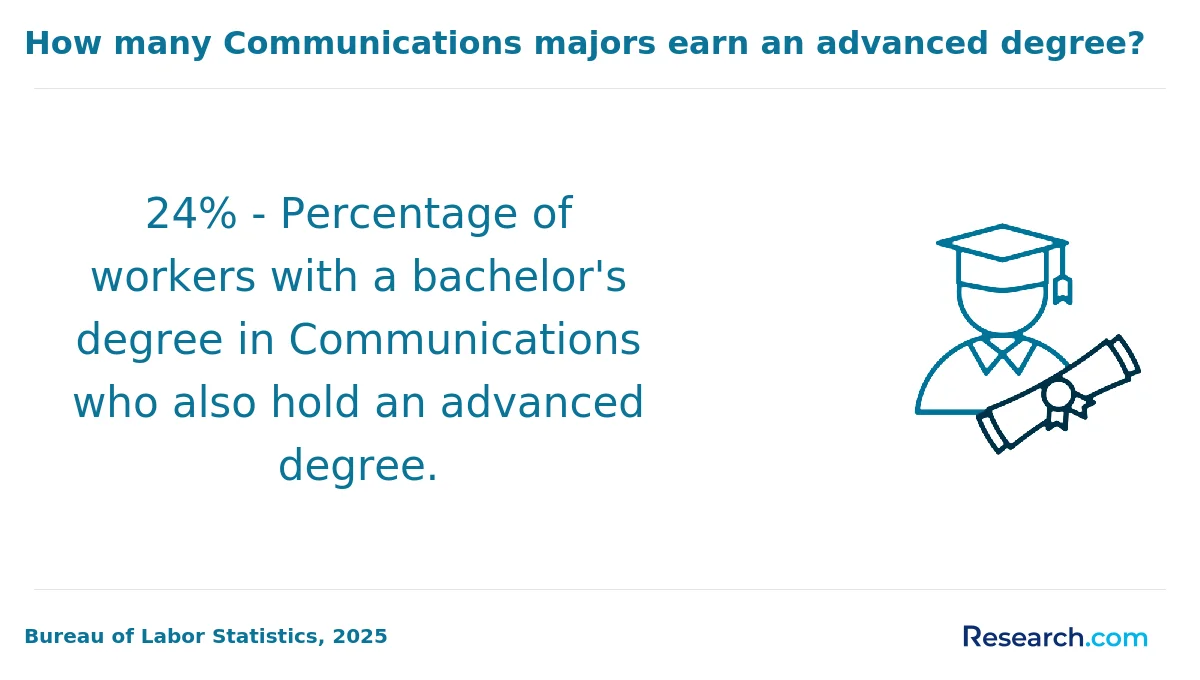
Many students pursuing online communication degrees in Florida find crucial financial support through federal aid programs like Pell Grants and subsidized loans. Graduates from well-known institutions such as the University of Florida often share how Pell Grants made a tangible difference in easing tuition costs, allowing them to focus on mastering digital media and public relations without overwhelming debt.
State-specific programs also add to the financial landscape. For instance, the Florida Bright Futures Scholarship can apply to some online communication programs at universities like Florida State University, turning merit-based awards into real savings. This helps students build confidence as they advance through coursework related to media strategy or communication theory.
Institutional scholarships from colleges like the University of Central Florida frequently reward academic achievement and dedication to the communication field, empowering students to pursue specialized career paths such as digital marketing or healthcare communication.
Employer tuition reimbursement is another growing trend, especially in sectors like media and education, where companies actively invest in employee growth. Students juggling work and study often express gratitude for these programs, which transform ambitious career goals into attainable milestones.
Finally, external scholarships from organizations like the Florida Communication Association empower students to connect with professional networks early, inspiring them with a sense of belonging and possibility throughout their educational journey.
Students aiming to enroll in online communication degrees in Florida usually start with a high school diploma or equivalent, such as a GED. Graduates from popular institutions like the University of Central Florida often mention how submitting official transcripts was essential to prove their academic readiness. Many Florida colleges remain test-optional, allowing hopeful communication majors to focus more on personal statements that highlight their passion and goals within the field.
Applicants typically submit a completed application form, along with essays and recommendation letters from teachers or professionals who can vouch for their communication skills. A graduate from a well-known Florida college recalls how sharing a personal story in their essay opened doors and connected them with scholarship opportunities.
While associate degree seekers face lighter requirements, bachelor's and graduate applicants often prepare by completing coursework in English or humanities to sharpen their writing and critical thinking. Prerequisite courses like public speaking also help future students feel confident entering professional communication paths.
With affordable tuition and growing financial aid options in Florida, meeting these prerequisites feels like an achievable first step toward a rewarding communication career.
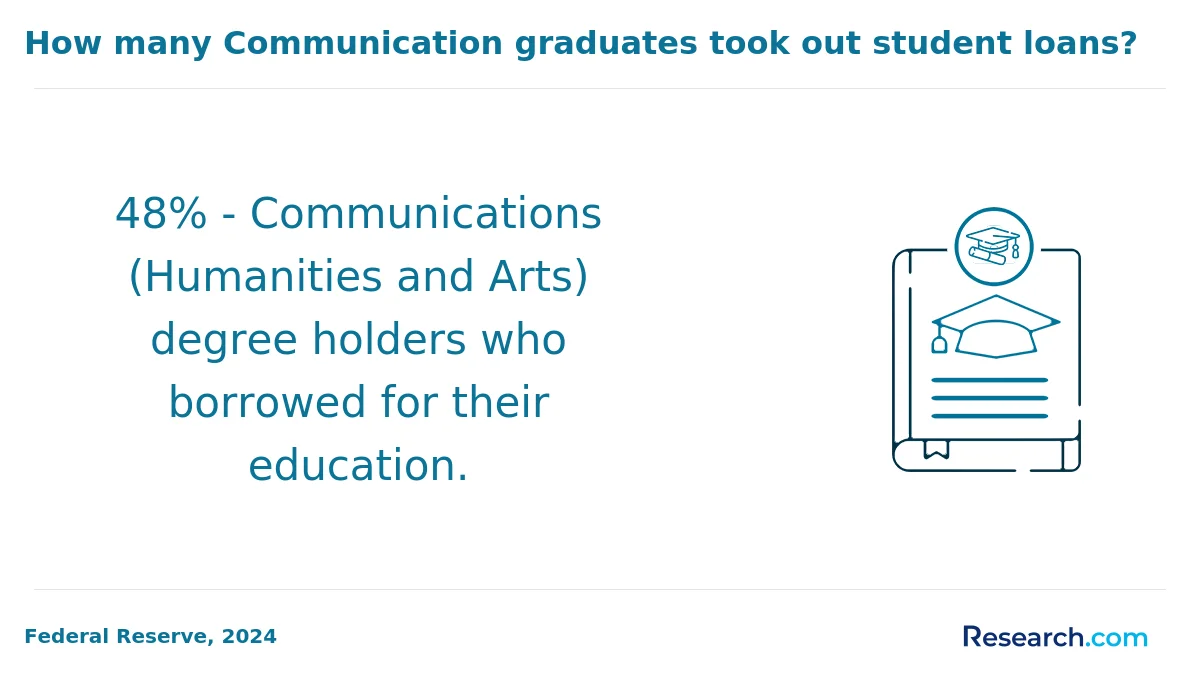
Typical online communication degrees in Florida include courses that blend theory with hands-on practice, preparing students for diverse roles in media and public relations. At institutions like the University of Florida and Florida State University, graduates often recall mastering classes such as Introduction to Communication Studies and Media Writing and Reporting, which build foundational understanding and sharpen writing skills crucial for storytelling across platforms.
Courses like Digital Communication and Social Media Strategies are especially praised for their real-world relevance, with students gaining experience managing social campaigns and crafting compelling digital narratives-skills sought after by employers in Florida's growing media market.
Graduates frequently highlight classes in Public Relations and Strategic Communication and Organizational Communication, where they learn to navigate complex corporate and public landscapes, vital for impactful messaging. Electives such as Political Communication or Crisis Management add valuable specialization, enabling students to tailor their studies toward industries thriving within Florida's dynamic economy.
Students pursuing an online communication degree in Florida often explore specializations that align closely with the state's dynamic job market and cultural diversity. Graduates from institutions like the University of Central Florida and Florida State University share how focusing on public relations prepares them to navigate media crises and craft compelling campaigns for Florida's diverse corporate and nonprofit sectors. With digital innovation at the forefront, many also choose digital media and social media communication, developing skills in content creation and analytics highly valued in Florida's booming tourism and entertainment industries. This adaptability reflects the evolving communication landscape in the state, where emerging technologies continually shape career paths.
Florida's robust workforce demands expertise in organizational communication, a specialization that helps students foster leadership and resolve conflicts within companies, boosting their confidence in managerial roles. Others find health communication appealing, especially when aiming to influence public health messaging within Florida's culturally varied communities. Within these choices, students tailor their studies for real-world impact, thriving in programs that emphasize flexibility and relevance to local industry trends. More options and insights can be discovered through a communications bachelors degree online, specifically designed to meet Florida communication degree focus areas and online communication degree specializations Florida.
Choosing the best online communication degree in Florida means looking beyond just convenience; it involves envisioning how the program will shape your future. Graduates from Florida State University often share how regional accreditation gave their degree instant credibility with employers, a reassurance that can't be overstated. Many find that programs with focused electives-like digital media or public relations-make learning more engaging and directly applicable to their career goals, fueling their enthusiasm for classes.
Affordability also remains a driving factor for students seeking affordable communication programs Florida online. One graduate from the University of Central Florida noted how budgeting for total costs, including technology fees, helped avoid surprises and kept their studies stress-free. Practical experiences such as internships enrich these programs, making the skills learned feel tangible and energizing students for real-world opportunities.
Look for programs that encourage exploring new trends and specializations, often linked to emerging areas like media analytics or interactive storytelling. For those interested in public relations, pr degrees from Florida universities offer exciting directions. Flexibility paired with strong support services creates a nurturing environment, helping students balance work, life, and study without feeling overwhelmed.
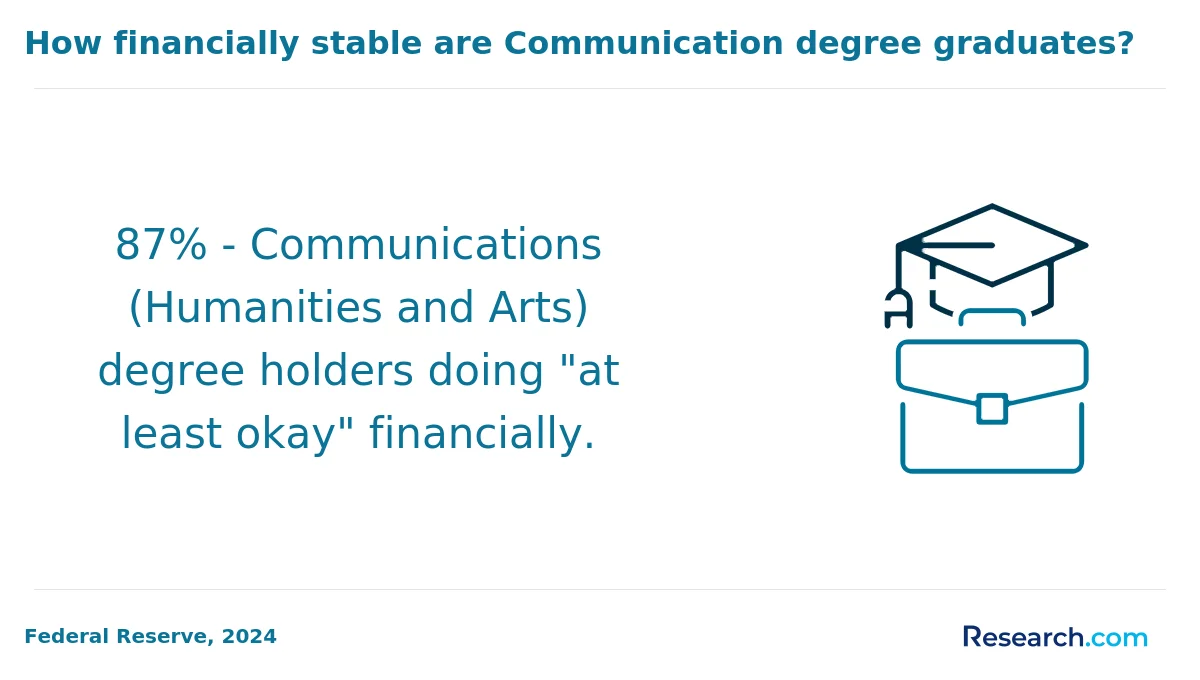
Graduates pursuing online communication degree careers in Florida often find themselves drawn to dynamic roles such as public relations specialists, marketing coordinators, and corporate communication managers, all integral to Florida's vibrant business landscape. For example, graduates from universities like the University of Florida and Florida State often share how their hands-on projects preparing real campaigns helped them confidently step into marketing and media roles right after graduation.
Many students report excitement about entering Florida's booming tourism sector, where communication skills shape guest experiences and brand storytelling at hotels and resorts. These practical opportunities make the degree feel highly relevant and rewarding. Schools in Florida continue to adapt curricula to emerging digital trends, preparing students for innovative roles in broadcast and digital media.
Those seeking advanced opportunities might explore masters in public relations jobs that promise leadership in strategic communication. Overall, Florida communication degree job opportunities are expanding, providing graduates with numerous avenues to apply their skills creatively and with impact.
The job market for online communication degree jobs Florida offers is vibrant and evolving, driven by dynamic industries in cities like Miami and Tampa. Graduates from institutions known for strong communication programs often share how their skills in digital storytelling and social media management helped them land roles as content strategists or public relations specialists. These roles thrive as businesses emphasize authentic engagement with Florida's multicultural audiences.
The Florida communication degree career outlook looks promising due to steady growth in sectors such as marketing, entertainment, and real estate. Many students graduate with confidence, knowing their expertise matches employer demands for corporate communication officers and media planners. Success stories from colleges focused on online degrees highlight flexible learning paths leading to rewarding careers.
For those considering further advancement, pursuing a masters in public relations online is increasingly popular, enhancing job prospects. The combination of competitive salaries, expanding opportunities, and accessible education fuels optimism among current and future communication professionals in Florida.
2027 Most Valuable Online Communication Degree Programs Ranking in Florida
Investing in your education is a significant decision that can shape your future, and the Research.com team understands the importance of making informed choices. To assist prospective students in Florida, we have meticulously crafted the "2027 Most Valuable Online Communication Degree Programs Ranking in Florida." Our commitment to quality, credibility, and accuracy is reflected in the extensive research and analysis conducted to compile this ranking.
We utilized the following reputable data sources to ensure a comprehensive evaluation of online communication degree programs:
By exploring this ranking, readers will gain valuable insights into the most valuable online communication degree programs in Florida, empowering them to make well-informed decisions about their educational and professional futures. For more details on our methodology, please visit our Research.com methodology page.
# 1 position
University of Florida
Master of Mass Communication with a specialization in Digital Strategy


# 3 position
Florida International University
Master of Mass Communication, Global Strategic Communication

# 4 position
Florida International University
Communication Arts - Organizational Communication Studies BA

# 7 position
Full Sail University
Bachelor of Media Communications


Frequently Asked Questions About communication
Online communication degree students in Florida can maximize their learning by actively engaging with digital course materials and participating in virtual discussions. Florida ranks among the top states offering diverse communication programs, with institutions like the University of Florida and Florida State University providing accredited online options.
Students should leverage the state's strong media industry connections to seek internships and networking opportunities. According to the Florida Department of Education, programs that integrate practical experience improve employment prospects by 20%.
Additionally, mastering communication technologies such as social media analytics and multimedia tools enhances skill sets relevant in Florida's growing digital marketing sector.
Regularly accessing university resources, joining online study groups, and setting a disciplined schedule further support academic success in these programs.
The communication field in Florida is evolving rapidly, with several emerging niches gaining prominence. Digital communication and social media management have become vital, reflecting the state's growing tech and tourism industries. According to the Florida Department of Economic Opportunity, jobs in digital marketing and content creation are expected to grow by over 15% through 2030.
Another rising area is health communication, especially relevant in Florida's large healthcare sector. Professionals skilled in public health messaging and patient communication are increasingly in demand. Additionally, crisis communication specialists are sought after in response to the state's frequent natural disasters.
Environmental communication is also emerging, focusing on climate change and sustainability efforts pertinent to Florida's coastal regions. These niches offer valuable opportunities for those pursuing online communication degrees in Florida's universities and colleges.
Graduates with an online communication degree in Florida should focus on building a strong professional network to prepare for the job market. Florida's media and public relations sectors are growing, with the Bureau of Labor Statistics projecting a 6% increase in communication-related roles statewide by 2030.
Internships and volunteer opportunities within media companies, nonprofits, or government agencies in Florida can provide valuable hands-on experience. Additionally, developing digital skills such as social media management, content creation, and public speaking enhances employability.
Professional certifications like the Certified Communication Professional (CCP) can also improve job prospects. Staying informed about job trends through Florida-based resources, including the Florida Department of Economic Opportunity, keeps graduates competitive.
Employers in Florida highly value communication degree graduates who demonstrate strong interpersonal skills. According to the Florida Department of Economic Opportunity, abilities such as clear verbal and written communication are essential for roles in marketing, public relations, and corporate communication.
Critical thinking and problem-solving are also among the top skills sought after. Graduates need to analyze information and craft messages that resonate with diverse audiences effectively. Adaptability has increased in importance as remote work and digital platforms grow significantly across Florida's business sectors.
Technical proficiency, including familiarity with social media management and content creation tools, especially Adobe Suite and digital analytics, is in demand. The National Association of Colleges and Employers notes that employers prioritize candidates proficient in multimedia communication, which helps connect modern audiences efficiently.
Finding internships in Florida relevant to a communication degree requires strategic planning and leveraging local opportunities. Many Florida universities, such as the University of Florida and Florida State University, provide strong career services that connect students to internships in media, public relations, and corporate communications.
Florida hosts a diverse media market including major cities like Miami, Tampa, and Orlando, offering abundant internship options in television, radio, advertising, and digital media. According to the Florida Department of Education, communication internships have grown by 7% annually in the state over the past five years.
Students should explore internships through online platforms like Handshake or the Florida Job Openings and Labor Turnover Survey (JOLTS) data. Networking via professional organizations such as the Florida Public Relations Association can further increase opportunities.
In Florida, obtaining an online communication degree significantly enhances career mobility and advancement. Employers increasingly value strong communication skills, essential across industries such as marketing, public relations, and media. According to the U.S. Bureau of Labor Statistics (BLS), Florida's communication-related occupations are projected to grow 9% from 2020 to 2030, faster than the average for all occupations.
The flexibility of online programs allows working professionals to upskill without interrupting their careers, improving their chances for promotions and new roles. Graduates often report smoother transitions into management or specialized positions, supported by connections fostered through digital coursework and internships.
Overall, an online communication degree in Florida helps build versatile skills that meet regional job market demands and supports long-term professional growth.
Studying for a communication degree in Florida equips students with diverse skills essential for interdisciplinary roles in today's job market. Florida's higher education system emphasizes practical learning, integrating communication theory with fields like business, marketing, and technology. This approach reflects workforce demands, where 61% of communication graduates in Florida engage in cross-sector careers, according to the National Center for Education Statistics.
Online programs often include courses in digital media, conflict resolution, and public relations, fostering adaptability and teamwork. Students develop the ability to analyze and convey complex ideas across various industries. The state's dynamic economy and multicultural environment further enrich this interdisciplinary focus.
Choosing between a thesis and a non-thesis online communication degree program in Florida depends on your career goals and learning preferences. A thesis program typically involves original research and a formal written document, ideal for those aiming at academic, research, or advanced professional roles.
Non-thesis programs focus more on coursework and practical skills, often preferred by students seeking immediate application in industries like media, public relations, or corporate communication. According to the Florida Department of Education, programs with thesis options may require 30-36 credit hours, while non-thesis tracks often include 36-42 credit hours with internships or projects.
Consider also your time availability and whether you plan to continue toward a Ph.D. Programs accredited by SACSCOC in Florida confirm both options meet quality standards relevant to your chosen path.
Students in Florida seeking communication degrees with an international focus have several study abroad options through partnerships between Florida universities and institutions worldwide. Many Florida schools offer virtual exchange programs allowing students to collaborate with global peers without leaving the state. According to the Institute of International Education, around 4,500 Florida students studied abroad in 2022, with communication-related fields among the popular disciplines. These programs enhance cultural competency and global communication skills essential in today's media landscape. Additionally, some accredited online communication programs integrate international case studies and guest lectures from global experts, providing a broad perspective while studying remotely.
Part-time job opportunities in Florida that complement a communication degree include roles in public relations, social media management, and content creation. With Florida's expanding media and tourism sectors, students can gain practical experience by working with local nonprofits, marketing firms, or hospitality businesses. According to the Bureau of Labor Statistics, Florida employs over 20,000 communication specialists, highlighting a robust job market.
Internships or positions in customer relations at companies like Miami's broadcast stations or Orlando's theme parks can enhance skills such as public speaking and digital communication. These roles help students apply classroom theories in real-world settings, improving their resumes while studying online.
Online communication students in Florida have multiple networking opportunities to enhance their academic and professional growth. Many universities offer virtual career fairs and online workshops where students can connect with industry professionals. The Sunshine State is home to several chapters of the Public Relations Society of America (PRSA), which allow students to attend local events and webinars.
Florida's sizable media and communications industry provides internships through partnerships between schools and companies like Miami Herald and CBS 4. According to the Florida Department of Education, these connections help students build contacts and gain practical experience. Additionally, online students can join alumni networks and student organizations tailored to communication fields.
Alumni networks are valuable resources for students pursuing online communication degrees in Florida. These networks connect current students with graduates who have firsthand experience in the communication industry. Through alumni connections, students can access mentorship opportunities, career advice, and professional guidance tailored to Florida's media landscape.
Florida hosts a diverse range of communication professionals, from public relations experts in Miami to digital marketers in Tampa. According to the Florida Department of Education, universities with strong alumni engagement see higher employment rates among communication graduates. Such networks often provide job postings and exclusive internships, helping students navigate local job markets more effectively.
Moreover, alumni events and virtual meetups facilitate networking that can lead to collaborations or job referrals. Engaging with alumni helps students build a trusted professional circle before graduation, enhancing their career prospects within the state's competitive communication sector.
Customizing an online communication degree program in Florida typically involves selecting electives and concentrations that align with specific career goals. Many Florida universities offer specializations in areas such as public relations, digital media, interpersonal communication, or organizational communication. This flexibility allows students to tailor their studies toward industries like marketing, corporate communication, or media production.
Students should review course descriptions and degree requirements carefully to ensure the program supports their career path. According to the Florida Department of Education, institutions often provide options for internships or capstone projects, giving hands-on experience relevant to Florida's job market.
These customizable elements help graduates develop skills employers in Florida's communication sectors highly value, such as effective writing, strategic messaging, and social media management.
Online communication students in Florida often face several typical challenges that affect their academic experience. One frequent issue is time management, as balancing coursework with work and family commitments is common. According to the Florida Virtual Campus, over 60% of online learners juggle multiple responsibilities while studying.
Another challenge is limited access to hands-on networking and practical experiences, which are crucial in communication fields. Many students also report difficulties in staying motivated without in-person interaction. Additionally, technical issues such as unreliable internet connectivity can hinder learning, particularly in rural areas of Florida. Understanding these challenges helps prospective students prepare better for online communication programs.
With an online communication degree in Florida, graduates can pursue various professional certifications to enhance their career prospects. Popular certifications include the Accredited Business Communicator (ABC) offered by the International Association of Business Communicators, which validates skills in strategic communication and leadership.
The Certified Professional in Learning and Performance (CPLP) credential by the Association for Talent Development is another relevant option, especially for those interested in corporate training roles.
For digital communication specialists, certifications such as Google's Digital Marketing & E-commerce Certificate provide essential skills in digital content creation and analytics.
These certifications can increase job opportunities in Florida's growing communication and media sectors, according to the Florida Department of Economic Opportunity.
Applying to an online communication program in Florida requires careful preparation to stand out. Start by thoroughly researching schools, focusing on accreditation and course offerings relevant to communication careers. Highlight any prior experience in media, public relations, or digital communications in your application.
Write a clear, concise personal statement explaining why you want to pursue communication online, emphasizing your goals and how the Florida program fits your career plans. According to the Florida Department of Education, communication-related jobs are growing by 12% statewide, showing strong demand for skilled graduates.
Be sure to submit all required documents, including transcripts, letters of recommendation, and test scores if requested. Proofread everything carefully to avoid errors that could hurt your chances.
A career in communication offers significant global opportunities, reflecting the growing importance of effective information exchange worldwide. According to the U.S. Bureau of Labor Statistics, communication-related jobs are expected to grow 14% from 2022 to 2032, faster than the average for all occupations. Florida, as a diverse and international hub, provides learners with unique access to industries like tourism, media, and international business, which value skilled communicators.
Globally, companies seek professionals who can bridge cultural and language differences, making communication degrees highly versatile. Studies from the National Communication Association highlight that graduates with online communication degrees develop skills adaptable to digital, corporate, and nonprofit sectors across borders, enhancing employability in Florida and beyond.
Gaining practical experience while pursuing an online communication degree in Florida is essential for career readiness. Many Florida universities encourage internships with local media outlets, PR firms, or corporate communications departments. The Florida Communications Association highlights that over 70% of students who complete internships secure employment within six months.
Virtual internships and project-based coursework also provide hands-on training. Some programs partner with businesses to offer real-world assignments, allowing students to apply theoretical knowledge online.
Additionally, students can join professional organizations like Florida Public Relations Association for networking opportunities.
Engaging in campus clubs and freelancing are other ways to enhance practical skills remotely.
Choosing the right concentration within an online communication degree program in Florida depends on your career goals and interests. Popular concentrations include public relations, digital media, organizational communication, and journalism. Each path offers distinct skills that align with various industries.
Florida's communication job market is growing; the U.S. Bureau of Labor Statistics projects a 10% increase in communication-related roles statewide by 2030. Knowing which concentration matches this demand can improve job prospects.
Consider programs accredited by the Accrediting Council on Education in Journalism and Mass Communications (ACEJMC), ensuring quality education. Reviewing course offerings and faculty expertise also helps pinpoint the best fit for your ambitions.
- 2027 Most Valuable Online Communication Degree Programs Ranking in Georgia
- 2027 Most Valuable Online Communication Degree Programs Ranking in North Carolina
- 2027 Most Valuable Online Communication Degree Programs Ranking in Kentucky
- 2027 Most Valuable Online Communication Degree Programs Ranking in Arkansas
- 2027 Most Valuable Online Communication Degree Programs Ranking in Virginia
- 2027 Most Valuable Online Communication Degree Programs Ranking in Missouri
- 2027 Most Valuable Online Communication Degree Programs Ranking in Ohio
- 2027 Most Valuable Online Communication Degree Programs Ranking in Illinois
- 2027 Most Valuable Online Communication Degree Programs Ranking in Pennsylvania
- 2027 Most Valuable Online Communication Degree Programs Ranking in Kansas
- Master's in Communication Salaries by Career and Position (2025 Update) https://www.mastersincommunications.com/faqs/masters-in-communication-salary
- Communications Degrees On Campus & Online https://www.fullsail.edu/area-of-study/media-communications
- 6+ Communications Cover Letter Examples (with In-Depth Guidance) https://www.tealhq.com/cover-letter-examples/communications
- Online Communication Degree | University of Phoenix https://www.phoenix.edu/online-liberal-arts-degrees/communication-bachelors-degree.html
- 2026 Best Online Communications Degrees https://www.onlineu.com/degrees/communications
- What studies are needed to work in communications? - Sup de Pub https://www.supdepub.com/en/guide/what-studies-are-needed-to-work-in-communications/
- Top Skills Employers Look for in Mass Communication Graduates https://urbeuniversity.edu/blog/top-skills-employers-look-for-in-mass-communication-graduates
- 5 Common Barriers To Communication In Schools | Skool Loop https://skoolloop.com/news-items/5-common-barriers-to-communication-in-schools/
- Communication Degrees | Florida College | Academics https://floridacollege.edu/degrees/communication/
- How to Network with Alumni | Student Guide to Alumni Networking 2026 https://digitalrecordboard.com/blog/how-to-network-with-alumni/