2027 Most Valuable Online Communication Degree Programs Ranking in Ohio

Co-Founder and Chief Data Scientist
Choosing the right communication degree program can be overwhelming, especially when seeking flexibility and value. This article introduces the 2027 Most Valuable Online Communication Degree Programs Ranking in Ohio, developed by the Research.com team of data scientists to guide students in finding programs that truly stand out.
By exploring this ranking, you'll gain insights on affordable, quality options that enhance your career prospects. Pursuing a communication degree opens doors to exciting opportunities, and this guide helps you take the first confident step toward your future.
Key benefits of getting online communication degree in Ohio
- Communication degree graduates in Ohio can expect competitive salaries in related fields like public relations specialists, earning around $63,000 per year on average.
- Graduates from Ohio State University's communication program often find diverse career paths in media, marketing, corporate communications, and public relations, offering exciting opportunities to use creativity and connect with people.
- Completing a communication degree online from institutions like the University of Cincinnati allows flexibility to balance work and study, making it easier to gain practical experience while earning your degree at your own pace.
- Key benefits of getting online communication degree in Ohio
- What can I expect from online communication degree in Ohio?
- Where can I work with online communication degree in Ohio?
- How much can I make with online communication degree in Ohio?
- 2027 Most Valuable Online Communication Degree Programs Ranking in Ohio
- Key Findings
- How long does it take to complete online communication degree in Ohio?
- What's the difference between online and on-campus communication degree?
- What is the average cost of online communication degree in Ohio?
- What financial aid is available to online communication degree students in Ohio?
- What are the prerequisites for enrolling in online communication degree program in Ohio?
- What courses are typically in online communication degree programs in Ohio?
- What types of specializations are available in online communication degree programs in Ohio?
- How do you choose the best online communication degree in Ohio?
- What career paths are available for online communication degree students in Ohio?
- What is the job market for online communication degree in Ohio?
- Related Communication Rankings for Nearby States
- Top Trending Communication Rankings
What can I expect from online communication degree in Ohio?
The average cost of an online communication degree in Ohio typically ranges between $10,000 and $25,000 for the entire program, depending on the institution and whether you qualify for in-state tuition. For example, graduates from Ohio University and Kent State University often report paying closer to the lower end of this range due to state residency benefits. This affordability aligns well with many working adults' budgets who balance coursework with jobs or family responsibilities.
Students consistently mention how programs offer practical flexibility, allowing them to spread out courses while working. This approach helps manage costs without sacrificing progress. One graduate shared how taking classes part-time over multiple semesters at a public university eased financial pressure and allowed steady skill-building in areas like public relations and digital media.
Ohio programs also commonly provide resources like virtual internships and career support, which add value beyond just tuition price. Factoring in these elements, many find their investment in an online communication degree here well worth the long-term career opportunities in Ohio's growing job market.
Where can I work with online communication degree in Ohio?
Graduates with an online communication degree in Ohio can expect to find a wide range of career options across key industries. Many build their careers in corporate settings in cities like Columbus and Cincinnati, using skills from their programs at schools such as Ohio State University or Kent State University. They quickly land roles in marketing, internal communications, and human resources by applying real-world digital media and public speaking expertise.
Others thrive in Ohio's media landscape by working as social media managers, broadcasters, or content producers. Graduates from programs at Ohio University often share how hands-on projects prepared them for jobs at local television stations or digital media companies, tapping into the growing demand for communication professionals.
Nonprofits and government agencies in places like Dayton also hire communication graduates to manage public outreach and fundraising efforts, especially when recruiters seek graduates proficient in both traditional and digital messaging. Schools and universities value these skills too, with many alumni engaged in student relations or academic promotions across Ohio's extensive education system.
How much can I make with online communication degree in Ohio?
Graduates with an online communication degree in Ohio typically start their careers earning between $40,000 and $50,000 annually. For example, entry-level roles like social media coordinators or public relations assistants in cities near Ohio State University or Cleveland State University fit within this range. These jobs rely heavily on skills developed through digital media courses and hands-on projects common in these programs.
With a few years of experience, many alumni from Ohio's communication programs move into positions such as corporate communicators or marketing coordinators. In these roles, salaries often rise to between $50,000 and $70,000, reflecting the growing responsibility of managing company messaging or campaign strategies.
Seasoned professionals, like communication managers in Columbus or Cincinnati, can earn more than $80,000 annually. Their daily work involves strategic planning and media relations, skills sharpened by internships and networking connections made through Ohio's universities.
Steady job growth in communication fields across Ohio's metropolitan areas offers graduates optimistic salary prospects, especially when they complement their degree with focused skills like digital analytics or content creation.
2027 Most Valuable Online Communication Degree Programs Ranking in Ohio
How do we rank schools?
Investing in your education is a significant decision that can shape your future, and the Research.com team understands the importance of making informed choices. To assist prospective students in Ohio, we have meticulously crafted the "2027 Most Valuable Online Communication Degree Programs Ranking in Ohio." Our commitment to quality, credibility, and accuracy is reflected in the extensive research and analysis conducted to compile this ranking.
We utilized the following reputable data sources to ensure a comprehensive evaluation of online communication programs:
By exploring this ranking, readers will gain valuable insights into the most valuable online communication degree programs available in Ohio, empowering them to make informed decisions about their educational journey. For more details on our methodology, please visit our Research.com methodology page.


Key Findings
- Online communication degrees in Ohio cover media studies, public relations, interpersonal communication, and digital communications.
- Tuition costs range from $7,000 to $12,000 per year for in-state students, with public universities generally being more affordable than private ones.
- Early career salaries for communication graduates average around $45,000 annually, with potential to increase to $70,000 or more with experience.
- Key industries hiring communication graduates include healthcare, education, business services, media, and technology, particularly in Columbus, Cleveland, and Cincinnati.
- Communication-related jobs in Ohio are projected to grow at a rate above the national average over the next decade.
How long does it take to complete online communication degree in Ohio?
Completing an online communication degree in Ohio usually takes about four years for full-time students pursuing a bachelor's degree, matching programs at schools like Ohio University or Cleveland State University. Graduates often describe managing a steady course load as key to finishing on schedule, balancing studies with work and family.
Part-time students often stretch their degree to five or six years, which was the case for some graduates who juggled jobs and childcare. These flexible options at many Ohio colleges help students stay motivated without feeling overwhelmed.
For those starting with an associate degree from a community college in Ohio, such as Columbus State Community College, completion typically takes two years. Many find they can transfer credits smoothly to a four-year school, cutting down total time.
Master's programs, for students already holding a bachelor's, tend to require one to two years full-time, with popular programs like the University of Cincinnati offering part-time paths that accommodate busy schedules while keeping momentum strong.
What's the difference between online and on-campus communication degree?
Choosing between online and on-campus communication degrees in Ohio largely depends on your lifestyle and learning preferences. Online programs, like those offered by Ohio University, provide the flexibility to study from home or work, perfect for students juggling jobs or family commitments. Graduates often appreciate being able to set their own pace with asynchronous classes, letting them balance coursework around busy schedules without sacrificing quality.
On-campus degrees, available at institutions such as Kent State University, deliver hands-on experiences like face-to-face discussions, group projects, and access to media labs. These environments help build confidence in public speaking and networking skills essential for communication careers. Many graduates find this immersive setting energizes their learning and offers direct connections to internships and events in Ohio's media and corporate sectors.
Cost also plays a role: online tuition sometimes comes at reduced rates or flat fees, but it's important to compare specific programs since some online options match on-campus prices. Ultimately, both formats from regionally accredited Ohio schools hold equal value in the job market, so weigh the trade-offs between convenience and in-person engagement based on your goals and daily routine.
What is the average cost of online communication degree in Ohio?
The average cost of an online communication degree in Ohio usually centers around $17,850 for in-state students, based on recent figures. Graduates from Ohio University and Kent State University often recall managing tuition fees that align closely with this median total cost, feeling reassured by the balance between quality education and affordability. When considering Ohio online communication degree tuition fees, public universities tend to offer more budget-friendly options compared to private colleges, which can reach median costs near $24,322 or more annually.
For practical budgeting, many students start by looking at community colleges offering associate degrees at about $4,000 to $6,000 per year. These pathways are excellent for those eager to begin their studies at lower rates before transferring credits to a four-year program. Bachelor's degree seekers at prominent Ohio institutions benefit from reasonable in-state tuition, often around $11,000 to $15,000 per year, which keeps higher education accessible while fostering optimism about post-graduation career prospects.
Beyond tuition, additional expenses like technology and course fees should be anticipated but generally remain manageable. Many Ohio online learners find ways to offset costs through federal grants, scholarships, or employer tuition reimbursement, creating a more positive financial outlook. For those looking to explore specific programs and options, especially if aiming for the easiest online communication degree program, detailed research can reveal personalized tuition benefits and aid opportunities tailored to individual circumstances.
What financial aid is available to online communication degree students in Ohio?
Ohio students pursuing online communication degrees often find financial aid essential to manage tuition costs that generally range from $9,000 to $12,000 annually at public universities. Graduates from institutions like Ohio University or Kent State University frequently recommend starting with the Free Application for Federal Student Aid (FAFSA) to unlock federal Pell Grants, which can cover up to $7,395 per year, significantly easing the burden.
Many students also rely on the Ohio College Opportunity Grant, providing up to $2,900 annually for those who demonstrate financial need and attend an Ohio public university. For example, a communication major at Wright State University used the OCOG combined with a merit-based institutional scholarship to reduce costs substantially.
Federal student loans offer flexible repayment plans, and employer tuition reimbursement programs have helped working professionals advance without financial stress. Private scholarships from organizations like the National Communication Association Foundation have also supported students by rewarding academic merit and involvement.
Navigating these options step-by-step, as many successful graduates advise, can turn the financial challenge into a manageable, even rewarding journey.
What are the prerequisites for enrolling in online communication degree program in Ohio?
To enroll in an online communication degree program in Ohio, you'll first need a high school diploma or GED. This baseline is essential, as it ensures you have the reading and writing skills to succeed. Graduates from schools like Ohio University often highlight how meeting this requirement gave them confidence to handle coursework independently.
Many programs ask for a minimum GPA around 2.5, so if your grades were solid but not perfect, don't be discouraged. Some students from Ohio State's online communication classes found this GPA cutoff reasonable, reflecting steady academic effort rather than perfection.
While SAT or ACT scores used to matter, numerous Ohio colleges now waive or make these optional. This change supports students balancing work or family, easing admission hurdles. If you transfer credits from previous college work, be ready to submit official transcripts to speed up your path, as many graduates from Kent State appreciated not retaking familiar courses.
Communication programs also expect basic computer skills, since coursework takes place entirely online. Universities often offer tutorials or tech support, helping new students feel capable and ready. Remember, tuition averages about $11,000 annually for in-state students, so budgeting for fees and tech costs upfront makes your plan realistic and stress-free.
What courses are typically in online communication degree programs in Ohio?
Your online communication degree in Ohio will cover a variety of practical courses designed to prepare you for real-world challenges. At popular institutions like Ohio University or Kent State, graduates recall that courses such as Introduction to Communication Theory gave them a clear framework for understanding how people exchange messages daily-whether in meetings or social settings.
You'll also take classes like Interpersonal Communication, which sharpens your skills in face-to-face conversations and relationship building-essential for roles like corporate communication or client management. Public Relations Principles opens doors to managing a company's reputation, perfect for those wanting to enter media relations.
Other core classes include Mass Media and Society and Digital Media and Communication, helping you understand the influence of online platforms, which recent graduates found invaluable for social media management careers. Writing for Media taught them how to create compelling content tailored for multiple formats.
Finally, hands-on courses like Communication Research Methods and Business and Professional Communication ensure you're ready to assess data critically and communicate effectively in professional environments. These courses combined give Ohio students a balanced education, connecting theory directly to career-ready skills.
What types of specializations are available in online communication degree programs in Ohio?
Students pursuing online communication degree specializations in Ohio typically encounter focused options that align with real-world career paths. For example, graduates from Ohio State University's online program often highlight how concentrating in Public Relations and Strategic Communication helped them effectively manage campaigns and build organizational reputation, a critical skill in today's job market. Similarly, those who studied Corporate Communication at Cleveland State University reported gaining practical strategies for enhancing internal team engagement at Fortune 500 companies based in Ohio.
Other popular concentrations, like Digital and Social Media Communication, provide hands-on experience creating content and analyzing engagement metrics, essential for thriving in marketing roles across Ohio's vibrant business community. Health Communication students in Ohio's respected online programs appreciate applying their skills in scenarios tied to the state's healthcare industry growth. For those weighing options, exploring Ohio online communication degree concentration options gives a clear pathway to careers enriched with relevant, localized expertise. For up-to-date career insights, consider checking communication career opportunities available in Ohio.
How do you choose the best online communication degree in Ohio?
Start by confirming the program's accreditation-Ohio students often favor schools accredited by the Higher Learning Commission to ensure credits transfer and federal aid is accessible. Many graduates from Ohio University appreciate how their regional accreditation gave them confidence in their degree's value.
Next, assess flexibility. Working Ohioans find programs with asynchronous courses ideal, enabling study after work hours, while others prefer some live sessions for direct interaction. Graduates from Ohio State University often highlight this balance in their online communication degree experience as a key factor.
Cost is a big consideration. Exploring affordable online communication programs Ohio offers is essential; Ohio's public universities typically provide cheaper in-state tuition compared to national averages, making education accessible without overwhelming debt.
Look at the faculty's background and opportunities like internships. Graduates from Kent State mention how professors' industry ties and practical assignments helped them build strong portfolios.
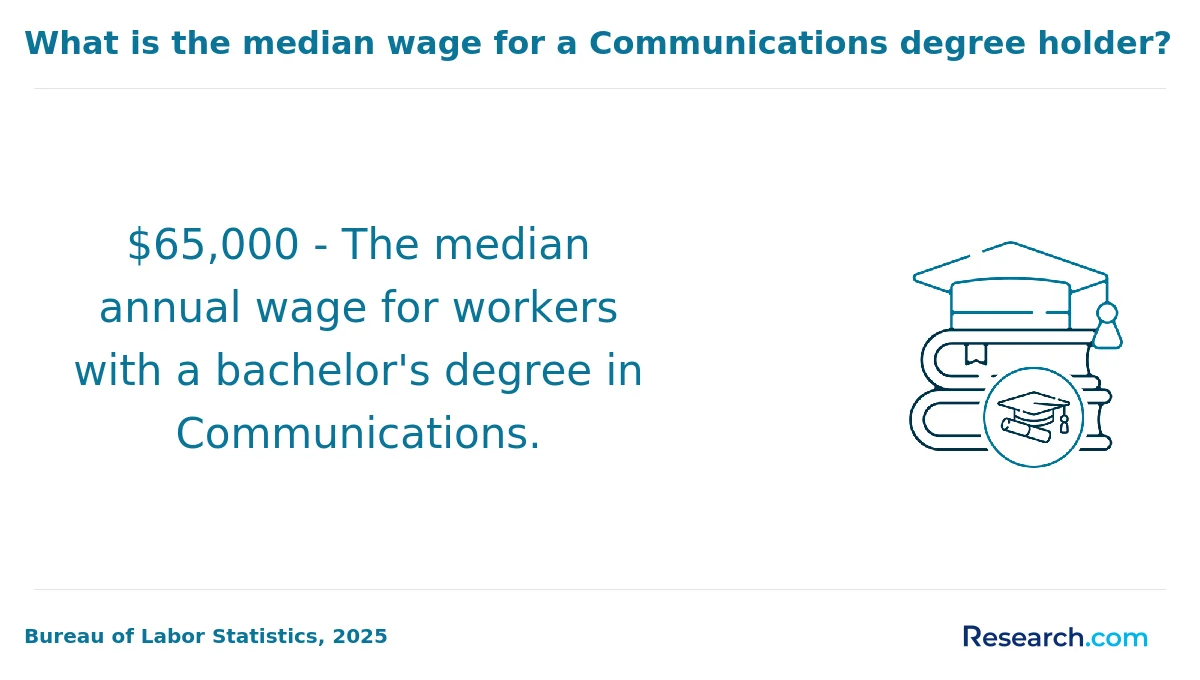
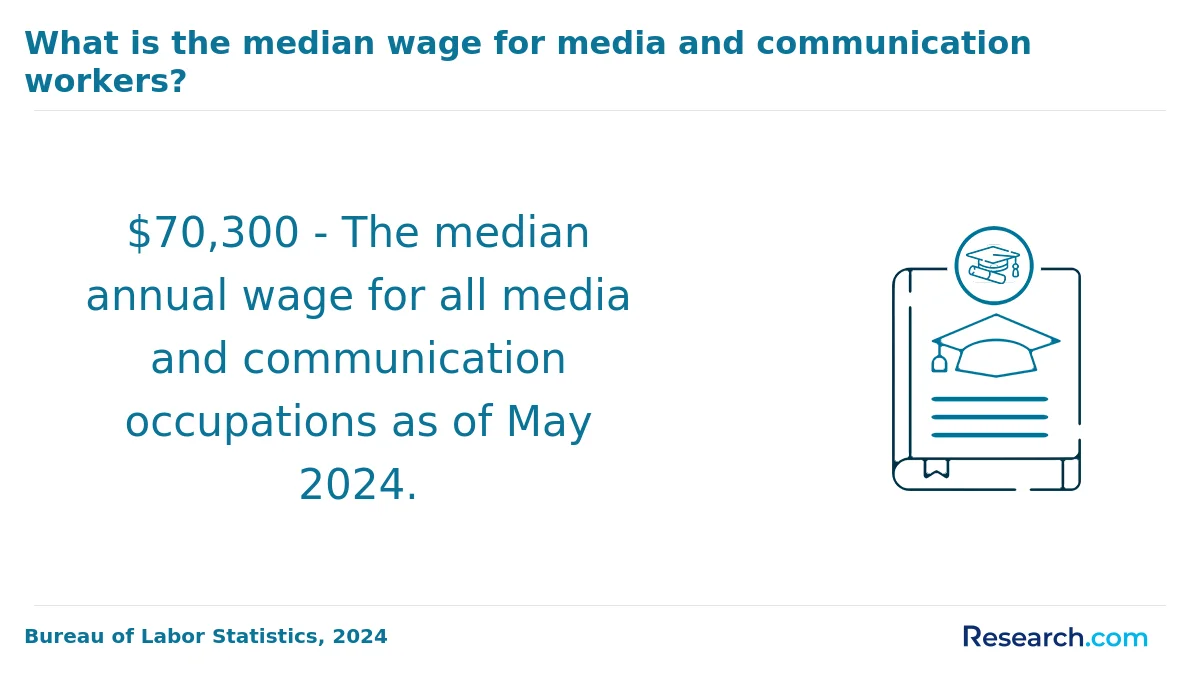
Finally, research career outcomes and student reviews. Ohio's steady job growth in communication roles and median wage around $57,000 means choosing a program with real-world connections is worth it. For students interested in specialized paths, programs with degrees in public relations offer targeted career advantages.
What career paths are available for online communication degree students in Ohio?
Graduates holding an online communication degree in Ohio find a variety of career paths aligned with state industry demands. Many start as public relations specialists or marketing coordinators, positions common among those from popular programs at Ohio State University and the University of Cincinnati. These roles involve managing company images or developing effective promotional campaigns, which steadily grow in Ohio's metro areas.
Others step into corporate communication management, overseeing internal messaging strategies for organizations ranging from healthcare to manufacturing hubs in Cleveland. Ohio Means Jobs data confirms this sector's steady expansion, making these jobs a practical next step. Additionally, social media managers and technical writers frequently transition from online studies at schools like Kent State, engaging with digital audiences and crafting precise business content.
For those exploring specialized roles, event planning and nonprofit communication are notable alternatives, which current graduates praise for combining creativity with organizational skills. Ohio students also benefit from researching the master's in public relations salary trends to gauge potential returns on further education. Overall, career opportunities with communication degree Ohio reflect real avenues into thriving, adaptable professions.
What is the job market for online communication degree in Ohio?
The job market for communication graduates in Ohio remains strong, particularly for those earning an online communication degree. Employers in cities like Columbus and Cleveland value skills in digital media and public relations, with healthcare and corporate sectors frequently hiring for these roles. Graduates have shared that the ability to balance online studies while gaining part-time experience in local companies improved their readiness for these competitive positions.
Ohio's cost of living and competitive salaries make it practical for students to start careers here. Entry-level wages typically range from $45,000 to $70,000, allowing recent graduates to build financial stability while developing specialized skills. Those attending popular institutions such as Ohio State University or Kent State benefit from solid alumni networks that open doors in marketing, media coordination, and public affairs.
To maximize opportunity, students should seek internships and focus on building proficiency in social media management and marketing analytics. Furthermore, pursuing a master's degree public relations can significantly enhance advancement prospects. This approach aligns well with the encouraging online communication degree job outlook Ohio offers.
Frequently Asked Questions About communication
Students pursuing online communication degrees in Ohio can enhance their learning by actively engaging with faculty and peers through discussion boards and virtual group projects. Ohio's higher education system supports such interaction, which research shows improves student retention and understanding (National Survey of Student Engagement, 2023).
Utilizing university-provided digital libraries and local Ohio resources, like the OhioLINK consortium, gives access to a vast range of communication journals and case studies. This access is vital for deepening practical knowledge relevant to Ohio's media and public relations markets.
Additionally, seeking internships or volunteer positions with Ohio-based organizations offers real-world experience. According to the Ohio Department of Higher Education, workplaces in Columbus and Cleveland frequently collaborate with communication graduates, enhancing career prospects for online learners.
The field of communication is evolving with several emerging niches gaining traction, especially relevant for students pursuing online communication degrees in Ohio. One notable area is digital communication, which focuses on social media management, content creation, and online brand strategy. According to the Ohio Department of Higher Education, programs increasingly integrate these skills to meet growing demand.
Another significant niche is health communication, which combines public health knowledge with communication tactics to improve patient outcomes. This specialty is expanding in Ohio due to investments in healthcare and community outreach.
Corporate communication and crisis management remain essential, especially as Ohio businesses navigate digital transformations and reputation challenges.
Graduates with an online communication degree in Ohio should focus on practical experience to prepare for the job market. Internships and cooperative education programs offer valuable opportunities to develop skills and build professional networks. According to the Ohio Department of Higher Education, communication-related fields in Ohio are projected to grow by 7% through 2030, emphasizing the need for job-ready skills.
Building a strong portfolio that showcases written, oral, and digital communication work is essential. Joining professional organizations, such as the National Communication Association, can provide networking events and job resources.
Additionally, Ohio graduates should consider certification programs in digital media or public relations to increase competitiveness.
Employers in Ohio highly value communication degree graduates who demonstrate strong interpersonal and writing skills. According to the National Association of Colleges and Employers, over 75% of employers prioritize effective verbal communication when hiring graduates.
In Ohio's diverse economy, adaptability and digital literacy are also critical. Graduates who can navigate social media, video production, and data analysis stand out. The Ohio Department of Job and Family Services notes a 12% growth in communication-related jobs requiring multimedia skills through 2030.
Additionally, problem-solving and teamwork are essential skills expected from new hires in communication roles across public relations, marketing, and corporate sectors.
Finding internships in Ohio relevant to a communication degree involves strategic research and networking. Ohio hosts numerous media outlets, public relations firms, and corporate offices offering valuable communication internships. Students should explore university career centers, which often partner with local businesses and provide exclusive internship listings.
Online platforms like Handshake and LinkedIn also feature Ohio-specific internship opportunities tailored to communication fields. According to the National Association of Colleges and Employers (NACE), approximately 60% of internships convert to job offers, so early engagement is crucial.
Networking events and Ohio communication associations, such as the Public Relations Society of America (PRSA) Ohio chapter, provide connections to internships. Additionally, local government agencies in cities like Columbus and Cleveland offer internships in public communication roles.
In Ohio, an online communication degree can significantly enhance career mobility and advancement. Communication professionals are in demand across industries such as public relations, marketing, and corporate communications. According to the U.S. Bureau of Labor Statistics, Ohio is projected to see a 7% growth in communication-related jobs through 2030, which is faster than the national average.
Online degrees offer flexibility, allowing students to balance work and study, which can accelerate career progression. Employers in Ohio increasingly recognize the legitimacy of accredited online programs, making graduates competitive candidates for promotions and leadership roles.
Moreover, many Ohio-based companies value skills learned in a communication program, including strategic messaging, digital media, and interpersonal communication, which are crucial for career advancement.
Studying for a communication degree in Ohio equips students with versatile skills applicable across multiple disciplines. Ohio universities emphasize critical thinking, research methods, and media literacy, which are essential in fields like marketing, public relations, healthcare, and education. According to the National Center for Education Statistics, communication ranks among the top five most awarded bachelor's degrees in Ohio, highlighting its regional demand.
Curricula often integrate technology, business, and social sciences, fostering interdisciplinary collaboration. For example, students learn to analyze audience behavior and craft strategic messages suitable for diverse industries. The Ohio Department of Higher Education notes that graduates with communication expertise enjoy above-average employment growth in roles related to corporate communication and digital media, reflecting the degree's broad applicability in today's evolving job market.
Choosing between a thesis and a non-thesis online communication degree program in Ohio depends largely on your career goals and learning preferences. Thesis programs typically emphasize research skills and prepare students for doctoral studies or research-intensive roles.
Non-thesis options often focus on practical applications and professional skills, appealing to those seeking immediate workforce entry or career advancement. According to the Ohio Department of Higher Education, about 35% of communication graduates pursue further studies, suggesting thesis programs suit academic careers.
Cost, time commitment, and faculty mentorship availability are important factors. Thesis tracks usually require more credits and extend program length.
Students based in Ohio who wish to study communication abroad typically explore options through their home institutions. Many public universities like Ohio State University and University of Cincinnati offer study abroad programs or partner with international universities that include communication courses.
Ohio universities often provide virtual exchange programs, allowing students to experience global perspectives remotely while completing their online communication degrees. The Ohio Board of Regents supports these initiatives to broaden educational access.
Additionally, students can participate in consortium programs such as the National Student Exchange, which offers opportunities to study communication in partner universities, sometimes abroad.
It is essential for students to consult their academic advisors to ensure credits transfer smoothly and align with Ohio's degree requirements.
Students pursuing online communication degrees in Ohio can enhance their education by engaging in relevant part-time jobs. Common opportunities include roles in public relations, social media management, and content creation, which help develop practical skills in messaging and audience engagement.
Ohio's growing digital economy, especially in cities like Columbus and Cleveland, offers numerous internships and freelance positions that complement communication studies. According to the Ohio Department of Jobs and Family Services, media-related occupations are projected to grow by 6% through 2030, increasing demand for skilled communicators.
Part-time work in local news stations or nonprofit organizations also provides valuable experience in public speaking and media relations. These roles allow students to apply theoretical knowledge while building professional networks within Ohio's communication industry.
Online communication students in Ohio benefit from a variety of networking opportunities that connect them with industry professionals and peers statewide. Many Ohio universities offering online degrees, such as Ohio University and Kent State University, provide virtual career fairs and alumni networking events. These platforms help students build relationships in media, public relations, and corporate communication fields.
Additionally, Ohio's communication industry participates in regional organizations like the Ohio Communication Association. Membership often includes access to conferences and workshops, enabling online students to expand their professional network. According to the Bureau of Labor Statistics, Ohio employed over 15,000 communication specialists as of 2023, indicating a healthy local market for graduates to engage with.
Many programs also encourage internships with Ohio-based media outlets and PR firms, even for remote learners. Overall, these opportunities support online students' career growth through meaningful connections within Ohio's communication sector.
Alumni networks play a significant role in supporting online communication degree students in Ohio. These networks provide valuable access to professionals already working in media, public relations, and corporate communications across the state. According to the National Association of Colleges and Employers, students connected to alumni networks have a 70% higher chance of securing internships and job placements.
In Ohio, where industries like healthcare and technology heavily rely on effective communication, alumni can offer mentorship tailored to local market needs. They often share job leads and industry insights, helping students adapt to Ohio's unique communication landscape.
Moreover, attending alumni events enables online students to build relationships despite their remote status, expanding their local professional circles.
Students pursuing an online communication degree in Ohio can tailor their education to align with career objectives by selecting specialized courses and concentrations. Many Ohio institutions offer tracks such as public relations, digital media, corporate communication, or journalism, allowing learners to develop skills relevant to specific industries.
Elective options enable students to focus on areas like social media strategy, crisis communication, or multimedia production. Additionally, Ohio's online programs often include internships or project-based assignments, providing practical experience and strengthening resumes.
The Ohio Department of Higher Education reports rising demand in communication roles requiring digital proficiency, making customization critical for matching market needs. By choosing courses and experiences strategically, students enhance employability in Ohio's competitive communication sector.
Online communication students in Ohio often face challenges related to balancing coursework with personal and professional responsibilities. Many students juggle jobs or family obligations while working toward their degrees, which can complicate time management. Additionally, studies from the Ohio Department of Higher Education point out that about 30% of online learners experience feelings of isolation due to limited face-to-face interaction with peers and instructors.
Technical issues, such as unreliable internet access in rural parts of Ohio, also pose significant barriers. Furthermore, students may struggle with adapting to asynchronous learning formats and receiving timely feedback, which are critical for developing effective communication skills.
Graduates with an online communication degree in Ohio can enhance their credentials by pursuing several professional certifications. Popular options include the Accredited Business Communicator (ABC) offered by the International Association of Business Communicators, which validates skills in strategic communication and is widely respected in the U.S.
The Certified Communication Professional (CCP) is another valuable credential that focuses on advanced communication strategies and leadership.
Ohio's growing media and corporate sectors particularly value certifications tied to digital media and public relations. According to the Ohio Department of Job and Family Services, communication jobs that require certifications are expected to grow by about 10% through 2030.
Many Ohio institutions also encourage certifications in social media management and content marketing to stay competitive.
Writing a winning application for an online communication program in Ohio begins with careful preparation and clear presentation. Start by thoroughly researching programs to align your goals with each school's curriculum and faculty expertise. Ohio has a competitive market, with institutions like Ohio University and Bowling Green State University offering notable online communication degrees.
Highlight relevant experience, such as internships, projects, or work in media, public relations, or social media management. Ohio employers increasingly value candidates with digital communication skills, so emphasize proficiency with current technologies and platforms.
Strong recommendations from academic or professional sources can bolster your application. Additionally, craft a focused personal statement explaining why you want to study communication online and how it fits your career plans.
Global perspectives on a communication career emphasize the increasing value of cross-cultural skills and digital literacy. Communication professionals today often work in international contexts, requiring an understanding of diverse audiences. In the U.S., including Ohio, the Bureau of Labor Statistics projects a 9% growth in communication-related jobs from 2022 to 2032, reflecting global demand.
Online communication degrees equip students with skills in media, public relations, and intercultural communication, meeting needs seen worldwide. Ohio's diverse economy, with cities like Columbus and Cleveland serving as media hubs, offers ample opportunities to apply global communication strategies locally.
According to the National Communication Association, graduates with communication degrees find roles in global companies, media organizations, and nonprofit sectors, indicating broad applicability beyond borders.
Students pursuing an online communication degree in Ohio can gain practical experience through internships offered by local businesses and media outlets. Ohio hosts a variety of companies in Cincinnati, Cleveland, and Columbus that provide communication roles, which help students build real-world skills. Many online programs incorporate virtual internships, allowing flexible participation. Ohio's public universities often partner with state agencies and nonprofits for student projects.
Additionally, joining communication clubs or student media organizations available virtually can enhance applied learning. According to the National Association of Colleges and Employers, students with internship experience are 60% more likely to secure employment post-graduation.
Choosing the right concentration within an online communication degree program in Ohio depends on your career goals and interests. Common concentrations include public relations, digital media, corporate communication, and journalism. Each focuses on different skills, such as media production or strategic communication.
Research Ohio's job market to understand which skills are in demand. For example, the Ohio Department of Job and Family Services reports growth in media and communication occupations by 5.4% over the past five years. Public relations specialists, especially, are in demand in cities like Columbus and Cincinnati.
Consider your strengths and preferred work environments when selecting a concentration. Many Ohio schools offer advisory services to help students choose programs that match regional employment trends and salary potentials.
Related Communication Rankings for Nearby States
- 2027 Most Valuable Online Communication Degree Programs Ranking in Kentucky
- 2027 Most Valuable Online Communication Degree Programs Ranking in Pennsylvania
- 2027 Most Valuable Online Communication Degree Programs Ranking in Illinois
- 2027 Most Valuable Online Communication Degree Programs Ranking in Virginia
- 2027 Most Valuable Online Communication Degree Programs Ranking in North Carolina
- 2027 Most Valuable Online Communication Degree Programs Ranking in Missouri
- 2027 Most Valuable Online Communication Degree Programs Ranking in Georgia
- 2027 Most Valuable Online Communication Degree Programs Ranking in New York
- 2027 Most Valuable Online Communication Degree Programs Ranking in Arkansas
- 2027 Most Valuable Online Communication Degree Programs Ranking in Florida
Top Trending Communication Rankings
References
- Know more about thesis vs non- thesis: what is the difference? https://studyfans.com/en/blogs/816
- Communication & Journalism Study Abroad Programs - Media, PR https://www.ceastudyabroad.com/academic-discipline/communication-journalism
- Master's in Communication Salaries by Career and Position (2025 Update) https://www.mastersincommunications.com/faqs/masters-in-communication-salary
- 2023 Most Popular Online Communication & Journalism Bachelor's Degree Schools in Ohio - Course Advisor https://courseadvisor.com/majors/communication-and-journalism/rankings/most-popular-online/bachelors-degrees/great-lakes/ohio/
- Online Degree vs. Traditional: Choosing the Right Path https://beal.edu/online-degree-vs-traditional/
- What you need to know about niche communications | BlueSky Education https://www.blueskyeducationpr.com/blog/business-education/niche-communications
- 6+ Communications Cover Letter Examples (with In-Depth Guidance) https://www.tealhq.com/cover-letter-examples/communications
- Unlocking Career Growth: The Power of Communication Skills https://www.pmmi.org/blog/unlocking-career-growth-the-power-of-communication-skills
- How to Network with Alumni | Student Guide to Alumni Networking 2026 https://digitalrecordboard.com/blog/how-to-network-with-alumni/
- How to find communication niches? - PSMM Monitoring & More https://psmm.pl/en/how-to-find-communication-niches/