2027 Most Valuable Online Bachelor's in Communication Degree Programs Ranking in the Midwest

Co-Founder and Chief Data Scientist
Choosing the right online bachelor's degree in communication can feel overwhelming, especially with so many options available in the Midwest. Our article presents the 2027 Most Valuable Online Bachelor's in Communication Degree Programs Ranking in the Midwest, carefully crafted by the Research.com team of data scientists.
This ranking helps you discover programs that offer strong value and quality education, making your decision easier and more confident. A communication degree opens doors to exciting career opportunities and personal growth, and this guide is designed to support your journey every step of the way.
Key benefits of getting online communication degree in the Midwest
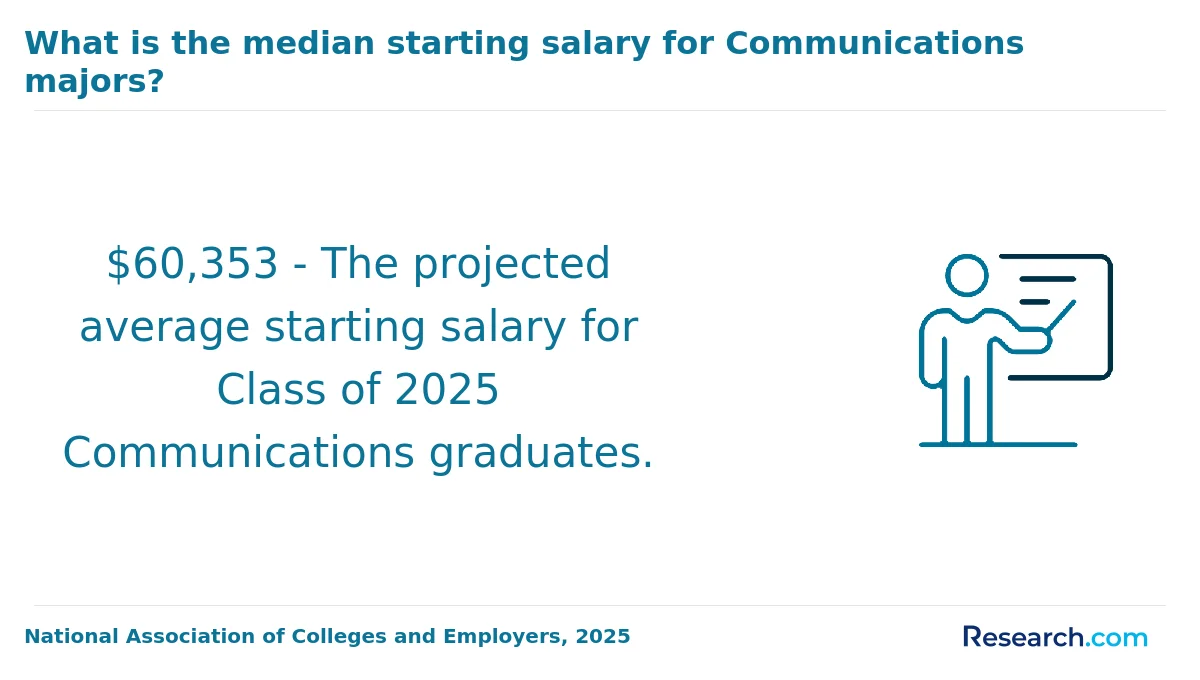
- Communication degree graduates in the Midwest often start with an average salary around $50,000 to $60,000 annually, offering a solid financial foundation for entry-level roles.
- Graduates from universities like the University of Illinois enjoy diverse career paths including public relations, media planning, and corporate communications, providing exciting options to match your interests.
- Online communication degrees, such as those from Indiana University, offer flexible schedules and the ability to balance work and study, making education accessible without sacrificing career progress.
- Key benefits of getting online communication degree in the Midwest
- What can I expect from online communication degree in the Midwest?
- Where can I work with online communication degree in the Midwest?
- How much can I make with online communication degree in the Midwest?
- 2027 Most Valuable Online Bachelor's in Communication Degree Programs Ranking in the Midwest
- Key Findings
- How long does it take to complete online communication degree in the Midwest?
- What's the difference between online and on-campus communication degree?
- What is the average cost of online communication degree in the Midwest?
- What financial aid is available to online communication degree students in the Midwest?
- What are the prerequisites for enrolling in online communication degree program in the Midwest?
- What courses are typically in online communication degree programs in the Midwest?
- What types of specializations are available in online communication degree programs in the Midwest?
- How do you choose the best online communication degree in the Midwest?
- What career paths are available for online communication degree students in the Midwest?
- What is the job market for online communication degree in the Midwest?
- Top Trending Communication Rankings
What can I expect from online communication degree in the Midwest?
The average cost of an online communication degree in the Midwest often surprises many prospective students, especially those balancing work and life commitments. Graduates from programs at schools like Ball State University or the University of Missouri recall paying between $10,000 and $25,000 for their bachelor's degrees when factoring in tuition, fees, and materials-significantly less than many coastal universities charge.
Such affordability doesn't mean students sacrifice quality. Rather, it reflects a regional commitment to accessible, flexible education that fits the lives of busy adults. Many alumni emphasize how this investment felt manageable, allowing them to focus on building portfolios and gaining experience through virtual internships without mounting debt anxiety.
Moreover, these costs support comprehensive coursework that integrates theory and practical skills, preparing students to thrive in dynamic communication roles across Chicago's media sectors or local corporate environments. This balance of cost and quality challenges the assumption that top-tier communication education must come with a sky-high price tag.
Where can I work with online communication degree in the Midwest?
Graduates from online communication programs at Midwest institutions like the University of Illinois or Michigan State find themselves navigating a surprisingly diverse job market. Many discover roles in corporate communications where they craft messages that shape company culture and public perception, often in cities like Chicago or Minneapolis. One graduate shared how their skills in digital storytelling directly influenced a successful marketing campaign for a Detroit-based tech startup, proving the real-world impact of their training.
Nonprofits in states such as Ohio and Illinois eagerly hire communication majors to fuel community engagement and drive fundraising efforts, turning passion into purpose. Another graduate found herself writing grant proposals and organizing events for local organizations, experiences that deepened her sense of contribution and belonging.
Meanwhile, government agencies and educational institutions provide rich arenas for communicators to manage crisis communication and alumni relations. Graduates vividly recall shaping public information strategies for Midwestern universities and state departments, roles that demand creativity and resilience in equal measure.
Contrary to the notion that communication careers are narrow, the Midwest's evolving media landscape and burgeoning tech hubs offer graduates a spectrum of meaningful pathways, all tied together by the power to connect and persuade.
How much can I make with online communication degree in the Midwest?
Graduates with online communication degrees in the Midwest often find their starting salaries fall between $40,000 and $50,000, particularly in urban hubs like Chicago, Minneapolis, and Indianapolis. For example, many recent alumni from prominent schools such as the University of Chicago and Ohio State University recall securing entry-level roles in public relations or digital content management within this range. These early career positions inevitably build a foundation for upward mobility.
Mid-career professionals in the region see a rewarding jump, with wages frequently rising to the $60,000-$75,000 bracket. This aligns with reports from state labor departments indicating mid-tier communication specialists comfortably earning near $60,000. The practical expertise acquired-like social media strategy or corporate communication-cements their value in competitive markets.
Experienced graduates who leverage their online education and expand into management or specialized digital roles often surpass $80,000 annually. This progression highlights how an online communication degree, when coupled with strategic networking and skills development in the Midwest's dynamic corporate landscape, can transform earning potential beyond initial expectations.
2027 Most Valuable Online Bachelor's in Communication Degree Programs Ranking in the Midwest
How do we rank schools?
Investing in your education is a significant decision that can shape your future, and the Research.com team understands the importance of making well-informed choices. To support prospective students interested in communication degrees in the Midwest, we have carefully developed the "2027 Most Valuable Online Bachelor's in Communication Degree Programs Ranking in the Midwest." Our dedication to quality, credibility, and accuracy is demonstrated through thorough research and detailed analysis.
We utilized the following reputable data sources to ensure a comprehensive evaluation of online communication programs:
By examining this ranking, readers will gain valuable insights into the most valuable online communication bachelor's programs in the Midwest, empowering them to make confident educational decisions. For more information on how this ranking was created, please visit our Research.com methodology page.


# 12 position
Walden University
Bachelor of Communications


Key Findings
- Tuition for online communication degrees in the Midwest ranges from $8,000 to $15,000 per year at public institutions and $20,000 to $30,000 at private schools.
- Entry-level salaries for communication graduates in the Midwest average between $40,000 and $45,000 annually, with experienced professionals earning $65,000 to $75,000.
- The job market for communication specialists in the Midwest is expected to grow by about 6% over the next decade.
- Top industries hiring communication graduates include healthcare, education, technology, and manufacturing.
- Many Midwest online programs offer flexible schedules and cover skills like digital communication, social media, and strategic communication.
How long does it take to complete online communication degree in the Midwest?
Completing an online communication degree in the Midwest often unfolds over a spectrum-from as brief as two years to upwards of five-depending largely on your approach and circumstances. Many graduates from well-known institutions like the University of Illinois Urbana-Champaign or Ohio State University share how full-time study typically spans four years, mirroring traditional timelines but offering flexibility through online formats. For students juggling jobs or families, part-time enrollment can stretch this journey beyond the usual timeframe, yet the freedom to set one's pace can alleviate pressure and maintain motivation.
Some graduates who transferred credits from prior coursework or associate degrees celebrated finishing in about two years, a testament to how Midwestern schools increasingly recognize prior learning and credit transfers. Others embraced accelerated tracks, intensive summer sessions, or competency-based learning models, allowing them to advance quickly without compromising depth.
Imagining yourself balancing work, family, and school online at a place like Michigan State University, where flexible scheduling thrives, can turn what seems like a long haul into a manageable-and even empowering-experience. This flexibility transforms the time-to-degree into a personal journey rather than a fixed countdown.
What's the difference between online and on-campus communication degree?
Graduates from the University of Illinois Urbana-Champaign often recall the rich, face-to-face engagement they experienced on campus, where lively debates in media theory classes and hands-on projects in campus studios shaped their confidence in public speaking and collaboration. This immersive setting contrasts sharply with the stories of online learners from Ohio State University, who celebrate the flexibility to study coursework late at night after work, appreciating the freedom to pause and revisit complex digital communication strategies at their own pace.
In the Midwest, the financial landscape also steers choices: on-campus students face tuition between $10,000 and $15,000 annually plus housing, while online students pay roughly $250 to $400 per credit hour, often saving on commuting and housing costs. This affordability brings peace of mind to those juggling family demands or full-time jobs.
While on-campus settings offer rich networking through events and media labs, online programs increasingly foster vibrant virtual communities, challenging the notion that in-person learning always delivers superior prestige. The key difference lies not in value, but in how personal circumstances and learning styles shape your journey.
What is the average cost of online communication degree in the Midwest?
When exploring the average cost of online communication degree Midwest options, the financial picture often challenges initial assumptions. Graduates from popular Midwestern colleges report total tuition costs hovering around $35,880 for in-state students, while out-of-state learners face higher median fees of approximately $45,888. These figures reflect a careful balance between affordability and quality, especially at institutions known for robust communication programs.
Consider a student pursuing an online communication degree at a well-known public university in the region. While they might pay a median total cost close to $35,880, their real savings come from avoiding expenses like commuting and housing. Many alumni vividly recall how online learning allowed them to maintain employment or manage family responsibilities, all while investing in a degree at a competitive cost.
It's also worth noting that private institutions can push those numbers higher, yet scholarships and financial aid often soften the blow. For students weighing options, diving into the average cost of a communication degree offers a valuable reality check, illustrating that total expenses for an entire program may reach near $48,060 median costs overall.
Understanding Midwest online bachelor's communication degree fees means embracing the nuances of residency, school type, and additional fees. Many graduates emphasize that with strategic planning, the investment in an online communication degree feels less like a cost and more like a gateway to accelerated career opportunities.
What financial aid is available to online communication degree students in the Midwest?
Students pursuing an online communication degree in the Midwest often discover financial aid options more varied and accessible than they initially expected. Graduates from schools like the University of Illinois and Ohio State University recall how federal aid, especially Pell Grants, significantly lightened their financial burdens, covering thousands annually. More than just loans, these grants and work-study programs transform the educational journey from a stressful financial gamble to an achievable goal.
State-specific programs reveal a deeper layer of support, tailored precisely for in-state learners. For example, Illinois's Monetary Award Program (MAP) offers crucial tuition relief, while Ohio's Choose Ohio First Scholarship actively encourages communication students to pursue degrees that matter in today's job market. These initiatives can be a game changer for many, turning abstract possibilities into concrete support.
Meanwhile, university-level scholarships reward merit and leadership, often paying dividends beyond pure financial relief by recognizing potential and perseverance. Private foundations, too, offer competitive scholarships that graduates often say made them feel seen and valued. Finally, working adults benefit from employer tuition reimbursement, seamlessly integrating career growth with education. For many Midwestern communication students, these layered financial aids mean a future brimming with opportunity rather than debt.
What are the prerequisites for enrolling in online communication degree program in the Midwest?
Enrolling in an online communication degree in the Midwest demands more than just ticking boxes; it calls for readiness to engage deeply in a digitally driven academic environment. Graduates from renowned schools like the University of Illinois Chicago often recall how meeting basic requirements-such as holding a high school diploma or GED-was only the start. They found that submitting official transcripts demonstrated their academic foundation was crucial for the program's rigor.
Many Midwestern programs have embraced test-optional policies, reflecting a shift toward valuing diverse capabilities over standardized scores. This flexibility resonates with students balancing work, family, and study, especially those at schools like Ohio University.
Proficiency in English is non-negotiable, underscoring clear communication's role in success. Non-native speakers often share relief after submitting TOEFL scores, opening doors to participation and connection with peers.
Technical readiness-reliable internet, computer access, even webcams-shapes real experiences in virtual classrooms. Graduates emphasize how these tools transformed abstract assignments into vibrant discussions, helping them feel truly included despite physical distance.
Finally, a personal statement often invites introspection, allowing applicants to express their passion for communication and align personal goals with Midwest institutions' dynamic curricula.
What courses are typically in online communication degree programs in the Midwest?
Midwest online communication degrees immerse students in courses that challenge how we understand and practice communication daily. Graduates from programs at Ball State University or the University of Iowa often reflect on how courses like Introduction to Communication Theory transformed their perspective, helping them see beyond surface conversations to the societal impacts of messaging. These programs push learners to analyze real-world interactions-from office emails to social media campaigns-making abstract theories tangible.
Courses such as Interpersonal Communication and Organizational Communication help students master nuanced communication styles essential in workplaces, fostering empathy that resonates with peers and supervisors alike. Media Writing and Production equips them with hands-on experience crafting content that captivates diverse audiences, while Public Relations and Strategic Communication teaches managing narratives in fast-paced environments.
The inclusion of Research Methods in Communication and Digital Media and Communication Technologies reflects the Midwest's practical approach, encouraging graduates to blend rigorous analysis with emerging digital tools. These carefully curated courses don't just prepare students for careers; they ignite excitement about the possibilities of shaping conversation in our connected world.
What types of specializations are available in online communication degree programs in the Midwest?
Students pursuing an online communication degree in the Midwest encounter a landscape rich with targeted specializations that defy the one-size-fits-all mindset often associated with communication studies. Graduates from schools like Ohio University and Michigan State University highlight the value of concentrations such as Organizational Communication, which sharpens skills to enhance workplace interactions, and Media Production, where creativity meets technology in producing compelling content. These specializations offer practical frameworks that transform theoretical knowledge into real-world impact, whether improving nonprofit efforts or crafting digital narratives.
In the Midwest, students frequently navigate through interdisciplinary tracks like Public Relations and Health Communication, reflecting regional industry needs and fostering broad applicability. Many find Social Media Communication increasingly vital, learning to harness online platforms for branding and engagement, a skill set that grows in demand as digital media expands. Understanding the average salary for media communications reinforces the pragmatic appeal of such degrees. These Midwest bachelor's in communication concentrations represent more than academic choices-they shape career paths grounded in relevance and adaptability.
How do you choose the best online communication degree in the Midwest?
Choosing the best online communication degree in the Midwest isn't just about picking a school with a great name-it's about aligning program strengths with your unique ambitions and lifestyle. Graduates from popular institutions like the University of Missouri or Indiana University often share how their programs' flexibility and Midwest-specific curriculum made balancing work and family not just manageable but inspiring. Many emphasize programs that emphasize digital storytelling or public relations in local industries because those specializations directly boosted their career opportunities. When you evaluate options, consider accreditation and whether the program matches your passion, whether it's media studies or corporate communication-don't settle for generic.
Affordability is a wise consideration, too. Those affordable online bachelor's communication Midwest programs often have flat tuition rates or hidden fees that surprise new students. Reflecting on alumni stories, it's clear that thoughtful budgeting for technology and course materials can make or break the experience.
Look for strong student support and faculty connections in Midwest markets-these shapes success and networking. To explore comprehensive choices tailored to your ambitions, visit communications masters degree online for insight.
What career paths are available for online communication degree students in the Midwest?
Graduates with an online communication degree in the Midwest discover that career opportunities extend far beyond typical expectations. For example, many have embraced roles as public relations specialists, deftly managing brand images for companies in Illinois and Ohio where demand remains robust. These graduates often share how working in cities like Chicago allows them to influence local narratives in meaningful ways, making their work both impactful and rewarding. Exploring marketing careers, graduates from schools such as the University of Minnesota find excitement in crafting digital campaigns that speak to diverse Midwestern audiences, reflecting the growing need for communication experts in regional hubs like Minneapolis. This real-world engagement transforms abstract degree concepts into tangible successes, deeply resonating with students.
Sometimes, unexpected roles emerge as the most fulfilling. Corporate communication positions in Indiana's expanding industries empower graduates to foster stronger workplace cultures, amplifying employee voices in innovative companies. Others pursue broadcast journalism or nonprofit communication, discovering purpose through storytelling and advocacy suited to the Midwest's community-focused values. Reflecting on the diversity of these career paths highlights how an online communication degree can offer distinctive advantages in Midwest job markets. Those considering this path might also explore programs offering an accredited online public relations degree to better align their skills with contemporary demands. Embracing these varied trajectories encourages students to envision a future beyond the usual expectations, grounded in the unique opportunities of the region.
Choosing communication studies in the Midwest means tapping into a vibrant network of industries eager for versatile communicators. The Midwest communication degree job prospects showcase exciting possibilities for graduates to shape narratives, influence public opinion, and drive strategic initiatives. This dynamic field not only cultivates meaningful employment but also nurtures a deep connection to community and place, offering students motivation and pride in their career journey.
What is the job market for online communication degree in the Midwest?
Graduates with an online communication degree in the Midwest find themselves in a dynamic job market fueled by diverse industries such as public relations, marketing, and corporate communications. Midwestern universities known for their communication programs, like those in Illinois and Michigan, have alumni sharing stories of landing roles in Chicago's bustling media firms or Minneapolis's growing corporate hubs. These experiences highlight how the Midwest career opportunities for communication graduates extend beyond traditional paths, offering remote work options that align with the evolving workplace culture.
Cost-effective education plays a significant role in the region's appeal. Many who pursued their online communication degrees at public institutions in Ohio or Minnesota appreciate the balance between affordable tuition and strong job prospects, with starting salaries often reflecting the steady demand reported nationwide. Skills honed in these programs-ranging from strategic communication to digital media literacy-make graduates valuable assets in an increasingly competitive market.
Students looking to accelerate their career trajectory might consider an accelerated public relations masters degree online, a viable option that some Midwestern graduates have leveraged to swiftly enhance their professional opportunities. Ultimately, the online communication degree job outlook Midwest reveals a landscape where adaptability, affordability, and practical skills converge to challenge preconceived limits.
Frequently Asked Questions About communication
Online communication degree students in the Midwest can maximize their learning experience by actively engaging with course materials and participating in virtual discussions. Midwest institutions such as Michigan State University and the University of Iowa offer programs that emphasize practical skills alongside theory, which benefits students aiming to enter the regional job market.
Students should leverage local networking opportunities, including virtual internships with Midwestern media outlets and communication firms, to build professional connections. According to the National Communication Association, communication jobs in the Midwest are projected to grow by 8% through 2030, highlighting the importance of regional experience.
Utilizing campus resources like writing centers and career services virtually also enhances learning outcomes. Staying disciplined with time management and seeking feedback frequently helps overcome common challenges in online learning environments.
Emerging niches within the communication field reflect rapid technological and cultural changes, especially relevant for students pursuing online degrees in the Midwest. One growing area is digital content strategy, where professionals focus on creating, managing, and distributing digital media tailored to specific audiences. According to the National Communication Association, demand for these skills has increased by over 20% in the Midwest over the past five years.
Another expanding niche is health communication, particularly important given the Midwest's aging population and public health initiatives. Specialists work to improve public understanding of medical information and policies.
Additionally, data analytics in communication is gaining traction; professionals analyze audience metrics to refine messaging. This niche is increasingly important across sectors such as marketing and public relations.
Graduates with an online communication degree in the Midwest can strengthen their job prospects by gaining practical experience through internships and volunteer opportunities. According to the National Association of Colleges and Employers, 72% of employers prefer candidates with relevant internship experience. Developing digital literacy and mastering social media analytics tools are essential skills, as many communication roles focus on online engagement. Networking through local professional organizations such as the Midwest Chapter of the Public Relations Society of America can increase exposure to job openings.
Additionally, targeting industries like healthcare, education, and manufacturing-significant employers in this region-can provide more career opportunities. According to the US Bureau of Labor Statistics, communication specialist roles in the Midwest are expected to grow by 6% through 2030.
Employers in the Midwest highly value communication degree graduates with strong interpersonal and digital communication skills. According to the National Association of Colleges and Employers (NACE), 85% of Midwest employers seek candidates who can clearly convey ideas both in writing and verbally. Technical skills like social media management and content creation are increasingly important due to the rise of online platforms in regional businesses.
Additionally, critical thinking and problem-solving abilities rank among the top skills, with 78% of employers emphasizing these as essential. Collaborative teamwork, adaptability, and cultural awareness are also frequently mentioned in recent surveys by the Midwestern Career Services Consortium.
Finding internships in the Midwest relevant to a communication degree starts with utilizing university career centers, which often partner with local businesses and media outlets. Many universities in the region have strong ties to industries such as marketing, public relations, and journalism, offering exclusive internship listings.
Networking through professional organizations like the Midwest Chapter of the Public Relations Society of America can be valuable. These groups host events and provide mentorship opportunities. According to the National Association of Colleges and Employers, about 62% of students secure jobs through internships, highlighting their importance.
Additionally, online platforms such as Handshake and regional job boards focus on internships tailored to communication students in Midwest cities like Chicago, Minneapolis, and Indianapolis.
An online communication degree significantly enhances career mobility and advancement opportunities for professionals in the Midwest. According to the U.S. Bureau of Labor Statistics, fields related to communication, such as public relations and marketing, are expected to grow by 9% nationally from 2022 to 2032. In Midwestern states like Ohio and Illinois, the demand for skilled communicators in corporate and non-profit sectors is steadily increasing. Employers value online communication graduates for their proficiency in digital media, strategic messaging, and remote collaboration, skills critical in today's evolving job market. This degree enables access to leadership roles and cross-industry positions.
Additionally, obtaining a communication degree online offers flexibility for working adults seeking advancement without career interruption. Midwest universities report high employment rates post-graduation, often exceeding 80% within six months, highlighting strong regional employer connections. Skills gained through these programs often translate into higher salary potential and quicker promotions compared to peers without formal communication training. The degree also supports geographic mobility across Midwestern cities with thriving business hubs such as Chicago, Minneapolis, and Detroit, where communication expertise drives organizational success.
Studying for a communication degree in the Midwest offers a strong foundation for interdisciplinary roles by blending traditional communication theory with applied skills across various fields. Many Midwestern universities integrate coursework in business, technology, and health communication, reflecting the region's diverse economic sectors.
This approach equips students to collaborate effectively in settings such as corporate environments, healthcare organizations, and media industries. According to the Midwestern Higher Education Compact, over 60% of communication graduates engage in jobs requiring cross-disciplinary collaboration within five years of graduation.
Online programs in the Midwest also emphasize digital communication and data analysis, preparing students to adapt to evolving workplace demands.
When choosing between a thesis and a non-thesis communication degree in the Midwest, consider your career goals carefully. Thesis programs typically cater to students aiming for research roles or graduate studies, requiring the completion of an original research project. Non-thesis options often focus on practical skills, internships, and coursework, ideal for those planning to enter the workforce immediately.
According to the National Center for Education Statistics (NCES), Midwestern communication programs increasingly offer flexible online options with both tracks. Thesis paths may take longer but provide valuable research experience. Non-thesis programs usually require fewer credits and finish faster, appealing to working professionals.
Lastly, review program specifics from schools like University of Illinois Urbana-Champaign and Michigan State University, which provide detailed online communication curricula aligning with regional industry trends.
Students in the Midwest pursuing online communication degrees have several pathways to study abroad through affiliated university programs. Many Midwestern universities partner with international institutions to offer virtual exchange programs, allowing students to engage globally without leaving the US.
According to the Institute of International Education, nearly 8% of communication undergraduates participate in study abroad, with Midwestern schools increasingly supporting online options. Programs often include virtual internships, collaborative projects, and live international coursework aimed at enhancing cultural competence, critical in communication fields.
Popular destinations for traditional study abroad linked to Midwestern universities include the UK, Ireland, and Australia, but growing virtual initiatives are expanding access beyond geographic limits.
Part-time jobs that complement an online communication degree in the Midwest often focus on developing practical skills aligned with the field. Common opportunities include social media management, public relations assistance, and content creation roles. According to the U.S. Bureau of Labor Statistics, communication-related jobs in the Midwest have grown steadily, especially in metropolitan areas like Chicago, Minneapolis, and Indianapolis.
Internships or positions in local media outlets, marketing firms, or nonprofit organizations also provide valuable experience. These roles help build portfolios and improve verbal and written communication, essential for future careers.
Moreover, remote freelance writing or digital marketing gigs offer flexibility for students balancing coursework and work.
Online communication students in the Midwest benefit from robust networking opportunities linked to the region's strong media and corporate sectors. Many universities offer virtual career fairs and alumni networking platforms tailored to online learners. Midwestern states like Illinois, Ohio, and Michigan host active chapters of professional organizations such as the National Communication Association (NCA) and the Public Relations Society of America (PRSA).
These groups regularly organize webinars, local meetups, and conferences providing valuable contacts and industry insights. Additionally, the Midwest's growing tech and healthcare communications industries often collaborate with universities to offer internships and project partnerships. According to the U.S. Bureau of Labor Statistics, Illinois alone employs over 50,000 communication specialists, heightening real-world networking prospects.
Alumni networks play a crucial role for online communication degree students in the Midwest by providing valuable connections within the regional media and communication industries. These networks often offer mentorship opportunities, internships, and job leads, which are essential for career advancement.
Many Midwestern universities have active alumni groups that organize virtual and in-person events, allowing students to build relationships beyond the classroom. According to the National Communication Association, graduates engaged in alumni networks have a 25% higher likelihood of securing communication-related positions within six months after graduation.
Additionally, alumni support can guide students in understanding industry trends specific to Midwest markets like Chicago, Minneapolis, and St. Louis.
Many online communication degree programs in the Midwest offer flexible curricula that allow students to tailor their studies to specific career goals. Common customization options include selecting concentrations such as digital media, public relations, or organizational communication. These specializations enable students to gain targeted skills valued in regional job markets.
Advisors at Midwestern universities often help students choose electives aligned with industry demands in cities like Chicago and Minneapolis, where communication roles are growing. According to the Bureau of Labor Statistics, communication-related occupations in the Midwest are projected to increase by 6% over the next decade, reinforcing the value of specialized training.
Additionally, many programs provide opportunities for internships and real-world projects, enhancing practical experience and networking within local industries. Some schools also allow students to engage in research or create portfolios that reflect individual professional interests.
Online communication students in the Midwest face several common challenges, often influenced by regional factors. Limited high-speed internet access in rural areas can hinder consistent participation in virtual classes. According to the Federal Communications Commission (FCC), nearly 25% of Midwestern rural residents lack broadband connectivity, impacting their educational experience.
Additionally, balancing coursework with work or family responsibilities is frequent, as many students are non-traditional learners. The asynchronous nature of many programs helps but can also reduce real-time interaction, potentially affecting engagement.
Finally, students may find fewer local networking opportunities related specifically to communication fields compared to urban areas, which can affect career development efforts in communication industries.
With an online communication degree from a Midwestern institution, graduates can pursue several valuable professional certifications to boost their career prospects. Popular certifications include the Accredited in Public Relations (APR) credential, which is highly regarded in public relations fields across the U.S., including states like Illinois and Ohio.
Additionally, the Digital Marketing Institute offers certifications that align well with communication skills, especially for careers in marketing and social media management. The Certified Professional in Learning and Performance (CPLP) is another useful option for those interested in corporate communication roles.
According to the National Communication Association, professionals with certifications often see improved job opportunities and higher salaries in the Midwest market.
When applying to an online communication program in the Midwest, it is crucial to highlight your relevant skills and experiences clearly. Admissions committees often look for strong writing abilities, critical thinking, and real-world communication examples. Including specific achievements like internships or projects related to digital media or public relations can set your application apart.
Research the particular program carefully. Tailor your personal statement to reflect how the program's strengths align with your career goals. According to the National Communication Association, communication graduates in the Midwest increasingly pursue roles in marketing and social media management, so highlighting adaptability and digital literacy helps.
Be sure to meet all application requirements promptly, including transcripts and recommendation letters, which carry significant weight in competitive Midwest programs.
Global perspectives on communication careers emphasize the importance of cultural awareness and digital literacy. In the United States, and particularly in the Midwest, communication professionals are increasingly expected to navigate diverse audiences and technological platforms effectively. According to the National Communication Association, demand for skilled communicators is growing in sectors such as media, public relations, and corporate communication.
Midwestern universities often incorporate global communication principles into their online degree programs, preparing students for international collaboration. The U.S. Bureau of Labor Statistics predicts a 9% employment growth for communication specialists through 2032, reflecting global market integration. This regional approach aligns with worldwide trends valuing adaptable, multilingual communicators.
Gaining practical experience during an online communication degree in the Midwest is essential for career readiness. Many universities offer virtual internships connected to local businesses and media outlets, allowing students hands-on work while studying remotely. According to the National Association of Colleges and Employers, 60% of employers in the Midwest prefer candidates with internship experience.
Additionally, students can participate in online student media or communication clubs, which build skills in digital content creation and public relations. Some programs also partner with community organizations for real-world projects, providing valuable experience applicable in various communication fields.
Choosing the right concentration within an online communication degree program in the Midwest depends largely on your career goals and interests. Common concentrations include public relations, digital media, journalism, and corporate communication. Each offers different skills suited for various industries.
For example, public relations focuses on managing organizational reputation, a field growing steadily with a projected 6% job growth nationally through 2030, according to the U.S. Bureau of Labor Statistics. Digital media emphasizes social media marketing and content creation, vital in the Midwest's expanding tech hubs like Chicago and Minneapolis.
Research Midwestern universities' specific offerings, as some schools tailor concentrations to local industry needs. Additionally, consider faculty expertise and internship opportunities available through online programs to ensure practical experience.
Top Trending Communication Rankings
References
- Importance of Networking https://www.universitylabpartners.org/student-voices/importance-of-networking
- 2026 Best Online Communications Degrees https://www.onlineu.com/degrees/communications
- 6+ Communications Cover Letter Examples (with In-Depth Guidance) https://www.tealhq.com/cover-letter-examples/communications
- Online Communication Degree | University of Phoenix https://www.phoenix.edu/online-liberal-arts-degrees/communication-bachelors-degree.html
- Communication Frequently Asked Questions | Central Methodist University https://centralmethodist.edu/academics/undergraduate/communication/communication-faq.html
- Communications Degree Salary Guide https://online.maryville.edu/online-bachelors-degrees/communications/careers/communications-degree-salary-guide/
- What do you study in communication studies? - INSEEC https://www.inseec.com/en/guides/orientation-guide/what-do-you-study-in-communication-studies/
- Communication MiTransfer https://midmich.edu/degrees-programs/programs/com/
- Unlocking Career Growth: The Power of Communication Skills https://www.pmmi.org/blog/unlocking-career-growth-the-power-of-communication-skills
- Communication Difficulties: The Silent Barrier - Connect https://stageslearning.com/connect/articles/communication-difficulties-the-silent-barrier/