2027 Fastest Online Communication Degree Programs Ranking in North Carolina

Co-Founder and Chief Data Scientist
Choosing the right communication degree program in North Carolina can feel overwhelming. To help, the Research.com team of data scientists has created the 2027 Fastest Online Communication Degree Programs Ranking in North Carolina. This ranking highlights top online programs that combine quality and speed, allowing you to advance your career efficiently.
Reading this article will give you clear insights into the best options available. A communication degree opens doors to exciting opportunities, and making an informed decision ensures your path is rewarding and aligned with your goals.
Key benefits of getting online communication degree in North Carolina
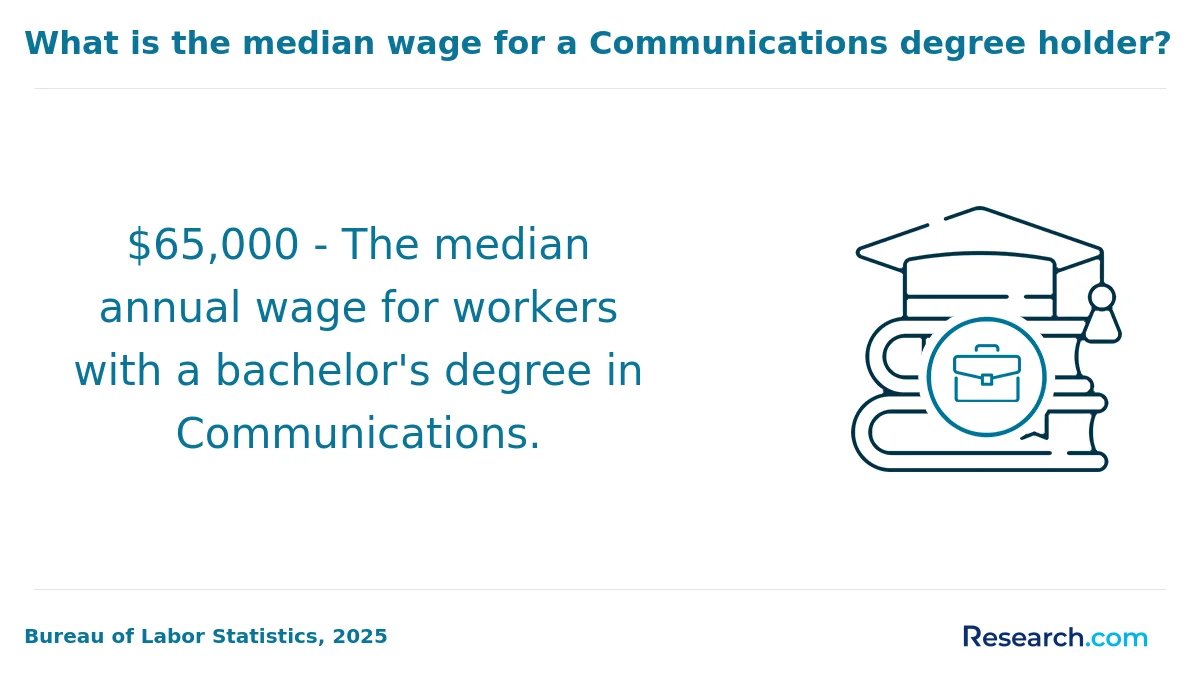
- Graduates with communication degrees often find roles such as public relations specialists earning a median annual wage around $62,810, offering a rewarding blend of creativity and stable income.
- Communication graduates from the University of North Carolina at Chapel Hill frequently pursue careers in marketing, media, and corporate communications, showcasing diverse opportunities that suit many interests.
- Completing a communication degree online, like at North Carolina State University's program, provides flexibility for busy students and working adults, allowing them to balance life while gaining valuable skills efficiently.
- Key benefits of getting online communication degree in North Carolina
- What can I expect from online communication degree in North Carolina?
- Where can I work with online communication degree in North Carolina?
- How much can I make with online communication degree in North Carolina?
- 2027 Fastest Online Communication Degree Programs Ranking in North Carolina
- Key Findings
- How long does it take to complete online communication degree in North Carolina?
- What's the difference between online and on-campus communication degree?
- What is the average cost of online communication degree in North Carolina?
- What financial aid is available to online communication degree students in North Carolina?
- What are the prerequisites for enrolling in online communication degree program in North Carolina?
- What courses are typically in online communication degree programs in North Carolina?
- What types of specializations are available in online communication degree programs in North Carolina?
- How do you choose the best online communication degree in North Carolina?
- What career paths are available for online communication degree students in North Carolina?
- What is the job market for online communication degree in North Carolina?
- Related Communication Rankings for Nearby States
- Top Trending Communication Rankings
What can I expect from online communication degree in North Carolina?
When diving into an online communication degree in North Carolina, expect tuition that feels refreshingly doable-many students from the University of North Carolina system share how in-state rates make the dream of higher education less daunting financially. Picture juggling your job with late-night study sessions, all while paying roughly $7,000 to $10,000 per year, a sweet spot compared to pricier alternatives elsewhere. North Carolina State University alumni often mention appreciating the balance between quality and cost, especially since these programs don't just dump theory; they immerse you in real-world projects that turn digital mavericks into career-ready storytellers.
Feel the excitement of crafting media campaigns or strategizing corporate messages without the weight of crushing debt. With practical internships paired directly with local industries in bustling hubs like Raleigh or Charlotte, the value stretches beyond tuition-it's an investment in connections and confidence. This affordability mixed with purposeful training keeps graduates enthusiastic and ready to thrive in the evolving communication landscape.
Where can I work with online communication degree in North Carolina?
Picture yourself stepping out of an online communication program at a school like the University of North Carolina or NC State, ready to dive into a world buzzing with opportunities. Graduates find themselves crafting compelling narratives in public relations firms across Charlotte, shaping the pulse of local businesses through savvy media management. They thrive in the vibrant marketing scenes of Raleigh's Research Triangle Park, where startups eagerly seek communicators to weave brand stories that captivate audiences and cultivate loyalty.
Imagine working alongside journalism pros in Durham's buzzing media hubs, turning raw information into engaging broadcasts or digital content that resonates widely. Many former students share how their roles in corporate communication teams at healthcare or finance giants feel like being the voice that keeps workplaces connected and energized.
Others find heartfelt satisfaction partnering with nonprofits or government agencies, crafting advocacy campaigns that echo through communities. The thrill of knowing your words can inspire real change in North Carolina's neighborhoods is a common joy among grads-proof that an online communication degree here unlocks doors to varied, fulfilling careers fueled by creativity and meaningful connections.
How much can I make with online communication degree in North Carolina?
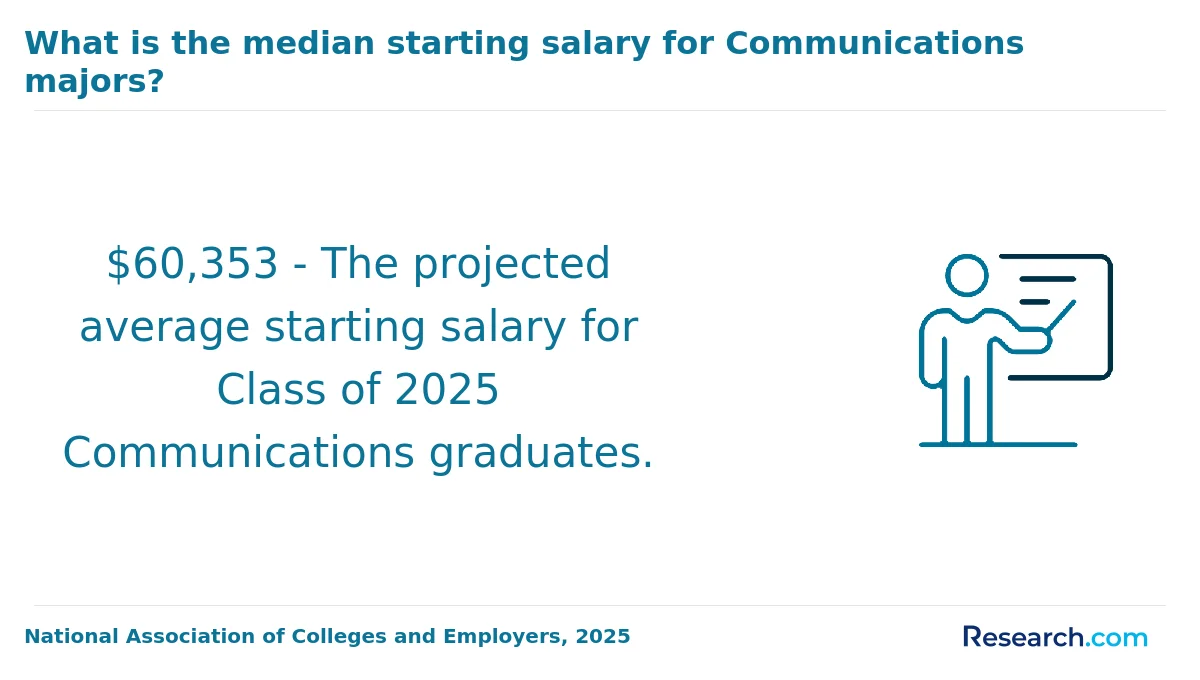
Graduates from online communication programs at well-known North Carolina schools often find themselves navigating a varied salary landscape, shaped by local demand and niche skills. Imagine a freshly minted communication specialist stepping into the bustling media scenes of Charlotte or Raleigh-starting salaries usually tap in around $40,000 to $50,000, enough to cover rent and weekend coffee runs while building a portfolio.
Advance a little, and those early paychecks start to bloom. Mid-level roles at respected institutions or growing corporations in the Research Triangle can raise annual earnings to between $60,000 and $80,000, reflecting both experience and expanded responsibilities.
For those ready to command top-tier positions-say, managing strategic communications or leading public relations at a dynamic North Carolina firm-expect salaries to soar beyond $90,000. In vibrant urban hotspots, media managers commonly pull in $85,000, with some exceeding $110,000 thanks to intense networking and digital savvy.
Freelancers balancing passion projects and side gigs echo the state's salary spectrum, often landing between $50,000 and $75,000 yearly. Their fluctuating income blossoms with every client connection forged through skills honed online and real-world grit.
This diverse earning potential reflects a unique blend of adaptability and expertise fostered by online programs, perfectly tuned for North Carolina's evolving communication landscape.
2027 Fastest Online Communication Degree Programs Ranking in North Carolina
How do we rank schools?
Investing in your education is a significant decision that can shape your future, and the Research.com team understands the importance of making informed choices. To assist prospective students in North Carolina, we have meticulously crafted the "2027 Fastest Online Communication Degree Programs Ranking in North Carolina." Our commitment to quality, credibility, and accuracy is reflected in the extensive research and analysis conducted to compile this ranking.
We utilized the following reputable data sources to ensure a comprehensive evaluation of communication degree programs:
By exploring this ranking, readers will gain valuable insights into the fastest online communication degree programs available in North Carolina, helping them make informed decisions about their educational paths. For more details on our methodology, please visit our Research.com methodology page.


Key Findings
- Tuition for online communication degrees in North Carolina ranges from $7,000 to $15,000 per year for in-state students at public universities, with private institutions typically charging more.
- Early-career salaries for graduates average about $45,000 annually, rising to around $70,000 for mid-career professionals.
- Job opportunities are strong in industries like technology, healthcare, education, and government, especially in cities like Raleigh, Charlotte, and Durham.
- Many programs have regional accreditation from SACSCOC, which ensures academic quality and recognition.
- Curriculums often include media ethics, strategic communication, digital storytelling, and research methods to meet industry needs.
How long does it take to complete online communication degree in North Carolina?
Imagine finishing your online communication degree in North Carolina faster than you ever dreamed-some graduates from the University of North Carolina system report shaving off an entire year thanks to transfer credits from local community colleges. Picture balancing work, life, and study with flexible schedules that let you fast-track your bachelor's in about three years instead of the typical four.
For many, an associate degree might wrap up in around two years, a perfect fit for those eager to jump into the workforce quickly or build toward a bachelor's later. If you're eyeing a master's, expect about 18 to 24 months of immersive online learning, like peers from private colleges who savor the blend of rigorous coursework and adaptable pacing.
North Carolina's online programs thrive on this balance of speed and quality. Graduates often highlight the joy of year-round classes and accelerated options that transform what feels like a mountain of 120 credit hours into manageable, bite-sized achievements. The freedom to tailor your journey here is a game changer.
What's the difference between online and on-campus communication degree?
Imagine a communication student at a university like UNC Chapel Hill, juggling a part-time job and family while diving into media studies from their kitchen table. That's the online experience-fluid, on-demand, and wrapped around life's chaos. They tap into lectures anytime, debate in forums between conference calls, and savor the freedom to accelerate their pace without the strain of a daily campus commute.
Contrast this with a campus goer at NC State, where spontaneous hallway chats spark ideas and professors catch you after class for tailored advice. The tactile pulse of campus life-media labs humming, in-person public speaking drills-creates a visceral learning rhythm. Here, connection isn't just digital; it's face-to-face, creating friendships and networking opportunities that bloom naturally.
Yet, whether navigating glowing screens or brick-and-mortar halls, both paths share similar tuition rates around $7,000 to $12,000 for North Carolina residents. Online students often smile knowing they're saving on housing and commuting, while on-campus peers thrive in immersive, hands-on spaces. Both journeys cultivate skilled communicators tuned to North Carolina's vibrant professional landscape.
What is the average cost of online communication degree in North Carolina?
When you envision earning an online communication degree in North Carolina, the cost landscape is as varied as the programs themselves. Graduates from popular institutions like the University of North Carolina at Chapel Hill or North Carolina State University often share stories about navigating tuition ranges that hover around $21,000 for in-state students. This median total cost reflects a sweet spot where quality meets affordability, making affordable online communication programs in North Carolina a tangible reality rather than a distant dream.
Out-of-state aspiring communicators face a different financial horizon, with median expenses climbing past $100,000-a figure that echoes the premium placed on residency. This contrast is felt keenly by those who transition from out-of-state backgrounds, yet many find creative ways to stretch their budgets, leveraging scholarships and flexible payment plans. The experience of virtual classrooms at institutions like East Carolina University illustrates that, while costs differ widely, the access to cutting-edge instruction remains consistent.
Students often remark on how the investment in an online degree translates into invaluable skills and career agility. The easiest online degree in communication can sometimes represent not just a credential but a gateway to exciting opportunities that make every dollar worthwhile. With a clear understanding of the median costs and the variability by residency, North Carolinians looking for the average cost of online communication degree North Carolina should feel empowered to map a personalized educational journey that aligns with both ambition and budget.
What financial aid is available to online communication degree students in North Carolina?
Imagine starting your online communication degree at the University of North Carolina at Chapel Hill with a hefty help from a Federal Pell Grant, which could cover nearly all your tuition-up to $7,395 a year-lifting a massive financial weight off your shoulders before you even submit your first assignment.
Graduates from North Carolina State University often share how subsidized federal student loans provided a safety net, with low interest and paused payments until after graduation, letting them focus on storytelling and media strategy instead of monthly bills.
State scholarships like the North Carolina Education Lottery Scholarship are another golden ticket, easing tuition costs particularly for online learners navigating public university programs. Students speak warmly of receiving university-specific scholarships tailored to communication majors, which reward passion and merit just as much as grades.
Some even balance their studies with federal work-study jobs, earning while they learn through flexible campus or remote roles that mesh perfectly with their schedules. Meanwhile, working professionals tapping into employer tuition reimbursement programs find a rewarding synergy between their jobs and their education, making every email or social post a step closer to a career dream.
What are the prerequisites for enrolling in online communication degree program in North Carolina?
To step into the world of online communication degrees in North Carolina, imagine the gateway as a mosaic of achievable milestones. Most programs at well-known institutions like the University of North Carolina at Chapel Hill or Appalachian State University beckon you first with a high school diploma or GED - the foundational ticket to this vibrant journey.
Picture a graduate who recalls juggling their 2.5 GPA requirement while balancing part-time work; that GPA isn't just a number, it's a story of dedication in a competitive landscape where 2.0 to 3.0 keeps the door open to exciting communication futures.
Many programs have embraced test-optional policies, a relief echoed by graduates who dreaded SAT or ACT stress but found their personal statements and recommendation letters paved their path by showcasing passion for media and messaging. Transfer students often reminisce about submitting transcripts proving their previous college coursework in media studies, affirming their readiness.
Behind the scenes, reliable internet and digital savvy become everyday superpowers, just as current students at North Carolina State University experience when navigating virtual classrooms and lively forums from their homes.
What courses are typically in online communication degree programs in North Carolina?
Imagine diving into an online communication degree at a top North Carolina university, where you start by unlocking the secrets of human connection with courses like Introduction to Communication Theory. Graduates often recall how this sparked their curiosity about everyday conversations and media messages, making the invisible threads of dialogue suddenly visible.
Hands-on courses like Public Speaking and Presentation Skills transform shy students into confident storytellers, ready to captivate audiences from Charlotte to Chapel Hill. Meanwhile, Mass Media and Society invites you to dissect how television and social platforms shape public opinions, a favorite among those fascinated by the digital age's influence on culture.
North Carolina's programs also spotlight cutting-edge subjects. Graduates rave about Digital Communication and Social Media, where practical projects simulate real campaigns, making you feel like a future PR strategist unraveling today's viral trends. Through classes like Organizational Communication and Advertising and Marketing Communication, students sharpen skills that translate directly into the bustling Carolinian business landscape.
What types of specializations are available in online communication degree programs in North Carolina?
Imagine diving into an online communication degree in North Carolina where you can tailor your journey through fields like Digital Media and Social Media Communication-perfect for those buzzing with creativity and eager to harness platforms that pulse with real-time chatter. Graduates from universities known for their robust North Carolina digital communication programs online often share how mastering content creation and social media strategy felt like holding the keys to a vibrant, ever-evolving digital realm.
Other students find their passion in Corporate Communication, crafting narratives that keep companies' hearts beating strong in business corridors like Charlotte or Raleigh-Durham. Meanwhile, the thrill of Health Communication draws those fascinated by public health messages that genuinely save lives, connecting them to meaningful work supported by state health initiatives.
The allure of Broadcast and Media Production adds a cinematic flair, teaching graduates how to tell stories that leap off screens and radios, bridging communities statewide. Many discover that Public Relations and Strategic Communication pave paths into thriving agencies, nonprofits, and government roles. For aspirants curious about the dynamic communication profession, North Carolina's offerings unfold like an intricate mosaic of opportunity, each specialization a vibrant tile in the broad spectrum of the online communication degree specializations North Carolina proudly supports.
How do you choose the best online communication degree in North Carolina?
Picking the best online communication degree in North Carolina is less about ticking boxes and more about uncovering a program that feels like a launchpad for your unique voice. Imagine a graduate from a well-known university in Raleigh describing how courses in digital media and public relations didn't just teach theory-they transformed their day-to-day approach to storytelling. This kind of practical, flexible learning fits perfectly with busy lives, offering asynchronous classes that bend with your schedule.
Consider programs with strong ties to North Carolina's vibrant media landscape and internship opportunities that turn virtual lessons into real-world networking gold. Graduates often mention how affordability unlocked their potential, especially when choosing from affordable communication degree programs NC institutions offer-programs that balance cost without sacrificing quality. Exploring specialization options, like social media strategy or multimedia production, sharpens your edge for the state's competitive job market.
For career-driven students, consulting pr degrees detailed on research.com proves insightful, helping you align your education with communication roles thriving in NC's bustling cities and industries.
What career paths are available for online communication degree students in North Carolina?
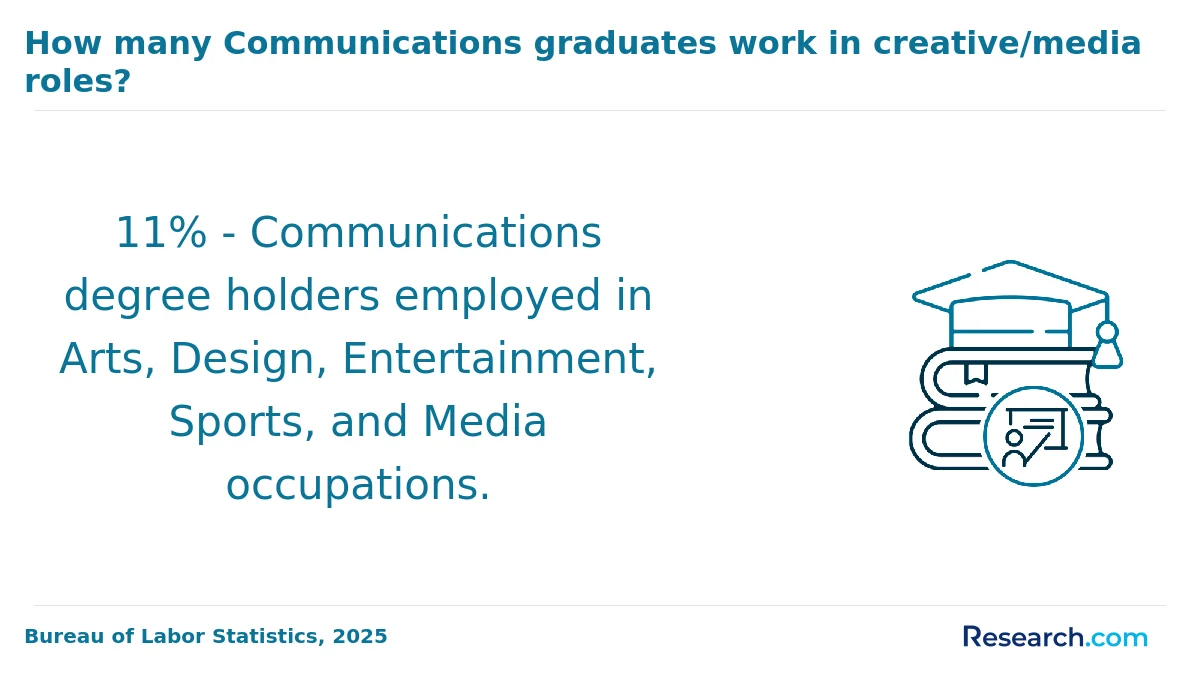
Graduates with an online communication degree in North Carolina find themselves stepping into a kaleidoscope of career paths that sparkle with possibility. Imagine a graduate crafting compelling campaigns as a marketing coordinator in vibrant Charlotte, or steering dynamic digital narratives for tech startups flourishing in Raleigh's buzzing innovation hubs. From public relations specialists weaving trust into corporate stories to social media managers igniting engagement for local nonprofits, the spectrum is alive with creativity and impact. These North Carolina communication degree job opportunities are enriched by internships at universities and agencies, where real-world projects become elaborate playgrounds for honing skills.
Many graduates from institutions like the University of North Carolina or NC State speak warmly of how their degrees unlocked roles in broadcast communication or content strategy within Durham's media landscape. The energy of a bustling media sector entwined with the state's push for digital transformation fuels rewarding career journeys. For those inspired to explore more advanced roles in communication, exploring masters in public relations jobs can be a thrilling next step.
Embracing one of the most promising fields in the Southeast, holders of an online communication degree careers in North Carolina often find themselves at the nexus of storytelling, technology, and human connection-an exhilarating place to launch lifelong vocations.
What is the job market for online communication degree in North Carolina?
In North Carolina, the job market for graduates with online communication degrees buzzes like the vibrant Research Triangle itself. Students from universities such as UNC Chapel Hill or NC State often describe their transition into roles in corporate communication or social media management as thrilling leaps into digital storytelling playgrounds. The diverse economy-spanning tech, healthcare, and education-fuels demand for savvy communicators eager to shape narratives and engage audiences.
Visualize a recent graduate landing a role at a startup in Charlotte, crafting campaigns that resonate with dynamic local communities. These stories are common, reflecting the fertile ground for online communication jobs in North Carolina, where growth outpaces many fields and salaries begin comfortably around $45,000 for entry positions. With the in-state tuition ranging modestly between $7,000 and $12,000 per year, ambitious students find both opportunity and affordability.
For those wanting to deepen their expertise, exploring a masters in public relations online from a respected North Carolina institution often serves as a powerful springboard into upper-tier communication roles, amplifying career prospects and confidence.
Frequently Asked Questions About communication
Students pursuing online communication degrees in North Carolina can maximize their learning by actively engaging with course materials and participating in virtual discussions. According to the North Carolina Department of Commerce, the media and communications sector is growing by 4% annually, highlighting the importance of staying updated with industry trends.
Utilizing university resources such as virtual libraries, academic advising, and writing centers can improve understanding and skill development. Networking through online forums and social media groups dedicated to communication professionals within North Carolina also provides valuable connections and insights.
Scheduling consistent study times and seeking internships or volunteer opportunities in local media outlets enhance practical experience, which is crucial for career advancement in this field.
The communication field is evolving rapidly, with several emerging niches gaining prominence, especially for students pursuing online degrees in North Carolina. One key area is digital communication, where skills in social media strategy and content creation are highly sought after. According to the Bureau of Labor Statistics, North Carolina's media and communication jobs are expected to grow by 7% through 2030, faster than the national average.
Another growing niche is health communication, which blends public health and messaging to improve community well-being, relevant amid ongoing healthcare challenges. Additionally, corporate communication specialists focusing on internal communication and crisis management are in demand.
Finally, data analytics within communication is becoming important for understanding audience behavior and improving campaign effectiveness.
After earning an online communication degree in North Carolina, graduates should focus on building a strong professional network within the state's expanding media and corporate sectors. North Carolina's communication job market is set to grow by about 10% through 2030, according to the U.S. Bureau of Labor Statistics. Internships and virtual practicums offered by universities are valuable for gaining real-world experience.
Developing skills in digital media, public relations, and social media management is essential, as many local employers seek these competencies. Additionally, joining North Carolina communication associations like the Public Relations Society of America's Charlotte chapter can provide networking and professional growth.
Keeping an updated portfolio showcasing written and multimedia projects enhances job prospects. Graduates should also use state job boards and platforms like NCWorks for relevant openings tailored to communication professionals in North Carolina.
Employers hiring communication degree graduates in North Carolina prioritize strong written and verbal communication skills. These abilities are essential for roles in media, public relations, and corporate communications. A 2023 report from the North Carolina Department of Commerce highlights that 78% of local employers value critical thinking and problem-solving skills alongside communication expertise.
Digital literacy, including proficiency with social media and content management systems, is increasingly important as businesses expand their online presence. Additionally, teamwork and interpersonal skills are frequently requested, reflecting the collaborative nature of many communication roles.
Project management capabilities also rank highly, with 65% of surveyed companies emphasizing candidates' ability to manage multiple tasks efficiently. Understanding audience analysis and data-driven messaging helps graduates meet these demands in North Carolina's diverse job market.
Finding internships in North Carolina relevant to a communication degree involves a mix of online research, networking, and leveraging university resources. Many universities in the state offer internship placement assistance for online communication students.
Websites such as the North Carolina Department of Commerce provide lists of local companies and nonprofit organizations that often seek communication interns. Additionally, LinkedIn and Handshake are popular platforms where students can filter internships by location and field.
Networking with faculty, alumni, and joining local professional groups like the Public Relations Society of America (PRSA) North Carolina Chapter can also open doors to internship opportunities.
According to the National Association of Colleges and Employers, nearly 60% of communication students nationally secure internships through campus-related events and career centers, a trend visible in North Carolina's universities as well.
Obtaining an online communication degree in North Carolina can significantly enhance career mobility and advancement opportunities. Employers increasingly value the skills developed through communication programs, such as media literacy, public relations, and digital strategy.
According to the North Carolina Department of Commerce, jobs in communication-related fields are projected to grow by 8% from 2022 to 2032, faster than the average for all occupations. This growth creates more openings for graduates to step into roles like corporate communications specialist, media coordinator, or public relations manager.
Online degrees offer flexibility, allowing working professionals to upskill while maintaining employment, which supports career advancement without career interruption.
Moreover, many North Carolina employers recognize accredited online programs, helping graduates compete effectively in the job market. Research from the National Communication Association highlights that communication graduates often see higher salary gains compared to peers without degrees in the same field.
Studying for an online communication degree in North Carolina equips students with versatile skills applicable to many interdisciplinary roles. The curriculum often combines communication theory with practical training in technology, business, and media, reflecting the state's diverse economic sectors such as technology, health care, and education. According to the North Carolina Department of Commerce, communication skills are among the top competencies sought in cross-functional teams within the state's fastest-growing industries.
Students learn to analyze, design, and deliver clear messages across various platforms, enabling collaboration with professionals in marketing, public relations, and information technology. This multidisciplinary focus prepares graduates to adapt to roles requiring communication expertise paired with analytical and managerial abilities. Moreover, many programs incorporate project-based learning and internships, enhancing real-world experience relevant to multiple fields.
When choosing between a thesis and a non-thesis communication degree program in North Carolina, consider your career goals and learning preferences. A thesis option typically suits students interested in research or pursuing a PhD, as it involves in-depth study and original research under faculty guidance.
Alternatively, a non-thesis program emphasizes practical skills and may include internships or projects, making it ideal for professionals seeking direct entry into the communication industry. According to the North Carolina Department of Commerce, communication roles in the state are growing by 10% annually, highlighting the value of applied experience.
Accredited North Carolina universities offer both options online, so reviewing curriculum details and faculty expertise is essential to match your ambitions.
Students based in North Carolina seeking to study communication abroad have several online options through partnerships between in-state institutions and international universities. Many North Carolina universities offer study abroad programs that integrate online coursework, allowing students to earn credits remotely while gaining global perspectives.
Notably, the University of North Carolina system supports virtual exchange programs, facilitating communication studies with global peers without leaving home. These programs often focus on intercultural communication and global media.
While purely online international degrees in communication remain limited, North Carolina students benefit from hybrid formats and dual-degree arrangements, leveraging technology and local university resources.
For detailed program options, consulting individual schools and the NC Community College System is recommended.
Part-time job opportunities in North Carolina can effectively complement the education of students pursuing online communication degrees. Roles such as social media assistants, public relations interns, and content writers offer practical experience that aligns directly with communication theory and strategy.
According to the North Carolina Department of Commerce, the state has seen consistent demand in marketing and communication sectors, with communication-related job growth projected at 6% from 2022 to 2032. Internships with local nonprofits or media outlets in cities like Raleigh and Charlotte provide hands-on learning while studying.
Additionally, freelance opportunities in copywriting or digital marketing allow students flexible hours and skill application. These roles nurture critical skills in audience analysis, message crafting, and digital engagement-vital for careers in public relations or corporate communication.
Online communication students in North Carolina have access to various networking opportunities designed to enhance their academic and professional growth. Many universities encourage virtual participation in regional chapters of national organizations such as the Public Relations Society of America (PRSA) and the International Communication Association (ICA). These groups provide events, workshops, and mentorship programs specifically tailored to communication students.
Furthermore, North Carolina's growing media and tech hubs, including Raleigh-Durham and Charlotte, host frequent virtual networking events. These connect students with industry professionals, offering internships and job prospects. According to the North Carolina Department of Commerce, communications jobs in the state grew by 7% from 2018 to 2023, increasing networking value for students.
Alumni networks provide valuable support for online communication degree students in North Carolina. These networks connect students with graduates working in media, public relations, and corporate communications across the state. Access to such connections often leads to internships, job opportunities, and mentorships, which are crucial in the competitive communication industry.
According to data from the North Carolina Department of Commerce, approximately 25,000 communication professionals work in the state, making networking essential. Alumni can share local job market insights and professional advice, enhancing career readiness.
This peer and professional support helps students transition from academic settings to the workforce more smoothly and successfully.
In North Carolina, students can customize online communication degree programs by selecting electives and concentrations that align with their career goals. Many universities offer specializations such as public relations, digital media, or organizational communication, allowing students to focus on areas that fit industries like marketing or corporate communication. Some programs also provide options for internships or applied projects, which help build practical experience.
According to the North Carolina Department of Commerce, communication-related jobs are growing steadily, emphasizing skills in media and technology. Customizing your degree with up-to-date course content and real-world applications can improve your job prospects in this competitive market.
Online communication students in North Carolina often face challenges related to technology access and time management. Reliable internet is essential; however, rural areas in North Carolina still report lower broadband availability compared to urban centers, which can hinder smooth participation in classes, according to the North Carolina Department of Information Technology.
Another frequent difficulty is balancing coursework with personal and professional responsibilities. Many students pursue online degrees part-time while working full-time, which can lead to stress and deadlines. Additionally, some students find limited opportunities for networking and collaboration, essential for communication careers, due to the virtual nature of their programs.
Students also report challenges with staying motivated and engaged without face-to-face interaction. Research from the Online Learning Consortium highlights that engagement is a key predictor of online learning success and retention rates.
With an online communication degree, professionals in North Carolina can pursue various certifications to enhance their credentials and career opportunities. Common options include the Certified Communication Professional (CCP) credential offered by the Global Communication Certification Council, which validates expertise in communication strategy and skills.
Another valuable certification is the Accredited Business Communicator (ABC), granted by the Business Marketing Association. This certification focuses on business communication practices relevant across industries.
Additionally, the Project Management Professional (PMP) certification is popular among communication graduates who manage projects, teams, or campaigns.
According to the North Carolina Department of Commerce, communication roles requiring such certifications have grown by over 12% from 2019 to 2022, reflecting increasing demand in the state's business and media sectors.
Applying to an online communication program in North Carolina requires clear, focused preparation. Start by researching programs accredited by recognized bodies such as the Southern Association of Colleges and Schools Commission on Colleges (SACSCOC). North Carolina has over 20 universities offering communication degrees online, including reputable institutions like UNC Charlotte and East Carolina University.
When writing your personal statement, highlight relevant experience in media, writing, or public relations. Use concrete examples to demonstrate your communication skills, as employers in North Carolina's growing media sector value practical expertise. Keep your essays concise and tailored to specific program goals.
Include updated transcripts and letters of recommendation emphasizing your academic and professional readiness. Admission committees in the state often look for a minimum GPA around 2.5 to 3.0. Lastly, meet all deadlines, and ensure your application reflects your commitment to succeed in this competitive field.
Careers in communication are increasingly valued worldwide for their ability to bridge cultural and technological divides. In the United States, including North Carolina, communication professionals are essential in fields like media, public relations, and corporate communication. According to the U.S. Bureau of Labor Statistics, employment in communication-related jobs is projected to grow by 13% from 2022 to 2032, faster than average for all occupations.
Globally, a communication degree equips graduates with skills to navigate diverse audiences and digital platforms. North Carolina supports strong programs that prepare students for global media markets, emphasizing cross-cultural competence, an important asset in today's interconnected world.
Students in North Carolina pursuing online communication degrees benefit from access to research centers and professional networks fostering international collaboration. These factors contribute to the growing recognition of communication as a vital global career path.
Students pursuing an online communication degree in North Carolina can gain practical experience through internships with local media companies, public relations firms, or nonprofits. Many universities in the state have partnerships that connect online students with these opportunities. Internships not only build skills but also enhance resumes in a competitive job market.
Additionally, students can engage in virtual projects such as social media campaigns, digital content creation, and online event coordination. North Carolina's communication sector benefits from a growing demand in digital marketing and media, according to the North Carolina Department of Commerce.
Networking with alumni and joining communication-related student organizations, even virtually, further enrich practical learning.
Choosing the right concentration within an online communication degree in North Carolina starts with understanding your career goals. Common concentrations include media studies, public relations, corporate communication, and digital media. Research shows that North Carolina's media sector is growing steadily, with the Bureau of Labor Statistics projecting a 7% job growth for communication specialists in the state through 2030.
Consider concentrations that match job market demands. For example, public relations skills are highly sought after in thriving cities like Raleigh and Charlotte, which host many corporate headquarters and nonprofits.
Also, evaluate program flexibility, faculty expertise, and internship opportunities specific to North Carolina. Institutions accredited by the Accrediting Council on Education in Journalism and Mass Communications (ACEJMC) ensure quality education aligning with industry standards.
Related Communication Rankings for Nearby States
- 2027 Fastest Online Communication Degree Programs Ranking in Virginia
- 2027 Fastest Online Communication Degree Programs Ranking in Georgia
- 2027 Fastest Online Communication Degree Programs Ranking in Kentucky
- 2027 Fastest Online Communication Degree Programs Ranking in Florida
- 2027 Fastest Online Communication Degree Programs Ranking in Pennsylvania
- 2027 Fastest Online Communication Degree Programs Ranking in Ohio
- 2027 Fastest Online Communication Degree Programs Ranking in Arkansas
- 2027 Fastest Online Communication Degree Programs Ranking in Missouri
- 2027 Fastest Online Communication Degree Programs Ranking in New York
- 2027 Fastest Online Communication Degree Programs Ranking in Illinois
Top Trending Communication Rankings
References
- 2025 Master's in Communication Programs in North Carolina (Charlotte, Online) https://www.mastersincommunications.com/states/north-carolina
- Global Perspectives on Intercultural Communication https://www.routledge.com/Global-Perspectives-on-Intercultural-Communication/Croucher/p/book/9781138860780
- Communications Degree | Communications Major https://www.collegeadvisor.com/resources/communications-degree/
- Communication Difficulties: The Silent Barrier - Connect https://stageslearning.com/connect/articles/communication-difficulties-the-silent-barrier/
- What You Can Do with a Communications Degree https://www.cune.edu/news/what-you-can-do-communications-degree
- Communication Frequently Asked Questions | Central Methodist University https://centralmethodist.edu/academics/undergraduate/communication/communication-faq.html
- Top Communication Skills Employers Seek From College Grads https://www.manpower.com.sg/en/insights/blogs/2021/03/top-communication-skills-employers-seek-from-college-grads
- Communications Degree Salary Guide https://online.maryville.edu/online-bachelors-degrees/communications/careers/communications-degree-salary-guide/
- Bachelor's in Communications Programs in North Carolina (A-G) - Best Communications Degrees https://www.bestcommunicationsdegrees.com/bachelors-in-communications-in/north-carolina-a-g/
- Online Communication Degree | University of Phoenix https://www.phoenix.edu/online-liberal-arts-degrees/communication-bachelors-degree.html