2027 Fastest Online Communication Degree Programs Ranking in New York

Co-Founder and Chief Data Scientist
Are you considering advancing your education with an online communication degree in New York? Finding the right program can feel overwhelming, but this article is here to help.
The 2027 Fastest Online Communication Degree Programs Ranking in New York, created by the Research.com team of data scientists, offers valuable insights to guide your decision. This ranking highlights the quickest, most efficient programs available, allowing you to plan your future with confidence.
Reading this article will help you discover programs that fit your goals and schedule, making your journey toward a rewarding communication career smoother and more fulfilling.
Key benefits of getting online communication degree in New York
- Communication graduates in New York can expect diverse career opportunities, such as public relations specialists earning a median annual wage of around $62,810, highlighting attractive financial potential.
- A communication graduate from New York University often pursues careers in media, marketing, or corporate communications, showcasing the versatility and creativity this degree supports.
- Completing an online communication degree from a school like Syracuse University offers flexibility and the ability to balance work and studies, making education more accessible without sacrificing quality.
- 2027 Fastest Online Communication Degree Programs Ranking in New York
- What can I expect from online communication degree in New York?
- Where can I work with online communication degree in New York?
What can I expect from online communication degree in New York?
When budgeting for an online communication degree in New York, expect average tuition costs to range between $15,000 and $30,000 for a bachelor's program, depending on the institution. For example, graduates from Pace University often mention how flexible payment plans helped manage expenses without sacrificing the quality of education. Others from SUNY Empire State College appreciate that their fully online degrees offer a cost-effective alternative to on-campus programs, which typically charge higher in-state fees.
These tuition estimates usually include access to digital resources, live sessions, and internship opportunities-key components that graduates say enhanced their learning experience and professional readiness. It's wise to compare specific program fees and consider additional costs like textbooks or technology. Many students find that scholarships or employer tuition assistance make completing their degrees financially viable while working.
In practical terms, think of your investment as not just tuition but an entry ticket to New York's dynamic communications job market, backed by real-world skills and networking connections generated through these online programs.
Where can I work with online communication degree in New York?
Graduates with an online communication degree in New York often find diverse career paths waiting for them in major hubs like New York City. Many step into roles at advertising agencies, television networks, or digital marketing firms, using skills honed during their studies at well-known schools such as New York University or Syracuse University. One graduate shared how their internship at a media company led directly to a full-time position in public relations, highlighting the real-world value of local networking.
Others pursue communications roles within nonprofit organizations or government agencies in New York State, where they handle public information campaigns and community outreach. Working for city departments or universities is common, offering a stable environment that values strong written and interpersonal skills.
Freelancing is also a popular route, especially in digital content creation or social media consulting. Graduates often leverage connections made through college projects and local startups to build client bases. This flexibility appeals to many who want control over their career direction.
Graduates with an online communication degree in New York typically start their careers earning between $45,000 and $55,000 annually. For example, many graduates from well-known institutions like New York University or Hunter College have reported securing entry-level roles in media firms and nonprofit organizations within this range. As experience builds-especially by focusing on digital media or corporate communications-annual salaries often increase to between $70,000 and $85,000.
Graduates who pursue specialized skills in content creation or social media management find increased opportunities for freelance income in addition to their base salary. Practical experiences, such as internships arranged through programs at universities like The New School, help sharpen negotiation skills, which can elevate starting pay.
Senior professionals in New York's large media agencies or finance companies often command salaries exceeding $100,000, reflecting the competitive nature of this market. These roles benefit from strong professional connections developed during college and consistent upskilling in evolving communication technologies.
Overall, planning your career path with a focus on gaining relevant experience and specialty skills through internships and projects during your studies will significantly improve your earning potential in New York's communication sector.
- Annual tuition for online communication degrees in New York ranges from $10,000 to $35,000, with public institutions typically being more affordable than private ones.
- Entry-level salaries for communication graduates are between $45,000 and $55,000, while mid-career professionals earn around $70,000 to $85,000 annually.
- Senior communication roles can offer salaries exceeding $100,000 per year.
- The job market for communication specialists in New York is expected to grow by about 6% over the next decade.
- New York City has a high concentration of communication jobs in media, advertising, nonprofit, and corporate sectors.
- Online programs provide flexible study options and include networking opportunities through virtual events and internships.
Completing an online communication degree in New York typically takes two to four years, depending on your chosen path and schedule. For example, graduates from SUNY schools often finish their associate degrees in about two years full-time by completing roughly 60 credits. Those aiming for a bachelor's degree at institutions like New York University or Pace University usually invest four years, navigating 120 to 130 credits. These timelines fit well for students balancing jobs or family, thanks to flexible online formats.
Many students find part-time enrollment practical but expect it to extend their studies to five years or more. A graduate from a private New York college shared how accelerated courses helped them finish a bachelor's communication degree in just three years by taking extra classes each semester.
For master's degrees, popular among working professionals, expect one to two years beyond your bachelor's. Some schools offer one-year accelerated tracks, ideal if you can dedicate yourself fully. Flexible terms and online semesters at local colleges mean you can tailor your pace, making your degree timeline manageable and motivating.
Choosing between online and on-campus communication degrees in New York hinges primarily on how you want to balance flexibility and direct engagement. Graduates from Hunter College recall how on-campus classes sparked spontaneous discussions in Manhattan's media-rich environment, enhancing their networking and access to internships. In contrast, those who pursued St. John's University's online program appreciated the ability to study after work hours and manage family commitments without the stress of commuting.
Both formats cover essential subjects like public speaking and digital communication strategies, meeting standards set by New York's accrediting bodies. Tuition often ranges from $7,000 to $10,000 annually for in-state students, but online learners typically save on campus fees and travel costs.
While online study demands strong self-discipline, New York-based schools now offer robust virtual support, including tutoring and career advising. However, if face-to-face mentoring and real-time campus events drive your learning, on-campus programs remain unmatched for hands-on collaboration and networking in communication hubs like Brooklyn.
The average cost of an online communication degree in New York can vary, but data shows a median total cost around $43,772. For in-state students, the total cost tends to be lower-about $36,580-reflecting the more affordable tuition rates at public universities like the State University of New York (SUNY). Graduates from these schools often share how the balance of quality education and reasonable pricing made managing their budget while working full-time more viable.
Many New York online communication degree tuition and fees include not just base tuition but additional expenses such as technology fees and course materials, which can add $500 to $1,500 annually. This makes it crucial to account for all costs realistically when planning your education finances.
A common approach among online communication students from popular colleges such as SUNY and CUNY (City University of New York) involves applying for scholarships and financial aid to lower expenses. Past graduates emphasize how employer tuition assistance programs have helped them stay motivated and affordable, even with the higher tuition costs charged by private universities.
If you are comparing options, consider exploring the affordable online masters communications route, which can provide valuable insights into cost-saving opportunities and funding options for communication degrees nationwide and within New York.
For many students, understanding the full financial picture means evaluating residency status, institution type, and available aid to confidently invest in their future communication careers.
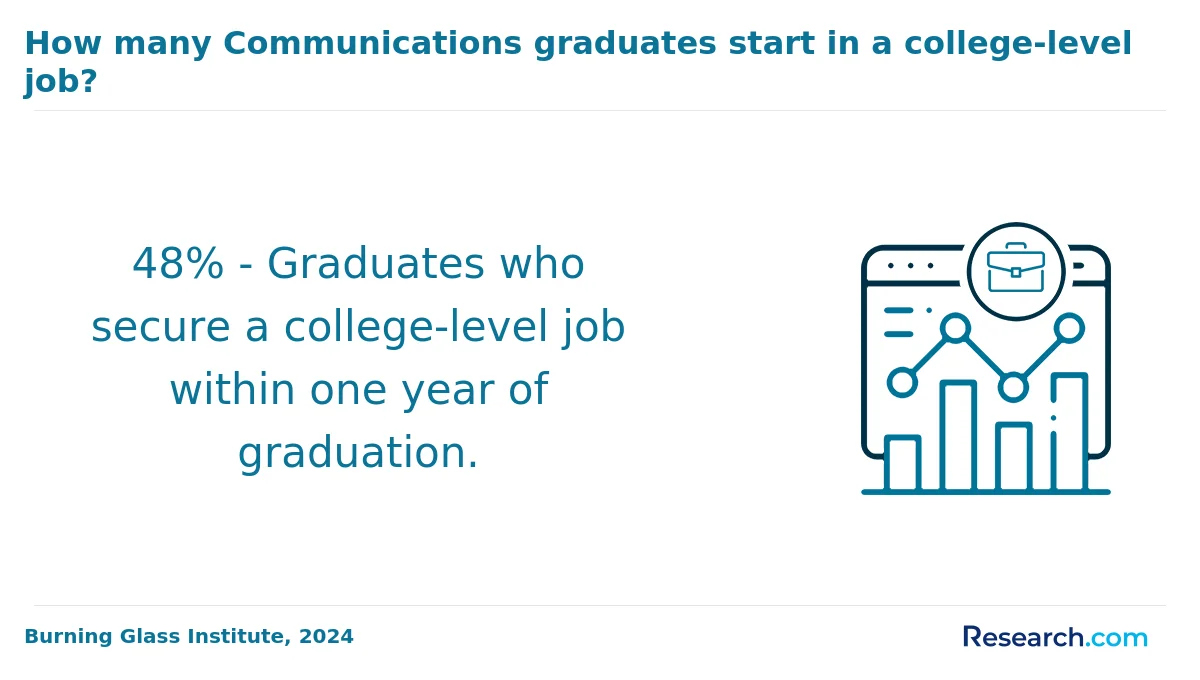
If you're aiming for an online communication degree in New York, start by completing the Free Application for Federal Student Aid (FAFSA). This unlocks access to Pell Grants, which helped many graduates from SUNY campuses financially by covering up to $7,395 annually without repayment. Next, check your eligibility for New York's Tuition Assistance Program (TAP). Full-time students at institutions like CUNY can receive up to $5,665 per year, a vital boost that several online learners have credited for making their education affordable.
Don't overlook scholarships offered directly by your school or third-party organizations. Communication students often share how merit-based awards from schools such as Syracuse University eased their financial stress. Many have balanced work and study, relying on employer tuition reimbursement to cover part of the cost, especially those advancing their careers while earning degrees online.
Finally, federal student loans with fixed interest rates around 5% remain an option, but past graduates advise borrowing cautiously to avoid overwhelming debt after graduation.
To enroll in an online communication degree in New York, you'll first need a high school diploma or equivalent like a GED. Many students who graduated from programs at schools such as Hunter College or Syracuse University recall that having at least a 2.5 GPA helped meet initial eligibility. Some universities may ask for SAT or ACT scores, but most have moved to test-optional policies, especially after 2020, making it easier to apply if you focus on strong transcripts and clear personal statements.
Transfer students or aspiring graduate students remember that completing prior college credits or a bachelor's degree with a 3.0 GPA is often required. For example, graduates from the New School's communication program emphasized submitting thoughtful letters of recommendation and a compelling statement of purpose as crucial steps.
Reliable internet and comfort with digital tools are must-haves. Imagine joining live Zoom discussions or navigating course platforms smoothly-graduates at Pace University talk about how mastering these helped them stay confident and connected.
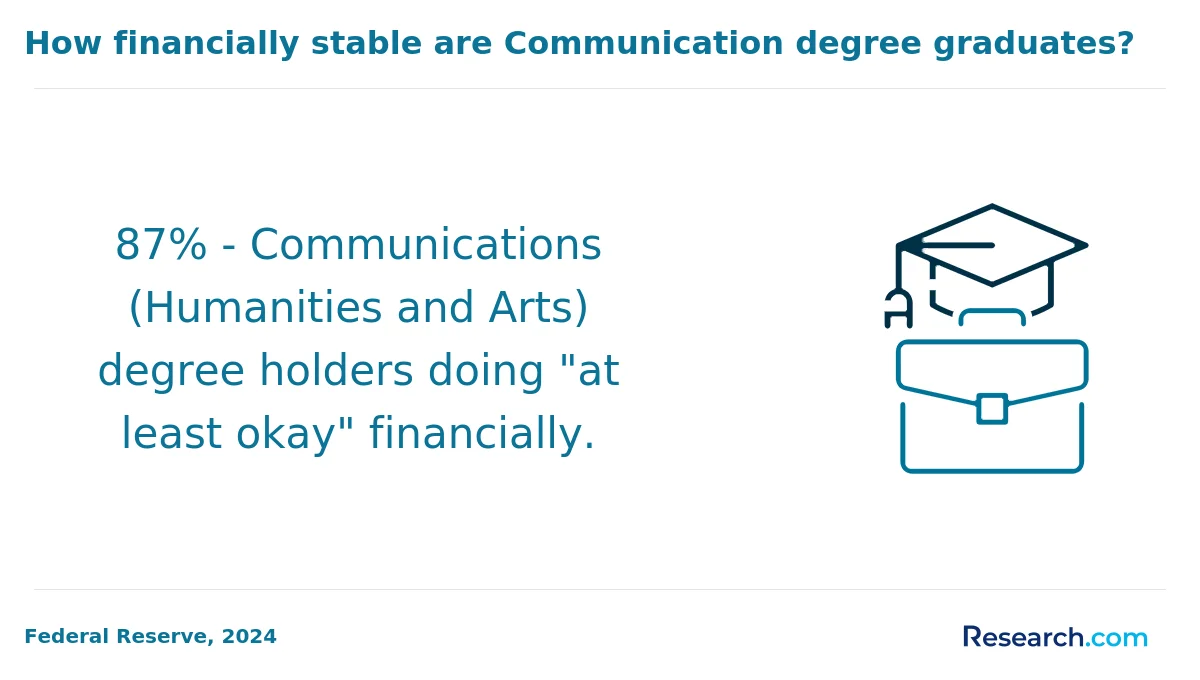
Online communication degree programs in New York commonly include foundational courses such as communication theory, research methods, and ethics. Graduates from well-known schools in the city often recall how ethics classes helped them navigate real-world media challenges with confidence, especially when working on projects involving public trust.
Core courses typically cover practical skills like interpersonal and group communication, media writing and production, and public relations strategies. For instance, students at popular New York colleges mention their hands-on experience creating digital campaigns that simulate actual agency work, which builds professional readiness.
To stay current, many programs add courses on digital media, social networks, and data analysis related to audience measurement. Graduates say these classes made a big difference when they stepped into roles requiring social media analytics or multimedia storytelling, common demands in New York's fast-paced media sector.
If you're pursuing an online communication degree in New York, expect to choose from several practical specializations that local graduates have found valuable. Popular tracks include Corporate Communication, which equips you to handle internal and external messaging in large firms-ideal given New York's status as a corporate center. Graduates from schools like SUNY often share how this concentration boosted their leadership skills in real-world crisis situations.
Another common path is Media Studies and Digital Communication, focusing on social media strategies and content creation. This aligns well with New York's thriving media industry. Students concentrating here have reported landing internships with local media outlets through flexible online schedules.
Other standout options include Public Relations and Strategic Communication, a concentration reflecting New York's demand for public image experts, and Health Communication, relevant for working with healthcare organizations across the state. For those interested in team dynamics, Interpersonal and Organizational Communication offers skills useful in businesses of all kinds.
For detailed program comparisons, explore best online communications bachelor degree programs that highlight these communication degree concentration options New York students can select.
Start by verifying that the program holds regional accreditation like MSCHE, which ensures quality and credit transferability-something recent graduates from well-known New York colleges emphasize as vital. Next, examine the curriculum closely. Look for courses that cover media studies, digital communication, and public relations, matching your career goals in New York's dynamic media market. Many successful graduates from local universities recommend choosing programs with specialization options that reflect your interests, such as corporate communication or social media.
Cost plays a practical role in your decision. In New York, public online programs often range from $10,000 to $15,000 annually for residents, while private ones may exceed $30,000. Graduates frequently share how balancing tuition with financial aid improved their experience. Flexible formats-fully online and asynchronous-allow working students to progress steadily, a feature praised by many recent online alumni.
Finally, consider the full support system. Faculty with real-world experience and career services are crucial in a competitive New York job market. For those seeking affordable options, checking reliable resources is useful-for example, exploring affordable online bachelors in journalism degree programs can guide you to budget-friendly choices without compromising quality.
Focus on programs that provide clear graduation and job placement statistics, as this reflects their success in launching students into communication careers within New York's fast-paced industry.
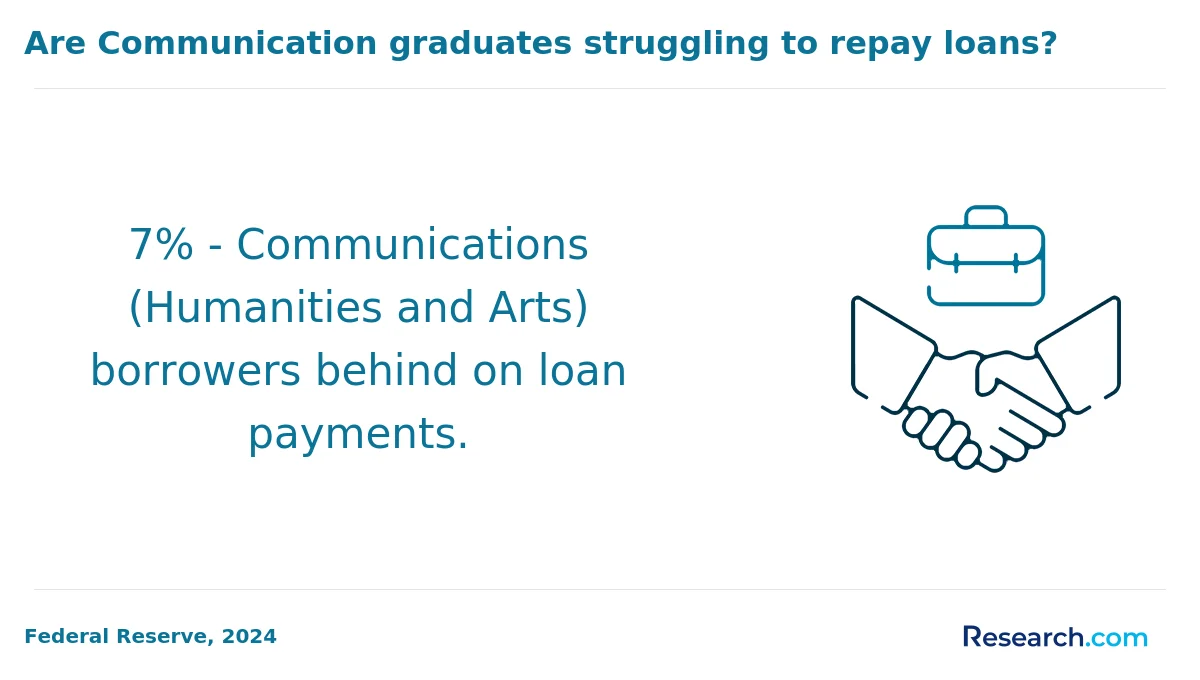
Graduates with an online communication degree in New York find several practical career paths that align with the state's dynamic job market. Many graduates from popular colleges in New York, such as those attending online programs at large city universities, successfully land roles as public relations specialists, where they craft and maintain positive public images for various clients. Others take on roles as corporate communications managers, using their skills to handle internal and external communication strategies for businesses. Digital marketing specialists and social media managers are also in high demand, roles well-suited for those interested in growing online presence and brand awareness. Practical experience gained through internships during the degree often helps students step confidently into these roles, especially within New York's vibrant corporate and media sectors. For students wondering about career timelines, exploring how many years to become a journalist can offer useful insights into media-focused opportunities. These diverse options make online communication degree careers in New York a flexible and rewarding choice.
Networking and internships are key to securing a spot in this competitive landscape. Graduates often emphasize how real-world projects during their online studies at New York institutions equipped them with skills valued by employers. Options include becoming broadcast journalists or media producers, where storytelling meets technology in real-time environments. Content writers and editors round out the spectrum, providing creative outlets within digital platforms. New York communication degree job opportunities are plentiful but require proactive planning to align education with specific career goals, often reshaping initial paths based on market shifts.
The job market for graduates with an online communication degree in New York is thriving due to the state's diverse and expanding media and corporate sectors. Graduates from well-known schools in New York report finding roles as public relations coordinators, digital marketers, and content developers in industries ranging from nonprofit organizations to large media companies. Practical experience gained through internships often helps them secure positions swiftly. This positive employment outlook is consistent with the steady growth projected for communication roles, matching the national 6% increase indicated by labor reports. Those pursuing online communication degree job outlook New York will find opportunities enhanced by the state's dynamic advertising and corporate communication landscape.
Many graduates from prominent New York universities share that balancing studies with remote internships has made this career path rewarding and accessible. Digital marketing and social media positions are particularly popular, reflecting industry demand. Understanding specific career paths through resources like pr careers helps students align their goals with employer needs. The employment opportunities for communication graduates in New York show considerable promise for those ready to leverage networking and hands-on projects early in their studies.
2027 Fastest Online Communication Degree Programs Ranking in New York
Investing in your education is a significant decision that can shape your future, and the Research.com team understands the importance of making informed choices. To assist prospective students in New York, we have meticulously crafted the "2027 Fastest Online Communication Degree Programs Ranking in New York." Our commitment to quality, credibility, and accuracy is reflected in the extensive research and analysis conducted to compile this ranking.
We utilized the following reputable data sources to ensure a comprehensive evaluation of communication degree programs:
By exploring this ranking, readers will gain valuable insights into the fastest online communication degree programs available in New York, empowering them to make informed and confident educational decisions. For more details on our methodology, please visit our Research.com methodology page.


Frequently Asked Questions About communication
Online communication degree students in New York can maximize their learning by actively engaging with course materials and participating in virtual discussions. Research from the National Center for Education Statistics highlights that interaction boosts comprehension and retention in online settings.
Utilizing New York's extensive media markets for case studies and internships is also beneficial. Students should seek out virtual networking events and connect with local communication professionals through platforms like LinkedIn.
Accessing New York State library resources and webinars enhances research capabilities. Finally, managing time effectively and setting a dedicated study schedule improves focus and academic outcomes.
Emerging niches within the communication field reflect the rapid changes in technology and media consumption. In New York, where digital media industries flourish, areas like social media strategy, digital content creation, and data analytics are gaining momentum. According to the Bureau of Labor Statistics, jobs in media and communication technology are projected to grow by 13% nationally from 2022 to 2032, with New York offering many opportunities.
Another growing area is crisis communication, driven by the need for transparent corporate and public communication in uncertain times. Additionally, immersive media, such as virtual and augmented reality, is expanding as companies seek innovative ways to engage audiences online. These emerging niches highlight a shift towards technology-driven communication roles in New York's dynamic market.
After completing an online communication degree in New York, preparing for the job market involves several focused steps. Networking is critical; joining local professional groups like the Public Relations Society of America (PRSA) New York Chapter can provide valuable contacts and job leads.
Internships or freelance projects during or after your degree offer practical experience that employers value highly. According to the U.S. Bureau of Labor Statistics, New York hosts one of the highest concentrations of communication-related jobs nationwide, especially in media and public relations.
Additionally, developing digital skills such as content creation, social media management, and analytics enhances your competitiveness. Certifications in tools like Google Analytics or HubSpot can boost your resume.
Finally, crafting a professional portfolio showcasing your best work and tailoring your resume to specific roles will improve your chances of employment in the competitive New York market.
Employers in New York highly value communication degree graduates who demonstrate strong interpersonal and digital communication skills. According to the National Association of Colleges and Employers (NACE), 80% of employers in the state prioritize effective verbal and written communication. In New York's competitive media and corporate environments, adaptability to new communication technologies and social media proficiency is also critical.
Analytical thinking and strategic messaging help graduates succeed in roles such as public relations, marketing, and corporate communications. The New York State Department of Labor highlights that candidates with experience in multimedia content creation and project management have a distinct advantage.
Finding internships in New York related to a communication degree often begins with leveraging university career services. Many New York colleges have established connections with media companies, public relations firms, and nonprofit organizations offering internships. According to the National Association of Colleges and Employers, approximately 65% of internships in communication fields lead to job opportunities, especially in a competitive market like New York City.
Online platforms such as Handshake and LinkedIn are widely used by students and graduates to discover relevant internships. Additionally, local industry events and networking groups provide valuable contacts. The New York State Department of Labor also lists communication internships annually, supporting students seeking practical experience.
An online communication degree in New York can significantly enhance career mobility and advancement opportunities. New York's diverse economy, which includes media, advertising, public relations, and corporate sectors, values strong communication skills. According to the U.S. Bureau of Labor Statistics, communication specialists in New York earn an average annual wage 12% higher than the national average. This degree equips graduates with versatile skills in digital media, public speaking, and strategic communication, which are in high demand across industries.
Employers often prioritize candidates with formal education in communication, as it demonstrates critical thinking and adaptability. In addition, completing an online program allows working professionals in New York to upskill without interrupting their careers, fostering quicker promotions or transitions into leadership roles.
Studying for an online communication degree in New York equips students with versatile skills valuable across multiple fields. Programs emphasize strategic communication, media literacy, and digital proficiency, preparing graduates for roles in marketing, public relations, and corporate communications. New York's diverse economy fosters collaboration between communication and industries like finance, technology, and healthcare, creating interdisciplinary job opportunities.
According to the National Center for Education Statistics, New York awarded over 3,200 communication-related degrees in 2022, many with coursework integrating social sciences and business. This approach helps students develop critical thinking and adaptability, essential for cross-sector collaboration.
Such interdisciplinary training is vital in today's job market, where communication bridges technical expertise and audience engagement effectively.
When choosing between a thesis and a non-thesis communication degree program in New York, consider your career goals carefully. A thesis option usually suits those interested in research or pursuing a PhD, as it requires original research and a detailed written project. Non-thesis programs focus more on practical skills and coursework, ideal for students aiming to enter the communication industry directly.
In New York, communication graduates find the strongest job growth in digital media and public relations, fields which favor applied skills over research experience (New York State Department of Labor, 2023). The thesis path may take longer to complete due to research demands, while non-thesis programs often offer quicker graduation timelines.
Access to faculty mentorship and research resources may also vary by institution. Understanding these differences is crucial for making an informed decision suited to your professional aspirations in New York's dynamic communication sector.
Students based in New York seeking to study communication abroad have several options through local universities with established international partnerships. Many New York institutions offer exchange programs and dual-degree opportunities with universities in Europe, Asia, and Latin America. For example, New York University (NYU) has extensive global networks that facilitate semester-long study abroad experiences focused on media and communication.
Additionally, the State University of New York (SUNY) system provides access to programs supported by study abroad advisors, helping students find placements that complement their communication curricula. These programs often include internships and research projects, enhancing practical skills.
Financial aid and scholarships specifically targeting study abroad in communication are available through both private foundations and New York colleges. According to the Open Doors Report 2023, over 20,000 New York students studied abroad, with communication and media among the popular fields. Students should consult their academic advisors early to align study abroad options with degree requirements.
Part-time jobs in New York can effectively complement online communication degrees by providing practical experience in key areas. Roles such as social media coordinator, public relations assistant, or content creator allow students to apply communication theories in real-world settings.
New York's diverse media market offers opportunities in digital marketing firms, local news outlets, and nonprofit organizations. According to the U.S. Bureau of Labor Statistics, New York employs over 80,000 public relations specialists, indicating robust demand.
Positions in event planning or corporate communications also sharpen skills like audience engagement and message crafting, valuable for communication students.
These hands-on experiences enhance resumes and improve job prospects post-graduation in the competitive New York communications field.
Online communication students in New York benefit from a variety of networking opportunities that connect them to the city's robust media and communication industries. Many universities offer virtual career fairs and webinars featuring professionals from leading New York agencies and corporations. According to the New York State Department of Labor, the communications sector in NYC employs over 150,000 professionals, creating ample chances for students to build industry contacts.
Students can join statewide professional associations like the Public Relations Society of America (PRSA) New York Chapter, which hosts frequent online networking events. Local LinkedIn groups and communication-focused online forums also provide platforms to engage with alumni and industry experts. These resources help bridge the gap between remote learning and real-world connections in New York's dynamic communication field.
Alumni networks offer valuable support to online communication degree students in New York by providing access to professional connections and mentorship opportunities. Graduates often share job leads and industry insights, which can be crucial in the competitive New York media and communications market.
Many New York schools boast active alumni associations that host virtual networking events, allowing online students to build relationships despite geographic distance. According to the National Communication Association, 65% of communication graduates find their first jobs through these professional connections.
Moreover, alumni can help current students navigate career paths specific to New York's dynamic communications industry, from public relations to digital media. This ongoing support enhances employability and professional growth.
Customizing your online communication degree in New York allows you to align education with your career goals effectively. Many New York universities offer flexible curriculums where you can select electives in public relations, digital media, or corporate communication. This customization helps build skills tailored to industries thriving in New York's diverse media market.
According to the New York State Department of Labor, communication roles in the state are projected to grow by 7% through 2030, especially in digital communication sectors. Choosing internships or practicum courses with New York-based companies can further enhance practical experience and networking.
Additionally, some programs offer certificate options within the degree to deepen expertise in areas like social media strategy or technical writing. This targeted learning makes graduates more competitive in New York's crowded communication job market.
Online communication students in New York often face challenges related to balancing rigorous coursework with personal and professional responsibilities. The demanding schedules of New York residents, particularly those working full-time, make time management a key concern. According to the National Center for Education Statistics, about 60% of online learners nationwide juggle work alongside their studies, a trend mirrored in New York's urban population.
Limited face-to-face interaction can lead to feelings of isolation, which may affect motivation and engagement. Students must adapt to virtual collaboration, often requiring strong self-discipline and advanced digital communication skills. Connectivity issues, especially in underserved areas of New York State, present an additional obstacle for consistent access to course materials and live sessions.
Furthermore, staying updated with evolving communication technologies and media landscapes demands continuous learning beyond the curriculum, which can strain students' time and energy. This challenge is critical in New York's dynamic media industry, where professionals must be technologically proficient to succeed.
With an online communication degree in New York, graduates can enhance their career prospects by pursuing various professional certifications. Popular options include the Certified Professional in Learning and Performance (CPLP) and the Accreditation in Public Relations (APR), which validate skills in training and public relations respectively. Additionally, certifications like the Digital Marketing Certified Associate (DMCA) are valuable as digital communication roles grow rapidly in New York's competitive job market.
According to the New York State Department of Labor, communication roles are projected to increase by 8% through 2030, highlighting the importance of specialized credentials. These certifications help demonstrate expertise to employers across industries such as media, marketing, and corporate communication.
To write a winning application for an online communication program in New York, start by clearly demonstrating your passion for the field and relevant experience. Admissions committees value applicants who articulate specific career goals related to communication careers in New York's media and corporate sectors, which employ over 50,000 professionals according to the New York State Department of Labor (2023).
Highlight any internships, volunteer work, or jobs that developed your skills in writing, public speaking, or digital media. Strong letters of recommendation from professors or employers familiar with your communication abilities will also boost your application.
Be sure to include a well-crafted personal statement. This should explain why you chose New York as your study location and how the online format fits your educational and professional needs. Ensure your application materials, including your resume and essays, are error-free and professionally presented.
The communication field is increasingly recognized worldwide for its versatility and impact in various industries. Globally, professionals with communication degrees are valued for their ability to manage information, foster relationships, and adapt messaging across cultures. In the United States, communication careers are projected to grow by 6% from 2021 to 2031, according to the Bureau of Labor Statistics.
For students in New York, this growth aligns with the city's status as a global media and business hub. The demand for skilled communicators in marketing, public relations, and digital media continues to rise. New York State's Department of Labor reports over 130,000 communication specialists employed statewide as of 2023.
Understanding global perspectives enhances career opportunities by preparing graduates to effectively engage with international audiences. Many online communication programs in New York emphasize intercultural communication, digital strategy, and media ethics, responding to this global demand.
Gaining practical experience while studying for an online communication degree in New York is essential for career readiness. Many programs encourage internships with local media companies, advertising agencies, and non-profits, often facilitated through university partnerships. New York's vibrant media market offers abundant opportunities for remote or part-time internships.
Additionally, students can participate in virtual workshops, simulations, and project-based assignments focused on real-world communication challenges. According to the National Association of Colleges and Employers, 60% of communication graduates find internships critical for employment prospects.
Networking through online forums and professional groups based in New York also enhances practical knowledge and connections.
Choosing the right concentration within an online communication degree in New York involves considering your career goals and local industry demands. Areas like public relations, digital media, and corporate communication are popular due to New York's dynamic media and business sectors. According to the New York State Department of Labor, communication roles are expected to grow by 6% by 2030, particularly in marketing and media. Students should also evaluate programs' course offerings and internship opportunities, as hands-on experience is crucial in New York's competitive market. Accreditation and faculty expertise can further guide a well-informed choice tailored to regional opportunities.
- 2027 Fastest Online Communication Degree Programs Ranking in Pennsylvania
- 2027 Fastest Online Communication Degree Programs Ranking in Ohio
- 2027 Fastest Online Communication Degree Programs Ranking in Virginia
- 2027 Fastest Online Communication Degree Programs Ranking in Kentucky
- 2027 Fastest Online Communication Degree Programs Ranking in North Carolina
- 2027 Fastest Online Communication Degree Programs Ranking in Georgia
- 2027 Fastest Online Communication Degree Programs Ranking in Illinois
- 2027 Fastest Online Communication Degree Programs Ranking in Florida
- 2027 Fastest Online Communication Degree Programs Ranking in Missouri
- 2027 Fastest Online Communication Degree Programs Ranking in Arkansas
- Advice for Completing a Master's in Communication Thesis - MastersinCommunications.com https://www.mastersincommunications.com/features/advice-for-completing-masters-thesis
- Targeted communication strategy for alumni community https://www.alumnforce.com/en/targeted-communication-strategy-for-alumni-networks-how-to-create-lasting-commitment/
- CAREERS AND COMMUNICATION ALUMNI https://www.villanova.edu/university/liberal-arts-sciences/programs/communication/careers.html
- What studies are needed to work in communications? - Sup de Pub https://www.supdepub.com/en/guide/what-studies-are-needed-to-work-in-communications/
- 5 Common Barriers To Communication In Schools | Skool Loop https://skoolloop.com/news-items/5-common-barriers-to-communication-in-schools/
- The Versatility of Communications Degrees - NYWICI https://nywici.org/advance/career/the-versatility-of-communications-degrees/
- Online Degree vs. Traditional: Choosing the Right Path https://beal.edu/online-degree-vs-traditional/
- Finding Networking Opportunities as a Student | National Society of High School Scholars https://www.nshss.org/resources/blog/blog-posts/how-to-find-networking-opportunities-as-a-student/
- Communications Specialist Certifications: Best Credentials to Advance Your Career | Teal https://www.tealhq.com/career-paths/communications-specialist-certifications
- Top Communication Skills Employers Seek From College Grads https://www.manpower.com.sg/en/insights/blogs/2021/03/top-communication-skills-employers-seek-from-college-grads