2027 Fastest Online Communication Degree Programs Ranking in Pennsylvania

Co-Founder and Chief Data Scientist
Choosing the right communication degree program can shape your future career and open doors to exciting opportunities. This article introduces the 2027 Fastest Online Communication Degree Programs Ranking in Pennsylvania, carefully created by the Research.com team of data scientists. It helps students in Pennsylvania find programs that combine quality and speed, making your educational journey efficient and rewarding.
By exploring this ranking, you'll gain valuable insights to make a confident decision about your education. A communication degree can boost your skills and prepare you for a dynamic job market. Dive in and discover the best options tailored for you.
Key benefits of getting online communication degree in Pennsylvania
- Communication degree graduates in Pennsylvania often pursue roles such as public relations specialists, who have a mean annual wage of around $62,810 in the U.S., offering a rewarding salary for effective communication professionals.
- Graduates from Penn State with a communication degree find diverse career paths in media, marketing, and corporate communication, providing exciting opportunities to apply their skills in various industries.
- Completing a communication degree online at Temple University allows flexibility and balance, enabling students to learn at their own pace while gaining valuable real-world experience without disrupting their current lives.
- Key benefits of getting online communication degree in Pennsylvania
- What can I expect from online communication degree in Pennsylvania?
- Where can I work with online communication degree in Pennsylvania?
- How much can I make with online communication degree in Pennsylvania?
- 2027 Fastest Online Communication Degree Programs Ranking in Pennsylvania
- Key Findings
- How long does it take to complete online communication degree in Pennsylvania?
- What's the difference between online and on-campus communication degree?
- What is the average cost of online communication degree in Pennsylvania?
- What financial aid is available to online communication degree students in Pennsylvania?
- What are the prerequisites for enrolling in online communication degree program in Pennsylvania?
- What courses are typically in online communication degree programs in Pennsylvania?
- What types of specializations are available in online communication degree programs in Pennsylvania?
- How do you choose the best online communication degree in Pennsylvania?
- What career paths are available for online communication degree students in Pennsylvania?
- What is the job market for online communication degree in Pennsylvania?
- Related Communication Rankings for Nearby States
- Top Trending Communication Rankings
What can I expect from online communication degree in Pennsylvania?
Expect to pay between $15,000 and $30,000 per year for a fully online communication degree in Pennsylvania, depending on whether you choose a public or private institution. Many public universities, like those in the Pennsylvania State System of Higher Education, offer affordable tuition rates that stay reasonable even for out-of-state online learners. Graduates often reflect positively on the balance of cost and value, mentioning how programs include practical internships and networking through organizations like the PRSA, which proved essential for launching their careers.
One graduate shared how enrolling in a respected metropolitan program near Philadelphia not only kept expenses manageable but also opened doors via local virtual events and workshops, enhancing their portfolio. Another found that the slightly higher tuition at a Pittsburgh-area college was justified by the direct access to media industry partnerships integrated into their coursework, helping them land competitive jobs in local news and corporate communication.
When budgeting your degree, factor in fees for course materials and potential technology needs, but overall, Pennsylvania's online communication programs offer strong value that aligns well with career growth in a rapidly evolving field.
Where can I work with online communication degree in Pennsylvania?
Graduates with an online communication degree in Pennsylvania often find themselves working in diverse and dynamic environments. Many secure roles in media markets like Philadelphia and Pittsburgh, stepping into jobs as digital content creators or reporters for newspapers, TV stations, or online outlets. For instance, graduates from universities such as Temple or Penn State have successfully launched careers by interning at local media companies, gaining hands-on experience that leads to full-time employment.
Others pursue corporate communication roles at large Pennsylvania-based companies like Comcast or PPG Industries. These positions often involve crafting brand messaging or managing social media channels, tasks that graduates from regional colleges, including Drexel, feel well-prepared for after completing real-world projects during their studies.
The nonprofit sector in Pennsylvania also offers rewarding opportunities. Graduates often thrive in fundraising and event planning roles for organizations focused on community outreach. Working in local nonprofit offices allows recent alumni to see the direct impact of their communication skills on public engagement.
Additionally, government agencies and educational institutions frequently hire communication specialists to improve public information and media relations. Practical internships within city government offices in Harrisburg provide invaluable experience for students aiming to enter public sector roles.
How much can I make with online communication degree in Pennsylvania?
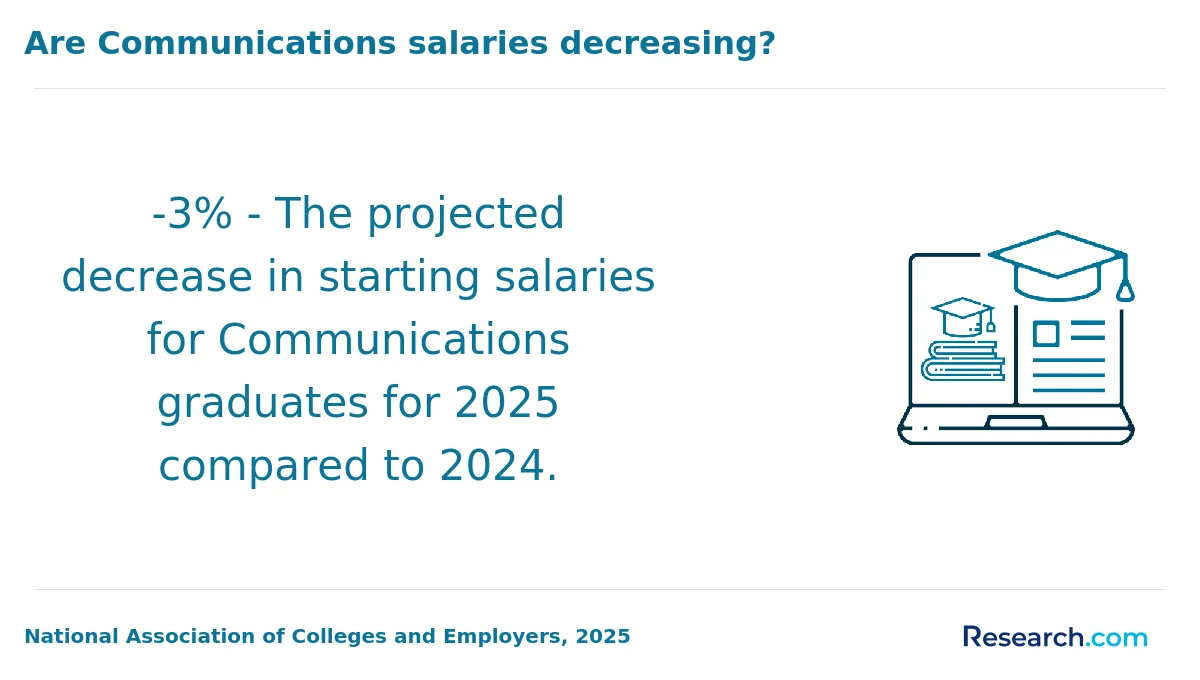
Graduates with an online communication degree in Pennsylvania can typically expect starting salaries between $40,000 and $45,000 annually. Many recent grads from institutions like Temple University or Penn State begin in roles such as social media coordinators or communications associates, where these figures are common. With experience, especially around three to five years, salaries often rise to the $60,000 to $75,000 range, reflecting growth in skills like digital media strategy or corporate communications.
In cities like Philadelphia and Pittsburgh, where many Pennsylvania graduates find work, communication managers earn closer to $80,000 yearly due to the higher cost of living and increased demand from businesses and nonprofits. For example, a graduate working at a healthcare communications firm in Philadelphia might see this salary as part of their career progression.
For online students, pursuing additional certifications or advanced degrees can unlock even better-paying roles. Pennsylvania's growing digital economy and government sectors offer steady job growth-around 7% over the next decade-making communication a practical and rewarding career choice in the state.
2027 Fastest Online Communication Degree Programs Ranking in Pennsylvania
How do we rank schools?
Investing in your education is a significant decision that can shape your future, and the Research.com team understands the importance of making informed choices. To assist prospective students in Pennsylvania, we have carefully developed the "2027 Fastest Online Communication Degree Programs Ranking in Pennsylvania." Our dedication to quality, credibility, and accuracy is reflected in the thorough research and analysis conducted to compile this ranking.
We utilized the following reputable data sources to ensure a comprehensive evaluation of online communication programs:
By exploring this ranking, readers will gain valuable insights into the fastest and most efficient online communication degree programs available in Pennsylvania, empowering them to make well-informed decisions about their education and career prospects. For more details on how this ranking was created, please visit our Research.com methodology page.
# 1 position
Penn State University Park
Master of Strategic Communications


# 3 position
Penn State University Park
Bachelor of Organizational and Professional Communication

Key Findings
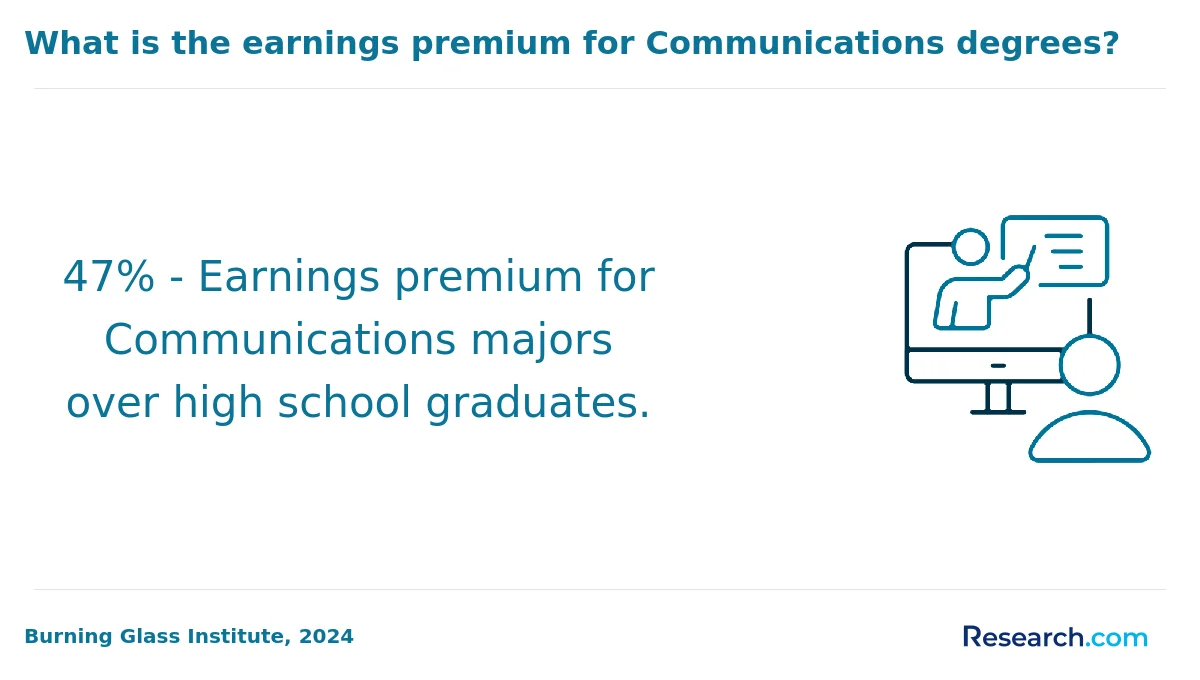
- Tuition for online communication degrees in Pennsylvania ranges from about $8,000 to $18,000 per year for in-state students, with private universities costing more.
- Graduates typically start with an average salary of $45,000 annually, increasing to between $60,000 and $75,000 mid-career in roles like public relations specialists and marketing coordinators.
- Community colleges and public state universities in Pennsylvania often offer more affordable tuition and in-state rates for online students.
- The job market for communication in Pennsylvania is stable with moderate growth, especially in cities like Philadelphia and Pittsburgh.
- Employers prefer candidates with strong digital communication skills, which are emphasized in online degree programs through internships and virtual practicums.
How long does it take to complete online communication degree in Pennsylvania?
Completing an online communication degree in Pennsylvania typically takes two to four years, depending on the degree level and your pace. Graduates from schools like Temple University or Penn State often finish their associate degrees in about two years by completing roughly 60 credits, while bachelor's programs usually require around 120 credits and take four years with full-time study.
Many students appreciate accelerated programs offered by universities such as Drexel University, where eight-week courses allow them to complete degrees faster by taking more credits each term or attending year-round. This approach works well if you want to finish quickly without sacrificing quality.
Part-time enrollment is popular among online learners balancing work or family. Graduates who chose this route from institutions like West Chester University shared that while it extended their studies to three to six years, the flexibility helped them manage responsibilities more comfortably.
Additionally, transferring prior credits or relevant certifications can significantly shorten the time required, as some universities recognize these to reduce coursework. This practical option helped many recent graduates accelerate their journey toward earning a communication degree in Pennsylvania.
What's the difference between online and on-campus communication degree?
Choosing between online and on-campus communication degrees in Pennsylvania hinges largely on your lifestyle and learning preferences. For example, graduates from Penn State's online program praise the flexibility to study after work, managing family responsibilities without the stress of commuting. This asynchronous setup lets you absorb lectures and submit assignments on your schedule, which suits busy professionals well.
On the other hand, graduates from Temple University's on-campus communication program recall the energy of face-to-face discussions and access to campus media labs. These in-person experiences often lead to spontaneous networking opportunities, internships, and peer collaborations that feel immediate and organic.
Cost-wise, programs at schools like West Chester University tend to charge similar tuition for both formats, but online students save on transportation and campus fees. Still, having reliable internet and a solid computer setup is essential for success online.
Ultimately, Pennsylvania students benefit equally from accredited curricula covering media writing, public relations, and digital strategies regardless of format. The choice is about whether you thrive in self-directed study or in a structured campus environment.
What is the average cost of online communication degree in Pennsylvania?
For students aiming to earn an online communication degree in Pennsylvania, the average cost typically centers around $38,640 for in-state residents attending public institutions. Graduates from schools like Pennsylvania State University World Campus often reflect positively on their decision, noting that the tuition rates were manageable and supported by state subsidies. This makes it easier to budget for tuition without sacrificing quality education. Out-of-state students, however, can expect higher fees, nearing $41,640 or more, which can double the financial commitment but still provide flexible learning options.
Many students pursuing online communication degree tuition fees Pennsylvania find it helpful to investigate financial aid and scholarships early. Several graduates share that leveraging institutional grants and federal programs substantially reduced their total cost. Choosing public universities can also keep expenses predictable, with many online courses charging between $350 and $600 per credit hour.
Private institutions may charge more, sometimes exceeding $700 per credit hour, pushing the total cost higher. A bachelor's degree normally requires around 120 credits, so these numbers add up quickly. Graduates highlight how some online programs incorporate digital textbooks and resources, which lowers additional expenses generally associated with course materials.
If you want to compare different paths to earn your degree faster or more affordably, consider reviewing fastest online degree communication options, which can help you enter the workforce sooner while minimizing tuition costs.
What financial aid is available to online communication degree students in Pennsylvania?
For students pursuing an online communication degree in Pennsylvania, starting with the Free Application for Federal Student Aid (FAFSA) is essential. Completing this form opens doors to Pell Grants and federal loans that many graduates from schools like Temple University and Penn State have relied on to cover tuition and living expenses.
State aid plays a vital role too. The Pennsylvania State Grant Program can provide up to $4,200 annually for eligible full-time students, which has helped many communication students at universities such as Drexel reduce their tuition burden significantly.
Institutional scholarships are another key resource. Universities with strong communication programs often award grants based on merit and need, allowing some students to focus more on coursework rather than finances. Graduates frequently mention that applying early for these scholarships made a real difference.
Supplement these with options like Federal Work-Study jobs or employer tuition reimbursement if working while studying, common among online learners. Exploring private scholarships targeted at communication fields or Pennsylvania residents can also boost your financial support and peace of mind.
What are the prerequisites for enrolling in online communication degree program in Pennsylvania?
To enroll in an online communication degree program in Pennsylvania, start by ensuring you have a high school diploma or GED, the essential foundation for admission. Graduates from programs like Penn State World Campus often point out that maintaining a minimum GPA around 2.5 to 3.0 significantly boosts acceptance chances. Although standardized tests like the SAT or ACT are increasingly optional, preparing a strong personal statement and gathering letters of recommendation can set you apart.
Expect to have completed some general education courses, especially in English composition and public speaking, before advancing. Many students found early coursework on these basics made tackling media studies and communication theory more manageable and enjoyable.
If transferring credits, make sure your transcripts clearly show good academic standing. Also, having basic computer skills and reliable internet is a must-graduates often recall how smooth online discussions and multimedia projects became once these tech essentials were in place.
What courses are typically in online communication degree programs in Pennsylvania?
Students pursuing an online communication degree in Pennsylvania typically dive into courses that build practical skills for today's media landscape. Graduates from well-known schools like Temple University and Penn State share how foundational classes such as Introduction to Communication Theory and Interpersonal Communication helped them grasp how people connect in both personal and professional settings. These courses provided them with confidence, especially when presenting ideas or managing group discussions.
Hands-on courses like Media Writing and Editing or Digital and Social Media Strategies are crucial. Students learn to craft compelling content for news outlets or social platforms, preparing for roles in marketing or journalism that demand clear, succinct messaging. Graduates often highlight how courses in Public Relations Principles gave them tools to design campaigns and effectively manage brand reputation in real-world projects.
Research Methods and Communication Ethics courses challenge students to think critically and maintain professional standards. Many programs, including those at Drexel University, also require a Capstone Project or Internship, letting students apply theory in internships, often with Philadelphia-based companies, which opens doors to steady career opportunities in Pennsylvania's competitive market.
What types of specializations are available in online communication degree programs in Pennsylvania?
Students pursuing an online communication degree in Pennsylvania can choose from several practical specializations tailored to today's job market. Many find Strategic Communication useful, focusing on crafting persuasive messages and managing campaigns, which graduates appreciate for its real-world applicability in business and government sectors commonly found in Pennsylvania. Another popular path is Digital Media and Technology, ideal for those excited by social media management and multimedia production, reflecting the state's growing digital media industry.
For those aiming to work in corporate settings, Public Relations and Corporate Communication offers essential skills to handle company image and stakeholder relations, a perfect fit for Pennsylvania's diverse economy. Additional options such as Health Communication and Interpersonal Communication allow students to specialize further, often helping them connect theory to real situations like community health initiatives or workplace dynamics.
Online programs at universities popular for the best communication majors Pennsylvania online frequently allow flexibility and practical experience, which graduates say helped them confidently enter competitive fields. Prospective students weighing costs and career paths might find the cheapest online degree communication options particularly appealing for balancing quality and affordability.
How do you choose the best online communication degree in Pennsylvania?
Begin by verifying the program's accreditation, such as recognition from the Middle States Commission on Higher Education, to ensure your degree holds value in Pennsylvania's job market. Graduates from well-ranked universities often share how accreditation boosted their confidence and employer trust.
Next, assess the curriculum focus. Programs at popular Pennsylvania colleges tailor courses to industries like healthcare communication or politics, giving students relevant, real-world skills. Many students appreciate how courses balance theory with practical projects, preparing them for diverse roles.
Consider affordability carefully. Pennsylvania residents can benefit from in-state tuition, significantly lowering costs compared to out-of-state students. Those who planned carefully found programs aligning with their budgets, especially by exploring cheapest online bachelors in journalism degree programs that share similar structures.
Finally, choose programs offering flexibility and support, essential for balancing work and study. Students often mention the value of accessible advisors and internship opportunities that boosted their confidence stepping into media or corporate communication roles after graduation. Prioritize these factors when researching the best online communication degrees Pennsylvania offers to find a path that fits your aspirations and lifestyle.
What career paths are available for online communication degree students in Pennsylvania?
Graduates with an online communication degree in Pennsylvania have access to a wide range of career paths tailored to the state's dynamic business landscape. Practical roles include public relations specialist, where many alumni from Penn State World Campus thrive by managing brand reputation in nonprofit and corporate sectors. Marketing coordinators and social media managers find rewarding opportunities crafting engaging campaigns for companies across Philadelphia's bustling market. For those interested in media production, graduates often secure positions as media producers or editors in Pennsylvania's top-10 U.S. media markets, combining creative skills with local industry needs.
Emerging positions such as corporate communication managers and digital communication specialists are increasingly valuable, especially with remote work becoming widespread. Some graduates from universities like Temple University appreciate how their programs balance theory with real-world applications, helping them step confidently into these roles. Students curious about specific career steps may benefit from reviewing requirements for journalism to better understand media-related careers. Overall, online communication degree jobs Pennsylvania offers strong prospects that match both ambition and practical expectations.
What is the job market for online communication degree in Pennsylvania?
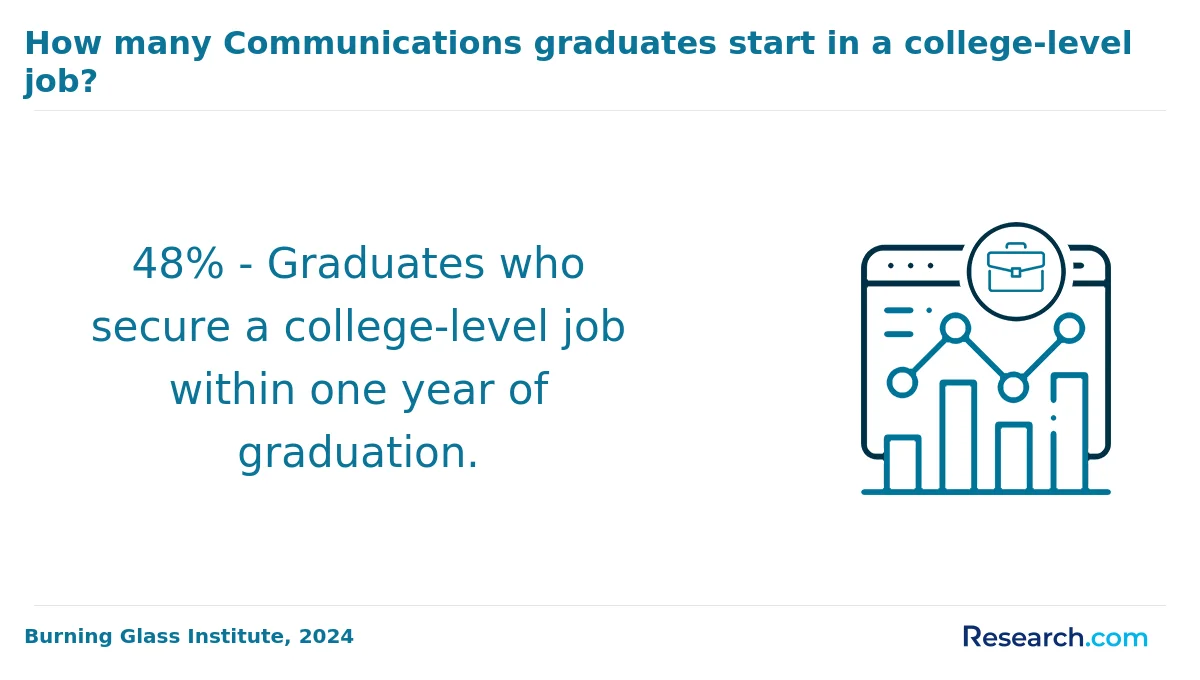
The job market for online communication degree jobs Pennsylvania graduates is promising, particularly around major hubs like Philadelphia and Pittsburgh. Graduates from popular local universities frequently find roles in public relations, social media management, and corporate communications with competitive entry-level salaries between $45,000 and $55,000. Many attribute their success to hands-on projects and internships secured through university connections with local businesses. For example, graduates often work directly with marketing agencies or media companies, gaining valuable real-world experience that helps them stand out.
Growing industries such as healthcare, education, and finance in Pennsylvania continue to demand strong communication skills, reinforcing steady employment opportunities. Employers prioritize practical skills like strategic messaging and digital media, which students develop through coursework and networking events. Salaries can rise significantly with experience, often surpassing $80,000 in managerial roles. For those wondering about compensation, the public relations salary trend nationally supports these promising numbers.
Frequently Asked Questions About communication
Students pursuing online communication degrees in Pennsylvania can enhance their learning by actively engaging with digital course materials and participating in virtual discussions. Research shows that interaction with professors and peers improves understanding and retention, which is crucial in communication studies. Utilizing Pennsylvania's vast network of local media outlets and internship opportunities, such as those listed on the Pennsylvania Communication Association website, helps apply theoretical knowledge in real-world settings.
Accessing university libraries and digital resources ensures comprehensive research capabilities. Additionally, staying informed about industry trends through organizations like the National Communication Association supports career readiness. Time management and setting clear goals further boost academic success in an online format.
The communication field is evolving rapidly, with new niches emerging particularly in digital and strategic areas. In Pennsylvania, students pursuing online communication degrees increasingly focus on social media strategy, digital content creation, and data-driven communication. These specialties respond to growing demand from businesses harnessing online platforms for marketing and public relations.
Another expanding niche is health communication, which has seen heightened attention due to public health needs and the pandemic's impact. According to the Bureau of Labor Statistics, jobs in media and communication-related fields in Pennsylvania are projected to grow by 7% through 2030, faster than average.
Additionally, crisis communication and corporate communications remain critical as organizations seek experts skilled in managing reputations in fast-changing environments.
Graduates with an online communication degree in Pennsylvania should focus on practical experience to enhance their job prospects. Internships and volunteer opportunities in local media, public relations, or digital marketing organizations provide valuable hands-on skills. According to the Pennsylvania Department of Labor & Industry, communication-related jobs are expected to grow by 8% through 2030, emphasizing the need for relevant experience.
Building a professional portfolio showcasing writing samples, social media campaigns, or multimedia projects helps demonstrate competencies to employers. Networking through Pennsylvania-based communication associations like PRSA Philadelphia can open doors to job leads and mentorship.
Additionally, pursuing certifications in digital marketing or social media management can provide a competitive edge in the evolving communication job market.
Employers in Pennsylvania highly value communication degree graduates who demonstrate strong interpersonal and digital communication skills. According to the Pennsylvania Department of Labor & Industry, over 70% of communication-related job postings emphasize the need for effective written and verbal communication abilities.
Critical thinking and problem-solving are also top skills, as they enable graduates to adapt messaging strategies in diverse professional environments. Additionally, proficiency in social media management and data analysis tools is increasingly sought after, reflecting the growing importance of digital literacy.
Project management and teamwork capabilities often distinguish candidates in competitive markets, especially in industries like public relations, marketing, and corporate communication. Overall, employers expect a combination of technical and soft skills rooted in practical experience.
Finding internships in Pennsylvania related to an online communication degree involves targeted research and networking. Many universities in Pennsylvania offer career services that connect students with local businesses and nonprofit organizations seeking communication interns. Leveraging platforms such as Handshake and InternMatch can also help locate opportunities statewide.
Internships often exist in industries like public relations, media, marketing, and corporate communications, especially in cities such as Philadelphia and Pittsburgh. According to the Pennsylvania Department of Labor & Industry, about 15% of communication graduates enter these fields annually, increasing internship availability.
Networking at virtual job fairs, joining professional associations like the Public Relations Society of America (Philadelphia chapter), and contacting Pennsylvania's Small Business Development Centers can enhance placement chances.
Holding an online communication degree in Pennsylvania can significantly enhance career mobility and advancement opportunities. According to the U.S. Bureau of Labor Statistics, communication-related jobs in Pennsylvania are projected to grow moderately, with roles in public relations, marketing, and media rising by about 7% through 2030. This growth supports increased demand for skilled communicators.
Graduates with this degree often qualify for positions that emphasize digital literacy and strategic messaging, skills highly valued in Pennsylvania's diverse industries such as healthcare, education, and corporate sectors. Employers increasingly prefer candidates with formal communication training, especially those adept in remote collaboration.
The flexibility of online programs attracts working professionals, allowing them to upgrade credentials without leaving employment, which historically correlates with higher chances of promotion and salary increases in the state's competitive job market.
Studying for a communication degree in Pennsylvania equips students with skills applicable across various fields, fostering interdisciplinary collaboration. Pennsylvania's universities emphasize practical training in media, public relations, digital communication, and interpersonal skills. These programs often integrate coursework from business, psychology, and technology, enabling graduates to adapt to diverse professional environments.
The state's strong job market for communication majors, supported by the Pennsylvania Department of Labor & Industry, reflects a 5% projected growth in related roles through 2030. This growth spans sectors such as healthcare, marketing, and education, highlighting the demand for versatile communicators.
Furthermore, online programs in Pennsylvania often include opportunities for internships and real-world projects with local industries, enhancing students' ability to work within multidisciplinary teams.
Choosing between a thesis and a non-thesis online communication degree in Pennsylvania largely depends on your career goals and learning preferences. A thesis option typically suits students aiming for research roles or doctoral studies, as it involves writing a substantial research project. In contrast, non-thesis programs focus more on practical skills and coursework, appealing to professionals seeking direct entry into the communication industry.
Data from the Pennsylvania Department of Education indicates that about 40% of communication graduates pursue advanced research careers, favoring thesis paths. Meanwhile, non-thesis graduates often enter public relations, marketing, or media, sectors growing steadily in Pennsylvania.
Consider factors like faculty expertise, program flexibility, and your intended job market when choosing the best fit for your future.
Students based in Pennsylvania seeking to study communication abroad through online degree programs have several pathways to consider. Many accredited Pennsylvania universities offer fully online communication degrees with options to participate in study abroad programs or international internships, providing a global perspective without disrupting degree progress.
Additionally, students may leverage exchange programs facilitated by Pennsylvania schools partnered with institutions worldwide. These programs often allow credits earned abroad to transfer seamlessly into a Pennsylvania degree.
While full foreign-based online communication degrees are rare, Pennsylvania's strong university network supports hybrid models that blend domestic online coursework with international experiential learning.
The National Center for Education Statistics reports that 17% of Pennsylvania undergraduate students engage in some form of study abroad or international learning, emphasizing growing interest and institutional support.
Part-time job opportunities in Pennsylvania that complement an online communication degree include roles in public relations, social media management, and content creation. Pennsylvania, home to a dynamic media market, offers positions within local news outlets, nonprofit organizations, and marketing agencies. According to the Pennsylvania Department of Labor & Industry, communication-related jobs are projected to grow by 8% through 2030, emphasizing the demand for practical experience alongside academic study.
Students can also explore internships with government offices or educational institutions, which help build skills in professional writing and digital communication. These roles enhance resumes and provide networking opportunities crucial in the competitive communication field.
Online communication students in Pennsylvania benefit from a range of networking opportunities that enhance their academic and professional growth. Many universities encourage participation in virtual student organizations such as the National Communication Association (NCA) student chapters, which foster connections with peers and industry experts. Additionally, Pennsylvania hosts numerous regional conferences and workshops accessible online, focusing on media and communication trends.
Students can also leverage local professional groups like the Philadelphia Chapter of the Public Relations Society of America (PRSA), which frequently offers virtual events. These platforms provide valuable chances to build industry contacts, explore internships, and stay updated on communication career paths within the state. According to the Pennsylvania Department of Labor, communication-related fields have grown by 5% in the last five years, increasing networking demand.
Alumni networks serve as valuable resources for online communication degree students in Pennsylvania by offering professional connections and career guidance. Graduates from Pennsylvania institutions often benefit from access to industry events, job postings, and mentorship programs that stem from these networks. According to the Pennsylvania Department of Education, active alumni engagement can increase students' employment prospects by connecting them with local media and communication firms.
Such networks foster collaboration and knowledge sharing, which helps current students stay informed about market trends. This is particularly important in Pennsylvania's diverse communication sector, which includes advertising, public relations, and digital media industries.
Alumni also frequently provide internships and job referrals, easing the transition from education to the workforce. These sustained connections enhance both professional growth and community involvement for online communication students.
Many online communication degree programs in Pennsylvania allow students to tailor their studies through elective courses or specializations. Common focus areas include public relations, digital media, corporate communication, and journalism. Pennsylvania schools often provide options to select internships or project-based courses that align with your career interests.
Students can also pursue minors or certificates in complementary fields such as marketing or multimedia production. This flexibility helps you build relevant skills suited to roles in media, advertising, or organizational communication.
According to the Pennsylvania Department of Education, nearly 70% of communication graduates find employment within six months, often crediting practical coursework and targeted study plans. Exploring school-specific advising services is recommended to optimize your curriculum.
Online communication students in Pennsylvania often face challenges related to staying engaged without in-person interaction. According to the National Center for Education Statistics, about 33% of Pennsylvania undergraduates enroll in at least one online course, yet many report feelings of isolation and lack of networking opportunities.
Technical difficulties also present a barrier. Reliable internet access can vary, especially in rural areas of the state, affecting students' ability to attend live sessions or submit assignments on time. This issue is highlighted by Pennsylvania's Broadband Development Authority reports showing slower internet speeds in some counties.
Lastly, balancing work, family, and coursework creates time management pressures for many online learners. These challenges require strong self-discipline and institutional support to ensure successful degree completion.
Graduates with an online communication degree in Pennsylvania can pursue several professional certifications to enhance their careers. Popular options include the Certified Communication Professional (CCP) credential, which validates skills in strategic communication and public relations. Another notable certification is the Accredited Business Communicator (ABC), offered by the Association for Business Communication, emphasizing organizational communication expertise.
In Pennsylvania, communication professionals holding such certifications often see improved job prospects and higher earning potential. According to the U.S. Bureau of Labor Statistics, the Philadelphia metropolitan area employs over 8,000 communication specialists, many benefiting from professional certifications.
These credentials support roles in media relations, corporate communications, and digital marketing, making them valuable additions to an online communication degree.
Writing a winning application for an online communication program in Pennsylvania requires clear focus and preparation. Start by thoroughly researching each program's requirements and tailoring your personal statement to highlight relevant skills, such as writing, digital media, and public speaking. Pennsylvania hosts top-ranked programs at institutions like Penn State World Campus, known for its comprehensive communication curriculum.
Emphasize your motivation for choosing online study and how it fits your career goals. Include measurable achievements like internships or projects, which strengthen your profile. According to the National Center for Education Statistics, communication degrees remain in high demand in Pennsylvania, with a 10% growth projected by 2030.
Submit all required materials-transcripts, letters of recommendation, and test scores-on time. Proofread your application carefully to avoid errors. Clear, concise, and honest communication in your application demonstrates your readiness for the field.
The field of communication holds significant importance worldwide, with skills highly valued across industries. In the United States, including Pennsylvania, communication careers are expanding rapidly. According to the U.S. Bureau of Labor Statistics, employment in media and communication occupations is expected to grow 8% from 2022 to 2032, faster than the average for all professions.
Globally, effective communication bridges cultures, making it essential in multinational corporations and international relations. Pennsylvania's diverse economy, including sectors like healthcare, education, and technology, relies heavily on professionals trained in communication.
Online communication degrees offer flexibility and comprehensive skill sets, preparing students for roles in public relations, digital media, corporate communication, and more. Research from the National Communication Association highlights that digital literacy and intercultural communication are core competencies shaping this career path.
Gaining practical experience while pursuing an online communication degree in Pennsylvania is essential for career readiness. Many universities in the state offer virtual internships, allowing students to work with local media, nonprofit organizations, or businesses remotely. These internships provide hands-on experience in writing, public relations, and digital media management.
Additionally, students can participate in online student media groups, which often produce digital newsletters or podcasts. Joining professional associations like the Pennsylvania Communication Association can also connect students with networking events and workshops.
According to the National Association of Colleges and Employers, 62% of communication employers prefer candidates with internship experience, highlighting the value of these opportunities.
Choosing the right concentration within an online communication degree in Pennsylvania depends on your career goals and interests. Common concentrations include public relations, digital media, organizational communication, and journalism. Each area offers distinct skills: for example, public relations focuses on managing reputation and media relations, while digital media emphasizes content creation for online platforms.
Consider Pennsylvania's job market; the Bureau of Labor Statistics projects a 6% growth for communication specialists nationally through 2032. Philadelphia and Pittsburgh have strong media and corporate sectors, which may influence your choice. Research programs' curricula and look for options that offer internships or networking relevant to Pennsylvania's industries.
Accreditation and faculty expertise also matter. Schools accredited by the Higher Learning Commission ensure quality education. Finally, assess the flexibility of the program to fit your schedule and learning style, especially if balancing work or family commitments.
Related Communication Rankings for Nearby States
- 2027 Fastest Online Communication Degree Programs Ranking in New York
- 2027 Fastest Online Communication Degree Programs Ranking in Ohio
- 2027 Fastest Online Communication Degree Programs Ranking in Virginia
- 2027 Fastest Online Communication Degree Programs Ranking in Kentucky
- 2027 Fastest Online Communication Degree Programs Ranking in North Carolina
- 2027 Fastest Online Communication Degree Programs Ranking in Georgia
- 2027 Fastest Online Communication Degree Programs Ranking in Illinois
- 2027 Fastest Online Communication Degree Programs Ranking in Florida
- 2027 Fastest Online Communication Degree Programs Ranking in Missouri
- 2027 Fastest Online Communication Degree Programs Ranking in Arkansas
Top Trending Communication Rankings
References
- Top Skills Employers Look for in Mass Communication Graduates https://urbeuniversity.edu/blog/top-skills-employers-look-for-in-mass-communication-graduates
- Best Online Colleges in Pennsylvania https://www.onlineu.com/best-online-colleges/pennsylvania
- Know more about thesis vs non- thesis: what is the difference? https://studyfans.com/en/blogs/816
- Communication Difficulties: The Silent Barrier - Connect https://stageslearning.com/connect/articles/communication-difficulties-the-silent-barrier/
- Global Perspectives: Media, Communication, Culture | STUDY in BRNO https://www.study-in-brno.cz/s/global-perspectives-media-communication-culture
- CONCENTRATIONS IN COMMUNICATION https://www.villanova.edu/university/liberal-arts-sciences/programs/communication/undergraduate-program/major/specializations.html
- Communications Degree | Communications Major https://www.collegeadvisor.com/resources/communications-degree/
- 5 Common Barriers To Communication In Schools | Skool Loop https://skoolloop.com/news-items/5-common-barriers-to-communication-in-schools/
- Online Graduate Certificate Programs in Communication: Strategic, Business https://www.mastersincommunications.com/faqs/graduate-certificate-programs-in-communication
- Study Media Abroad: 2026 Global Guide to Courses & Careers https://www.hotcoursesabroad.com/subject/media/