2027 Fastest Online Communication Degree Programs Ranking in Tennessee

Co-Founder and Chief Data Scientist
For students in Tennessee eager to advance their careers, choosing the right communication degree program is essential. Our article introduces the 2027 Fastest Online Communication Degree Programs Ranking in Tennessee, developed by the Research.com team of data scientists. This carefully crafted ranking helps you discover programs that combine quality and speed, making it easier to find the best fit for your goals.
Reading this article will empower you to make informed decisions and explore opportunities in a growing field. A communication degree opens doors to rewarding, dynamic careers that connect people and ideas.
Key benefits of getting online communication degree in Tennessee
- Communication graduates in Tennessee can expect entry-level roles like public relations specialists to earn around $63,000 annually, aligning with national figures and offering solid financial stability.
- Graduates from the University of Tennessee often pursue careers in marketing, media, corporate communication, or nonprofit sectors, showcasing the degree's diverse and vibrant opportunities.
- Completing a communication degree online offers flexibility, allowing students to balance work and study easily; for example, online graduates from Middle Tennessee State University appreciate learning at their own pace while gaining valuable skills.
- 2027 Fastest Online Communication Degree Programs Ranking in Tennessee
- What can I expect from online communication degree in Tennessee?
- Where can I work with online communication degree in Tennessee?
What can I expect from online communication degree in Tennessee?
Students pursuing an online communication degree in Tennessee generally encounter a program that balances affordability with quality, making higher education accessible and rewarding. The average total cost for a bachelor's degree in communication from popular Tennessee colleges often ranges between $25,000 and $40,000, depending on the institution and course load. Graduates frequently share how their investment was worth every penny, as flexible payment plans and financial aid options helped them manage expenses while juggling work and family commitments.
At well-regarded universities in Tennessee, graduates describe engaging coursework and real-world projects that richly prepare them for careers in media, public relations, and corporate communications. Their ability to apply practical skills, like digital media production and crisis communication, often stems from a well-structured program that combines affordability with excellence.
Many find that the cost reflects the value of gaining expertise recognized by Tennessee employers, making the financial commitment feel like a stepping stone toward exciting, fulfilling career opportunities.
Where can I work with online communication degree in Tennessee?
Graduates from popular Tennessee schools like the University of Memphis and Middle Tennessee State University find exciting career opportunities across a range of industries thanks to their online communication degrees. Many start as social media coordinators or public relations assistants, quickly gaining hands-on experience that boosts their confidence and skills. Imagine working in Nashville's vibrant media scene, shaping content for top music and entertainment outlets, or collaborating with healthcare teams at renowned Memphis medical centers to improve patient communication.
Others thrive in corporate environments, contributing to employee engagement or marketing campaigns for local manufacturing and tech companies. Graduates often describe the rewarding feeling of helping nonprofits connect with their communities or seeing their messages drive real impact in government offices. Tennessee's diverse economy means communication professionals are valued everywhere, making it possible to find fulfilling work close to home or in dynamic urban hubs like Knoxville.
With every step, graduates feel empowered knowing their digital media expertise is in demand, opening doors to leadership roles such as media manager or communications director. The blend of practical learning and Tennessee's growing industries creates a career landscape full of opportunity and inspiring potential.
Graduates with an online communication degree in Tennessee can anticipate a rewarding salary range that reflects their growing expertise and the vibrant job market in the state. For example, many graduates from well-known institutions like Middle Tennessee State University and the University of Tennessee have reported starting salaries between $40,000 and $45,000, fitting entry-level roles such as Social Media Coordinators or Public Relations Assistants.
As communication graduates gain experience and hone their skills, salaries typically rise to the $56,000 mark, especially for roles like Public Relations Specialists who play a vital role in shaping organizational strategies in cities such as Nashville and Chattanooga. Those who advance into specialized fields, including Technical Writing, often reach median earnings near $65,000, reflecting their valuable ability to translate complex ideas into clear content.
Graduates often express excitement about opportunities for growth toward managerial positions, where salaries can climb to between $75,000 and $95,000. This steady financial progress aligns well with Tennessee's lower cost of living, making communication careers particularly appealing and accessible for students investing in an online degree.
- Tennessee offers accredited online and hybrid communication programs covering media studies, public relations, interpersonal communication, and digital media.
- Tuition for public institutions typically ranges from $8,000 to $15,000 per year for in-state students, while private schools can charge over $20,000 annually.
- Entry-level communication jobs pay around $40,000 to $45,000 per year, with mid-career salaries between $55,000 and $70,000 in major cities like Nashville and Memphis.
- The state's job market for communication specialists is growing at or above the national average, supported by industries like healthcare, entertainment, and corporate business.
- Online programs often provide internships and networking opportunities through partnerships with local media and marketing firms, helping students gain practical experience.
- Tennessee's below-average cost of living benefits graduates entering the communication workforce by reducing personal expenses.
Completing an online communication degree in Tennessee is an exciting and achievable goal that fits many lifestyles and ambitions. Most students at popular schools like the University of Memphis or Middle Tennessee State University finish their bachelor's in about four years when studying full-time, following a clear path that builds valuable skills step by step.
Many graduates share how accelerated programs or transferring prior credits helped them finish in as little as two to three years, allowing them to step confidently into new careers sooner. Imagine balancing your current job and family while steadily progressing through courses designed for flexible online learning-this is a reality for many part-time students who might take up to five years but still celebrate every milestone along the way.
Associate degrees in communication often take just two years full-time, a perfect launchpad for fast entry into the communication field or transferring to a four-year program at institutions like Belmont University. Whatever your pace, Tennessee's online programs empower you to turn your passion for communication into meaningful success.
Choosing between online and on-campus communication degrees in Tennessee opens exciting paths tailored to your lifestyle and ambitions. Online programs from universities like the University of Memphis empower graduates to study flexibly, balancing jobs or family while engaging deeply in digital discussions, video lectures, and collaborative virtual projects. This format offers freedom without sacrificing the quality of core courses in media ethics or public speaking.
On the other hand, students attending on-campus programs at institutions such as Middle Tennessee State University relish face-to-face interactions, vibrant campus life, and hands-on access to media labs and speech centers. Many graduates cherish the personal connections forged during lively classroom debates and real-time seminars, which spark confidence and lasting networks.
Both experiences uphold strong academic standards through SACSCOC accreditation, ensuring your degree-whether online or on-site-carries equal weight. Graduates from Tennessee's communication programs often highlight how their choice reflects their unique journey, combining passion, convenience, and community to shape meaningful careers.
The average cost of an online communication degree in Tennessee is an important consideration for many students eager to advance their education while balancing finances. In Tennessee, the median total cost for such a degree is approximately $31,000, making it a reasonably attainable investment toward a bright future. In-state students can often benefit from even lower costs, with median totals near $20,460, which reflects the affordability offered by many public universities across the state.
Graduates from popular institutions like the University of Memphis or Middle Tennessee State University often share how the balance between cost and quality made their online education journey rewarding. These schools are known not only for their engaging online coursework but also for helping students feel connected and supported throughout their studies. Many alumni recall how they managed to grow personally and professionally while appreciating manageable tuition costs while studying communication remotely.
Considering the online communication degree tuition fees Tennessee offers, students are motivated by the realistic possibility of completing their degree without excessive debt. Online programs also offer flexibility that accommodates working professionals and parents. Some graduates emphasize how this flexibility relieved stress and made their educational goals more achievable.
For anyone exploring career options in communications, Tennessee universities provide an excellent environment with solid value. By focusing on tuition costs that match your in-state or out-of-state status and looking into financial aid resources, you can confidently pursue a communication degree that opens doors to exciting futures.
Discover more about your career options in communications to fuel your ambitions and make informed decisions about your educational investment.
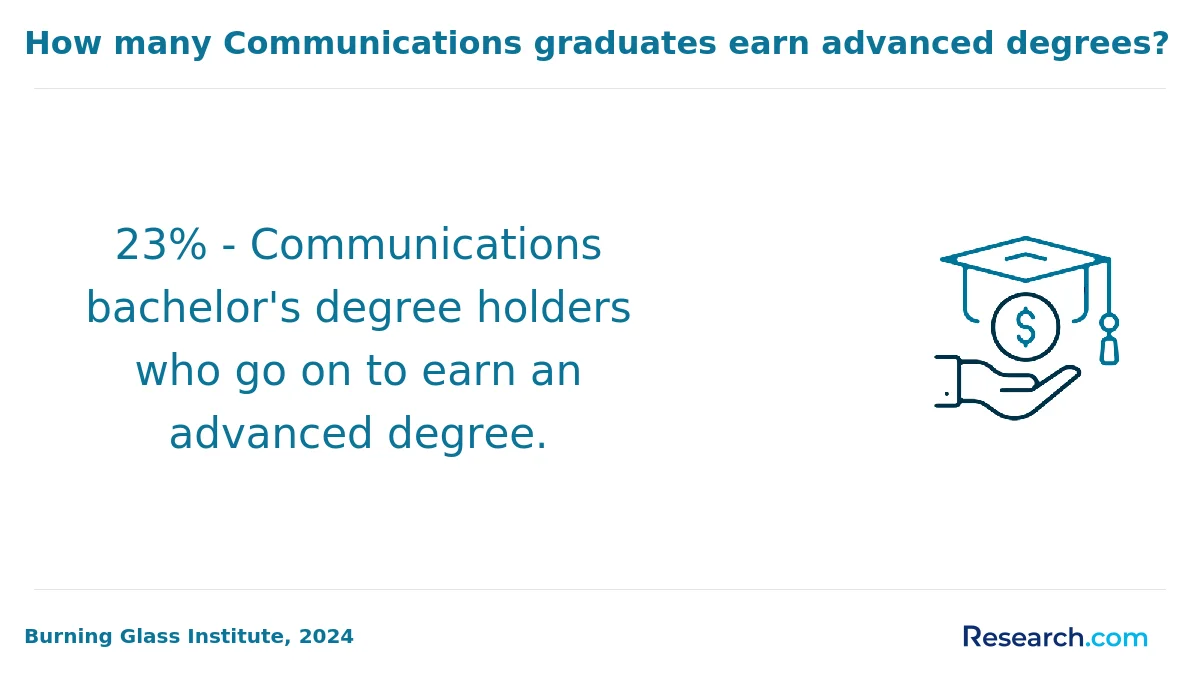
Students pursuing an online communication degree in Tennessee can find a wealth of financial aid options designed to lighten the load and open doors to success. Federal aid, like Pell Grants-offering up to $7,395-provides vital support based solely on need, empowering many to focus on their studies without overwhelming debt. Federal loans come with flexible repayment plans and lower interest, easing future financial stress for graduates.
State programs such as the Tennessee HOPE Scholarship reward dedication and excellence, covering full tuition for those maintaining a 3.0 GPA. This kind of encouragement sparks enthusiasm and pride among online learners at institutions like Middle Tennessee State University, where countless students have turned passion into profession without financial worry.
Local scholarships and employer tuition reimbursements add further encouragement, acknowledging leadership and commitment in the communication field. By applying early through FAFSA, Tennessee students maximize these opportunities, transforming dreams of a communication degree into achievable, empowering realities.
To enroll in an online communication degree in Tennessee, you'll need a high school diploma or GED, which serves as the foundation for your exciting academic journey. Many students who have thrived at universities like the University of Tennessee or Belmont University began by submitting their official transcripts, proudly showcasing their dedication to education.
Some programs might ask for a minimum GPA around 2.0 to 2.5, encouraging you to bring your best efforts forward. Standardized tests like the SAT or ACT are often optional-a relief echoed by many recent graduates who felt more confident focusing on their personal goals rather than test scores.
English proficiency is essential, ensuring you can communicate your unique voice effectively, just as online learners at Middle Tennessee State University have experienced in lively virtual discussions. Transfer students enjoy the advantage of submitting past college transcripts to accelerate their path, opening doors to exciting opportunities.
Finally, a reliable internet connection and a compatible device are your keys to accessing dynamic learning environments, preparing you to shine in Tennessee's vibrant communication field.
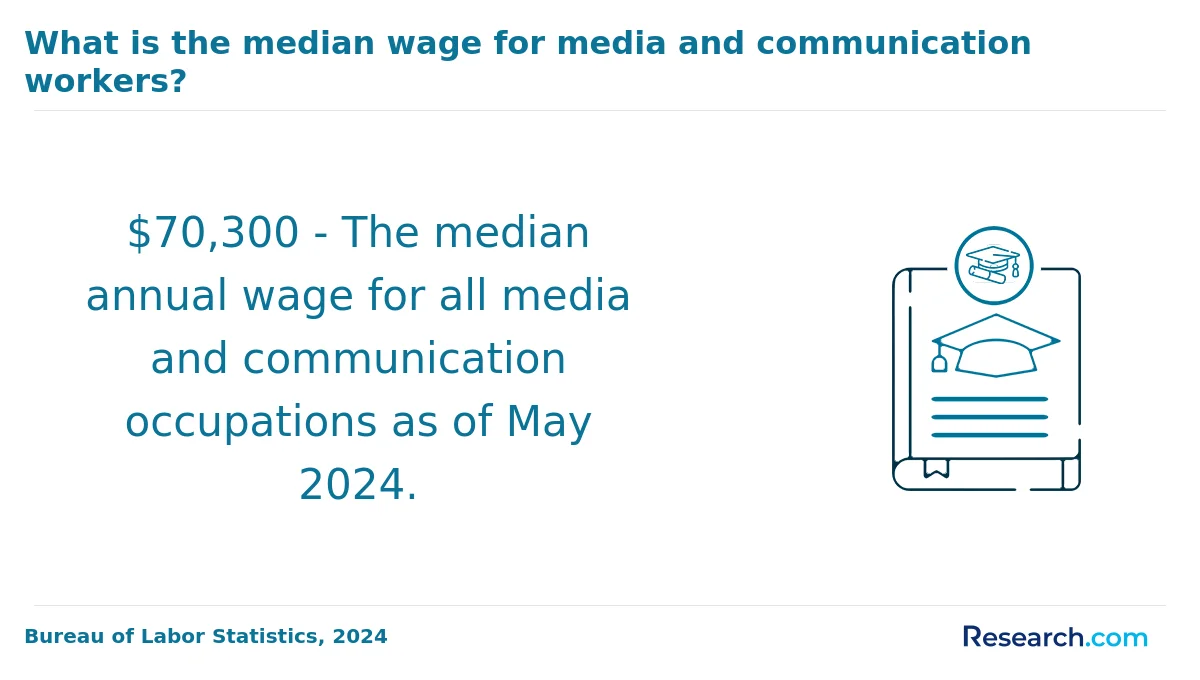
Online communication degree programs in Tennessee offer a dynamic mix of courses designed to empower students with vital skills for real-world success. At well-known institutions like the University of Memphis and Middle Tennessee State University, students dive into foundational classes such as Introduction to Communication Studies, where they explore essential communication theories that help decode everyday interactions.
Graduates often reflect on how courses like Public Speaking and Presentation boosted their confidence, allowing them to engage audiences with ease in professional and personal settings. Interpersonal Communication classes teach practical techniques for meaningful conversations, a skill many find invaluable in teamwork and leadership roles. Writing-focused courses, including Media Writing, prepare students to craft impactful messages across diverse platforms.
Students appreciate how programs in Tennessee blend theory with hands-on learning, often sharing how Communication Research Methods enabled them to analyze real communication challenges thoughtfully. Electives like Digital Media Strategies and Crisis Communication give students the flexibility to specialize and pursue careers in marketing, media, or human resources, making their education feel both relevant and inspiring.
Tennessee's online communication degree specializations offer exciting pathways tailored to your unique passions and career goals. Graduates praise programs that emphasize Corporate Communication, perfect for those eager to shape brand messages and excel in dynamic business settings like Nashville's thriving industries. Others are drawn to Digital Media and Communication, where creativity meets technology through social media strategy and digital storytelling-an ideal fit for students ready to dive into today's online marketing world.
Many find fulfillment in Mass Communication, merging Tennessee's rich media history with hands-on experiences in broadcasting hubs such as Memphis. This specialization opens doors to careers in journalism and media ethics, deeply connecting theory to real-world impact. Additionally, options like Health Communication equip students with the skills to support public health through strategic messaging.
By exploring focused areas like organizational or interpersonal communication, students develop leadership strengths essential for any career. Aspiring professionals in Tennessee seeking a communication media career will find these diverse specializations inspiring and empowering on their academic journey.
Choosing the best online communication degree in Tennessee means prioritizing programs known for combining strong academics with real-world opportunities. Graduates from popular universities often share how internships and practicum experiences prepared them to confidently enter fields like marketing or public relations. When exploring options, look for schools with recognized accreditation, ensuring your degree holds value for employers and financial aid alike.
Affordability is key for many students in Tennessee, where public universities typically offer more budget-friendly tuition compared to private colleges. Researching affordable online communication degrees Tennessee provides a great foundation to find programs that fit your financial plans without sacrificing quality.
The curriculum should spark your passion and develop practical skills-from digital storytelling to communication ethics. Many programs feature career counseling and strong advising, helping you navigate your unique path. Consider exploring a degree in public relations to strategically build connections and communication prowess that opens doors.
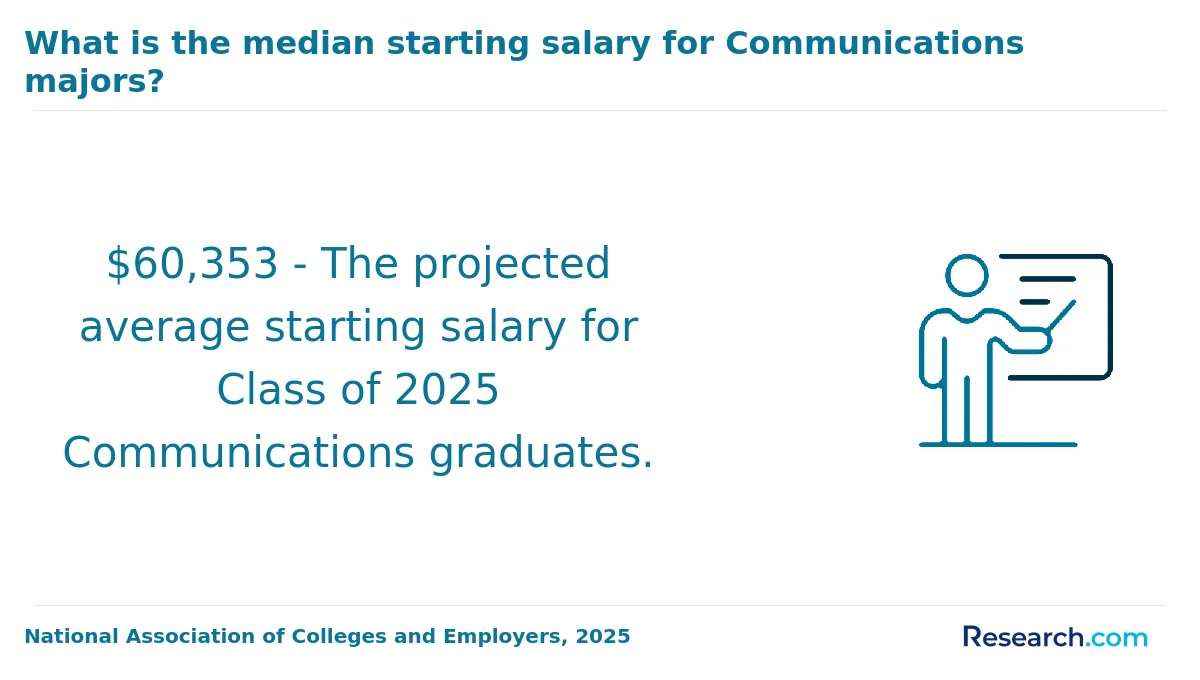
Graduates with an online communication degree in Tennessee step into a world bursting with diverse career paths that spark creativity and leadership. From public relations specialists shaping brand stories in Nashville's vibrant media scene to marketing coordinators steering dynamic campaigns in Memphis's bustling business districts, the opportunities are abundant. Many graduates from popular institutions like the University of Tennessee and Middle Tennessee State University share how their programs equipped them with hands-on skills that transformed their passion into meaningful work.
Communication managers and social media experts are in high demand across Tennessee's innovative startups and established corporations. These roles allow graduates to harness digital tools and storytelling techniques to influence audiences and drive engagement. The job outlook in Tennessee remains strong, making it a promising choice for students exploring the best jobs with online communication degree Tennessee offers. For those curious about further specialization, exploring master's in public relations careers can provide inspiring next steps in this exciting field.
The job market for graduates with an online communication degree in Tennessee is vibrant and full of opportunity. Graduates from popular institutions like the University of Tennessee and Middle Tennessee State University often find rewarding careers in cities such as Nashville and Memphis, where industries like music, healthcare, and tourism actively seek skilled communicators. These graduates share stories of landing roles in public relations, media planning, or corporate communications, gaining hands-on experience through internships that open doors to lasting careers.
With Tennessee's economy growing and a rising need for communication experts, especially in urban hubs, the career opportunities are promising. Entry-level positions often start around $35,000, and experienced professionals can earn upwards of $70,000 annually. Those pursuing an education online benefit from flexible programs and can explore paths like a master degree public relations to further enhance their prospects. For anyone interested in online communication degree jobs Tennessee offers a thriving scene where ambition and creativity truly pay off.
Students find that building strong portfolios and engaging with local industry networks in Tennessee's diverse sectors can accelerate their success. The balance between affordable education and practical career growth makes communication degree career opportunities Tennessee especially exciting and accessible.
2027 Fastest Online Communication Degree Programs Ranking in Tennessee
Investing in your education is a significant decision that can influence your future, and the Research.com team is keenly aware of the importance of making well-informed choices. To support prospective students in Tennessee, we have carefully developed the "2027 Fastest Online Communication Degree Programs Ranking in Tennessee." Our dedication to quality, credibility, and accuracy is demonstrated through thorough research and detailed analysis behind this ranking. We used the following reputable data sources to ensure a comprehensive assessment of communication degree programs:
By consulting this ranking, readers will receive valuable guidance in identifying the fastest online communication degree programs, aiding them in selecting the best fit for their educational goals. For more information on how this ranking was created, please visit our Research.com methodology page.


Frequently Asked Questions About communication
Students pursuing an online communication degree in Tennessee can enhance their learning by actively engaging with course materials and participating in virtual discussions. Tennessee is home to several reputable institutions offering accredited online communication programs, including Middle Tennessee State University, which was recognized for its comprehensive communication curriculum.
Utilizing campus resources such as academic advising and career services-even remotely-supports student success. According to the Tennessee Higher Education Commission, students who regularly connect with advisors improve their retention rates by up to 20%.
Networking with peers and professors via online platforms helps build communication skills crucial for the industry. Additionally, seeking internships or local media opportunities in Tennessee cities like Nashville or Memphis can provide practical experience that complements online coursework.
Emerging niches within the communication field in Tennessee reflect growing industry trends and technological advancements. Digital communication, including social media management and content strategy, has become a key area due to the rise of online platforms. According to the Tennessee Department of Labor, jobs involving digital content creation are expected to grow by 15% through 2030. Another niche is health communication, which focuses on sharing medical information effectively, especially important in Tennessee's expanding healthcare sector.
Corporate communication and crisis management also offer expanding career opportunities. Professionals skilled in navigating public relations during emergencies have become vital for many local businesses. Finally, data-driven communication, which relies on analytics to shape messaging strategies, is gaining popularity across Tennessee's marketing agencies.
After completing an online communication degree in Tennessee, preparing for the job market involves building both technical and soft skills. Graduates should develop a strong portfolio showcasing writing, digital media, and public speaking abilities, as these are highly sought by Tennessee employers.
Internships and volunteer work in local media, public relations, or marketing organizations can provide valuable hands-on experience. According to the Tennessee Department of Labor, communication-related fields are projected to grow by 7% through 2030, highlighting the importance of practical experience.
Networking through Tennessee-based professional groups like the Tennessee Speech Communication Association can connect graduates to job opportunities. Additionally, targeting industries such as healthcare, education, and technology-strong sectors in Tennessee-can increase employment chances.
Employers in Tennessee highly value communication degree graduates who demonstrate strong interpersonal and digital communication skills. According to the Tennessee Department of Labor and Workforce Development, effective public speaking and writing abilities rank among the top requested skills in the state's communication-related job postings.
Analytical thinking and proficiency with digital media tools also stand out. Tennessee employers increasingly seek candidates familiar with social media management, content creation, and audience analysis, reflecting the region's growing focus on online communication platforms.
Additionally, teamwork and adaptability are essential, as many roles require collaboration across departments within Tennessee's diverse industries, including healthcare and education sectors.
Finding internships in Tennessee relevant to a communication degree involves a strategic approach combining online and local resources. Start by exploring university career centers, many of which offer dedicated internships for communication students, especially at schools like the University of Tennessee and Middle Tennessee State University.
Next, leverage online platforms such as Handshake and LinkedIn, where many Tennessee employers post internship openings in marketing, public relations, and media.
Local media companies and public relations firms often collaborate with educational institutions to provide internships, enhancing practical learning.
Additionally, consider networking through professional organizations like the Tennessee Association of Broadcasters, which supports communication students with internship opportunities.
Obtaining an online communication degree in Tennessee can significantly improve career mobility and advancement opportunities. Employers in Tennessee value communication skills across industries such as marketing, public relations, media, and corporate management. According to the Tennessee Department of Labor and Workforce Development, communication-related occupations are projected to grow by 8% through 2030, outpacing the average job market growth. This growth creates new roles that require proficient communicators who have formal education in the field.
The flexibility of online degrees allows students to continue working while studying, which can lead to promotions or lateral moves. Graduates often find enhanced opportunities for leadership positions because of improved skills in writing, public speaking, and digital media management. Additionally, Tennessee's diverse economic landscape-including key cities like Nashville and Memphis-offers a variety of communication roles, making an online degree particularly beneficial for regional career growth.
Studying for an online communication degree in Tennessee equips students with skills that cross multiple fields. Communication programs emphasize critical thinking, media literacy, and cultural awareness, which are essential in disciplines like business, healthcare, and technology. According to the Tennessee Higher Education Commission, communication graduates often pursue careers in public relations, marketing, and human resources, highlighting the versatility of the degree.
The curriculum commonly integrates courses in digital media, interpersonal communication, and organizational behavior, fostering adaptability. These interdisciplinary courses prepare students to collaborate across departments and industries, an increasingly valuable trait in Tennessee's diverse economy.
Tennessee's emphasis on practical experience in communication programs, including internships and project-based learning, further enhances students' readiness for complex professional roles involving multiple disciplines.
Choosing between a thesis and a non-thesis online communication degree program in Tennessee depends largely on your career goals. A thesis option often suits students interested in research, academia, or advanced graduate study, as it requires original research and a formal paper.
In contrast, non-thesis programs typically focus more on practical skills and may include internships or applied projects, making them ideal for professionals seeking to enter or advance in fields like public relations, media, or corporate communication.
According to the Tennessee Higher Education Commission, many state universities offer both options with similar credit requirements, allowing flexibility based on your interests and time commitments.
Consider also how much time you can dedicate; thesis paths usually demand a longer timeline. Speaking with academic advisors can provide clarity tailored to your specific needs.
Students in Tennessee interested in studying communication abroad have several options through their current institutions' partnerships and online programs. Many Tennessee universities with communication degrees participate in exchange programs or offer study abroad opportunities in countries like the UK, Spain, and Australia. The University of Tennessee and Middle Tennessee State University are notable examples with established international connections.
Additionally, online communication degrees allow students to take advantage of virtual global classrooms and collaborations, broadening their international perspective without leaving Tennessee. According to the Institute of International Education, participation in study abroad programs among US communication students has steadily increased, reflecting global industry demands.
Students should consult their university's study abroad office to explore tailored communication-focused programs that align with their academic goals and schedules.
Students pursuing online communication degrees in Tennessee can greatly benefit from part-time jobs that enhance their academic learning. Common roles include social media coordinator, public relations assistant, and content writer, which allow students to develop practical skills in digital communication, media relations, and writing.
According to the Tennessee Department of Labor & Workforce Development, communication-related roles in marketing and media are growing steadily in urban areas like Nashville and Memphis. These part-time positions often provide networking opportunities in industries such as entertainment, healthcare, and government agencies, where communication skills are in high demand.
Additionally, roles in customer service or event coordination provide hands-on experience coordinating messaging and managing audience engagement, complementing classroom theory with real-world application.
Online communication students in Tennessee have access to various networking opportunities that enhance their academic and professional growth. Many Tennessee universities offering online programs encourage participation in virtual student organizations, such as communication clubs and honor societies. These platforms connect students with peers and faculty across the state.
Tennessee also hosts annual statewide communication conferences and workshops, often accessible online, where students can engage with industry leaders and alumni. According to the Tennessee Board of Regents, over 60% of communication graduates find internships through university-affiliated networks, boosting job prospects.
Regional professional associations, like the Tennessee Communication Association, provide events, webinars, and mentoring tailored to communication students, facilitating valuable connections within the local industry.
Alumni networks play a crucial role for online communication degree students in Tennessee by offering access to valuable career resources and professional connections. Many universities in Tennessee boast active alumni groups that facilitate mentorship and job placement in the state's growing communication sector. For example, Tennessee's communication industry has seen a steady growth rate of 3.5% annually, increasing demand for skilled graduates.
Through these networks, students gain insight into industry trends, internships, and local job opportunities. Alumni often share real-world experiences and provide guidance on navigating Tennessee's unique media and public relations markets. According to the Tennessee Higher Education Commission, strong alumni engagement correlates with higher employment rates post-graduation.
Additionally, participation in alumni events and online forums helps students build a professional identity and leverage regional connections, which are essential in the competitive communication field. This supportive community can significantly enhance career readiness and professional growth for Tennessee's online communication students.
Customizing an online communication degree program in Tennessee allows students to align their studies with specific career goals. Many Tennessee institutions offer elective courses in areas such as public relations, digital media, and corporate communication, enabling targeted skill development. Students can choose internships or capstone projects focused on local industries to gain practical experience relevant to Tennessee's job market.
Tennessee's growing media and business sectors create demand for specialized communication skills. According to the Tennessee Department of Labor, communication-related jobs are projected to grow 8% by 2028. Leveraging coursework to build skills in social media management or crisis communication can improve employability in these fields.
Additionally, students benefit from academic advising and career services offered online to create personalized degree plans that reflect both interests and market needs within Tennessee.
Online communication students in Tennessee face several common challenges worth noting. One major issue is balancing coursework with personal and professional responsibilities, as many learners are working adults. According to the Tennessee Higher Education Commission, about 40% of online students juggle full-time jobs alongside their studies.
Technical difficulties also pose obstacles; reliable internet access remains inconsistent in rural areas of Tennessee, impacting students' ability to participate fully in synchronous classes.
Additionally, some students report limited networking opportunities and a sense of isolation compared to traditional classrooms, which can affect motivation and engagement.
Lastly, navigating the specific requirements of communication programs online, including practical assignments, can prove challenging without direct faculty support.
Graduates with an online communication degree in Tennessee can enhance their qualifications through several professional certifications. Popular options include the Certified Communication Professional (CCP) credential, which validates skills in corporate and interpersonal communication. Another valuable certification is the Accredited Business Communicator (ABC), recognized nationally for communication expertise in business environments.
Additional certifications like the Digital Marketing Certification can complement communication degrees by focusing on online media strategies, increasingly important in Tennessee's growing digital economy. Institutions such as the Tennessee Board of Regents and regional universities often recommend these credentials for career advancement in fields like public relations, marketing, and media.
Applying for an online communication degree in Tennessee requires careful preparation to stand out. Start with a clear, well-written personal statement that highlights your passion for communication and how the program aligns with your career goals. Admissions committees value applicants who demonstrate strong writing skills and a sincere interest in media, public relations, or digital communication.
Include relevant experience, such as internships or volunteer work, especially those related to Tennessee's growing media and communication sectors. The Tennessee Department of Labor projects a 7% job growth in communication-related fields by 2030, underlining the importance of practical experience.
Lastly, meet all application deadlines and provide all requested documents to avoid delays.
Global perspectives on communication careers emphasize the growing importance of digital media, cross-cultural communication, and strategic messaging. In the United States, including Tennessee, communication professionals must adapt to diverse audiences and rapidly evolving technologies. According to the U.S. Bureau of Labor Statistics, employment in communication-related roles is projected to grow by 11% from 2021 to 2031, faster than average for all occupations.
The increasing interconnectedness of global markets requires skills in intercultural communication and multimedia platforms. Tennessee's online communication degree programs prepare students by combining theory with practical skills relevant worldwide. Institutions like the University of Memphis highlight global competence as a program outcome.
Gaining practical experience while studying for an online communication degree in Tennessee is essential for career readiness. Many Tennessee universities collaborate with local media outlets, nonprofits, and corporations to offer virtual internships. These opportunities provide real-world projects that sharpen skills in digital media, public relations, and corporate communication.
Students can also participate in online workshops, networking events, and communication-focused student organizations hosted virtually. According to the Tennessee Higher Education Commission, over 70% of communication students engage in internships during their studies, helping them build portfolios and industry connections.
Additionally, freelance projects and virtual volunteering expand practical exposure while maintaining flexible schedules.
Choosing the right concentration within an online communication degree program in Tennessee depends on your career goals and interests. Common concentrations include public relations, digital media, organizational communication, and journalism. Each focuses on different skills: public relations emphasizes strategic messaging, while digital media covers content creation for online platforms.
Research Tennessee's job market to find high-demand roles; for example, Tennessee's communication sector is growing, with a 5% employment increase forecasted by the U.S. Bureau of Labor Statistics through 2031. Consider programs accredited by recognized bodies like the Accrediting Council on Education in Journalism and Mass Communications (ACEJMC) for quality education.
Additionally, assess whether the program offers practical experiences like internships or live projects, key for skills development. Online student support and flexibility to balance work or family life should also guide your choice.
- 2027 Fastest Online Communication Degree Programs Ranking in Kentucky
- 2027 Fastest Online Communication Degree Programs Ranking in Georgia
- 2027 Fastest Online Communication Degree Programs Ranking in North Carolina
- 2027 Fastest Online Communication Degree Programs Ranking in Missouri
- 2027 Fastest Online Communication Degree Programs Ranking in Arkansas
- 2027 Fastest Online Communication Degree Programs Ranking in Virginia
- 2027 Fastest Online Communication Degree Programs Ranking in Indiana
- 2027 Fastest Online Communication Degree Programs Ranking in Illinois
- 2027 Fastest Online Communication Degree Programs Ranking in Ohio
- 2027 Fastest Online Communication Degree Programs Ranking in Florida
- Associate Degree in Communication Studies - NSCC https://www.nscc.edu/academics/programs/communication-studies.php
- Mass Communication | TN Transfer Pathway https://www.tntransferpathway.org/majors/mass-communication
- 2026 Most Affordable Online Communications Degrees https://www.onlineu.com/most-affordable-colleges/communications-degrees
- Communication - Southwest Tennessee Community College https://southwest.tn.edu/communication/index.php
- 2026 Master's in Communication Programs in Tennessee https://www.mastersincommunications.com/states/tennessee
- University of Tennessee, Knoxville, Launches First Fully ... https://www.prnewswire.com/news-releases/university-of-tennessee-knoxville-launches-first-fully-online-bachelor-of-science-in-communication-and-information-302491077.html
- How Long is an Online Master's in Communication Program? https://www.onlineeducation.com/communication/faqs/how-long-to-earn-a-communications-masters-degree-online
- Bachelor's degree in communication studies https://www.trevecca.edu/academics/program/communication-studies-ba
- Communication Studies https://www.leeuniversity.edu/academics/arts-sciences/communication-arts/communication/
- Best Bachelor's in Communication Degrees in Tennessee ... https://www.mastersincommunications.org/bachelors/tennessee/