2027 Easiest Online Communication Degree Programs Ranking in California

Co-Founder and Chief Data Scientist
Choosing the right communication degree program can shape your future career and open new opportunities. If you're a California student exploring online options, this article is here to guide you.
You'll find the 2027 Easiest Online Communication Degree Programs Ranking in California, created by data scientists at Research.com, designed to help you make an informed decision.
Discover programs that fit your lifestyle and goals while gaining skills to succeed in a connected world. Earning a communication degree is a rewarding step toward personal and professional growth.
Key benefits of getting online communication degree in California
- Communication degree graduates in California can look forward to roles such as public relations specialists earning a median annual wage of around $62,810, offering a solid income foundation.
- Graduates from California State University, Long Beach, often pursue careers in media, marketing, and corporate communication, showcasing the diverse opportunities the field offers.
- Online communication degrees, like those from the University of Southern California's online program, provide flexibility and the chance to balance work and study, making education more accessible and manageable.
- Key benefits of getting online communication degree in California
- What can I expect from online communication degree in California?
- Where can I work with online communication degree in California?
- How much can I make with online communication degree in California?
- 2027 Easiest Online Communication Degree Programs Ranking in California
- Key Findings
- How long does it take to complete online communication degree in California?
- What's the difference between online and on-campus communication degree?
- What is the average cost of online communication degree in California?
- What financial aid is available to online communication degree students in California?
- What are the prerequisites for enrolling in online communication degree program in California?
- What courses are typically in online communication degree programs in California?
- What types of specializations are available in online communication degree programs in California?
- How do you choose the best online communication degree in California?
- What career paths are available for online communication degree students in California?
- What is the job market for online communication degree in California?
- Related Communication Rankings for Nearby States
- Top Trending Communication Rankings
What can I expect from online communication degree in California?
Students pursuing an online communication degree in California typically encounter tuition costs averaging between $8,000 and $20,000 annually, depending on whether they attend public institutions like California State University or private universities known for their comprehensive online offerings. Graduates often describe this investment as worthwhile, emphasizing the blend of flexible learning schedules and access to industry-relevant courses such as digital content creation and social media strategy.
Many online communication students at California public universities report satisfaction with programs accredited by the WASC Senior College and University Commission (WSCUC), which ensures rigorous academic standards. For example, graduates have shared that interacting with virtual teams and digital media tools simulates real-world work environments, boosting their confidence before entering California's competitive media and public relations job market.
These students note that despite the financial commitment, access to internships with local tech firms and marketing agencies often enhances career prospects, justifying the cost. The faster-than-average 10% job growth rate in California further motivates students, highlighting strong return potential relative to tuition expenses in this state-specific academic context.
Where can I work with online communication degree in California?
Graduates with an online communication degree in California find abundant opportunities across sectors like media, marketing, public relations, corporate communication, and nonprofit organizations. For instance, those who study at well-known schools such as the University of Southern California or California State University often transition into roles as public relations specialists, a field employing over 27,000 professionals statewide with an average salary near $83,000 annually.
Graduates typically engage in managing public images, crafting press releases, or leading social media strategies in industries centered around entertainment and technology hubs. Marketing roles are also common, with steady job growth projected and median salaries ranging from $70,000 to $135,000, reflecting positions from specialists to managers in high-demand regions like Silicon Valley and Los Angeles.
Many alumni secure corporate communication roles, facilitating internal messaging and engagement in firms across San Francisco and beyond. Others channel their skills into nonprofits or government outreach, earning between $50,000 and $75,000, finding meaningful work that strongly connects with community interests.
Finally, the rise of digital media careers-including social media management and digital storytelling-is particularly vibrant in California's creative markets, giving communication graduates exciting, dynamic career paths to explore.
How much can I make with online communication degree in California?
Graduates with online communication degrees in California often find rewarding salary prospects that reflect the state's dynamic media and business environments. While exact salary data from the Bureau of Labor Statistics is unavailable for some roles, several common communication careers provide insightful earnings benchmarks.
For example, public relations specialists typically earn a median annual salary near $75,000 in California, noticeably higher than the national average. Entry-level graduates, such as those emerging from respected programs at the University of Southern California or San Diego State University, may start around $50,000, gaining valuable experience that leads to salaries exceeding $100,000 in major cities like Los Angeles and San Francisco.
Media and communication specialists, often found in marketing or corporate roles, can expect median earnings close to $70,000. These positions benefit from the state's thriving tech sector and emphasis on digital communication, giving graduates a competitive edge when they master social media strategies and digital tools.
Overall, communication graduates from California's established schools feel optimistic as their skills align with growing sectors like online media and bilingual communication, enhancing their earning potential and career satisfaction.
2027 Easiest Online Communication Degree Programs Ranking in California
How do we rank schools?
Investing in your education is a significant decision that can shape your future, and the Research.com team understands the importance of making informed choices. To assist prospective students in California, we have meticulously crafted the "2027 Easiest Online Communication Degree Programs Ranking in California." Our commitment to quality, credibility, and accuracy is reflected in the extensive research and analysis conducted to compile this ranking.
We utilized the following reputable data sources to ensure a comprehensive evaluation of communication programs:
By exploring this ranking, readers will gain valuable insights into the easiest and most accessible online communication degree programs in California, assisting them in making well-informed decisions about their educational journeys. For more details on our methodology, please visit our Research.com methodology page.


# 3 position
University of Massachusetts Global
Bachelor of Communications and Media

Key Findings
- Many public and private institutions in California offer fully online bachelor's and master's degrees in communication or related fields.
- Tuition for online bachelor's degrees ranges from $15,000 to $40,000, with public universities often charging under $10,000 per year for state residents.
- Entry-level salaries for communication graduates typically start around $45,000 annually, with mid-career professionals earning between $70,000 and $85,000 per year.
- California's strong job market includes industries like entertainment, technology, healthcare, and international trade that value communication skills.
- Regionally accredited schools offer better recognition, and many programs include virtual practicum or internship opportunities for real-world experience.
How long does it take to complete online communication degree in California?
Completing an online communication degree in California typically takes between two and four years, depending on the degree level and course load. Associate degrees generally require about two years of full-time study, while bachelor's degrees span roughly four years. Graduates from universities like California State University and community colleges often share how taking accelerated 5- to 8-week courses helped them progress faster, sometimes finishing sooner than the traditional timeline.
For master's programs, the duration usually ranges from 18 months to three years, factoring in whether students study full-time or part-time. Many California institutions provide flexible pacing options, enabling working professionals to balance school and career effectively, which graduates often describe as a significant advantage.
Transfer credits from previous studies can also reduce completion time, a benefit frequently utilized by students advancing from community colleges to four-year universities. This flexibility makes pursuing an online communication degree in California both manageable and rewarding for diverse learners.
What's the difference between online and on-campus communication degree?
Online and on-campus communication degrees in California mainly differ in delivery and student experience. On-campus students at universities like UCLA or San Diego State attend in-person classes, enabling direct interaction with professors and peers, often boosting confidence through face-to-face networking and campus events.
In contrast, graduates from online programs-common at schools such as California State University, Fullerton-value the flexibility to juggle work, family, and studies. They engage through virtual collaboration tools, recorded lectures, and asynchronous discussions, which require strong time management skills. Many highlight the convenience of completing coursework remotely without commuting, reducing overall costs even if tuition mirrors on-campus pricing.
Both options cover core topics like media ethics and public speaking, with online courses placing extra focus on technology skills. Students appreciate the accessibility of digital libraries and local internship support, although they may miss the spontaneous connections found on campus. Enrollment growth of over 20% in California online courses shows rising demand among learners seeking balance and quality communication education.
What is the average cost of online communication degree in California?
The average cost of an online communication degree in California typically centers around $63,840, representing median total expenses for students pursuing these programs. This figure offers a useful benchmark for prospective students weighing options across the state.
California public universities provide relatively affordable online communication degree programs, especially for in-state residents. Graduates from programs within the California State University system often describe the balance of quality education at approximately $5,700 per year in tuition as a positive factor. These programs are well-regarded for combining accessibility with strong curriculum, making them a smart choice for those seeking affordable online communication degree programs in California.
In contrast, private universities such as the University of Southern California or Pepperdine University are known for their rigorous, research-driven communication programs. Although tuition can surpass $55,000 per year, many graduates recall their experience fondly, citing valuable networking opportunities and state-of-the-art resources that contributed to their career growth. These contrasting experiences reflect the broad spectrum of costs and benefits tied to studying communication in California.
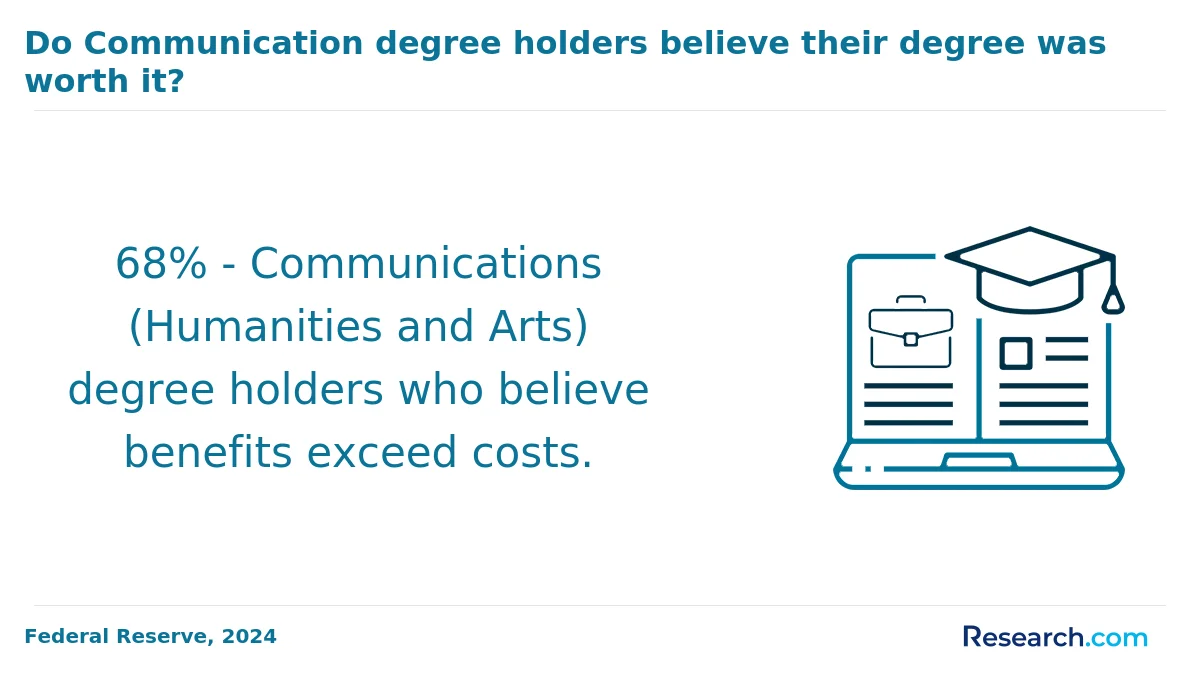
Financial aid plays a critical role in offsetting tuition costs. According to available data, about 85% of full-time undergraduates in California receive scholarships, grants, or loans, which often makes these degrees attainable despite sticker prices. For those aiming to explore the many careers with a communications degree, understanding these financial considerations is essential when choosing the right online program.
What financial aid is available to online communication degree students in California?
Students pursuing an online communication degree in California can access a variety of financial aid options to ease the cost burden. Federal aid, including Pell Grants with a maximum award of $7,395 for the 2023-2024 academic year, is a key resource that does not require repayment and is based on demonstrated financial need. Many graduates from institutions like CSU East Bay successfully leveraged these grants by submitting the FAFSA early.
At the state level, the California Cal Grant program provides additional support, with awards exceeding $1,600 annually for tuition and related expenses. This aid benefits students attending public universities such as CSU Northridge, where communication majors reported reduced tuition stresses due to Cal Grants combined with institutional scholarships.
Furthermore, many community colleges and CSU campuses offer scholarships tailored to communication students, further minimizing out-of-pocket costs. Private scholarships from organizations like the National Communication Association also contribute, often awarded based on merit or financial circumstances.
These layered financial aid opportunities make pursuing a communication degree online in California more accessible, consistently enabling students to focus on their studies rather than financial strain.
What are the prerequisites for enrolling in online communication degree program in California?
Enrolling in an online communication degree in California generally requires a high school diploma or GED for undergraduate programs. Graduates from popular institutions such as the University of Southern California or California State University report that meeting these basic educational prerequisites felt straightforward and encouraging, setting a positive tone for their academic journey.
For transfer students or those pursuing graduate studies at colleges like San Diego State University, additional requirements often include prior college credits, a minimum GPA, and submission of transcripts. Some graduate programs also ask for letters of recommendation and a statement of purpose focused on communication skills, reflecting a holistic review process.
Basic computer literacy and dependable internet access are essential, as many students appreciated how being comfortable with platforms like Canvas made remote learning smoother and less stressful. Students frequently cite their ability to navigate video conferencing and multimedia tools as key to staying engaged and successful.
These prerequisites ensure readiness to handle coursework dealing with media literacy, public speaking, and digital communication-skills graduates found both challenging and rewarding in real-world applications.
What courses are typically in online communication degree programs in California?
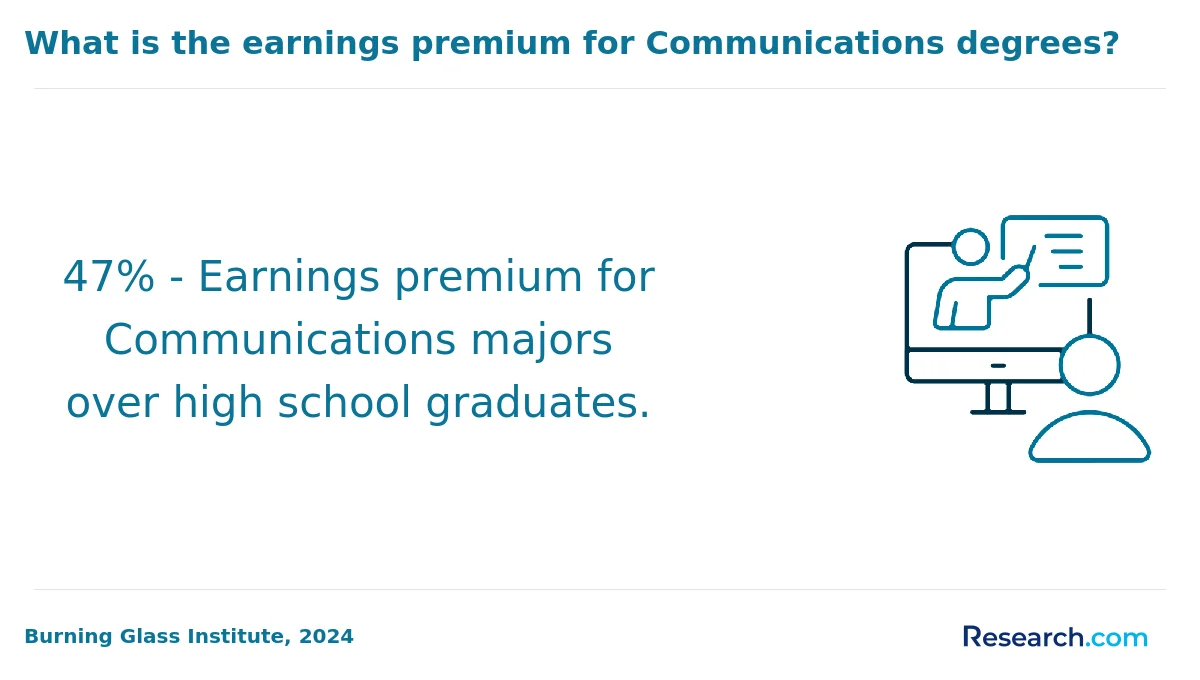
Online communication degree programs in California commonly include foundational courses such as Introduction to Communication Studies, where students grasp communication theory and research methods applicable in diverse settings. Many graduates from institutions like San Diego State University report that this course helped them understand the societal impact of communication.
Courses in Public Speaking and Presentation Skills and Interpersonal Communication develop practical abilities for real-world scenarios, such as delivering persuasive messages in corporate meetings or navigating workplace relationships. Students from UCLA note increased confidence when engaging audiences after completing these classes.
Technical writing skills are honed through Media Writing and Editing, which prepares students for careers in journalism or digital content creation. California State University graduates emphasize the value of learning to communicate clearly across multiple platforms.
In California's diverse media landscape, Digital and Social Media Communication offers insight into current tools and trends, essential for managing effective online campaigns. Meanwhile, Public Relations Principles teach strategies for protecting and promoting organizational reputations, a skill highly praised by recent graduates from the University of Southern California.
Courses like Communication Ethics and Law and Organizational Communication anchor students in critical thinking about legal frameworks and internal communication dynamics, vital in ethically managing media relations in markets like Los Angeles and San Francisco.
What types of specializations are available in online communication degree programs in California?
Online communication degree specializations in California span a variety of focused fields that cater to the state's dynamic markets. Graduates from institutions such as the University of Southern California and California State University report mastering tracks like Public Relations (PR), which equips them to manage media relations and brand strategy within California's vibrant entertainment and technology sectors. Another widely chosen specialization is Digital and Social Media Communication, supported by data showing over 80% of California businesses utilize social media marketing, making these skills highly marketable.
Students also pursue Intercultural Communication, vital for navigating California's diverse population and global trade environment. Programs in well-known colleges prepare learners for roles in international business and community outreach. For those motivated by public service, Health Communication offers training aligned with state public health initiatives.
California accredited communication degree programs online often include Corporate Communication and Media Production and Communication Technology specializations, ideal for roles in internal communications and multimedia industries. Reports from graduates highlight the practicality of these tracks, aiding career entry. More on career paths in communication are available through communication media jobs.
How do you choose the best online communication degree in California?
Choosing the best online communication degree in California involves evaluating program quality, cost, and applicable career outcomes. Graduates from popular universities often emphasize the importance of programs that align with California's media-rich environment, such as those offering specializations in digital media or corporate communication. Considering top accredited communication programs California online ensures exposure to rigorous curricula accredited by agencies like WASC, which improves recognition by employers.
Cost considerations are essential since public institutions typically charge between $7,000 and $15,000 annually for in-state students, while private institutions may exceed $30,000. Students frequently report benefiting from flexible schedules with asynchronous classes, allowing them to balance work and study effectively.
Analyzing real student experiences highlights the value of programs with strong connections to California's industry, boosting internship and job placement prospects. For a comprehensive comparison of options, prospective students can explore detailed analyses of masters in communication online that cater to the best affordable online communication degrees California.
What career paths are available for online communication degree students in California?
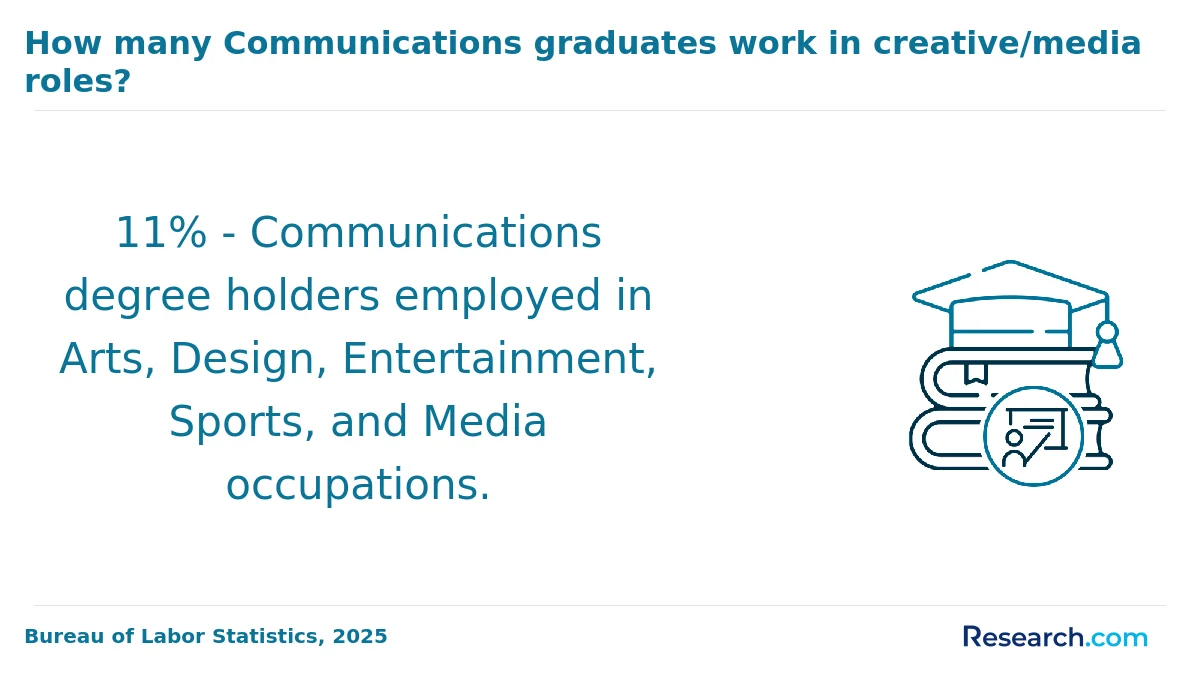
Graduates holding an online communication degree in California can pursue diverse career paths across industries such as entertainment, technology, and digital marketing. Common roles include Public Relations Specialist, Marketing Coordinator, Social Media Manager, Corporate Communications Manager, Media Planner, and Broadcast Producer or Reporter. For instance, graduates from popular universities often report rewarding experiences managing social media campaigns for startups in Los Angeles or coordinating internal communications at tech firms in Silicon Valley, highlighting the versatility of California communication degree job opportunities.
Students benefit from the state's robust job market, with media and communication roles projected to grow by 7% over the next decade according to 2023 U.S. Bureau of Labor Statistics data. Many California graduates value internships in major cities like San Francisco, which foster valuable connections and practical skills, fueling positive transitions into professional settings. Those seeking to specialize can also learn public relations online to enhance their marketability within this competitive landscape.
What is the job market for online communication degree in California?
The job outlook for communication graduates in California is solid, supported by the state's dynamic economy and need for skilled professionals in media, technology, and corporate sectors. Graduates from popular institutions such as California State University campuses often find roles in tech firms requiring internal communications expertise or public relations agencies serving diverse clients. Many utilize their skills in government agencies or nonprofits, where managing outreach and educational messaging is critical.
Employment opportunities for online communication degree graduates in California often involve managing digital content, social media strategy, and corporate communications. These roles are abundant in cities like Los Angeles and San Francisco, yet competition can be moderate to high depending on the location and specific communications focus. Salary prospects are encouraging, with median wages near $70,000, though new graduates typically begin with salaries between $45,000 and $55,000.
Prospective students should also consider degrees offering strong digital communication components to stay competitive. Those seeking to fast-track their career may explore options like the accelerated masters in public relations online, which many students find enhances employment readiness in California's evolving market.
Frequently Asked Questions About communication
Online communication degree students in California can maximize their learning by actively engaging with course materials and participating in virtual discussions. Research from the California State University system shows that students who regularly interact with peers and instructors tend to achieve higher grades and better retention.
Utilizing available campus resources, such as online libraries and tutoring centers, also enhances understanding. Time management skills are crucial, given that 45% of California online degree seekers balance work and study. Creating a structured weekly schedule helps maintain consistent progress.
Networking through internships and joining digital communication groups in California's major media markets like Los Angeles and San Francisco offers practical experience. According to the Bureau of Labor Statistics, communication-related job growth in California is expected to rise by 8% through 2030, underscoring the importance of real-world connections.
The communication field in California is evolving rapidly, with several emerging niches gaining prominence. Digital and social media communication is a key area, driven by California's status as a technology and entertainment hub. This niche focuses on managing online brand presence, content creation, and analytics.
Another growing area is health communication, which plays a vital role in public health campaigns and healthcare marketing. California's diverse population increases demand for skilled communicators in this sector.
Additionally, crisis and risk communication is becoming essential amid increasing natural disasters and public safety concerns in the state. These specialized skills are sought after in both government agencies and private organizations.
After completing an online communication degree in California, graduates should focus on gaining practical experience to enhance their employability. Internships and freelance projects in media, public relations, or digital marketing are valuable for building a professional portfolio. According to the California Employment Development Department, communication specialists in the state have a projected growth rate of 12% through 2028, underscoring the competitive nature of the field.
Networking is crucial; joining local professional organizations like the Public Relations Society of America (PRSA) California chapters can help connect with industry insiders.
Finally, developing digital skills such as social media management and data analytics improves job prospects in California's tech-driven market.
Employers in California highly value communication degree graduates who demonstrate strong interpersonal skills. Effective verbal and written communication remains essential across industries such as media, marketing, and public relations. According to the California Labor Market Information, proficiency in digital media tools and social media management significantly boosts employability.
Critical thinking and problem-solving skills are also top priorities, enabling graduates to craft clear, persuasive messages that resonate with diverse audiences. Additionally, employers seek candidates with cultural awareness and adaptability, reflecting California's multicultural business environment.
Data from the National Association of Colleges and Employers (NACE) highlights teamwork and leadership as important skills for communication graduates entering the workforce.
Finding internships in California relevant to a communication degree involves leveraging several key resources. Start by exploring university career centers, as many California schools maintain partnerships with local businesses, media outlets, and public relations firms. According to the California Workforce Development Board, sectors like digital marketing and corporate communications are growing, boosting internship opportunities.
Online platforms such as Handshake and LinkedIn also list internships specifically for communication students. Networking events and professional organizations like the Public Relations Society of America (PRSA) California chapters provide valuable contacts. Students should actively seek remote internships, which have increased by over 30% post-pandemic, expanding access statewide.
Applying early and tailoring resumes to highlight communication skills improves chances significantly.
In California, earning an online communication degree significantly enhances career mobility and advancement opportunities. The state's dynamic economy values strong communication skills across industries such as media, public relations, and corporate sectors. According to the U.S. Bureau of Labor Statistics, California is projected to add over 10,000 communication-related jobs by 2030, increasing demand for qualified professionals.
Online degrees offer flexibility, enabling working adults to upskill without interrupting their careers. Graduates can pursue roles like communication specialists, media coordinators, or marketing managers, where advancement often depends on formal education combined with experience.
Furthermore, California employers frequently recognize accredited online degrees, which can open doors to leadership positions and higher salaries. Data from the National Communication Association highlights that communication professionals with bachelor's degrees earn approximately 15% more than those without degrees in this region.
Studying for an online communication degree in California equips students with versatile skills valued across multiple fields. Communication programs combine coursework in media studies, interpersonal communication, and digital technologies, fostering adaptability in diverse professional settings.
California's educational institutions emphasize interdisciplinary learning, blending communication theories with business, technology, and social sciences. For example, students may analyze data communication as well as organizational behavior, preparing them for roles in marketing, public relations, or health communication.
According to the California Labor Market Information, jobs requiring strong communication skills alongside technical knowledge are projected to grow by 12% over the next decade. This reflects the demand for graduates who can bridge gaps between specialized teams, making online communication degrees highly relevant for interdisciplinary careers.
When choosing between a thesis and a non-thesis online communication degree in California, consider your career goals and learning preferences. Thesis programs emphasize research and writing, preparing students for roles requiring analytical skills or further graduate study. Non-thesis options focus on practical skills and may include internships or capstone projects, appealing to those seeking immediate entry into the workforce.
California hosts numerous accredited online communication programs offering both paths, with tuition ranging widely based on the institution type, as reported by the California Postsecondary Education Commission. Employment data from the Bureau of Labor Statistics projects 10% job growth for communication roles in California through 2030, favoring practical experience.
Research university websites and accreditation status carefully before choosing. Also, verify if the program supports flexible schedules, which is vital for working professionals. Ultimately, your decision should align with your professional aspirations and time availability.
Students based in California who pursue online communication degrees often seek study abroad options through their institutions' international partnerships. Many California universities, including public and private ones, have exchange agreements with universities worldwide, allowing online students to participate in hybrid or short-term study abroad programs.
In recent years, approximately 10% of communication students in California have taken advantage of virtual or physical overseas opportunities, according to data from the California State University system.
Top schools provide access to programs in Europe, Asia, and Latin America, focusing on global media, intercultural communication, and digital strategies. These options enrich the degree experience without disrupting students' primary California enrollments.
California offers numerous part-time job opportunities that complement online communication degrees. Roles such as social media coordinator, public relations assistant, and content writer are particularly relevant. These positions allow students to apply theory in real-world scenarios while building valuable portfolios.
According to the Bureau of Labor Statistics, California employs the highest number of communication specialists nationwide, with over 75,000 professionals working in fields like marketing, media, and corporate communications. Internship and freelance work in digital marketing agencies or non-profit organizations can also enhance practical skills and networking.
Such part-time jobs improve critical abilities like writing, digital literacy, and interpersonal communication, essential for success after graduation.
Online communication students in California benefit from numerous networking opportunities that bridge virtual learning and real-world connections. Many accredited universities offer virtual events, webinars, and guest speaker sessions featuring industry professionals from California's vibrant media and tech sectors. According to the California Career Center Network, over 75% of communication-related roles in California are centered in metropolitan areas like Los Angeles and San Francisco, where local chapters of professional organizations such as the Public Relations Society of America (PRSA) and the International Association of Business Communicators (IABC) hold regular meetings and networking events.
Students can also engage in internships facilitated through university partnerships with California-based companies, gaining practical experience and professional contacts. Furthermore, statewide virtual forums and social media networking groups focused on communication careers provide ongoing peer and mentor connections. These networks help students build a robust professional presence before graduation.
Alumni networks play a crucial role in supporting online communication degree students in California by offering valuable professional connections. Graduates often tap into these networks to access internships, job opportunities, and industry insights specifically within the state's diverse media and communication markets.
For example, the California Communication Association highlights that over 70% of its member institutions report alumni connections as a top resource for career advancement. Online students benefit equally, as many schools provide virtual platforms to engage with alumni statewide.
Networking through alumni groups also helps students stay informed about emerging trends in digital communication, public relations, and media production. This access can improve job placement rates, which currently average around 85% for communication graduates in California according to the National Association of Colleges and Employers (NACE).
Overall, leveraging alumni networks offers students a significant advantage in navigating California's competitive communication fields.
Many online communication degree programs in California allow students to tailor their studies through electives and specializations. Common areas include digital media, public relations, corporate communication, and journalism. Choosing courses aligned with your career goals enhances your expertise in a specific field.
Internships and capstone projects often offer practical experiences relevant to industries in California, such as entertainment, tech, and healthcare. The California Community Colleges Chancellor's Office reports that communication fields grow steadily statewide, making these options valuable.
Additionally, some universities offer flexible pacing and part-time options, which help working professionals balance studies with job demands.
Online communication students in California often face challenges related to technological access and digital literacy. Reliable high-speed internet is essential, yet nearly 10% of California households lack broadband at home, according to the California Emerging Technology Fund. This gap can hinder participation in live discussions and timely submission of assignments.
Time management is another critical issue. Many online learners balance work, family, and studies, leading to stress and potential burnout. The flexibility of online programs sometimes results in procrastination without structured schedules.
Additionally, students may experience limited networking opportunities compared to traditional settings, affecting their professional growth. Communication programs emphasize collaboration, but virtual barriers can reduce peer interaction and mentorship availability.
Lastly, adapting to diverse online teaching styles and platforms requires persistence and technical support, particularly in California's varied educational institutions.
Graduates with an online communication degree in California can pursue several professional certifications to enhance their careers. Popular options include the Accredited in Public Relations (APR) credential, which validates expertise in strategic communication and ethics. Another valuable certification is the Digital Marketing Certified Professional (DMCP), demonstrating skills in online content and social media management.
The California Communication Association highlights that obtaining certifications can increase job opportunities by up to 25% in the state's competitive media and corporate communication sectors. Additionally, the Certified Professional in Learning and Performance (CPLP) certification is ideal for those interested in training and development roles.
These credentials typically require a combination of education, experience, and passing an exam. Employers in California, especially in Los Angeles and San Francisco, often seek certified professionals to manage complex communication strategies effectively.
Applying for an online communication degree program in California requires careful preparation. Start by researching programs accredited by recognized bodies like the WASC Senior College and University Commission to ensure quality education.
Focus your application essay on your passion for communication and how the program fits your career goals. Highlight relevant experiences, such as internships or volunteer work, that demonstrate your skills. According to the California Employment Development Department, communication roles in the state are expected to grow by 12% over the next decade, emphasizing the value of strong communication skills.
Submit all required materials, including transcripts and letters of recommendation, on time. Craft a clear, error-free personal statement that illustrates your motivation and readiness for online learning. Strong writing skills are especially important in communication degrees, so this is your chance to showcase them effectively.
Global perspectives on communication careers emphasize the growing importance of digital and intercultural skills. In California, where technology and media industries thrive, communication professionals are highly valued for their ability to connect diverse audiences worldwide. According to the U.S. Bureau of Labor Statistics, employment in communication-related jobs is projected to grow by 9% nationally from 2022 to 2032, reflecting steady demand.
California's diverse population and international business ties make online communication degrees particularly relevant for global career opportunities. Schools often include courses on global media, public relations, and digital strategy to prepare graduates for international markets.
Communication careers increasingly require technological fluency combined with cultural awareness, which many California programs integrate to align with global industry needs.
Students pursuing an online communication degree in California can gain practical experience through internships and virtual projects. Many California universities partner with local media companies, nonprofits, and marketing firms to offer remote internship opportunities. According to the California Department of Education, internships increase job placement rates by up to 30% for communication graduates.
Additionally, students can engage in real-world communication campaigns via coursework involving social media management, public relations, and digital content creation. Platforms like Handshake and local career centers assist in finding relevant virtual work experiences.
Networking events and online workshops hosted by California communication associations also provide hands-on learning prospects.
Choosing the right concentration within an online communication degree in California involves understanding your career goals and the state's job market. Popular areas include public relations, digital media, and organizational communication. According to the California Employment Development Department, jobs in media and communications are expected to grow by 6% through 2030, signaling demand for skilled professionals.
Consider your interests: if you prefer social media and content creation, digital communication might suit you. For careers in corporate settings, organizational communication could be a better fit. Reviewing course offerings and faculty expertise at California schools can help identify strong programs in your chosen area.
Also, evaluate how each concentration aligns with certifications or networking opportunities to enhance job prospects within California's diverse industries, including entertainment and technology sectors.
Related Communication Rankings for Nearby States
- 2027 Easiest Online Communication Degree Programs Ranking in Arizona
- 2027 Easiest Online Communication Degree Programs Ranking in Washington
- 2027 Easiest Online Communication Degree Programs Ranking in Colorado
- 2027 Easiest Online Communication Degree Programs Ranking in Texas
- 2027 Easiest Online Communication Degree Programs Ranking in Kansas
- 2027 Easiest Online Communication Degree Programs Ranking in Minnesota
- 2027 Easiest Online Communication Degree Programs Ranking in Missouri
- 2027 Easiest Online Communication Degree Programs Ranking in Arkansas
- 2027 Easiest Online Communication Degree Programs Ranking in Illinois
- 2027 Easiest Online Communication Degree Programs Ranking in Indiana
Top Trending Communication Rankings
References
- Communications Officer Cover Letter Example https://www.kickresume.com/en/help-center/communications-officer-1-cover-letter-sample/
- 10 Essential Networking Tips for Students to Help Build Strong Connections - Luxury Student Homes https://www.luxurystudenthomes.co.uk/networking-tips-for-students/
- What studies are needed to work in communications? - Sup de Pub https://www.supdepub.com/en/guide/what-studies-are-needed-to-work-in-communications/
- PR strategies for niche markets: Gaining visibility through targeted communication - HBI Communication https://www.hbi.de/en/blog/pr-strategies-for-niche-markets-gaining-visibility-through-targeted-communication/
- Study Media Abroad: 2026 Global Guide to Courses & Careers https://www.hotcoursesabroad.com/subject/media/
- Online BA in Communication https://www.wiu.edu/cofac/communication/online_BA.php
- How Long is an Online Master’s in Communication Program? https://www.onlineeducation.com/communication/faqs/how-long-to-earn-a-communications-masters-degree-online
- What are the benefits of online learning compared to traditional learning? https://www.onlinecu.in/blog/cu/benefits-of-online-learning-compared-to-traditional-learning.php
- Top 10 Effective Networking Tips for Students https://www.unfc.ca/blog/networking-tips-for-students
- Communication Difficulties: The Silent Barrier - Connect https://stageslearning.com/connect/articles/communication-difficulties-the-silent-barrier/