2027 Fastest Online Communication Degree Programs Ranking in Little Rock, AR

Co-Founder and Chief Data Scientist
If you're considering pursuing a communication degree in Little Rock, this article will guide you through the best options available. Our 2027 Fastest Online Communication Degree Programs Ranking in Little Rock, AR was carefully created by the Research.com team of data scientists to help you make an informed decision.
Getting a communication degree opens many doors-from building strong interpersonal skills to advancing your career in various industries. This ranking highlights programs that combine quality and speed, perfect for busy students aiming to succeed.
Explore your possibilities with confidence and find the program that fits your goals.
Key benefits of getting online communication degree in Little Rock
- Communication degree graduates in the US often earn between $50,000 and $70,000 annually, reflecting stable and rewarding career opportunities in fields like public relations and marketing.
- A communication graduate from the University of Arkansas at Little Rock can explore diverse career paths such as media relations, corporate communication, or social media management, offering exciting roles in dynamic industries.
- Completing an online communication degree at a local institution provides flexibility to balance work and study, making it easier to gain real-world experience while earning your degree at your own pace.
- 2027 Fastest Online Communication Degree Programs Ranking in Little Rock, AR
- What can I expect from online communication degree in Little Rock?
- Where can I work with online communication degree in Little Rock?
What can I expect from online communication degree in Little Rock?
The average cost of pursuing an online communication degree in Little Rock is quite reasonable, especially when compared to national averages. Many students attending popular institutions like the University of Arkansas at Little Rock find that tuition rates hover around affordable figures for in-state residents. These public universities typically offer competitive pricing, often making it easier to manage expenses without sacrificing quality.
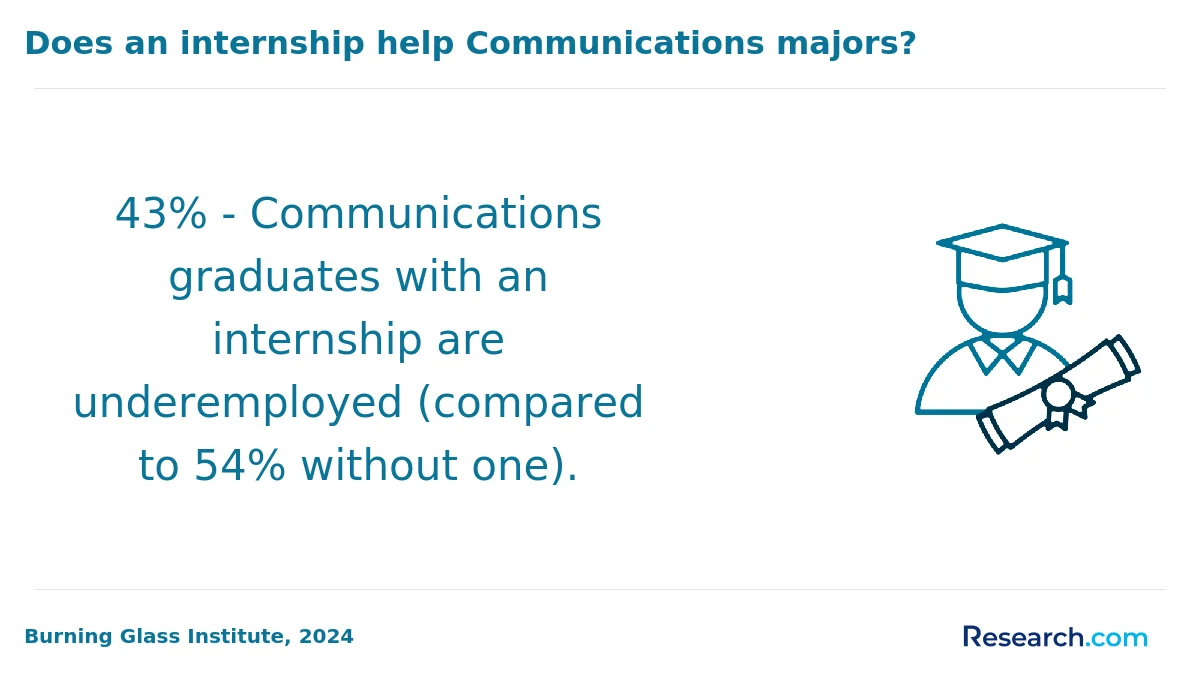
Graduates often share how this affordability allowed them to focus on gaining hands-on experience through internships and interactive projects rather than worrying about overwhelming debt. One graduate described balancing a part-time job and coursework comfortably, thanks to flexible online schedules paired with reasonable tuition. Scholarships and financial aid options also add to the support, easing the path toward degree completion.
In real life, this means you can build a strong professional portfolio and network locally while studying online, without financial strain. Communication degrees in Little Rock are designed not only for learning but for your growth, and affordable tuition is a big part of making that growth possible.
Where can I work with online communication degree in Little Rock?
Graduates with an online communication degree in Little Rock find exciting opportunities across industries like marketing, media, and nonprofits. For instance, many from the University of Arkansas at Little Rock have landed rewarding roles in marketing agencies, shaping digital branding and managing social media campaigns that truly engage local audiences.
Others step into broadcasting careers, joining TV or radio stations that thrive in Little Rock's vibrant media scene. These roles tap into skills like content creation and public messaging, helping communities stay informed and connected.
Nonprofit organizations also eagerly seek communicators who can craft compelling fundraising campaigns and lead community outreach. Graduates often describe the satisfaction of making a real difference through strategic communication in organizations around the city.
Besides these paths, corporate communications and public relations positions at local government offices and headquarters are common. These jobs allow graduates to influence how organizations build trust and maintain positive public relationships in a growing economy.
Choosing an online communication degree in Little Rock means stepping into a network of opportunities where creativity meets meaningful impact every day.
Graduates with an online communication degree in Little Rock can expect a promising start, typically earning around $40,000 to $45,000 annually in roles like social media coordinators or communications assistants. Many recent graduates from popular local schools find these positions at nonprofit organizations or government offices, where they quickly build their skills and confidence.
With a few years of experience, salaries often rise to the $55,000-$75,000 range. Mid-career professionals working as public relations managers or corporate communication specialists in Little Rock see this boost, especially when employed by health care or tech companies. One graduate shared how landing a media planner role after studying at a well-known university in the area turned their passion into a fulfilling and well-paying career.
For those aiming higher, senior communication managers or directors in larger local firms can earn over $90,000 yearly. This progression highlights how perseverance and continuous learning pay off, especially in a growing job market where strong communication skills are truly valued and rewarded.
- Tuition for online communication degrees in Little Rock ranges from $7,000 to $15,000 per year, typically lower than the national average.
- Entry-level communication jobs in the area pay around $40,000 annually, while experienced professionals can earn over $75,000 per year.
- The job market in Little Rock shows steady demand in fields like healthcare, public relations, education, and government with an 8% growth rate projected nationwide through 2030.
- Many online programs offer flexible schedules, including internships and practical projects relevant to the local economy, supporting working students.
- Most programs are accredited by recognized bodies such as the Accrediting Council on Education in Journalism and Mass Communications (ACEJMC).
- Completing an online degree locally provides networking opportunities and career support focused on the Little Rock job market.
Completing an online communication degree in Little Rock generally takes between two to four years, depending on your chosen path and pace. For instance, many graduates from the University of Arkansas at Little Rock find that pursuing an associate degree full-time takes about two years, while their bachelor's counterparts often complete their studies in around four years. But here's the exciting part: flexibility is key. If you're juggling work or family, part-time enrollment extends the timeline but keeps your goals within reach.
Some students share how accelerated programs at institutions like Pulaski Technical College allowed them to finish in just three years by taking extra courses during summer terms or balancing heavier semester loads. Transfer credits also make a big difference-graduates often leverage previously earned credits from local community colleges, cutting down their study time significantly.
Picture yourself managing your schedule with the support of these flexible options in Little Rock's online programs, making that degree both achievable and inspiring. Many find this tailored approach empowering as they advance their careers in communication.
The main difference between online and on-campus communication degrees in Little Rock lies in how you engage with learning. On-campus programs, like those at the University of Arkansas at Little Rock, offer vibrant, face-to-face interactions with professors and peers. Graduates often recall lively group discussions in media labs and local internships that connect them directly with Little Rock's dynamic media scene. This setting fosters immediate feedback and hands-on experience.
Meanwhile, online communication degrees provide the flexibility that busy adults and working professionals need. Students balance studies with family or jobs, logging in from anywhere at their convenience. One graduate appreciated how the asynchronous classes let them explore public speaking skills on their own schedule without sacrificing quality education. However, this freedom requires strong self-discipline and time management to stay on track.
Both paths cover essential subjects like media studies and digital communication, but your choice depends on your lifestyle and learning preferences. If you thrive in social, structured environments, on-campus may inspire you more. If flexibility and balance are your priorities, online programs in Little Rock offer a powerful alternative without compromising your goals.
The average cost of an online communication degree in Little Rock typically centers around $23,000, reflecting a balance between quality education and affordability. Graduates from public universities in the area often share how manageable tuition fees at institutions like the University of Arkansas at Little Rock empower them to pursue their passion without overwhelming debt. Many find that these programs offer valuable skills and networking opportunities that are well worth the investment.
For those seeking affordable online communication degree programs in Little Rock, public schools present a compelling option. These programs usually combine competitive tuition with flexible schedules, helping students juggle work and study efficiently. Graduates often recall the flexibility enabling them to apply real-world communication strategies immediately in their careers.
While private institutions may charge more, the financial strain can often be eased through scholarships, payment plans, and financial aid tailored to communication majors. Students have successfully leveraged these resources to reduce their overall costs. Additionally, if you're looking to accelerate your degree timeline, exploring an accelerated communications degree online could be a worthwhile path that saves both time and money without sacrificing quality.
Understanding the average cost, and pairing it with financial planning, allows prospective students in Little Rock to make confident choices that align with their career goals and budgets. Many find that investing in a communication degree here opens doors to rewarding opportunities in fields like media, marketing, and public relations.
Students pursuing an online communication degree in Little Rock often find financial aid to be a vital part of their journey. Many graduates from local institutions share how federal aid like Pell Grants and student loans accessed through FAFSA dramatically lightened their financial burden, making their dream education attainable.
State grants such as the Arkansas Academic Challenge Scholarship offer additional relief by covering portions of tuition for residents enrolled in communication programs. One graduate from a prominent Little Rock college recalls how this scholarship made it possible to focus more on studies and less on expenses.
Institutional scholarships from universities in the area can reward both merit and need, providing personalized support that recognizes your unique story and ambitions. Reaching out directly to a school's financial aid office can unlock these opportunities.
For those balancing work, employer tuition assistance programs are another valuable resource, especially in communication fields that enhance professional skills. Many students feel encouraged knowing they can grow their careers while earning their degree.
Private scholarships through organizations like the National Communication Association add yet another layer of support-proof that your passion for communication is seen and supported from multiple angles.
To enroll in an online communication degree program in Little Rock, you'll first need a high school diploma or GED-this is the foundation most universities require. Graduates from the University of Arkansas at Little Rock often recall how submitting their official transcripts helped the admissions team see their academic journey clearly, especially coursework in English or speech.
Many programs appreciate standardized test scores like the SAT or ACT, though test-optional policies are becoming more common, giving you flexibility. If you're aiming higher, such as a master's degree, having your bachelor's with a strong GPA is key to showing you're ready for advanced study.
Tech readiness is equally important: reliable internet and a good computer are your lifelines for virtual lectures and collaboration. Some schools also encourage letters of recommendation or personal statements, which let you express your passion and stand out beyond just grades.
Remember, even experience in communication-related fields like media or public relations can make your application shine, as many Little Rock programs value real-world understanding alongside academics.
When you embark on an online communication degree in Little Rock, expect a blend of foundational and practical courses that truly prepare you for real-world challenges. Graduates from local institutions often recall how courses like Introduction to Communication clarified the fundamentals of human interaction-from the nuances of interpersonal talks to managing large-scale media messages.
Students frequently praise Media Writing and Editing for sharpening their ability to craft clear, compelling content-a skill that thrives in Little Rock's vibrant media and marketing scenes. Others find Public Relations Principles invaluable, as it equips them to handle crisis communication and build strong public images, which is crucial for businesses and nonprofits in the area.
Hands-on courses such as Digital Media Production let learners experiment with modern tools right from their homes, mirroring the fast-paced media environment in Little Rock's corporate hubs. Meanwhile, Interpersonal and Organizational Communication classes build confident communicators who can lead teams and resolve conflicts effectively, a must-have competence recognized by local employers.
When exploring an online communication degree in Little Rock, you'll find a range of specializations designed to fit diverse ambitions. Graduates from popular colleges in the city often share how focusing on areas like Corporate Communication helped them thrive in Little Rock's vibrant business scene, mastering employee engagement and crisis messaging. Others highlight Media and Broadcasting, where hands-on skills in television and radio production come alive, reflecting the local media landscape.
Many students choose Public Relations and Strategic Communication, benefiting from the city's active nonprofit and political networks by learning to craft impactful campaigns and manage events. Digital Communication and Social Media is another exciting specialization, perfect for those eager to navigate Arkansas's swift digital growth by creating compelling online content.
For a more interpersonal approach, Organizational Communication hones teamwork and leadership skills that graduates say are invaluable in both corporate and nonprofit settings. If you want to find programs with flexible pricing and strong career links, consider exploring affordable communications degree online options available in Little Rock.
Choosing the best online communication degree in Little Rock means focusing on programs that combine quality and relevance. Graduates from local universities often share how crucial it was to confirm the program's regional accreditation, such as from the Higher Learning Commission, ensuring their diploma held weight both locally and nationally. Affordable communication programs in Little Rock AR typically offer a clear breakdown of tuition and additional fees, helping students plan their budgets without surprises. Many students praise programs that offer flexible pacing and asynchronous courses, allowing them to balance work and study effectively.
Specializations make a big difference-whether you're drawn to media production or organizational communication, seek programs with hands-on courses and expert faculty. For those aiming for careers in public relations, a trusted choice can be a degree in public relations that opens doors through practical experience and networking opportunities. Robust student support services, like academic advising and online libraries found at popular Little Rock colleges, help online learners stay confident and successful throughout their journey.
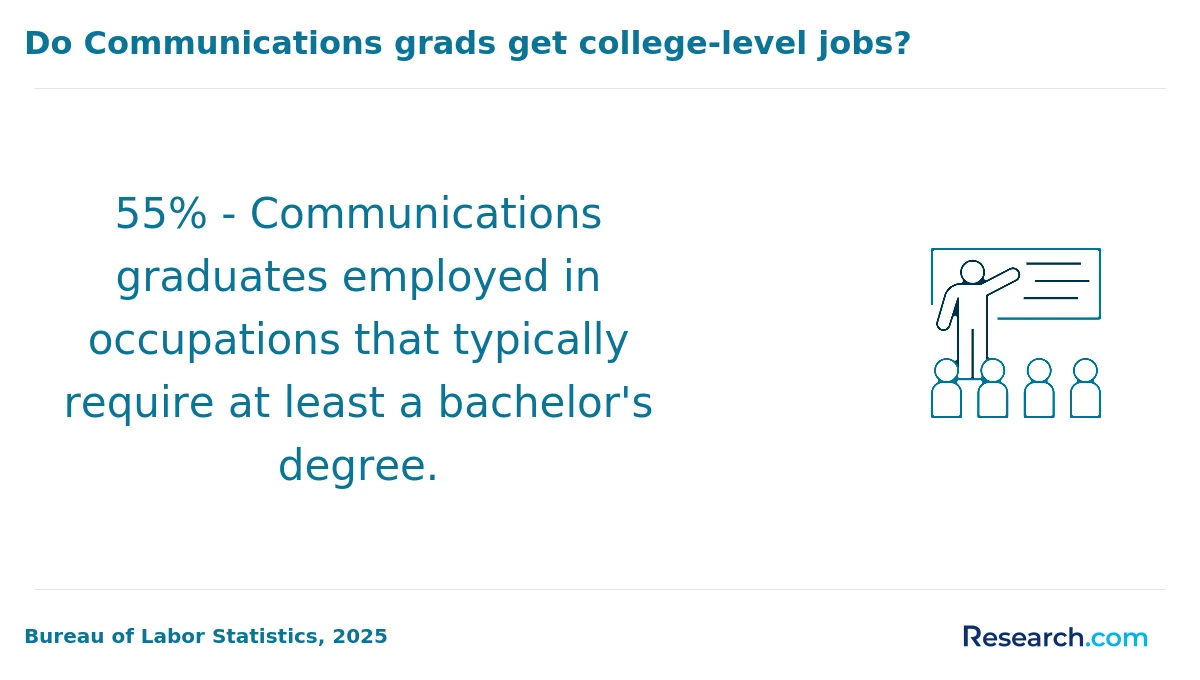
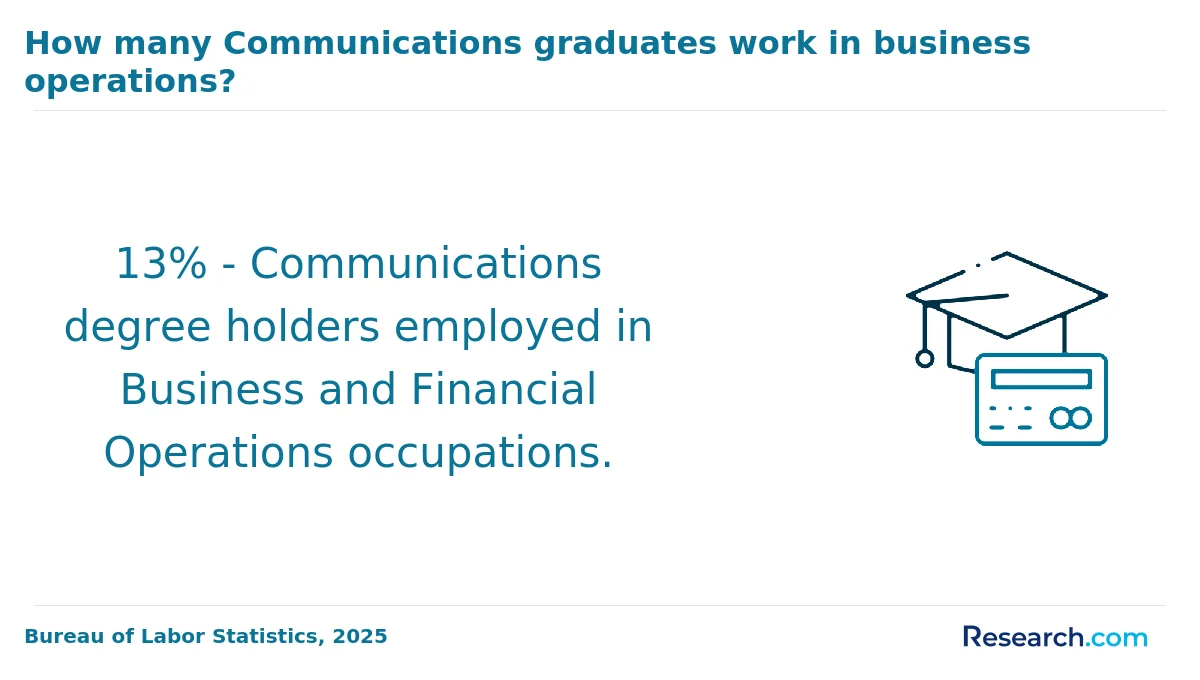
Graduates with an online communication degree in Little Rock find themselves stepping into dynamic roles that leverage their skills across diverse industries. Many alumni from well-known local colleges thrive in public relations, managing company reputations and guiding crisis communications with confidence. This area is especially promising, as a growing number of organizations seek talented communicators. For those drawn to creative strategy, advertising and marketing positions in Little Rock's buzzing tech and retail sectors provide exciting opportunities to shape campaigns and engage audiences. I've seen graduates from top institutions eagerly embrace roles in corporate communication, crafting internal messages that inspire teams and align with leadership's vision.
There are also rewarding pathways in media and journalism through local news outlets, where storytelling skills come alive on digital platforms. To explore advanced roles, students can discover more about master's in public relations careers, adding depth to their expertise. If you're looking for online communication degree jobs in Little Rock, think broadly-social media specialists, content writers, and event coordinators all play key parts in today's communication landscape.
Understanding these career opportunities with communication degree Little Rock AR makes it easier to map your future. Graduates feel empowered knowing their degree opens doors not just locally but also for remote positions nationwide.
The job market for online communication degree jobs Little Rock AR is vibrant and welcoming, especially for graduates from local institutions known for their strong communication programs. Graduates entering fields like public relations, media coordination, and corporate communications find that Little Rock's mix of government offices, nonprofits, and private companies offers a diverse range of roles. Many recent graduates from popular colleges in the area share how hands-on projects and internships helped them secure positions in well-established organizations such as Dillard's or in expanding digital marketing firms.
Finding the right opportunity in Little Rock's job market for communication graduates Little Rock means being open to various entry-level roles like social media specialist or marketing support, where the experience gained can lead to management positions. Students balancing work and study often choose online degrees, which provide the flexibility to gain real-world experience simultaneously. For those eager to deepen their expertise, pursuing a master degree public relations can open doors to higher leadership roles within the city's thriving communications landscape.
2027 Fastest Online Communication Degree Programs Ranking in Little Rock, AR
Investing in your education is a significant decision that can shape your future, and the Research.com team understands the importance of making informed choices. To assist prospective students in Little Rock, AR, we have meticulously crafted the "2027 Fastest Online Communication Degree Programs Ranking." Our commitment to quality, credibility, and accuracy is reflected in the extensive research and analysis conducted to compile this ranking.
We utilized the following reputable data sources to ensure a comprehensive evaluation of communication programs:
By exploring this ranking, readers will gain valuable insights into the fastest online communication degree programs available in Little Rock, AR, helping them make well-informed decisions about their educational paths. For more details on how this ranking was created, please visit our Research.com methodology page.

Frequently Asked Questions About communication
Students pursuing online communication degrees in Little Rock can enhance their learning by engaging actively with local communication networks and media outlets. Little Rock hosts a variety of organizations such as the Arkansas Communication Association that provide networking opportunities and professional development events. According to the National Center for Education Statistics, students who combine online coursework with community involvement report higher satisfaction and skill retention.
Additionally, leveraging online discussion boards and virtual study groups helps deepen understanding of communication theories. Access to Little Rock's public libraries and digital archives can also support research assignments. Time management and setting clear goals remain essential to balancing coursework with personal and professional responsibilities.
The communication field is rapidly evolving, with new niches emerging that reflect technological and social changes. One growing area is digital content strategy, where specialists manage online presence and engagement through social media and websites. This niche is crucial as Arkansas saw a 15% increase in digital marketing jobs between 2021 and 2023, according to the U.S. Bureau of Labor Statistics.
Another important niche is data analytics in communication, focusing on interpreting audience metrics to improve messaging effectiveness. In Little Rock, companies increasingly seek professionals skilled in social media analytics and user experience research.
Lastly, health communication is expanding, driven by public health needs to convey complex information clearly to diverse communities.
Graduates with online communication degrees in Little Rock should begin preparing early for the job market by building relevant skills and experience. Internships and volunteer roles within local media outlets, nonprofits, or corporate communication departments provide practical exposure. Networking is crucial; joining organizations like the Public Relations Society of America (PRSA) Arkansas chapter can connect students to professionals and job openings.
Familiarity with digital tools such as social media management platforms and content creation software increases employability. According to the U.S. Bureau of Labor Statistics, communication jobs in Arkansas are projected to grow by 5% through 2030, reflecting demand for skilled communicators.
Enhancing a resume with certifications in SEO or digital marketing can also give applicants an advantage in this competitive field.
Employers hiring communication degree graduates in Little Rock prioritize a blend of strong verbal and written communication skills. According to the Arkansas Department of Workforce Services, about 82% of local employers emphasize clarity and adaptability in messaging. Effective interpersonal skills are also crucial, as the city's business environment values teamwork and community engagement.
Digital literacy ranks high, with proficiency in social media, content creation, and analytics tools being increasingly sought after. Additionally, problem-solving and critical thinking abilities help graduates navigate complex communication challenges, a skill highlighted by local industry surveys from 2023.
Project management and public speaking remain key strengths that enhance employability in this field in Little Rock's evolving job market.
Finding internships in Little Rock relevant to a communication degree involves leveraging local resources and industry connections. Start by exploring opportunities through nearby universities such as the University of Arkansas at Little Rock, which often partners with local media outlets and businesses to offer internships.
The city's vibrant sectors-like public relations, advertising, and nonprofit organizations-provide varied internship roles. Check with the Little Rock Regional Chamber of Commerce for listings and networking events.
Online platforms like Handshake and LinkedIn also list internships, often specifying remote or in-person options. Contact local news stations, marketing firms, and government offices, as they routinely seek communication interns.
According to the Bureau of Labor Statistics, Arkansas's communication-related job growth is projected at 5% through 2032, suggesting positive internship availability trends.
An online communication degree can significantly enhance career mobility and advancement in Little Rock by equipping graduates with critical skills valued across various industries. Communication professionals in the Little Rock metro area benefit from the city's growing media, marketing, and public relations sectors, which seek individuals proficient in digital media, strategic communication, and content creation.
According to the U.S. Bureau of Labor Statistics, employment for media and communication occupations in Arkansas is projected to grow about 5% from 2022 to 2032, aligning with national trends. This growth creates opportunities for online graduates to enter roles like public relations specialists, social media managers, and corporate communicators.
Additionally, many local employers prefer candidates with formal degrees due to the complexity of communication demands in business environments. An online degree provides flexible learning for working adults, making advancement and career shifts more accessible without geographic constraints.
Studying for an online communication degree in Little Rock offers strong preparation for interdisciplinary roles by emphasizing skills relevant across multiple fields. Programs typically include coursework in media, public relations, marketing, and digital communication, which are essential in today's interconnected job market.
Little Rock, home to a growing business sector and nonprofit organizations, benefits from graduates who can navigate diverse professional environments. According to the U.S. Bureau of Labor Statistics, communication-related jobs in Arkansas are projected to grow by 8% through 2031, indicating rising demand for versatile communicators.
Students gain practical experience through projects that foster collaboration with business, technology, and social sciences, strengthening their ability to adapt to various industries. This cross-disciplinary training ensures graduates are competitive candidates for roles requiring strategic communication and critical thinking skills.
Choosing between a thesis and a non-thesis communication degree program in Little Rock depends on your career goals and learning preferences. Thesis programs require original research and a formal paper, ideal for students aiming for doctoral studies or research-oriented roles.
Non-thesis programs focus on coursework and practical skills, better suited for those pursuing professional careers in media, public relations, or corporate communications. According to the Arkansas Department of Higher Education, many Little Rock employers in communication fields prioritize practical experience over research skills.
Consider your time commitment as thesis programs often take longer. Check if your chosen school in Little Rock offers faculty support for thesis research, which can impact your success.
Students based in Little Rock seeking to study communication abroad have several options through U.S. accredited institutions offering online programs with international study components. Many universities provide virtual exchange programs or short-term study abroad opportunities integrated into their online communication degrees, allowing students to gain global perspectives without relocating.
While Little Rock itself lacks dedicated international campuses for communication studies, residents can enroll in programs from Arkansas-based universities affiliated with global partner institutions. For example, the University of Arkansas offers connections for online students to participate in global internships and collaborative projects, enriching cultural competency.
These options provide flexibility for Little Rock students to engage internationally, which is increasingly valued in the communication field, according to the National Communication Association's recent reports.
Students pursuing online communication degrees in Little Rock have various part-time job opportunities that enhance their academic experience. Roles such as social media coordinator, content writer, and public relations assistant are common. These positions allow students to apply communication theories in real-world contexts.
According to the U.S. Bureau of Labor Statistics, Arkansas's demand for communication-related roles is expected to grow by 8% from 2021 to 2031. In Little Rock, nonprofits and local media outlets frequently seek interns and part-time staff to manage messaging and outreach.
Engaging in these jobs can build valuable skills in digital marketing, writing, and media production, complementing coursework while networking within the local industry.
Online communication students in Little Rock have access to several regional and local networking opportunities to advance their careers. The Arkansas Communication Association hosts regular conferences and meetings, providing chances to connect with professionals in media, public relations, and digital marketing across the state. Additionally, the Greater Little Rock Chamber of Commerce offers events and workshops tailored for communication and technology sectors.
University-affiliated groups like those linked to the University of Arkansas at Little Rock often open their virtual events to online students. Moreover, Little Rock's growing digital economy means numerous startups and media companies hold networking mixers and panel discussions relevant to communication fields.
According to the U.S. Bureau of Labor Statistics, Little Rock's communication and media job market is expected to grow about 6% through 2030, encouraging networking as a vital career tool.
Alumni networks offer significant advantages to online communication degree students in Little Rock by providing valuable connections within the local media and public relations industries. Graduates often share job leads and internship opportunities exclusive to network members. According to the Arkansas Department of Workforce Services, communication-related fields in Little Rock have seen a 5% employment growth recently, making these connections vital for entering the job market.
Membership in alumni groups also grants access to mentorship from experienced professionals who understand the region's unique media landscape. This guidance helps students tailor their skills for Arkansas-based employers. Additionally, alumni events foster collaboration, boosting students' professional visibility and career advancement prospects.
Customizing an online communication degree program in Little Rock allows students to align their education with specific career goals. Many universities offer concentrations such as public relations, digital media, or corporate communication, enabling focused skill development. For example, the University of Arkansas at Little Rock provides flexible course options to suit diverse professional interests.
Students can also select electives related to social media management or crisis communication, fields growing in demand nationwide. According to the Bureau of Labor Statistics, communication roles are expected to grow by 11% from 2022 to 2032. Local internships and partnerships in Little Rock's expanding business sectors further support practical experience. This adaptability helps graduates enter roles tailored to industries like marketing, nonprofit, or media.
Online communication students in Little Rock often face challenges related to balancing coursework with work and family responsibilities. According to the National Center for Education Statistics, over 40% of online learners are adults juggling multiple commitments. In Little Rock, where the median age of students tends to be higher than the national average, time management becomes critical.
Another common issue is access to reliable technology and high-speed internet. Although Arkansas has made progress, some areas still experience connectivity gaps, which can disrupt participation in synchronous classes and group projects.
Students also report difficulties in developing practical communication skills without in-person interaction, which is vital for media and public relations careers.
Finally, limited local networking opportunities compared to traditional programs can impact career growth after graduation in the Little Rock region.
Professionals with an online communication degree in Little Rock can enhance their credentials by pursuing various certifications. Popular choices include the Accredited Business Communicator (ABC) and the Communication Management Professional (CMP), both offered by the International Association of Business Communicators (IABC). These certifications validate skills in strategic communication, helpful in Arkansas's growing business sectors.
Another option is the Certified Professional in Learning and Performance (CPLP), beneficial for those focusing on corporate training and development. Local employers in Little Rock value these credentials, which can improve job prospects in marketing, public relations, and media.
While national data shows holders of communication certifications earn 10-20% more on average, Arkansas-specific statistics indicate an upward trend in demand for credentialed communicators, reflecting the state's evolving job market.
Applying for an online communication degree in Little Rock requires careful preparation to stand out. Highlight your academic background, relevant experiences, and clear motivation for choosing communication as a field.
Include specific examples of any writing, media projects, or public speaking engagements to demonstrate your skills. Little Rock's communication job market is growing, with the Arkansas Department of Labor projecting a 7% increase by 2030, making application competitiveness important.
Tailor your personal statement to reflect local industry trends and how you plan to contribute to the community. Also, ensure all documents are error-free and submit before deadlines set by institutions like the University of Arkansas at Little Rock.
Communication careers are increasingly valued worldwide for their role in connecting people and organizations. In the United States, including places like Little Rock, Arkansas, the demand for communication professionals is growing steadily. According to the U.S. Bureau of Labor Statistics, jobs in fields related to communication are expected to grow by about 10% from 2022 to 2032, faster than the average for all occupations. This growth reflects the global importance of effective communication in business, media, and technology.
Many online communication degree programs now emphasize global perspectives, preparing students to work in diverse cultural contexts. This is crucial as companies often operate internationally and need professionals who understand cross-cultural communication challenges. Little Rock's educational institutions are responding by offering programs that incorporate these perspectives, ensuring graduates can compete in a worldwide job market.
Understanding cultural differences, media ethics, and communication technologies enhances a graduate's ability to succeed globally. Research from organizations like the National Communication Association highlights the importance of these skills for students entering today's interconnected professional environment.
Gaining practical experience during an online communication degree in Little Rock is essential for career readiness. Many programs encourage internships with local businesses, media outlets, or nonprofit organizations, offering hands-on work while studying remotely. According to the Arkansas Department of Labor, Little Rock hosts over 150 media and marketing firms, providing ample internship options.
Students can also engage in virtual projects, such as social media campaigns or digital content creation, often coordinated through university partnerships. Additionally, involvement in online student media and communication clubs helps develop real-world skills. Networking events and local seminars, available both online and in Little Rock, further enhance practical learning opportunities.
Choosing the right concentration within an online communication degree program in Little Rock involves evaluating your career goals and local job market trends. Popular areas include public relations, media studies, and digital communication. According to the Arkansas Department of Workforce Services, fields like digital marketing and media production have seen steady growth in Little Rock, suggesting strong employment prospects.
Consider programs that offer hands-on experiences in these specialties to build practical skills. Inquire about faculty expertise and how coursework aligns with industry demands. Also, verify program accreditation to ensure your degree is respected nationwide.
Reflect on your interests and seek advice from professionals in Little Rock's communication sector for real-world insights.
- Study Media Abroad: 2026 Global Guide to Courses & Careers https://www.hotcoursesabroad.com/subject/media/
- Targeted communication strategy for alumni community https://www.alumnforce.com/en/targeted-communication-strategy-for-alumni-networks-how-to-create-lasting-commitment/
- Online Degree vs. Traditional: Choosing the Right Path https://beal.edu/online-degree-vs-traditional/
- Master's in Communication Salaries by Career and Position (2025 Update) https://www.mastersincommunications.com/faqs/masters-in-communication-salary
- Online BA in Communication https://www.wiu.edu/cofac/communication/online_BA.php
- Communication Difficulties: The Silent Barrier - Connect https://stageslearning.com/connect/articles/communication-difficulties-the-silent-barrier/
- Communications Officer Cover Letter Example https://www.kickresume.com/en/help-center/communications-officer-1-cover-letter-sample/
- What can you do with a Communication degree https://uaptc.edu/communication/what-can-you-do-with-a-communication-degree
- Online Communication Degree | University of Phoenix https://www.phoenix.edu/online-liberal-arts-degrees/communication-bachelors-degree.html
- The Power of Effective Communication in Career Advancement https://www.nationalcollege.edu.au/The-Power-of-Effective-Communication-in-Career-Advancement.php