2027 Most Affordable Online Communication Degree Programs Ranking in Florida

Co-Founder and Chief Data Scientist
Are you considering pursuing a communication degree but worried about the cost? This article presents the 2027 Most Affordable Online Communication Degree Programs Ranking in Florida, created by the Research.com team of data scientists to guide you in finding quality, budget-friendly options.
Getting a communication degree opens doors to diverse career paths and personal growth. By exploring this ranking, you can make a confident, informed decision that aligns with your goals and finances.
Discover affordable programs designed to help you succeed without overwhelming debt.
Key benefits of getting online communication degree in Florida
- Communication degree graduates in Florida can expect competitive salaries, with related US careers like public relations specialists earning a median annual wage around $62,800, offering strong financial motivation.
- Graduates from Florida State University's communication programs often pursue diverse roles in media, marketing, and corporate communications, highlighting a versatile range of exciting career opportunities.
- Obtaining a communication degree online from the University of Central Florida allows flexible schedules and the chance to balance work and study, making education accessible and convenient without sacrificing quality.
- Key benefits of getting online communication degree in Florida
- What can I expect from online communication degree in Florida?
- Where can I work with online communication degree in Florida?
- How much can I make with online communication degree in Florida?
- 2027 Most Affordable Online Communication Degree Programs Ranking in Florida
- Key Findings
- How long does it take to complete online communication degree in Florida?
- What's the difference between online and on-campus communication degree?
- What is the average cost of online communication degree in Florida?
- What financial aid is available to online communication degree students in Florida?
- What are the prerequisites for enrolling in online communication degree program in Florida?
- What courses are typically in online communication degree programs in Florida?
- What types of specializations are available in online communication degree programs in Florida?
- How do you choose the best online communication degree in Florida?
- What career paths are available for online communication degree students in Florida?
- What is the job market for online communication degree in Florida?
- Related Communication Rankings for Nearby States
- Top Trending Communication Rankings
What can I expect from online communication degree in Florida?
The average cost of an online communication degree in Florida varies depending on the type of institution. Public universities such as the University of Florida and Florida International University typically charge in-state students around $6,500 per year for tuition, making these programs a financially accessible option for many. Graduates often emphasize how this affordability allowed them to focus on gaining practical skills without the heavy burden of debt.
Private colleges tend to have higher tuition rates, but many provide scholarships and financial aid specifically designed for online learners, which can significantly ease the financial commitment. Students from these institutions report feeling supported and valued through personalized financial aid packages that acknowledge their unique needs as remote learners.
Additionally, many programs promote credit transfers from previous studies, helping students shorten their path to graduation and reduce overall costs. These flexible options illustrate how Florida's online communication degrees are structured to be both cost-effective and supportive, allowing students to pursue their career goals confidently.
Where can I work with online communication degree in Florida?
Graduates with an online communication degree from Florida universities such as the University of Florida or Florida State University often find rewarding career opportunities in public relations and marketing within industries like tourism, healthcare, and hospitality. Many alumni report satisfaction in crafting engaging brand messages and managing reputations for well-known regional companies.
Media and broadcasting also attract numerous communication graduates, with organizations in Miami and Tampa frequently hiring content creators and social media managers. These roles allow for creative expression while addressing the needs of Florida's diverse audiences.
Corporate communications positions, particularly in Florida's finance and technology sectors, offer avenues for graduates to serve as speechwriters or internal communicators. This work fosters collaboration and impacts company culture positively.
Additionally, graduates often thrive in nonprofit settings or government agencies, helping with advocacy and public information initiatives, roles that enhance community engagement and bring a strong sense of purpose.
How much can I make with online communication degree in Florida?
Graduates with an online communication degree in Florida can typically expect starting salaries ranging from $35,000 to $45,000 annually. Entry-level roles such as social media coordinators or public relations assistants, common among graduates of institutions like the University of Florida or Florida State University, often fall within this range. These positions provide valuable experience while offering competitive wages relative to Florida's cost of living.
With gained experience and specialization, many alumni advance to higher-paying roles including corporate communications managers and public relations directors. In Florida's major metro areas-Miami, Tampa, and Orlando-salary ranges for these positions often increase to between $70,000 and $90,000 annually. Graduates who have leveraged internships or networking opportunities at institutions such as the University of Central Florida report positive career momentum and enhanced earnings.
Additionally, communication professionals in Florida frequently benefit from bonuses, commissions, and flexible remote work options, reflecting the state's growing tech and tourism sectors. The dynamic job market encourages graduates to pursue further certification or graduate studies to maximize earnings and career advancement.
2027 Most Affordable Online Communication Degree Programs Ranking in Florida
How do we rank schools?
Investing in your education is a significant decision that can shape your future, and the Research.com team understands the importance of making informed choices. To assist prospective students in Florida, we have meticulously crafted the "2027 Most Affordable Online Communication Degree Programs Ranking in Florida." Our commitment to quality, credibility, and accuracy is reflected in the extensive research and analysis conducted to compile this ranking.
We utilized the following reputable data sources to ensure a comprehensive evaluation of online communication programs:
By exploring this ranking, readers will gain valuable insights into the most affordable and credible online communication degree options in Florida, empowering them to make informed decisions about their educational investment. For more details on our methodology, please visit our Research.com methodology page.
# 1 position
University of Florida
Master of Mass Communication with a specialization in Digital Strategy


# 7 position
Full Sail University
Bachelor of Media Communications


# 9 position
Florida International University
Master of Mass Communication, Global Strategic Communication

# 10 position
Florida International University
Communication Arts - Organizational Communication Studies BA
Key Findings
- Online communication degrees in Florida are offered fully online by many accredited institutions, allowing flexible study from anywhere.
- In-state tuition for public universities ranges from $4,000 to $7,000 per year, while private institutions may charge over $15,000 annually.
- Recent graduates earn between $45,000 and $50,000 annually, with experienced professionals making $65,000 to $80,000, especially in major cities like Miami, Tampa, and Orlando.
- Employment in communication fields in Florida is projected to grow by about 8% over the next decade, driven by demand for digital content and social media skills.
- Programs focus on practical skills such as digital media production, strategic communication, and applied research to meet industry needs.
How long does it take to complete online communication degree in Florida?
Completing an online communication degree in Florida varies by level and enrollment status, with many students balancing studies alongside work or family. For example, graduates of community colleges like Miami Dade College report completing their associate degrees in about two years of full-time study, typically earning 60 credit hours over four semesters. This swift pace allows students to enter the communication field quickly with foundational skills.
At the bachelor's level, universities such as the University of Florida offer online programs designed for flexibility. Most full-time students complete approximately 120 credit hours in four years. However, part-time students often extend this timeline, tailoring their studies to fit professional and personal commitments. Many alumni express satisfaction with this adaptable structure, which accommodates their unique circumstances without sacrificing academic rigor.
Graduate students pursuing a Master of Arts in Communication at institutions like Florida State University commonly take one to two years full-time. These programs require 30 to 36 credit hours, focusing on advanced research and communication expertise, allowing students to grow professionally while studying.
Factors influencing program length include enrollment status, credit transfer, course availability, and individual pacing. Florida's online communication degrees thus provide both structure and flexibility to support diverse student needs.
What's the difference between online and on-campus communication degree?
The primary distinction between online and on-campus communication degrees in Florida lies in how courses are delivered and experienced. Online programs, such as those offered by the University of Florida and Florida State University, provide the flexibility to study remotely, allowing students to balance work, family, and personal commitments more easily. Graduates often appreciate the autonomy and digital communication skills gained through virtual collaboration tools like video conferencing and discussion forums.
Conversely, on-campus students benefit from direct, face-to-face engagement with professors and peers, which enriches classroom discussion, group projects, and networking opportunities in real-time. Many graduates recall the energizing atmosphere of campus life that fosters strong interpersonal connections and immersive learning experiences.
Both formats maintain rigorous, regionally accredited curricula covering core topics like media studies and public relations. While tuition rates may be comparable, online learners often save on additional costs such as housing and commuting, making remote study a practical and appealing choice for many Floridians.
What is the average cost of online communication degree in Florida?
The average cost of an online communication degree in Florida varies based on residency and institution type, with a median total cost around $35,340 for in-state students. Graduates from well-known public universities such as the University of Florida often share how their investment felt balanced by quality education and reduced tuition for residents. The affordability of these programs makes Florida attractive for students seeking a communication degree without overwhelming debt. However, out-of-state students can expect higher expenses, with median costs rising to approximately $67,560, which can be a significant factor in planning finances.
Many students appreciate that affordable online communication degrees in Florida frequently include flexible tuition rates, especially in community colleges where credit hour costs hover around $100 or less. Beginning studies here and transferring credits can be a practical approach to managing expenses while progressing toward a bachelor's degree. These strategies help students feel confident and positive about pursuing their goals without unnecessary financial strain.
Private institutions usually have higher tuition, often surpassing $20,000 annually, but scholarships can offset these fees. In addition, students find it helpful to consider other costs like technology fees and course materials. Prospective enrollees should verify detailed tuition with their chosen institution and can also explore resources like the College Board or Florida's scholarship programs for financial aid. For further clarity on curriculum, reviewing the communication major class requirements offered can provide valuable insight into degree planning and costs.
What financial aid is available to online communication degree students in Florida?
Students pursuing online communication degrees in Florida commonly access financial aid through the Free Application for Federal Student Aid (FAFSA), qualifying them for federal grants such as the Pell Grant, which offers up to $7,395 annually without repayment. Graduates from programs like those at the University of Central Florida often recall how this grant alleviated significant financial pressure, enabling them to focus on coursework rather than expenses.
Florida residents also benefit from state-specific programs like the Bright Futures Scholarship and the Tuition Assistance Program (TAP), which provide renewable and partial funding respectively, particularly useful for students enrolled at Florida State University and other state institutions. Many online learners find that combining these with institutional scholarships-offered by their universities based on merit or need-greatly reduces tuition costs.
Additionally, work-study opportunities and employer tuition reimbursement programs frequently support communication students balancing employment and study. Private scholarships from professional communication organizations add another layer of financial support, empowering students to pursue their degrees with less financial stress.
What are the prerequisites for enrolling in online communication degree program in Florida?
Enrolling in an online communication degree program in Florida typically requires a high school diploma or equivalent, such as a GED. Many students who have successfully entered programs at popular institutions like the University of Central Florida or Florida State University recall meeting this basic requirement alongside submitting their official transcripts. Some programs may request a minimum GPA or test scores, but growing test-optional policies offer flexibility, especially appreciated by working adults returning to education.
Transfer students often benefit from articulation agreements between Florida community colleges and state universities, simplifying credit transfer and enabling smooth progression toward their bachelor's degrees. Graduates frequently mention how this system reduced their stress and helped them stay on track.
For graduate communication programs, holding a bachelor's degree is essential, and applicants might need to provide letters of recommendation and a statement of purpose. Often, relevant professional experience enhances acceptance chances, particularly in specialized fields like corporate communication.
Applicants also need reliable internet and compatible technology, crucial for participating in virtual classes and digital projects, making the experience seamless and engaging for those balancing studies with other life commitments.
What courses are typically in online communication degree programs in Florida?
An online communication degree in Florida typically includes foundational courses essential for mastering the field. Graduates from well-known institutions such as the University of Florida and Florida State University describe core classes like Introduction to Communication Theory as pivotal in understanding how messages influence audiences across various settings. They value Interpersonal Communication courses for enhancing skills in both professional and personal interactions, often recalling how such training improved their confidence during virtual team meetings or client presentations.
Public Speaking courses prepare students to articulate ideas clearly, a skill graduates frequently cite as transformational during job interviews or networking events. Mass Communication and Media Writing classes delve into crafting messages for diverse audiences, equipping students to produce compelling content for news outlets, PR firms, and digital platforms. Florida's programs also emphasize Digital Media and Communication, where learners explore the latest social media trends, fostering a sense of excitement about applying these strategies in real-world campaigns. Finally, Communication Research Methods provide practical tools to analyze data effectively, enabling graduates to back their decisions with solid evidence.
What types of specializations are available in online communication degree programs in Florida?
Online communication degree specializations in Florida encompass a range of focused areas designed to meet diverse career aspirations. Many graduates from top institutions such as the University of Florida and Florida State University highlight tracks like Public Relations, which teaches strategic messaging and reputation management vital for thriving in Florida's dynamic tourism and business markets. Others find Digital Media and Social Media Communication especially rewarding, mastering digital content creation and analytics that open doors to media firms and advertising agencies.
Organizational Communication is favored by those interested in leadership roles within corporations, where conflict resolution and internal messaging are key skills. Health Communication resonates strongly in Florida's large healthcare sector, empowering professionals to effectively deliver complex information to varied audiences. Interpersonal and Intercultural Communication also prepares students to engage meaningfully within Florida's richly diverse populations.
Students often appreciate how these specializations align with job opportunities and salary prospects, as reflected in research on media communication salary. The availability of Florida affordable online communication programs adds to the appeal, allowing learners to pursue focused studies without financial strain.
How do you choose the best online communication degree in Florida?
Choosing the best online communication degree in Florida involves evaluating programs that offer strong regional accreditation, particularly from SACSCOC, which ensures the education meets high standards recognized statewide and nationwide. Graduates from popular Florida institutions often highlight the value of curricula that blend theory with practical experience, including internships and capstone projects, which prepare them well for careers in marketing, media relations, and corporate communication.
Many students pursuing affordable online communication degrees Florida praise flexible tuition options and comprehensive financial aid, making higher education financially accessible. Access to career support services such as virtual job fairs and resume workshops is frequently cited as a key factor that enhanced their job readiness and networking capabilities.
It is also advisable to explore programs offering diverse courses, including digital communication and public relations degree pathways, which are highly relevant to Florida's dynamic job market in communication fields. Graduation rates and student satisfaction reviews from these institutions provide further insights into program quality, helping prospective students make informed decisions.
What career paths are available for online communication degree students in Florida?
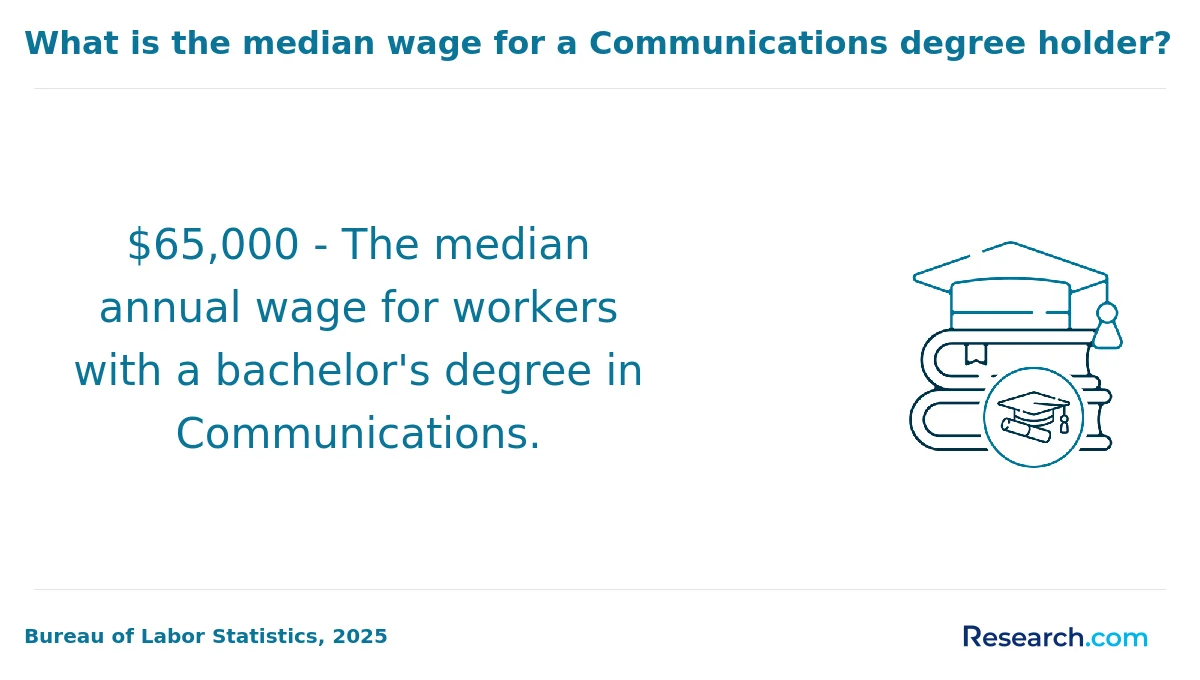
Graduates with an online communication degree in Florida find diverse career opportunities that align closely with the state's dynamic economic landscape. Popular career paths include roles as public relations specialists, marketing coordinators, social media managers, and corporate communications specialists. For instance, graduates from universities like Florida State University often enter public relations, managing organizational reputations and crafting impactful messages with average salaries near $60,000 annually in Florida. Others who studied at the University of Central Florida frequently thrive as marketing professionals, where the median wage can reach $100,000, reflecting the demand in vibrant business sectors across the state.
Many communication students report feeling empowered stepping into social media management, where their digital skills help shape brand identities in rapidly evolving online spaces. Florida's substantial media markets such as Miami and Tampa also provide journalism and broadcasting opportunities, enhancing career prospects for those seeking media production roles.
Exploring these options and prospects can be further enriched by researching the online masters in public relations degree salary, guiding graduates toward career advancement. Overall, recognized programs prepare students well for online communication degree jobs in Florida, complementing broad career opportunities with communication degree Florida.
What is the job market for online communication degree in Florida?
The job market for online communication degree graduates in Florida is promising, with diverse opportunities across industries like tourism, healthcare, and media. Graduates from well-known universities and colleges in Florida often secure roles as public relations specialists, social media coordinators, or corporate communication officers. Many report positive experiences leveraging their skills in dynamic settings such as Miami's vibrant media scene or Orlando's corporate hubs, reflecting strong employer demand in these regions. This favorable environment supports a broad range of career pathways, making it appealing for aspiring communicators.
Students pursuing a Florida online communication degree career outlook benefit from an economy increasingly valuing digital skills like SEO and social media management. Entry-level salaries typically start near $40,000 with growth potential toward $85,000 for experienced professionals. The appeal of these careers is enhanced by competitive tuition rates in state universities and the flexibility of online formats, which many graduates highlight as instrumental in balancing studies and work obligations. Those considering advanced study might explore an online masters degree in pr to further boost marketability.
Frequently Asked Questions About communication
Online communication degree students in Florida can enhance their learning by actively engaging with course materials and participating in virtual discussions. Using university-provided resources such as digital libraries and writing centers helps improve research and communication skills.
Additionally, connecting with peers through online study groups encourages collaboration and idea exchange. Leveraging internships offered by Florida's communications and media industries provides practical experience that complements academic knowledge. According to the Florida Department of Education, such experiential learning improves job readiness significantly.
Staying organized with a clear study schedule and seeking faculty guidance ensures steady progress. Utilizing technology proficiently, including multimedia tools, is also essential for success in this field.
Emerging niches within the communication field reflect the evolving landscape of technology and society. In Florida, online communication degrees increasingly emphasize digital media, social marketing, and public relations with a focus on data analytics. The rise of social media influencers and content creators has created new career paths tied to engagement metrics and brand storytelling.
Other growing areas include crisis communication and health communication, especially important given Florida's aging population and frequent natural disasters. These specialties require tailored messaging strategies to effectively reach diverse communities.
According to the Bureau of Labor Statistics, Florida's communication jobs are expected to grow by 7% through 2031, highlighting strong demand in these targeted niches.
After completing an online communication degree in Florida, preparing for the job market involves strategic steps to enhance employability. Start by gaining practical experience through internships or volunteer roles, which many Florida employers value highly. According to the Florida Department of Economic Opportunity, communication-related fields in Florida are projected to grow by 7% through 2028, emphasizing demand for skilled professionals.
Networking is vital; connect with local organizations like the Florida Public Relations Association or attend virtual industry events. Building a strong portfolio showcasing writing, media production, or digital communication skills can set candidates apart in competitive markets.
Developing proficiency in technology tools used in communication, such as social media management platforms or analytics software, is recommended.
Employers in Florida increasingly value communication degree graduates who demonstrate strong interpersonal and digital communication skills. According to the Florida Department of Economic Opportunity, effective verbal and written communication ranks among the top competencies sought in fields like public relations, marketing, and media. Graduates proficient in social media management and content creation are especially in demand, reflecting the digital shift in business communication.
Critical thinking and adaptability also play key roles. Employers want professionals who can analyze complex information and tailor messages for diverse audiences across multicultural environments typical in Florida's workforce.
Project management and teamwork abilities further enhance a graduate's employability, aligning with most communication roles involving collaboration. Overall, mastering both traditional and modern communication tools remains essential for success in this region.
Finding internships in Florida relevant to a communication degree requires a strategic approach. Start by exploring resources provided by Florida universities offering online communication programs, such as career services and internship portals. Institutions like the University of Florida and Florida State University often partner with local media outlets, PR firms, and nonprofit organizations to provide opportunities.
Networking is essential. Join professional associations like the Florida Public Relations Association, which posts internships and entry-level positions regularly. Websites like Handshake and local job boards also list communication internships specifically within Florida.
According to the Florida Department of Economic Opportunity, industries such as media, marketing, and corporate communication continue to grow, increasing internship availability. Early application and tailored resumes significantly improve chances.
An online communication degree from a Florida university can significantly enhance career mobility and advancement opportunities. According to the Florida Department of Economic Opportunity, jobs in communication-related fields, such as public relations and media, are projected to grow by 8% between 2020 and 2030, a rate faster than the average for all occupations.
Graduates with communication skills are highly valued across industries including healthcare, business, and education. Employers often prefer candidates with formal education in communication, which equips students with skills in digital media, interpersonal communication, and strategic messaging.
Florida's diverse economy also means graduates can access jobs in urban centers like Miami and Tampa, supporting upward mobility. Online degrees offer flexibility, allowing professionals to upskill while working.
Studying for an online communication degree in Florida equips students with diverse skills applicable across multiple industries. Florida's programs emphasize core communication theories alongside practical applications in media, public relations, and digital communication. This blend allows graduates to work effectively in fields such as marketing, healthcare, education, and business management.
Florida universities often integrate interdisciplinary coursework, encouraging collaboration with departments like business, psychology, and technology. This approach helps students develop critical thinking and adaptability, essential for roles that require navigating different professional environments.
According to the Florida Department of Education, communication-related jobs in the state are projected to grow faster than average, highlighting the value of versatile skills from these programs.
Choosing between a thesis and a non-thesis online communication degree program in Florida depends largely on your career goals and academic preferences. Thesis programs typically require original research culminating in a detailed paper. This path suits students aiming for doctoral studies or research-oriented careers. Non-thesis programs focus more on coursework and practical skills, ideal for those seeking advancement in professional fields like media, corporate communication, or public relations.
Florida's public universities offer both options, with tuition averaging around $220 per credit for residents, according to the Florida Department of Education.
Review program requirements carefully and consider your time commitment. Thesis tracks may take longer but offer deeper scholarly training.
Students based in Florida looking to study communication abroad have several practical options. Many Florida universities with online communication degrees partner with international institutions for exchange programs or virtual study abroad experiences, allowing students to gain global perspectives without leaving home.
Programs may include courses focused on intercultural communication, global media, or international public relations, often incorporating international case studies and guest lectures. According to the Florida Department of Education, about 15% of state university communication programs offer such global learning opportunities as part of their curriculum.
Additionally, some accredited online degrees include optional short-term international residencies or internships, helping students build global networks while fulfilling degree requirements.
Part-time job opportunities in Florida that align well with an online communication degree include roles in public relations, social media management, and content creation. These positions allow students to apply communication theories and digital skills in real-world settings, enhancing their resumes and professional networks.
According to the Florida Department of Economic Opportunity, communication-related jobs in the state are projected to grow by about 8% over the next decade, signaling steady demand. Internships or part-time roles in local media outlets or nonprofit organizations also offer valuable experience.
Additionally, freelance writing or editing can complement academic learning by strengthening critical thinking and writing skills, essential for communication careers.
Online communication students in Florida have diverse networking opportunities that can significantly enhance their professional growth. Many Florida universities offering online communication degrees provide virtual career fairs and networking events, connecting students with industry professionals locally and nationally. For example, institutions like the University of Central Florida and Florida State University host regular webinars and alumni mixers tailored to communication fields.
Additionally, Florida's strong media and public relations industries create internship openings accessible to online students, which are often promoted through university career portals. Students can also join statewide communication associations such as the Florida Public Relations Association to expand their professional network.
The Sunshine State's concentration of media outlets, including several top-ranked news organizations, offers real-world engagement possibilities that online programs actively facilitate. According to the Florida Department of Education, communication-related job growth in the state is projected to rise by 10% through 2028, indicating robust networking demand within the industry.
Alumni networks play a significant role in supporting online communication degree students in Florida by providing valuable professional connections. These networks offer access to industry events, job postings, and mentorship opportunities, which can enhance career prospects after graduation.
Florida's diverse media and communication industries benefit from strong alumni ties, especially in cities like Miami and Orlando, known for their growing digital marketing and public relations sectors. According to the Florida Department of Education, students linked to alumni networks have a higher employment rate within six months after graduation.
Moreover, alumni often share insights on current trends and skills in communication, helping students stay competitive in a fast-evolving field.
Florida's online communication degree programs often offer flexible course selections that allow students to tailor their studies toward specific career goals. Many universities in the state provide customizable electives, such as public relations, digital media, or organizational communication.
Students can choose concentrations or minors that align with industries like health communication or marketing. Practical components, including internships or capstone projects, help apply skills to real-world settings, enhancing career readiness.
According to the Florida Department of Education, about 60% of communication graduates engage in programs featuring specialization options. This flexibility supports diverse career paths in Florida's growing media and business sectors.
Online communication students in Florida often face challenges such as balancing coursework with work and family responsibilities. According to the National Center for Education Statistics, about 40% of online students in the US are working full time, a factor significant in Florida's population.
Students also report difficulties in staying motivated and engaged without in-person interactions. Limited access to reliable internet in some Florida regions can hinder participation in live discussions or multimedia assignments.
Additionally, technical issues and lack of direct faculty feedback may affect learning quality. Navigating Florida's diverse communication standards and cultural contexts can also present challenges for effective content creation.
With an online communication degree in Florida, students can pursue several professional certifications to enhance their career prospects. One widely recognized certification is the Accredited Business Communicator (ABC) offered by the Association for Business Communication. This credential validates skills in strategic communication and is valued by employers nationwide.
Another notable option is the Certified Professional in Learning and Performance (CPLP), beneficial for those interested in corporate communication and training roles.
For public relations professionals, the Public Relations Society of America (PRSA) offers the Accreditation in Public Relations (APR), which signals expertise in strategic communication and ethics.
Florida's growing media and business sectors make these certifications particularly relevant for career advancement in the region.
Writing a winning application for an online communication program in Florida requires clarity and focus. Start by tailoring your personal statement to highlight your passion for communication and how the degree supports your career goals. Florida's Bureau of Labor Statistics notes a 9% growth in communication jobs statewide by 2030, underscoring strong demand in this field.
Emphasize relevant experience, whether through previous education or work, especially in digital media or public relations. Many Florida universities value applicants who demonstrate adaptability to virtual learning environments. Including measurable achievements enhances your profile.
Proofread carefully and follow each school's specific application instructions. A well-organized, honest application that reflects your commitment will stand out to admissions committees.
The field of communication is increasingly valued worldwide for its versatility and impact on global business, politics, and media. In the United States, especially in Florida, communication careers are growing due to the state's diverse population and expanding international trade. According to the U.S. Bureau of Labor Statistics, employment for communication professionals is expected to rise by 8% through 2031, reflecting steady demand.
Globally, employers seek individuals who can navigate cultural differences and digital platforms effectively. Florida's universities offer online communication degrees designed to develop skills in digital media, public relations, and intercultural communication, aligning with global market needs. This focus prepares graduates to work in multinational corporations, NGOs, or government agencies with international reach.
In summary, a communication career offers broad opportunities supported by trends within Florida's educational institutions and the global workforce.
Gaining practical experience while studying for an online communication degree in Florida is crucial to preparing for a competitive job market. Many Florida institutions incorporate internships as part of the curriculum, allowing students to work with local media outlets, businesses, or nonprofit organizations. For example, the Miami area, known for its vibrant media industry, offers numerous internship opportunities for communication students.
Additionally, students can engage in virtual internships that connect them with companies nationwide. These experiences develop skills in public relations, digital media, and corporate communication. According to the Florida Department of Education, combining internships with coursework increases graduate employability by up to 30%.
Many programs also encourage participation in student-run media and communication clubs, which provide practical leadership and content creation experience.
Choosing the right concentration in an online communication degree program in Florida depends on your career goals and interests. Common concentrations include digital media, organizational communication, and public relations. Florida's diverse economy offers opportunities in tourism, healthcare, and media, which can influence your choice.
Consider job market trends reported by the Florida Department of Economic Opportunity. For example, digital communication roles are growing faster than average, reflecting demand for social media and content experts. Meanwhile, organizational communication suits those aiming for corporate or nonprofit sectors.
Research each program's curriculum to ensure it aligns with your skills development needs. Also, check accreditation status and faculty expertise, as these factors impact education quality and career prospects in Florida's competitive market.
Related Communication Rankings for Nearby States
- 2027 Most Affordable Online Communication Degree Programs Ranking in Georgia
- 2027 Most Affordable Online Communication Degree Programs Ranking in North Carolina
- 2027 Most Affordable Online Communication Degree Programs Ranking in Kentucky
- 2027 Most Affordable Online Communication Degree Programs Ranking in Arkansas
- 2027 Most Affordable Online Communication Degree Programs Ranking in Virginia
- 2027 Most Affordable Online Communication Degree Programs Ranking in Missouri
- 2027 Most Affordable Online Communication Degree Programs Ranking in Ohio
- 2027 Most Affordable Online Communication Degree Programs Ranking in Illinois
- 2027 Most Affordable Online Communication Degree Programs Ranking in Pennsylvania
- 2027 Most Affordable Online Communication Degree Programs Ranking in Kansas
Top Trending Communication Rankings
References
- Global Perspectives on Intercultural Communication https://www.routledge.com/Global-Perspectives-on-Intercultural-Communication/Croucher/p/book/9781138860780
- Online Graduate Certificate Programs in Communication: Strategic, Business https://www.mastersincommunications.com/faqs/graduate-certificate-programs-in-communication
- Communication Difficulties: The Silent Barrier - Connect https://stageslearning.com/connect/articles/communication-difficulties-the-silent-barrier/
- Bachelor's Degree in Digital Journalism with a Major in Digital Communications Management - Florida Global University https://floridaglobal.university/bachelors-degree-in-digital-journalism-with-a-major-in-digital-communications-management/
- Importance of Networking https://www.universitylabpartners.org/student-voices/importance-of-networking
- Why You Should Start Networking as a Student – and How to Do It https://amplifyme.com/blog/why-you-should-start-networking-as-a-student
- Communications Degrees On Campus & Online https://www.fullsail.edu/area-of-study/media-communications
- What You Can Do with a Communications Degree https://www.cune.edu/news/what-you-can-do-communications-degree
- Top 6 Communication Skills for Career Growth and Organizational Impact https://www.callutheran.edu/programs/articles/top-communication-skills-career-growth-organizational-impact/
- Online Degree vs. Traditional: Choosing the Right Path https://beal.edu/online-degree-vs-traditional/