2027 Most Affordable Online Communication Degree Programs Ranking in North Carolina

Co-Founder and Chief Data Scientist
If you're in North Carolina and considering a communication degree, this article is for you. We present the 2027 Most Affordable Online Communication Degree Programs Ranking in North Carolina, carefully created by the Research.com team of data scientists.
This ranking helps you explore quality programs that fit your budget, empowering you to make smart decisions about your education. A communication degree opens many doors and can enhance your career prospects in a fast-changing world.
By reading this, you'll gain valuable insights that make your journey toward a meaningful degree clearer and more achievable.
Key benefits of getting online communication degree in North Carolina
- Communication degree graduates in North Carolina often find careers in marketing, public relations, and media, with typical US salaries ranging from $50,000 to $70,000 annually, offering good earning potential.
- A graduate from the University of North Carolina might pursue roles such as corporate communicator, social media manager, or content strategist, highlighting diverse and exciting career options.
- Completing a communication degree online from a school like NC State offers flexibility and convenience, allowing students to balance their studies with work or family commitments while gaining the same respected credential.
- Key benefits of getting online communication degree in North Carolina
- What can I expect from online communication degree in North Carolina?
- Where can I work with online communication degree in North Carolina?
- How much can I make with online communication degree in North Carolina?
- 2027 Most Affordable Online Communication Degree Programs Ranking in North Carolina
- Key Findings
- How long does it take to complete online communication degree in North Carolina?
- What's the difference between online and on-campus communication degree?
- What is the average cost of online communication degree in North Carolina?
- What financial aid is available to online communication degree students in North Carolina?
- What are the prerequisites for enrolling in online communication degree program in North Carolina?
- What courses are typically in online communication degree programs in North Carolina?
- What types of specializations are available in online communication degree programs in North Carolina?
- How do you choose the best online communication degree in North Carolina?
- What career paths are available for online communication degree students in North Carolina?
- What is the job market for online communication degree in North Carolina?
- Related Communication Rankings for Nearby States
- Top Trending Communication Rankings
What can I expect from online communication degree in North Carolina?
Students pursuing online communication degrees in North Carolina often find the cost surprisingly manageable, with average tuition ranging from about $6,000 to $10,000 per year for in-state learners. This affordability, paired with programs at schools like the University of North Carolina at Chapel Hill or East Carolina University, allows many to balance education with work or family without overwhelming debt. Graduates often reflect on how cost-effective their journey was, especially as they gained skills in writing, media strategy, or digital marketing that opened doors in competitive fields.
Imagine a working professional navigating courses on communication theory and public speaking through interactive online platforms, then applying those lessons immediately in corporate or nonprofit internships locally. The tuition investment feels worthwhile when lifelong digital communication tools and critical thinking capabilities emerge, creating pathways to roles in thriving North Carolina media outlets or marketing agencies. This practical, doable experience often leads to a fulfilled, confident graduate ready to thrive in varied communication landscapes.
Where can I work with online communication degree in North Carolina?
Graduates with an online communication degree in North Carolina often discover career paths beyond the obvious. For example, many from universities like UNC Chapel Hill or North Carolina State find themselves thriving in dynamic roles within Raleigh's booming tech industry, crafting compelling digital content and managing social media strategies for innovative companies. This shows that communication skills aren't just theoretical-they're essential tools in fast-paced, real-world business environments.
Others, inspired by internships or campus projects, step confidently into corporate communication roles at large firms like Bank of America in Charlotte. Here, their ability to handle crisis communications or investor relations makes an immediate impact, blending creativity with strategy.
Media is another vibrant avenue-graduates often share excitement about joining local TV stations or radio broadcasters, where they apply their storytelling talents daily. What surprises many is how communication expertise equally propels careers in nonprofit organizations and government agencies, managing outreach and public affairs with a genuine sense of purpose.
These diverse experiences from well-regarded North Carolina institutions demonstrate that an online communication degree opens doors to meaningful, rewarding work tailored to your unique strengths and interests.
How much can I make with online communication degree in North Carolina?
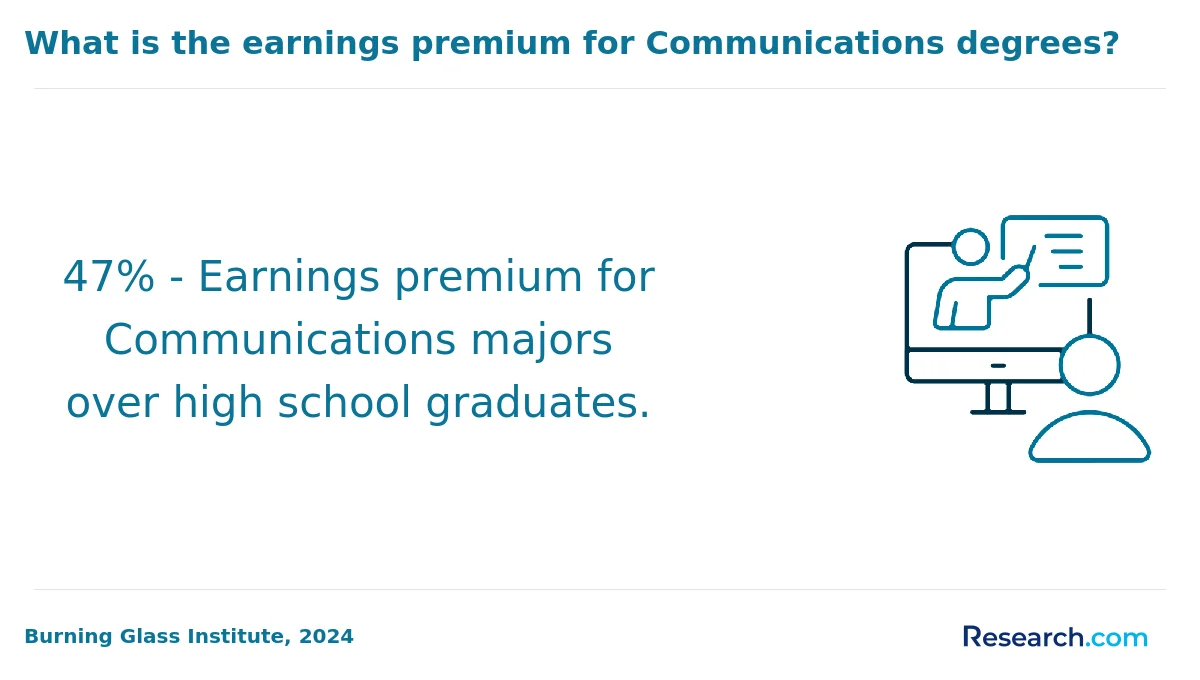
Graduates with an online communication degree in North Carolina often approach salary expectations with curiosity and hope. While specific BLS salary data for North Carolina communication roles isn't fully detailed, the general trend points to an average annual wage near $60,500-slightly below the national average of around $65,000. This reflects regional economic factors but is still encouraging for those starting their careers.
Take, for example, graduates from universities like the University of North Carolina at Chapel Hill or North Carolina State University. Many begin in roles such as social media coordinators or communication assistants, earning between $40,000 and $50,000. As they build portfolios and gain experience, especially in dynamic cities like Charlotte or Raleigh, salaries typically rise significantly.
These growth stories highlight how digital marketing managers or corporate communication specialists, boosted by expanding industries, can confidently anticipate salaries in the $55,000 to $75,000 range. It's a reminder that an online communication degree in North Carolina is not just an academic investment but a pathway to meaningful and evolving career opportunities.
2027 Most Affordable Online Communication Degree Programs Ranking in North Carolina
How do we rank schools?
Investing in your education is a significant decision that can shape your future, and the Research.com team understands the importance of making informed choices. To assist prospective students in North Carolina, we have meticulously crafted the "2027 Most Affordable Online Communication Degree Programs Ranking in North Carolina." Our commitment to quality, credibility, and accuracy is reflected in the extensive research and analysis conducted to compile this ranking.
We utilized the following reputable data sources to ensure a comprehensive evaluation of communication degree programs:
By exploring this ranking, readers will gain valuable insights into the most affordable and quality online communication degrees available in North Carolina, helping them make informed and confident educational decisions. For more details on our methodology, please visit our Research.com methodology page.


Key Findings
- The average annual tuition for an online communication bachelor's degree in North Carolina ranges from $7,000 to $15,000, with public universities offering lower rates for in-state residents.
- Fully online programs cover key subjects like media studies, public relations, interpersonal communication, and digital communication strategies.
- Starting salaries for communication graduates in North Carolina average around $42,000 per year, rising to about $70,000 for mid-career professionals with specialized skills.
- Employment in communication jobs in North Carolina is expected to grow by 8% over the next decade, outpacing the national average.
- Major job opportunities are concentrated in economic hubs such as Raleigh-Durham and Charlotte, home to many corporate and media organizations.
- Many programs offer flexible and part-time study options to accommodate working adults balancing education and other responsibilities.
How long does it take to complete online communication degree in North Carolina?
Many students in North Carolina envision completing their online communication degree in a neat four-year window, especially if enrolling full-time at well-known institutions like the University of North Carolina at Chapel Hill or North Carolina State University. Yet, this timeline often shifts based on individual choices and circumstances. Graduates frequently share how their paths stretched beyond four years when balancing work and family commitments or shortened dramatically through transfer credits and accelerated tracks.
Community college attendees pursuing an associate degree online often finish in about two years, but the real story unfolds with bachelor's degrees. Some students embrace part-time enrollment, extending their studies as they juggle professional and personal lives, while others tap into accelerated programs offered by universities such as East Carolina University, completing in as little as 18 to 24 months.
This flexibility reveals that completing a communication degree in North Carolina isn't just about the clock-it's about crafting an educational journey that fits your life, pace, and ambitions, empowering you to graduate in a way that feels genuinely attainable and rewarding.
What's the difference between online and on-campus communication degree?
Choosing between an online and on-campus communication degree in North Carolina often feels like deciding between two different worlds. A recent graduate from UNC Chapel Hill recalls how sitting in lively class discussions and spontaneous study group meetings sparked connections she never expected, helping her land internships through face-to-face networking. Meanwhile, an NC State alumnus reflects on the freedom online study offered him as a working parent-accessing lectures late at night, balancing assignments around family time, and still diving deep into digital media projects from afar.
Online programs in North Carolina excel in flexibility, a lifeline for many balancing careers and personal commitments. Yet, this freedom demands discipline and self-motivation. In contrast, traditional on-campus degrees embed students in a structured rhythm, enriched by direct mentorship and on-site resources, like campus media labs or communication clubs, hard to replicate virtually.
Both paths carry their own rewards and challenges, tied closely to how you want to experience your education and build your career in communication.
What is the average cost of online communication degree in North Carolina?
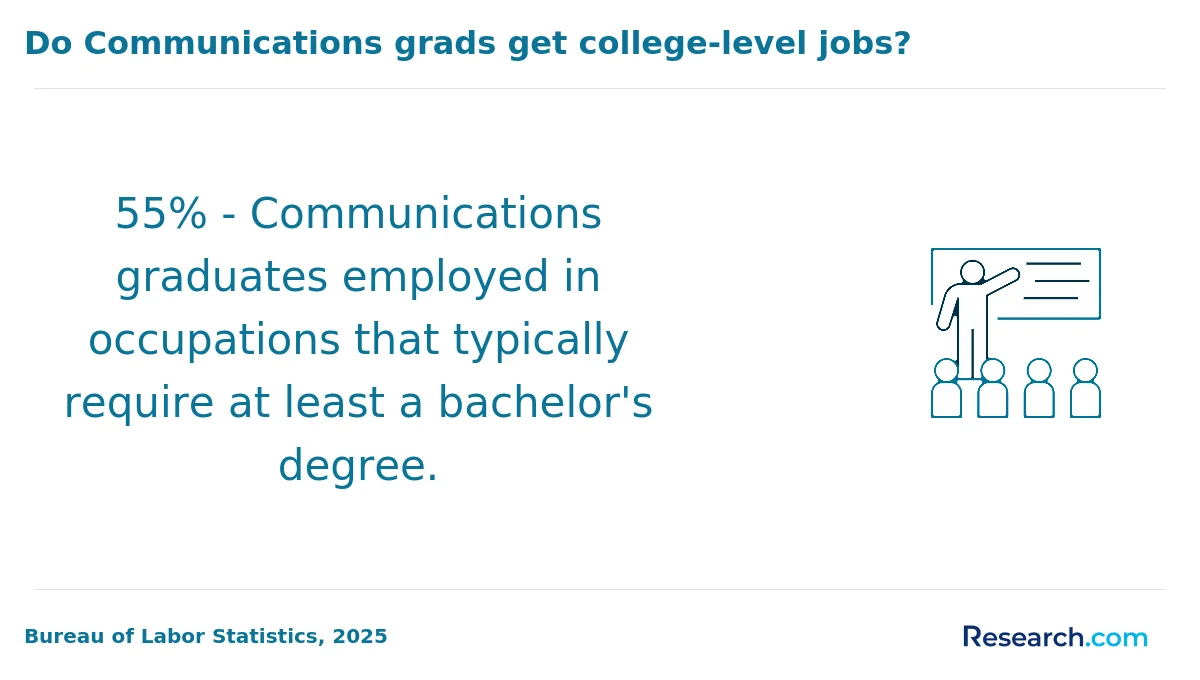
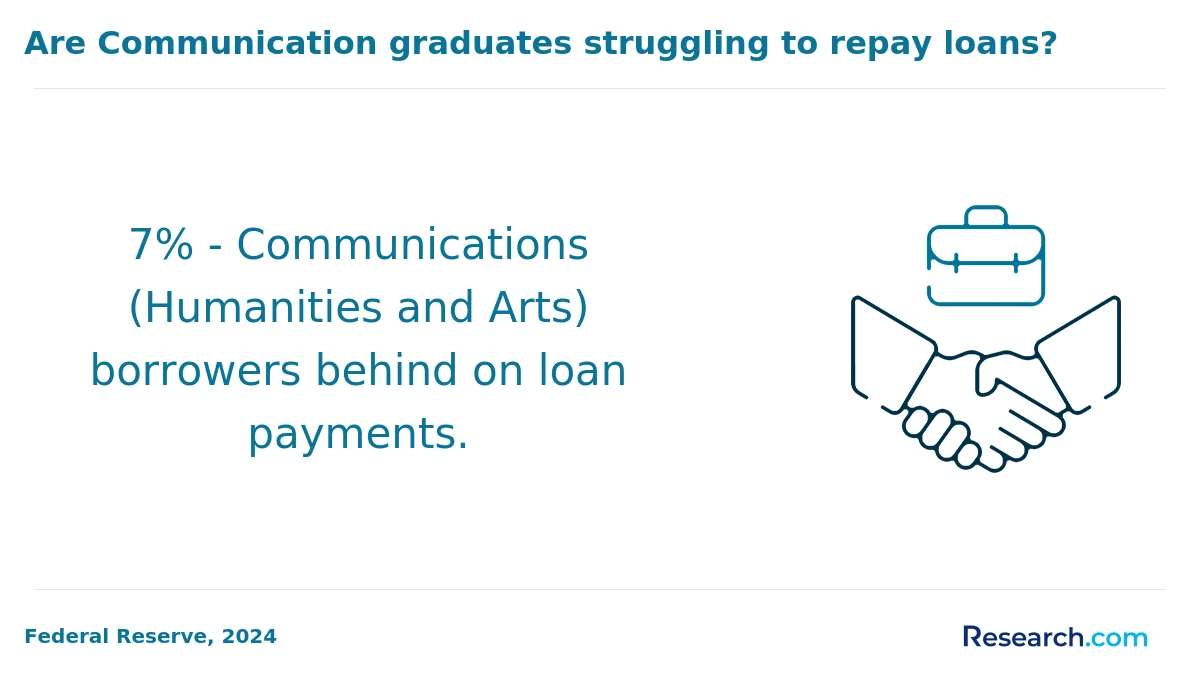
The average cost of an online communication degree in North Carolina can be surprisingly nuanced. While the median total cost sits around $66,690, this figure masks the wide range experienced by many students depending on residency and institution type. Graduates from popular universities such as the University of North Carolina system often recall paying significantly less if they qualified for in-state tuition, which generally totals closer to $21,240 for the entire program. This affordability allowed them to focus on mastering communications without the heavy financial anxiety that sometimes accompanies higher education.
In contrast, those attending as out-of-state students at esteemed schools like North Carolina State University have shared stories of costs exceeding $100,000. Yet, many found their investment worthwhile, citing access to strong faculty, flexible online formats, and career services that eased the challenging job market. These reflections highlight a critical question for prospective students: is an expensive degree necessarily better or simply a barrier?
North Carolina's landscape for affordable online communication degree programs North Carolina is diverse, offering something for varying financial situations and academic goals. Some students emphasize how breaking down tuition by per-credit-hour costs creates manageable payment plans, making the dream of an online degree more attainable. Plus, additional costs like technology and course fees are typically modest compared to tuition.
For those seeking financial relief, exploring options such as federal aid through FAFSA or scholarships can be pivotal. Many students also benefit greatly by investigating an affordable online communications master's program within the state, which often presents a smart path to earning advanced credentials without excessive debt.
What financial aid is available to online communication degree students in North Carolina?
Many online communication students in North Carolina discover that financial aid is more accessible than they initially thought. Graduates from well-known institutions like the University of North Carolina and North Carolina State University often recall how Federal Pell Grants-offering up to $7,395 a year-played a crucial role in easing tuition burdens. Completing the FAFSA became a gateway, unlocking a mix of federal grants, loans, and work-study options that truly offset costs.
State-specific aid adds another layer of opportunity. Students who qualified for the North Carolina Need-Based Scholarship or the UNC Need-Based Grant found unexpected relief, learning these options apply to their online programs if enrolled at eligible public schools. This challenges the assumption that online learners receive less support.
Meanwhile, merit scholarships at many universities reward academic achievement or prior experience, reminding applicants that personal dedication is acknowledged financially. Some also tap into employer tuition reimbursement programs-an underutilized resource among working professionals aiming to advance their communication careers.
What are the prerequisites for enrolling in online communication degree program in North Carolina?
Enrolling in an online communication degree program in North Carolina often starts with meeting straightforward prerequisites, but these quietly set the stage for future success. Most programs require a high school diploma or GED, a simple threshold that graduates from UNC system schools describe as a gateway rather than a barrier. Many found that having a solid foundation in English and social sciences-skills honed during high school-made their transition into college-level coursework smoother and even enjoyable.
While standardized tests like the SAT or ACT may still be requested, an increasing number of institutions embrace test-optional policies, reflecting trust in students' broader academic records and personal stories. Graduates from well-known North Carolina universities recall submitting transcripts that reflected consistent effort, often with a GPA around 2.0 to 2.5, alongside compelling personal statements or letters of recommendation that revealed their passion for communication.
Interestingly, associate degrees and certificate programs welcome a broader range of applicants, requiring only basic placement tests. This flexibility motivates many learners who balance work or family while chasing greater career opportunities, transforming prerequisites from daunting hurdles into stepping stones toward fulfillment.
The prerequisites, though seemingly typical, embody an invitation to engage deeply with communication studies, echoing the real-world challenges graduates face in media and corporate environments within North Carolina's vibrant academic landscape.
What courses are typically in online communication degree programs in North Carolina?
Online communication degrees in North Carolina challenge students to think beyond surface-level messaging. Graduates from universities like UNC Greensboro recall that core courses, such as communication theory, prompted them to analyze how meaning shifts depending on context-whether in personal conversations or complex media campaigns. This rigorous foundation is more than textbook learning; it sharpens the ability to decode everyday interactions and professional communications alike.
Media writing classes offered by many North Carolina programs push students to craft compelling narratives, essential in today's digital landscape. One graduate remembers transforming abstract ideas into clear, persuasive content that resonated across social media and public relations industries. This hands-on practice builds confidence, essential for real-world application.
Courses in interpersonal and organizational communication prepare students for the unpredictable dynamics of team leadership and conflict resolution, skills reported as invaluable by graduates entering fast-paced corporate environments. Institutions like Appalachian State also highlight specialized subjects, such as health communication, which align closely with North Carolina's booming healthcare sector.
- Digital Media and Communication Technologies
- Public Relations Campaigns and Strategies
- Mass Communication and Media Law
- Communication Research Methods
- Health Communication or Political Communication
What types of specializations are available in online communication degree programs in North Carolina?
When exploring online communication degree specializations North Carolina has to offer, students quickly find they can tailor their education to match dynamic career ambitions. Graduates from institutions like the University of North Carolina or North Carolina State University often praise the Public Relations and Strategic Communication track for its real-world application-crafting crisis communications that feel urgent and genuine, just as they would in bustling Raleigh's corporate hubs.
Others resonate deeply with Digital and Social Media Communication, enjoying how they translate classroom lessons into managing vibrant social channels for local nonprofits or startups in Charlotte's tech scene. These specializations reveal communication is not one-size-fits-all; it demands precision in diverse contexts, whether a healthcare worker crafting messages in a Health Communication focus or a future journalist navigating ethical dilemmas in media ethics.
Students pursuing the best communication majors in North Carolina online often reflect on how they developed skills that felt immediately relevant to their day-to-day lives. Exploring opportunities through a bachelor of communications online accredited program demonstrates that these degrees don't just teach theory-they prepare learners to connect, influence, and adapt in fast-paced environments.
How do you choose the best online communication degree in North Carolina?
Choosing the best online communication degree North Carolina offers demands more than just scanning a list of programs. Graduates from the University of North Carolina at Chapel Hill often emphasize how accreditation, such as from SACSCOC, directly impacted their confidence in the degree's value when applying for jobs or advanced studies. It's not just about prestige-this ensures your hard work translates into real-world opportunities.
Affordability also shifts the conversation. Affordable communication programs in North Carolina, including those at Appalachian State University, have enabled many students juggling full-time jobs to pursue their ambitions without overwhelming debt. However, it's critical to uncover hidden costs related to technology or course materials that can creep up unexpectedly.
One graduate shared how aligning course options with personal career goals-whether in digital media, public relations, or strategic communication-transformed their learning from routine to deeply engaging. The flexibility of asynchronous classes made it possible to maintain balance, enriching both personal and professional life. To explore your options thoroughly, consider visiting master's degree communications online for up-to-date program insights.
What career paths are available for online communication degree students in North Carolina?
Graduates armed with an online communication degree in North Carolina quickly discover that their career opportunities extend far beyond traditional roles. From the energetic halls of the University of North Carolina to the dynamic campuses of NC State, students share stories of thriving as social media managers crafting authentic brand voices or as corporate communications specialists navigating the complex messages within top Charlotte firms. These roles demand adaptability and creativity, qualities honed in real coursework and internships. The appeal of the degree lies in its multifaceted nature - graduates become public relations specialists managing client reputations or technical writers translating technology for the everyday user. This is not a narrow path but a broad landscape of jobs fueled by ever-evolving digital media.
Such diversity speaks to the flexibility of online communication degree jobs in North Carolina, where professionals find satisfaction in impactful storytelling and strategic problem-solving. For those eager to make an immediate difference, the region's growing industries offer fertile ground. Prospective students seeking the best online public relations degree programs highlight the valuable foundation these degrees provide, connecting them with career opportunities with communication degree North Carolina graduates are actively pursuing.
What is the job market for online communication degree in North Carolina?
The job outlook for online communication degree in North Carolina defies simple expectations, reflecting a dynamic blend of opportunity and evolving industry needs. Graduates from universities like UNC Chapel Hill or Appalachian State report landing roles in Charlotte's booming tech and finance sectors, where effective communication is a vital currency. These professionals don't just craft messages-they strategically shape brand reputations and corporate identities.
Career opportunities with communication degree North Carolina graduates are especially vibrant in fields such as digital content creation and public relations. Graduates often find themselves managing social media strategies or leading nonprofit outreach efforts, roles that demand both creativity and technological fluency. The ability to adapt to these changing demands is a key reason the median wage ranges from $50,000 to $70,000, with upward mobility tied to expertise.
For those considering quick entry into this job market, pursuing an accelerated master's degree public relations online program can provide an edge. This path has become an increasingly attractive option for North Carolina students aiming to balance cost and career readiness.
Frequently Asked Questions About communication
Online communication degree students in North Carolina can enhance their learning by actively engaging with course materials and participating in virtual discussions. Utilizing campus resources, such as online libraries and tutoring services from institutions like the University of North Carolina system, supports deeper understanding and research skills. Networking is also key; joining communication-related student groups or local industry associations helps build professional connections. Taking advantage of internships within North Carolina's growing media and public relations sectors, where jobs are expected to grow by 5% through 2030 per the U.S. Bureau of Labor Statistics, offers practical experience. Time management and self-discipline remain essential for success in online studies.
The communication field is rapidly evolving, and several emerging niches are gaining importance in North Carolina's job market. Digital communication strategies focused on social media management and content creation are among the fastest-growing areas. According to the North Carolina Department of Commerce, digital marketing jobs have increased by over 15% in the last five years.
Another developing niche is data-driven communication, where professionals analyze audience metrics to optimize message delivery. This skill is highly valued in corporate and nonprofit sectors across the state.
Additionally, crisis communication and reputation management are becoming crucial, especially for organizations responding to public scrutiny or emergencies.
Completing an online communication degree in North Carolina is only the first step toward a successful career. To prepare for the job market, students should focus on building a professional portfolio showcasing skills like public speaking, digital media, and writing. Internships and cooperative education programs, often available through North Carolina universities, provide practical experience and networking opportunities. According to the North Carolina Department of Commerce, communication-related jobs in the state are projected to grow by 8% from 2022 to 2032, highlighting the importance of industry readiness. Joining local or national communication organizations can also enhance employment prospects.
Additionally, graduates should develop proficiency in emerging digital tools and platforms commonly used in public relations, marketing, and corporate communication. Tailoring resumes and cover letters to target North Carolina employers helps, especially when emphasizing regional industry knowledge. Leveraging university career services and attending state career fairs increases access to job openings. Staying updated on communication trends and continuous learning improves adaptability in this evolving field, particularly within North Carolina's growing media and business sectors.
Employers in North Carolina highly value communication degree graduates who demonstrate strong writing and interpersonal skills. Clear and concise verbal communication is essential, as it enables graduates to effectively convey messages across diverse industries.
Critical thinking and problem-solving abilities are also sought after, helping graduates adapt to dynamic work environments. Familiarity with digital media and social platforms is increasingly important, reflecting the shift toward online communication strategies.
Additionally, teamwork and collaboration skills remain key, allowing graduates to work efficiently within organizations. According to the North Carolina Department of Commerce, these competencies align with the demands of the state's growing communications and marketing sectors.
Students pursuing online communication degrees in North Carolina can find internships through several effective strategies. Start by exploring opportunities offered by local universities and colleges, many of which partner with media outlets, marketing firms, and nonprofit organizations. According to the North Carolina Department of Commerce, the state has over 35,000 communication-related jobs, emphasizing demand for internships in public relations, digital marketing, and corporate communication.
Networking is essential; joining groups like the Public Relations Society of America (PRSA) North Carolina Chapter can connect students with professionals offering internships. Additionally, websites such as Handshake and the NCWorks Online portal list region-specific internship openings.
Contacting employers directly, including media stations and marketing agencies in cities like Raleigh and Charlotte, can reveal unadvertised positions. Internship credits often count toward degree requirements, so consulting academic advisors is recommended.
An online communication degree can significantly enhance career mobility and advancement in North Carolina's dynamic job market. According to the U.S. Bureau of Labor Statistics, roles related to communication, such as public relations specialists and media managers, are expected to grow by about 10% nationally through 2031. In North Carolina, this growth tends to be strong due to the state's expanding media and business sectors, including hubs like Charlotte and Raleigh.
Graduates with online communication degrees benefit from flexible learning options, allowing them to gain skills without interrupting current employment. This flexibility supports career shifts into marketing, corporate communication, or digital media fields. Furthermore, North Carolina employers often value degrees from regionally accredited institutions, ensuring graduates have a competitive advantage.
Strong communication skills combined with technological proficiency can lead to faster promotions, especially in roles requiring content creation, stakeholder engagement, and digital strategy.
Studying for an online communication degree in North Carolina equips students for interdisciplinary roles by blending core communication skills with knowledge from business, technology, and social sciences. Programs emphasize critical thinking, digital media, and strategic messaging, preparing graduates to work in diverse fields such as marketing, public relations, healthcare, and education.
North Carolina's higher education institutions often collaborate with local industries, giving students practical experience and networking opportunities. According to the North Carolina Department of Commerce, communication-related jobs in the state are projected to grow by 8% through 2030, highlighting increasing demand for adaptable professionals.
This multi-disciplinary approach ensures graduates can effectively navigate complex environments and contribute across sectors in today's evolving job market.
Choosing between a thesis and a non-thesis online communication degree program in North Carolina depends on your career goals and learning preferences. A thesis option typically involves conducting original research and writing a detailed paper, ideal for students interested in academic or research careers. This path may take longer but develops strong analytical skills.
The non-thesis option focuses more on practical application, such as projects or comprehensive exams, appealing to those aiming to enter the workforce quickly. According to the North Carolina Department of Commerce, demand for communication specialists is growing, emphasizing practical skills.
Consider if you prefer research depth or applied learning when deciding.
Students in North Carolina interested in studying communication abroad have several pathways through their local universities. Many institutions offer study abroad programs affiliated with partner universities worldwide, allowing students to earn credits towards their communication degrees.
Schools such as UNC Chapel Hill and NC State provide structured exchange programs in countries popular for communication studies, like the UK, Spain, and Australia. These experiences often include internships or hands-on media projects to enhance practical skills.
Online communication students can also participate in short-term faculty-led trips or virtual international collaborations, broadening their global perspective without disrupting their North Carolina-based coursework.
According to NAFSA: Association of International Educators, over 2,300 North Carolina students studied abroad in 2022, reflecting growing interest in international education opportunities.
Part-time jobs in North Carolina that complement an online communication degree include roles like social media coordinator, public relations assistant, and content writer. These positions allow students to apply communication theories and digital skills in real-world settings while earning income.
According to the North Carolina Department of Commerce, the state saw a 7% growth in marketing and communication-related roles from 2020 to 2023. This upward trend enhances opportunities for students seeking relevant work experience.
Additionally, internships or assistant roles in nonprofit organizations and local media outlets are common. These jobs help strengthen skills in media relations, event planning, and strategic communication, which are vital for career advancement in the communication field.
Online communication students in North Carolina benefit from diverse networking opportunities tailored to enhance professional growth. Many universities, such as the University of North Carolina system, offer virtual networking events and career fairs specifically for online learners. These platforms connect students with employers in media, public relations, and digital communication sectors prevalent in the state.
The state is home to multiple communication industry groups, including chapters of the Public Relations Society of America (PRSA) and the North Carolina Media Education Foundation, providing online students access to webinars and local meetups.
North Carolina ranks among the top 15 states in communications employment, generating over 35,000 jobs in 2023, which supports a vibrant professional community for new graduates.
Alumni networks play a significant role in supporting online communication degree students in North Carolina. These networks offer access to experienced professionals, career resources, and mentoring opportunities that enhance students' learning experience beyond the classroom.
Many North Carolina universities with online communication programs maintain active alumni communities that facilitate job placement and internships. For example, the University of North Carolina system reports that alumni connections can increase employment rates by providing direct referrals within the communication industry.
Furthermore, alumni networks help students navigate the evolving communication field by sharing industry trends and professional development opportunities. This ongoing support is especially valuable in North Carolina's growing media and public relations sectors.
Networking events and online forums foster relationships that can lead to job offers, freelance projects, and collaboration. According to the National Communication Association, alumni involvement correlates with higher graduate success rates across communication disciplines nationwide.
To customize an online communication degree in North Carolina, students can select electives and concentrations aligned with their career goals. Many schools offer specializations such as digital media, public relations, or organizational communication. This flexibility allows tailoring studies to industries like marketing, corporate communication, or media production.
Students may also engage in internships or capstone projects offered through North Carolina institutions, providing practical experience connected to regional employers. According to the North Carolina Department of Commerce, communication jobs in the state are projected to grow by 7% through 2030, especially in urban centers like Charlotte and Raleigh, emphasizing the importance of relevant skills.
Moreover, some programs allow transfer credits or offer dual degrees to combine communication studies with business or technology fields, empowering students for diverse career paths.
Online communication students in North Carolina often face challenges tied to technology access and digital literacy. Despite the state's growing internet infrastructure, rural areas still experience limited high-speed connectivity, which affects some students' ability to participate fully in synchronous classes. According to the Federal Communications Commission, approximately 12% of North Carolina residents lack broadband access, impacting online learning consistency.
Additionally, balancing coursework with personal and professional obligations proves difficult for many. Online communication programs require strong self-discipline since students manage their schedules independently. The lack of face-to-face interaction can lead to feelings of isolation, which some studies suggest may reduce motivation and engagement in course material.
Finally, students may encounter challenges related to applying practical communication skills remotely. Opportunities for real-time collaboration, internships, and networking vary widely across programs, potentially limiting hands-on experience essential for career readiness in communication fields.
An online communication degree from a North Carolina institution can open doors to several professional certifications that enhance your career prospects. Notable options include the Certified Professional in Learning and Performance (CPLP), which is valuable for training and development roles. The Accredited Business Communicator (ABC) certification, offered by the International Association of Business Communicators, suits those focusing on corporate communication.
For public relations professionals, the Accredited in Public Relations (APR) credential is respected nationwide. Additionally, the Social Media Strategist Certification from institutions like Hootsuite supports careers in digital marketing.
North Carolina's growing media and tech sectors, tracked by the NC Department of Commerce, increasingly value these certifications when hiring communication specialists.
To write a winning application for an online communication program in North Carolina, start by clearly articulating your career goals and how the degree will help you achieve them. Admissions committees value specific, well-reasoned personal statements that highlight your interest in communication fields such as public relations, media studies, or digital content creation.
Emphasize any relevant experience, including internships, volunteer work, or jobs related to communication. North Carolina's job market for communicators is growing, with 4% projected growth through 2030 according to the U.S. Bureau of Labor Statistics, making your practical skills important.
Include strong recommendation letters from professionals or professors who can attest to your abilities and commitment. Finally, proofread carefully to ensure your application is free of errors and reflects your communication strengths.
Communication careers are increasingly valued worldwide due to globalization and digital connectivity. In the U.S., including North Carolina, the demand for skilled communicators grows as businesses expand internationally. According to the U.S. Bureau of Labor Statistics, employment of communication specialists is projected to grow 11% from 2022 to 2032, faster than average. North Carolina's diverse economy, featuring industries such as technology, healthcare, and education, creates broad opportunities for communication graduates. Globally, effective communication professionals are essential in public relations, media, and corporate communications. Understanding diverse cultural perspectives and digital tools is critical for success in today's interconnected world.
Gaining practical experience while studying for an online communication degree in North Carolina can enhance your skills and employability. Many universities in the state offer virtual internships with local media companies, nonprofits, and businesses. These internships often provide hands-on experience in public relations, digital media, and corporate communication.
Additionally, students can participate in simulated projects, such as creating marketing campaigns or managing social media accounts, which some programs integrate into their curricula. North Carolina's vibrant communication industry, including hubs in Raleigh and Charlotte, offers networking events and virtual workshops to connect students with professionals.
According to the North Carolina Department of Commerce, communication-related jobs in the state are expected to grow by 9% from 2022 to 2032, increasing the demand for practical skills.
Choosing the right concentration within an online communication degree in North Carolina depends on your career goals and interests. Common concentrations include public relations, digital media, corporate communication, and journalism.
Research shows that North Carolina's growing media and tech sectors demand skills in digital communication and content strategy. For example, the Research Triangle Park area offers numerous opportunities in tech communications, making a focus on digital media valuable.
Additionally, consider programs accredited by the Accrediting Council on Education in Journalism and Mass Communications (ACEJMC), ensuring curriculum quality.
Review course offerings and align them with industries prominent in North Carolina to maximize job prospects after graduation.
Related Communication Rankings for Nearby States
- 2027 Most Affordable Online Communication Degree Programs Ranking in Virginia
- 2027 Most Affordable Online Communication Degree Programs Ranking in Georgia
- 2027 Most Affordable Online Communication Degree Programs Ranking in Kentucky
- 2027 Most Affordable Online Communication Degree Programs Ranking in Florida
- 2027 Most Affordable Online Communication Degree Programs Ranking in Pennsylvania
- 2027 Most Affordable Online Communication Degree Programs Ranking in Ohio
- 2027 Most Affordable Online Communication Degree Programs Ranking in Arkansas
- 2027 Most Affordable Online Communication Degree Programs Ranking in Missouri
- 2027 Most Affordable Online Communication Degree Programs Ranking in New York
- 2027 Most Affordable Online Communication Degree Programs Ranking in Illinois
Top Trending Communication Rankings
References
- Communications Degree Salary Guide | Maryville Online https://online.maryville.edu/online-bachelors-degrees/communications/careers/communications-degree-salary-guide/
- Master's in Communication Salaries by Career and Position ... https://www.mastersincommunications.com/faqs/masters-in-communication-salary
- Montreat College | Public Relations and Digital Media https://www.montreat.edu/on-campus/public-relations-digital-media/
- Top 10 Effective Networking Tips for Students https://www.unfc.ca/blog/networking-tips-for-students
- The Online Bachelor of Arts Degree in Communication https://www.wiu.edu/cofac/communication/online_BA.php
- Why You Should Start Networking as a Student https://amplifyme.com/blog/why-you-should-start-networking-as-a-student
- Finding Networking Opportunities as a Student https://www.nshss.org/resources/blog/blog-posts/how-to-find-networking-opportunities-as-a-student/
- 10 Essential Networking Tips for Students to Help Build ... https://www.luxurystudenthomes.co.uk/networking-tips-for-students/
- Bachelor's in Communications Programs in North Carolina (A-G) https://www.bestcommunicationsdegrees.com/bachelors-in-communications-in/north-carolina-a-g/
- What You Can Do with a Communications Degree https://www.cune.edu/news/what-you-can-do-communications-degree