2027 Best Online Bachelor's in Communication Degree Programs Ranking in New York

Co-Founder and Chief Data Scientist
Choosing the right online communication degree program can feel overwhelming, especially in a vibrant state like New York. To make this process easier, the 2027 Best Online Bachelor's in Communication Degree Programs Ranking in New York was created by the Research.com team of data scientists. This ranking helps students discover which programs offer quality education and strong career opportunities.
Reading this article will give you clear insights to confidently select a program that fits your goals. Earning a communication degree opens doors to dynamic careers, empowering you to connect, influence, and grow in today's fast-changing world.
Key benefits of getting online communication degree in New York
- Communication degree graduates in New York can expect rewarding careers with median salaries around $60,000 to $75,000 annually in roles like public relations specialists and marketing coordinators, offering solid financial stability.
- Graduates from New York's popular schools often pursue diverse paths such as media relations, corporate communications, or content creation, providing exciting opportunities to express creativity and build networks.
- Online communication degrees offer flexible schedules and lower costs, making it easier for busy New Yorkers to earn their degree while working or managing life, just like alumni from respected online programs at NY universities who thrive professionally.
- 2027 Best Online Bachelor's in Communication Degree Programs Ranking in New York
- What can I expect from online communication degree in New York?
- Where can I work with online communication degree in New York?
What can I expect from online communication degree in New York?
The average cost of an online communication degree in New York generally ranges between $15,000 and $40,000 for the entire program, depending on the institution and the level of degree pursued. For example, graduates from popular schools like Fordham University or Syracuse often note that while tuition can be on the higher side, financial aid and flexible payment plans helped make their education manageable.
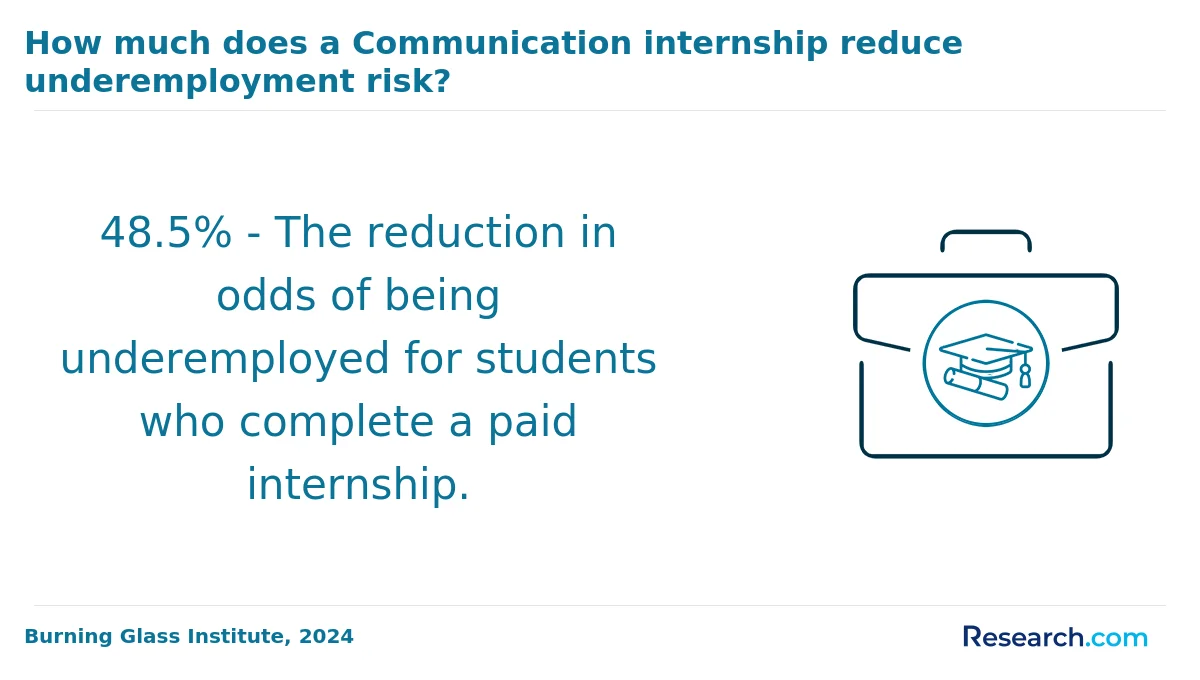
Many students appreciate how these programs balance affordability with quality instruction tailored to New York's competitive media landscape. One graduate recalled juggling a full-time job while attending asynchronous classes online, which allowed them to keep earning while advancing their career. Another emphasized the value of included internships advertised through their college's NYC connections, which often translate to job offers post-graduation.
Prospective students should also factor in books, technology fees, and any specialized course materials. Comparing costs at CUNY's Graduate School of Journalism or NYU's online offerings can yield options that fit various budgets. Ultimately, transparency on fees and support services from these schools makes it easier to plan financially and achieve career goals in communication.
Where can I work with online communication degree in New York?
With an online communication degree in New York, graduates find varied opportunities across sectors like media, corporate, nonprofit, and government. For example, graduates from programs at institutions such as CUNY or NYU often start their careers in New York City's vast media industry, working as digital content creators or social media strategists. These roles demand skills in managing digital platforms and crafting compelling messages, which many online students develop through hands-on projects.
Others leverage their degree to enter corporate communications in finance or tech firms upstate, where clear internal messaging and brand storytelling are prized. Graduates report satisfaction working as corporate communications specialists, helping companies manage stakeholder relations and promote transparency. This practical approach allows steady career growth.
Nonprofit organizations in New York also seek graduates to lead fundraising campaigns and community outreach efforts. Alumni recall feeling fulfilled coordinating volunteer programs and applying their media relations skills learned through their online courses.
Higher education and government agencies offer roles emphasizing public information dissemination and educational program promotion. The digital literacy gained from online degrees makes graduates adaptable and competitive across these fields.
Graduates of online communication programs in New York often see starting salaries between $45,000 and $55,000 annually, especially when joining smaller firms or non-profits. For example, those from well-known institutions like Hunter College or NYU's online communication courses shared how early roles in public relations or digital marketing began near these numbers.
With relevant internship experience and specialized skills-think social media strategy or content creation-graduates quickly move into higher-paying positions. Public relations specialists in New York enjoy a median salary around $75,000, noticeably above the national average, reflecting the city's competitive job market and demand for sharp communication skills.
Managers in media and corporate communications, often hired by larger firms in Manhattan, can earn well over $100,000, making additional certifications and networking within New York's communication circles valuable investments. These practical steps help graduates navigate career growth with confidence and steady financial progress.
- Tuition for a bachelor's degree in communication at public New York institutions ranges from $30,000 to $40,000, while private schools often charge over $60,000.
- New York offers steady job growth for communication specialists at a rate of about 5% over the next decade.
- Entry-level salaries start around $50,000 to $55,000, with mid-career earnings between $70,000 and $90,000, and senior roles exceeding $100,000 annually in New York City.
- Many accredited colleges provide fully online bachelor's programs, allowing flexible study and access to local internship opportunities.
- Regional accreditation is essential for federal financial aid eligibility, and some programs also have specialized accreditation from ACEJMC for high academic standards.
Completing an online communication degree in New York typically takes about four years for a full-time student, matching the timeline at well-known schools like Syracuse University or Hunter College. Graduates often express relief when finishing on time, especially after balancing internships and family commitments. If you study part-time, expect to spend five or six years, adjusting your schedule as life demands. Many students appreciate the flexibility of programs at institutions like Pace University, which allow summer courses or accelerated tracks. Taking extra credits can shorten your degree to three years, a popular choice among those eager to enter the workforce sooner.
Transfer credits also play a crucial role. Students who previously earned college credits benefit by jumping ahead, reducing their total semesters. This is common among transfer students at CUNY's communication programs, who report feeling motivated by quicker progress. Practical components like internships may require careful planning but add valuable real-world experience without necessarily extending your timeline.
Choosing between online and on-campus communication degrees in New York often comes down to flexibility versus immersive experience. Online programs, like those offered by several CUNY schools, allow students juggling jobs or family to watch lectures and submit work on their own schedules. One graduate recalls attending a Brooklyn-based university's program from home, appreciating the freedom to balance parenting and study without sacrificing quality education.
On-campus programs at institutions such as NYU provide rich, face-to-face interaction, access to media labs, and networking events. Graduates frequently highlight the value of spontaneous conversations with professors and peers, internships arranged through campus connections, and hands-on work in broadcasting studios that sharpen their skills.
Cost-wise, public universities in New York usually maintain similar tuition for both formats, but online students save on commuting and housing. Academic support differs too, with on-campus students benefiting from direct office hours and writing centers, while online learners rely on virtual tools and forums.
The average cost of an online communication degree in New York typically centers around a median total of $56,086. For in-state students, the median total tuition and fees tend to be closer to $36,580, which offers a more affordable pathway, especially through institutions like the State University of New York (SUNY) system. Graduates from SUNY's online communication programs often share how this cost balance allowed them to pursue their studies without the heavy financial burden found at private institutions.
Out-of-state students usually face higher expenses, with median totals around $43,772, reflecting the increased tuition rates at many New York colleges. Many who chose private colleges noted totals between $35,000 and $45,000 per year, often offset by scholarships or financial aid. Still, budgeting for additional costs like technology fees, course materials, and student services is crucial to get a clear picture of the total investment. These extra expenses, while manageable, can add up and should be factored in early.
Those aiming for the most economical options often look toward public in-state tuition averages of $8,000 to $10,000 per year, with online formats sometimes offering slight discounts compared to on-campus rates. If you want to explore further, some graduates have pointed to resources like cheapest online master's in communication programs to find budget-friendly routes without sacrificing quality.
Understanding the average cost of online communication degree in New York and related total tuition and fees for communication degree New York helps future students plan effectively, ensuring they can enjoy the rewarding experience of earning their degree without unexpected financial strain.
Financial aid for online communication degrees in New York can significantly ease the cost, which often ranges from $15,000 to $35,000 per year. A practical first step is submitting the Free Application for Federal Student Aid (FAFSA) to access federal grants like the Pell Grant, offering up to $7,395 annually. Many graduates from SUNY and CUNY schools found this grant crucial in covering tuition while balancing work and study.
If you qualify as a New York resident, the Tuition Assistance Program (TAP) provides up to $5,665 per year. For instance, online students at schools such as the University at Albany have used TAP to reduce their financial burden, making it easier to focus on coursework without excessive debt.
Federal student loans, including subsidized and unsubsidized options, provide flexible terms tailored for communication students. Additionally, private scholarships targeting media and communication majors and employer tuition reimbursement programs present valuable opportunities. Many students pursuing online communication degrees at institutions like Pace University share how employer support helped them manage expenses while advancing their careers.
To enroll in an online communication degree in New York, start by securing your high school diploma or GED, which all programs require as a foundational step. Graduates from well-known institutions like CUNY colleges often recall how maintaining a GPA around 2.5 helped them meet acceptance standards without unnecessary stress. Transcripts reflecting strong skills in English and social sciences will boost your application's strength.
While submitting SAT or ACT scores is sometimes optional now, many students found that providing good test results gave them a competitive edge, especially in popular programs at universities such as NYU or Fordham. Be prepared to write a clear personal statement explaining why communication excites you and how it fits your career path; this helped past students stand out.
Some schools might also ask for letters of recommendation, but don't be intimidated-former students often say this was a chance to showcase their motivation through trusted mentors. Lastly, ensure you have reliable internet and familiarity with digital platforms, as these tools are essential in New York's online learning environment.
Students enrolled in online communication degrees in New York typically encounter a curriculum built around core courses that lay a strong foundation. For example, graduates from well-known New York colleges often highlight how "Introduction to Communication Theory" helped them understand real-world interactions by breaking down everyday conversations into clear communication models.
Courses like "Interpersonal and Organizational Communication" are vital. They prepare you to navigate both personal relationships and professional environments, skills former students found essential when handling team projects during internships offered by New York's vibrant media industry.
"Mass Communication and Media Studies" teach how large-scale communication influences society-a crucial aspect understood through case studies based on New York's diverse media outlets. Public speaking classes also receive praise for boosting confidence, allowing students to present ideas effectively whether in Zoom meetings or live pitches.
Research methods courses equip you with tools to analyze communication trends, helping you make data-driven decisions-a skill many graduates say gave them an edge when entering New York's competitive job market in communications and media.
Online communication degree specializations New York programs frequently offer practical paths such as Corporate Communication, Digital Media and Social Media Communication, Public Relations, Health Communication, and Media Production. Graduates from well-known New York colleges find these tracks invaluable for building real-world skills directly applicable to roles within local media, healthcare, and business sectors.
For example, students focusing on Corporate Communication often engage in scenarios like managing internal crises or crafting stakeholder messages, reflecting clear corporate demands. Those in Digital Media learn to run social campaigns and analyze engagement metrics, skills highly sought after in New York's bustling advertising scene. Health Communication students frequently highlight their ability to design public health initiatives, benefiting from New York's strong healthcare industry connections.
If you're weighing your options, consider that many graduates feel confident entering competitive markets, thanks to these tailored concentrations. To explore more options and detailed program information, check resources like the online bachelors degree communications listings, which showcase New York online communication programs concentrations suited for diverse career paths.
Start by confirming the program's accreditation, especially from agencies like the Middle States Commission on Higher Education, which ensures quality and recognition across New York. Graduates from popular institutions often highlight how this accreditation helped them secure roles in NYC's competitive media scene. Next, focus on curriculum alignment with your career goals. Many online communication degree programs in New York offer specializations such as digital marketing or public relations, reflecting real industry demands.
Consider affordability carefully; tuition can vary widely between public universities and private colleges. If budget is a concern, explore options for financial aid or payment plans. Students who researched affordable online communication degrees NY found success by combining cost-effective programs with scholarships and part-time study. To find the right fit, you might want to compare the cheapest online bachelor's in journalism, which often overlap with communication studies.
Also, assess the online support services available. Graduates praise schools offering 24/7 tech help, career counseling, and access to New York's vibrant media internship networks. Finally, check program flexibility; asynchronous courses allow balancing work, family, and study-a must for many New Yorkers pursuing their degree.
Graduates with online communication degrees in New York often find career paths in public relations, marketing, corporate communications, and media production. Many from well-known colleges like CUNY have successfully entered public relations, managing company images or handling media for non-profits. This field offers a competitive salary and steady demand in New York's fast-paced environment. For those interested in marketing and advertising, roles such as digital marketers or social media managers are common, especially given New York's status as a major advertising hub. Graduates frequently highlight how courses from institutions like NYU prepared them for these dynamic roles.
Another popular choice is corporate communication, where graduates work within finance or tech companies to streamline internal and external messaging. Students from online programs at Pace University report feeling confident applying skills directly to such positions. Journalism and media production remain career options, though competitive; graduates appreciate how programs emphasize content creation and multimedia storytelling, positioning them well for journalism jobs in New York's diverse media scene. Considering online communication careers in New York means balancing practical skills with industry opportunities available in this vibrant city.
The job market for online communication degree jobs in New York offers a solid pathway for graduates ready to enter dynamic fields such as corporate communications, public relations, and media management. Graduates from popular New York institutions often find themselves in demand by media conglomerates, PR agencies, and nonprofits that seek skilled communicators to handle branding, digital outreach, and crisis communications. One graduate from a well-known New York college shared how their online degree allowed them to balance work and study while landing a role in a top public relations firm shortly after graduating.
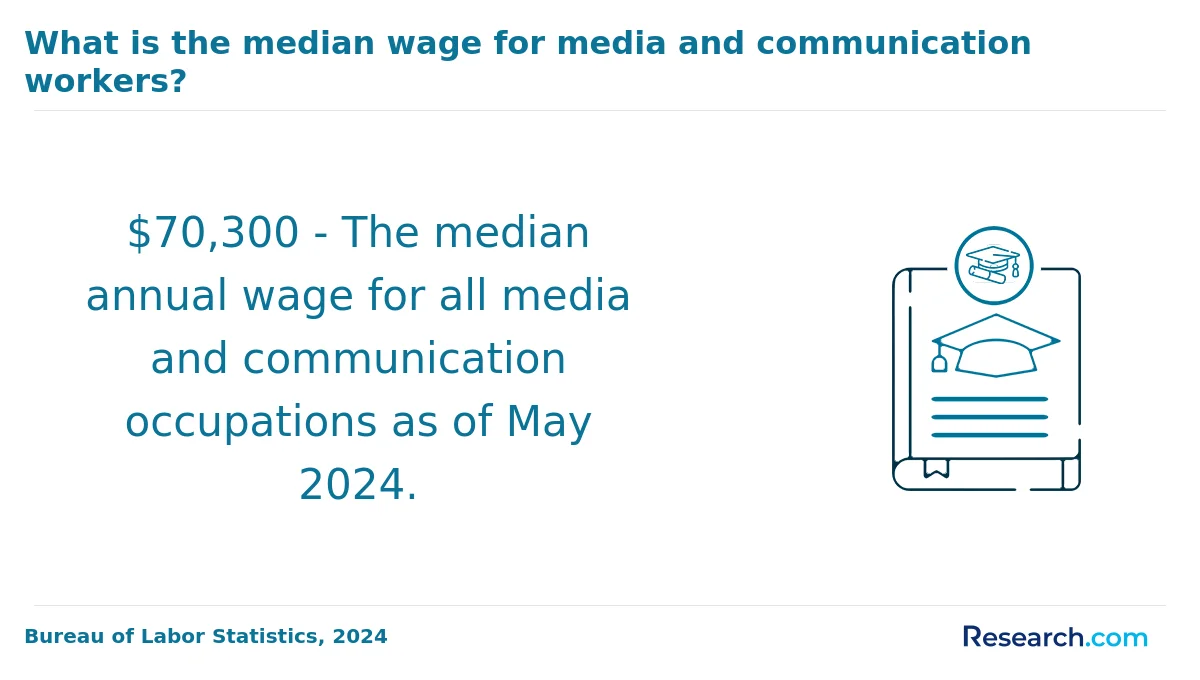
With New York's metropolitan area being a major communication hub, employment prospects are bolstered by a growing economy in sectors like finance, healthcare, and entertainment. The average annual wage of $72,000, higher than the national average, reflects this demand. For those evaluating career options, reviewing public relations job titles and salaries can help pinpoint opportunities and salary expectations in the state.
Students focusing on online communication degrees in New York benefit from strong alumni networks and career services offered by regionally accredited colleges, enhancing job market success. Considering the New York communication graduate employment outlook, investing in a flexible, reputable online program is a practical step toward building a rewarding communications career.
2027 Best Online Bachelor's in Communication Degree Programs Ranking in New York
Investing in your education is a significant decision that can shape your future, and the Research.com team understands the importance of making informed choices. To assist prospective students in New York, we have meticulously crafted the "2027 Best Online Bachelor's in Communication Degree Programs Ranking in New York." Our commitment to quality, credibility, and accuracy is reflected in the extensive research and analysis conducted to compile this ranking.
We utilized the following reputable data sources to ensure a comprehensive evaluation of communication programs:
By exploring this ranking, readers will gain valuable insights into the best online communication degree programs available in New York, helping them make confident and informed decisions about their educational futures. For more details on our methodology, please visit our Research.com methodology page.


# 3 position
SUNY Empire State College
Bachelor of Cultural Studies
Frequently Asked Questions About communication
Students pursuing online communication degrees in New York can enhance their learning by actively engaging with local media organizations and digital platforms. According to the New York State Department of Labor, communication jobs in media and public relations have grown 6% over the past five years, highlighting opportunities for internships and practical experience. Leveraging virtual networking events hosted by New York-based professional groups can connect students with industry experts.
Additionally, using state-supported resources like SUNY's online tutoring and career services helps students stay on track. Balancing coursework with participation in online forums and workshops sharpens communication and technical skills essential for success in this competitive field.
The communication field is evolving rapidly, with several emerging niches gaining attention in New York and across the US. Digital media strategy, social media management, and data analytics are becoming critical areas as organizations prioritize online presence and audience engagement.
Health communication has also grown, especially after the COVID-19 pandemic, with institutions seeking experts to craft clear public health messages. Additionally, crisis communication and corporate social responsibility have become prominent as companies respond to social and environmental challenges.
According to the New York State Department of Labor, employment for communication specialists is expected to grow 10% by 2030, highlighting these expanding opportunities.
After completing an online communication degree in New York, tailoring your job market preparation is essential. Start by building a strong portfolio showcasing your skills in digital media, public relations, or corporate communication. Employers in New York often seek candidates with practical experience alongside academic credentials.
Engage in internships or freelance projects during your studies to gain relevant experience. New York's media and communication sectors value hands-on knowledge, with the Bureau of Labor Statistics reporting over 25,000 communication jobs in the NYC metro area as of 2023.
Networking is critical; consider joining local chapters of professional organizations such as the Public Relations Society of America (PRSA) to connect with industry professionals.
Additionally, focus on mastering digital tools and platforms widely used in the industry, including social media management and analytics software, to enhance employability.
Employers in New York highly value communication degree graduates who demonstrate strong writing and verbal skills. Clear, concise communication is essential across various industries, especially in the city's thriving media and public relations sectors. According to the National Association of Colleges and Employers (NACE), 85% of employers prioritize verbal communication skills when hiring graduates.
Additionally, critical thinking and problem-solving abilities are important, helping graduates adapt to fast-paced environments common in New York workplaces. Familiarity with digital communication platforms and social media management is increasingly sought after, reflecting the growing demand for online engagement expertise.
Teamwork and interpersonal skills also rank high, as collaborative projects are frequent in corporate and nonprofit settings. The New York State Department of Labor underscores these competencies as key factors employers look for in communication professionals.
Finding internships in New York relevant to a communication degree involves a strategic approach, blending research and networking. Begin by exploring university career centers, which often partner with local media companies, advertising agencies, and PR firms offering internships tailored to communication students.
Additionally, platforms like Handshake and Indeed list numerous New York-based internships. According to the New York State Department of Labor, communications and media roles are among the fastest-growing sectors, increasing internship availability.
Networking also plays a key role. Joining professional groups such as the Public Relations Society of America (PRSA) New York chapter can connect students with mentors and job leads.
Students should also attend local industry events and utilize LinkedIn to reach out directly to employers in the city's vibrant communications landscape.
An online communication degree offers significant advantages for career mobility and advancement in New York's competitive job market. Graduates gain versatile skills in media, public relations, digital content, and corporate communication, which are highly valued across industries like technology, finance, and entertainment. According to the U.S. Bureau of Labor Statistics, communication specialists in New York earn a median annual wage of over $65,000, surpassing the national average. The ability to complete a degree online allows professionals to continue working while expanding their qualifications, making them more attractive to employers seeking adaptable and tech-savvy candidates. Networking opportunities in New York also enhance career growth post-graduation.
Studying for an online communication degree in New York equips students with versatile skills applicable across multiple industries. New York's programs often emphasize media literacy, digital communication, and strategic messaging, enabling graduates to work in fields like marketing, public relations, and healthcare communication.
Many universities also incorporate interdisciplinary coursework, blending communication studies with business, technology, and psychology. According to the National Center for Education Statistics, communication degrees grew by 8% in New York from 2018 to 2022, reflecting strong demand for adaptable professionals.
Additionally, New York's diverse economy encourages collaboration between sectors, preparing students to address complex problems with effective communication strategies. This interdisciplinary focus enhances career flexibility and readiness for evolving job markets.
Choosing between a thesis and a non-thesis online communication degree program in New York depends largely on your career goals and learning preferences. Thesis programs usually require conducting original research and writing a detailed paper, which suits students interested in academic or research careers.
Non-thesis programs focus more on practical skills through projects and coursework, appealing to students aiming for direct entry into the workforce or roles in media, public relations, or corporate communications.
According to the National Center for Education Statistics, New York-based communication graduates with research experience often pursue graduate studies or policy roles. Consider your long-term plans and check if your target schools offer flexible online options.
Students based in New York who wish to study communication abroad have several online options that combine international exposure with local flexibility. Many US universities offer partnerships or exchange programs with foreign institutions, enabling students to earn credits toward their degree while engaging in global communication studies. According to the Institute of International Education, over 30,000 US students studied abroad in 2022, with communication being a popular major.
New York's extensive university system includes schools offering online communication degrees with global perspectives. Students can also explore remote internships and virtual international seminars to enhance cross-cultural communication skills. This approach fits well with current trends in global education and remote work.
Students pursuing an online communication degree in New York can benefit from various part-time job opportunities that complement their studies. Popular roles include social media coordinator, content writer, and public relations assistant. These positions provide practical experience in crafting messages, managing online presence, and engaging audiences.
New York's dynamic media and advertising sectors offer numerous internships and freelance options, helping students build portfolios and professional networks. According to the New York State Department of Labor, jobs in related fields grew by over 5% from 2020 to 2023, highlighting expanding opportunities for communication students.
Part-time roles in nonprofit organizations and local news outlets also enhance critical skills such as event planning and media relations, essential for communication careers.
Online communication students in New York benefit from diverse networking opportunities available through both virtual and local channels. Many universities with online programs offer access to industry webinars, alumni networks, and virtual career fairs that connect students with communication professionals. New York City, as a media and communication hub, hosts numerous professional associations such as the Public Relations Society of America (PRSA) New York Chapter and the New York Chapter of the International Communication Association. Engaging with these groups allows students to build meaningful relationships and access mentorships.
According to the New York State Department of Labor, the communication and media sector employs over 200,000 individuals statewide, providing a strong job market with many networking events tailored for communication students and graduates. Additionally, internships and cooperative education obtained through online programs often include introductions to local businesses and nonprofits, enhancing practical connections essential for career growth.
Alumni networks offer significant advantages to students pursuing online communication degrees in New York. These networks provide access to professional connections in industries such as media, public relations, and digital marketing, which are robust in the state. According to the New York State Department of Labor, communication-related occupations are projected to grow by 7% through 2030, highlighting the importance of strong networks.
Through alumni events, mentorship programs, and job boards, students gain firsthand insights and job leads. Institutions like SUNY and CUNY emphasize alumni engagement, aiding in internships and career placements.
Participation in alumni networks can enhance career readiness and increase employment opportunities after graduation.
Customizing an online communication degree in New York allows students to align their education with specific career goals. Many New York institutions offer specialized courses in areas like digital media, public relations, and organizational communication, enabling students to build expertise in high-demand fields.
Students can often select electives or minors that complement their major, such as marketing or journalism, providing additional skills sought by employers. Internships and capstone projects offered through online programs in New York also provide practical experience tailored to individual interests.
According to the New York State Department of Labor, communication-related jobs are growing steadily, emphasizing the importance of specialized skill sets.
Online communication students in New York often face challenges related to technology access and digital literacy. Reliable internet connection can be inconsistent, especially outside urban centers, which affects their ability to participate in synchronous classes. According to the National Center for Education Statistics, about 14% of New Yorkers living in rural or suburban areas report difficulties with broadband access.
Another challenge is time management, as many students balance coursework with work or family responsibilities. Effective communication skills can be harder to develop in virtual environments where non-verbal cues are limited. Additionally, students may experience feelings of isolation without face-to-face interaction, which impacts motivation and engagement.
Navigation of online platforms and adapting to constantly evolving digital tools also requires continuous learning, adding to students' workload. Moreover, employers in New York's competitive media market increasingly expect experience with cutting-edge communication technologies, pushing students to seek practical opportunities beyond coursework.
With an online communication degree, you can pursue various professional certifications that enhance your skills and career prospects. Popular certifications include the Certified Professional in Learning and Performance (CPLP), offered by the Association for Talent Development, which is valuable for those interested in corporate communication and training roles.
Another relevant certification is the Accredited Business Communicator (ABC) credential from the International Association of Business Communicators. This certification is recognized nationwide, including in New York, where communication professionals often work in media, marketing, and public relations sectors.
Additionally, the Digital Marketing Certificate from professional bodies like the American Marketing Association is increasingly important due to New York's robust digital marketing industry.
These certifications can complement your degree and improve your competitiveness in New York's communication job market, which the U.S. Bureau of Labor Statistics reports is growing steadily.
Writing a strong application for an online communication program in New York requires clear focus and preparation. Start by thoroughly researching the specific program and its prerequisites to tailor your materials effectively.
Highlight relevant experience in media, journalism, or digital communication, as New York's job market values practical knowledge linked to local communication trends. According to the New York State Department of Labor, communication careers in the state are growing steadily, emphasizing digital media skills.
Craft a compelling personal statement that explains your motivation and goals while illustrating your ability to succeed in a remote learning environment. Include any prior academic achievements and discuss how the program aligns with your career plans.
Request strong letters of recommendation from professional or academic sources familiar with your communication skills. Lastly, be sure to submit all documents on time and follow each program's application instructions carefully to avoid delays or disqualification.
The communication field is increasingly recognized as crucial worldwide, especially in an interconnected global economy. Careers in communication offer diverse opportunities across media, public relations, marketing, and corporate sectors. According to the Bureau of Labor Statistics, employment in communication-related occupations in New York is projected to grow 7% from 2022 to 2032, reflecting steady demand.
Globally, communication professionals are valued for their skills in cross-cultural interaction and digital media expertise. New York, as a media hub, provides a unique environment where local education aligns with international industry standards. Many online programs incorporate global case studies and digital trends, preparing graduates for roles beyond U.S. borders.
Gaining practical experience while studying for an online communication degree in New York is essential for career readiness. Many programs encourage internships with local media outlets, public relations firms, or nonprofit organizations. According to the New York State Department of Labor, the communication sector in New York offers thousands of internships annually, providing students hands-on exposure.
Additionally, students can participate in virtual projects, such as social media campaigns and digital content creation, often integrated into coursework. Networking events and workshops hosted by New York-based communication associations also offer valuable professional connections. These opportunities help build a strong resume alongside academic learning.
Choosing the right concentration within an online communication degree in New York depends on your career goals and interests. Common concentrations include public relations, digital media, journalism, and corporate communication. Each offers distinct skills tailored to specific industries.
Research from the New York State Department of Labor shows that digital media and public relations roles are growing faster than average, reflecting the city's strong media and business sectors. Considering the local job market can guide your choice.
Also, evaluate program flexibility and course offerings at New York schools to ensure alignment with your passions. For example, some programs emphasize multimedia storytelling, while others focus on strategic communication tactics.
Lastly, consider networking opportunities and internships specific to New York's vibrant communication industry to enhance your practical experience and employment prospects.
- 2027 Best Online Bachelor's in Communication Degree Programs Ranking in Pennsylvania
- 2027 Best Online Bachelor's in Communication Degree Programs Ranking in Kentucky
- 2027 Best Online Bachelor's in Communication Degree Programs Ranking in Illinois
- 2027 Best Online Bachelor's in Communication Degree Programs Ranking in Florida
- 2027 Best Online Bachelor's in Communication Degree Programs Ranking in Missouri
- 2027 Best Online Bachelor's in Communication Degree Programs Ranking in Arkansas
- 2027 Best Online Bachelor's in Communication Degree Programs Ranking in Texas
- 2027 Best Online Bachelor's in Communication Degree Programs Ranking in Colorado
- 2027 Best Online Bachelor's in Communication Degree Programs Ranking in Arizona
- Communications Degree | Communications Major https://www.collegeadvisor.com/resources/communications-degree/
- What studies are needed to work in communications? - Sup de Pub https://www.supdepub.com/en/guide/what-studies-are-needed-to-work-in-communications/
- Communication Frequently Asked Questions | Central Methodist University https://centralmethodist.edu/academics/undergraduate/communication/communication-faq.html
- Bachelor of Arts inCommunication Online or On Campus https://www.albany.edu/communication/programs/ba-communication
- Utilize Your Alumni Networks https://www.keg.com/news/ways-to-use-your-alumni-networks-for-the-better
- The Versatility of Communications Degrees - NYWICI https://nywici.org/advance/career/the-versatility-of-communications-degrees/
- Why You Should Start Networking as a Student – and How to Do It https://amplifyme.com/blog/why-you-should-start-networking-as-a-student
- 10 Essential Networking Tips for Students to Help Build Strong Connections - Luxury Student Homes https://www.luxurystudenthomes.co.uk/networking-tips-for-students/
- CONCENTRATIONS IN COMMUNICATION https://www.villanova.edu/university/liberal-arts-sciences/programs/communication/undergraduate-program/major/specializations.html
- Communication & Journalism Study Abroad Programs - Media, PR https://www.ceastudyabroad.com/academic-discipline/communication-journalism