2027 Most Valuable Online Communication Degree Programs Ranking in the West

Co-Founder and Chief Data Scientist
Choosing the right communication degree can shape your future in exciting ways. This article presents the 2027 Most Valuable Online Communication Degree Programs Ranking in the West, thoughtfully compiled by the Research.com team of data scientists.
Designed to help you navigate options, this ranking highlights programs that offer strong value and opportunities. Whether you want to advance your career or develop new skills, understanding which programs stand out is key.
Reading this guide will empower you to make an informed choice and take a confident step toward a rewarding communication degree.
Key benefits of getting online communication degree in the West
- Although specific salary data is unavailable, communication degree graduates in the US typically earn competitive wages in fields like public relations, marketing, and media, often enjoying rewarding financial growth over time.
- Graduates from well-known Western universities have pursued diverse career paths such as digital marketing, corporate communication, and media production, offering dynamic opportunities to use creativity and interpersonal skills.
- An online communication degree from a reputable Western university provides flexibility and convenience, allowing students to balance work and life commitments while gaining valuable skills comparable to traditional programs.
- Key benefits of getting online communication degree in the West
- What can I expect from online communication degree in the West?
- Where can I work with online communication degree in the West?
- How much can I make with online communication degree in the West?
- 2027 Most Valuable Online Communication Degree Programs Ranking in the West
- Key Findings
- How long does it take to complete online communication degree in the West?
- What's the difference between online and on-campus communication degree?
- What is the average cost of online communication degree in the West?
- What financial aid is available to online communication degree students in the West?
- What are the prerequisites for enrolling in online communication degree program in the West?
- What courses are typically in online communication degree programs in the West?
- What types of specializations are available in online communication degree programs in the West?
- How do you choose the best online communication degree in the West?
- What career paths are available for online communication degree students in the West?
- What is the job market for online communication degree in the West?
- Top Trending Communication Rankings
What can I expect from online communication degree in the West?
The average cost of an online communication degree in the Western United States typically ranges between $15,000 and $35,000 for a bachelor's program, though prices vary depending on the institution and whether you qualify for in-state tuition benefits. Graduates from well-known universities in California or Washington often mention how budgeting for tuition helped them balance expenses with part-time work or employer tuition assistance.
Many students find that public universities offer more affordable rates, especially if they live in the same state. For instance, a student enrolled in a University of California online communication program reported feeling confident in managing costs by applying for financial aid early and exploring payment plans.
Private institutions generally have higher tuition but sometimes provide scholarships specific to communication majors, which can ease the financial burden. Graduates also highlight value gained from career services and internship connections offered by these schools in media hubs like Los Angeles or Seattle, making the investment worthwhile.
Where can I work with online communication degree in the West?
Graduates with an online communication degree from universities like the University of Southern California or the University of Washington often find themselves thriving in public relations, marketing, and social media management roles. Many share how they transitioned smoothly into remote positions at digital marketing agencies or tech startups, appreciating the flexibility to balance work and life in bustling cities like Los Angeles or Seattle.
In real-life terms, some graduates land roles with entertainment companies in California, crafting press releases or managing social media campaigns, which offers both creative satisfaction and steady income. Others secure corporate communication jobs at global firms in Washington, coordinating internal messaging across time zones-an ideal fit for those who enjoy problem-solving and teamwork.
Local government offices and public institutions also welcome communication experts, where graduates contribute to health campaigns or community outreach programs, feeling proud to impact public wellbeing. Meanwhile, universities hire them as media specialists or digital content managers, blending their love for education with practical communication skills.
This diversity of options lets graduates tailor their career paths, confidently stepping into roles that match their strengths and aspirations within the dynamic Western job market.
How much can I make with online communication degree in the West?
Graduates with an online communication degree in the Western U.S. can generally expect starting salaries between $45,000 and $60,000 in entry-level roles like communication specialists or public relations assistants. Those who studied at well-known institutions such as the University of Southern California or the University of Washington often find these figures align closely with their initial job offers in metropolitan hubs like Los Angeles or Seattle.
Moving into mid-level positions like communication managers or media directors, salaries typically rise to between $75,000 and $100,000, reflecting gained expertise and greater responsibility. Graduates pursuing additional credentials or master's degrees report salary boosts around 15% to 25%, with earnings reaching $85,000 to $110,000 depending on their chosen sector.
For instance, a digital communications manager in Seattle's tech scene can expect median pay near $95,000, which encourages many graduates to specialize in digital media. Alumni from institutions like Colorado State University appreciate that this salary progression matches both their investment in education and the higher living costs in Western cities, making the degree a worthwhile career move.
2027 Most Valuable Online Communication Degree Programs Ranking in the West
How do we rank schools?
Investing in one's education is a significant decision that can greatly impact future success, and the Research.com team recognizes the importance of providing accurate and trustworthy information. To support prospective students seeking the best online communication degrees in the Western United States, we have carefully developed the "2027 Most Valuable Online Communication Degree Programs Ranking in the West." Our dedication to quality, credibility, and precision is demonstrated through comprehensive research and rigorous analysis. We utilized the following reputable data sources to create this ranking:
By consulting this ranking, readers will gain valuable insights to guide them in selecting high-quality, credible programs that best fit their educational and career goals. For a detailed explanation of our evaluation process, please visit our Research.com methodology page.




# 12 position
Colorado Christian University
Bachelor of Communication Studies


# 17 position
Maestro University
Bachelor of Communication
# 18 position
University of Massachusetts Global
Bachelor of Communications and Media

# 19 position
Montana State University Billings
Master of Public Relations

# 20 position
Montana State University Billings
Bachelor of Communication: Organizational Communication
Key Findings
- Online communication degrees in the Western US are offered at associate, bachelor's, and master's levels by accredited schools.
- Bachelor's programs at public institutions cost between $25,000 and $40,000, while private schools may charge over $50,000; associate degrees start around $5,000 to $10,000.
- Starting salaries average about $45,000 annually, with experienced professionals earning between $65,000 and $75,000 depending on location and role.
- The communication job market in the West is expected to grow 10% over the next decade, faster than the national average.
- Programs often include practical skill training and internships to prepare students for careers in digital marketing, corporate communication, and social media management.
- Accreditation by bodies like the Western Association of Schools and Colleges (WASC) is important for degree recognition and credit transfer.
How long does it take to complete online communication degree in the West?
Most students pursuing an online communication degree in the Western US find that finishing a bachelor's degree takes about four years of full-time study. Graduates from public universities in California and Washington often share that sticking to a full-time schedule helped them graduate on time, balancing school alongside work and family commitments.
Associate degrees typically take around two years and serve as a practical stepping stone for those wanting to transfer to a four-year program later, like at Oregon's community colleges where affordability meets flexibility.
Master's programs usually require 1.5 to 2 years full-time, but some Western institutions offer accelerated paths for motivated students, cutting completion to a year. Part-time learners should expect longer durations but appreciate the ability to work simultaneously.
Pragmatic students in the West benefit from transferring credits and choosing schools with clear curriculum requirements to avoid delays. With tuition ranging from $1,200 at community colleges to $12,000 at public universities, focusing on timely completion also helps control overall costs.
What's the difference between online and on-campus communication degree?
Choosing between an online and an on-campus communication degree in the West hinges on your lifestyle and learning preferences. Online programs, like those offered by universities in California and Washington, let you study from home, juggling classes around work or family. Graduates often mention appreciating the flexibility to complete lectures in the evenings or weekends without commuting across sprawling campuses.
On the other hand, those attending traditional programs in states like Oregon or Colorado highlight the value of face-to-face interaction. They benefit from immediate access to media labs, student groups, and local internship opportunities, fostering stronger professional networks through daily campus engagement.
Cost is another practical factor. Many public Western universities charge $8,000 to $12,000 annually for in-state on-campus tuition, while online options might save money on transport and fees, though tuition rates can be comparable. Online learners often develop robust digital communication skills, which employers highly value in today's tech-driven workplaces.
Ultimately, graduates from both paths find success by aligning their choice with their schedules and career goals, whether enjoying the community vibe of campuses like Arizona State University or the convenience of digital platforms at schools such as the University of Nevada.
What is the average cost of online communication degree in the West?
The average cost of an online communication degree in the West typically falls around $60,000 total tuition and fees, though this can vary based on residency and institution type. In-state students often benefit from lower tuition rates; for example, graduates from Western Oregon University reported paying closer to $7,500 annually, making their overall expenses more manageable. Conversely, out-of-state students or those attending private institutions like the University of the Pacific might face annual tuition exceeding $45,000, pushing total costs well above $90,000.
Many students pursuing a communication degree in the Western US choose public universities to balance quality and affordability. The University of California system, for instance, charges about $13,000 to $15,000 per year for in-state online students, and graduates highlight how this investment led to rewarding career opportunities. When planning your budget, remember that total tuition for communication degrees in the western US often includes additional fees for technology and materials, adding roughly $1,000 to $2,000 per year.
Considering the average cost of online communication degree programs in the West, it's practical to also explore scholarships, employer tuition assistance, and federal aid. Many students graduate feeling confident their financial planning supported their goals without overwhelming debt. Those researching specific course requirements find that understanding the communication major class requirements helps in estimating exact costs and timelines for degree completion.
What financial aid is available to online communication degree students in the West?
Students pursuing an online communication degree in the West often rely first on federal aid by completing the FAFSA. This opens doors to Pell Grants, which can provide up to $7,395 annually-enough to ease the financial burden significantly. For example, a graduate from a public university like Washington State University found this assistance crucial in covering tuition costs while balancing part-time work.
State-specific programs are equally important. California's Cal Grant awards up to $12,630 annually, making communication studies at Cal State universities much more affordable for residents. Similarly, those studying at the University of Oregon benefit from Oregon's state scholarships tailored to in-state learners.
Many online communication programs also offer merit and need-based scholarships, typically ranging from $1,000 to $5,000 each year. Graduates from these programs often mention how these scholarships, combined with veteran discounts or employer tuition reimbursement, made completing their degrees feasible while working full-time.
Private foundations focusing on media and journalism provide additional funding opportunities, found via scholarship databases. These layered supports transform what initially seems like a costly endeavor into a manageable investment in your future.
What are the prerequisites for enrolling in online communication degree program in the West?
To enroll in an online communication degree program in the Western US, you must start with a solid academic foundation, typically a high school diploma or GED. Many graduates from popular West Coast universities recall how meeting this basic requirement unlocked their path forward. Some schools also expect a minimum GPA around 2.5, so staying on top of your grades in high school really pays off.
Standardized tests like the SAT or ACT have become less critical, with many programs dropping them altogether. Still, a few schools might ask for these scores, so it's wise to check individual program requirements early. Personal statements are key-sharing your passion for communication and your career goals makes your application stand out, as many students have found during their admissions process.
If you're aiming for a graduate degree in communication, be prepared to show a completed bachelor's degree transcript and submit GRE scores, letters of recommendation, and a focused statement of purpose. This rigorous step reflects the selective nature of advanced programs in the West, where students feel proud of their focused, strategic preparation.
What courses are typically in online communication degree programs in the West?
When you enroll in an online communication degree at universities in the Western US, you'll quickly notice the curriculum covers essential foundational courses. Graduates often mention how learning Introduction to Communication Theory helped them understand everyday interactions, from office meetings to social events, by breaking down how messages are formed and perceived.
Most programs include classes like Interpersonal Communication, teaching skills for one-on-one and small group discussions-crucial for remote teamwork scenarios many students found invaluable. Public speaking and presentation skills courses build confidence for professional video calls, a common challenge graduates overcame while studying at schools like those in California or Washington.
Writing effectively for media is another core area, with Media Writing classes focusing on crafting clear content for digital platforms and social media, reflecting real tasks graduates encountered during internships. Many also appreciate Communication Research Methods, which equips them to analyze trends and feedback, strengthening their strategic decision-making in marketing or PR roles.
What types of specializations are available in online communication degree programs in the West?
Online communication degree specializations in the West cover practical areas that align with regional industry demands. Many graduates from popular universities in California and Washington focus on Public Relations and Strategic Communication, where they learn to manage organizational reputation across diverse sectors. Others pursue Digital Media and Social Media Communication, perfect for navigating today's digital marketing landscape, especially with Silicon Valley's influence.
Communication degree concentration options Western US also include Health Communication, allowing students to develop skills for effectively sharing critical medical information in healthcare settings-something graduates from Portland-based colleges have found rewarding. Organizational Communication programs emphasize improving internal company culture, a popular choice among those aiming for HR-related roles in Seattle's corporate environment. Journalism and Media Studies remain foundational, preparing students to tackle ethical media challenges effectively.
Those seeking to understand how these specializations translate into career outcomes can explore data like the media communication salary, which highlights growing opportunities in the West's job market and helps students make informed decisions.
How do you choose the best online communication degree in the West?
Focus first on regional accreditation, especially WASC approval, to ensure the quality and recognition of your degree. Graduates from well-known Western universities often emphasize how this factor gave their credentials value in competitive local job markets like San Francisco or Los Angeles. Next, analyze tuition costs alongside available financial aid to find affordable communication degree programs Western US offers without sacrificing quality.
Assess the program's specializations to match your career goals. Many students praise programs offering diverse tracks-from corporate media to digital storytelling-allowing tailored experiences. For example, those pursuing a public relations degree online appreciated curriculum focused on real-world skills and industry-relevant projects.
Check graduate employment rates and regional industry ties. Programs connected to Western tech and entertainment hubs commonly report up to 85% employment within six months. Lastly, verify faculty expertise and the effectiveness of online delivery platforms, as active mentorship and interactive learning boost confidence and prepare you for fast-paced communication careers.
What career paths are available for online communication degree students in the West?
Graduates holding an online communication degree in the West have multiple career paths to consider, each leveraging skills gained from programs popular at universities like the University of Southern California or Arizona State University. Many find success as public relations specialists, managing public images for corporations or nonprofits while enjoying competitive wages boosted by metropolitan markets like Los Angeles. Others pursue roles as social media managers, capitalizing on California's booming digital marketing industry to craft engaging campaigns across major platforms.
Communication graduates exploring Western region communication degree job opportunities often enter corporate communications, developing messaging strategies in tech hubs such as Silicon Valley. Practical experience from internships at these centers frequently leads to roles in crisis communication and brand management. Additional options include careers as media planners, technical writers, broadcast journalists, or consultants, all actively sought in the West's media-driven economy.
Many graduates also investigate their earning potential by reviewing data on the online masters in public relations degree salary. Mapping these paths helps students make informed choices about education costs and career returns while staying motivated throughout their studies.
What is the job market for online communication degree in the West?
The job market for graduates with an online communication degree in the West is promising, driven by steady growth in industries such as marketing, digital media, and corporate communications. Graduates from universities in California, Washington, and Oregon often find themselves quickly absorbed into roles that demand strong digital communication skills. For example, graduates landing positions in tech hubs like Silicon Valley or Seattle regularly report roles in social media management and content creation that allow them to leverage their versatile skillsets.
Graduates often highlight how programs from well-known Western universities provided them with practical experience in multimedia storytelling and data-driven communication tactics, which employers highly value. These skills open doors to diverse career opportunities and align well with the positive online communication degree job outlook West offers.
Since tuition varies widely, exploring an online masters degree in pr or related fields at local institutions can help manage education costs while maximizing employment prospects.
By combining targeted skills with an understanding of the West career opportunities for communication graduates, students position themselves for roles with competitive salaries and dynamic work environments.
Frequently Asked Questions About communication
Students pursuing online communication degrees in the West can enhance their learning by actively engaging with course materials and participating in virtual discussions. According to the Western Interstate Commission for Higher Education (WICHE), states in the West have seen a 24% increase in online enrollment, highlighting growing competition that encourages deeper involvement.
Utilizing university resources-such as tutoring centers, online libraries, and communication labs-can strengthen understanding of media theories and public relations principles. Additionally, joining professional groups like the Public Relations Society of America (PRSA) or local communication clubs offers networking opportunities critical for career growth.
Time management is also key; setting a consistent study schedule improves retention and reduces stress. Research from the National Center for Education Statistics shows that 72% of online students who set regular study times perform better academically.
The communication field in the Western US is rapidly evolving, giving rise to several emerging niches. One key area is digital and social media communication, where students learn to manage online brands and engage with audiences using analytics and targeted content. According to the Pew Research Center, 72% of Americans use social media daily, increasing demand for skilled communicators in this sector.
Another growing niche is health communication, especially relevant given recent public health challenges. Professionals help design clear messaging around wellness and medical issues.
Additionally, crisis and risk communication is gaining importance, preparing students to handle public relations during emergencies and organizational disruptions.
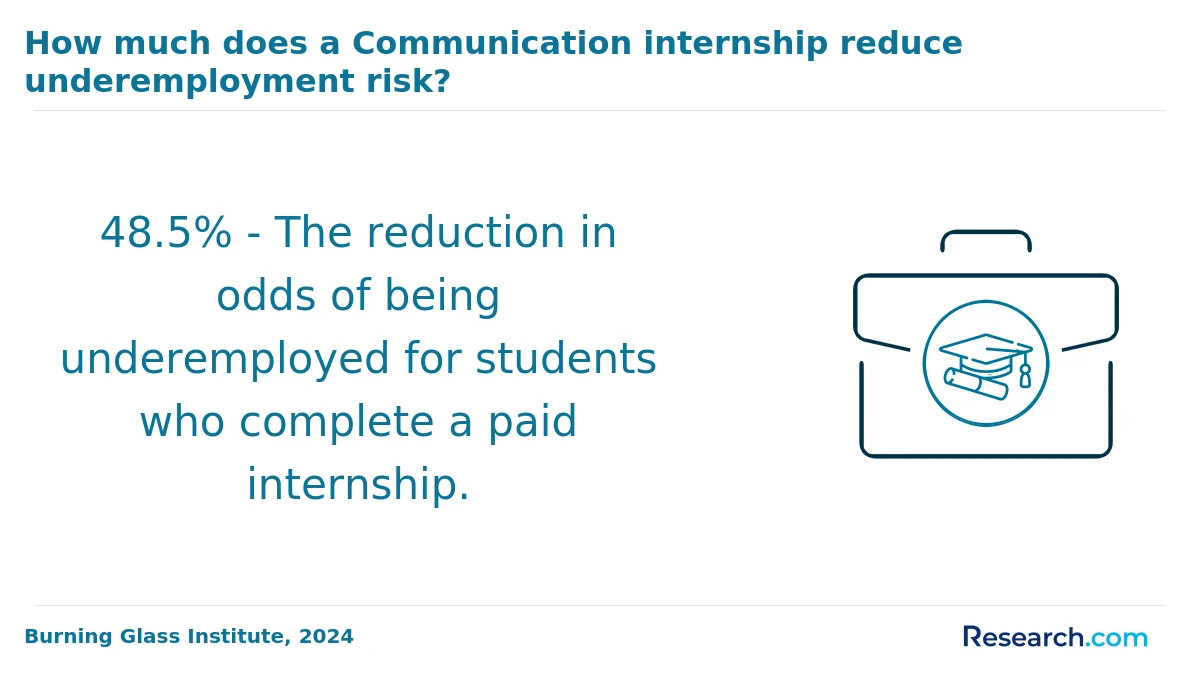
After completing an online communication degree in the West, preparing for the job market requires strategic planning. Building a strong professional portfolio showcasing writing, social media, and multimedia projects is essential. According to the National Association of Colleges and Employers (NACE), 78% of employers value relevant internship experience, so seeking virtual or local internships can greatly enhance employability.
Networking is also key; joining industry organizations like the Public Relations Society of America (PRSA) or local communication groups in your region can open job opportunities. Stay updated on digital communication tools and platforms, as proficiency in software such as Adobe Creative Suite and analytics programs is increasingly demanded by Western employers.
According to the U.S. Bureau of Labor Statistics, employment in communication fields is projected to grow 11% from 2020 to 2030 in Western states, highlighting a competitive but expanding job market.
Employers in the Western U.S. prioritize a combination of technical and interpersonal skills in communication degree graduates. Strong written and verbal communication abilities remain essential, as 85% of employers value clear messaging across diverse platforms, according to the National Association of Colleges and Employers (NACE) 2023 survey.
In addition, digital literacy is critical; proficiency with social media management, analytics tools, and multimedia content creation is frequently requested. The U.S. Bureau of Labor Statistics reports that digital communication skills improve job prospects by up to 25% in Western markets.
Critical thinking and adaptability also stand out. Employers seek graduates who can analyze information, solve problems efficiently, and adjust to evolving communication technologies. Teamwork and leadership capabilities complement these skills, helping graduates contribute effectively within organizations.
Finding internships relevant to communication degrees in the Western US involves strategic research and networking. Many universities partner with local media, PR firms, and tech companies to offer internship opportunities for communication students. According to the National Association of Colleges and Employers (NACE), about 60% of communication majors secure internships through university career centers.
Utilizing online job platforms like Handshake, LinkedIn, and specific university portals can increase access to regional internships. The Western region, including California and Washington, hosts major media hubs offering roles in digital media, journalism, and corporate communications.
Proactively contacting alumni and attending virtual career fairs also helps students gain practical experience in communication fields.
An online communication degree in the Western United States can significantly enhance career mobility and advancement. According to the National Center for Education Statistics, jobs in communication, media, and public relations are expected to grow by 7% from 2021 to 2031, faster than average. Graduates with digital communication skills are especially valued as businesses increasingly rely on online platforms.
Many employers in California, Washington, and Oregon prioritize candidates with formal training in communication technologies and strategies. This degree provides adaptability to various sectors, including marketing, corporate communication, and media.
Furthermore, skills developed through these programs often lead to higher starting salaries and faster promotions compared to non-degree holders, as reported by the Bureau of Labor Statistics.
Studying for a communication degree in the Western United States equips students with versatile skills that support interdisciplinary roles. Many programs emphasize collaboration across fields such as marketing, technology, and public health, reflecting workforce demands documented by the U.S. Bureau of Labor Statistics.
Curricula often include courses in digital media, data analysis, and organizational communication, fostering a comprehensive understanding beyond traditional communication theories. For example, universities in California and Washington increasingly integrate technology and social sciences, preparing graduates to work effectively in diverse professional environments.
Additionally, strong emphasis on critical thinking, cultural competency, and ethical communication enhances graduates' ability to adapt in roles requiring cross-disciplinary coordination, a valuable asset in today's complex job markets.
Choosing between a thesis and a non-thesis online communication degree in the West depends on your career goals and learning preferences. Thesis programs focus on original research, ideal for students aiming for academic roles or doctoral studies. According to the National Center for Education Statistics, about 30% of master's communication students in the US engage in thesis research.
Non-thesis options typically emphasize practical skills and courses, suitable for professionals seeking direct entry into the communication industry. These programs may require additional coursework or a capstone project instead of a thesis.
Consider your time availability, research interest, and post-graduation plans when deciding between these pathways.
Students based in the Western United States seeking online communication degrees have several options for studying abroad through U.S.-affiliated programs. Many Western universities offer online bachelor's and master's degrees in communication that feature international study components or exchange opportunities.
Programs often include virtual collaborations with global peers, allowing students to gain intercultural communication skills essential in today's market. According to the National Center for Education Statistics, about 14% of communication majors in the West enroll in online programs, reflecting growing accessibility.
Additionally, some public universities in the West partner with institutions abroad, providing dual degrees or certificates with international recognition, ideal for students wanting a global perspective without relocating.
Part-time jobs that complement an online communication degree in the Western US often focus on roles enhancing both practical skills and professional experience. Popular opportunities include social media management, where students apply strategic messaging and content creation.
Internships at local media outlets or marketing firms provide hands-on experience, helping students understand audience engagement and media relations. According to the Bureau of Labor Statistics, demand for communication specialists is expected to grow 8% from 2022 to 2032, highlighting relevant job prospects.
Other roles such as freelance writing or public relations assistant positions allow students to develop strong writing and interpersonal skills essential for communication careers. Many universities in the West, like UCLA and University of Washington, encourage students to seek these roles as practical supplements to their studies.
Online communication students in the Western United States have access to diverse networking opportunities that enhance their educational experience. Many universities offer virtual events, workshops, and career fairs designed to connect students with industry professionals in media, public relations, and digital marketing. For example, UCLA Extension hosts online networking sessions that attract communication specialists from Los Angeles and Silicon Valley.
Students often join professional organizations like the Public Relations Society of America (PRSA) or International Communication Association (ICA), which have regional chapters in the West providing virtual meetups and mentorship programs. According to the National Association of Colleges and Employers (NACE), 70% of jobs in communications are found through networking, making these connections vital. These resources equip students to build relationships crucial for internships and job placements within Western media markets.
Alumni networks offer significant benefits to online communication degree students in the Western United States. These networks provide access to seasoned professionals in the communication field, helping current students navigate job markets more efficiently. According to the National Communication Association, nearly 70% of graduates find jobs through connections made during their studies or through alumni links.
Additionally, alumni often participate in mentorship programs that enhance students' practical skills and industry knowledge. Networking events, both virtual and in-person, create opportunities for internships and collaborations, vital in a competitive communication landscape.
Strong alumni engagement also supports career advancement by sharing trends and job openings specific to Western media markets, reinforcing students' readiness for local communication roles.
Customizing an online communication degree program in the Western US allows students to align their studies with specific career goals. Many universities offer concentrations such as digital media, public relations, or corporate communication, enabling focused skill development. According to the National Center for Education Statistics, over 60% of communication graduates in the West select specialized tracks to boost employability.
Students can also choose elective courses like social media analytics or crisis communication to broaden expertise. Internship opportunities through online programs provide practical experience, crucial for competitive industries. Additionally, flexible pacing options help working professionals balance education with career demands, making personalized learning achievable and effective.
Online communication students in the Western United States often face several challenges unique to digital learning environments. One common difficulty is maintaining strong interpersonal connections, as remote settings limit face-to-face interaction essential for communication skill-building. According to the National Center for Education Statistics, about 34% of online students report feelings of isolation.
Additionally, students must balance technical skill development with theoretical knowledge, requiring access to reliable technology and digital platforms. Many programs also emphasize multimedia production, which can demand costly software and hardware.
Time management is another hurdle; asynchronous courses require high self-discipline. These factors combined can impact student retention and academic success in Western online communication programs.
Graduates with an online communication degree in the Western US can pursue various professional certifications to enhance career prospects. The Certified Communication Professional (CCP) credential, offered by the Global Communication Certification Council, is widely recognized and focuses on strategic communication skills.
Another valuable certification is the Accredited Business Communicator (ABC) from the International Association of Business Communicators, which validates expertise in corporate communication. These certifications often require work experience and passing an exam.
The Bureau of Labor Statistics highlights that communicators with certifications have better job prospects, particularly in California and Washington, where communication jobs are growing above the national average.
Additionally, digital marketing certifications related to communication, such as Google's Digital Marketing Certificate, can complement an online communication degree and open doors in PR and media fields.
When applying for an online communication degree in the West, crafting a strong application is essential. Start by clearly articulating your career goals and how the program aligns with them. Admission committees highly value candidates who demonstrate a clear understanding of communication's relevance in modern industries.
Highlight relevant experience, such as internships, freelance projects, or professional roles involving digital media, public relations, or corporate communication. According to the National Center for Education Statistics, programs increasingly seek students with practical experience.
Write a compelling personal statement that showcases your writing skills and your passion for communication. Use specific examples to illustrate your abilities.
Lastly, ensure your recommendation letters come from professionals familiar with your communication skills or academic expertise.
Global perspectives on a communication career emphasize the growing importance of cross-cultural skills and digital literacy. In the United States, communication jobs are projected to grow 6% from 2021 to 2031, according to the U.S. Bureau of Labor Statistics. This growth reflects increasing demand for professionals proficient in media, public relations, and digital communication.
Western employers value graduates with expertise in social media strategies, crisis communication, and intercultural communication. Online communication degrees offer flexibility and access to global frameworks, preparing students for diverse workplaces.
Many programs also integrate ethical considerations and emerging technologies, aligning with international standards set by organizations like the International Association for Communication and Education.
Gaining practical experience while studying for an online communication degree in the West is essential for career readiness. Many programs encourage internships with media outlets, nonprofit organizations, or corporate communication departments. According to the National Association of Colleges and Employers (NACE), 60% of communication graduates complete internships before graduation, which significantly improves job prospects.
Students can also participate in virtual practicums or service-learning projects that simulate real-world communication challenges. Additionally, joining online student media, such as digital newsletters or podcasts, offers hands-on experience in content creation. Networking with alumni and professionals via online platforms further expands practical learning opportunities and industry insights.
Choosing the right concentration within an online communication degree program in the West requires careful consideration of career goals and industry demand. Popular concentrations include digital media, public relations, and organizational communication, each offering distinct skill sets.
According to the Western Interstate Commission for Higher Education, digital media roles are growing by nearly 15% annually, reflecting increasing demand in tech-focused hubs like California and Washington. Students aiming for leadership or corporate roles may prefer organizational communication, which emphasizes internal messaging and culture.
Review program curricula carefully and consider internships or networking opportunities specific to your concentration to enhance job prospects in the competitive Western market.
Top Trending Communication Rankings
References
- Top Skills Employers Look for in Mass Communication Graduates https://urbeuniversity.edu/blog/top-skills-employers-look-for-in-mass-communication-graduates
- 10 Essential Networking Tips for Students to Help Build Strong Connections - Luxury Student Homes https://www.luxurystudenthomes.co.uk/networking-tips-for-students/
- How job seekers can use their college & alumni networks - Journalism Institute https://www.pressclubinstitute.org/how-job-seekers-can-use-their-college-alumni-networks/
- Careers in Communication: What Can You Do With a Degree in Communications? https://www.mastersincommunications.com/features/careers-in-communication
- 2026 Best Online Communications Degrees https://www.onlineu.com/degrees/communications
- Importance of Networking https://www.universitylabpartners.org/student-voices/importance-of-networking
- BA in Communications & Media https://www.umassglobal.edu/academic-programs/ba-communications-media
- 6+ Communications Cover Letter Examples (with In-Depth Guidance) https://www.tealhq.com/cover-letter-examples/communications
- Targeted communication strategy for alumni community https://www.alumnforce.com/en/targeted-communication-strategy-for-alumni-networks-how-to-create-lasting-commitment/
- What studies are needed to work in communications? - Sup de Pub https://www.supdepub.com/en/guide/what-studies-are-needed-to-work-in-communications/