2027 Easiest Online Master's in Communication Degree Programs Ranking in the West

Co-Founder and Chief Data Scientist
Choosing the right online master's in communication program can feel overwhelming, especially with so many options available in the West. This article features the 2027 Easiest Online Master's in Communication Degree Programs Ranking in the West, created by the Research.com team of data scientists to help you make an informed choice.
By exploring this ranking, you'll discover programs that balance quality and accessibility, making your educational journey smoother. Earning a communication degree opens doors to rewarding careers and personal growth. Let this guide support your path to success.
Key benefits of getting online communication degree in the West
- Although specific salary data is not available, communication degree graduates in the US typically earn competitive wages that support diverse roles in media, public relations, and marketing, offering promising financial stability.
- A communication graduate from a well-known Western university often explores careers in corporate communications, social media management, or event planning, showcasing a wide range of exciting job opportunities.
- Completing a communication degree online, like a graduate from a top Western university, provides flexibility and convenience, allowing students to balance work and study while gaining valuable skills without relocating.
- Key benefits of getting online communication degree in the West
- What can I expect from online communication degree in the West?
- Where can I work with online communication degree in the West?
- How much can I make with online communication degree in the West?
- 2027 Easiest Online Master's in Communication Degree Programs Ranking in the West
- Key Findings
- How long does it take to complete online communication degree in the West?
- What's the difference between online and on-campus communication degree?
- What is the average cost of online communication degree in the West?
- What financial aid is available to online communication degree students in the West?
- What are the prerequisites for enrolling in online communication degree program in the West?
- What courses are typically in online communication degree programs in the West?
- What types of specializations are available in online communication degree programs in the West?
- How do you choose the best online communication degree in the West?
- What career paths are available for online communication degree students in the West?
- What is the job market for online communication degree in the West?
- Top Trending Communication Rankings
What can I expect from online communication degree in the West?
The average cost of an online communication degree in the Western United States varies significantly, often influenced by whether the institution is public or private. Graduates from public universities in states such as California, Oregon, and Washington frequently share how affordable tuition allowed them to focus on their studies and balance work commitments without financial strain. Some report paying between $10,000 and $25,000 total for their program, a figure that feels reasonable compared to the higher rates often seen at private schools.
These students emphasize how the blend of flexible payment options and scholarships specifically aimed at online learners makes advanced education accessible. At well-liked Western institutions, the nimbleness of online learning platforms combined with reasonable tuition costs ignites excitement for career advancement.
As remote education evolves, many anticipate that tuition structures will become even more adaptable, with personalized financial plans and emerging technology investments further easing the financial burden on future communication students in the West.
Where can I work with online communication degree in the West?
Graduates with an online communication degree from Western institutions like the University of Southern California or the University of Washington often find themselves at the forefront of dynamic career paths. Many dive into media companies in Los Angeles or Seattle, engaging in roles that blend creativity and technology-such as digital content creation and social media strategy-which are growing rapidly thanks to the streaming boom and social networking platforms.
Others embrace opportunities in the corporate world, supporting tech giants or healthcare firms in Silicon Valley by translating complex ideas into compelling internal communications or public messaging. These roles fuel a genuine sense of impact as graduates shape how companies connect with diverse audiences.
Public relations agencies and marketing firms across the West offer exciting positions where graduates craft brand stories, manage reputation, and lead innovative campaigns. Non-profit sectors in cities like Portland also attract communicators passionate about community outreach and advocacy.
With the Western economy's emphasis on innovation and social responsibility, communication graduates often feel energized knowing their skills help organizations navigate a fast-evolving media landscape in meaningful, real-world ways.
How much can I make with online communication degree in the West?
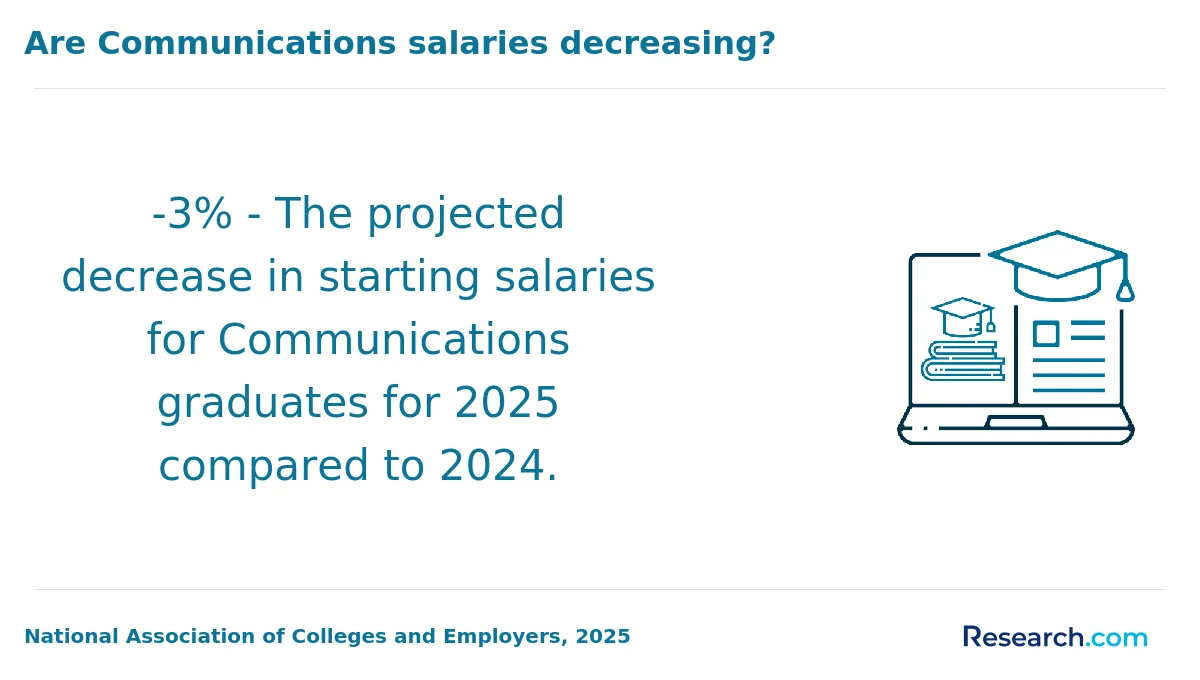
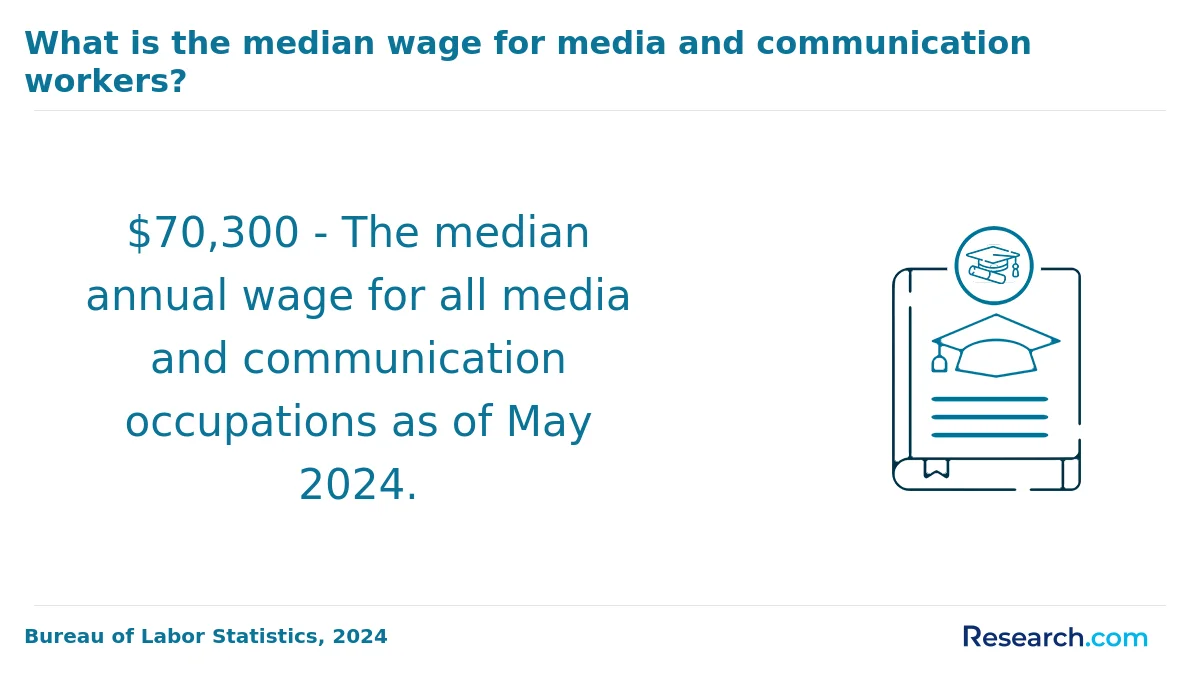
Graduates holding online communication degrees in the Western U.S. often step into roles with starting salaries ranging from $45,000 to $55,000, which can quickly rise as they gain experience. For instance, recent alumni from well-known institutions like the University of Southern California or the University of Washington have shared their excitement at landing public relations and media specialist positions offering between $65,000 and $75,000 annually, especially in states like California and Oregon. This reflects the growing demand fueled by bustling media markets and corporate headquarters.
As graduates develop specialized skills-such as digital media strategy or analytics-they join management ranks where salaries frequently climb to between $80,000 and $110,000, especially in tech-forward cities like San Francisco or Seattle. One graduate described how mastering influencer marketing opened doors to creative roles with competitive pay and room for rapid growth.
With emerging trends emphasizing data-driven communication and multimedia content creation, those blending internships and certifications with their degrees can expect to benefit from sustained salary growth and rewarding career trajectories in the West's vibrant communication landscape.
2027 Easiest Online Master's in Communication Degree Programs Ranking in the West
How do we rank schools?
Investing in your education is a significant decision that can greatly impact your career and personal growth. The Research.com team recognizes the importance of making well-informed choices and has dedicated substantial effort to ensure the quality, credibility, and accuracy of the "2027 Easiest Online Master's in Communication Degree Programs Ranking in the West."
We utilized the following reputable data sources to compile this comprehensive ranking:
By reviewing this ranking, readers will gain clear insights into accessible online communication programs tailored to their needs, thus easing the decision-making process for their academic journey. For an in-depth understanding of how this ranking was created, please visit our Research.com methodology page.


Key Findings
- Tuition for online communication bachelor's degrees in the Western US ranges from $15,000 to $45,000, while master's programs typically cost between $20,000 and $60,000.
- Graduates start with median salaries of $45,000 to $55,000 per year, increasing to about $75,000 after five to ten years of experience.
- The Bureau of Labor Statistics projects a 7% job growth for communication roles in the West through 2030, matching the national average.
- Online programs often cover social media strategy, multimedia storytelling, and data analytics, with accreditation ensuring employer recognition.
- Flexible part-time and asynchronous formats are common, and many schools offer virtual internships and networking opportunities.
How long does it take to complete online communication degree in the West?
Completing an online communication degree in the West can feel both achievable and flexible, depending on the path chosen. From graduates of well-regarded institutions like the University of Washington or California State University, many report completing their bachelor's degree in about four years when studying full-time, reflecting a structure similar to traditional on-campus timelines.
Masters students in the region often share inspiring stories of accelerating their studies, finishing in as little as 12 to 15 months by leveraging prior credits or intensive course loads, especially at schools like the University of Southern California. This condensed timeframe brings a sense of accomplishment and momentum that works well for busy professionals eager to advance quickly.
Part-time learners appreciate the flexibility that can stretch programs from three to five years for bachelor's degrees or two to four years for master's degrees. This adaptability, common at institutions such as Oregon State University, allows students to balance work, life, and study without feeling overwhelmed.
Looking ahead, many anticipate even more personalized pacing and innovative credit transfer options, making communication degrees in the West increasingly accessible and tailored to individual life rhythms.
What's the difference between online and on-campus communication degree?
Graduates from communication programs in the Western US often describe their online experience as liberating, thanks to the flexibility it offers. Many appreciate being able to juggle work, family, and coursework without the constraints of physical attendance. For instance, students enrolled in the University of Southern California's online communication master's program frequently mention how asynchronous classes allow them to engage deeply with material whenever their schedule permits, which contrasts sharply with the fixed class times on campus.
On-campus students, by contrast, value the spontaneous interactions that happen in hallways or during group projects at universities like the University of Washington. These face-to-face moments often spark creative ideas and build strong professional networks. Yet, online learners find their digital interactions equally rewarding, often citing collaborative platforms and video discussions that simulate real-time feedback.
Looking ahead, the blend of these formats may create hybrid models where Western communication students enjoy on-demand digital resources alongside occasional immersive campus experiences, making the most of both worlds in their academic journey.
What is the average cost of online communication degree in the West?
The average cost of an online communication degree in the West hovers around $29,742, reflecting a blend of tuition, fees, and additional expenses. Graduates from well-known universities in California, Oregon, and Washington often describe their investment as worthwhile, especially when factoring in flexible learning schedules and reduced commuting costs. These students appreciate how affordable online communication degree in the West options from public institutions balance quality education and accessibility.
Many students pursuing affordable online communication master's programs Western US highlight that public universities offer in-state tuition between $8,000 and $15,000 annually, while private institutions often charge $25,000 to $40,000. This gap illustrates the financial choices learners face, influencing decisions according to residency status and program focus. Graduates frequently note that scholarships and employer tuition assistance have been key in making their studies financially manageable, allowing them to focus fully on building skills that enhance their careers.
Online formats have introduced evolving opportunities for students at schools like the University of Washington or Arizona State University, where one can navigate costs while engaging with interactive content. Technology fees and textbooks add to expenses, typically ranging from $500 to $1,500 yearly, but many learners feel these are small investments for programs that often lead to rewarding communication careers. Considering a communication degree career opportunities in the West involves weighing immediate costs against long-term professional gains, making these programs increasingly attractive to motivated students.
What financial aid is available to online communication degree students in the West?
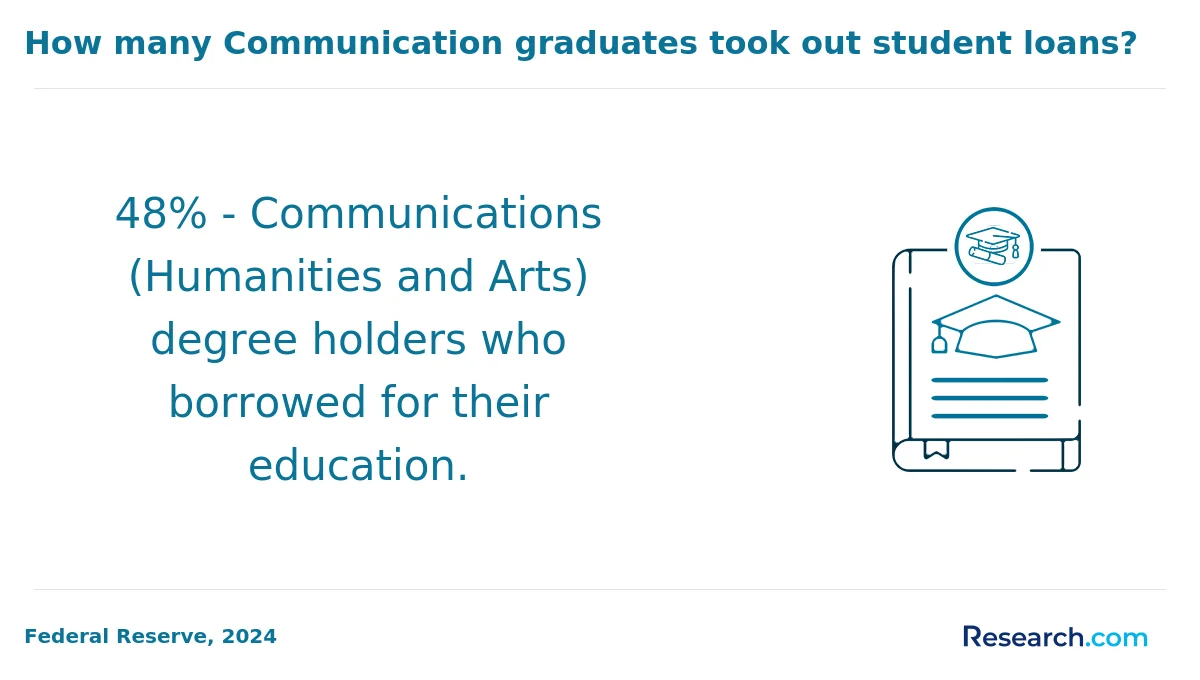
Students pursuing online communication degrees in the West often find multiple financial aid opportunities that make their education more attainable. Graduates from universities like the University of Washington or California State University frequently share how FAFSA-driven federal loans, such as Direct Unsubsidized Loans and Grad PLUS Loans, offered them manageable repayment plans and peace of mind during their studies.
State-level programs also provide significant support. For instance, students in California often benefit from the Cal Grant, which can dramatically reduce tuition costs based on their academic performance and financial need, creating a sense of relief and optimism about completing their degree without overwhelming debt.
Many online learners recount how institutional scholarships from Western schools recognize professional experience and academic achievements, directly lowering their expenses. Additionally, some found their employers enthusiastic about covering tuition through reimbursement, especially when the degree enhances job skills in communication roles, fostering both career growth and financial stability.
Looking forward, there's optimism that new professional organization partnerships and tailored scholarships will expand, further empowering Western online communication students on their educational journey.
What are the prerequisites for enrolling in online communication degree program in the West?
Enrolling in an online communication degree program in the Western US typically starts with holding a bachelor's degree from an accredited institution, often accepted across various related fields like journalism or media studies. Many graduates from universities such as the University of Southern California or the University of Washington have found that their diverse academic backgrounds fuel creativity and adaptability in communication courses.
Most programs expect a solid academic record, usually a minimum GPA between 2.5 and 3.0, which reflects readiness for graduate-level work. Prospective students often share how maintaining this GPA opens doors at schools renowned for their communication departments in the West, creating a proud sense of achievement.
While GRE requirements are fading, some competitive programs might still request scores to gauge analytical skills. Applicants are also encouraged to submit compelling personal essays and recommendation letters. Graduates frequently recount how crafting a sincere statement of purpose helped them clarify their career goals, boosting their confidence throughout the admissions process.
English proficiency tests remain important for non-native speakers, ensuring smooth participation in online discussions and projects. Work experience or portfolios, especially in digital media, can give candidates an exciting edge, reflecting a future-focused emphasis on practical skills in Western communication education.
What courses are typically in online communication degree programs in the West?
Online communication degrees in the West commonly include courses like Interpersonal Communication, Organizational Communication, and Media Writing and Editing, preparing students to navigate real-world challenges with confidence. Graduates from universities in California and Washington often share how learning Communication Theory helped them better understand team dynamics during remote projects, making collaboration smoother and more effective.
Digital Communication and Social Media courses are increasingly vital, reflecting the rapid shift toward online platforms. Students describe using analytics tools learned in Oregon-based programs to craft engaging social content that resonates with diverse audiences, boosting their career prospects.
Practical courses such as Public Relations Principles and Research Methods in Communication empower learners to manage brand reputation and conduct insightful studies, skills highly prized in booming West Coast industries. Many graduates appreciate how their internships, often facilitated by their schools, provide hands-on experience in companies adapting to evolving digital landscapes.
Emerging topics like crisis communication and intercultural communication also feature prominently, offering students a future-ready skill set ideal for the dynamic, multicultural environments common across Western states.
What types of specializations are available in online communication degree programs in the West?
Online communication degree specializations in the West are rapidly evolving to meet the demands of dynamic industries. Graduates from universities in California and Washington often share enthusiasm about immersing themselves in tracks like Strategic Communication, where they craft marketing campaigns that resonate with diverse urban audiences. Others find great satisfaction in Media Studies and Production, gaining hands-on experience with digital content creation that prepares them for fast-paced media landscapes in cities like Los Angeles and Seattle. These programs frequently incorporate emerging trends, ensuring students remain competitive in tech-driven communication roles.
Many online programs now emphasize specialized fields such as Health Communication, responding to increasing needs for effective public health messaging. Organizational Communication remains vital, helping students foster leadership and change management skills within modern workplaces. Political Communication, strengthened by real-world political media coverage, continues to draw students passionate about influencing public discourse. Those exploring the best communication focus areas for online degrees Western US also appreciate how programs integrate core theory with applied skills, shaping versatile communicators ready for future challenges. For further insight on whether media-related paths align with your goals, consider exploring is media communications a good major.
How do you choose the best online communication degree in the West?
When choosing the best online communication degree in the West, prioritize programs with strong regional accreditation like those recognized by WASC to ensure quality and transferability. Graduates often share how attending well-regarded institutions such as those in California or Washington gave them confidence in their education and opened doors to top communication jobs. Consider how curriculum specialties, from media ethics to strategic communication, match your career vision in an evolving digital landscape.
Affordability is key-many students find affordable online communication programs Western US public universities ideal for balancing cost and quality. Some graduates even compare options against average costs noted by NCES to maximize value. The sharing of personal experiences about support services, like career advising and flexible platforms, reveals their crucial role in managing studies while working.
Look for programs offering asynchronous formats enabling you to learn on your schedule. For those curious, a promising route might be exploring affordable online bachelor's in journalism, which often covers foundational communication skills applicable broadly across industries.
What career paths are available for online communication degree students in the West?
Graduates of an online communication degree in the West find themselves poised for diverse career opportunities that resonate with the region's dynamic industries. Many embark on rewarding journeys in public relations and corporate communication, especially within technology-driven areas like Silicon Valley, where innovative internal messaging shapes company culture. Students from renowned communication programs at Western universities often share excitement about crafting compelling narratives that influence public perception and employee engagement.
The digital media landscape also offers promising paths, with graduates thriving as content marketers, social media managers, or brand strategists. These roles tap into the rapidly expanding demand for digital advertising, particularly in California's vast market. For those curious about the details of media roles, exploring how many years does it take to become a journalist provides useful insights into career timelines and growth.
Nonprofit and government sectors in the Western US equally provide fulfilling opportunities, where communication expertise drives community outreach and advocacy. This is just a glimpse of the exciting online communication degree jobs in the West, reflecting a landscape of evolving career opportunities with communication degree Western US graduates actively shaping the future.
What is the job market for online communication degree in the West?
The job market for online communication graduates in the West is evolving rapidly, shaped by the region's tech-driven economy and vibrant media landscape. Graduates from popular universities frequently share their excitement about landing roles in digital marketing teams of Silicon Valley firms or content creation positions at entertainment hubs in California. These real-life scenarios highlight how a degree adapts well to diverse sectors, confirming the strong job outlook for online communication graduates in the West.
Many find that their training in digital storytelling and social media management opens doors to careers in not only tech but also government and nonprofit sectors. Networking through organizations like the Public Relations Society of America has proven invaluable, offering connections and opportunities that boost career growth. For those exploring options, reviewing a comprehensive list of careers in public relations can provide insight into these expanding fields.
Graduates often appreciate the balance of competitive salaries and flexible work environments in Western states, where employers value innovative communication skills. As industries demand new digital expertise, career opportunities with online communication degrees in Western states are expected to expand significantly, creating an optimistic future for students pursuing online degrees in the region.
Frequently Asked Questions About communication
Students pursuing online communication degrees in the Western US can enhance their learning by actively engaging in virtual discussions and group projects, which reflect real-world communication environments. According to the National Center for Education Statistics, programs in California and Washington often integrate interactive media and case studies that improve practical skills. Utilizing university resources like writing centers and career services online also supports academic success and professional growth. Scheduling consistent study times helps manage coursework efficiently, while networking through online forums with peers and industry professionals broadens understanding of regional communication trends.
The communication field is rapidly evolving, creating several emerging niches for students pursuing online degrees in the West. One prominent area is digital and social media communication, driven by businesses' need to engage audiences online. According to the National Communication Association, social media specialists have seen job growth of over 15% in the past five years.
Another growing niche is health communication, which focuses on spreading information about public health and wellness. This specialty gained prominence during the COVID-19 pandemic and continues to expand within government and nonprofit sectors.
Additionally, crisis and risk communication is becoming vital due to increased natural disasters and corporate challenges. Professionals with skills in these areas are in high demand across Western states.
Graduates with online communication degrees in the West should focus on building practical skills to enter the competitive job market. Internships and freelance projects offer valuable experience and networking opportunities. According to the National Association of Colleges and Employers (NACE), internships increase job prospects by over 60%.
It is also essential to develop a strong digital portfolio showcasing written content, social media campaigns, and multimedia projects. Familiarity with tools like Adobe Creative Suite and social analytics platforms is highly valued by employers.
Networking through professional organizations, such as the National Communication Association (NCA), can provide connections and job leads. Additionally, refining soft skills like public speaking and project management enhances employability.
Understanding regional job trends is key. The U.S. Bureau of Labor Statistics projects a 10% growth in communication-related roles in the Western states through 2030, emphasizing opportunities in public relations and marketing sectors.
Employers in the Western US highly value communication degree graduates who demonstrate strong written and verbal communication skills. According to a 2023 report by the National Communication Association, 85% of hiring managers prioritize clarity and effectiveness in messaging. Additionally, digital literacy is critical, with many employers expecting proficiency in social media platforms, content management systems, and analytics tools.
Critical thinking and problem-solving abilities are also essential, as graduates often need to craft strategic communication plans tailored to diverse audiences. Collaboration skills rank highly too, with teamwork cited as key by 78% of Western region employers surveyed by the Public Relations Society of America in 2022.
Overall, practical experience with multimedia tools, adaptability, and cultural competence round out the top skills sought in communication graduates.
Finding internships in the Western United States relevant to a communication degree relies heavily on leveraging university resources and online platforms. Many Western universities offering online communication degrees maintain partnerships with local media companies, PR firms, and nonprofits that regularly seek interns. According to the National Association of Colleges and Employers (NACE), over 60% of internships in communication fields are secured through campus career centers or faculty referrals.
Students should also explore regional online job boards such as Internships.com and Handshake, which focus on internships tailored to communication and media industries in the West. Networking via LinkedIn groups specific to Western communication professionals can also be a practical strategy.
Additionally, joining professional organizations like the Public Relations Society of America (PRSA) Western District can provide access to exclusive internship listings and mentorship opportunities. The Bureau of Labor Statistics highlights that hands-on experience through internships increases employment chances post-graduation by 20% in communication roles in Western states.
Online communication degrees have become increasingly valuable for career mobility and advancement in the Western United States. Graduates often gain skills in digital media, public relations, and corporate communication-areas in high demand across various industries.
The U.S. Bureau of Labor Statistics expects employment in communication-related fields like public relations and market research to grow by 10% from 2022 to 2032, which is faster than the average for all occupations.
Having a master's degree in communication can open doors to leadership roles and higher salaries. According to the National Association of Colleges and Employers, communication graduates earn a starting median salary around $55,000 annually in the West.
Online programs offer flexibility, allowing professionals to balance work while upskilling, which improves opportunities for promotions and geographic mobility within Western markets.
Studying for a communication degree in the Western US offers strong preparation for interdisciplinary roles by combining core communication theories with practical skills across various fields. Programs often integrate courses in digital media, business, psychology, and sociology, fostering versatile professionals. According to the National Communication Association, nearly 60% of communication graduates work in interdisciplinary environments, highlighting the demand for such flexibility.
Western universities emphasize collaboration, critical thinking, and technological literacy, equipping students to navigate roles in marketing, public relations, healthcare, and technology.
Online degrees in this region also provide access to diverse internships and networking opportunities, enhancing interdisciplinary readiness.
Choosing between a thesis and a non-thesis communication degree in the West depends largely on your career goals and learning preferences. Thesis programs typically require original research and a formal written document, benefiting those aiming for academic or research-oriented careers. In contrast, non-thesis options emphasize practical skills and coursework, ideal for professionals focused on immediate application in fields like media, public relations, or corporate communication.
According to the National Center for Education Statistics, about 35% of master's students in communication in Western states opt for non-thesis programs, reflecting the region's strong job market demand for applied skills.
Consider your time commitment, career trajectory, and whether you prefer hands-on projects or research-driven study when making your choice.
Students based in the Western United States seeking online communication degrees have diverse options involving both domestic and international institutions. Many Western U.S. universities offer fully online master's programs in communication, accredited regionally and nationally, allowing students to study without relocating. For studying communication abroad through online platforms, students may explore partnerships between Western institutions and foreign universities, providing joint degree opportunities or exchange programs adapted for remote study.
According to the National Center for Education Statistics, over 75% of communication students in the West prefer accredited online programs, reflecting the flexibility they offer. Western states such as California, Washington, and Oregon host schools with strong online communication curricula ranked nationally for quality and affordability. These programs often emphasize global communication skills relevant for international careers while enabling students to remain in the West.
Part-time jobs that complement communication degrees in the Western US often revolve around media, marketing, and public relations. Roles such as social media coordinator, content writer, or communications assistant provide valuable practical experience aligned with degree coursework. According to the Bureau of Labor Statistics (BLS), these positions often require strong writing and digital literacy skills, which students typically build during their studies.
Internships or assistantships in local newsrooms, marketing firms, or nonprofit organizations in cities like Los Angeles, San Francisco, and Seattle offer opportunities to apply communication theories in real-world settings.
Students may earn between $12 to $20 per hour, depending on location and employer.
Online communication students in the Western United States benefit from robust networking opportunities despite their virtual learning environments. Many Western universities offer exclusive access to virtual career fairs, alumni networks, and professional communication organizations such as the Western States Communication Association (WSCA). WSCA hosts annual conferences and webinars, providing valuable platforms for students to connect with industry experts and peers.
Additionally, schools often encourage participation in internships through regional media companies and public relations firms across California, Oregon, and Washington. According to the National Communication Association (NCA), over 60% of communication students in the West secure internships that lead to job placements, strengthening professional networks in the region.
Many programs also integrate mentorship opportunities pairing students with seasoned communication professionals in tech hubs like Silicon Valley. These connections can be pivotal for online learners aiming to break into competitive communication fields.
Alumni networks play a crucial role for students pursuing online communication degrees in the Western United States. They provide valuable professional connections that can lead to internships, job opportunities, and mentorship. According to the National Association of Colleges and Employers, 85% of jobs are filled through networking, highlighting the power of these connections.
In the West, where industries like technology, media, and public relations are rapidly growing, alumni networks help students access regional job markets efficiently. Many universities also organize virtual events, enabling online students to engage with experienced graduates despite geographic distances.
Moreover, alumni with established careers often share industry insights, helping students stay current with communication trends and digital tools. This ongoing support enhances career readiness, which is essential in a competitive market dominated by innovation and media evolution.
Customizing an online communication degree program in the Western United States allows students to align their studies with specific career goals. Many universities offer flexible electives focusing on areas such as digital media, public relations, or organizational communication. According to the National Center for Education Statistics, institutions in the West frequently provide internships and capstone projects tailored to local industry needs.
Students can typically choose concentrations or certificates to deepen expertise in niche fields. For example, a student aiming for a role in corporate communication might select courses on crisis management and leadership communication. Additionally, some programs partner with local businesses, providing networking opportunities in cities like Seattle, San Francisco, and Los Angeles, which are hubs for media and tech industries.
Flexible scheduling and asynchronous classes also allow working professionals to balance education with current job demands, making it easier to apply academic concepts directly to their careers. Research from the Western Interstate Commission for Higher Education highlights a growing trend in customizable online degrees to meet evolving market demands in this region.
Online communication students in the Western United States often face unique challenges compared to traditional on-campus learners. One significant issue is the lack of direct interaction with peers and instructors, which can affect collaboration skills crucial in communication fields. According to the National Center for Education Statistics, 30% of online students report feelings of isolation during their studies.
Another challenge is balancing coursework with personal and professional responsibilities, as many online students juggle full-time jobs or family duties. Technical difficulties and varying levels of digital literacy also impact student success. These factors contribute to higher stress and dropout rates compared to in-person programs.
Graduates with an online communication degree in the Western US can enhance their careers by pursuing various professional certifications. Popular options include the Certified Communication Professional (CCP) offered by the International Association of Business Communicators. This certification validates skills in strategic communication and leadership.
Additionally, the Project Management Professional (PMP) credential is valuable for communicators engaging in project coordination. The Digital Marketing Certification from recognized bodies like the American Marketing Association is also relevant, reflecting the industry's digital shift.
According to a 2023 report by the Public Relations Society of America, certified professionals in communication roles tend to earn nearly 15% more than their non-certified peers in the West.
To write a winning application for an online communication program in the West, start by researching accredited institutions with strong communication faculties. U.S. News & World Report highlights that top programs often emphasize digital media, strategic communication, and public relations skills.
Craft a clear personal statement explaining your career goals and how the program aligns with them. Highlight any relevant work or volunteer experience, especially those involving digital tools or media platforms.
Letters of recommendation from professionals familiar with your communication skills can strengthen the application. Many programs value applicants who demonstrate critical thinking and adaptability in evolving media landscapes.
Additionally, meet all application requirements early, as programs report acceptance rates ranging from 20% to 50%, depending on competitiveness (Bureau of Labor Statistics, 2023).
Globally, communication careers are increasingly valued for their role in connecting diverse audiences and managing information flow. In the West, particularly in the US, demand for communication professionals is rising due to the growth of digital media and corporate transparency requirements. According to the U.S. Bureau of Labor Statistics, employment in communication-related fields is projected to grow by 10% through 2032, faster than the average for all occupations.
Online communication degrees offer flexible pathways into roles like public relations, media management, and digital marketing. These programs emphasize skills that appeal internationally, such as intercultural communication and strategic messaging.
According to the National Communication Association, graduates often find opportunities beyond national borders, supported by increasing multinational business activities.
Gaining practical experience while studying for an online communication degree in the West is essential for career readiness. Many programs offer internships or cooperative education placements with local media, public relations, or marketing firms. These opportunities allow students to apply theories learned in virtual classrooms to real-world projects.
Students can also engage in virtual simulations and capstone projects, which are commonly integrated into coursework. According to the National Association of Colleges and Employers (NACE), over 60% of communication students in Western U.S. institutions complete internships during their studies, improving job prospects after graduation.
Additional options include participating in student-led online publications and networking through professional associations such as the Western States Communication Association.
Choosing the right concentration within an online communication degree program in the West begins with understanding your career goals. Popular options include public relations, digital media, corporate communication, and health communication. Each concentration offers specialized skills tailored to different industries.
Consider the job market in the Western US, where digital media and corporate communication roles are growing rapidly, driven by Silicon Valley and major urban centers like Los Angeles and Seattle. According to the Bureau of Labor Statistics, communication-related jobs in California are expected to grow by 8% through 2030.
Research program curricula carefully, focusing on courses that align with your interests. Many Western universities offer flexible, fully online concentrations with practical applications and internships to boost employability.
Top Trending Communication Rankings
References
- Why You Should Start Networking as a Student – and How to Do It https://amplifyme.com/blog/why-you-should-start-networking-as-a-student
- Undergraduate Online Financial Aid | Bushnell University https://www.bushnell.edu/financial-aid/undergraduate-online/
- Communication Difficulties: The Silent Barrier - Connect https://stageslearning.com/connect/articles/communication-difficulties-the-silent-barrier/
- Careers in Communication: What Can You Do With a Degree in Communications? https://www.mastersincommunications.com/features/careers-in-communication
- Finding Networking Opportunities as a Student | National Society of High School Scholars https://www.nshss.org/resources/blog/blog-posts/how-to-find-networking-opportunities-as-a-student/
- How to Network with Alumni | Student Guide to Alumni Networking 2026 https://digitalrecordboard.com/blog/how-to-network-with-alumni/
- Online BA in Communication https://www.wiu.edu/cofac/communication/online_BA.php
- Communications Degree | Communications Major https://www.collegeadvisor.com/resources/communications-degree/
- 6 benefits of a master's in health care management https://www.unfc.ca/blog/must-have-workplace-communication-skills-for-graduates
- The Power of Effective Communication in Career Advancement https://www.nationalcollege.edu.au/The-Power-of-Effective-Communication-in-Career-Advancement.php