2027 Fastest Online Communication Degree Programs Ranking in Maryland

Co-Founder and Chief Data Scientist
Choosing the right communication degree program can feel overwhelming, especially with so many options available online. That's why this article presents the 2027 Fastest Online Communication Degree Programs Ranking in Maryland, created by the Research.com team of data scientists.
This ranking helps students in Maryland easily identify programs that combine quality education with efficient completion times. Pursuing a communication degree opens doors to diverse career opportunities and personal growth. Reading this guide will empower you to make an informed choice that aligns with your goals and lifestyle.
Key benefits of getting online communication degree in Maryland
- Communication degree graduates in Maryland can expect competitive salaries, with media and communication specialists earning around $58,000 annually on average in the U.S., offering a solid income foundation.
- Graduates from universities like the University of Maryland often explore diverse careers such as public relations, marketing, media production, and corporate communication, providing exciting job flexibility.
- Online communication degrees from institutions like Johns Hopkins University offer the convenience of studying from home while maintaining strong networking opportunities, making education accessible and adaptable to busy lifestyles.
- Key benefits of getting online communication degree in Maryland
- What can I expect from online communication degree in Maryland?
- Where can I work with online communication degree in Maryland?
- How much can I make with online communication degree in Maryland?
- 2027 Fastest Online Communication Degree Programs Ranking in Maryland
- Key Findings
- How long does it take to complete online communication degree in Maryland?
- What's the difference between online and on-campus communication degree?
- What is the average cost of online communication degree in Maryland?
- What financial aid is available to online communication degree students in Maryland?
- What are the prerequisites for enrolling in online communication degree program in Maryland?
- What courses are typically in online communication degree programs in Maryland?
- What types of specializations are available in online communication degree programs in Maryland?
- How do you choose the best online communication degree in Maryland?
- What career paths are available for online communication degree students in Maryland?
- What is the job market for online communication degree in Maryland?
- Related Communication Rankings for Nearby States
- Top Trending Communication Rankings
What can I expect from online communication degree in Maryland?
The average cost of an online communication degree in Maryland often comes as a pleasant surprise for many students eager to explore this exciting field. Graduates from well-known institutions like Towson University or the University of Maryland Global Campus frequently share how in-state tuition rates dramatically ease financial worries, making their educational journey feel more accessible and rewarding. Imagine diving into media writing assignments or digital strategy projects knowing that state financial aid programs actively support you-this kind of backing sparks enthusiasm and peace of mind.
Many find that the cost ranges from about $6,000 to $12,000 per year for bachelor's degrees, thanks to Maryland's commitment to affordable education. Accelerated programs help students save even more by cutting down on time spent studying, while still providing meaningful, hands-on virtual internships that bring theory to life. This blend of quality learning and reasonable pricing encourages a sense of optimism and adventure as students prepare to launch their communication careers in Maryland's thriving job market.
Where can I work with online communication degree in Maryland?
Graduates with an online communication degree from Maryland's universities often find themselves stepping into dynamic careers fueled by the state's vibrant economy and unique location. Picture a recent graduate from the University of Maryland, navigating the halls of federal agencies like the NIH or Department of Defense, crafting impactful public affairs messages that resonate nationwide. It's a thrilling blend of strategy and purpose.
Others, fresh from Towson University's communication program, dive into Baltimore's buzzing private sector-managing brand storytelling for top marketing firms or shaping digital content for media outlets. The excitement of turning ideas into campaigns that reach thousands is a daily adventure.
Graduates also embrace roles in education and non-profits, designing outreach programs for diverse communities, relying on bilingual and digital savvy gained during their studies. Meanwhile, Maryland's growing tech scene invites communicators to translate biotech and software complexities into clear, engaging narratives.
Some take the freelance route, leveraging their flexible online learning to connect with clients statewide, proving a communication degree here opens more doors than one could have imagined.
How much can I make with online communication degree in Maryland?
Graduates who earn an online communication degree in Maryland often find themselves stepping into a world brimming with potential and competitive salaries. Although specific salary data is not available in official sources, many Maryland graduates from well-known schools like the University of Maryland or Towson University report starting salaries around $45,000 to $50,000 for entry-level roles such as communication assistants or public relations coordinators.
As adventurous alumni progress into roles like public relations specialists or media planners, their earnings can climb into the $60,000 to $80,000 range-bringing a rewarding sense of achievement after dedicating time to mastering their craft online.
The vibrant career landscape near Baltimore or Washington, D.C., means communications managers often enjoy median salaries near $95,000. These experiences reflect how combining an online degree with digital savvy-think social media or multimedia skills-can unlock higher pay and exciting opportunities in government, nonprofit, and corporate sectors across Maryland.
2027 Fastest Online Communication Degree Programs Ranking in Maryland
How do we rank schools?
Investing in your education is a significant decision that can shape your future, and the Research.com team understands the importance of making informed choices. To assist prospective students in Maryland, we have meticulously crafted the "2027 Fastest Online Communication Degree Programs Ranking in Maryland." Our commitment to quality, credibility, and accuracy is reflected in the extensive research and analysis conducted to compile this ranking. We utilized the following reputable data sources to ensure a comprehensive evaluation of online communication degree programs:
By exploring this ranking, readers will gain valuable insights into the fastest online communication degree programs available in Maryland, empowering them to make well-informed decisions about their educational pursuits. For more information on how the ranking was created, please visit our Research.com methodology page.

# 2 position
University of Maryland Global Campus
Master of Strategic Communication


Key Findings
- Tuition for online communication degrees in Maryland ranges from $10,000 to $25,000 per year, with public universities offering lower rates for in-state students.
- Average starting salaries for graduates are between $45,000 and $50,000 annually, increasing to about $70,000 after 5 to 10 years of experience.
- The job market is strong in Maryland, especially in public relations, corporate communication, digital marketing, and media production sectors.
- Programs often focus on practical skills like social media management and multimedia production, and many offer internships for online students.
- Most programs are accredited by regional bodies such as the Middle States Commission on Higher Education, ensuring quality and financial aid eligibility.
How long does it take to complete online communication degree in Maryland?
Diving into an online communication degree in Maryland is an exciting journey that typically spans around four years for full-time bachelor's students. Imagine a graduate from a well-known Maryland university sharing how taking advantage of accelerated summer courses let them trim months off their schedule, speeding up their path to graduation. Many universities in Maryland offer flexible terms, allowing learners to balance life and studies while steadily moving toward that degree.
For those enrolling part-time, the adventure unfolds differently-sometimes stretching to six years or more, depending on course loads and life's unpredictable twists. Yet, even part-time students find joy in pacing their education around work and family, making each achievement deeply rewarding.
Master's degree seekers, particularly from respected Maryland institutions, usually complete their programs in two years full-time, with possibilities to extend for part-timers. The emphasis on hands-on communication skills and research means every credit feels like a step closer to meaningful career opportunities.
What's the difference between online and on-campus communication degree?
Choosing between online and on-campus communication degrees in Maryland feels like embarking on two unique adventures. Imagine studying at University of Maryland Global Campus, where you dive into coursework anytime-late-night discussions or early-morning research fitting right into your busy life. Graduates from UMGC often share excitement about the freedom to balance work, family, and study without worrying about campus runs.
Now picture stepping onto Towson University's lively campus, surrounded by buzzing media labs and speech centers. On-campus students relish vibrant face-to-face debates and hands-on experiences that sharpen interpersonal skills, with professors just a quick hallway walk away. Many find this immersion sparks inspiration and bursts of creative energy during group projects or networking events.
Both paths offer solid communication foundations, but with Maryland's tuition ranging from $7,000 to $12,000 for in-state students, online programs frequently bring savings and flexibility. Whether managing deadlines solo or thriving in live settings, Maryland's communication degrees tailor to your rhythm and style.
What is the average cost of online communication degree in Maryland?
Exploring the average cost of an online communication degree in Maryland reveals a surprising affordability, especially when compared to traditional on-campus programs. Graduates from public universities like the University of Maryland Global Campus often recall the manageable tuition costs, with in-state students typically investing around $18,504 for their entire degree. This median total cost offers an accessible path to unlocking new career opportunities without overwhelming financial stress.
Many students appreciate that these affordable online communication programs Maryland provide a chance to balance studies with personal and professional commitments. For example, those attending private institutions might encounter higher tuition fees-sometimes exceeding $23,700 in total-but they embrace the enriching experiences and networking possibilities these schools offer.
Imagine diving into your coursework from the comfort of home while feeling connected to a vibrant academic community, all while knowing your investment aligns closely with Maryland's median costs. Graduates often share a sense of achievement, reflecting on how this degree opened doors in communications careers without costly barriers.
For anyone eager to accelerate their journey, discovering the fastest online communication degree program options adds an exciting dimension to planning. Research suggests that careful consideration of tuition and program speed can empower you to complete your degree affordably and efficiently in Maryland.
What financial aid is available to online communication degree students in Maryland?
Imagine embarking on your online communication degree journey at a Maryland university like Towson or University of Maryland Global Campus, knowing various financial aid options are within reach. Graduates often recall how federal aid through FAFSA unlocked opportunities, such as the Pell Grant offering up to $7,395 annually-a welcome boost without the pressure of repayment.
State aid adds another layer of support. Maryland's Community College Promise Scholarship or Guaranteed Access Grant can ease tuition burdens, especially for those attending local colleges like Montgomery College. Many online communication students enthusiastically share how these grants made their dreams accessible, transforming uncertainty into empowerment.
Schools themselves often offer merit-based scholarships or need-based aid tailored for online learners, creating a personalized safety net. Imagine receiving praise and financial backing from your chosen program's aid office, fueling your commitment to excel.
For working professionals, employer tuition assistance programs in Maryland are a game changer-covering tuition if your studies align with your job. Plus, private scholarships from local organizations create yet more pathways for ambitious communicators eager to thrive.
What are the prerequisites for enrolling in online communication degree program in Maryland?
Imagine starting your journey toward an online communication degree in Maryland with just a high school diploma or GED in hand, much like many enthusiastic graduates from the University of Maryland or Towson University did. Most programs expect this basic credential, often paired with a minimum GPA around 2.5, opening doors for determined students eager to explore media, rhetoric, and digital dialogues.
Community colleges such as Montgomery College take a welcoming approach, often waiving strict GPA requirements and focusing instead on your readiness to engage with online classes. Around the state, standardized tests like the SAT or ACT have become optional, removing unnecessary barriers and sparking hope for students balancing work, family, and education.
Real-life applicants recall submitting official transcripts and proving their English skills, especially if they're non-native speakers eager to connect with diverse audiences. They've also embraced placement tests or developmental courses designed to strengthen foundational skills, ensuring no learner feels left behind.
Technology matters too-graduates emphasize having reliable internet and basic computer savvy as the heartbeat of success in Maryland's digital classrooms.
What courses are typically in online communication degree programs in Maryland?
Diving into an online communication degree in Maryland feels like embarking on a dynamic journey through the world of media and messaging. Graduates from institutions like the University of Maryland or Towson University often describe courses such as Introduction to Communication Studies as eye-opening, where they first uncover how communication shapes every interaction around them.
Picture yourself sharpening your voice in Public Speaking, gaining the confidence to lead conversations whether in virtual meetings or community events.
You'll also explore Mass Media and Society, a class that sparks curiosity about the impact of news and social trends on daily life, especially relevant for Maryland's vibrant media scenes in Baltimore and D.C.
Many find Writing for Media and Public Relations thrilling-learning to craft messages that truly resonate in professional settings, from blogs to press releases.
Others relish the experimental vibe of Digital and Social Media Strategies, mastering tools that turn ideas into viral campaigns. These courses blend theory with real-world projects, making the learning feel immediate and exciting.
What types of specializations are available in online communication degree programs in Maryland?
Exploring online communication degree specializations Maryland offers reveals thrilling paths like Public Relations, Digital Media, and Political Communication. Imagine shaping narratives that influence public opinion or crafting social media content that sparks viral conversations. Graduates from popular institutions in Maryland often share how diving into Interpersonal and Organizational Communication sharpened their leadership in dynamic workplaces, while others found joy in Health Communication by contributing to impactful patient education, a field thriving in Maryland's booming healthcare sector.
Many students appreciate how these Maryland online communication program concentrations mesh theory with hands-on experiences, often enriched by the state's proximity to Washington D.C., offering exciting internships in government and corporate settings. For those curious about managing information flow or mastering strategic messaging, these specializations open doors to vibrant careers. Plus, you can compare options and find the cheapest online communication degree program that fits your ambitions and budget.
How do you choose the best online communication degree in Maryland?
When seeking the best online communication degree programs Maryland offers, start by exploring how graduates from popular schools describe their journeys. Many share excitement about finding flexible programs that accommodate busy lives-imagine juggling work, family, and studies with asynchronous classes from a respected Maryland college known for strong regional accreditation. This ensures your degree has value beyond the state, opening doors to diverse career paths.
Affordable communication degrees online Maryland are equally vital. A graduate from a well-known public university often recalls relief at tuition costs that didn't break the bank, along with clear guidance on additional fees like technology costs. These real experiences highlight the importance of researching full financial details to avoid surprises.
Look into opportunities for internships or networking. For example, learners in Maryland's communication fields benefit from connections within the state's media and corporate sectors, making the transition to careers like public relations jobs feel much more attainable and thrilling.
What career paths are available for online communication degree students in Maryland?
Many find excitement as social media strategists or marketing coordinators, especially given Maryland's close ties to Washington, D.C., where digital marketing thrives. Those drawn to storytelling might pursue journalism within Maryland's local media, blending creativity with sharp communication skills. Graduates frequently express enthusiasm about the practical experience gained online, which prepares them to navigate wide-ranging jobs with confidence.
Others explore careers in multimedia production or event management, roles that call for the presentation and interpersonal skills sharpened during their studies. Salaries vary, but for instance, the public relations salary with master's degree in Maryland often exceeds national averages, signaling promising rewards. This array of options makes online communication degree jobs in Maryland an exciting field for those ready to embrace diverse opportunities with passion.
What is the job market for online communication degree in Maryland?
The job market for online communication degree jobs in Maryland is vibrant and full of potential. Graduates from well-known schools like the University of Maryland and Towson University often find themselves immersed in dynamic roles within Baltimore's growing media landscape or the bustling D.C. metropolitan area. These regions are buzzing with opportunities for public relations specialists, social media managers, and marketing associates, where the demand for digital communication skills continues to rise.
Many graduates describe feeling empowered by the competitive salaries, with public relations professionals earning a median wage near $72,000-well above the national average. This financial encouragement pairs nicely with Maryland's affordable tuition rates for public universities, setting the stage for a promising career without overwhelming debt.
Maryland's expanding digital industries value adaptability and remote collaboration, traits common among online learners. Students often explore pathways to specialize through public relations graduate programs, deepening their expertise while staying connected to the pulse of this evolving job market. This exciting career outlook energizes those pursuing a Maryland communication degree career outlook today.
Frequently Asked Questions About communication
Students pursuing online communication degrees in Maryland can enhance their learning by actively engaging with course materials and participating in virtual discussions. Maryland hosts several accredited institutions offering online programs aligned with the Accrediting Council on Education in Journalism and Mass Communications (ACEJMC) standards, ensuring quality education.
Networking with peers and professionals through Maryland-based media organizations or local chapters of national groups like the Public Relations Society of America can provide valuable real-world insights. Utilizing Maryland's digital library resources, such as those available via the Maryland State Library, supports research and deepens understanding.
Scheduling consistent study times and seeking faculty mentorship also improve academic success. Staying informed on Maryland's communication industry trends increases relevance and job readiness.
The communication field is evolving rapidly, especially in Maryland, where new career paths are emerging. Digital media strategy is a growing niche, focusing on managing online content and brand presence across social platforms. This reflects the increasing demand for professionals skilled in social analytics and influencer partnerships.
Another important area is health communication, which has gained prominence due to public health initiatives and the COVID-19 pandemic. Maryland's strong healthcare sector provides opportunities for specialists to improve patient education and public awareness.
Finally, crisis communication is essential in today's fast-changing world. Maryland organizations seek experts who can manage reputational risks and handle urgent messaging effectively. According to the Maryland Department of Labor, employment in these niches is expected to grow above the national average through 2028.
After completing an online communication degree in Maryland, preparing for the job market involves developing both practical skills and professional networks. Communication graduates should focus on building a strong portfolio showcasing writing, digital media, and public speaking abilities. Maryland's proximity to Washington, D.C., offers valuable internship and networking opportunities in government, media, and nonprofit sectors. According to the Maryland Department of Labor, communication-related jobs in the state are projected to grow 8% from 2022 to 2032, faster than the national average. Utilizing university career services and attending local industry events can improve job prospects significantly.
Employers in Maryland highly value communication degree graduates who demonstrate strong verbal and written communication skills. These skills are essential for roles in public relations, marketing, and corporate communication. According to the Maryland Department of Labor, effective interpersonal communication ranks among the top attributes sought by 68% of hiring managers in the state.
Additionally, digital literacy and social media proficiency are increasingly important as businesses shift toward online engagement. Employers also prioritize critical thinking and problem-solving skills, enabling graduates to craft clear messages tailored to diverse audiences.
Project management skills and teamwork experience are frequently noted, reflecting the collaborative nature of communication careers in Maryland's growing industries.
Finding internships in Maryland relevant to a communication degree involves leveraging multiple resources, both online and locally. Start by exploring university career centers and online portals such as the University System of Maryland's Handshake platform, which frequently advertises internships with local media, public relations firms, and nonprofit organizations.
Networking is key. Joining professional groups like the Maryland Communication Association or LinkedIn communities focused on Maryland communications can connect students to hidden internship opportunities. According to the U.S. Bureau of Labor Statistics, internships in communication fields grew by 8% in Maryland between 2019 and 2023.
Check local business chambers and websites like Chesapeake Career Network for openings in Baltimore and Annapolis, as these areas host many companies seeking communication interns.
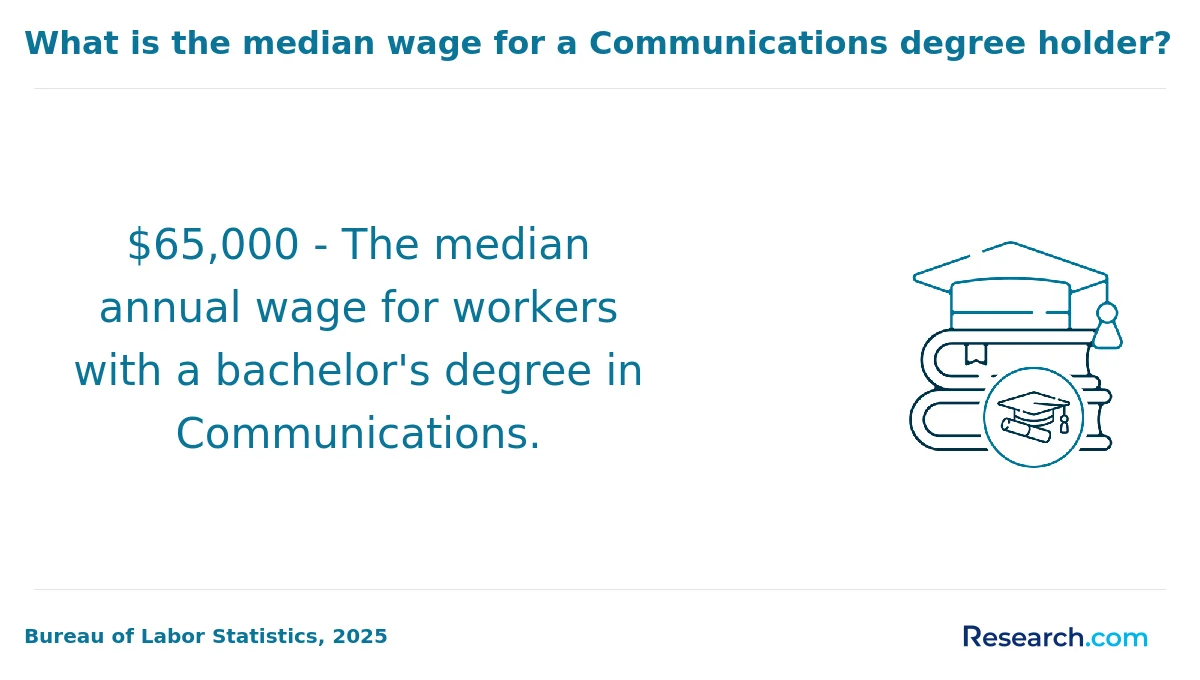
Obtaining an online communication degree in Maryland can significantly enhance career mobility and advancement opportunities. Maryland's diverse economy, which includes federal agencies, media firms, and public relations agencies, creates demand for skilled communicators. According to the U.S. Bureau of Labor Statistics (2023), communication specialists in Maryland earn a median annual wage of $63,000, above the national average. This degree equips graduates with critical skills in digital media, strategic communication, and interpersonal relations, making them competitive for roles like public relations managers or corporate communicators.
Employers in Maryland increasingly value candidates with formal communication training, especially those with flexible online degrees allowing working professionals to upskill without career breaks. Moreover, Maryland's regional job growth for communication occupations is projected at 8% through 2030, faster than many other fields (Maryland Department of Labor, 2023). This growth supports upward mobility for graduates willing to leverage new skills in emerging communication technologies.
Studying for an online communication degree in Maryland equips students with versatile skills crucial for interdisciplinary careers. Programs often emphasize core areas like public relations, digital media, and organizational communication, blending theory with practical applications.
Maryland's diverse economy, which includes government agencies, healthcare, and technology fields, offers a rich environment for communication graduates to collaborate across sectors. According to the Maryland Higher Education Commission, nearly 70% of communication graduates find roles combining communication expertise with fields such as business or information technology.
This interdisciplinary focus helps students adapt to evolving workplace demands, fostering problem-solving, critical thinking, and teamwork skills essential in various professional settings.
When choosing between a thesis and a non-thesis online communication degree program in Maryland, consider your career goals and learning style. A thesis program requires conducting original research, which suits students interested in academic or research careers. Maryland universities often tailor these programs to prepare graduates for PhD studies or specialized fields.
Non-thesis programs focus on practical skills through coursework and projects, appealing to professionals aiming for leadership or applied communication roles in industries like media, public relations, or corporate communications. According to the Maryland Higher Education Commission, online enrollment in communication degrees has grown 15% since 2020, reflecting diverse student needs.
Also evaluate time commitments: thesis options may take longer due to research demands. Financial aid options and faculty expertise in Maryland institutions can influence your decision. Research program curricula carefully to match your professional objectives.
Students based in Maryland seeking to study communication abroad largely rely on online degree programs with international components or university partnerships facilitating global experiences. Maryland institutions, such as the University of Maryland Global Campus, offer online communication degrees with options to participate in study-abroad or exchange programs, depending on the agreement with foreign universities.
Given the COVID-19 pandemic's ongoing impact, virtual global internships and international collaborative projects have become popular alternatives. According to the Maryland Higher Education Commission, roughly 15% of communication students engage in some form of international study during their degree journey through online or hybrid models.
Students are advised to explore accredited online programs that include international case studies or global media courses, providing a virtual study abroad experience without leaving the state.
Maryland offers various part-time job opportunities that can effectively complement an online communication degree. Roles such as social media coordinator, public relations assistant, and content writer are in demand across industries in the state, especially near urban centers like Baltimore and the Washington, D.C. metro area.
According to the Maryland Department of Labor, jobs related to media and communications are expected to grow by 7% through 2030, reflecting steady opportunities for students to gain practical experience.
Working in local marketing agencies or nonprofit organizations also allows communication students to develop skills in campaign management and stakeholder engagement while balancing their studies.
Internships in Maryland's government communications departments provide exposure to public affairs and media relations, critical components of a communication degree curriculum.
Online communication students in Maryland benefit from numerous networking opportunities both virtually and locally. Many universities offering online programs partner with industry groups, such as the Maryland Communication Association, which hosts events and workshops for students and professionals. These connections provide access to internships, job leads, and mentorships.
Additionally, Maryland's proximity to Washington, D.C., offers a wealth of professional communication organizations, like the Public Relations Society of America (PRSA) National Capital Chapter. These groups frequently hold networking events, accessible to online students.
Maryland universities also often facilitate virtual career fairs and online alumni networks, helping students build professional contacts regardless of their location.
Alumni networks play a vital role for online communication degree students in Maryland by providing valuable professional connections. Graduates from Maryland institutions often gain access to extensive networks composed of communication professionals spanning several industries, including public relations, media, and marketing.
These networks facilitate mentorship opportunities and internships, which are crucial for gaining real-world experience. According to the Maryland Higher Education Commission, approximately 65% of employment opportunities in communication fields are influenced by networking.
Furthermore, participation in alumni events and online platforms helps students stay updated on industry trends and job openings. This support system enhances career readiness and increases students' chances of securing positions in Maryland's competitive communication market.
Customizing an online communication degree program in Maryland allows students to align their education with specific career goals. Many Maryland institutions offer elective courses in areas like digital media, public relations, or organizational communication. This flexibility lets students develop skills directly relevant to industries such as healthcare, government, or corporate sectors prevalent in the state.
Maryland's strong presence of federal agencies and media companies creates unique internship and networking opportunities. Students can often tailor their capstone projects or choose specializations that enhance employability in these local markets. According to the Maryland Higher Education Commission, such focused programs increase job placement rates by up to 15%.
Advisors play a key role in helping students select courses that match evolving career trends, ensuring the degree remains relevant and practical.
Online communication students in Maryland commonly face challenges with time management and balancing their studies alongside work or family responsibilities. According to the Maryland Higher Education Commission, many adult learners juggle multiple commitments, which can impact course completion rates.
Another difficulty lies in limited face-to-face interaction, which may hinder networking and developing practical communication skills vital for the field. Students often report feeling isolated without regular in-person discussions or collaborative projects.
Additionally, access to reliable technology and high-speed internet can be inconsistent in some Maryland regions, affecting the experience of live lectures or group activities. Ensuring technical support and digital literacy is crucial for success in online communication programs.
Graduates with an online communication degree in Maryland can enhance their career prospects by pursuing various professional certifications. Popular choices include the Certified Communication Professional (CCP) and the Accredited Business Communicator (ABC) credentials. These certifications demonstrate expertise in corporate communication, public relations, and media relations. According to the Maryland Department of Labor, professionals holding such certifications often see increased job opportunities and a salary boost, with communication specialists earning a median annual wage of around $61,000 in Maryland as of 2023. Additionally, certifications in digital marketing and social media, like those from the Digital Marketing Institute, complement communication degrees well.
Writing a winning application for an online communication program in Maryland requires clear focus on academic achievements and relevant experience. Highlight your communication skills, both written and verbal, as Maryland employers value strong media and public relations expertise. According to the Maryland Higher Education Commission, programs often seek applicants with at least a 3.0 GPA or equivalent. Be sure to detail any professional experience in social media, journalism, or corporate communications.
Craft a compelling personal statement explaining your interest in communication and your career goals. Tailor it specifically for Maryland's market needs, referencing the state's growing digital media sector reported by the Maryland Department of Labor. Include strong letters of recommendation that speak to your ability to succeed in online learning environments. Demonstrating time management and self-motivation skills is essential for distance education success.
The global perspective on communication careers highlights the growing importance of skilled professionals in diverse fields such as media, public relations, and digital marketing. In Maryland, online communication degrees prepare students to meet increasing demand for expertise in global and multicultural communication. According to the U.S. Bureau of Labor Statistics, employment for communication specialists is expected to grow 9% from 2020 to 2030, reflecting a need for professionals who can navigate international and digital platforms.
Furthermore, Maryland's diverse population and proximity to international organizations provide unique opportunities for graduates to engage in global communication roles. Institutions like the University of Maryland and Towson University emphasize cross-cultural communication skills in their curricula, preparing students for careers that extend beyond U.S. borders.
Students pursuing an online communication degree in Maryland can gain practical experience through internships and virtual practicums. Many Maryland institutions have partnerships with local media outlets, nonprofits, and government agencies, allowing students to work on real projects while completing their coursework.
Maryland's strong communications industry, particularly in Baltimore and the D.C. metro area, offers numerous remote internship opportunities. According to the Maryland Department of Commerce, the state's media and communications sector grew by 4% in 2023, increasing demand for entry-level professionals with hands-on experience.
Additionally, students can participate in simulation exercises, digital portfolio development, and collaborative online projects. These experiences help build skills essential for careers in public relations, media, and corporate communication.
Choosing the right concentration within an online communication degree in Maryland depends on your career goals and interests. Popular areas include public relations, digital media, journalism, and corporate communication. According to the Maryland Higher Education Commission, concentrations that align with Maryland's growing tech and government sectors can increase job prospects.
Consider your strengths: if you enjoy storytelling and media, journalism or digital media might suit you. For those interested in strategy and leadership, public relations or corporate communication are solid options. Researching Maryland's job market through sources like the Bureau of Labor Statistics helps identify in-demand skills and industries.
Flexibility of the program and available internships also matter when selecting a concentration, ensuring practical experience alongside theory.
Related Communication Rankings for Nearby States
- 2027 Fastest Online Communication Degree Programs Ranking in Virginia
- 2027 Fastest Online Communication Degree Programs Ranking in Pennsylvania
- 2027 Fastest Online Communication Degree Programs Ranking in New York
- 2027 Fastest Online Communication Degree Programs Ranking in Ohio
- 2027 Fastest Online Communication Degree Programs Ranking in North Carolina
- 2027 Fastest Online Communication Degree Programs Ranking in Kentucky
- 2027 Fastest Online Communication Degree Programs Ranking in Tennessee
- 2027 Fastest Online Communication Degree Programs Ranking in Massachusetts
- 2027 Fastest Online Communication Degree Programs Ranking in Indiana
- 2027 Fastest Online Communication Degree Programs Ranking in Georgia
Top Trending Communication Rankings
References
- Master's in Communication Salaries by Career and Position (2025 Update) https://www.mastersincommunications.com/faqs/masters-in-communication-salary
- Master of Arts (M.A.) Major in Communication Studies (Non-thesis Option) https://mycatalog.txstate.edu/graduate/fine-arts-communication/commstudies-nonthesis-nominor-ma/
- The Power of Effective Communication in Career Advancement https://www.nationalcollege.edu.au/The-Power-of-Effective-Communication-in-Career-Advancement.php
- Communications Specialist Certifications: Best Credentials to Advance Your Career | Teal https://www.tealhq.com/career-paths/communications-specialist-certifications
- Best Bachelor's in Communication Degrees in Maryland 2026 https://www.mastersincommunications.org/bachelors/maryland/
- Top Skills Employers Look for in Mass Communication Graduates https://urbeuniversity.edu/blog/top-skills-employers-look-for-in-mass-communication-graduates
- PR strategies for niche markets: Gaining visibility through targeted communication - HBI Communication https://www.hbi.de/en/blog/pr-strategies-for-niche-markets-gaining-visibility-through-targeted-communication/
- Online Bachelor’s Degree: Communication Studies https://www.umgc.edu/online-degrees/bachelors/communication
- CAREERS AND COMMUNICATION ALUMNI https://www.villanova.edu/university/liberal-arts-sciences/programs/communication/careers.html
- Study Media Abroad: 2026 Global Guide to Courses & Careers https://www.hotcoursesabroad.com/subject/media/