2027 Easiest Online Master's in Communication Degree Programs Ranking in Maryland

Co-Founder and Chief Data Scientist
Choosing the right online master's program in communication can feel overwhelming, especially for Maryland students balancing busy lives. This article introduces the 2027 Easiest Online Master's in Communication Degree Programs Ranking in Maryland, thoughtfully developed by the Research.com team of data scientists. It's designed to help you identify programs that are both accessible and reputable.
By exploring these options, you'll gain confidence in selecting a degree that fits your goals and lifestyle. A communication degree opens doors to meaningful career opportunities and personal growth, making today's effort a smart investment in your future.
Key benefits of getting online communication degree in Maryland
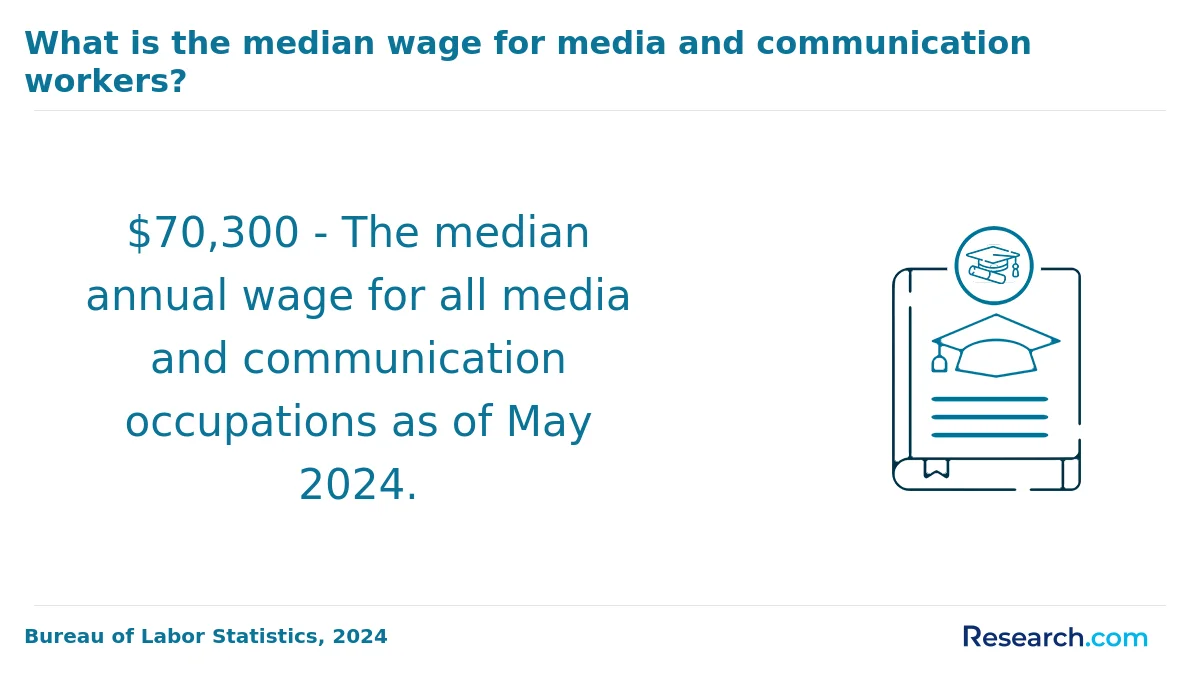
- The average salary for communication-related jobs in the US typically ranges between $45,000 and $75,000 annually, offering a stable financial future for graduates in Maryland.
- Graduates from the University of Maryland often pursue careers in public relations, media, corporate communications, and social media management, enjoying diverse and creative work opportunities.
- Completing an online communication degree from Towson University allows students in Maryland to balance work and study flexibly while gaining the same respected credentials as traditional programs.
- Key benefits of getting online communication degree in Maryland
- What can I expect from online communication degree in Maryland?
- Where can I work with online communication degree in Maryland?
- How much can I make with online communication degree in Maryland?
- 2027 Easiest Online Master's in Communication Degree Programs Ranking in Maryland
- Key Findings
- How long does it take to complete online communication degree in Maryland?
- What's the difference between online and on-campus communication degree?
- What is the average cost of online communication degree in Maryland?
- What financial aid is available to online communication degree students in Maryland?
- What are the prerequisites for enrolling in online communication degree program in Maryland?
- What courses are typically in online communication degree programs in Maryland?
- What types of specializations are available in online communication degree programs in Maryland?
- How do you choose the best online communication degree in Maryland?
- What career paths are available for online communication degree students in Maryland?
- What is the job market for online communication degree in Maryland?
- Related Communication Rankings for Nearby States
- Top Trending Communication Rankings
What can I expect from online communication degree in Maryland?
The average cost of an online communication degree in Maryland typically ranges between $10,000 and $25,000 for a full master's program, depending on the institution and enrollment status. Graduates from schools like the University of Maryland Global Campus often describe feeling relief and satisfaction knowing their investment paid off through flexible tuition rates combined with the ability to balance work and study.
Many students are pleasantly surprised by the affordability compared to traditional on-campus programs, especially when factoring in savings on commuting and housing. For instance, a working professional pursuing their communication degree remotely from Maryland can manage expenses effectively while gaining skills in digital storytelling and strategic communication.
This affordability, paired with interactive online tools and practical projects, empowers students to build portfolios and networks actively. Graduates often highlight how the manageable costs, coupled with asynchronous learning, made it possible to pursue career advancement without financial strain, creating a more positive and confident learning experience.
Where can I work with online communication degree in Maryland?
Graduates with an online communication degree in Maryland often find themselves drawn to dynamic roles within the state's thriving media and government sectors. Many report landing positions as public relations specialists, managing campaigns for companies based in Baltimore or Silver Spring, where they feel proud to shape local narratives and connect communities. Those attending popular programs at universities like the University of Maryland appreciate how their practical coursework prepares them for digital content creation roles, especially in tech-forward areas like Bethesda. These roles allow graduates to craft compelling stories and run social media strategies that elevate brand presence.
Others discover rewarding careers in state government agencies, such as the Maryland Department of Health, where communication professionals play an essential role in public outreach and crisis communication-a responsibility that offers a deep sense of purpose. Several graduates also share enthusiasm about joining marketing and advertising firms, citing impressive growth and opportunities for creativity fueled by close ties with Maryland's business and education institutions.
How much can I make with online communication degree in Maryland?
Graduates who earn an online communication degree in Maryland often find that their salaries reflect both their career choices and the dynamic local job market. For instance, communication graduates from institutions like the University of Maryland and Towson University report starting salaries between $40,000 and $55,000 when entering roles such as social media managers or communication coordinators. These early career positions provide a solid foundation while offering the excitement of engaging with growing industries driven by digital media.
As graduates gain experience, many move into roles such as public relations specialists or technical writers, with median salaries around $66,000 to $76,000. Imagine a graduate applying knowledge gained from hands-on projects at college to help a Maryland non-profit amplify its message-this real-world impact often leads to higher pay and stronger job satisfaction.
Mid-career professionals, especially those connected with corporate communications or agencies near Washington D.C., see salaries climb into the $70,000 to $110,000 range. Graduates pursuing advanced degrees often report a notable boost in earnings, stepping into leadership roles that come with six-figure salaries. This progression illustrates the promising future an online communication degree holds in Maryland's vibrant and evolving landscape.
2027 Easiest Online Master's in Communication Degree Programs Ranking in Maryland
How do we rank schools?
Investing in your education is a significant decision that can shape your future, and the Research.com team understands the importance of making informed choices. To assist prospective students in Maryland, we have meticulously crafted the "2027 Easiest Online Master's in Communication Degree Programs Ranking in Maryland." Our commitment to quality, credibility, and accuracy is reflected in the extensive research and analysis conducted to compile this ranking.
We utilized the following reputable data sources to ensure a comprehensive evaluation of communication programs:
By exploring this ranking, readers will gain valuable insights into the most accessible online master's programs in communication available in Maryland, enabling them to make confident and well-informed decisions about their educational journeys. For more details on our methodology, please visit our Research.com methodology page.
# 1 position
University of Maryland Global Campus
Master of Strategic Communication


Key Findings
- Online communication degrees in Maryland are offered fully online by accredited public and private institutions.
- Tuition for public schools ranges from $10,000 to $20,000 per year, with private schools generally charging more.
- Graduates in Maryland earn an average starting salary of about $45,000 annually, increasing to around $75,000 or higher with experience.
- Job growth in communication fields is expected to rise by approximately 5% annually over the next decade in roles like public relations specialists and media coordinators.
- Programs often feature flexible scheduling, part-time options, and practical experiences such as virtual internships and capstone projects.
How long does it take to complete online communication degree in Maryland?
Completing an online communication degree in Maryland generally takes about four years for bachelor's programs when studying full time, reflecting the schedules found at institutions like Towson University or the University of Maryland Global Campus. Many graduates describe balancing coursework with jobs and family life, appreciating the flexibility this timeline offers while maintaining steady progress.
For those pursuing a master's degree online, the pace varies more widely. Full-time students often complete it in 1.5 to 2 years, while accelerated options at Maryland universities can shrink that to as little as 12 to 18 months. Part-time learners, common among working professionals, may stretch their studies to three or four years, but many find this approach rewarding as it allows them to apply new communication strategies directly in their careers.
Maryland's close ties to Washington, D.C., and the thriving media sectors encourage programs with adaptable pacing. Graduates frequently note feeling motivated and supported, as their programs accommodate real-world demands without sacrificing academic rigor.
What's the difference between online and on-campus communication degree?
Graduates from communication programs at institutions like the University of Maryland often reflect on the dynamic contrast between online and on-campus experiences. Online students appreciate the freedom to complete coursework on their own schedules, ideal for balancing jobs or family commitments-a notable advantage for Maryland's busy professionals. One graduate shared how asynchronous lessons allowed them to take an evening class after work while living outside the Baltimore area, making higher education more accessible.
Conversely, those who attended on-campus programs at Towson University highlight the enriching face-to-face interactions, from lively debates to spontaneous study groups that foster deeper connections and real-time feedback. Access to campus resources such as media labs and guest lectures by industry leaders creates a vibrant learning atmosphere that online formats struggle to fully replicate.
Looking ahead, the growing incorporation of hybrid models may blend these strengths, offering Maryland communication students flexible yet engaging opportunities to build skills and network effectively, wherever they are located.
What is the average cost of online communication degree in Maryland?
The average cost of an online communication degree in Maryland typically centers around $18,500 for in-state students pursuing their master's. This median total cost reflects the blend of tuition fees and associated expenses experienced by many graduates from popular universities such as the University of Maryland and Towson University. These students often find the pricing fair considering the convenience of online study and the quality of programs tailored to advance careers in communications. Prospective learners frequently share how budgeting this amount felt manageable when balanced against employer tuition assistance or federal loan options.
Maryland online master's in communication tuition fees mirror broader regional trends but come with unique benefits. Public institutions in the state generally offer more affordable rates compared to private schools, which may charge significantly more. However, private Maryland colleges present competitive financial aid packages that often ease the burden and create accessible opportunities. For example, some graduates recall how their programs charged per credit but maintained transparent pricing models, helping them anticipate and control costs effectively amid busy work schedules.
Looking ahead, there is growing excitement about flexible pricing options and flat-rate tuition models becoming more widespread, allowing students to plan finances with greater certainty. Emerging program structures aiming to reduce additional technology and materials fees also inspire optimism. Students researching their options often explore the cheapest online master's programs communications available, hoping for innovative approaches that blend affordability with quality education.
What financial aid is available to online communication degree students in Maryland?
Students pursuing online communication degrees in Maryland often find a range of financial aid options that make their educational journey more accessible and less stressful. At institutions like the University of Maryland Global Campus, many graduates recall how the Federal Pell Grant, offering up to $7,395, was a crucial stepping stone, alleviating significant tuition costs. This grant, based on financial need, creates a brighter path for those balancing work and study.
State-specific scholarships such as the Maryland Senatorial and Delegate Scholarships further ease the financial burden. Many undergraduates at Towson University have appreciated how these merit- and need-based awards stack on top of federal aid, making the dream of earning a communication degree feel tangible and rewarding.
On the graduate level, assistantships at schools like Morgan State University blend hands-on experiences with tuition support, offering stipends that turn financial challenges into opportunities for professional growth. Meanwhile, employer tuition assistance programs remain a promising option, often enabling working students across Maryland to invest in their futures without compromising immediate income.
What are the prerequisites for enrolling in online communication degree program in Maryland?
Enrolling in an online communication degree in Maryland often starts with holding a bachelor's degree from an accredited institution. Many graduates from universities like the University of Maryland Global Campus share how their diverse academic backgrounds were welcomed, as long as they demonstrated strong skills in research and critical thinking. Maintaining a solid GPA, typically around 3.0, is crucial; however, some programs appreciate real-world experience and compelling recommendation letters that showcase communication abilities beyond grades.
While standardized tests like the GRE are becoming less common, certain Maryland programs still request them, especially if applicants have a lower GPA or seek research-intensive tracks. Graduates recall how crafting a thoughtful statement of purpose deeply connected their goals with their studies, sparking enthusiasm in admission committees.
Many programs also value professional resumes, reflecting work in media strategy or public relations. This blend of academic readiness and relevant experience helps Maryland students feel confident about their path, knowing their unique stories are recognized and valued in their online communication journey.
What courses are typically in online communication degree programs in Maryland?
Online communication degrees in Maryland typically include courses that empower students to thrive in dynamic, real-world settings. Graduates from institutions such as the University of Maryland often share how foundational classes like Communication Theory opened their eyes to understanding diverse cultural dialogues, preparing them for global career challenges.
Courses like Interpersonal and Group Communication train students in navigating professional and personal relationships with confidence, often through simulated team projects and virtual presentations that mirror workplace collaboration.
Media Writing and Public Relations Strategies are staples that graduates recall as key to honing their ability to craft compelling messages for digital platforms or to manage reputations in crisis scenarios-skills highly valued in Maryland's government and nonprofit sectors.
- Digital Communication classes embrace emerging social media trends and technologies, ensuring students remain on the cutting edge of the fast-evolving communication landscape
- Research Methods in Communication equip learners with data analysis techniques to measure and enhance message impact, an essential skill in today's evidence-driven world
Electives tailored to Maryland's unique environment-such as health communication-reflect real student experiences working on projects connected to prominent federal health institutions, building not only expertise but also professional networks.
What types of specializations are available in online communication degree programs in Maryland?
Online communication degree specializations in Maryland are evolving to meet the needs of a dynamic job market, especially within Baltimore's healthcare and tech industries. Graduates from popular institutions around Maryland often find themselves drawn to tracks like Corporate Communication, Digital Media and Social Media, and Health Communication. These specializations equip students with skills directly applicable to real-world challenges, such as managing crisis communication for a growing tech startup or designing public health campaigns for local communities. For example, many students at well-regarded Maryland colleges describe their coursework in interpersonal and organizational communication as invaluable for leadership roles in Maryland's expanding businesses.
Looking ahead, the best communication master's focus areas Maryland offer could increasingly emphasize data analytics and immersive media technologies, reflecting broader trends in digital content creation and audience engagement. Students pursuing an online communication program in Maryland also appreciate the flexibility to integrate emerging fields like political communication or advanced communication research methods. For those starting out, exploring online bachelors in communication can provide a strong foundation tailored to Maryland's unique professional landscape.
How do you choose the best online communication degree in Maryland?
Choosing the best online communication degree in Maryland often means balancing practical flexibility with academic rigor. Graduates from popular Maryland institutions share how asynchronous classes allowed them to juggle jobs and family, feeling empowered as they tailored their education around real life. Many highlight the value of programs with strong ties to the bustling Washington, D.C. communications scene, which opened doors to internships and mentorships that felt personal and future-ready. Affordability matters too; affordable online communication programs Maryland offer pathways that ease financial stress without sacrificing quality, helping students stay motivated.
Curriculums that blend traditional theories with emerging digital practices excite learners who want relevant skills for tomorrow's media landscapes. Others appreciate coursework providing insights into types of public relations jobs, illuminating diverse career pathways and inspiring confidence about post-graduation opportunities. Focusing on schools accredited by recognized bodies ensures your degree holds value and supports smooth credit transfer.
Technology platforms that support immersive virtual experiences give students a sense of community and connection often missing from online formats. When you explore options, imagine yourself thriving in a program that matches your ambitions and lifestyle-this mindset shines through in the success stories of Maryland's communication degree graduates.
What career paths are available for online communication degree students in Maryland?
Graduates pursuing online communication degree careers Maryland offer engage with expanding fields such as public relations, corporate communications, and digital marketing. Many find rewarding positions within the state's dynamic economy, including government agencies near Washington, D.C., tech companies, and nonprofit organizations. For example, graduates from well-known Maryland colleges share how roles like social media managers or communication coordinators allow them to shape brand narratives daily, often leading to rapid career growth.
Communication job opportunities Maryland graduates encounter also extend into emerging sectors like virtual event coordination and remote media production, leveraging online skills learned during their studies. Human resources communication remains vital, especially as organizations emphasize internal culture and employee engagement in hybrid workplaces. Notably, many alumni highlight their ability to negotiate careers with an impressive understanding of audience engagement, boosted by regional industry connections.
The evolving landscape suggests increasing demand for professionals adept at strategic storytelling and digital outreach. Given this, students can envision strong futures with competitive salary with a master's in public relations, especially when combining Maryland's versatile job market with flexible, affordable online education choices.
What is the job market for online communication degree in Maryland?
The job market for graduates with an online communication degree in Maryland is vibrant, fueled by the state's proximity to Washington, D.C., and its wealth of government agencies, healthcare organizations, and media companies. Many graduates find rewarding roles in digital media, corporate communication, and public relations, leveraging connections made during their time at popular institutions like the University of Maryland and Towson University. These graduates often describe their journey as exciting and filled with opportunity, benefiting from Maryland's diverse economy and a growing demand for skilled communicators who are tech-savvy and adaptable.
Employers in Maryland are increasingly valuing proficiency in digital platforms and strategic communication, creating a fertile ground for those completing an online communication degree. Students pursuing an online communication degree jobs Maryland value the flexibility to balance studies while gaining practical experiences. Some have noted that programs offering a focus on emerging media align well with current job market trends.
For those aiming higher, pursuing a public relations master's degree in Maryland can open doors to leadership roles in marketing communications and organizational outreach. Many graduates express optimism about their career prospects thanks to competitive salaries and the state's higher-than-average median wages for communication professionals.
Frequently Asked Questions About communication
Online communication degree students in Maryland can maximize their learning by actively engaging with digital resources and networking opportunities. Utilizing local Maryland professional groups such as the Maryland Communication Association enhances practical insights and regional connections. According to the U.S. Bureau of Labor Statistics, Maryland's communication sector shows steady growth, reinforcing the value of practical experience alongside academics.
Students should also take advantage of Maryland's public libraries and university partnerships that offer free access to research databases and communication journals. Consistent participation in virtual internships or Maryland-based media outlets improves job readiness.
Balancing synchronous class sessions with self-paced study maximizes knowledge retention and skill development.
The communication field is rapidly evolving, especially within Maryland's educational landscape. Emerging niches include digital storytelling, social media strategy, and data analytics for communication. These areas reflect the increasing need for professionals who can navigate online platforms and interpret large data sets to shape messaging effectively.
Another growing niche is health communication, driven by Maryland's strong healthcare and biotech sectors. According to the Maryland Department of Labor, demand for specialists who can design public health campaigns and manage crisis communication has risen by over 15% in recent years.
Additionally, virtual reality (VR) communication and interactive media are gaining traction as technology advances. These niches provide students with skills aligned to future industry trends in marketing, education, and entertainment.
After completing an online communication degree in Maryland, preparing for the job market involves strategic steps to boost employability. Networking is crucial; students should connect with local professionals through Maryland's communication associations, such as the Maryland Chapter of the Public Relations Society of America. Gaining practical experience via internships or volunteer roles enhances skills and resumes. According to the U.S. Bureau of Labor Statistics, communication-related jobs in Maryland are expected to grow by 8% through 2030, reflecting steady demand.
Building a strong portfolio showcasing writing, digital media, and public relations projects is essential. Additionally, developing proficiency with industry-standard tools like Adobe Creative Suite and social media analytics platforms benefits job seekers. Finally, utilizing university career services and Maryland job boards helps locate relevant opportunities effectively.
Employers in Maryland value strong communication skills in graduates with online communication degrees. Key abilities include effective written and verbal communication, which are essential for roles in public relations, marketing, and corporate communication. According to the Maryland Department of Labor, proficiency in digital communication tools and social media management is increasingly important as businesses expand their online presence.
Critical thinking and problem-solving are also top skills sought by Maryland employers. Graduates must demonstrate the ability to analyze information and craft clear messages tailored to diverse audiences. Collaboration skills matter too, as teamwork is common in communication projects.
Finally, knowledge of media ethics and cultural awareness is vital in Maryland's diverse workforce. These competencies help graduates navigate complex communication environments professionally and respectfully.
Finding internships in Maryland related to a communication degree often starts with utilizing university career centers, many of which offer virtual resources for online students. Schools such as the University of Maryland provide extensive internship databases that include positions at local media outlets, PR firms, and government agencies.
Maryland's proximity to Washington, D.C. increases opportunities in public relations, broadcast media, and digital communications. According to the Maryland Department of Labor, communications roles are growing by 7% annually in the region, highlighting potential availability of internships.
Networking through professional organizations like the Public Relations Society of America (PRSA) Maryland Chapter or Maryland Communication Association can open doors to internship openings and mentorships.
Additionally, websites such as Handshake and Maryland's Workforce Exchange offer listings tailored to students and graduates, making them valuable tools for online learners seeking local internships in communications.
Obtaining an online communication degree in Maryland significantly enhances career mobility and advancement opportunities within the state's expanding communication sector. Maryland hosts a diverse economy that includes government agencies, media outlets, and nonprofit organizations-all of which value effective communication skills. According to the U.S. Bureau of Labor Statistics, Maryland's employment of communication specialists is projected to grow by 8% from 2022 to 2032, indicating steady demand for qualified professionals.
Online degrees provide flexibility for working adults, allowing them to gain relevant skills without disrupting their current job roles. This adaptability supports smoother transitions into higher positions or different fields within communication, such as public relations, corporate communication, or digital media.
Graduates from Maryland programs often benefit from strong alumni networks and local internships, which improve access to professional connections and promotion pathways. Employers increasingly recognize accredited online degrees, ensuring graduates can compete effectively for advanced roles across the state's job market.
Studying for a communication degree in Maryland provides students with a well-rounded foundation to excel in interdisciplinary roles. Maryland's universities emphasize integrating communication theory with practical skills drawn from business, technology, and public policy. This approach equips graduates to collaborate across various sectors effectively.
Maryland's proximity to federal agencies and diverse industries offers unique opportunities for students to apply communication skills in real-world settings. For example, many programs include coursework in digital media, strategic communication, and data analysis, which are valuable in healthcare, government, and nonprofit sectors.
According to the National Center for Education Statistics, Maryland awarded over 1,200 communication degrees annually in recent years, highlighting strong enrollment and resource availability. This trend reflects the state's commitment to preparing graduates to meet complex communication demands in multiple fields.
Choosing between a thesis and a non-thesis online communication degree in Maryland depends on your career goals and learning preferences. A thesis program typically involves conducting original research and writing a substantial paper, which is ideal for students aiming for academic careers or doctoral studies.
Non-thesis programs focus more on coursework and practical skills, appealing to professionals seeking advancement in fields like public relations, marketing, or corporate communications. Maryland institutions often provide both options; for example, University of Maryland Global Campus offers flexible online communication tracks tailored to career outcomes.
According to the Maryland Higher Education Commission, approximately 40% of communication master's students choose thesis options, primarily those interested in research or teaching. Cost, time commitment, and faculty availability are other factors to consider when selecting the right path.
Students based in Maryland seeking to study communication abroad through online programs have limited direct options within the state's higher education system. Most Maryland institutions primarily offer fully online or hybrid communication degrees with domestic coursework, rather than dedicated abroad components.
However, students enrolled in Maryland universities can explore study abroad partnerships arranged by their schools, often including semester exchanges or summer programs at international partner institutions. These opportunities may not be widely available specifically for online communication degrees but can complement on-campus requirements.
According to the Maryland Higher Education Commission, about 5% of Maryland college students participate in study abroad programs annually, illustrating moderate access. The majority of communication graduate programs emphasize virtual global collaboration projects, allowing Maryland students to engage internationally without travel.
For those strictly pursuing fully online communication master's degrees, international study usually occurs through virtual exchanges, internships, or international faculty-led digital seminars rather than physical study abroad options.
Part-time jobs that complement an online communication degree in Maryland often include roles in public relations, social media management, and content creation. Maryland's growing media and tech sectors, including hubs in Baltimore and the Washington metropolitan area, provide valuable opportunities for communication students. According to the Maryland Department of Labor, social media specialist positions are expected to grow by over 10% through 2030, reflecting national trends favoring digital communication skills.
Interning or working part-time in local marketing firms or nonprofit organizations can also enhance practical communication skills. These roles allow students to develop their writing, editing, and strategic communication abilities while networking within the state's vibrant community.
Additionally, freelance writing and digital communications assistant jobs offer flexible scheduling ideal for students balancing coursework. Such positions offer hands-on experience that directly aligns with the competencies taught in graduate communication programs in Maryland.
Online communication students in Maryland have access to various networking opportunities designed to enhance their professional growth. Many universities offer virtual career fairs, webinars, and alumni networking groups tailored to communication majors. For example, universities like Towson and University of Maryland feature active online platforms connecting students with industry professionals.
Additionally, Maryland is home to several communication and media organizations, such as the Chesapeake Public Relations Association, which hosts events and workshops students can attend virtually or in person. According to the Bureau of Labor Statistics, Maryland's communications sector is expected to grow by 7% from 2022 to 2032, highlighting expanding professional opportunities for graduates.
Alumni networks offer essential support to online communication degree students in Maryland by connecting them with experienced professionals in the field. These networks provide mentorship, career advice, and job opportunities, which are crucial in a competitive job market. According to the National Communication Association, Maryland ranks among states with a growing demand for communication specialists, enhancing the value of strong alumni ties.
Graduates often share industry insights and recommend internships, creating a bridge between education and employment. Furthermore, alumni events and social groups foster professional development and lifelong learning, benefitting current students.
Access to Maryland-based alumni can also facilitate local networking, a significant advantage for those seeking careers within the state's media, public relations, and corporate sectors.
Customizing an online communication degree in Maryland allows students to align their education with specific career goals. Many Maryland universities offer elective courses focusing on areas such as digital media, public relations, corporate communication, or health communication. This flexibility helps tailor the degree to industries prominent in Maryland, including biotechnology, government, and media.
Students can select internships or capstone projects that provide practical experience relevant to local job markets. For example, Maryland's proximity to Washington D.C. offers unique media and political communication opportunities. According to the Maryland Higher Education Commission, choosing specialized courses and experiential learning can increase employability in competitive communication roles statewide.
Online communication students in Maryland often face challenges related to balancing coursework with personal and professional responsibilities. Many learners are working adults who must manage jobs and family while attending virtual classes, which can lead to time management difficulties.
Technical issues also present frequent obstacles. Reliable internet access is crucial, but rural areas in Maryland sometimes experience connectivity problems that disrupt learning. Additionally, students may struggle with mastering specific digital platforms used by universities.
Another challenge is the limited opportunity for face-to-face interaction with peers and instructors, which can affect networking and collaborative learning. According to the Maryland Higher Education Commission, these factors contribute to a higher reported rate of online course attrition compared to in-person classes.
With an online communication degree in Maryland, graduates can pursue several professional certifications to enhance their careers. One widely recognized option is the Accredited Business Communicator (ABC) credential, offered by the Association for Business Communication. This certification validates skills in strategic communication, which is valuable in Maryland's growing corporate sectors.
Another important certification is the Certified Professional in Learning and Performance (CPLP), useful for those focusing on training and development within organizations. Maryland's emphasis on education and government sectors aligns well with this credential.
Additionally, aspiring public relations specialists might consider the Accreditation in Public Relations (APR), which confirms expertise in PR practices. Given Maryland's strong media and political communication landscape, these certifications can boost job prospects and earning potential.
When applying for an online communication program in Maryland, start by thoroughly researching the specific schools and their admission requirements. Emphasize your interest in communication by crafting a clear and focused personal statement that outlines your career goals and how the degree fits into them.
Highlight any relevant experience, such as work in media, marketing, or public relations, and include measurable achievements if possible. Maryland's higher education institutions value applicants who demonstrate both academic potential and practical communication skills.
Submit all required materials on time, including transcripts and letters of recommendation. According to the Maryland Higher Education Commission, competitive applicants often have strong undergraduate GPAs above 3.0 and professional recommendations that speak to their leadership and communication abilities.
Finally, tailor your application to reflect knowledge of trends in Maryland's communication industry, where digital media and public relations continue to grow, increasing the demand for qualified graduates.
Communication careers hold increasing importance worldwide as global connectivity grows. In the United States, and specifically Maryland, the demand for skilled communication professionals is rising steadily. According to the U.S. Bureau of Labor Statistics, employment in communication-related fields is projected to grow 8% from 2022 to 2032, faster than the average for all occupations.
Global perspectives emphasize the value of cross-cultural communication skills. Maryland's diverse population and proximity to international organizations provide unique opportunities for graduates to engage with global issues.
Online communication degrees in Maryland prepare students to navigate digital media, public relations, and corporate communications with a global mindset, meeting industry needs both locally and internationally.
Students pursuing an online communication degree in Maryland can gain practical experience through internships with local media outlets, non-profits, and government agencies. Many universities encourage remote internships, allowing students to build relevant skills while completing coursework.
Maryland's proximity to Washington D.C. provides access to numerous communications firms and public relations agencies that often offer virtual internships. According to the Maryland Department of Labor, internships enhance job prospects by 60% in communications-related fields.
Additionally, students can participate in virtual workshops, online simulations, and student-run digital media projects offered by Maryland institutions. These opportunities help develop real-world skills such as content creation, strategic planning, and social media management.
Choosing the right concentration within an online communication degree program in Maryland depends largely on your career goals and interests. Popular concentrations include public relations, digital media, organizational communication, and health communication. Each area targets different industries, such as government agencies, healthcare providers, or corporations common in Maryland's economy.
Look for programs that offer coursework aligned with your desired field, along with internships or practicum opportunities. According to the Maryland Higher Education Commission, jobs for communication specialists in the state are expected to grow by 7% through 2030. Research local employer needs and salary data to better match concentrations with workforce demands.
Consider also the faculty expertise and availability of specialized resources in your chosen field to gain a competitive edge in Maryland's job market.
Related Communication Rankings for Nearby States
- 2027 Easiest Online Master's in Communication Degree Programs Ranking in Virginia
- 2027 Easiest Online Master's in Communication Degree Programs Ranking in New York
- 2027 Easiest Online Master's in Communication Degree Programs Ranking in Ohio
- 2027 Easiest Online Master's in Communication Degree Programs Ranking in Florida
- 2027 Easiest Online Master's in Communication Degree Programs Ranking in Missouri
Top Trending Communication Rankings
References
- How Long is an Online Master's in Communication Program? https://www.onlineeducation.com/communication/faqs/how-long-to-earn-a-communications-masters-degree-online
- What skills will I get with a communication degree? https://www.cis-spain.com/en/blog/what-skills-will-i-get-with-a-communication-degree/
- Liberal Arts and Communications | UMGC Europe https://europe.umgc.edu/online-degrees/liberal-arts-and-communications
- How a Media and Communication Degree Can Help You ... https://www.whistlingwoods.net/how-a-media-and-communication-degree-can-help-you-reach-your-goals/
- Online Bachelor's Degree: Communication Studies https://www.umgc.edu/online-degrees/bachelors/communication
- Best Bachelor's in Communication Degrees in Maryland 2026 https://www.mastersincommunications.org/bachelors/maryland/
- Communications Degree | Communications Major https://www.collegeadvisor.com/resources/communications-degree/
- 2026 Master's in Communication Programs in Maryland https://www.mastersincommunications.com/states/maryland
- Digital Communication (B.A.) https://www.ubalt.edu/schools-and-colleges/yale-gordon-college-of-arts-and-sciences/academics/explore-all-programs/bachelors-digital-communication/index.cfm
- Online Communication Degree - Bachelor's (BA) https://online.maryville.edu/online-bachelors-degrees/communications/