2027 Best Online Master's in Communication Degree Programs Ranking in Missouri

Co-Founder and Chief Data Scientist
Exploring online master's programs in communication can be overwhelming, especially with so many options available. This article introduces the 2027 Best Online Master's in Communication Degree Programs Ranking in Missouri, created by the Research.com team of data scientists to guide you in making an informed decision.
Whether you want to advance your career, improve your skills, or pursue a passion, this ranking highlights programs worth considering. Understanding your options can help you find the best fit for your goals and lifestyle, making your educational journey both rewarding and manageable.
Key benefits of getting online communication degree in Missouri
- Communication graduates in Missouri often pursue roles like public relations specialists, earning a median salary of about $62,810 per year, which reflects strong earning potential in the field.
- A graduate from the University of Missouri's communication program might explore diverse careers such as media planning, corporate communications, or digital marketing, offering exciting and varied opportunities.
- Completing a communication degree online, like at Missouri State University, provides flexibility to balance work and study, making career advancement more accessible and less stressful.
- Key benefits of getting online communication degree in Missouri
- What can I expect from online communication degree in Missouri?
- Where can I work with online communication degree in Missouri?
- How much can I make with online communication degree in Missouri?
- 2027 Best Online Master's in Communication Degree Programs Ranking in Missouri
- Key Findings
- How long does it take to complete online communication degree in Missouri?
- What's the difference between online and on-campus communication degree?
- What is the average cost of online communication degree in Missouri?
- What financial aid is available to online communication degree students in Missouri?
- What are the prerequisites for enrolling in online communication degree program in Missouri?
- What courses are typically in online communication degree programs in Missouri?
- What types of specializations are available in online communication degree programs in Missouri?
- How do you choose the best online communication degree in Missouri?
- What career paths are available for online communication degree students in Missouri?
- What is the job market for online communication degree in Missouri?
- Related Communication Rankings for Nearby States
- Top Trending Communication Rankings
What can I expect from online communication degree in Missouri?
The average cost of an online communication degree in Missouri varies depending on the institution but tends to be more affordable than traditional on-campus programs. Public universities in Missouri often offer tuition rates that are particularly competitive for in-state residents, with annual tuition frequently ranging between $6,000 and $10,000. This affordability, combined with savings on commuting and housing, makes pursuing an online communication degree appealing to many residents.
Graduates from popular Missouri colleges appreciate the financial flexibility that allows them to balance education with work and family commitments. For example, asynchronous courses enable busy professionals to progress at their own pace without sacrificing income. These students often note feeling motivated and supported, as some universities provide scholarships and employer tuition assistance options that reduce out-of-pocket expenses even further.
Such financial advantages make it easier to invest time and effort into mastering the skills required for Missouri's dynamic communication fields, from healthcare marketing to public relations in government agencies. Online learners often describe their financial experience as a significant factor in their successful completion of the program.
Where can I work with online communication degree in Missouri?
Graduates with an online communication degree in Missouri find diverse career opportunities across multiple sectors. Many secure roles in media companies like those in St. Louis or Kansas City, contributing as content creators or public relations managers for major outlets such as the St. Louis Post-Dispatch. Success stories from graduates at institutions like the University of Missouri highlight how strong communication skills open doors within corporate settings, including companies like Express Scripts, where internal communications and crisis management are essential.
Others thrive in nonprofit or government roles, managing community outreach or digital content for state agencies or local municipalities. Graduates from Missouri State University often describe their rewarding experiences working with public affairs teams that impact local communities.
Teaching positions also attract alumni, particularly as demand for remote learning grows at colleges such as Webster University. Freelance consulting in marketing and branding remains popular too, fueled by connections made through Missouri's professional networks. These paths demonstrate the degree's flexibility and the positive impact graduates feel when advancing their careers across the state.
How much can I make with online communication degree in Missouri?
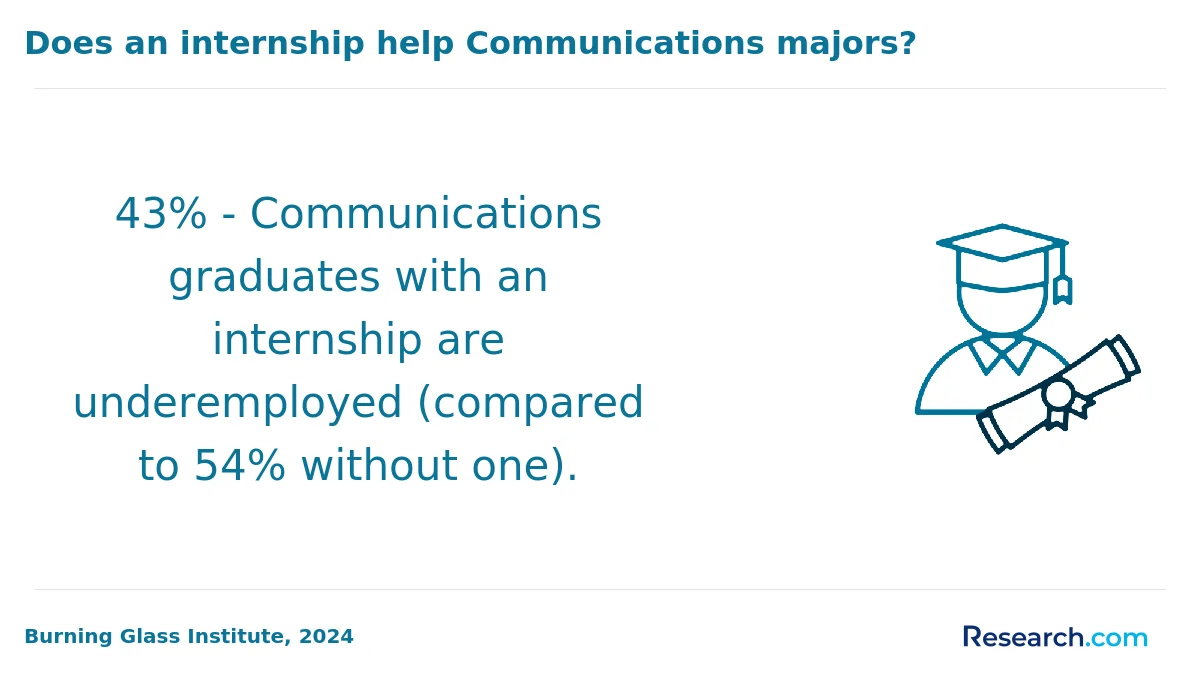
Graduates with an online communication degree in Missouri generally see entry-level salaries around $50,000 per year, particularly in roles like public relations specialists. This aligns with the national median of $62,810, while cities such as St. Louis and Kansas City often offer higher wages due to more vibrant markets. Communication graduates from institutions like the University of Missouri or Missouri State University frequently share that internships and networking in these urban centers significantly boost their earning potential and job placement success.
Experienced professionals in marketing management roles can earn closer to $105,000 annually. This reflects the higher responsibility and strategic involvement expected in such positions. Social media managers report salaries ranging from $45,000 to $70,000, depending on employer size and expertise. These figures underscore the wide range of financial opportunities available after graduation, with flexible freelance work also providing variable hourly earnings typically from $20 to $50.
2027 Best Online Master's in Communication Degree Programs Ranking in Missouri
How do we rank schools?
Investing in your education is a significant decision that can shape your future, and the Research.com team understands the importance of making informed choices. To assist prospective students in Missouri, we have carefully developed the "2027 Best Online Master's in Communication Degree Programs Ranking in Missouri." Our dedication to quality, credibility, and accuracy is evident in the thorough research and analysis undertaken to compile this ranking.
We utilized the following reputable data sources to ensure a comprehensive evaluation of communication programs:
By exploring this ranking, readers will gain valuable insights into the top online communication master's programs available in Missouri, empowering them to make well-informed decisions about their educational journeys. For more details on our methodology, please visit our Research.com methodology page.


Key Findings
- Online communication degrees in Missouri are available for both undergraduate and graduate students with programs covering media studies, public relations, digital communication, and organizational communication.
- Tuition for in-state students typically ranges from $8,000 to $15,000 per year, with public universities offering the most affordable options.
- Additional expenses may include technology fees, books, and software needed for online learning.
- Early-career communication graduates in Missouri earn an average annual salary between $45,000 and $50,000, while experienced professionals can expect $65,000 to $80,000 annually.
- Strong job demand exists for roles like public relations specialists, communication coordinators, and social media managers, especially in cities such as St. Louis and Kansas City.
- Most online communication programs in Missouri are accredited, which supports eligibility for federal financial aid and maintains education quality.
How long does it take to complete online communication degree in Missouri?
Completing an online communication degree in Missouri typically ranges from two to four years, depending on the degree level and student pace. Bachelor's degree candidates at institutions like the University of Missouri usually finish in about four years when enrolled full-time, paralleling traditional on-campus timelines. Many graduates appreciate the flexibility of part-time study options, though these can extend completion times to six years as they balance work and life commitments.
Graduate students pursuing a master's in communication often complete their programs within two years. Several Missouri State University alumni report benefiting from accelerated tracks, finishing their degrees in as little as 12 to 18 months by taking heavier course loads and utilizing transfer credits.
Flexible, asynchronous formats commonly offered by Missouri schools empower students to tailor their studies around personal schedules, increasing satisfaction and academic success. This adaptability enables graduates to strategically manage course loads and reduce time-to-completion while maintaining balance in other areas of life.
What's the difference between online and on-campus communication degree?
Online communication degrees in Missouri offer unparalleled flexibility, ideal for working professionals balancing careers and family. Graduates from programs like those offered by the University of Missouri often describe the convenience of studying anytime, especially since many courses are asynchronous. This allows them to engage deeply without sacrificing work commitments. In contrast, traditional on-campus programs at institutions such as Saint Louis University provide a structured environment with fixed class schedules, which students appreciate for fostering discipline and routine.
On-campus learners benefit from face-to-face interactions, immediate feedback, and spontaneous discussions that sharpen interpersonal skills and teamwork. Graduates recall workshops and media labs as highlights that enriched their hands-on experience. Meanwhile, online students credit virtual presentations and written assignments for developing strong self-motivation and independent communication abilities.
Cost considerations also differ; Missouri residents often find on-campus tuition more affordable, yet online programs save commuting time and housing expenses. Choosing between formats depends on personal work-life balance, learning preference, and professional aspirations within Missouri's diverse academic landscape.
What is the average cost of online communication degree in Missouri?
The average cost of an online communication degree in Missouri generally ranges around a median total tuition of $31,413. This figure accounts for the investment required to complete a comprehensive program in communication through various state universities and private institutions. Graduates from popular Missouri universities often share that, despite the significant tuition expense, the value of the flexible online format combined with competitive in-state tuition rates creates a rewarding educational experience.
For Missouri residents pursuing an online communication master's degree, tuition and fees for online communication master's Missouri programs usually fall between $400 and $600 per credit hour at public universities. These universities include well-known institutions such as the University of Missouri system, where students appreciate the blend of affordability and quality. Many graduates describe balancing work and study facilitated by the online format as a highly positive experience, emphasizing the support from faculty and the ability to apply communication skills directly in their careers.
Costs can rise when attending private schools or enrolling as out-of-state students, sometimes exceeding $900 per credit hour. However, the availability of scholarships, employer tuition assistance, and financial aid often eases this burden. Missouri's online communication programs are viewed as relatively affordable compared to national averages, especially with the in-state tuition advantages and minimal additional fees.
Prospective students interested in understanding how to optimize their investments might explore options by reviewing information on the cheapest online communications masters degree to find financially viable alternatives that maintain strong academic standards.
What financial aid is available to online communication degree students in Missouri?
Students pursuing online communication degrees in Missouri benefit from multiple financial aid sources tailored to their needs. Federal aid through FAFSA offers access to grants, work-study, and Direct Unsubsidized Loans, helping reduce reliance on high-interest debt. Many graduates reflecting on their experience at the University of Missouri highlight how institutional scholarships specifically targeting communication fields alleviated financial pressures during their studies.
The Missouri Department of Higher Education & Workforce Development presents additional opportunities like the Access Missouri Financial Assistance Program. While its primary focus is undergraduate support, some scholarships and grants remain accessible to graduate communication students, providing valuable relief.
Moreover, private scholarships through organizations such as the Missouri Communication Association offer competitive funding reflecting academic achievement and professional promise. Graduates from popular institutions across Missouri often praise the personalized guidance from financial aid advisors, which helped them navigate deadlines and eligibility with confidence.
In-state tuition rates averaging $300 to $400 per credit hour enhance affordability, making Missouri a financially viable choice for communication studies online.
What are the prerequisites for enrolling in online communication degree program in Missouri?
To enroll in an online communication degree program in Missouri, candidates must hold a bachelor's degree from an accredited institution, though this degree need not be exclusively in communication. For example, graduates from the University of Missouri's communication program often had backgrounds in journalism or marketing, demonstrating how related fields provide a strong foundation. Accreditation by recognized bodies like the U.S. Department of Education is essential to ensure eligibility.
Applicants typically submit official transcripts reflecting a solid academic record, with many Missouri programs expecting a minimum GPA around 3.0. However, some institutions, such as Webster University, may consider professional experience or exceptional achievements as part of holistic admissions decisions, offering flexibility for motivated individuals.
While GRE scores are less commonly required, Missouri State University highlights the importance of letters of recommendation and a compelling statement of purpose. These documents allow applicants to convey their passion for communication and commitment to succeed, echoing many graduate testimonials about the program's rigorous yet rewarding nature.
What courses are typically in online communication degree programs in Missouri?
Online communication degrees in Missouri commonly feature courses that provide both theoretical foundations and practical skills essential for today's communication fields. Graduates from institutions like the University of Missouri often highlight how courses such as Communication Theory and Models helped them understand real-world messaging dynamics, improving their workplace interactions.
Typical coursework includes Interpersonal Communication, where students learn conflict resolution and relationship management applicable to team settings in corporate or nonprofit environments. Media Writing and Editing classes train students to craft clear, polished content for diverse platforms, a skill praised by alumni who transitioned smoothly into digital media roles.
- Public Relations Strategies, teaching campaign development and media engagement critical for managing organizational reputations.
- Digital Communication and Social Media, focusing on leveraging online tools and analytics to connect with modern audiences.
- Organizational Communication, shedding light on internal communication essential for leadership and staff coordination.
- Research Methods in Communication, equipping students to analyze data for strategic decision-making.
Missouri programs often integrate region-specific issues such as media ethics and crisis communication, which graduates find valuable when working in local government or community outreach. Emphasizing multimedia production and data analytics ensures students remain competitive in evolving markets, reflecting Missouri's strong emphasis on adaptable and practical communication skills.
What types of specializations are available in online communication degree programs in Missouri?
Online communication degree specializations Missouri programs typically offer include Public Relations and Strategic Communication, Health Communication, Organizational Communication, Digital and Social Media Communication, and Media Production and Journalism. Graduates from well-regarded institutions such as the University of Missouri and Webster University attest to the practical value of these tracks in advancing their careers. For instance, those focusing on Public Relations master crisis communication and campaign planning, skills directly applicable to real-world corporate environments across St. Louis and Kansas City.
Health Communication is especially relevant given Missouri's growing healthcare sector, enabling students to effectively convey critical health information. Organizational Communication prepares learners to navigate internal corporate dynamics, enhancing leadership and conflict resolution capabilities. Meanwhile, Digital and Social Media Communication cultivates expertise in content creation and online brand management, aligning with industry demands for digital savvy professionals.
Many students find that selecting one of the best communication master's concentrations Missouri offers significantly improves their job prospects. For those embarking on their educational journey, exploring an online bachelor of communications degree can provide a solid foundation for these diverse specializations.
How do you choose the best online communication degree in Missouri?
Choosing the best online communication degree Missouri offers requires carefully evaluating program specializations and accreditation. Graduates from prominent Missouri institutions often highlight the advantage of selecting programs with focuses that match personal career goals, such as strategic communication or media production. This targeted approach cultivates relevant skills that enhance employability and job satisfaction in competitive fields.
Cost is another significant consideration; many students find that affordable communication master's programs Missouri provides, especially at public universities, offer quality education without the financial strain common elsewhere. Missouri residents benefit from lower in-state tuition rates, and wise candidates examine not only tuition but also associated fees and technology costs. For those seeking budget-friendly options, exploring the cheapest bachelor's degree in journalism online can be an effective step toward more affordable communication studies.
Flexibility remains crucial, as working professionals rely on asynchronous courses and adaptable schedules featured by Missouri's top colleges. Alumni often praise how such formats allowed them to balance career demands with coursework. Furthermore, career support services and strong faculty expertise at these institutions foster confidence and professional networking, making graduates feel prepared and connected within Missouri's communication industry.
What career paths are available for online communication degree students in Missouri?
Graduates with an online communication degree in Missouri find diverse career paths across industries such as public relations, marketing, media, and corporate communication. For example, many alumni from popular Missouri universities pursue roles in public relations within nonprofit organizations or government agencies in cities like Kansas City and St. Louis. Marketing communications specialists are in demand due to the state's growing tech and service sectors, where graduates design campaigns and manage brand messaging effectively.
Mass media and journalism careers remain accessible to those completing a communication degree, with opportunities as reporters, editors, or producers at local outlets. Graduates appreciate the strong professional network provided by Missouri's media associations. Many also take advantage of the practical skills gained to work in corporate roles managing internal communications, employee engagement, and crisis response for manufacturing or financial firms. Students considering this field often explore options related to a journalism degree to expand their prospects. These pathways highlight the value of Missouri communication careers from online degree programs, which combine academic excellence with real-world readiness.
What is the job market for online communication degree in Missouri?
The job market for online communication degree graduates in Missouri remains robust, with multiple sectors actively seeking skilled professionals. Graduates from universities in St. Louis and Kansas City consistently report positive employment outcomes, finding roles in corporate communications, media, and government agencies. The state's diverse economic environment supports various career paths, meeting the needs of finance, healthcare, manufacturing, and public relations industries. This steady demand reflects the practical skills these graduates develop, such as digital media expertise and strategic messaging.
Missouri communication graduate career opportunities are particularly strong in metropolitan areas, where media companies and public relations firms thrive. Employers increasingly recognize the value of online degrees, appreciating candidates who demonstrate competencies in social media management and multimedia communication. For those navigating the field, exploring specialized options like public relations career paths offers promising prospects.
Frequently Asked Questions About communication
Online communication degree students in Missouri can maximize their learning by actively engaging with their course materials and instructors. Missouri hosts several accredited online programs, allowing students flexibility while maintaining academic rigor. According to the Missouri Department of Higher Education, students benefit from utilizing university resources like virtual libraries, writing centers, and career services.
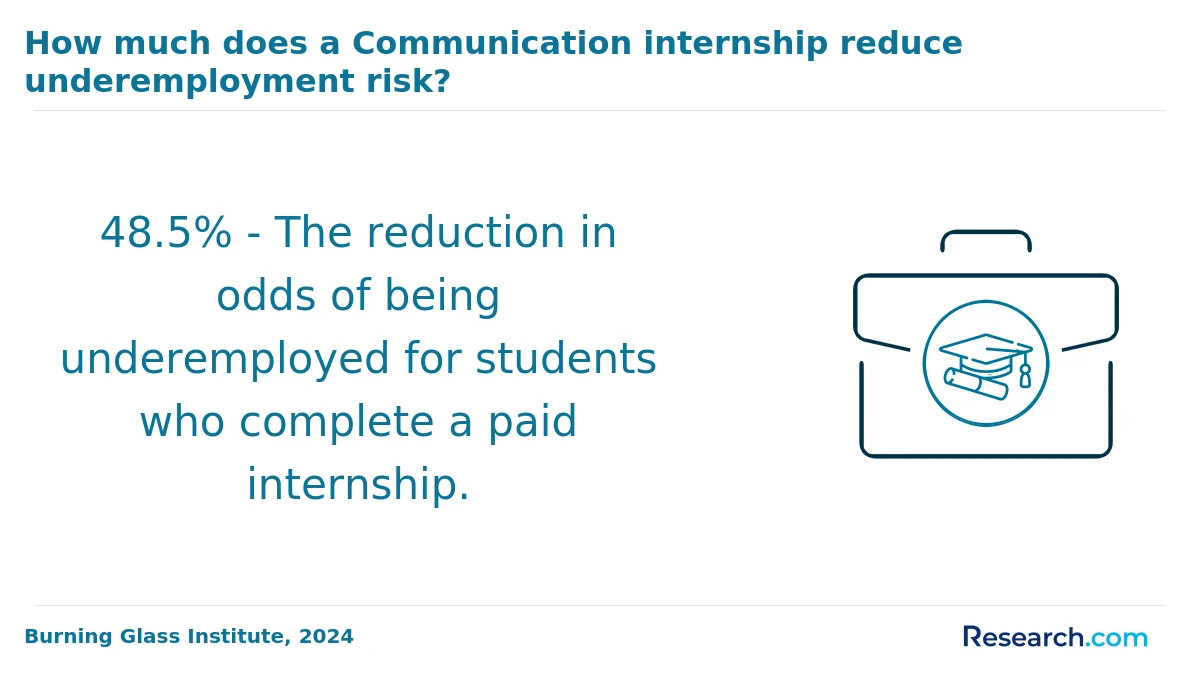
Networking is crucial. Joining online discussion groups or professional organizations such as the Missouri Communication Association can enhance understanding and provide real-world insights. Students should seek internships or projects that offer practical experience, bridging theory with communication trends in Missouri's growing media and business sectors.
Time management remains essential for success in online programs. Setting a consistent study schedule and minimizing distractions leads to better retention and course completion rates, as shown by national e-learning studies. Utilizing feedback from professors also improves skills and academic outcomes.
The communication field is rapidly evolving, with several emerging niches gaining prominence, especially for students pursuing degrees online in Missouri. One significant niche is digital communication strategy, focusing on social media, data analytics, and content creation. With Missouri hosting numerous media companies and digital marketing agencies, demand for expertise in managing online brand presence is growing.
Another emerging area is health communication, where professionals develop strategies to improve public health messaging. According to the Missouri Department of Health, effective communication played a crucial role during the COVID-19 pandemic.
Additionally, crisis communication and corporate social responsibility are gaining traction, addressing the need for professionals skilled in reputation management. These niches offer Missouri students opportunities aligned with market needs and technological advancements.
After earning an online communication degree in Missouri, preparing for the job market involves strategic steps to enhance employability. Graduates should build a strong portfolio showcasing projects, presentations, and any digital media work related to communication fields. Networking is crucial; joining Missouri-based professional groups like the Missouri School Public Relations Association can open opportunities.
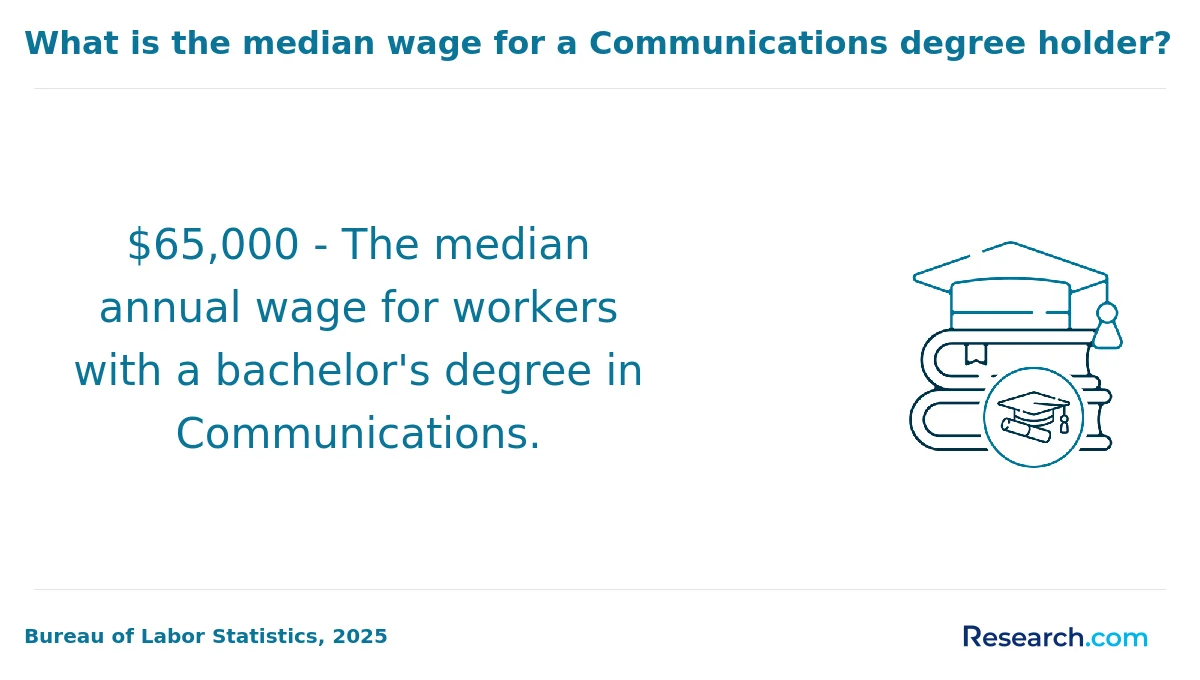
Internships and practical experience gained during study significantly improve job prospects. Missouri's Bureau of Labor Statistics reports that communication specialists had a median annual wage of around $62,000 in 2023, indicating competitive opportunities.
Additionally, staying updated with local industry trends and pursuing certifications in digital media or public relations can strengthen resumes for communication roles.
Employers in Missouri highly value communication degree graduates who demonstrate strong writing and public speaking skills. According to the Missouri Economic Research and Information Center, effective verbal and written communication ranks among the top competencies for professionals in marketing, public relations, and corporate communication roles.
Additionally, critical thinking and the ability to analyze messages across digital platforms are essential. Graduates familiar with social media management and digital content creation are preferred, reflecting growing industry demands in Missouri's expanding tech and media sectors.
Teamwork and interpersonal skills also remain crucial, as collaboration is key in most communication-focused jobs. Overall, adaptability to evolving communication technologies is a major asset.
Finding internships in Missouri related to a communication degree involves leveraging local resources and university connections. Many universities, like the University of Missouri and Missouri State University, offer career services that help students find internships in media, public relations, and corporate communication. According to the Missouri Department of Higher Education, nearly 60% of communication students in Missouri secure internships through university partnerships.
Students should actively use online job portals such as Handshake and LinkedIn, filtering for internships in Missouri's major cities like St. Louis and Kansas City. Networking events and Missouri Communication Association meetings also provide valuable contacts in the industry.
An online communication degree in Missouri can significantly enhance career mobility and advancement opportunities. Missouri's job market in communication-related fields, including public relations, marketing, and corporate communication, is expected to grow by 8% through 2030, according to the U.S. Bureau of Labor Statistics. This growth supports increased demand for professionals with strong communication skills.
Graduates with an online communication degree often qualify for higher-level roles such as communication managers or media directors, where salaries are generally higher than entry-level positions. The flexibility of online programs allows working professionals in Missouri to upskill without pausing their careers, facilitating promotions and lateral moves.
Additionally, Missouri employers increasingly value candidates with formal education in digital communication strategies and media tools, competencies commonly emphasized in online curricula.
Studying for a communication degree in Missouri equips students with versatile skills applicable across multiple disciplines. Missouri's universities emphasize practical training in media, marketing, public relations, and digital communication, preparing graduates for roles in diverse industries.
The curriculum often integrates courses from business, journalism, psychology, and technology, fostering a broad understanding of communication's role in today's interconnected workplace. According to the Missouri Economic Research and Information Center, communication-related jobs in the state are expected to grow by 7% through 2030, reflecting demand for professionals skilled in interdisciplinary collaboration.
This approach helps students develop critical thinking, audience analysis, and technological proficiency-key tools for careers beyond traditional communication roles. The diverse skill set supports careers in healthcare communication, corporate strategy, and nonprofit leadership within Missouri's growing sectors.
When choosing between a thesis and a non-thesis online communication degree program in Missouri, students should consider their career goals and learning preferences. Thesis programs focus on research and require students to produce original work, which is ideal for those aiming for doctoral study or research-heavy careers. Non-thesis options typically emphasize practical skills and coursework, suitable for professionals seeking advancement in industries like public relations, marketing, or corporate communication.
Missouri's labor market for communication specialists is growing steadily, with the Missouri Economic Research and Information Center projecting 4% growth through 2030, favoring candidates with hands-on skills. Students should also check if their desired program meets Missouri Department of Higher Education standards for online learning.
Advising faculty and alumni feedback can help gauge each program's fit. Balancing time, funding, and long-term goals ensures the right choice between thesis and non-thesis tracks.
Students based in Missouri seeking to study communication abroad typically explore international programs through partner institutions affiliated with their home universities. Many Missouri universities offering online communication degrees maintain exchange agreements or study abroad opportunities with schools in Europe, Asia, and Latin America. This enables students to gain global perspectives without interrupting their degree progress.
According to the Institute of International Education, Missouri ranks in the mid-range among US states for outbound student mobility, with about 2% of undergraduates participating in study abroad annually. Graduate students in communication often leverage virtual international internships or short-term residencies offered in collaboration with foreign universities.
While fully online communication programs facilitate global access, Missouri students interested in abroad study should consult their institution's international office for current partnerships and eligibility criteria. This approach strengthens cross-cultural communication skills, a key advantage in this field.
Part-time job opportunities in Missouri that complement communication degree education include roles in public relations, social media management, and content creation. These positions allow students to develop practical skills in writing, digital communication, and audience engagement. According to the U.S. Bureau of Labor Statistics, the media and communication sector in Missouri is expected to grow moderately through 2028, reflecting steady demand in these fields.
Internships or assistant roles in local news outlets or marketing firms also provide hands-on experience useful for communication students. Additionally, positions in corporate communications departments of Missouri's large employers offer valuable exposure to professional environments. Such jobs help students apply theoretical knowledge while earning income.
Online communication students in Missouri have access to various networking opportunities that enhance their academic and professional growth. Many universities offering online programs facilitate virtual events, webinars, and alumni meetups, connecting students statewide.
Professional organizations like the Missouri Speech Communication Association (MSCA) provide platforms for students to engage with experts, attend conferences, and participate in workshops. MSCA's annual conference often includes sessions relevant to communication trends and research.
Additionally, Missouri's proximity to vibrant media markets such as St. Louis and Kansas City offers internship and job shadowing opportunities, which online students can pursue through university career services.
The Missouri Department of Higher Education supports statewide networking through online portals and job fairs designed for communication graduates, helping build valuable industry contacts.
Alumni networks offer significant benefits to students pursuing online communication degrees in Missouri. These networks provide access to experienced professionals in media, public relations, and corporate communications, helping students build valuable connections.
In Missouri, where communication jobs are projected to grow by 7% from 2022 to 2032 according to the Bureau of Labor Statistics, alumni engagement can enhance career opportunities through mentorship and job referrals.
Many universities encourage active alumni participation, offering virtual events, discussion groups, and exclusive job boards tailored for communication graduates. This support helps students stay updated with local industry trends.
By leveraging these networks, online students in Missouri gain a competitive edge in the state's evolving communication landscape.
Customizing an online communication degree in Missouri allows students to align their education with specific career goals. Many Missouri universities offer elective courses or specializations, such as public relations, digital media, or organizational communication, which enable learners to focus on areas matching their interests.
Additionally, students can often select capstone projects or internships related to Missouri's job market, enhancing practical experience. According to the Missouri Economic Research and Information Center, communication and media jobs in Missouri are projected to grow by 5% over the next decade, highlighting the importance of tailored skills.
Advisors at Missouri schools typically assist in course selection to suit individual ambitions, ensuring flexibility within accredited online programs.
Online communication students in Missouri often face challenges related to balancing work, family, and study commitments. Since many students enroll while working full-time, managing time effectively can be difficult, impacting assignment deadlines and participation in live sessions. According to Missouri's Department of Higher Education, about 60% of online learners report time management as a primary obstacle.
Another common issue is limited access to high-quality internship opportunities, which are crucial for practical experience in communication fields. Missouri's varied urban and rural areas can restrict networking and local media connections for some students.
Finally, technical difficulties and the need for self-discipline to stay engaged without traditional classroom support also challenge many online communication learners in Missouri.
With an online communication degree in Missouri, graduates can pursue several professional certifications that enhance their career prospects. Popular options include the Accredited Public Relations (APR) credential, which is widely recognized in communication fields. This certification, offered by the Public Relations Society of America, validates skills in strategic communication and ethics.
Other valuable certifications include the Certified Communications Professional (CMP) and the Digital Marketing Certification, which focus on specialized digital skills relevant in Missouri's growing media and business sectors. These certifications often require passing exams and demonstrating work experience.
Missouri professionals benefit from these credentials as the state's communication industry continues expanding, with a 7% growth rate reported by the Missouri Economic Research Center in 2023.
To write a winning application for an online communication program in Missouri, start by thoroughly researching schools accredited by the Higher Learning Commission, the primary accreditor for the region. Admissions committees look for clear, well-organized personal statements that highlight your career goals and how the program fits into your plan.
Emphasize any relevant experience, such as internships or jobs involving media, public relations, or digital content creation. According to the Missouri Department of Higher Education, communication roles in the state are projected to grow by 7% through 2028, making your motivation for entering this field crucial.
Include strong letters of recommendation that speak to your communication skills and academic potential. Finally, ensure all application materials are free of errors to reflect your professionalism and attention to detail.
A communication career holds strong global relevance, reflecting the interconnected nature of modern societies. Professionals in communication roles often work across cultures and industries, making skills like intercultural competence and digital literacy crucial. In Missouri, where diverse industries such as healthcare, education, and media thrive, communication graduates find opportunities that align with global trends.
According to the U.S. Bureau of Labor Statistics, communication-related occupations, including public relations and media specialists, are growing nationally at about 10% through 2031, a pace reflecting global demand. Missouri's growing business sectors emphasize digital communication skills, aligning local education with worldwide needs.
The field's global outlook also emphasizes adaptability as professionals engage with technology, social media, and international audiences. This ensures graduates from Missouri's online programs can compete in a worldwide job market.
Students pursuing an online communication degree in Missouri can gain practical experience through internships, volunteer work, and project-based courses. Many Missouri universities offering online programs encourage or require internships with local media, corporate communication departments, or nonprofit organizations. These opportunities allow students to apply theoretical knowledge in real-world settings, building valuable skills.
Additionally, some programs include simulated communication projects or collaborations with community partners. According to the Missouri Department of Higher Education, over 60% of communication students participate in experiential learning during their studies, enhancing job readiness.
Engaging with Missouri's professional communication networks or media outlets also supports hands-on learning while studying remotely.
Choosing the right concentration within an online communication degree in Missouri begins with understanding your career goals. Missouri offers various focus areas such as public relations, digital media, journalism, and corporate communication. Each concentration develops specific skills applicable to different industries.
Consider the state's job market trends. The Missouri Economic Research and Information Center reports growth in marketing, media, and technical communication roles, guiding students toward concentrations with strong local demand.
Research each program's curriculum to ensure it aligns with your interests and long-term plans. For example, public relations emphasizes strategic messaging, while digital media focuses on content creation and analytics.
Lastly, evaluate faculty expertise and internship opportunities available through Missouri institutions to enhance practical experience.
Related Communication Rankings for Nearby States
- 2027 Best Online Master's in Communication Degree Programs Ranking in Ohio
- 2027 Best Online Master's in Communication Degree Programs Ranking in Florida
- 2027 Best Online Master's in Communication Degree Programs Ranking in Virginia
- 2027 Best Online Master's in Communication Degree Programs Ranking in Maryland
- 2027 Best Online Master's in Communication Degree Programs Ranking in New York
Top Trending Communication Rankings
References
- Communication Studies, BS https://www.ucmo.edu/academics/programs/majors/cahss/communication-and-digital-media-production/communication-studies-bs/
- Master of Arts (M.A.) Major in Communication Studies (Non-thesis Option) https://mycatalog.txstate.edu/graduate/fine-arts-communication/commstudies-nonthesis-nominor-ma/
- 2026 Best Online Communications Degrees https://www.onlineu.com/degrees/communications
- What studies are needed to work in communications? - Sup de Pub https://www.supdepub.com/en/guide/what-studies-are-needed-to-work-in-communications/
- PR strategies for niche markets: Gaining visibility through targeted communication - HBI Communication https://www.hbi.de/en/blog/pr-strategies-for-niche-markets-gaining-visibility-through-targeted-communication/
- CAREERS AND COMMUNICATION ALUMNI https://www.villanova.edu/university/liberal-arts-sciences/programs/communication/careers.html
- Online Communication Degree | University of Phoenix https://www.phoenix.edu/online-liberal-arts-degrees/communication-bachelors-degree.html
- Communication Difficulties: The Silent Barrier - Connect https://stageslearning.com/connect/articles/communication-difficulties-the-silent-barrier/
- Importance of Networking https://www.universitylabpartners.org/student-voices/importance-of-networking
- Top 10 Effective Networking Tips for Students https://www.unfc.ca/blog/networking-tips-for-students