2027 Best Online Master's in Communication Degree Programs Ranking in the South

Co-Founder and Chief Data Scientist
If you're considering advancing your career with a master's in communication, this article is tailored for you. We explore the 2027 Best Online Master's in Communication Degree Programs Ranking in the South, developed by the Research.com team of data scientists.
This ranking helps you discover top programs that fit your goals, making your decision easier and more confident. A communication degree opens doors to diverse fields, enhancing your skills and professional opportunities.
Read on to find valuable insights that support your educational journey with clarity and trust.
Key benefits of getting online communication degree in the South
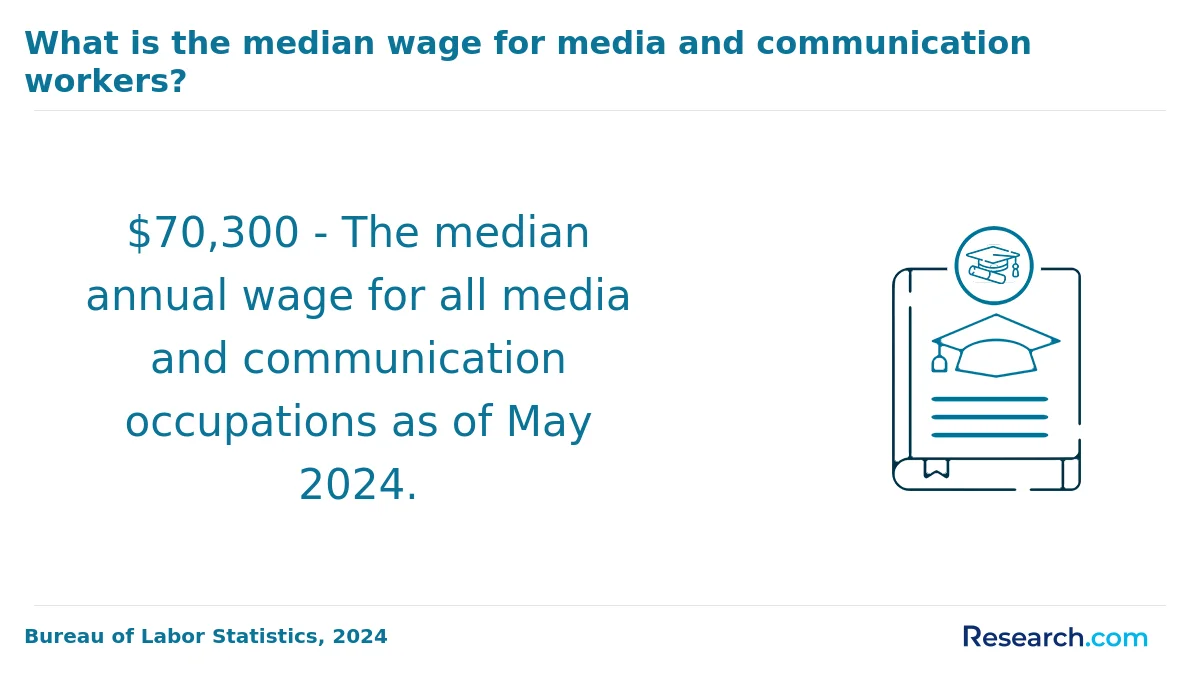
- Communication degree graduates in the South can expect competitive salaries, with entry-level roles often starting around $45,000 to $55,000 annually, reflecting strong demand in marketing, public relations, and media fields.
- Graduates from universities like the University of Georgia pursue diverse careers in social media management, corporate communication, and journalism, showcasing the degree's flexibility and growth opportunities.
- Completing a communication degree online, such as through the University of Florida's program, offers the benefit of flexible scheduling and the chance to balance work and study, making career advancement more accessible and personalized.
- Key benefits of getting online communication degree in the South
- What can I expect from online communication degree in the South?
- Where can I work with online communication degree in the South?
- How much can I make with online communication degree in the South?
- 2027 Best Online Master's in Communication Degree Programs Ranking in the South
- Key Findings
- How long does it take to complete online communication degree in the South?
- What's the difference between online and on-campus communication degree?
- What is the average cost of online communication degree in the South?
- What financial aid is available to online communication degree students in the South?
- What are the prerequisites for enrolling in online communication degree program in the South?
- What courses are typically in online communication degree programs in the South?
- What types of specializations are available in online communication degree programs in the South?
- How do you choose the best online communication degree in the South?
- What career paths are available for online communication degree students in the South?
- What is the job market for online communication degree in the South?
- Top Trending Communication Rankings
What can I expect from online communication degree in the South?
The average cost of an online communication degree in the South typically ranges from $400 to $700 per credit hour, translating to about $7,000 per year at public universities. Graduates from universities like the University of North Carolina or Florida State reflect on how this affordability made pursuing advanced studies alongside full-time jobs much less stressful. Many appreciate the balance between quality education and manageable expenses, which enabled them to focus on immersive coursework without financial overwhelm.
These programs often offer tuition structures that accommodate working professionals, providing flexible payment plans or in-state rates that reduce out-of-pocket costs. A graduate from a Texas-based college recalls how the reasonable tuition allowed them to invest in additional certifications while completing their degree, enhancing career prospects.
Looking ahead, Southern universities may further innovate cost models, possibly integrating micro-credentials or stackable courses that spread expenses over time. This evolution promises even greater accessibility, empowering students to join the growing communication workforce without sacrificing financial stability.
Where can I work with online communication degree in the South?
Graduates with an online communication degree in the South find themselves stepping into a vibrant job market filled with diverse opportunities. Many alumni from institutions like the University of North Carolina and the University of Texas have shared how they quickly landed roles in public relations and marketing within booming cities such as Atlanta and Houston. These positions often involve managing social media campaigns or crafting compelling brand stories, which feel rewarding as graduates see their work directly influencing company success.
Others tap into corporate communications, especially in tech and healthcare hubs around Raleigh-Durham and Dallas. Here, communicating effectively during rapid industry changes or crises can make a real impact on employee engagement and organizational trust. Graduates often describe a sense of purpose in shaping internal communications that keep teams motivated and informed.
Media, nonprofit, and government sectors also continue to expand. Graduates who join local public information offices or nonprofit outreach programs in Florida report feeling deeply connected to their communities, empowered by the chance to drive meaningful change through communication strategies rooted in empathy and clarity.
How much can I make with online communication degree in the South?
Graduates from online communication programs in the South often step into roles with salaries ranging from $50,000 to $80,000 annually, depending on experience and location. For instance, those launching their careers in corporate communications or social media management frequently start around $40,000 to $50,000, with growing opportunities to advance. Many Southern schools-like the University of Florida or Georgia State University-produce graduates who quickly leverage local industry connections to secure competitive salaries in vibrant markets such as Austin, Texas, where earnings near $65,000 are common.
Those specializing in marketing or public relations typically see median wages around $58,000 but can surpass $90,000 in management positions as demand for digital content creators surges. Master's degree holders might enjoy a 15-20% pay boost, translating to salaries above $70,000. Graduates report excitement about the region's expanding tech and media sectors fueling these promising prospects, making communication degrees both a smart and optimistic investment for future Southern professionals.
2027 Best Online Master's in Communication Degree Programs Ranking in the South
How do we rank schools?
Investing in your education is a significant decision that can shape your future, and the Research.com team understands the importance of making informed choices. To assist prospective students, we have meticulously crafted the "2027 Best Online Master's in Communication Degree Programs Ranking in the South." Our commitment to quality, credibility, and accuracy is reflected in the extensive research and analysis conducted to compile this ranking.
We utilized the following reputable data sources to ensure a comprehensive evaluation of communication programs:
By exploring this ranking, readers will gain valuable insights into the best online master's communication programs available in the South, helping them make informed decisions about their educational paths. For more details on our methodology, please visit our Research.com methodology page.

# 2 position
University of Florida
Master of Mass Communication with a specialization in Digital Strategy

# 3 position
Florida International University
Master of Mass Communication, Global Strategic Communication


# 5 position
The University of Alabama
Master of Communication Studies with a Specialization in Organizational Leadership


# 18 position
University of Maryland Global Campus
Master of Strategic Communication


Key Findings
- Annual tuition for in-state students pursuing a bachelor's in communication online in Southern universities ranges from $8,000 to $15,000.
- Out-of-state students may pay up to 50% more in tuition depending on the institution.
- Master's programs in communication typically cost between $10,000 and $22,000 in total.
- Entry-level salaries for graduates usually fall between $40,000 and $50,000 per year within the first two years.
- Mid-career communication professionals earn from $60,000 to $75,000 annually, with higher salaries in cities like Atlanta, Dallas, and Nashville.
- Industries such as healthcare, technology, and education often seek communication graduates with digital media skills.
How long does it take to complete online communication degree in the South?
Graduates from universities like the University of Florida and Texas A&M often share that completing an online bachelor's in communication typically takes about four years when enrolled full-time. Yet, many Southern students appreciate the flexible pacing offered, allowing them to speed up their studies by taking accelerated courses or summer sessions, sometimes finishing in just three years. Others, balancing jobs or family, opt for part-time schedules, stretching completion toward five years yet feeling empowered by the ability to learn without sacrificing their lifestyle.
Master's degree candidates in schools such as the University of North Carolina at Chapel Hill experience similar flexibility. Full-time study usually wraps in two years, but part-time learning can extend to three or four years. Many graduates speak positively about how competency-based models enable them to progress by demonstrating real-world skills, enabling faster completion than traditional timelines suggest.
With programs accredited by SACSCOC ensuring academic rigor, Southern students often feel confident knowing their degree's quality matches the adaptable options helping them tailor their educational journey to personal goals and life demands.
What's the difference between online and on-campus communication degree?
Online and on-campus communication degrees in the South offer distinct experiences that shape student life and learning. Graduates from the University of Georgia often recall the energizing buzz of face-to-face interactions during group projects and campus events, which helped them build deep professional networks. In contrast, alumni of Florida State University praise the flexibility of online programs, allowing them to balance coursework with jobs and family obligations, often finding a sense of accomplishment in managing their own schedules.
The Southern Regional Education Board notes that many southern public universities may charge less for online tuition, which can ease financial stress, while still providing access to core communication topics like media studies and public relations. Yet, hands-on opportunities such as campus internships or media lab work commonly anchor the on-campus experience at schools like the University of Alabama.
Future trends suggest online programs will further enhance virtual collaboration tools, making remote networking even more effective. This evolving landscape means southern students can expect increasingly personalized paths tailored to both career aims and lifestyle needs.
What is the average cost of online communication degree in the South?
The average cost of an online communication degree in the South typically centers around $19,000 for in-state students, with the overall median cost hovering near $23,700. Graduates from prominent Southern universities often reflect on how this investment felt reasonable given the quality and flexibility of their programs. Many found that paying per credit hour-usually ranging from $300 to $500-allowed them to tailor their course load to their budget and schedule, making the pursuit of this degree manageable alongside other responsibilities.
For those exploring affordable online communication master's programs southern US options, public universities in states like Texas and Florida remain popular choices. Graduates frequently share stories of balancing work and study with part-time enrollment, which helps spread out tuition expenses. Online students benefit from several state initiatives and grants designed to reduce costs, such as Texas' Tuition Equalization Grant, often enabling them to pursue their degrees without overwhelming debt.
Many students appreciate how transparent tuition structures and modest additional fees make the total cost predictable. The evolving landscape of online education continues to empower Southern learners aiming for a career in communications that is both accessible and aligned with their financial realities, fostering optimism about future opportunities in this dynamic field.
What financial aid is available to online communication degree students in the South?
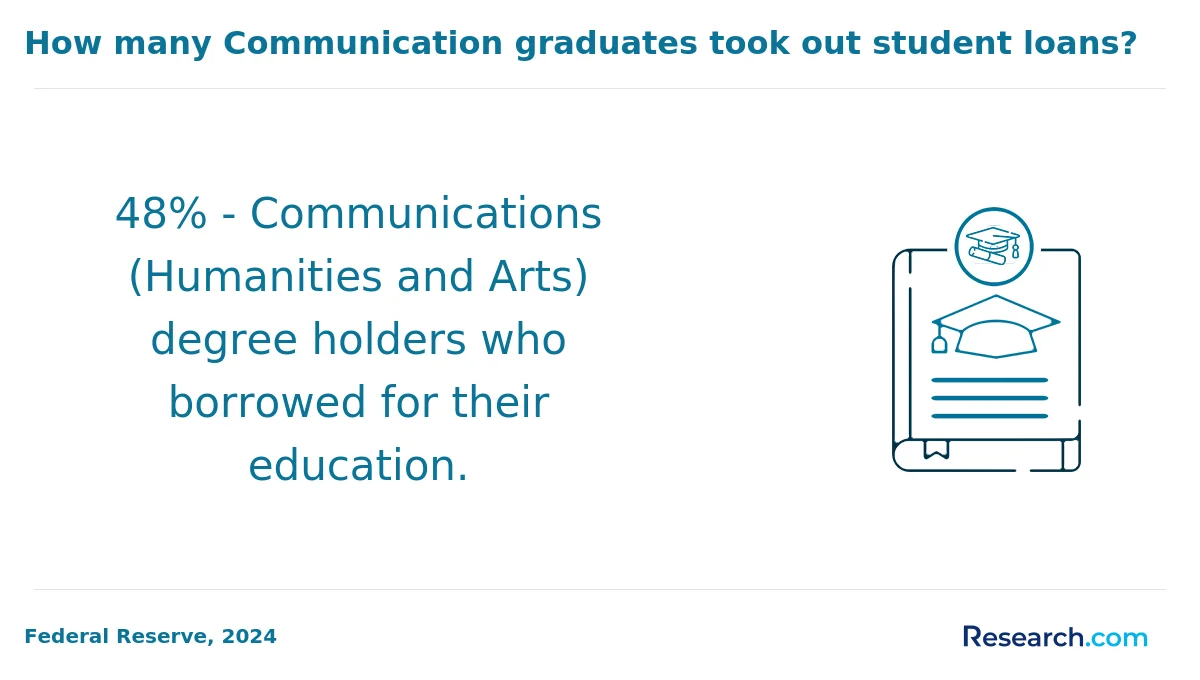
Online communication students in the South frequently tap into federal aid like Pell Grants, providing up to $7,395 annually without repayment obligations. Graduates from universities such as the University of Florida recall how these grants made a tangible difference, turning financial stress into relief during their studies. Substantial federal student loans also offer flexible terms, easing the path for learners balancing work and education.
State-specific programs are another hopeful avenue. For example, students pursuing communication degrees at Texas A&M have benefited from Texas Grants, which directly lower tuition costs for in-state learners. Similarly, those enrolled at the University of South Carolina often mention how state scholarships make online learning more accessible and affordable.
Merit-based scholarships and employer tuition reimbursements add layers of opportunity. Graduates often share stories of qualifying for institutional aid at Southern universities or receiving employer support, making education feel like a real investment rather than a burden. Looking forward, expanding interstate learning agreements might soon enable even more flexible tuition options for Southern online communication students.
What are the prerequisites for enrolling in online communication degree program in the South?
Enrolling in an online communication degree program in the South typically demands a bachelor's degree from an accredited school, often in communication or related fields like marketing or public relations. Many Southern graduates recall how meeting minimum GPA requirements-usually around 3.0 at institutions such as the University of North Carolina or Florida State University-felt like a meaningful checkpoint affirming their readiness.
While GRE scores remain common, an increasing number of programs waive this, embracing more flexible admissions to welcome diverse backgrounds. Applicants often prepare letters of recommendation and personal statements, sharing real stories of professional growth and passion for communication, which deeply resonate with admissions teams.
Technical skills are also indispensable: graduates frequently mention the ease of navigating Canvas or Blackboard platforms, supported by reliable internet. Future trends may emphasize even more digital literacy and adaptability, preparing students for evolving online learning environments in the South's dynamic academic landscape.
What courses are typically in online communication degree programs in the South?
Online communication degrees in the South typically feature courses that blend theory with hands-on experiences, reflecting the dynamic media landscape of the region. Graduates from universities known for strong communication programs often describe how courses like Introduction to Communication Theory helped them understand real-world interactions, whether managing team projects or analyzing news coverage in cities like Atlanta or Dallas.
Media Writing and Production classes are crucial, enabling students to craft compelling social media campaigns or produce engaging podcasts-skills highly valued by Southern businesses embracing digital transformation. In Public Relations Strategies, learners practice creating crisis communication plans, a vital skill given the fast-paced urban growth and diverse populations in places like Charlotte.
Courses in Communication Research Methods and Digital Communication empower students to harness data analytics and emerging platforms, preparing them to adapt to evolving technologies. Electives focusing on health and political communication resonate strongly, reflecting the South's cultural and economic priorities, and many students appreciate projects that simulate these region-specific challenges.
What types of specializations are available in online communication degree programs in the South?
Online communication degree specializations in the South are dynamically evolving to meet both regional industry demands and future media trends. Graduates from popular Southern universities often highlight specializations like Public Relations and Strategic Communication, where they craft effective messaging for businesses and nonprofits thriving in cities like Atlanta or Charlotte. Another promising path is Health Communication, which has gained momentum as Texas and Florida expand their healthcare services, requiring skilled communicators to lead impactful public health initiatives.
Students pursuing the best communication master's programs Southern US appreciate options like Digital and Social Media Communication, mastering analytics and audience engagement essential for roles in the region's growing tech hubs. Corporate Communication, favored by those interested in internal business messaging, remains crucial given the South's strong manufacturing and finance sectors, while Media Studies and Journalism cater to those drawn to new media ethics and innovative reporting.
Reflecting on their experiences, many graduates find excitement in aligning their degree with local career prospects and advancing in careers in media communication that resonate with Southern economic growth.
How do you choose the best online communication degree in the South?
Choosing the best online communication degree programs South means focusing on programs that balance flexibility, accreditation, and career relevancy. Graduates from popular Southern universities often highlight how asynchronous courses allowed them to manage family and work commitments seamlessly while advancing their degrees. These programs frequently offer specializations aligned with future-focused fields like digital communication and strategic messaging, crucial for standing out in evolving industries.
Cost remains a key factor, with many students finding that public universities in Texas and Georgia offer affordable online communication degrees in the South, especially for in-state residents. Comparing tuition and fees carefully can reveal great value without sacrificing quality. Some graduates emphasize how leveraging scholarships and financial aid made their education both attainable and rewarding.
Looking ahead, a program's reputation for experienced faculty and strong alumni ties often ensures access to meaningful internships and mentorships, vital in a competitive media landscape. For students seeking guidance, exploring options like an affordable bachelor's degree in journalism online can also provide pathways into communication fields with solid foundations and future-proof skills.
What career paths are available for online communication degree students in the South?
Graduates holding an online communication degree in the South find themselves at the forefront of evolving industries, with ample opportunities in public relations, digital marketing, and corporate communications. Many graduates from popular Southern universities celebrate the flexibility their education provides, enabling them to manage social media strategies for thriving businesses in Atlanta or craft compelling narratives for nonprofits in Florida's expanding advocacy sectors. The dynamic growth in cities like Austin and Nashville fuels demand for roles such as social media managers and marketing communications specialists, where professionals harness innovative tools to engage diverse audiences.
Several graduates share how their programs emphasized real-world applications, preparing them to lead corporate communications efforts or produce digital media content that resonates locally and beyond. These postgraduates recognize the value of their skills in education and healthcare communication, fields rapidly adapting to new technologies. For students exploring communication degree job opportunities Southern US universities offer, the path ahead is rich with promise and driven by continuous innovation, perfectly suited for those seeking a vibrant career. Exploring more about degrees in journalism can also open complementary avenues within this landscape.
What is the job market for online communication degree in the South?
The job market for those with an online communication degree in the South is evolving rapidly, fueled by expanding industries like healthcare, technology, and digital media. Graduates from popular Southern universities often find themselves well-prepared for roles in corporate communications, social media management, and public relations, with metropolitan hubs such as Dallas-Fort Worth and Atlanta offering numerous opportunities.
Many graduates share experiences of landing positions quickly due to the South's unique blend of affordability in education and competitive salaries, typically ranging from $50,000 to $70,000 annually. This makes pursuing online communication degree jobs in the South an appealing prospect for students balancing cost and career potential.
Emerging trends highlight growth in digital marketing and social media roles, with organizations increasingly seeking professionals adept at crafting engaging content and managing brand narratives. For those exploring South region communication career opportunities, resources like careers in pr provide valuable insights and pathways to success.
Frequently Asked Questions About communication
Students pursuing online communication degrees in the South can enhance their learning by actively engaging with their program's virtual resources and faculty. Southern universities often emphasize practical skills, so participating in interactive discussions and multimedia projects is vital. According to the Southern Association of Colleges and Schools, over 70% of communication graduates in the region cite internships as key to career success.
It is also beneficial to join professional communication organizations, such as the Southern States Communication Association, which offers networking and development opportunities. Leveraging regional job boards and alumni networks can further connect students to internships and real-world experience relevant to the Southern media market.
The communication field is expanding rapidly, with several emerging niches gaining prominence, especially for students pursuing online degrees in the South. One notable area is digital and social media strategy, driven by increasing demand for expertise in managing online brand presence. The Southern states have seen a 15% growth in digital marketing roles, according to the U.S. Bureau of Labor Statistics (2023).
Another growing niche is health communication, where professionals work to improve public health messaging. This is particularly relevant in the South due to regional health challenges, as noted by the Centers for Disease Control and Prevention (2022).
Additionally, crisis communication and corporate social responsibility are becoming vital skills as companies prioritize transparency.
Students interested in these niches will find Southern universities tailoring programs to these market needs, offering specialized courses online.
Graduates with online communication degrees in the South should focus on building practical skills alongside their academic achievements. Employers often seek candidates proficient in digital media, public relations, and strategic communication. Developing a professional portfolio with samples of writing, multimedia projects, or social media campaigns can be a critical advantage.
Networking is vital. Joining regional chapters of organizations like the Public Relations Society of America (PRSA) can connect candidates to internship and job opportunities in Southern cities such as Atlanta, Dallas, and Nashville, which have growing communication industries. According to the U.S. Bureau of Labor Statistics, communication occupations in the South are projected to grow by 10% from 2022 to 2032, above the national average.
Additionally, graduates should consider internships or freelance opportunities to gain hands-on experience. Familiarity with tools like Adobe Creative Suite, social media analytics, and content management systems is highly valuable. Career services at regional universities often offer resume workshops and interview preparation specifically for communication fields.
Employers in the Southern United States highly value communication degree graduates who demonstrate strong interpersonal and digital communication skills. According to the National Association of Colleges and Employers (NACE), 78% of employers prioritize verbal and written communication abilities as essential for new hires in this field. Additionally, adaptability to evolving digital platforms, such as social media management and content creation, ranks prominently among sought-after skills.
Beyond technical skills, cultural awareness and the ability to work within diverse teams are critical in the South's growing metropolitan markets like Atlanta and Charlotte. Data from the Southern Regional Education Board (SREB) also emphasize the importance of problem-solving and critical thinking in media and public relations roles.
Strong research proficiency and data analysis are increasingly important, helping graduates support strategic communication efforts effectively. Employers look for graduates who combine creativity with analytical skills to navigate the dynamic communication landscape.
Finding internships relevant to a communication degree in the South involves leveraging local networks and university resources. Many Southern universities offer career services that connect students with regional companies, non-profits, and media outlets. According to the National Association of Colleges and Employers (NACE), internships in communication fields are increasingly sought in Southern cities like Atlanta, Charlotte, and Nashville, where media and marketing industries are growing.
Online platforms like Handshake and LinkedIn are also widely used for internship listings specific to the Southern region, especially for remote or hybrid positions. Additionally, joining professional organizations such as the Southern Public Relations Federation can provide valuable local internship leads and networking opportunities. Staying proactive and building relationships with faculty and alumni is essential to accessing insider opportunities in this competitive field.
An online communication degree can significantly enhance career mobility and advancement for professionals in the South. Many Southern states have experienced growth in industries reliant on strong communication skills, such as media, public relations, and corporate communications. According to the U.S. Bureau of Labor Statistics, job opportunities in communication-related fields in Southern metropolitan areas are projected to grow by around 8% from 2022 to 2032.
Graduates with online communication degrees often gain practical skills in digital media, strategic messaging, and intercultural communication, aligning with employer demands. This degree also allows working professionals to pursue higher qualifications without relocating, which is crucial in the diverse and geographically spread Southern region.
Moreover, Southern universities typically collaborate with local businesses, providing networking opportunities that facilitate career advancement. This connection enhances graduates' chances of promotions and transitions into leadership roles.
Studying for an online communication degree in the South equips students with skills applicable across diverse disciplines. Southern universities often emphasize practical coursework that blends communication theory with fields like business, healthcare, and education.
Research from the Southern Association of Colleges and Schools highlights that many programs encourage collaboration with other departments, ensuring students gain a broad understanding of interdisciplinary challenges.
Additionally, online formats in the South frequently include project-based learning and internships, allowing students to apply communication strategies in real-world, multidisciplinary contexts. This experience is crucial for roles that require coordination across various professional areas.
Graduates find themselves prepared for careers in public relations, corporate communication, and healthcare information management, reflecting the versatility of the education provided.
Choosing between a thesis and a non-thesis communication degree program in the South depends largely on your career goals and learning preferences. Thesis programs emphasize research, requiring students to complete a substantial project, which can benefit those planning to pursue doctoral studies or research-intensive roles. Non-thesis options often focus on practical skills and may require additional coursework or a capstone project instead.
Southern universities offering online programs typically align with these standards. For example, schools like the University of Alabama and Texas A&M provide both formats, catering to diverse student needs.
Consider the time commitment: thesis tracks often take longer due to research demands. Data from the National Center for Education Statistics shows that approximately 40% of master's graduates in communication in Southern states choose non-thesis paths for quicker completion and applied experience.
Assess your readiness for independent research and your long-term plans carefully before making a decision.
Students in the South interested in online communication degrees have limited direct options for studying communication abroad due to the nature of distance learning programs. Most Southern universities offering online communication degrees focus on accredited domestic programs rather than international campuses. However, some institutions provide virtual exchange programs or study-abroad partnerships that allow students to engage with global peers remotely. According to the Southern Association of Colleges and Schools Commission on Colleges, these programs ensure credits transfer smoothly. Additionally, Southern students may opt for institutions with global reputations that include international internships or research collaborations as part of their online curricula.
Part-time job opportunities that complement communication degree education in the South include roles such as social media coordinator, public relations assistant, and content writer. These positions help students develop practical skills relevant to their studies. According to the U.S. Bureau of Labor Statistics, regions like Texas, Georgia, and North Carolina show growing demand in media and communication fields.
Internships or part-time roles at local news outlets and marketing agencies are common, providing hands-on experience with digital campaigns and audience engagement. Additionally, many Southern universities offer student positions in campus communications offices, supporting media relations and event promotion.
Students working in these roles can build portfolios that improve employability after graduation, making these opportunities valuable alongside their online education.
Online communication students in the South benefit from numerous networking opportunities both virtually and regionally. Many Southern universities with online programs offer access to exclusive digital career fairs and alumni networks, connecting students with professionals across industries. According to the Southern Regional Education Board, over 75% of institutions in the South maintain active online student organizations and mentorship programs specifically for communication majors.
Additionally, organizations such as the Public Relations Society of America (PRSA) and the Southern Communication Association host annual conferences and online webinars that are accessible to remote learners. These events allow students to engage directly with industry leaders, fostering valuable professional connections early in their careers.
The region's growing media and tech hubs in cities like Atlanta, Nashville, and Raleigh further create internship and job shadowing prospects promoted through schools' career centers, enhancing regional networking for online students in communication fields.
Alumni networks offer significant benefits to online communication degree students in the South. These networks connect current students with graduates who work in media, public relations, and digital marketing across the region. According to the Southern Association of Colleges and Schools data, schools with strong alumni engagement report 20% higher employment rates for communication graduates within six months after graduation.
Through mentorship programs, alumni provide career advice and internship opportunities tailored to Southern markets. Networking events, both virtual and regional, help students build professional relationships that improve job prospects in key Southern cities like Atlanta, Dallas, and Miami.
Customizing an online communication degree program in the South allows students to align their studies with specific career goals. Many Southern universities offer concentrations such as digital media, public relations, or corporate communication, providing targeted skills for industries prominent in the region. For example, the growing media markets in Texas and Florida demand expertise in multimedia communication and social media strategy. According to the Southern Regional Education Board, online programs often feature elective courses or capstone projects, which students can choose to deepen their knowledge in a focus area. Advisors also play a key role in tailoring coursework to individual employment aspirations.
Furthermore, internships and virtual networking opportunities available through many Southern institutions help students gain real-world experience relevant to their chosen career paths. This hands-on approach can be crucial for entering competitive fields like public relations or digital marketing, where local industry connections matter.
Online communication students in the South face several notable challenges. One major issue is limited access to high-speed internet in rural areas, which affects about 20% of Southern households according to the FCC 2023 report. This hampers participation in synchronous classes and multimedia assignments.
Another challenge involves balancing work, family, and studies, as many Southern online students are non-traditional learners with jobs and caregiving responsibilities. The Southern Regional Education Board highlights that 45% of online students in the region juggle multiple roles.
Additionally, the lack of face-to-face interaction can impact networking opportunities and skill development, critical in communication fields relying on interpersonal skills and practical experiences.
Graduates with an online communication degree in the South can pursue several professional certifications to enhance their careers. Notable credentials include the Certified Communication Professional (CCP) offered by the Global Communication Certification Council. This certification validates expertise in strategic communication and media relations.
Another option is the Accredited Business Communicator (ABC) certification by the Association for Business Communication, which focuses on business communication skills valued across industries.
Many Southern states host workshops and preparatory programs for certifications in digital marketing and social media management, reflecting regional industry demands cited by the Southern Regional Education Board (SREB).
These certifications can improve job prospects in corporate communication, public relations, and nonprofit sectors throughout the South.
Writing a successful application for an online communication program in the South requires clear focus and attention to detail. Highlight your relevant academic background, professional experience, and motivation for pursuing this degree. Southern universities value applicants who demonstrate strong written communication skills and the ability to engage diverse audiences, reflecting the region's rich cultural context.
Include specific examples that showcase teamwork and leadership, as these qualities are essential in communication fields. Research from the Southern Association of Colleges and Schools points to increasing demand for graduates skilled in digital media and public relations in Southern cities.
Be sure to follow all application instructions precisely and submit a well-crafted statement of purpose.
Communication careers today are increasingly shaped by global trends that value cultural awareness and digital fluency. Professionals with communication degrees in the South benefit from curricula that emphasize these skills, reflecting demands across the U.S. and international markets. According to the National Association of Colleges and Employers, communication ranks among the top five skills employers seek worldwide.
In the South, online communication programs often include courses on intercultural communication and media ethics, preparing students for diverse workplaces. The U.S. Bureau of Labor Statistics projects a 10% growth rate for communication-related fields through 2032, driven by global interconnectedness and digital media expansion.
This growth underscores the broad applicability of communication skills, expanding career paths to include international public relations, global marketing, and digital content management. Students who study online in Southern programs gain flexible access to these global opportunities while remaining connected to regional industry needs.
Gaining practical experience while studying for an online communication degree in the South is possible through several key opportunities. Many Southern universities incorporate internships within their programs, allowing students to work with local media outlets, nonprofits, or marketing firms virtually. According to the Southern Association of Colleges and Schools Commission on Colleges (SACSCOC), accredited online programs often require or encourage internships to enhance job readiness.
Additionally, students can participate in virtual networking events, workshops, and student-run digital media projects offered by many Southern institutions. These experiences provide hands-on training with communication tools and platforms widely used in the industry.
Freelancing or volunteering for regional organizations also helps build a professional portfolio while studying. Southern cities like Atlanta and Nashville have growing communications sectors where remote opportunities are expanding, supported by trends highlighted in the Bureau of Labor Statistics regional employment data.
Choosing the right concentration within an online communication degree program in the South involves assessing your career goals and regional job market demands. Popular concentrations include public relations, digital media, corporate communication, and health communication. According to the Southern Regional Education Board, industries like healthcare, media, and corporate sectors are growing rapidly in Southern states, increasing demand for specialized communication skills.
Consider concentrations that align with these growth areas to improve job prospects. Research faculty expertise and curriculum focus at Southern universities, as schools may emphasize different communication fields. Additionally, examine alumni outcomes and internship opportunities connected to local industries.
Top Trending Communication Rankings
References
- Master of Arts (M.A.) Major in Communication Studies (Non-thesis Option) https://mycatalog.txstate.edu/graduate/fine-arts-communication/commstudies-nonthesis-nominor-ma/
- Communication Difficulties: The Silent Barrier - Connect https://stageslearning.com/connect/articles/communication-difficulties-the-silent-barrier/
- Communications Specialist Certifications: Best Credentials to Advance Your Career | Teal https://www.tealhq.com/career-paths/communications-specialist-certifications
- Global Perspectives: Media, Communication, Culture | STUDY in BRNO https://www.study-in-brno.cz/s/global-perspectives-media-communication-culture
- Study Media Abroad: 2026 Global Guide to Courses & Careers https://www.hotcoursesabroad.com/subject/media/
- Communications Officer Cover Letter Example https://www.kickresume.com/en/help-center/communications-officer-1-cover-letter-sample/
- Communications Degree | Communications Major https://www.collegeadvisor.com/resources/communications-degree/
- 10 Essential Networking Tips for Students to Help Build Strong Connections - Luxury Student Homes https://www.luxurystudenthomes.co.uk/networking-tips-for-students/
- How to Network with Alumni | Student Guide to Alumni Networking 2026 https://digitalrecordboard.com/blog/how-to-network-with-alumni/
- Online Degree vs. Traditional | University of Arkansas Grantham https://www.uagrantham.edu/blog/pros-cons-online-degree-vs-traditional-university/