2027 Best Online Communication Degree Programs Ranking in Tennessee

Co-Founder and Chief Data Scientist
Choosing the right communication degree program can shape your future career and open exciting opportunities. This article presents the 2027 Best Online Communication Degree Programs Ranking in Tennessee, created by the Research.com team of data scientists to guide you through the top options available.
Whether you're starting fresh or advancing your skills, this ranking helps you make an informed choice tailored to your goals and lifestyle. Earning a communication degree can boost your confidence, enhance your skills, and connect you with new possibilities. Explore the programs worth considering for a brighter future.
Key benefits of getting online communication degree in Tennessee
- Communication degree graduates in Tennessee can expect competitive salaries, with U.S. averages for related roles like public relations specialists earning about $63,000 annually, making it a promising field for financial growth.
- A communication degree opens diverse career paths such as media relations, marketing, and corporate communications, exemplified by graduates from the University of Tennessee who successfully enter dynamic industries.
- Obtaining a communication degree online from institutions like Middle Tennessee State University offers flexibility and work-life balance, allowing students to gain skills at their own pace without sacrificing career or family commitments.
- Key benefits of getting online communication degree in Tennessee
- What can I expect from online communication degree in Tennessee?
- Where can I work with online communication degree in Tennessee?
- How much can I make with online communication degree in Tennessee?
- 2027 Best Online Communication Degree Programs Ranking in Tennessee
- Key Findings
- How long does it take to complete online communication degree in Tennessee?
- What's the difference between online and on-campus communication degree?
- What is the average cost of online communication degree in Tennessee?
- What financial aid is available to online communication degree students in Tennessee?
- What are the prerequisites for enrolling in online communication degree program in Tennessee?
- What courses are typically in online communication degree programs in Tennessee?
- What types of specializations are available in online communication degree programs in Tennessee?
- How do you choose the best online communication degree in Tennessee?
- What career paths are available for online communication degree students in Tennessee?
- What is the job market for online communication degree in Tennessee?
- Related Communication Rankings for Nearby States
- Top Trending Communication Rankings
What can I expect from online communication degree in Tennessee?
The average cost of an online communication degree in Tennessee varies depending on the institution, but most students attending well-known public universities like Middle Tennessee State University or the University of Tennessee system typically invest between $300 and $400 per credit hour. Graduates often describe managing these costs as an achievable balance when factoring in tuition assistance, scholarships, or employer reimbursement programs.
Many online communication students in Tennessee appreciate the flexibility to work part-time or full-time jobs while studying, making tuition expenses more manageable. For instance, students enrolled at Middle Tennessee State University find that spreading coursework over multiple semesters keeps monthly costs low without sacrificing progress.
Some graduates recall applying for state-based financial aid specifically earmarked for Tennessee residents, which eased their financial burden significantly. With practical budgeting and leveraging local opportunities, earning a respected degree from these programs becomes both affordable and rewarding.
Where can I work with online communication degree in Tennessee?
With an online communication degree from Tennessee schools like the University of Tennessee or Belmont University, graduates find rewarding opportunities across the state's thriving industries. Many land roles as communications specialists, public relations coordinators, or social media managers in cities like Nashville, where the entertainment and media sectors flourish. Graduates often share how working at music promotion firms or local nonprofits gives them hands-on experience shaping messages that resonate in fast-paced markets.
In Memphis, communication graduates frequently join healthcare and logistics companies, enhancing internal communications and patient outreach. Knoxville's expanding tech and education sectors also actively recruit communication professionals to lead digital marketing and content strategy efforts. Graduates appreciate how their degree prepares them for crafting tailored messaging that addresses diverse audiences across these industries.
Additionally, many graduates find fulfilling careers in educational institutions or local government, managing public affairs and community outreach. The practical skills honed in Tennessee's online programs, combined with strong digital communication expertise, make alumni highly sought after in growing job markets statewide.
How much can I make with online communication degree in Tennessee?
Graduates with an online communication degree in Tennessee typically see starting salaries around $40,000 to $45,000, especially in entry-level roles like digital communications specialists or social media managers. For example, many graduates from popular programs in Nashville and Memphis find these figures encouraging as they begin their careers in vibrant urban markets with growing media industries.
Public relations specialists with a communication degree in Tennessee earn a median annual wage near $56,000, showing solid earning potential early in the career. Graduates often share how internships during studies at state universities helped them secure these roles, turning theory into real-world success.
For those progressing toward marketing and advertising management, salaries typically rise to about $91,000 annually. This career path attracts graduates aiming to apply strategic communication skills in high-demand corporate settings. Facilities in Tennessee's colleges often emphasize networking and hands-on projects that prepare students for these leadership roles.
Salary outcomes can vary based on the employer's size and location, but the overall trend shows that Tennessee communication graduates often enjoy steady career growth and competitive pay close to or above national averages.
2027 Best Online Communication Degree Programs Ranking in Tennessee
How do we rank schools?
Investing in your education is a significant decision that can shape your future, and the Research.com team understands the importance of making informed choices. To assist prospective students in Tennessee, we have meticulously crafted the "2027 Best Online Communication Degree Programs Ranking in Tennessee." Our commitment to quality, credibility, and accuracy is reflected in the extensive research and analysis conducted to compile this ranking.
We utilized the following reputable data sources to ensure a comprehensive evaluation of communication programs:
By exploring this ranking, readers will gain valuable insights into the best online communication degree programs available in Tennessee, helping them make confident and well-informed decisions about their educational journey. For more details on our methodology, please visit our Research.com methodology page.


Key Findings
- Online communication bachelor's degrees in Tennessee cost between $20,000 and $40,000, with public universities offering lower tuition for in-state students.
- Median entry-level salaries for communication graduates in Tennessee are around $45,000 per year, increasing to $65,000-$75,000 with experience.
- Top career fields include media relations, corporate communication, public relations, marketing, and social media management.
- Major cities like Nashville, Memphis, and Knoxville have strong job markets due to media industries and corporate headquarters.
- Accredited programs, such as those recognized by the ACEJMC, are important for quality education and financial aid eligibility.
How long does it take to complete online communication degree in Tennessee?
Completing an online communication degree in Tennessee typically takes about three to four years for full-time students, especially those enrolling at Middle Tennessee State University or Tennessee Technological University. Graduates often share how balancing work with a full-time schedule can feel demanding but rewarding, as consistent progress helps maintain motivation.
For learners who need more flexibility, part-time study is common and can extend the timeline to five or six years. Many students appreciate this option as it allows them to keep a job or manage family responsibilities without feeling overwhelmed.
Some motivated students take advantage of accelerated programs or summer courses, finishing in as little as three years. This approach requires dedication but can lead to earlier entry into the workforce, creating a strong sense of achievement.
Those interested in quicker milestones sometimes start with certificates or associate degrees, which usually take one to two years and can serve as stepping stones toward a bachelor's degree. Planning your pace carefully at well-known Tennessee schools helps balance ambition and personal commitments successfully.
What's the difference between online and on-campus communication degree?
Online and on-campus communication degrees in Tennessee differ mainly in flexibility and learning environment. Graduates from the University of Memphis often share how online programs allowed them to balance full-time jobs and family duties while completing coursework remotely. This flexibility is ideal if you live in rural areas or have tight schedules. Conversely, attending Middle Tennessee State University in person offers valuable face-to-face interactions, fostering spontaneous discussions and networking opportunities that many find energizing and motivating.
Tuition costs also vary: online programs sometimes reduce campus-related fees, making them competitive for Tennessee residents, though in-state on-campus tuition often remains lower overall. For example, while the average public communication degree tuition ranges from $10,000 to $12,000 annually, online options may save money on transportation and housing.
Curriculum-wise, online students use digital tools like video conferences and forums, developing skills essential for today's remote workplaces. On-campus students enjoy instant feedback through live presentations and group work, benefiting those who thrive on direct interaction.
What is the average cost of online communication degree in Tennessee?
The average cost of an online communication degree in Tennessee typically centers around $20,460 for in-state students, according to recent data. This figure is a helpful benchmark for budgeting, but costs can vary depending on whether you are attending a public or private institution. Public universities in Tennessee often offer more affordable tuition, especially for residents, making these schools attractive options for students seeking an affordable online communication degree program in Tennessee.
Graduates from popular universities such as the University of Tennessee and Middle Tennessee State University often report manageable tuition combined with additional fees like technology and application fees. These fees, alongside expenses for textbooks and materials, can add up but are often balanced by scholarship opportunities and state aid programs. For instance, many students take advantage of the Tennessee Promise scholarship to help ease their financial burden.
Out-of-state students usually face higher prices, with median costs closer to $22,308, so if you qualify for in-state tuition, exploring community colleges with transfer pathways or public four-year institutions might be financially advantageous. Students in Tennessee also benefit from discounts or special pricing for online courses, easing the financial strain without sacrificing education quality.
Those interested in detailed course requirements or pursuing the degree should consider looking into the communication degree prerequisites, which can help plan a smoother, cost-effective academic journey.
What financial aid is available to online communication degree students in Tennessee?
Students pursuing online communication degrees in Tennessee often start by submitting the FAFSA to unlock federal aid such as Pell Grants, which can award up to $7,895 annually without requiring repayment. Graduates from institutions like the University of Memphis appreciate how this grant significantly eased their tuition expenses, allowing them to focus on coursework rather than financial stress.
State programs like Tennessee Promise offer two years of tuition-free attendance at community colleges, often the starting point for communication majors before transferring to a four-year university like Middle Tennessee State University. This approach helped many students save thousands while completing foundational courses online.
Additionally, the Tennessee HOPE Scholarship rewards academic excellence with financial aid, motivating students at schools such as Tennessee State University to maintain strong grades. Many universities also provide merit- and need-based scholarships tailored to communication students pursuing online degrees.
For expenses beyond tuition, federal Direct Subsidized and Unsubsidized Loans provide flexible repayment options, though graduates advise borrowing only what's necessary. Work-study programs available at several Tennessee institutions offer valuable part-time jobs, helping students balance earning with learning.
What are the prerequisites for enrolling in online communication degree program in Tennessee?
To enroll in an online communication degree in Tennessee, you'll typically need a high school diploma or equivalent, like a GED. Graduates from universities such as the University of Tennessee often share how submitting official transcripts with a 2.0 to 2.5 GPA minimum was a key step for admission. Some programs might also require letters of recommendation or a personal statement to showcase your passion for communication and career goals.
Those pursuing graduate degrees must hold a bachelor's from a regionally accredited school and maintain around a 3.0 GPA. Many students from Middle Tennessee State University recall how providing clear academic records and proof of English proficiency-like TOEFL scores for international applicants-was essential.
Applicants should also budget for application fees between $25 and $50 and be ready for possible interviews, especially with competitive programs. Checking if you need foundational courses, such as English composition, before starting will save you time later. Overall, staying organized with these prerequisites helps set a smooth path to success in Tennessee's communication programs.
What courses are typically in online communication degree programs in Tennessee?
Online communication degree programs in Tennessee typically include a mix of core and specialized courses designed to build practical skills and theoretical knowledge. Graduates from universities like Middle Tennessee State University or the University of Memphis often highlight how courses such as Interpersonal and Group Communication helped them navigate real-world conversations in both professional and social settings.
Courses like Media Writing and Production and Digital Media Strategies give students hands-on experience creating content for digital platforms, reflecting fast-changing industry demands. One graduate shared how learning these skills online prepared them to manage social media campaigns confidently from day one at their job.
Public relations classes, such as Public Relations Principles, emphasize message crafting and crisis communication-skills essential when working with organizations in Tennessee's diverse industries. Meanwhile, Communication Ethics teaches students to handle sensitive topics responsibly, a skill praised by alumni now working in nonprofit and corporate sectors.
Many programs also offer Communication Research Methods, sharpening analytical skills useful for real-world problem-solving. Practical learning is often supported by internships at local media outlets or businesses, creating valuable networking opportunities for online students across Tennessee.
What types of specializations are available in online communication degree programs in Tennessee?
Online communication degree specializations Tennessee students often encounter include Public Relations, Organizational Communication, Digital Media and Communication, Health Communication, and Interpersonal Communication. Graduates from universities in Tennessee value how these focuses prepare them for real-world roles, such as managing corporate reputations or leading innovative social media campaigns at major local companies. For example, a student concentrating in Health Communication from a Nashville-based college shared how this specialization directly helped them secure a role in healthcare education, applying their skills to bridge gaps between providers and patients.
Many programs also offer emerging tracks like Political Communication and Crisis Communication, reflecting Tennessee's growing need for professionals in these fields. Choosing the right specialization can open doors to thriving sectors in Tennessee's economy. Additionally, those interested in content creation might explore Journalism or Media Production options available at popular Tennessee institutions, reinforcing the hands-on experience noted by many graduates. For students aiming to understand career outcomes better, reviewing media communication degree salary provides valuable context on earning potential linked to different concentrations.
For practical success, identifying a specialization aligned with personal passion and Tennessee's job market trends is essential. These programs skillfully balance theoretical knowledge with applied learning, ensuring students feel confident stepping into roles that are both fulfilling and in demand.
How do you choose the best online communication degree in Tennessee?
When choosing the best online communication degree in Tennessee, start by ensuring the program is regionally accredited and authorized to offer online courses within the state. Graduates from popular Tennessee colleges often emphasize how accreditation boosted their confidence with employers. Look for programs that offer asynchronous classes, allowing you to balance work and study, a common challenge faced by local students. Many students appreciate programs blending practical skills with curriculum relevant to fields like public relations or media studies, especially those tailored to Tennessee's growing job market.
Cost is crucial-compare tuition carefully, including potential financial aid. The average annual tuition for an in-state communication degree in Tennessee is around $9,500, so finding affordable online communication degrees Tennessee can save you stress and money. Alumni highlight the value of programs with strong career counseling and connections to Tennessee-based industries, which ease the transition into rewarding communication roles.
What career paths are available for online communication degree students in Tennessee?
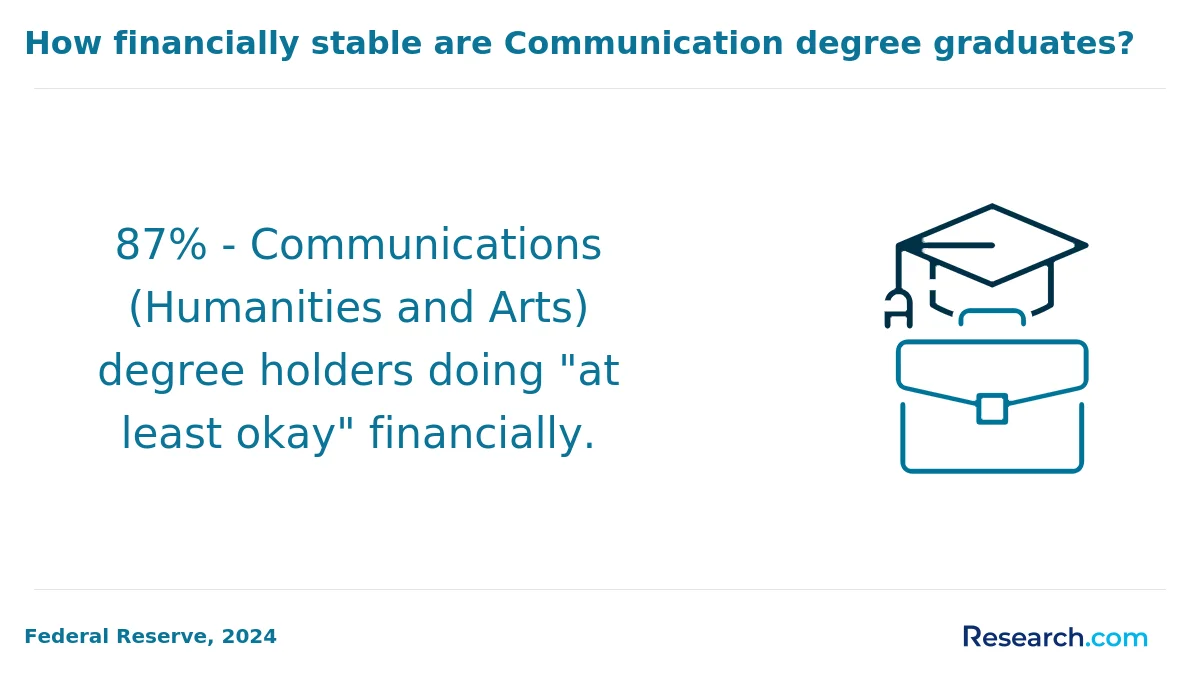
Graduates with an online communication degree in Tennessee can pursue a variety of dynamic career paths that match their unique interests and skills. Many graduates from respected institutions like the University of Memphis and Middle Tennessee State University find rewarding roles as Public Relations Specialists, where they craft positive images for brands and organizations. Others thrive as Marketing Coordinators or Social Media Managers, leveraging digital platforms to engage local audiences and support Nashville's vibrant business scene. Communication students benefit from hands-on projects and internships that develop real-world skills, boosting confidence in fast-paced environments.
Corporate Communications Manager and Media Planner positions offer graduates opportunities to influence strategic messaging for companies headquartered in Tennessee's growing economy. Technical Writing and Event Coordination roles appeal to those who enjoy detailed communication work or organizing impactful experiences. For individuals curious about journalism, understanding how much is a journalism degree can guide their academic and career decisions while considering Tennessee's affordable tuition.
With digital communication skills in high demand, graduates find that mastering social media analytics, video production, and multimedia storytelling opens doors in education, government, and the state's flourishing entertainment industry. These practical roles embody the diverse online communication degree jobs Tennessee offers, enabling graduates to build meaningful and adaptable careers.
What is the job market for online communication degree in Tennessee?
The job market for an online communication degree in Tennessee is promising, especially for graduates from well-known institutions such as the University of Tennessee and Middle Tennessee State University. These graduates often find rewarding roles in sectors like healthcare communication, media, and corporate business. For example, many alumni have secured positions in Nashville's healthcare system, leveraging their skills in public relations and patient communication to enhance outreach programs. This practical experience highlights how Tennessee's expanding industries value strong communication expertise.
Students pursuing an online communication degree benefit from updated digital media and social media strategy skills that employers actively seek. With Tennessee's growing digital economy, graduates can confidently apply for roles as content strategists or social media managers. Graduates consistently report positive outcomes when exploring Tennessee online communication degree employment opportunities, noting steady job availability and competitive salaries in cities like Memphis and Nashville.
For those aiming for a focused career path, exploring public relation careers offers a structured way to leverage communication skills within Tennessee's dynamic job market.
Frequently Asked Questions About communication
Online communication degree students in Tennessee can enhance their learning by actively engaging with digital course materials and participating in virtual discussions. Research shows that students who dedicate consistent weekly hours, typically 10-15, improve comprehension and retention.
Taking advantage of Tennessee's resources, such as the Tennessee Board of Regents' online libraries and communication workshops, can provide valuable supplementary learning.
Networking through online forums and connecting with professionals in Tennessee's growing media and corporate sectors strengthens practical understanding.
Additionally, seeking internships or service-learning projects supported by local institutions boosts real-world experience and career readiness. Staying organized and managing time effectively is essential for success in online formats.
The communication field is rapidly evolving, with emerging niches offering new career opportunities for students in Tennessee. Areas such as digital communication strategies, social media management, and content creation are gaining traction due to the rise of online platforms and remote work. According to the Tennessee Department of Labor and Workforce Development, jobs in digital marketing and communication are projected to grow by over 10% through 2030.
Another growing niche is crisis communication, where professionals help organizations manage public perception during emergencies. Additionally, health communication is becoming vital, especially in public health campaigns across Tennessee's diverse communities. These specializations reflect the broader shift toward technology-driven, cross-disciplinary roles within communication careers.
Graduates of online communication degrees in Tennessee can prepare for the job market by developing a strong professional network. Joining organizations like the Tennessee Communication Association offers opportunities for mentorship and industry connections. Additionally, gaining hands-on experience through internships or freelance projects enhances practical skills, which employers highly value.
It is also important to build a portfolio showcasing written, digital, and multimedia communication work. According to the U.S. Bureau of Labor Statistics, Tennessee's market for communication specialists is projected to grow steadily by 5% over the next decade, especially in media and public relations sectors.
Continuing education and certifications in digital marketing or social media management can further increase employability in Tennessee's evolving communication industry.
Employers in Tennessee highly value communication degree graduates who demonstrate strong interpersonal and written communication skills. According to the Tennessee Department of Labor and Workforce Development, over 70% of job postings for communication roles emphasize clear writing and speaking abilities as essential.
Critical thinking and problem-solving are also top skills, enabling graduates to navigate complex messaging challenges in various industries, including healthcare, business, and media.
Additionally, digital literacy is crucial, as fluency with social media, multimedia tools, and content management systems aligns with employer demands in Tennessee's growing digital economy.
Team collaboration and adaptability round out the skill set most recruiters seek in communication graduates statewide.
Finding internships in Tennessee relevant to a communication degree involves leveraging local resources and university connections. Many Tennessee universities, such as the University of Memphis and Middle Tennessee State University, boast strong communication programs with dedicated career centers that help students secure internships across media, PR, and marketing sectors.
Students should explore partnerships between their online programs and regional employers. According to the Tennessee Department of Labor, industries like media production and advertising show steady growth, offering diverse internship openings.
Platforms such as Handshake, LinkedIn, and local nonprofit websites also list internships in cities like Nashville and Knoxville. Networking through professional groups like the Public Relations Society of America's Tennessee chapter provides valuable contacts and opportunities.
Obtaining an online communication degree in Tennessee can notably enhance career mobility and advancement opportunities. Employers in Tennessee increasingly value digital communication skills, with a 2023 report from the Tennessee Department of Labor highlighting a 12% growth in communication-related roles such as public relations specialists and media coordinators.
Graduates with online degrees benefit from flexible learning schedules, allowing professionals to continue working while upskilling. This flexibility supports career transitions and promotions in sectors like healthcare, education, and business-key industries in Tennessee.
Furthermore, the Southern Regional Education Board emphasizes that earned communication credentials improve salary prospects by approximately 10% compared to those without degrees. Online programs often include practical training in current technologies, which is critical for adapting to the state's evolving job market.
Studying for a communication degree in Tennessee equips students with versatile skills applicable across various fields like marketing, healthcare, and education. Tennessee universities emphasize critical thinking, digital literacy, and interpersonal communication, preparing graduates for collaborative environments.
Interdisciplinary roles often require effective messaging across diverse teams. Communication programs in Tennessee incorporate case studies and projects involving multiple disciplines, fostering adaptability. According to the Tennessee Board of Regents, nearly 30% of communication graduates find employment in industries beyond traditional media within two years of graduation.
The curriculum's focus on emerging technologies and media ethics also enhances graduates' ability to navigate complex, cross-sector challenges.
Choosing between a thesis and a non-thesis online communication degree program in Tennessee depends largely on your career goals and learning preferences. Thesis programs typically emphasize original research, preparing students for doctoral studies or research-heavy roles. Non-thesis options often focus more on practical skills and coursework, suitable for immediate application in professional communication settings.
In Tennessee, online communication programs align with national standards, but local job markets favor skills in digital media, public relations, and corporate communication. According to the Tennessee Department of Labor and Workforce Development, demand for communication specialists is growing by 7% annually, favoring practical experience over research for many roles.
Thesis programs usually require more time commitment and strong writing skills, while non-thesis programs may offer more flexibility and internships. Consider if you prefer academic research or hands-on learning when making your choice.
Students based in Tennessee seeking to study communication abroad through online degree programs have several pathways. Many Tennessee institutions with communication degrees partner with international universities, offering virtual exchange programs or dual credentials. For example, universities in Tennessee sometimes collaborate with European and Asian schools to provide global perspectives within their online curriculum.
Tennessee ranks among states with growing online communication enrollments, supported by resources such as the Tennessee Board of Regents and the state's public university system. These institutions often guide students towards approved study-abroad opportunities that complement online learning.
While fully online communication degrees are primarily delivered by U.S. schools, students can enhance their global experience by enrolling in study-abroad modules or internships abroad, depending on their school's offerings and COVID-19 protocols.
The Council for Higher Education Accreditation and the Institute for International Education report an increase in hybrid models allowing Tennessee students to engage internationally while completing degrees online.
Students pursuing online communication degrees in Tennessee can benefit from various part-time job opportunities that enhance their academic experience and professional skills. Popular roles include social media coordinator, public relations assistant, and content creator. These jobs help develop practical skills in writing, audience engagement, and media strategy.
Tennessee's growing media and marketing industries provide a fertile ground for such positions. According to the Tennessee Department of Labor, communications-related roles are expected to grow by 6% through 2030, indicating increasing opportunities for students.
Internships with local nonprofits or businesses also offer valuable hands-on experience. Additionally, freelance copywriting or digital marketing projects allow flexible schedules that align well with online study commitments.
Online communication students in Tennessee benefit from varied networking opportunities designed to connect them with industry professionals and peers. Many universities offer virtual career fairs and online student organizations focused on communication fields, allowing students to build professional relationships despite remote learning.
Tennessee's Middle Tennessee region hosts numerous media and communication firms, creating local internship and mentorship possibilities, which online students can access through university partnerships. According to the Tennessee Department of Labor and Workforce Development, communication-related jobs in the state are projected to grow by 10% through 2030, increasing demand for skilled graduates and networking possibilities.
Additionally, students can join national groups like the National Communication Association, which hold virtual events and regional conferences, providing further professional development and connections from Tennessee.
Alumni networks offer valuable support for students pursuing online communication degrees in Tennessee. These networks connect current students with graduates who have real-world experience in media, public relations, and digital communication fields. Access to alumni mentors helps students navigate career paths and gain insights into job market trends specific to Tennessee.
Alumni networks often provide exclusive job postings, internships, and networking events, which improve employment opportunities upon graduation. According to the Tennessee Higher Education Commission, graduates from communication programs benefit from these connections, reflecting a higher employment rate within six months after finishing their degrees.
Furthermore, alumni in Tennessee help foster community and collaboration, enhancing both professional growth and skill development for current students.
Students pursuing an online communication degree in Tennessee can tailor their programs to match career goals by choosing electives aligned with specific industries such as media, public relations, or corporate communication. Many Tennessee universities offer concentrations or minors within communication degrees, allowing focus on digital media, interpersonal communication, or strategic communication.
Internships and practicum opportunities provided through online programs help apply theoretical knowledge in real-world settings. Tennessee's growing media and marketing sectors increase demand for graduates skilled in communication technologies. According to the Tennessee Department of Labor and Workforce Development, communication-related roles are expected to grow by 8% through 2030, emphasizing the benefit of tailored skills.
Customization also involves selecting courses emphasizing emerging tools and platforms relevant to current industry standards.
Online communication students in Tennessee often face challenges related to balancing coursework with personal and professional responsibilities. Many learners juggle work, family, and study, which can affect their consistency and focus. Additionally, limited access to reliable high-speed internet in some rural parts of Tennessee complicates participation in live lectures and group discussions.
Another common difficulty is the lack of face-to-face interaction, which some students find hinders their networking and collaboration skills development. According to the Tennessee Higher Education Commission, approximately 10% of students in rural areas report connectivity as a barrier to online learning. Lastly, adapting to self-directed study requires strong time management skills, which many students must develop during their program.
With an online communication degree in Tennessee, graduates can enhance their career prospects by pursuing several professional certifications. Popular options include the Certified Professional Communicator (CPC) and the Communication Management Professional (CMP) credential. These certifications validate skills in strategic communication, media relations, and interpersonal communications.
Additionally, many graduates consider certifications such as the Project Management Professional (PMP) due to strong overlaps with communication roles in managing projects. The demand for certified communication professionals in Tennessee, particularly in Nashville and Memphis, reflects the state's growing media and business sectors, according to the Tennessee Department of Labor.
It is advisable to review specific certification requirements to align them with career goals in public relations, corporate communication, or digital media fields.
To write a winning application for an online communication program in Tennessee, start by clearly demonstrating your passion for the field. Highlight relevant experiences such as writing, media, or public speaking. Many Tennessee schools value a strong personal statement that explains why you want to study communication and how it fits your career goals.
Include transcripts showing good academic performance, especially in English and social sciences. According to the Tennessee Higher Education Commission, applicants with a GPA of 3.0 or higher tend to have better admission chances in competitive programs.
Additionally, tailor each application to the specific program, mentioning faculty interests or unique online resources offered. Letters of recommendation that speak to your communication skills can also boost your chances.
The field of communication offers a wide range of career opportunities recognized globally, but its significance varies based on cultural and economic factors. In the United States, including Tennessee, communication skills are highly valued across industries such as marketing, public relations, and media. According to the U.S. Bureau of Labor Statistics, employment for communication specialists is expected to grow 11% from 2022 to 2032, reflecting strong demand.
Globally, digital communication and social media have expanded career paths, emphasizing cross-cultural competence. Tennessee's growing media industries and corporate hubs require graduates with online communication skills to engage diverse audiences effectively.
Understanding global communication trends helps Tennessee students prepare for competitive roles both locally and internationally.
Gaining practical experience while studying for an online communication degree in Tennessee is essential for career readiness. Many Tennessee institutions integrate internships or practicum opportunities as part of their curriculum. These placements often occur with local media outlets, nonprofits, or corporate communication departments.
Students can also engage in virtual internships, enabling work with organizations statewide or nationally. According to the Tennessee Higher Education Commission, about 65% of communication students in Tennessee report participating in some form of internship before graduation.
Additionally, joining student-run media, contributing to online publications, or volunteering for community communication initiatives provides hands-on skills. Networking with Tennessee communication professionals through online workshops or webinars further enhances practical exposure.
Choosing the right concentration within an online communication degree program in Tennessee depends on your career goals and interests. Common concentrations include media studies, public relations, digital communication, and organizational communication. Each offers specialized skills relevant to different industries in Tennessee, such as Nashville's growing media and entertainment sector. Considering regional job market trends can help-for instance, Tennessee's Department of Labor reports steady demand for digital communication experts. Research program curricula to ensure they align with your desired skills and check if they offer internships or connections within local industries. Accreditation and faculty expertise are also important factors to ensure quality education.
Related Communication Rankings for Nearby States
- 2027 Best Online Communication Degree Programs Ranking in Kentucky
- 2027 Best Online Communication Degree Programs Ranking in Georgia
- 2027 Best Online Communication Degree Programs Ranking in North Carolina
- 2027 Best Online Communication Degree Programs Ranking in Missouri
- 2027 Best Online Communication Degree Programs Ranking in Arkansas
- 2027 Best Online Communication Degree Programs Ranking in Virginia
- 2027 Best Online Communication Degree Programs Ranking in Indiana
- 2027 Best Online Communication Degree Programs Ranking in Illinois
- 2027 Best Online Communication Degree Programs Ranking in Ohio
- 2027 Best Online Communication Degree Programs Ranking in Florida
Top Trending Communication Rankings
References
- 5 Common Barriers To Communication In Schools | Skool Loop https://skoolloop.com/news-items/5-common-barriers-to-communication-in-schools/
- How Long is an Online Master’s in Communication Program? https://www.onlineeducation.com/communication/faqs/how-long-to-earn-a-communications-masters-degree-online
- Study Media Abroad: 2026 Global Guide to Courses & Careers https://www.hotcoursesabroad.com/subject/media/
- What Kind of Jobs Can You Get With a Communications Degree? https://www.belmont.edu/stories/articles/2025/what-kind-of-jobs-can-you-get-with-a-communications-degree.html
- Communication Studies https://www.nscc.edu/academics/programs/communication-studies.php
- Utilize Your Alumni Networks https://www.keg.com/news/ways-to-use-your-alumni-networks-for-the-better
- 2026 Master's in Communication Programs in Tennessee - Campus & Online https://www.mastersincommunications.com/states/tennessee
- What you need to know about niche communications | BlueSky Education https://www.blueskyeducationpr.com/blog/business-education/niche-communications
- Top Skills Employers Look for in Mass Communication Graduates https://urbeuniversity.edu/blog/top-skills-employers-look-for-in-mass-communication-graduates
- Communication & Journalism Study Abroad Programs - Media, PR https://www.ceastudyabroad.com/academic-discipline/communication-journalism