2027 Best Online Bachelor's in Communication Degree Programs Ranking in the USA

Co-Founder and Chief Data Scientist
Choosing the right online bachelor's degree in communication can shape your future career and open new doors. This article presents the 2027 Best Online Bachelor's in Communication Degree Programs Ranking in the USA, thoughtfully created by the Research.com team of data scientists. It's designed to help you make a confident and informed decision about which programs truly stand out.
Exploring this ranking gives you insight into quality education options that fit your goals and lifestyle. Earning a communication degree offers valuable skills in today's connected world, making your next step both exciting and rewarding.
Key benefits of getting online communication degree in America
- Communication degree graduates in the US often pursue roles like public relations specialists, earning a median annual wage of around $62,800, which offers a rewarding financial outlook.
- Graduates from top schools like the University of Southern California find diverse career paths in media, marketing, corporate communication, and digital content creation, opening many exciting doors.
- Online communication degrees, such as those from Arizona State University, offer flexibility and convenience, allowing students to balance work and study while gaining the same respected credentials as traditional degrees.
- Key benefits of getting online communication degree in America
- What can I expect from online communication degree in America?
- Where can I work with online communication degree in America?
- How much can I make with online communication degree in America?
- 2027 Best Online Bachelor's in Communication Degree Programs Ranking in the USA
- Key Findings
- How long does it take to complete online communication degree in America?
- What's the difference between online and on-campus communication degree?
- What is the average cost of online communication degree in America?
- What financial aid is available to online communication degree students in America?
- What are the prerequisites for enrolling in online communication degree program in America?
- What courses are typically in online communication degree programs in America?
- What types of specializations are available in online communication degree programs in America?
- How do you choose the best online communication degree in America?
- What career paths are available for online communication degree students in America?
- What is the job market for online communication degree in America?
- Top Trending Communication Rankings
What can I expect from online communication degree in America?
The average cost of an online communication degree in America varies widely but generally falls between $10,000 and $30,000 per year at many accredited universities. For instance, graduates from popular institutions like state universities often find their total tuition more affordable when compared to private colleges, especially after accounting for savings on housing and commuting.
Many students pursuing these programs appreciate the flexibility to work while studying, which helps manage expenses without sacrificing quality education. Graduates often share how their online experiences at recognized schools equipped them with real-world communication skills through virtual internships and capstone projects, making the tuition a worthwhile investment.
Imagine joining lively video discussions and collaborative assignments alongside peers from across the country, all while saving money by studying from home. This balance of affordability and practical experience makes earning an online communication degree in America not only accessible but empowering for those ready to invest in their future.
Where can I work with online communication degree in America?
Graduates with an online communication degree from reputable colleges like the University of Southern California or the University of Florida often find themselves thriving in diverse career paths. Many quickly land roles in public relations, where they craft compelling stories and manage brand images for companies or nonprofit organizations. Imagine working behind the scenes to launch a campaign that changes public perception-that's a daily reality for these grads.
Others embrace social media management, developing creative content and engaging vibrant online communities for startups or marketing firms. The skills gained through programs at institutions like Arizona State University prepare students to analyze trends and make an impact in this fast-moving digital space.
Broadcasting and journalism remain core pathways, too. Graduates use their practical training from schools such as Boston University to create engaging news content across radio, TV, or digital platforms, connecting communities with essential information.
Corporate communication offers exciting opportunities as well, where graduates support internal messaging and help shape organizational culture for large companies. Government agencies and educational institutions in America also seek skilled communicators to lead public outreach efforts.
Every story here highlights how an online communication degree opens doors to meaningful, impactful careers across sectors in America.
How much can I make with online communication degree in America?
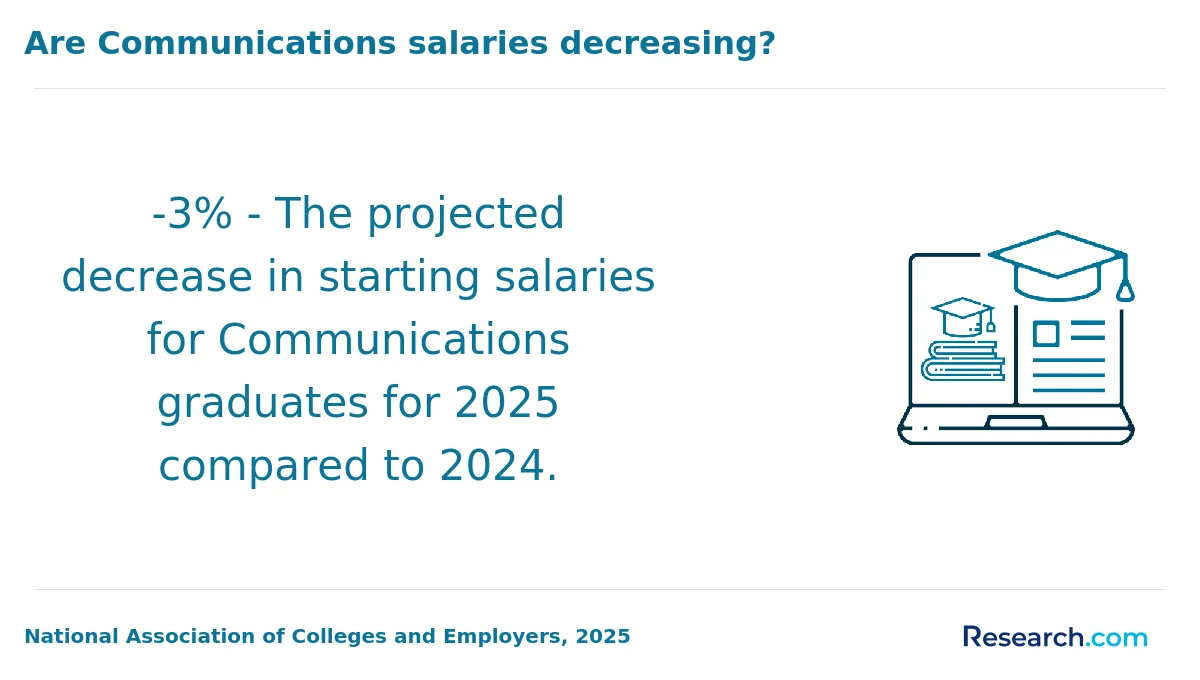
Graduates with an online communication degree in America can expect a range of salary outcomes that grow with experience and specialization. Entry-level roles typically start around $40,000 to $50,000 annually, which is common among those who recently graduated from well-regarded programs at universities like the University of Southern California or Boston University.
As you gain skills and take on leadership positions, salaries rise significantly. For example, public relations managers earned a median annual wage of about $125,810 in 2022, showing how advanced roles can provide strong financial rewards. Many graduates working in corporate communication or marketing communications often find salaries between $55,000 and $75,000, reflecting the value of combining digital media expertise with communication skills.
Location also plays a role. Graduates living in metropolitan areas such as New York or San Francisco often enjoy higher wages due to demand and cost of living, with some public relations specialists earning nearly 20% above the national average. This dynamic proves the potential for growth and success when leveraging a communication degree from respected American colleges.
2027 Best Online Bachelor's in Communication Degree Programs Ranking in the USA
How do we rank schools?
Investing in your education is a significant decision that can shape your future, and the Research.com team understands the importance of making informed choices. To assist prospective students, we have meticulously crafted the "2027 Best Online Bachelor's in Communication Degree Programs Ranking in the USA." Our commitment to quality, credibility, and accuracy is reflected in the extensive research and analysis conducted to compile this ranking.
We utilized the following reputable data sources to ensure a comprehensive evaluation of communication degree programs:
By exploring this ranking, readers will gain valuable insights into top online communication programs across the USA, helping them make well-informed decisions about their educational paths. For more details on how this ranking was created, please visit our Research.com methodology page.


# 11 position
Florida International University
Communication Arts - Organizational Communication Studies BA

# 12 position
Penn State University Park
Bachelor of Organizational and Professional Communication




Key Findings
- Online communication bachelor's degrees generally require about 120 credit hours and take four years to complete full-time.
- Annual tuition varies from $10,000 to over $40,000 depending on whether the school is public, private, or out-of-state.
- Employment in communication fields is projected to grow by 8% from 2022 to 2032, faster than the average for all occupations.
- Starting salaries for graduates typically range from $40,000 to $50,000 per year, with mid-career salaries between $60,000 and $75,000.
- Curriculum topics often include media theory, digital communication, and strategic communication, with accreditation by bodies like CHEA ensuring quality.
- Financial aid options available include federal grants, scholarships, and employer tuition reimbursement programs to help reduce costs.
How long does it take to complete online communication degree in America?
Completing an online communication degree in America generally takes about four years when enrolled full-time, similar to traditional undergraduate paths. Many graduates from well-known institutions like Arizona State University or the University of Florida share how this timeline allowed them to balance studies with personal commitments effectively. For some, accelerated programs or summer courses helped them finish in as little as three years, trimming time without sacrificing quality.
Others, especially those juggling work, found part-time enrollment a better fit, extending their studies to around six years or more. What matters most is choosing a program that matches your pace-whether it's a self-paced approach at a school like Southern New Hampshire University or a competency-based model that rewards mastery over seat time.
Remember, transferring previous college credits can also speed up your journey significantly. Embrace these flexible options to tailor your learning experience, stay motivated, and turn your communication degree dreams into reality at your own tempo.
What's the difference between online and on-campus communication degree?
Choosing between an on-campus and an online communication degree in America often comes down to how you want to balance life and learning. On-campus programs at universities like UCLA or the University of Texas offer rich, face-to-face interactions where students thrive on live discussions, campus events, and internships that spark creativity and networking. Graduates often recall how the energy of the classroom and direct access to professors made a real difference in mastering interpersonal communication.
In contrast, online degrees from respected schools like Arizona State University or Penn State give you the freedom to study anytime, anywhere-perfect for those juggling jobs or family. Coursework delivered through interactive platforms lets you engage with peers and faculty on your schedule, making it easier to fit education into a busy life without sacrificing quality. Many online students highlight savings on housing and travel, plus the comfort of learning in their own space, which fuels motivation and success.
The key is knowing what environment makes you feel most energized. Both paths in the US maintain strong academic standards, so choosing the format that fits your lifestyle will help you flourish.
What is the average cost of online communication degree in America?
The average cost of an online communication degree in America often depends on whether you study as an in-state or out-of-state student. Typically, in-state students experience a median total cost around $35,880, while out-of-state students might pay closer to $51,360 for the entire program. Graduates from popular communication programs at public universities often share how financial planning helped them navigate these costs without stress, balancing tuition with scholarships and part-time work.
Private colleges usually have higher tuition, but many students find the investment rewarding because of the network and career opportunities these schools provide. For online degrees, the structure often remains similar, with some schools even offering the same tuition for online and on-campus students, making it a flexible choice for those balancing work and study. A key point students mention is how understanding the total expenses for online bachelor's in communication in the USA, including fees and supplies, allows them to budget wisely and avoid surprises.
Many students have tapped into financial aid options extensively; nearly 85% report receiving some form of support, which can substantially reduce out-of-pocket expenses. If you're exploring affordable paths, I recommend checking out the cheapest online master's degree in communications for further inspiration on cost-effective communication education.
What financial aid is available to online communication degree students in America?
When pursuing an online communication degree in America, a wealth of financial aid options can lighten the load and make your goals more attainable. Many graduates from well-known schools like the University of Florida or Arizona State University share how the Pell Grant was a game changer, providing up to $7,395 annually without the burden of repayment. Filling out the FAFSA is your first crucial step-it unlocks access not only to this federal aid but also to subsidized and unsubsidized student loans with manageable interest rates tailored for learners like you.
State programs also play a vital role. For example, students attending public institutions in California often benefit from the California College Promise Grant, which covers community college fees and offers a stepping stone into bachelor's degrees. Imagine starting your journey debt-conscious and confident, supported by such resources.
Many private scholarships come from communication-focused organizations, like those offered by the National Communication Association, rewarding your commitment and passion for the field. Plus, working professionals avoid setbacks by leveraging employer tuition reimbursements, blending career growth with academic progress smoothly. Students who actively engage with their school's financial aid office often discover custom packages designed for online learners, creating opportunities you might not expect.
What are the prerequisites for enrolling in online communication degree program in America?
To enroll in an online communication degree in America, you'll first need a high school diploma or an equivalent like a GED-this is the foundation that opens doors at universities nationwide. Many graduates from schools such as Arizona State University or the University of Florida remember how meeting this basic requirement was their first step toward success.
While some programs may ask for a GPA around 2.0 to 3.0, others expect higher academic achievements. Don't be discouraged if you feel your grades aren't perfect; many students improved their profiles by highlighting their passion in personal statements, a common request especially from selective colleges.
English proficiency is crucial, especially for non-native speakers, with TOEFL or IELTS scores often required to demonstrate readiness. Imagine confidently joining real-time discussions at a college like Syracuse University, knowing your language skills fully prepare you.
Additional practical needs-like basic computer skills and reliable internet-might seem small, yet they ensure you'll thrive in the dynamic online learning environments that top programs provide. Graduates frequently share how mastering these basics helped them engage fully with their coursework and instructors.
What courses are typically in online communication degree programs in America?
In online communication degree programs across America, you'll dive into courses that build essential skills for today's dynamic media landscape. Graduates from well-regarded universities like Arizona State and the University of Florida often recall how Introduction to Communication Theory formed the foundation, helping them understand how human interaction shapes every conversation and message they craft.
Courses such as Public Speaking and Presentation Skills empower students to confidently convey ideas, whether pitching to clients or speaking at community events. Many find that Interpersonal Communication classes mirror real-life scenarios-collaborating in small teams or resolving workplace conflicts feels much less daunting afterward.
Additionally, Mass Communication and Media Studies expose you to the fast-paced world of journalism, TV, radio, and digital channels, where storytelling meets technology. Writing-focused courses sharpen your ability to create crisp, engaging content across platforms, a skill praised by communication graduates from institutions like the University of Southern California.
To stay ahead, programs also include digital-centered classes-think Social Media Management and Digital Media Strategies-perfect for tapping into marketing trends and audience engagement online. These experiences equip you for diverse roles, making your degree a gateway to exciting communication careers.
What types of specializations are available in online communication degree programs in America?
When pursuing an online communication degree in America, you'll discover a range of specializations designed to fit your unique career goals. Many graduates from renowned schools like the University of Florida or Arizona State University found their passion in digital media, mastering skills like social media marketing and video content creation that are in high demand nationwide. Those drawn to storytelling often choose journalism, adapting to the evolving digital landscape with multimedia reporting techniques.
Organizational communication is another rewarding path, perfect for those who want to improve workplace engagement and clarity within large institutions. Graduates working at corporations or government agencies emphasize how this specialization sharpened their abilities to influence company culture positively. Public relations remains a popular focus, equipping students with media campaign strategies vital in America's competitive market.
Don't overlook emerging areas such as crisis or health communication, which respond to today's dynamic challenges. Many students blend courses from different tracks to customize their studies, a flexibility that top programs often encourage. For those exploring options, check out this online bachelor's degree mass communications guide to identify the best fit within online communication degree specializations USA.
How do you choose the best online communication degree in America?
Choosing the best online communication degree in America starts with verifying the program's accreditation. Graduates from well-regarded schools like the University of Southern California or Pennsylvania State University often share how regional accreditation boosted their confidence in the degree's value to employers. Think about how a graduate benefited from a curriculum emphasizing social media strategy or crisis communication-skills that made their job search more successful.
Look for programs offering specializations that match your passion, whether it's corporate communication or multimedia production. This focus helped another graduate from a popular public university in America feel prepared and excited to enter their career. Don't overlook faculty expertise and student support; graduates frequently praise personalized mentoring and internship placements that opened doors in competitive industries.
Cost matters, too. Many students find affordable online communication degrees in America by comparing tuition and financial aid options. Balancing quality and price ensures you avoid surprises and graduate without heavy debt. For more guidance on advanced studies, consider exploring options like an online master's in communication.
What career paths are available for online communication degree students in America?
Graduates with an online communication degree in America unlock exciting career opportunities across diverse fields. Many alumni from renowned institutions like the University of Southern California or Boston University share stories of stepping confidently into roles such as Public Relations Specialists, where they shape the public image of companies or nonprofits with strategic flair. Others thrive as Social Media Managers, crafting vibrant online narratives that engage millions, a path popular among students of American University.
Career opportunities with communication degree in America also include positions like Corporate Communications Coordinators, who keep internal teams aligned through clear messaging, or Journalists delivering compelling stories in today's fast-paced media landscape. Content Writers and Advertising Account Executives build persuasive campaigns that resonate deeply with audiences, showing just how versatile this degree can be.
For those exploring career paths, consider programs known for hands-on learning and strong industry networks. Many graduates recommend checking out public relations degrees online to find flexible options that blend theory with practical experience, helping students land fulfilling roles in a rapidly growing communication sector across the USA.
What is the job market for online communication degree in America?
The job market for graduates holding an online communication degree in America is both vibrant and promising. Many graduates from well-known institutions like the University of Southern California or Michigan State University find themselves quickly employed in fields such as public relations, social media management, and corporate communications. This positive trend reflects an increasing demand for professionals who can skillfully navigate digital platforms and craft engaging content. For students exploring their options, it's encouraging to know that the digital media landscape is expanding, creating fresh opportunities to connect brands with audiences online.
Career opportunities for communication graduates America-wide are diverse and growing. Some graduates have shared how skills learned in online programs prepared them for dynamic roles in healthcare communication or nonprofit advocacy, industries that value clear, impactful messaging. Practical digital skills gained from these programs often set them apart in competitive job markets.
For those aiming to accelerate their qualifications, consider programs like the fastest online master's in pr, which many find valuable for quickly advancing into leadership roles. Embracing these educational paths can lead to rewarding careers where your voice and creativity truly make a difference.
Frequently Asked Questions About communication
Students pursuing online communication degrees in America can maximize their learning experience by actively engaging with course materials and participating in virtual discussions. Research from the National Center for Education Statistics shows that students who interact regularly with instructors and peers report higher satisfaction and better outcomes. Utilizing university resources such as online writing centers and career services also enhances skill development. Time management plays a crucial role; organizing study schedules improves knowledge retention. Additionally, seeking internships or volunteer opportunities in communication fields complements academic learning with practical experience, which employers highly value in this competitive industry.
Emerging niches in the communication field reflect the evolving media landscape and digital transformation in the United States. One rapidly growing area is digital and social media management, driven by businesses seeking to engage audiences online. According to the Bureau of Labor Statistics (BLS), social media specialists are among the fastest-growing roles, with employment projected to grow 23% from 2021 to 2031.
Another significant niche is health communication, which focuses on designing effective public health campaigns and managing information flow in healthcare. The COVID-19 pandemic highlighted the critical need for skilled communicators in this sector.
Additionally, communication technology and data analytics are emerging as essential skills, as organizations use data-driven strategies to tailor messaging. These niches require a blend of technical expertise and interpersonal skills, providing diverse career paths for graduates.
Graduates with an online communication degree in America can enhance their job prospects by gaining practical experience during studies. Internships, even virtual ones, provide valuable insights and networking opportunities in fields like public relations, media, and corporate communication. According to the Bureau of Labor Statistics, communication-related jobs are expected to grow 7% from 2021 to 2031, highlighting increasing demand.
Building a professional portfolio showcasing writing, social media, and multimedia projects is vital. Networking through platforms like LinkedIn helps connect with industry professionals and potential employers. Additionally, attending webinars and industry conferences keeps skills current and expands contacts, improving employment chances post-graduation.
Employers in America highly value communication degree graduates who demonstrate strong interpersonal skills, critical thinking, and adaptability. According to the National Association of Colleges and Employers (NACE), over 80% of employers rank effective verbal and written communication as top competencies.
Graduates must also show proficiency in digital communication tools, as the modern workplace relies heavily on social media, content creation, and data analysis. The U.S. Bureau of Labor Statistics highlights that tech-savvy communicators have better job prospects in fields like public relations and marketing.
Leadership abilities and teamwork are essential, with employers seeking candidates who can manage projects and collaborate across departments. Additionally, cultural awareness and ethical communication align with the increasing emphasis on diversity and inclusion in U.S. organizations.
Finding internships relevant to a communication degree in America requires a strategic approach. Start by leveraging your university's career services, as many schools have partnerships with media companies, public relations firms, and marketing agencies. According to the National Association of Colleges and Employers (NACE), over 60% of internships lead to job offers, making these connections vital.
Online platforms such as Handshake and LinkedIn also offer numerous internship listings tailored to communication majors. Additionally, organizations like the Public Relations Society of America (PRSA) provide resources and networking opportunities specifically for communication students.
Remember to tailor your resume and cover letter for each position, highlighting skills such as writing, digital media, and interpersonal communication. Early preparation can significantly improve your chances of securing a meaningful internship within the competitive communication industry.
An online communication degree in America can significantly enhance career mobility and advancement opportunities. According to the National Association of Colleges and Employers (NACE), communication skills are consistently ranked among the top attributes employers seek. Graduates with a communication degree often qualify for roles in public relations, marketing, corporate communications, and media, which are expected to grow by 9% through 2031, according to the U.S. Bureau of Labor Statistics.
Online programs offer flexibility for working professionals, enabling them to gain new skills without interrupting their careers. This can lead to promotions or transitions into management roles. Furthermore, employers value graduates from accredited online programs for their demonstrated discipline and technology proficiency.
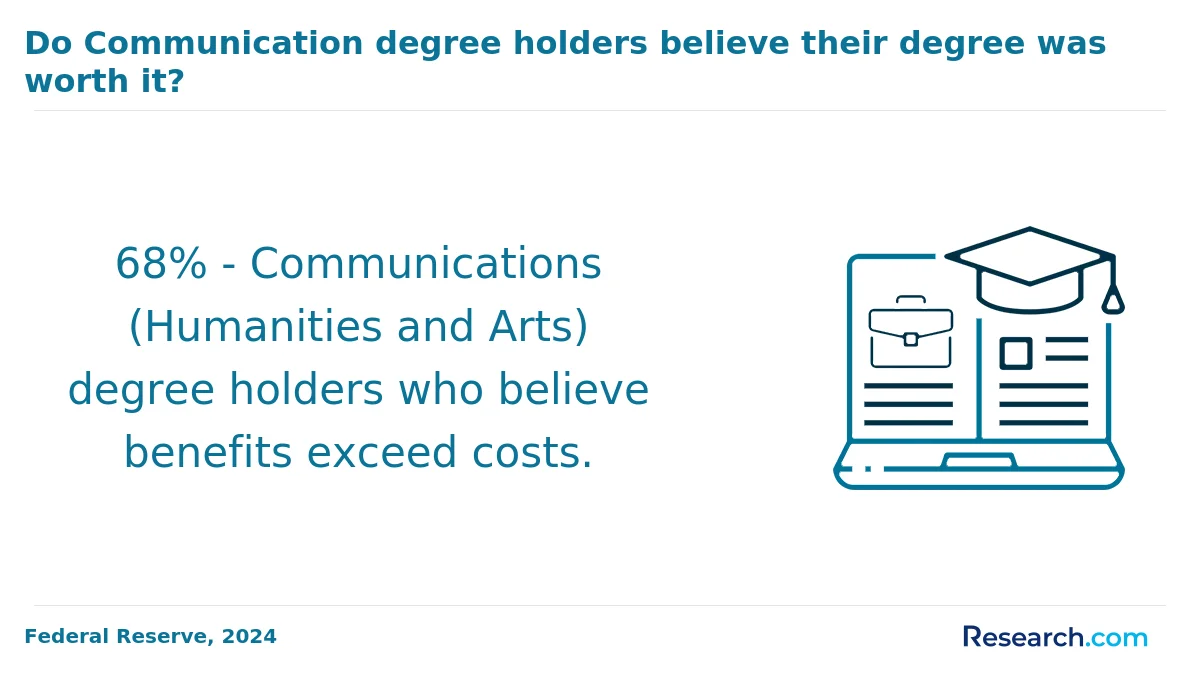
Studying for a communication degree in America provides students with versatile skills that apply across various disciplines. The curriculum often combines theory with practical experience, covering areas like media, public relations, and digital communication. According to the National Communication Association, nearly 75% of communication graduates find careers outside traditional media roles, reflecting the degree's broad applicability.
Online programs emphasize critical thinking, writing, and interpersonal skills, which are valuable in fields such as marketing, health communication, and corporate leadership. Many universities also encourage students to engage in cross-disciplinary projects, fostering adaptability.
By analyzing diverse communication models, students learn to collaborate effectively within teams from different professional backgrounds, preparing them for complex, interdisciplinary work environments prevalent in today's job market.
Choosing between a thesis and a non-thesis online communication degree program in America depends on your career goals and learning style. A thesis option involves conducting original research and writing a detailed paper, which can be ideal if you plan to pursue graduate school or a research-oriented career. According to the National Center for Education Statistics, about 30% of communication programs offer thesis tracks.
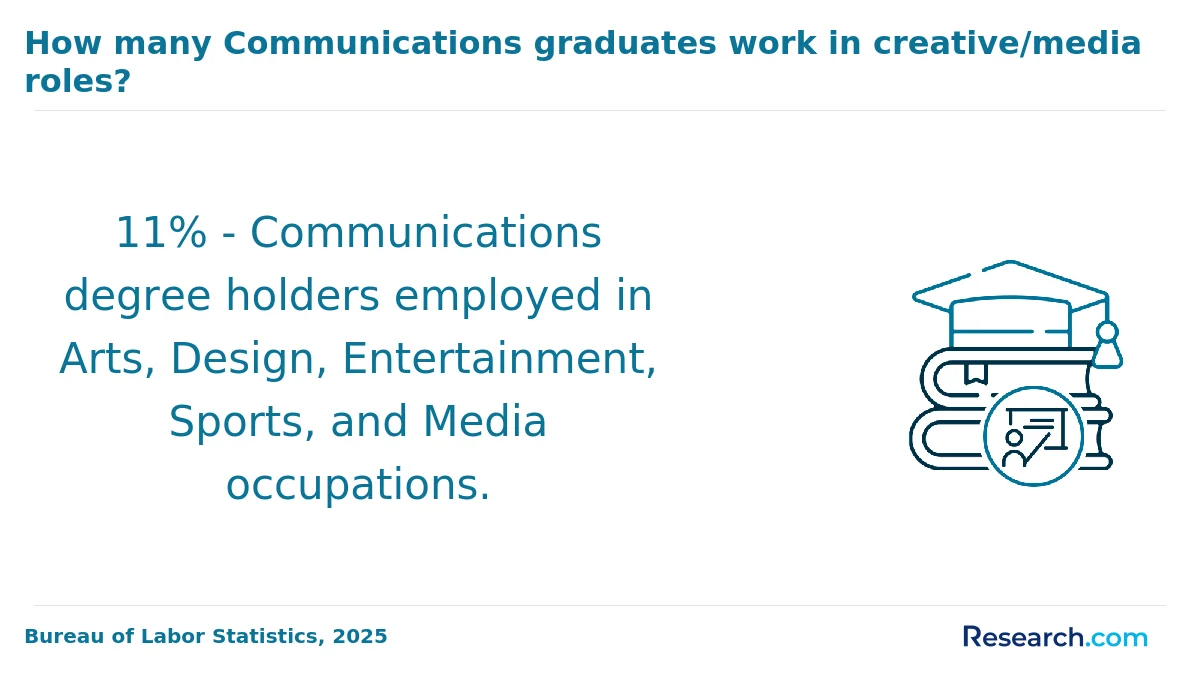
Non-thesis programs focus more on coursework and practical skills, often including internships or capstone projects. These appeal to students seeking immediate employment in media, public relations, or corporate communication. The Bureau of Labor Statistics projects communication jobs to grow 11% from 2021 to 2031, favoring hands-on experience.
Consider faculty expertise, program flexibility, and resources. Some schools may also offer hybrid models combining both options to suit diverse student needs.
American students seeking to study communication abroad have several flexible online options that enable global learning while residing in the U.S. Many accredited U.S. institutions partner with foreign universities, offering joint or dual-degree online programs in communication. These programs often provide exposure to international communication theories and practices without the need to physically relocate.
Additionally, some American universities offer study abroad components integrated with online courses, allowing students to experience overseas culture through short-term residencies combined with remote learning. According to the Open Doors Report 2023, approximately 36% of U.S. students in communication fields participated in study abroad or international programs, reflecting growing interest in global perspectives.
Such options help students develop crucial cross-cultural communication skills, highly valued in today's job market. Online study abroad opportunities in communication typically emphasize media, public relations, and intercultural communication, aligning with workforce demands reported by the Bureau of Labor Statistics.
Students pursuing online communication degrees in America often seek part-time jobs that enrich their academic experience. Roles such as social media assistant, content writer, or public relations intern provide practical skills directly related to communication theories.
According to the U.S. Bureau of Labor Statistics (2023), jobs in media and communications are expected to grow 8% through 2032, faster than average for all occupations. This growth means more opportunities for students to gain experience while studying.
Positions in marketing, customer service, and event coordination also help students develop interpersonal and organizational skills. These roles complement coursework by offering hands-on experience in real-world communication challenges.
Overall, part-time work aligned with communication studies provides essential networking opportunities and improves employability after graduation.
Online communication students in America have access to a variety of networking opportunities that enhance their academic and professional growth. Many accredited universities offer virtual career fairs, connecting students with communication professionals across industries. According to the National Communication Association, over 70% of communication graduates find jobs through networking channels. Students can join online student organizations and honor societies, such as Lambda Pi Eta, which hosts workshops and webinars tailored for remote learners.
In addition, social media platforms like LinkedIn provide vital spaces for students to engage with alumni and industry experts. Collaborative projects and internships facilitated through university partnerships further expand networking prospects, helping students build relevant contacts before graduation.
Alumni networks play a crucial role for online communication degree students in America by offering valuable professional connections. These networks often include thousands of graduates working in various sectors like media, public relations, and digital marketing, creating opportunities for mentorship and internships.
According to the National Communication Association, about 85% of communication graduates found their first job through networking or alumni referrals. Being part of an active alumni community gives students access to industry events, job postings, and career advice from experienced professionals.
This support helps students navigate the competitive job market more effectively and can lead to higher employment rates and starting salaries. Many universities also provide online platforms to connect distance learners with alumni, ensuring continual engagement despite geographical distances.
Online communication degree programs in America offer flexibility to tailor coursework according to your career goals. Many universities allow students to choose elective courses in areas such as public relations, digital media, organizational communication, or journalism. This customization helps develop specialized skills that are in demand in today's job market.
For example, choosing electives in social media strategy or corporate communication can prepare you for roles in marketing or internal communications. The National Communication Association notes that communication careers are projected to grow steadily, emphasizing adaptability and digital skills.
Additionally, some programs provide internship opportunities, enabling practical experience aligned with specific industries. This hands-on training is valuable for networking and securing employment after graduation.
Online communication students in America often face several notable challenges. One common difficulty is maintaining motivation and time management without the typical campus structure. According to the National Center for Education Statistics, nearly 30% of online learners report issues balancing work, family, and study commitments.
Another challenge is limited access to hands-on experiences and networking opportunities that traditional communication programs offer in person. This can affect skill development in areas like public speaking and group collaboration.
Technical issues and varying levels of digital literacy also impact students' ability to fully engage with coursework and virtual discussions. These factors require proactive adaptation to ensure academic success.
With an online communication degree in America, graduates can pursue several professional certifications that enhance career prospects. Popular options include the Accredited in Public Relations (APR) credential, recognized by the Public Relations Society of America (PRSA). This certification validates skills in public relations strategy and ethics.
Other valuable certifications include the Certified Communication Professional (CCP) offered by the Global Communication Certification Council, which focuses on effective business communication. Additionally, the Digital Marketing Institute offers certifications relevant to communication graduates interested in digital content and social media marketing.
According to the U.S. Bureau of Labor Statistics, certified communication professionals tend to experience higher wage growth and more job opportunities, especially in corporate and nonprofit sectors. These certifications typically require passing exams and proving professional experience.
To write a winning application for an online communication program in America, start by clearly highlighting your passion for communication. Admission committees value applicants who demonstrate strong written and verbal skills, reflecting their readiness for a rigorous curriculum. According to the National Communication Association, communication is a diverse field involving media, public relations, and digital content, so tailor your essay to show your understanding of these areas.
Be specific about your career goals and how the program aligns with them. Use concrete examples from your experience, such as internships or prior coursework, to strengthen your narrative. Also, ensure your application adheres to all guidelines, including deadlines and document formats, as attention to detail reflects professionalism.
Finally, consider obtaining recommendation letters from professionals familiar with your communication skills. Statistics from the National Center for Education Statistics show nearly 75% of communication graduates secure employment within six months, so demonstrating your commitment can be highly persuasive.
Communication careers in the United States are increasingly valued for their global relevance. According to the National Communication Association, graduates in communication fields contribute to diverse sectors such as international business, media, and diplomacy. The demand for professionals with strong intercultural and digital communication skills is growing worldwide.
US higher education emphasizes global perspectives in communication programs, preparing students for careers that often involve working across cultures. Many online bachelor's programs include courses on global communication strategies, reflecting a broader international outlook.
In 2023, the U.S. Bureau of Labor Statistics noted that communication roles are expected to grow by 8% over the next decade, driven in part by globalization and technological advances. This trend mirrors the rising importance of cross-cultural competence in business and media industries worldwide.
Gaining practical experience while studying for an online communication degree in America is essential for career readiness. Many programs encourage students to participate in internships that connect them with media companies, public relations firms, or corporate communication departments. According to the National Association of Colleges and Employers, 60% of students who complete internships receive job offers. Additionally, students can join virtual student media outlets or create digital portfolios to showcase their work.
Online courses often include project-based assignments reflecting real-world tasks, such as developing marketing campaigns or managing social media. Networking through professional organizations like the National Communication Association can further enhance practical skills and job prospects.
Choosing the right concentration within an online communication degree in America involves understanding your career goals and interests. Popular concentrations include public relations, digital media, journalism, and organizational communication, each with different skill focuses.
Consider labor market trends: the U.S. Bureau of Labor Statistics projects a 9% growth in communication-related jobs from 2022 to 2032, particularly in digital and social media roles. Researching these trends can help you align your studies with in-demand skills.
Also, review program curricula and faculty expertise to ensure your chosen concentration offers relevant practical experience and networking opportunities.
Top Trending Communication Rankings
References
- 6 benefits of a master's in health care management https://www.unfc.ca/blog/must-have-workplace-communication-skills-for-graduates
- CAREERS AND COMMUNICATION ALUMNI https://www.villanova.edu/university/liberal-arts-sciences/programs/communication/careers.html
- Communications Specialist Certifications: Best Credentials to Advance Your Career | Teal https://www.tealhq.com/career-paths/communications-specialist-certifications
- Where Communications Majors Earn the Most (and Least) https://www.mastersincommunications.org/where-communications-majors-earn-most-least/
- Global Perspectives: Media, Communication, Culture | STUDY in BRNO https://www.study-in-brno.cz/s/global-perspectives-media-communication-culture
- Online BA in Communication https://www.wiu.edu/cofac/communication/online_BA.php
- The Impact of Communication & Why You Should Choose Communication as Your Degree https://sureexpo.com.my/post/the-impact-of-communication-why-you-should-choose-communication-as-your-degree
- Online Degree vs. Traditional | University of Arkansas Grantham https://www.uagrantham.edu/blog/pros-cons-online-degree-vs-traditional-university/
- Communication Frequently Asked Questions | Central Methodist University https://centralmethodist.edu/academics/undergraduate/communication/communication-faq.html
- Master's in Communication Salaries by Career and Position (2025 Update) https://www.mastersincommunications.com/faqs/masters-in-communication-salary