2027 Best Online Communication Degree Programs Ranking in Texas

Co-Founder and Chief Data Scientist
Choosing the right communication degree program is an exciting step toward a rewarding career. If you're a student in Texas exploring your options, this article offers valuable guidance for 2027.
The 2027 Best Online Communication Degree Programs Ranking in Texas was created by the Research.com team of data scientists to help you make an informed choice. By exploring this ranking, you'll discover programs that balance quality, flexibility, and accessibility.
Whether you want to step into media, public relations, or corporate communication, this guide highlights the best pathways to turn your passion into success.
Key benefits of getting online communication degree in Texas
- Graduates with communication degrees in Texas can expect average hourly wages around $25 to $35, reflecting solid earning potential in roles like public relations specialists and technical writers.
- Communication degree holders from universities such as the University of Texas at Austin often pursue careers in media, marketing, corporate communications, and nonprofit organizations, offering diverse and rewarding opportunities.
- Online communication degrees from schools like Texas A&M University allow flexible learning schedules, enabling students to balance work and life while gaining skills just as respected as those from traditional programs.
- Key benefits of getting online communication degree in Texas
- What can I expect from online communication degree in Texas?
- Where can I work with online communication degree in Texas?
- How much can I make with online communication degree in Texas?
- 2027 Best Online Communication Degree Programs Ranking in Texas
- Key Findings
- How long does it take to complete online communication degree in Texas?
- What's the difference between online and on-campus communication degree?
- What is the average cost of online communication degree in Texas?
- What financial aid is available to online communication degree students in Texas?
- What are the prerequisites for enrolling in online communication degree program in Texas?
- What courses are typically in online communication degree programs in Texas?
- What types of specializations are available in online communication degree programs in Texas?
- How do you choose the best online communication degree in Texas?
- What career paths are available for online communication degree students in Texas?
- What is the job market for online communication degree in Texas?
- Related Communication Rankings for Nearby States
- Top Trending Communication Rankings
What can I expect from online communication degree in Texas?
The average cost of an online communication degree in Texas varies significantly depending on residency status and institution. Public universities like Texas A&M University-Commerce offer in-state tuition rates that typically range between $7,000 and $10,000 annually for online bachelor's programs. Graduate students at the University of North Texas pursuing a master's in communication report paying roughly $12,000 to $15,000 for the full program when benefiting from in-state tuition. Graduates frequently emphasize how these lower fees alleviate financial stress, allowing them to focus more on mastering practical skills such as media writing and digital content creation.
Many online students appreciate balancing studies with work, especially since Texas institutions often provide flexible pacing and part-time enrollment options. Graduates recount that affordable tuition combined with access to internships via local media partnerships enhanced their career readiness without overwhelming their budgets. Out-of-state students and private colleges, however, may face costs exceeding $20,000, which some weigh against the value of accredited programs and robust professional networks in Texas's dynamic job market.
Where can I work with online communication degree in Texas?
Graduates with an online communication degree in Texas find abundant career opportunities across multiple sectors. For instance, many alumni from the University of Texas at Austin secure roles in public relations or corporate communications within Houston's energy companies, where they manage media relations and stakeholder engagement. This aligns with the state's 10% projected growth in communication-related jobs from 2022 to 2032.
Digital and social media marketing also draws graduates, especially in Austin's expanding tech scene. Recent graduates from Texas A&M University often describe the excitement of crafting engaging online content and analyzing digital trends for local startups. Entry-level salaries average around $50,000, reflecting steady demand for these skills.
Other graduates pursue careers in broadcast media and journalism in Dallas-Fort Worth or San Antonio, working as reporters or producers who combine storytelling with new communication technologies. Meanwhile, Texas Medical Center in Houston offers healthcare communication roles focused on patient education and crisis communication, a sector growing in importance.
Professional experiences at Texas State University show that government and nonprofit agencies also value communication graduates for public affairs and grant writing. These real-world roles highlight the versatility and positive momentum for communication careers within Texas.
How much can I make with online communication degree in Texas?
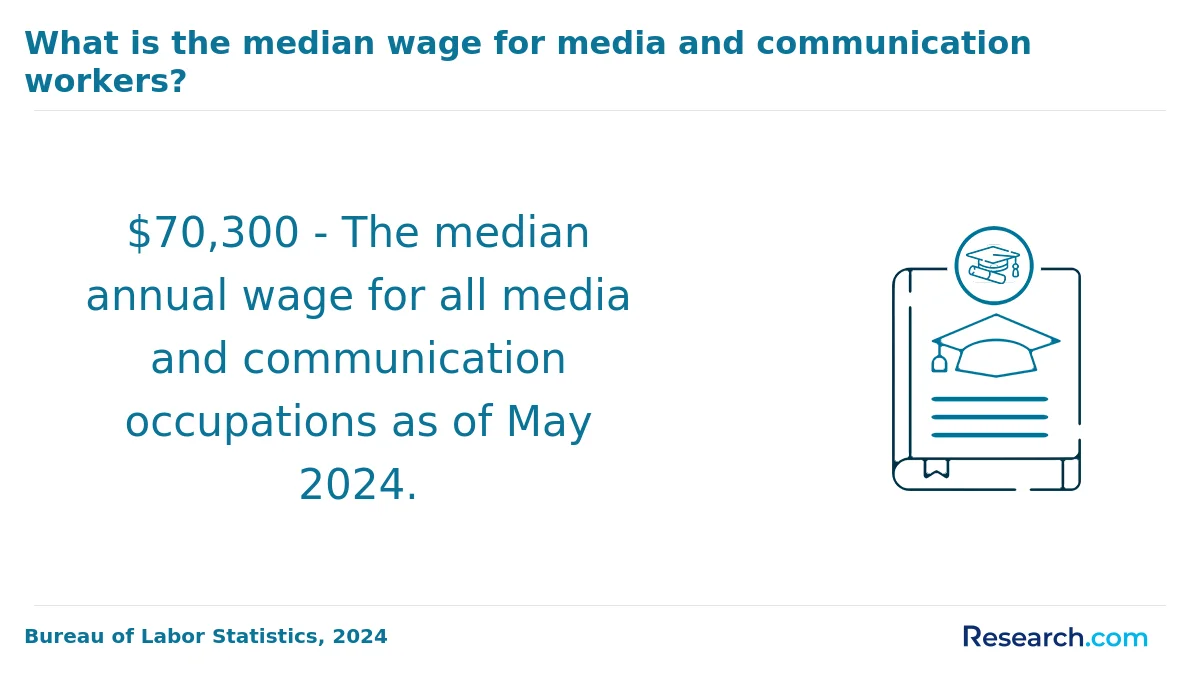
Graduates from online communication programs in Texas typically earn a median annual wage of about $62,000, based on 2023 U.S. Bureau of Labor Statistics data. This figure reflects competitive pay aligning with the national average for communication roles.
Entry-level graduates from institutions like the University of Texas at Austin or Texas State University often start between $40,000 and $50,000 annually. These salaries correspond with jobs such as social media coordinators or public relations assistants in dynamic cities like Dallas and Houston, where vibrant media industries drive demand.
With experience, particularly beyond five years, communication professionals in Texas see salaries rise to between $70,000 and $90,000. For example, marketing directors or corporate communications managers in Austin benefit from salary boosts due to the city's growing tech and business scene.
Freelancers and contract workers with skills in digital content or video production note varied earnings but can surpass averages as their portfolios and client networks expand.
Graduates with certifications in analytics or SEO tend to attract higher-paying roles, leveraging Texas's evolving communication landscape to their advantage.
2027 Best Online Communication Degree Programs Ranking in Texas
How do we rank schools?
Investing in your education is a significant decision that can shape your future, and the Research.com team understands the importance of making informed choices. To assist prospective students in Texas, we have meticulously crafted the "2027 Best Online Communication Degree Programs Ranking in Texas." Our commitment to quality, credibility, and accuracy is reflected in the extensive research and analysis conducted to compile this ranking.
We utilized the following reputable data sources to ensure a comprehensive evaluation of communication programs:
By exploring this ranking, readers will gain valuable insights into the best online communication degree programs available in Texas, helping them make well-informed decisions about their educational paths. For more details on our methodology, please visit our Research.com methodology page.


# 4 position
Texas A&M University - Victoria
Bachelor of Communication

Key Findings
- Annual tuition for online communication degrees in Texas ranges from $8,000 to $15,000 for in-state students at public universities.
- Entry-level communication degree holders can expect an average salary of about $45,000 per year, with experienced professionals earning around $70,000 annually.
- Employment in communication fields in Texas is projected to grow by approximately 10% over the next decade, exceeding the national average.
- Major Texas cities like Houston, Dallas, Austin, and San Antonio offer many job opportunities in corporate communication, social media, marketing, and public relations.
- Online programs in Texas often provide flexible scheduling and focus on key skills such as digital media, writing, research, and public speaking.
How long does it take to complete online communication degree in Texas?
Completing an online communication degree in Texas typically ranges from two to four years, largely influenced by the program type and enrollment status. For example, bachelor's degree seekers usually complete 120 to 130 credit hours over four years if studying full-time. Graduates from popular programs at Texas Tech University and the University of Texas at Austin often mention how accelerated terms helped them finish in under three years, highlighting the flexibility these schools offer.
Part-time students balancing work or family responsibilities can expect a longer timeline, sometimes extending to five or more years. One graduate noted that spreading coursework over additional semesters eased financial pressure but required careful scheduling. Associate degrees, requiring about 60 credit hours, generally take around two years full-time, offering a quicker route for entering the workforce or progressing toward a bachelor's.
Graduate communication programs in Texas demand 30 to 36 credit hours, often completed within one to two years depending on the student's pace. These flexible formats accommodate different lifestyles, making online communication degrees a practical and positive choice for Texans.
What's the difference between online and on-campus communication degree?
Online and on-campus communication degrees in Texas differ primarily in delivery and student experience. On-campus programs at institutions like the University of Texas at Austin offer face-to-face interaction, fostering spontaneous conversations and on-site access to media labs and networking events. Graduates often recall the energy of live discussions and the ease of building professional relationships through campus clubs and internships.
In contrast, online degrees at schools such as Texas A&M provide flexibility crucial for working adults or parents. These students appreciate accessing lectures and assignments on their own schedules, balancing education with life's demands. About 30% of Texas undergraduates use distance education, highlighting its rising appeal.
Cost differences also affect choices. Traditional on-campus tuition ranges from $8,000 to $12,000 annually for in-state students, while online programs may lower expenses by eliminating housing and commuting, though some charge technology fees. Regardless of format, regional accreditation ensures employers value both pathways.
What is the average cost of online communication degree in Texas?
The average cost of an online communication degree in Texas varies notably between public and private institutions. Public universities offer more affordable tuition for residents, with rates typically between $300 and $600 per credit hour. Considering that most programs require approximately 120 credit hours, in-state students can expect total tuition expenses ranging from $36,000 to $72,000. Graduates from schools like Texas A&M University-Commerce and the University of North Texas often recall feeling confident that their investment was reasonable given the quality of education and flexibility offered. These schools demonstrate how Texas online communication degree total expenses can remain manageable for many students.
In contrast, private universities in Texas charge significantly higher tuition rates, ranging from $800 to $1,200 per credit hour. As a result, the total tuition may climb to between $96,000 and $144,000 for the full degree. Despite the elevated cost, many students find that private institutions often provide scholarships and financial aid that greatly ease this burden, providing optimism and motivation throughout their studies.
Additional costs such as technology fees, application charges, and course materials generally add $500 to $1,000 annually. Many students appreciate that some schools now offer digital resources, helping reduce expenses related to books and supplies. For those seeking less demanding academic commitments, options like an easy online degree communications could be worth exploring as part of financial planning. Thoughtful budgeting, including financial aid and payment plans, can help many students confidently pursue their communication degrees in Texas.
What financial aid is available to online communication degree students in Texas?
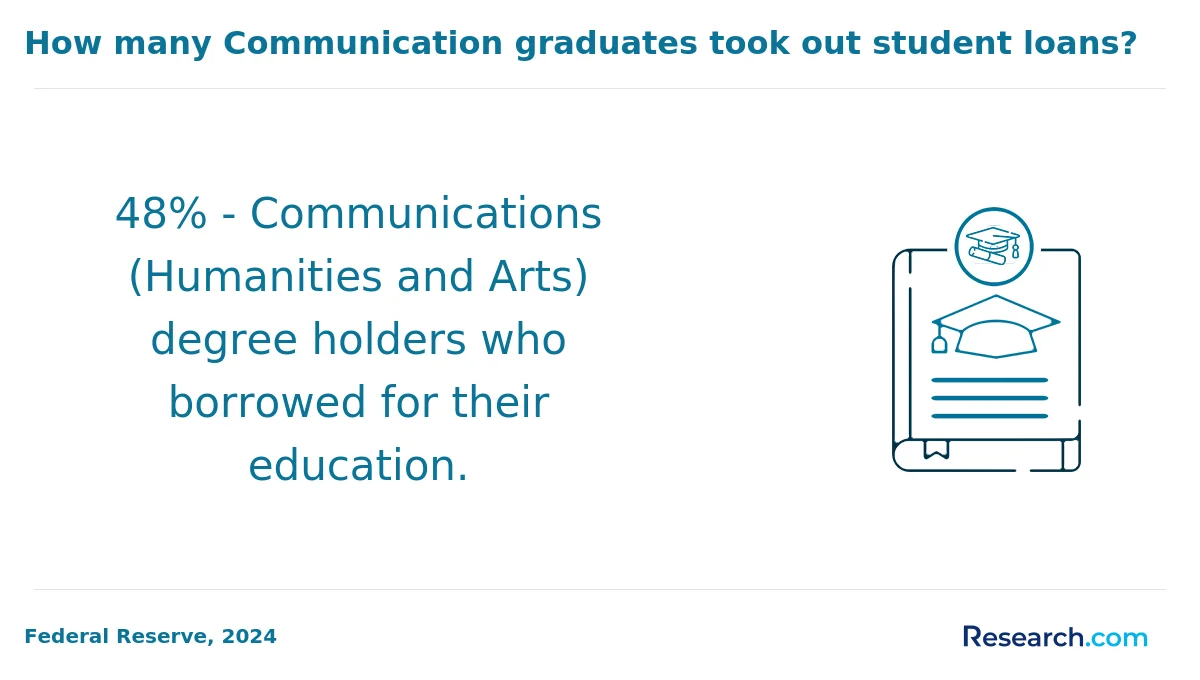
Students pursuing online communication degrees in Texas benefit from several financial aid options that help ease tuition costs ranging between $7,000 and $23,000 annually. Federal aid begins with the FAFSA application, which unlocks access to Pell Grants offering up to $7,395 per year based on financial need, without repayment obligations. Many undergraduates also qualify for Federal Direct Loans, borrowing up to $5,500 annually with relatively low interest rates.
State-specific grants like the Texas Tuition Equalization Grant support students at private institutions such as Baylor University, while the TEXAS Grant aids low-income students attending public schools like the University of Texas at Austin. Graduates recall how these programs substantially lowered their debt burden, allowing them to focus on gaining leadership skills in communication fields.
Merit-based scholarships, often provided by universities with strong communication programs like Texas A&M, reward academic and community achievements. Some employers and industry bodies in Texas offer tuition reimbursement, further incentivizing degree completion for working students balancing careers alongside studies.
Students managing additional costs for books and technology emphasize budgeting carefully and applying early for aid, which enhances chances of full financial support during their online studies.
What are the prerequisites for enrolling in online communication degree program in Texas?
To enroll in an online communication degree in Texas, applicants generally need a high school diploma or equivalent, such as a GED, which sets the baseline for academic readiness. Graduates of Texas universities often recall that while standardized test scores like the SAT or ACT were once crucial, many institutions-especially those with test-optional policies-have relaxed this requirement, benefiting adult learners or transfer students.
Transfer applicants typically must present around 24 to 30 college credits with a GPA between 2.0 and 2.5, demonstrating their capacity for higher-level study. For example, students transferring into programs at popular Texas schools find that meeting this threshold allows them to integrate smoothly into online coursework. English proficiency is vital; international students commonly submit TOEFL or IELTS results to prove communicative competence.
Financial preparation plays a significant role, as the average annual tuition for in-state students at public universities hovers near $10,000. Many graduates express satisfaction knowing they could manage these expenses effectively with scholarships or financial aid. Comfort with technology, including reliable internet and digital platforms, is essential, echoing experiences from online learners at major Texas colleges who value orientation sessions that ease their transition.
What courses are typically in online communication degree programs in Texas?
Online communication degree programs in Texas typically include core courses that build a versatile skill set tailored for dynamic careers in media, marketing, and public relations. Popular courses at institutions like the University of Texas or Texas A&M emphasize Introduction to Communication Theory, which provides graduates with a solid understanding of models explaining human interaction, essential for crafting effective messages in any business environment.
Graduates often reflect positively on their experiences with Public Speaking and Presentation courses, where they develop confidence and clarity for real-world scenarios such as client pitches or media interviews. Equally important are classes in Digital and Social Media Communication, which cover tools and trends vital for managing online platforms, an area where Texas students benefit from access to large media markets.
Additional specialized courses like Public Relations Strategies and Communication Research Methods equip learners to design campaigns and analyze audience data, key skills mentioned by graduates from Texas universities who successfully enter emerging communication roles. This curriculum aligns with Texas Workforce Commission data predicting 7% growth in communication occupations through 2030, reinforcing these course choices as both practical and future-focused.
What types of specializations are available in online communication degree programs in Texas?
Online communication degree specializations Texas programs typically include areas such as Public Relations and Strategic Communication, Organizational and Corporate Communication, Digital and Social Media Communication, Media Production and Journalism, and Health Communication. Graduates from well-known Texas institutions report that focusing on these specializations greatly enhances their career readiness, as they develop practical skills applicable to sectors like healthcare, energy, and media.
For example, students pursuing Organizational and Corporate Communication often engage with scenarios that improve internal workplace communication, leadership, and employee engagement within Texas-based companies. Those concentrating in Digital and Social Media Communication create strategies for managing online content, a critical competency in Texas's marketing landscape. Media Production and Journalism graduates frequently describe rewarding experiences producing multimedia content that serves metropolitan areas such as Austin and Dallas.
Such specialized tracks in Texas online communication programs with concentrations align with the projected 7% growth in demand for communication professionals statewide through 2028. Many students find this versatility empowering, offering diverse career pathways without needing to relocate or disrupt their current jobs. For more insights on jobs in the communications field, students often consult jobs in the communications field.
How do you choose the best online communication degree in Texas?
To choose the best online communication degree in Texas, start by identifying your career goals and preferred communication focus, whether public relations, digital media, or corporate communication. Graduates from Texas A&M University-Commerce often praise the program's real-world internship options, which boosted their confidence and employability. Accreditation is critical; prioritize programs recognized by the Southern Association of Colleges and Schools Commission on Colleges (SACSCOC) to ensure rigorous academic standards and respected credentials.
Affordability plays a significant role-public institutions like The University of Texas at Arlington offer some of the most affordable communication degree programs Texas residents can access, with tuition rates typically between $7,000 and $10,000 annually, much lower than private counterparts. Flexibility also matters; many students appreciate asynchronous course designs that match their busy schedules without compromising quality.
Curriculum richness and faculty expertise directly impact student satisfaction. Graduates frequently report that programs balancing theory with practical skills, including research methods and digital communication tactics, enable them to thrive professionally. Explore options such as online masters in communications programs to elevate your qualifications while maintaining flexibility.
What career paths are available for online communication degree students in Texas?
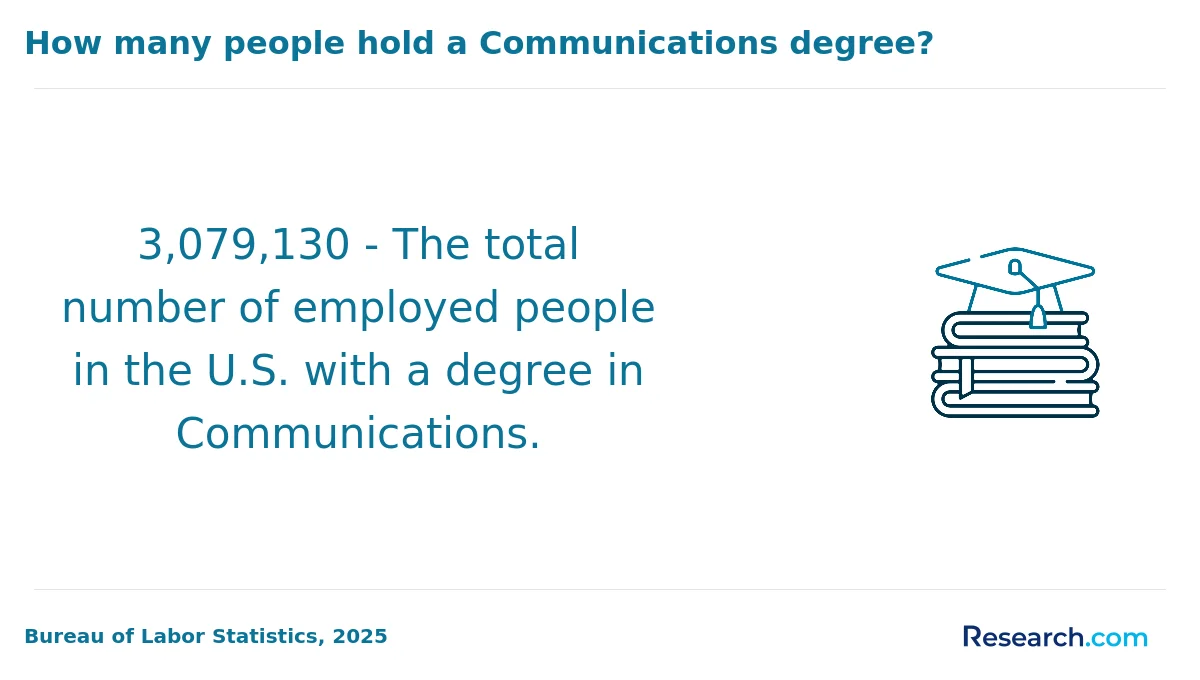
Graduates with an online communication degree in Texas have access to diverse career paths across multiple industries. In Texas's dynamic job market, roles such as public relations specialists, corporate communications managers, social media managers, journalists, and advertising specialists are prominent. Public relations specialists in Houston or Dallas, for example, manage media relations and social media content, earning median salaries near $60,000 annually. Corporate communications managers often support internal messaging and crisis management in Texas companies thriving in energy and healthcare sectors.
Students from popular Texas schools find value in hands-on opportunities reflecting industry demands. Social media managers in Austin's tech hubs apply digital strategies to engage audiences effectively, while journalism graduates report for major outlets like the Houston Chronicle. These graduates benefit from practical skills applicable to real-world situations, fueling career growth with Texas's expanding industries.
Those seeking more information about specific career preparation can explore public relations programs online, which highlight pathways tailored to Texas's communications landscape. Overall, online communication degree jobs in Texas open doors to fulfilling roles aligned with evolving market needs and personal aspirations.
What is the job market for online communication degree in Texas?
The job market for online communication degree jobs in Texas remains robust, supported by the state's expanding media, business, and technology sectors in cities like Houston, Dallas, Austin, and San Antonio. Graduates from well-regarded Texas universities often find opportunities across media companies, corporate PR departments, government agencies, and healthcare organizations. Many communication students appreciate the flexibility of online programs, allowing them to gain skills while working in these vibrant metropolitan areas.
For example, graduates from Texas-based communication programs frequently step into roles such as social media managers or corporate communications specialists, benefiting from salary prospects that range from entry-level wages around $62,000 to managerial roles earning above $90,000 annually. These roles align well with strong local demand and the state's competitive cost of education. Students aiming to accelerate their careers can explore fastest online masters in public relations programs that complement their communication degrees and boost their marketability.
Texas communication degree career opportunities extend into dynamic industries eager to fill positions requiring digital marketing and content creation expertise. This blend of affordable education, practical training, and steady job growth makes Texas appealing for those pursuing communication degrees online.
Frequently Asked Questions About communication
Students pursuing online communication degrees in Texas can enhance their learning by actively engaging with course materials and participating in virtual discussions. Texas institutions often provide access to specialized resources like the Texas Communication Association, which offers networking and professional development opportunities. Building connections through online forums helps deepen understanding and create a support system.
Additionally, incorporating practical experiences such as internships or volunteering with Texas media outlets boosts real-world skills. According to the Texas Higher Education Coordinating Board, communication careers in Texas are projected to grow by 10% through 2030, highlighting the importance of hands-on learning. Staying updated on industry trends through webinars or local seminars further enriches the educational experience.
The communication field in Texas is rapidly evolving, with new specialties emerging that reflect technological advances and societal changes. One growing niche is digital communication strategy, focusing on building brands through social media, content marketing, and online engagement. This area is vital in Texas's expanding tech and business sectors.
Another important specialty is healthcare communication, driven by the state's large medical industry and the need for clear patient-provider communication. Increasingly, public relations and crisis communication roles are also in demand due to frequent corporate and governmental challenges.
According to the Texas Higher Education Coordinating Board, employment in communication-related fields in Texas is projected to grow by 10% through 2030, emphasizing the importance of these emerging areas.
After earning an online communication degree in Texas, students should focus on practical experience to boost job readiness. Internships and volunteer roles in media, public relations, or marketing offer valuable skills and networking opportunities. The Texas Workforce Commission highlights that strong communication skills are crucial for the state's growing information and media sector.
Building a professional portfolio showcasing writing, multimedia projects, and campaign work can help graduates stand out. Joining industry associations like the Public Relations Society of America (Texas chapter) provides connection to local employers.
Additionally, pursuing certifications in digital marketing or social media can enhance credentials and adapt to evolving job market demands.
Employers in Texas seek several key skills when hiring communication degree graduates, especially those with an online education background. Strong verbal and written communication abilities top the list, as 85% of Texas employers value clear messaging for internal and external purposes, according to the Texas Workforce Commission. Critical thinking and problem-solving skills are also crucial, helping graduates adapt to diverse communication challenges in business, media, and public relations. Digital literacy, including proficiency with social media platforms, content management systems, and data analysis tools, is increasingly important. Collaboration and interpersonal skills remain essential for teamwork and client engagement in the Texas job market.
Finding internships in Texas related to communication degrees involves leveraging multiple resources. Many universities with online communication programs maintain partnerships with local media outlets, public relations firms, and corporate communications departments. According to the Texas Workforce Commission, the Dallas-Fort Worth and Houston metropolitan areas offer the highest concentration of internships in media and communication fields, reflecting the state's diverse economy.
Students should begin by consulting their school's career services for tailored internship listings and networking events. Additionally, platforms like Handshake and Indeed often post Texas-based internships in communications, marketing, and public relations.
Professional associations such as the Texas chapter of the Public Relations Society of America also provide internship opportunities and networking events aimed at students. Building a LinkedIn profile and connecting with Texas communication professionals increases chances of locating hidden internship opportunities.
Obtaining an online communication degree in Texas can significantly enhance career mobility and advancement opportunities. According to the Texas Workforce Commission, communication-related jobs in Texas are projected to grow by 12% through 2030, faster than the average for all occupations. This growth signals increasing demand for skilled communicators in industries such as media, public relations, marketing, and corporate communications.
An online degree offers flexibility for working professionals, allowing them to gain new skills while maintaining employment. Graduates often move into management roles more quickly, supported by strong training in strategic communication and digital media.
Employers in Texas value graduates who demonstrate practical skills gained through accredited online programs, improving access to higher-level positions and better salaries, as reported by the Bureau of Labor Statistics. Thus, an online communication degree efficiently supports upward career transitions within Texas's competitive job market.
Studying for a communication degree in Texas equips students with skills that go beyond traditional communication roles, preparing them for interdisciplinary careers. Programs in Texas often emphasize critical thinking, cultural awareness, digital literacy, and strategic communication-all highly valued in fields like marketing, public relations, healthcare, and technology.
Texas institutions align curricula with business, journalism, and social sciences, promoting cross-disciplinary collaboration. According to the Texas Higher Education Coordinating Board, over 30% of communication graduates enter fields outside pure communication, reflecting the program's broad applicability.
This interdisciplinary training enables graduates to adapt to evolving workplaces, communicate complex ideas clearly, and lead diverse teams, making Texas communication degrees valuable for multifaceted professional environments.
When choosing between a thesis and a non-thesis communication degree program in Texas, consider your career goals and learning preferences. A thesis option involves conducting original research and can be ideal if you plan to pursue a doctoral degree or work in research-focused roles. According to the Texas Higher Education Coordinating Board, thesis programs often require 6 to 12 credits devoted to research, extending your study time.
Non-thesis programs emphasize practical skills through additional coursework or internships, which may suit students aiming for industry positions in communication, public relations, or media. The Texas Workforce Commission notes that these roles are growing by 12% annually statewide, favoring applied expertise. Your choice should reflect your professional aspirations and commitment to research.
Students based in Texas seeking to study communication abroad through online degrees have several options, primarily via partnerships between Texas institutions and foreign universities. While fully online international communication degrees are rare, Texas universities often offer study abroad programs that can complement online learning. For example, Texas A&M and the University of Texas system sometimes provide exchange opportunities with European and Asian universities, allowing students to gain global perspectives in communication.
According to the Texas Higher Education Coordinating Board, about 3% of Texas college students participate in study abroad programs, reflecting growing interest in global learning experiences. Students interested in international communication should also explore virtual exchange programs and international internships coordinated by Texas universities, which provide overseas exposure without leaving the state.
Part-time job opportunities in Texas that complement an online communication degree are plentiful and varied. Roles such as social media coordinator, public relations assistant, and content writer are popular among students. These positions help develop practical skills like digital marketing, media relations, and effective writing.
Texas boasts a vibrant media and business landscape, with cities like Austin and Dallas providing ample internships and part-time roles. According to the Texas Workforce Commission, jobs related to communication fields have grown steadily, reflecting local demand for skilled communicators.
Additionally, freelance opportunities in copywriting or event coordination allow students to apply communication theories in real-world settings while maintaining flexible schedules.
Online communication students in Texas benefit from a variety of networking opportunities designed to complement their virtual studies. Many universities, including the University of Texas and Texas A&M, offer access to digital career fairs and virtual meetups connecting students with local media firms and communication professionals. The Texas Association of Broadcasters and Public Relations Society of America's Texas chapters also provide member networking events, workshops, and webinars accessible remotely. According to the Texas Workforce Commission, communication-related jobs in Texas are projected to grow by 10% through 2030, increasing networking prospects for students. These resources help students build professional contacts vital for internships and job placement.
Alumni networks offer significant advantages to online communication degree students in Texas. These networks provide access to seasoned professionals working across Texas's growing media, public relations, and corporate communication sectors. Through events, webinars, and mentoring programs, students gain valuable industry insights and career guidance.
Texas is home to major communication hubs like Houston and Dallas, where networking can lead to internships and job opportunities. According to the Texas Workforce Commission, communication-related jobs in the state are projected to grow by 14% over the next decade, highlighting the benefit of leveraging alumni connections.
Moreover, strong alumni relationships can assist students in securing employment and building long-term professional support in a competitive market.
Customizing an online communication degree program in Texas allows students to align coursework with specific career goals. Many Texas colleges offer elective courses in areas such as digital media, public relations, journalism, or corporate communication, enabling targeted skill development.
Students can also choose certificates or minors alongside their degree, enhancing expertise in niche fields like social media strategy or crisis communication. According to Texas Higher Education Coordinating Board data, more than 60% of Texas universities provide flexible course options within communication programs.
Internships and practicum experiences often form part of the curriculum, offering real-world exposure in Texas's diverse industries. This experiential learning supports tailored career paths in sectors such as healthcare, government, or marketing communications.
Online communication students in Texas often face challenges related to balancing coursework with personal and professional obligations. Many learners juggle jobs and family, which can limit the time available for studying and participating in online discussions.
Another common issue is adapting to technology platforms used by universities. Despite Texas having robust internet infrastructure, some students struggle with software navigation or unreliable home internet connections, affecting their ability to access lectures or submit assignments promptly.
Additionally, the lack of face-to-face interaction can hinder developing networking skills vital in communication careers.
According to the Texas Higher Education Coordinating Board, about 30% of online students report difficulties staying motivated without in-person support.
Graduates holding an online communication degree in Texas can pursue several professional certifications to enhance their career prospects. Popular options include the Accredited Business Communicator (ABC) certification offered by the Business Marketing Association, which validates skills in effective organizational communication.
The Certified Professional Communicator (CPC) credential from the National Communication Association recognizes expertise in various communication competencies. Additionally, project management certifications like the Project Management Professional (PMP) can complement communication skills for leadership roles.
In Texas, the communication field is growing steadily, with the U.S. Bureau of Labor Statistics projecting a 12% increase in demand for communication specialists by 2030. Earning certifications can lead to better job opportunities and higher earning potential in sectors like public relations, marketing, and corporate communications.
Writing a winning application for an online communication program in Texas requires a clear demonstration of your communication skills and academic readiness. Start by highlighting relevant experiences in writing, media, or digital communication, as Texas employers value practical skills in this field. Research from the Texas Higher Education Coordinating Board shows growing demand for communication professionals with strong digital literacy.
Ensure your personal statement is concise, focused, and reflective of your career goals. Mention specific interests such as media strategy or public relations to align with Texas program specialties. Include any relevant professional certifications or volunteer work to strengthen your profile.
Additionally, request recommendation letters from individuals familiar with your communication abilities. Finally, proofread carefully to avoid errors, demonstrating attention to detail crucial in communication careers.
The global perspective on a communication career highlights its growing importance across diverse industries. Communication professionals help bridge cultural gaps and enable effective information flow worldwide. In Texas, universities emphasize skills like intercultural communication and digital media, reflecting global trends.
According to the U.S. Bureau of Labor Statistics, employment for communication specialists is projected to grow by 11% from 2022 to 2032, faster than the national average. In Texas, with its expanding economy and diverse population, demand for skilled communicators is rising, matching global needs for cross-border collaboration.
Online communication degrees in Texas often prepare students for roles in international business, public relations, and media, aligning with the global economy's interconnected nature. Programs focus on adaptability, cultural awareness, and technological fluency-key competencies worldwide.
Gaining practical experience during an online communication degree in Texas is essential for career readiness. Many Texas universities offer virtual internships and cooperative education programs that connect students with local media outlets, public relations firms, and corporate communications departments. These opportunities allow students to apply theoretical knowledge to real-world projects.
Additionally, students can engage in online student media, such as newsletters, podcasts, or social media campaigns, which some schools sponsor. The Texas Workforce Commission reports a steady job growth of 7% in communication-related fields across Texas, emphasizing practical skills' importance.
Networking through virtual career fairs and joining professional organizations like the Texas Association of Broadcasters can further enhance hands-on learning.
Choosing the right concentration within an online communication degree program in Texas begins with understanding your career goals. Texas offers various specializations like public relations, digital media, and corporate communication, each aligned with specific job markets.
Consider Texas Workforce Commission data showing rapid growth in digital communication roles, emphasizing skills in social media and content creation. Research your desired industry's requirements; some sectors prioritize strategic communication skills, while others value multimedia expertise.
Additionally, examine program curricula to ensure they match your interests and provide practical experience. Accreditation and faculty expertise are also key factors influencing quality education in Texas universities.
Related Communication Rankings for Nearby States
- 2027 Best Online Communication Degree Programs Ranking in Arkansas
- 2027 Best Online Communication Degree Programs Ranking in Kansas
- 2027 Best Online Communication Degree Programs Ranking in Missouri
- 2027 Best Online Communication Degree Programs Ranking in Colorado
- 2027 Best Online Communication Degree Programs Ranking in Tennessee
- 2027 Best Online Communication Degree Programs Ranking in Arizona
- 2027 Best Online Communication Degree Programs Ranking in Georgia
- 2027 Best Online Communication Degree Programs Ranking in Florida
- 2027 Best Online Communication Degree Programs Ranking in Kentucky
- 2027 Best Online Communication Degree Programs Ranking in North Carolina
Top Trending Communication Rankings
References
- Targeted communication strategy for alumni community https://www.alumnforce.com/en/targeted-communication-strategy-for-alumni-networks-how-to-create-lasting-commitment/
- Online Degree vs. Traditional: Choosing the Right Path https://beal.edu/online-degree-vs-traditional/
- 2026 Best Online Communications Degrees https://www.onlineu.com/degrees/communications
- Online Degree vs. Traditional | University of Arkansas Grantham https://www.uagrantham.edu/blog/pros-cons-online-degree-vs-traditional-university/
- Communications Degree Salary Guide https://online.maryville.edu/online-bachelors-degrees/communications/careers/communications-degree-salary-guide/
- Top Skills Employers Look for in Mass Communication Graduates https://urbeuniversity.edu/blog/top-skills-employers-look-for-in-mass-communication-graduates
- Communications Degree | Communications Major https://www.collegeadvisor.com/resources/communications-degree/
- How to Network with Alumni | Student Guide to Alumni Networking 2026 https://digitalrecordboard.com/blog/how-to-network-with-alumni/
- Master of Arts (M.A.) Major in Communication Studies (Non-thesis Option) https://mycatalog.txstate.edu/graduate/fine-arts-communication/commstudies-nonthesis-nominor-ma/
- How Long is an Online Master’s in Communication Program? https://www.onlineeducation.com/communication/faqs/how-long-to-earn-a-communications-masters-degree-online