2027 Most Affordable Online Master's in Business Degree Programs Ranking in Minnesota

Co-Founder and Chief Data Scientist
If you're a Minnesota resident considering an online master's in business degree, this article is designed to help you navigate your options. The 2027 Most Affordable Online Master's in Business Degree Programs Ranking in Minnesota was created by the Research.com team of data scientists to provide clear, data-driven insights.
Choosing the right program can feel overwhelming, but understanding affordability without sacrificing quality is key. This ranking highlights accessible programs that offer value and opportunity for your future career.
Investing in a business degree can open doors and elevate your professional journey. Let this guide support your informed decision-making.
Key benefits of getting online business degree in Minnesota
- Salary for business degree graduates: Roles like Product Manager offer a mean annual wage of $166,410, while Operations Managers earn about $129,330, showing strong earning potential in Minnesota.
- Career paths: Graduates from the University of Minnesota often pursue diverse careers such as Management Consultant or Business Intelligence Analyst, with salaries reflecting rewarding professional growth.
- Online degree benefits: Earning a business degree online from institutions like Saint Mary's University of Minnesota provides flexibility and allows students to balance work and study effectively, making career advancement more accessible.
- 2027 Most Affordable Online Master's in Business Degree Programs Ranking in Minnesota
- What can I expect from online business degree in Minnesota?
- Where can I work with online business degree in Minnesota?
What can I expect from online business degree in Minnesota?
The average cost of an online business degree in Minnesota varies significantly depending on the institution's public or private status. Graduates from well-known public universities often note that in-state tuition remains quite affordable compared to private options, making these programs an attractive choice for many local students. For example, students pursuing degrees at Minnesota State or the University of Minnesota campuses report tuition costs ranging from about $10,000 to $25,000 for a full degree, a range that reflects flexibility for budgeting but still requires careful financial planning.
Private colleges, while sometimes offering smaller class sizes and more individualized attention, often have higher tuition fees, occasionally exceeding $30,000 for the entire program. Graduates mention relying heavily on scholarships, employer tuition reimbursement, or financial aid to manage these costs, which adds a layer of complexity to financial decision-making.
Beyond tuition, some students highlight the value of faculty expertise and networking opportunities specific to Minnesota's business sectors, which can justify higher costs. Yet, it is important for prospective students to weigh these benefits against their personal financial situations and career goals, as perceived value varies individually.
Where can I work with online business degree in Minnesota?
Graduates with an online business degree in Minnesota typically find opportunities in diverse sectors due to the state's robust economy. For example, many from the University of Minnesota's Carlson School of Management report landing roles in finance and marketing within the Minneapolis-St. Paul metro, home to major companies like Target and 3M. These experiences illustrate how strong corporate networks can facilitate entry into competitive fields such as corporate finance, supply chain, and marketing management.
Similarly, those studying at institutions like St. Cloud State University often engage with Minnesota's growing healthcare sector. Graduates highlight how their business skills apply directly to healthcare administration or operations at places like Mayo Clinic, where understanding both management and regulatory environments is crucial. Such dual expertise opens doors not just to stable jobs but to fulfilling roles impacting community health.
However, it's important to consider that not all paths lead to large corporations. Some graduates choose retail management or nonprofit roles, reflecting personal interests and the transferable nature of business skills. Ultimately, the flexibility of an online business degree in Minnesota aligns well with various career aspirations and regional opportunities.
Graduates with an online business degree in Minnesota often find promising salary opportunities, though actual earnings vary by career choice and experience. For example, a graduate from the University of Minnesota's Carlson School of Management working as a Product Manager can anticipate an average annual salary of about $166,410, reflecting high demand and specialized skills. Similarly, roles like Management Consultant and Supply Chain Analyst offer mean wages around $115,530, demonstrating solid earning potential across different sectors.
Other common positions such as Operations Manager provide competitive salaries averaging $129,330 annually, making use of leadership and organizational expertise gained through the degree. Business Intelligence Analysts earn somewhat less, near $83,190 per year, but often benefit from a blend of business acumen and data skills increasingly valued in Minnesota's job market.
Minnesota's diverse economy supports flexibility for graduates, whether they stay local or branch out nationally. Graduates from schools like St. Thomas or Augsburg College often highlight how their online education helped them balance work and study while positioning them for these rewarding career paths.
- Annual tuition for online business degrees in Minnesota ranges from $10,000 to $18,000, with public universities offering lower rates for in-state students.
- The average starting salary for business graduates is about $55,000 per year, while experienced professionals earn median salaries between $75,000 and $95,000 annually.
- Business and financial jobs in Minnesota are expected to grow by around 7% over the next decade, creating more opportunities for graduates.
- Many programs offer flexible study options including part-time, full-time, and accelerated tracks to accommodate working professionals.
- Programs generally meet regional accreditation standards, ensuring quality and transferability of credits.
- Career support services like networking events and virtual internships are available to help online students connect with the local business community.
Completing an online business degree in Minnesota varies significantly based on individual circumstances and program choices. For example, undergraduates pursuing a Bachelor of Business Administration through the University of Minnesota often find full-time study takes about four years. However, many appreciate the flexibility of part-time options that stretch this experience to five or six years, accommodating work or family commitments.
Some graduates share how accelerated tracks, available at institutions like Saint Mary's University, enabled them to finish in as little as three years by taking heavier course loads or summer classes. This pace, while demanding, brought a sense of accomplishment and quicker entry into the workforce.
At the graduate level, MBA candidates report a range from one to two years depending on format. Part-time or executive MBAs offer extended timelines but allow continuation of professional roles without interruption. Online programs in Minnesota often support this balance, with some graduates praising the ability to complete their degrees in as little as twelve months through intensive formats.
Ultimately, factors like transfer credits, course availability, and personal scheduling can speed up or slow down progress, making the total duration a highly individual experience.
Choosing an accredited online business program in Minnesota is crucial for students who want to ensure their degree is recognized and respected by employers. Accreditation verifies that the program meets specific standards of quality, which can significantly impact future career opportunities. When researching online business degree options, students should look for programs accredited by recognized accrediting agencies, as this ensures the program has undergone a rigorous review process. For instance, students interested in finding an affordable business school in minnesota can narrow their search by prioritizing accredited institutions, which often provide better job prospects and higher starting salaries. By selecting an accredited program, students can feel confident that their education will prepare them for the demands of the business world and provide a solid foundation for their future careers.
Online and on-campus business degrees in Minnesota differ mainly in location, schedule flexibility, and interaction style. Graduates from the University of Minnesota's Carlson School often recall the energizing face-to-face discussions and instant networking opportunities on campus, which can be motivating and build strong professional connections. Conversely, online graduates from Minnesota State University highlight the freedom to study from home or their rural towns, appreciating how asynchronous classes allow them to balance family and work without the stress of commuting.
Cost is another important factor. While the University of Minnesota charges around $13,000 annually for in-state students on campus, some online programs at state schools offer lower tuition, though technology expenses might arise. Access to physical campus resources encourages on-campus students' confidence and growth, yet online students often enjoy supportive virtual platforms that enable collaboration via video and discussion boards.
Both formats are taught by the same faculty and maintain rigorous accreditation standards, so employers in Minnesota increasingly value online degrees. Still, some graduates notice that traditional employers sometimes favor on-campus experience, valuing the direct engagement and hands-on training it provides. Overall, the choice hinges on individual circumstances and learning preferences within Minnesota's diverse educational landscape.
The average cost of an online business degree in Minnesota typically revolves around $27,750, with notable distinctions between in-state and out-of-state tuition. For Minnesota residents, studying at institutions such as the University of Minnesota Crookston or Minnesota State University-Mankato usually results in a lower total cost, closer to $13,875. Many graduates reflect positively on the affordability and flexibility that these public universities provide, which allows them to balance work and studies without excessive financial strain. Such cost efficiency is a significant draw for those seeking affordable online business master's programs Minnesota offers.
On the other hand, private schools in Minnesota often come with higher tuition fees, sometimes exceeding $30,000, which many find justifiable due to smaller class sizes and more personalized support. Graduates from these programs sometimes emphasize how the investment translated into stronger professional networks and tailored career services, which helped them secure promising positions post-graduation. When estimating expenses, potential students should also account for additional costs like textbooks, software, and technology fees, which can add several hundred to thousands of dollars to the total.
Financial aid opportunities play a crucial role in offsetting expenses. Many students benefit from scholarships, grants, and assistantships provided by Minnesota institutions, as well as state-funded initiatives designed to ease tuition burdens. Prospective learners should explore resources carefully, especially those seeking an affordable business school in minnesota, to ensure that they maximize their return on investment while pursuing a valuable degree.

For online business students in Minnesota, financial aid often begins with the Free Application for Federal Student Aid (FAFSA), unlocking access to federal grants and loans. Many students celebrate the Pell Grant's potential impact, especially those balancing work and family, as it can award up to $7,395 annually. Graduate students pursuing business degrees benefit from federal Direct Loans, which offer relatively low interest rates.
State-level support includes the Minnesota State Grant program, which some online undergraduates find invaluable. Although typically geared toward on-campus students, those enrolled in qualifying online programs at institutions like the University of Minnesota can access this aid. Workforce development grants, popular among professionals aiming to upskill in business-related fields, also provide practical financial relief.
Institutional scholarships hold significant appeal. Graduates from Minnesota State Colleges often share how merit- and leadership-based scholarships eased their financial burdens, making fields like entrepreneurship more attainable. Employer tuition reimbursement, common in Minnesota's metro areas, adds another layer of support, helping students feel optimistic about managing costs while advancing their careers.
One of the most critical factors in choosing an online master’s in business degree in Minnesota is accreditation, which ensures academic quality and employer recognition. All reputable Minnesota institutions offering online business programs hold regional accreditation from the Higher Learning Commission (HLC). Beyond regional approval, prospective students should verify programmatic accreditation from bodies like AACSB (Association to Advance Collegiate Schools of Business), ACBSP (Accreditation Council for Business Schools and Programs), or IACBE (International Accreditation Council for Business Education). AACSB accreditation, in particular, signifies that a business school meets rigorous standards for curriculum, faculty qualifications, and student learning outcomes. Why accreditation matters:
- Employer Confidence: Hiring managers often prefer candidates with degrees from accredited programs, as it assures them of a standardized, high-quality education.
- Credit Transferability: Accredited credits are more easily transferable between institutions, which benefits students who wish to pursue additional certifications or doctoral studies.
- Financial Aid Eligibility: Only students enrolled in accredited programs qualify for federal financial aid, scholarships, and certain employer tuition reimbursement plans.
- Professional Certifications: Many professional bodies, such as the CFA Institute or Project Management Institute, require degrees from AACSB-accredited schools for exam eligibility. For those seeking accelerated pathways, exploring accelerated mba programs online can be advantageous, as these programs often combine AACSB accreditation with intensive curricula designed for rapid completion. By prioritizing both regional and specialized accreditation, Minnesota students can maximize their return on investment and ensure their online business degree carries weight in today’s competitive job market.
Enrolling in an online business degree program in Minnesota typically requires holding a bachelor's degree from a regionally accredited institution, such as those recognized by the Higher Learning Commission. Graduates from popular schools like the University of Minnesota often find this foundational requirement aligns well with their undergraduate preparation. Many programs also expect a minimum GPA around 3.0, though some admit students with slightly lower GPAs if they demonstrate strong work experience or special talents.
Standardized test scores like the GRE or GMAT are becoming less common prerequisites, especially for those pursuing online formats or with substantial professional experience. This shift has positively impacted working adults balancing careers and studies, allowing them to enter programs at colleges such as St. Cloud State University with fewer barriers.
Applicants usually submit a resume, letters of recommendation, and a statement of purpose. International students must provide proof of English proficiency, reflecting the diverse student body across Minnesota's institutions. These requirements ensure students come prepared and motivated, enhancing their confidence as they embark on their business education journey.

Investing in an online master’s in business degree requires balancing upfront tuition costs against future earning potential. On average, graduates of affordable online business programs in Minnesota recoup their tuition within 3–5 years, thanks to salary increases that range from 20% to 50% post-graduation. Key factors influencing ROI include: • Average Salary Gain: Data from the Bureau of Labor Statistics shows that mid-career business professionals in Minnesota earn a median annual wage of $85,000, compared with $55,000 for those holding only a bachelor’s degree. • Tuition vs. Earnings: With median tuition around $23,400, graduates typically see a 30% salary bump in the first two years, translating to an annual boost of approximately $16,500. • Payback Period: Dividing total program cost by annual salary gain yields an average payback period of 2.8 years, making these programs financially viable for working professionals. • Opportunity Cost: Consider part-time vs. full-time enrollment and potential income foregone. Part-time students can minimize payback timelines by maintaining employment while studying. Prospective students should also explore related affordability resources, such as the Affordable Online Business Degree Programs Ranking in Nebraska, to benchmark tuition rates and ROI across regions. Factoring in scholarships, employer tuition reimbursement, and accelerated formats can further reduce time to break even, ensuring your online business degree in Minnesota delivers maximum financial return.
Online business degree programs in Minnesota typically offer a mix of core courses and specialized classes that align closely with the state's dynamic economic landscape. Graduates from institutions such as the University of Minnesota and Bemidji State University often recount how foundational courses like Principles of Management and Financial Accounting provided them with essential frameworks for understanding leadership and financial decision-making in real business environments.
Many students appreciate how Marketing Fundamentals and Business Law and Ethics courses prepare them to navigate both consumer behavior and regulatory challenges, which are crucial in Minnesota's diverse market. One graduate shared that the Strategic Management course was particularly eye-opening, sharpening their ability to think critically about positioning businesses in competitive industries like manufacturing and logistics.
Specialized offerings such as supply chain management and data analytics stand out for those aiming to contribute effectively to Minnesota's key sectors. These practical courses, along with Human Resource Management and Information Systems, often evoke positive feedback for bridging theoretical knowledge with everyday business challenges, making the online learning experience feel immediately relevant and empowering.
Online business degree specializations in Minnesota commonly include areas like Accounting, Human Resource Management, Marketing, Finance, Supply Chain Management, and Data Analytics. Graduates from well-known Minnesota institutions often share how focusing on Healthcare Management or Entrepreneurship helped them pivot their careers within the state's robust healthcare sector or innovate within local startups. Such real-world applicability resonates especially well with students balancing work and study through these online programs.
Those exploring Minnesota online MBA concentration options find that many curricula are designed to meet industry demands, with finance and technology sectors prominently driving specialization choices. For example, students at popular colleges in Minnesota report gaining confidence through practical projects in digital marketing or investment analysis, which are integral to their career advancement. Yet, students are encouraged to carefully evaluate these choices, as the best specialization aligns with one's personal strengths and the evolving job market.
Some graduates reflect on questioning their direction early on, highlighting resources like Is an MBA Right for Someone Without a Business Degree? to help clarify whether further specialization suits their experience and goals. This consideration is crucial in a state where specialized business skills can translate into tangible leadership roles.
Choosing the best online business degree in Minnesota means looking beyond price and reputation to consider how a program fits your personal and professional life. Graduates from popular institutions in the state often cite regional accreditation and curriculum relevance as critical factors that shaped their satisfaction and success. For example, programs emphasizing Minnesota's leading industries like healthcare or finance help students apply learned skills directly to the local job market.
An important consideration is how flexible the program schedule is, as many students juggle full-time work or family commitments. Graduates frequently appreciate asynchronous courses that allow them to study at their own pace, yet also value occasional live sessions for real-time interaction. Prospective students should also scrutinize student support services, since access to career counseling and academic advising in online formats can significantly boost completion rates and post-graduate confidence.
When exploring affordable online business degrees Minnesota offers, be cautious of hidden fees or out-of-state tuition that may apply even for online learners. Some students found success enrolling in accelerated mba programs online, which they felt improved their lifetime earning potential without prolonged time commitments.
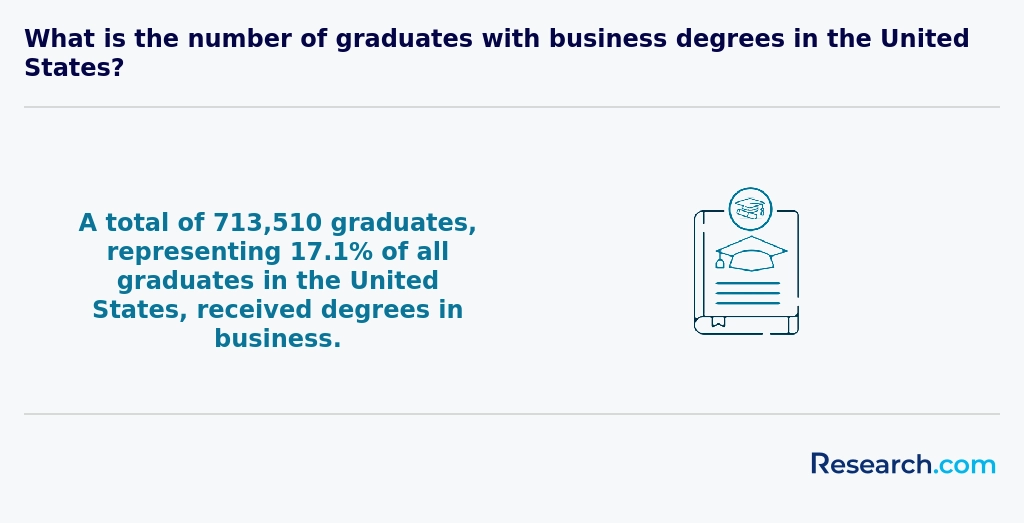
Graduates who pursue an online business degree in Minnesota often find diverse career paths reflecting the state's dynamic economy. Typical roles include financial analysts, marketing managers, and human resources specialists, frequently encountered by business students at major institutions like the University of Minnesota's Carlson School of Management. These roles demand a deep understanding of core principles such as accounting and organizational behavior, skills that online curricula emphasize. However, it's important to recognize that some students feel the need for more practical exposure alongside theory.
Opportunities in supply chain and project management also attract degree holders, especially given Minnesota's strong logistics sector centered around Minneapolis and St. Paul. Graduates from colleges such as Saint Mary's University of Minnesota report positively on how their programs align with these local industries, fostering optimism about entering the workforce. The growing interest in business degree job opportunities Minnesota is reshaping traditional careers as data analysis and IT management roles become increasingly relevant.
Some graduates express enthusiasm about entering finance roles in the Twin Cities, where banks offer competitive salaries over $75,000 annually. Still, others suggest supplementing studies with internships or networking to fully leverage these openings. For students seeking affordable options, exploring the Affordable Online Business Degree Programs Ranking in Nebraska can offer insight into costs comparable to many Minnesota programs, helping balance investment and career potential.
The job market for online business degree graduates in Minnesota remains promising, especially in the Minneapolis-St. Paul area, which hosts major corporations creating strong demand for skills in management, marketing, and finance. Graduates from well-known institutions like the University of Minnesota's Carlson School or Augsburg University often find themselves well-prepared for roles as financial analysts or management consultants. However, competition can be tight, so gaining practical experience through internships often makes a significant difference in securing desirable positions.
Many students appreciate that the Minnesota online business degree employment outlook reflects steady growth in professional business services, offering graduates a realistic chance to enter thriving sectors such as healthcare and technology. Some graduates balance studies with work and benefit from flexible tuition options, making their degree a valuable investment. For those considering ways to sharpen their skills quickly, exploring best 6 month online courses that pay well has also become a popular strategy for boosting immediate job opportunities for online business graduates in Minnesota.
2027 Most Affordable Online Master's in Business Degree Programs Ranking in Minnesota
Investing in your education is a significant decision that can shape your future, and the Research.com team understands the importance of making informed choices. To assist prospective students in Minnesota, we have meticulously crafted the "2027 Most Affordable Online Master's in Business Degree Programs Ranking in Minnesota." Our commitment to quality, credibility, and accuracy is reflected in the extensive research and analysis conducted to compile this ranking.
We utilized the following reputable data sources to ensure a comprehensive evaluation of business programs:
By exploring this ranking, readers will gain valuable insights into the most affordable online master's business degree programs in Minnesota, enabling them to make well-informed decisions about their educational investments. For more details on our methodology, please visit our Research.com methodology page.
# 1 position
Bethel University, Minnesota
Master of Business Administration



# 5 position
Walden University
Master of Business Administration

Frequently Asked Questions About business
Students pursuing online business degrees in Minnesota can maximize their learning by actively engaging with their courses and utilizing local resources. Minnesota hosts several top-ranked business schools offering flexible online programs, many accredited by the AACSB, ensuring quality education. Students are encouraged to join virtual networking events and connect with Minnesota-based business organizations such as the Minneapolis Regional Chamber.
Additionally, leveraging internships with Minnesota companies can provide practical experience. According to the Minnesota Department of Employment and Economic Development, sectors like finance and healthcare consistently drive state economic growth, offering diverse opportunities for business students.
Time management and setting structured study schedules remain essential for success in online learning environments.
The business field in Minnesota is evolving with emerging niches attracting online business degree students. Areas such as supply chain management and sustainable business practices have gained traction, reflecting regional industry needs and global trends. According to the Minnesota Department of Employment and Economic Development, jobs in supply chain logistics are forecasted to grow notably over the next decade. Additionally, data analytics and digital marketing are rising fields, driven by the state's expanding tech sector.
Healthcare management also stands out due to Minnesota's strong medical industry presence. These niches offer promising career paths for graduates seeking specialized skills aligned with local market trends.
After earning an online business degree in Minnesota, preparing for the job market involves strategic planning. Start by leveraging resources at your institution's career services, which often provide virtual job fairs, resume reviews, and interview coaching tailored to business graduates.
Networking is crucial; connect with Minnesota's strong business community through platforms like the Minneapolis Regional Chamber of Commerce or LinkedIn groups focused on local industries such as finance, healthcare, and manufacturing. According to the Minnesota Department of Employment and Economic Development, business and financial occupations are projected to grow by 6% from 2020 to 2030.
Additionally, gaining practical experience through internships or volunteer opportunities can enhance your resume. Continuing education, such as industry certifications in project management or data analytics, also increases employability in the competitive Minnesota job market.
Employers in Minnesota highly value business degree graduates who demonstrate strong analytical and problem-solving skills. According to the Minnesota Department of Employment and Economic Development, these skills are essential to navigate the state's diverse economy, which ranges from manufacturing to technology sectors.
Communication skills are also critical. Graduates must be able to convey ideas clearly in both written and oral forms, a demand consistently reported by regional employers.
Additionally, proficiency in data analysis and digital tools is increasingly important as businesses rely on technology-driven decision-making. Leadership and teamwork abilities remain top priorities, reflecting the collaborative nature of Minnesota's business environment.
Finding internships in Minnesota relevant to a business degree begins with leveraging local resources and networks. The state has a strong business community, including Fortune 500 companies like Target and Best Buy, which regularly offer internship opportunities. According to the Minnesota Department of Employment and Economic Development, sectors such as finance, health care, and retail provide numerous openings for business students.
Online degree students should utilize on-campus career services when available, as many schools partner with local businesses for internships. Additionally, websites like MinnesotaWorks.net list internship opportunities statewide.
Networking events and local chambers of commerce can also connect students with potential employers. Internships in Minnesota often range from summer to year-round positions, making early application essential.
Obtaining an online business degree in Minnesota can significantly enhance career mobility and advancement opportunities. The state's diverse economy, which includes strong sectors like healthcare, finance, and manufacturing, values candidates with formal business education. According to the Minnesota Department of Employment and Economic Development, professionals with business degrees generally see a 15% higher likelihood of promotion compared to those without such credentials.
Online programs offer flexibility, enabling working adults to upgrade skills without interrupting their careers. This is important in Minnesota, where continuous learning is critical due to evolving business technologies and practices. Additionally, employers increasingly recognize accredited online business degrees as equivalent to traditional degrees, making graduates competitive in the job market.
Business graduates in Minnesota benefit from networking opportunities with local companies, which can facilitate upward career movement. The state's commitment to workforce development also supports degree holders seeking leadership roles, reinforcing the value of an online business education for professional growth.
Studying for a business degree in Minnesota offers students a strong foundation for interdisciplinary roles. Minnesota's business programs emphasize integrating knowledge from fields such as finance, marketing, technology, and management. This comprehensive approach prepares graduates to adapt in varied professional environments where collaboration between departments is essential.
Many Minnesota universities incorporate real-world projects and case studies involving economic sectors like healthcare, agriculture, and manufacturing-key industries in the state. According to the Minnesota Department of Employment and Economic Development, the state's diverse economy demands versatile skill sets.
Online programs also encourage teamwork and communication skills through virtual collaboration tools, essential for interdisciplinary work in today's digital workplace.
Choosing between a thesis and a non-thesis business degree program in Minnesota depends on your career goals and learning preferences. Thesis programs emphasize research and critical thinking, ideal for students aiming at academic roles or doctoral studies. Non-thesis options focus more on practical skills through coursework and projects, suited for professionals targeting leadership or management positions.
Minnesota's business schools follow accreditation standards that support both paths, often aligning thesis tracks with deeper research engagement. The Bureau of Labor Statistics reports Minnesota's robust business sectors-like finance and healthcare-may value applied skills, influencing non-thesis popularity.
Consider your time commitment: thesis programs usually require more effort and extended timelines. Financial factors also matter, as non-thesis programs can be more affordable. Review specific Minnesota university offerings and consult academic advisors to match your priorities with program structure.
Students based in Minnesota seeking to study business abroad through online degree programs have several pathways to consider. Many Minnesota universities, like the University of Minnesota and Minnesota State system schools, maintain exchange partnerships with international institutions, allowing students to earn credits from global universities while enrolled locally.
Additionally, some accredited U.S. online business programs offer faculty-led study abroad opportunities, often focused on major global business hubs in Europe or Asia. These programs combine virtual coursework with short-term international residencies, enabling practical exposure.
Students should also explore global business specializations within their online degree to gain international insights without relocating. According to NAFSA data, about 24,000 Minnesota students participated in study abroad programs pre-pandemic, indicating demand and institutional support.
Part-time jobs in Minnesota that complement a business degree often involve roles in finance, marketing, and administration. Positions such as financial clerks, sales associates, or marketing assistants offer practical experience alongside online business studies. According to the Minnesota Department of Employment and Economic Development, the Twin Cities metro area has a growing demand for business-related roles.
Internships or assistant positions in local firms or nonprofit organizations also help students apply classroom knowledge to real-world situations. These roles improve skills in project management, communication, and data analysis, critical for business careers.
Additionally, Minnesota's thriving sectors like healthcare and retail often seek part-time business support staff, enabling students to gain multi-industry insights while studying. This provides a competitive edge post-graduation.
Online business students in Minnesota benefit from strong networking opportunities through various channels. Many universities offer virtual career fairs and alumni mentorship programs tailored to online learners. This helps students connect with professionals across the state's robust business sectors, including finance, healthcare, and manufacturing.
The Minnesota Chamber of Commerce and local industry groups often host webinars and online networking events accessible to remote students. According to the Minnesota Department of Employment and Economic Development, the state consistently ranks high in corporate headquarters, providing diverse prospects for business connections.
Additionally, platforms like LinkedIn are widely encouraged by educators to expand professional networks beyond the classroom. Students can join Minnesota-focused business groups to access job leads and collaborate with peers and industry leaders.
Alumni networks play a crucial role in supporting online business degree students in Minnesota by providing valuable connections. These networks give students access to professionals working in key Minnesota industries such as finance, healthcare, and retail. According to the Minnesota Department of Employment and Economic Development, the state is home to over 400 corporate headquarters, which creates abundant opportunities for networking and career advancement.
Through events, mentorship programs, and online platforms, alumni can share insights, job leads, and advice tailored to Minnesota's economic landscape. For online students, these networks help bridge geographic gaps, offering local and remote engagement options.
This support can increase graduates' chances of employment, as studies show alumni connections significantly improve job placement rates in business fields. In Minnesota, where the Twin Cities area hosts a vibrant business community, leveraging alumni networks is a strategic advantage for students navigating the job market.
Customizing an online business degree in Minnesota allows students to align their education with specific career goals. Many Minnesota institutions offer concentrations such as finance, marketing, or supply chain management within their online business programs. This flexibility helps students develop skills directly relevant to local industries, including healthcare, manufacturing, and technology, which collectively employ thousands across the state.
Students can choose electives and capstone projects tailored to regional business needs. For example, incorporating courses in regional economic development can be valuable. Additionally, Minnesota's universities often provide networking opportunities through virtual events and local business partnerships, enhancing career readiness.
According to the Minnesota Department of Employment and Economic Development, targeted skills in analytics and management steadily increase job prospects, underscoring the importance of program customization.
Online business students in Minnesota face several notable challenges. A key issue is maintaining motivation and time management while balancing studies with work or family responsibilities. Since online programs lack in-person interaction, students often report feelings of isolation, which can impact engagement and performance.
Another challenge involves accessing reliable resources and technology. Though Minnesota has strong internet infrastructure, rural students may still experience connectivity problems that hinder participation in live discussions or timely submission of assignments.
Additionally, students must navigate varying accreditation standards. Ensuring their chosen program aligns with Minnesota's licensing and employment requirements is critical for career advancement.
According to the Minnesota Private College Council, these obstacles are common but manageable with proper planning and institutional support.
An online business degree from Minnesota equips graduates with foundational skills to pursue widely recognized professional certifications. Common certifications include the Certified Business Manager (CBM), Project Management Professional (PMP), and the popular Certified Public Accountant (CPA) credential for those focusing on accounting. Minnesota's strong finance and healthcare sectors often emphasize certifications such as the Certified Management Accountant (CMA) and Certified Healthcare Business Consultant (CHBC).
Many Minnesota employers value credentials like the Six Sigma Green Belt for improving operational efficiency. Accredited institutions in the state often align coursework with certification exam requirements, aiding in preparation. According to the Minnesota Department of Employment and Economic Development, certified professionals can earn 10-20% higher salaries on average, highlighting the value of these qualifications.
To write a winning application for an online business program in Minnesota, start by clearly demonstrating your career goals and how the degree will support them. Admissions committees value applicants who connect their experiences to their educational objectives. Highlight any professional work in Minnesota's key industries, such as finance, healthcare, or manufacturing, to showcase relevant local knowledge.
Include strong letters of recommendation that emphasize your leadership and analytical skills. If the school requires standardized tests like the GMAT, aim for scores above the program's average to strengthen your candidacy. Minnesota State's Department of Employment and Economic Development reports steady growth in business sectors, so showing awareness of this trend adds a strategic edge.
Lastly, tailor your personal statement to the specific program, focusing on your motivation and the unique benefits the Minnesota online format offers for your lifestyle and professional advancement.
The global perspective on a business career increasingly highlights the importance of international experience and cross-cultural skills. Employers seek professionals who understand global markets and can navigate diverse business environments. In Minnesota, a state with growing export industries, this perspective is especially relevant. According to the Minnesota Department of Employment and Economic Development, businesses in the state engage with over 200 countries worldwide.
Online business degree programs in Minnesota often integrate global business topics, preparing students for careers that transcend borders. Knowledge of international trade policies, global supply chains, and foreign market trends provides a competitive edge. The U.S. Bureau of Labor Statistics projects steady growth in management and business careers, emphasizing the need for global awareness in future graduates.
Gaining practical experience while pursuing an online business degree in Minnesota is essential for career readiness. Many programs incorporate internships, allowing students to work with local companies in areas like finance, marketing, and management. According to the Minnesota Department of Employment and Economic Development, internships increase employment opportunities for graduates by more than 40%.
Additionally, online students can engage in virtual projects or case studies that simulate real business challenges. Some schools partner with Minnesota-based businesses, offering consulting projects to solve actual industry problems.
Networking through state business associations or alumni groups also connects students to mentorship and job opportunities.
Choosing the right concentration within an online business degree program in Minnesota involves aligning your career goals with the strengths of the local economy. Minnesota's largest industries include healthcare, manufacturing, and financial services, making concentrations like healthcare management, supply chain management, or finance valuable options. According to the Minnesota Department of Employment and Economic Development, these sectors show consistent growth, increasing job opportunities for graduates.
Assess your personal interests and strengths, research program curricula, and consider how each concentration matches regional demand. Look for programs that offer relevant internships or networking opportunities to connect with Minnesota employers, which can enhance your career prospects.
- 2027 Most Affordable Online Master's in Business Degree Programs Ranking in Wisconsin
- 2027 Most Affordable Online Master's in Business Degree Programs Ranking in Iowa
- 2027 Most Affordable Online Master's in Business Degree Programs Ranking in South Dakota
- 2027 Most Affordable Online Master's in Business Degree Programs Ranking in Nebraska
- 2027 Most Affordable Online Master's in Business Degree Programs Ranking in Missouri
- 2027 Most Affordable Online Master's in Business Degree Programs Ranking in Ohio
- 2027 Most Affordable Online Master's in Business Degree Programs Ranking in Colorado
- 2027 Most Affordable Online Master's in Business Degree Programs Ranking in Kentucky
- 2027 Most Affordable Online Master's in Business Degree Programs Ranking in Arkansas
- 2027 Most Affordable Online Master's in Business Degree Programs Ranking in Tennessee
See What Experts Have To Say About Studying Business
Read our interview with Business experts


David Souder
Business Expert
Senior Associate Dean for Faculty and Research
Michigan State University

David W. Stewart
Business Expert
Emeritus President's Professor of Marketing
Loyola Marymount University

- Online and Traditional Business Degrees Comparison | Free Essay Example https://studycorgi.com/online-and-traditional-business-degrees-comparison/
- 55 Trending Business Ideas for 2025 and Beyond https://www.uschamber.com/co/start/business-ideas/top-trending-business-ideas
- Bachelor of Business Administration Online Degree Completion Program https://mankato.mnsu.edu/academics/online-and-off-campus-programs/online-education/online-bachelors-completion-programs/bachelors-of-business-administration/
- Online Business Degree Programs | University of Phoenix https://www.phoenix.edu/online-business-degrees.html
- Business degree: What to study and how to find a job https://brive.com/blog/studies/business-degree-guide-to-study-and-find-a-job/
- Know more about thesis vs non- thesis: what is the difference? https://studyfans.com/en/blogs/816
- Global careers, real impact: building your career with an international business degree | University of East London https://www.uel.ac.uk/blog/global-careers-real-impact-building-your-career-international-business-degree
- How to Write the Perfect Cover Letter – EU Business School https://www.euruni.edu/blog/write-perfect-cover-letter/
- Business Study Abroad Programs | Go Overseas https://www.gooverseas.com/study-abroad/business
- Online Business Major https://www.hamline.edu/academics/online-bachelors-business-major