2027 Most Affordable Business Degree Programs Ranking in Missouri

Co-Founder and Chief Data Scientist
If you're considering pursuing a business degree in Missouri, making the right choice can feel overwhelming. This article introduces the 2027 Most Affordable Business Degree Programs Ranking in Missouri, created by the Research.com team of skilled data scientists. It's designed to guide you toward programs that offer real value without breaking the bank.
Exploring this ranking will help you find affordable options that align with your goals and budget. A business degree can open doors to exciting career opportunities, and we're here to support your journey with clear, trustworthy information.
Key benefits of getting business degree in Missouri
- Salary for business degree graduates: Graduates in Missouri with a business degree can expect rewarding salaries, such as a Business Development Executive earning around $83,190 annually and a Business Analyst about $112,950, reflecting strong income potential.
- Career paths: A business degree opens doors to diverse roles like business development, analysis, and management, as seen in graduates from the University of Missouri, who often enter dynamic industries with growth opportunities.
- Online degree benefits: Earning a business degree online from institutions like Missouri State University offers flexibility and convenience, allowing you to balance work and study while gaining valuable skills for today's competitive market.
- 2027 Most Affordable Business Degree Programs Ranking in Missouri
- What can I expect from business degree in Missouri?
- Where can I work with business degree in Missouri?
What can I expect from business degree in Missouri?
The average cost of pursuing a business degree in Missouri offers great value, especially for residents. Graduates from universities like the University of Missouri in Columbia enjoy an in-state cost ranging from about $9,000 to $11,000 per year, making quality education accessible without overwhelming debt. These affordable rates empower students to focus fully on their studies and career goals, rather than financial worries.
Many students appreciate how this investment opens doors to practical experiences such as internships and cooperative education offered by schools like UMKC. Experiencing real-world business challenges while still in school builds confidence and sharpens skills, which is priceless in starting a successful career.
Choosing a Missouri business program means joining a community of motivated peers and dedicated faculty who value not only academics but also leadership and communication. Graduates often reflect on how their education combined affordability with meaningful opportunities, fueling their enthusiasm and readiness to excel in thriving local industries.
Where can I work with business degree in Missouri?
Graduates with a business degree from institutions like the University of Missouri or Saint Louis University find exciting career opportunities in Missouri's thriving economy. Many step confidently into roles in finance and banking within vibrant cities such as St. Louis and Kansas City, joining well-known companies or regional banks where they apply skills in financial analysis, accounting, and management.
Others dive into the dynamic manufacturing sector, collaborating with industry leaders like Emerson Electric or Anheuser-Busch. These graduates often lead projects in supply chain logistics or operations management, turning classroom knowledge into real-world impact.
Healthcare administration is another path where business-savvy professionals help large hospital systems like Mercy Health excel through budgeting and strategic planning. Many alumni appreciate the chance to contribute to organizations that improve community well-being.
Entrepreneurial graduates harness Missouri's welcoming environment for startups, often supported by initiatives like the Missouri Small Business Development Center. They embrace the challenge of launching new ventures, inspired by the state's diverse economy and their own business training.
Graduates with a business degree from institutions like the University of Missouri or Missouri State University often find exciting opportunities to earn strong salaries right here in Missouri. For example, many business analysts, a role popular among recent graduates, earn an impressive average annual wage of $112,950, reflecting the value employers place on analytical and strategic skills.
Similarly, those who step into business development executive roles enjoy solid compensation, with mean annual wages around $83,190. These figures show the promising financial rewards that await proactive graduates ready to drive business growth and innovation across various industries.
Picture a graduate from a well-known Missouri business program landing a business analyst position in Kansas City, where the higher demand and vibrant economy boost salaries. Inspired by this success, they quickly advance, motivated by their growing impact and earnings.
This tangible progression fuels ambition and confidence, proving that Missouri's business degree pathways can lead to both personal fulfillment and financial stability in meaningful, high-paying careers.
- Tuition for a bachelor's business degree in Missouri ranges from $8,000 to $12,000 per year at public universities for in-state students, while private schools may charge over $25,000 annually.
- Many Missouri business schools have AACSB accreditation, a recognized standard for quality in business education.
- Starting salaries for business graduates in Missouri average around $50,000 per year, with potential to increase to $85,000 or more with experience.
- Missouri's diverse economy includes key industries such as manufacturing, healthcare, technology, finance, marketing, and supply chain management.
- Students can benefit from internship opportunities with local companies to gain practical experience and improve job prospects after graduation.
Completing a business degree in Missouri often takes about four years for full-time undergraduate students, a timeline embraced by graduates from respected institutions like the University of Missouri-Columbia and Missouri State University. Many students find this journey rewarding as they immerse themselves in dynamic coursework and build connections that fuel their future success.
Some driven students accelerate their path by enrolling in summer classes or taking heavier course loads, sometimes finishing in just three years. Others balance part-time study with work or family commitments, extending their experience to five years or more without sacrificing their goals. This flexibility embodies the supportive learning environment Missouri offers.
Graduate business degrees, such as MBAs at Missouri schools, typically take two years full time. Yet accelerated options and evening programs empower busy professionals to customize their pace, blending career growth and education seamlessly. Graduates often express pride in managing their programs alongside real-world responsibilities, reflecting the adaptable spirit Missouri business education fosters.
The Research.com 2024 ranking identifies the top five most affordable business degree programs in Missouri, evaluated on in-state tuition, program flexibility, and graduate outcomes:
- Missouri State University – In-state tuition: $8,282/year; offers hybrid online options and strong internship placement.
- University of Central Missouri – In-state tuition: $8,550/year; renowned for community partnerships and hands-on projects.
- Southeast Missouri State University – In-state tuition: $8,750/year; features a robust online platform with evening and weekend courses.
- Northwest Missouri State University – In-state tuition: $9,200/year; emphasizes experiential learning through consulting capstones.
- University of Missouri–St. Louis – In-state tuition: $10,100/year; provides diverse specializations and undergraduate research opportunities.
Choosing between online and on-campus business degrees in Missouri opens exciting possibilities tailored to your lifestyle. Imagine attending lively classes at the University of Missouri, engaging directly with professors, joining student business clubs, and building local networks that energize your career path. On-campus students share dynamic group projects and internships, creating lasting connections within Missouri's vibrant business community.
Alternatively, envision the freedom of an online program that fits seamlessly into your busy schedule, whether you're working or managing family commitments. Missouri's accredited online business degrees offer the same rigorous academic quality as traditional programs, empowering graduates to learn at their own pace from anywhere. Many alumni find pride in balancing their goals with personal responsibilities, gaining confidence and flexibility while advancing their careers.
In both paths-be it at Missouri State University or through online study-you join a thriving community of learners who value growth and opportunity. These degrees unlock doors with equal respect from employers throughout Missouri, letting you craft a future on your terms.
When selecting a business degree program in Missouri, several critical factors must be weighed to ensure a fruitful educational experience and career trajectory. One of the most important considerations is the cost of the program, as it can significantly impact a student's financial situation. To find affordable online business schools in Missouri, prospective students should research and compare the tuition fees and financial aid options offered by different institutions. Accreditation is another crucial factor, as it ensures that the program meets certain standards of quality and can provide students with a competitive edge in the job market. Graduates emphasize the importance of attending accredited programs, such as those recognized by AACSB or ACBSP, as they not only provide a solid foundation in business principles but also open doors to internships and job placements that non-accredited programs might not offer. By carefully evaluating these factors, prospective students can make informed decisions that align with their academic and career aspirations, ultimately leading to a successful and fulfilling career in business.
The average cost of earning a business degree in Missouri offers a promising opportunity for many students aiming to build a successful career. On average, the total cost for completing a degree in business hovers around $37,250. In-state students benefit greatly from reduced tuition rates, with typical total expenses closer to $17,754. This difference highlights the value of attending public universities in Missouri, which makes higher education more accessible and affordable without compromising quality.
Graduates from well-known business programs at Missouri colleges often share stories of balancing rigorous coursework with vibrant campus life, feeling proud of the investment they made in their futures. For those concerned about finances, exploring affordable business degree programs Missouri-wide can reveal options that fit different budgets and goals, especially when factoring in scholarship opportunities and university aid.
Private institutions tend to have higher tuition, yet many students find their investment worthwhile due to strong alumni networks and enhanced resources. Additional costs such as textbooks, housing, and materials are part of the journey, but they are manageable with proper planning and the wealth of financial assistance available.
For students ready to embark on this rewarding path, Missouri offers excellent options and valuable resources. Investigating the affordable online business schools in Missouri can be an inspiring first step toward turning educational dreams into reality.
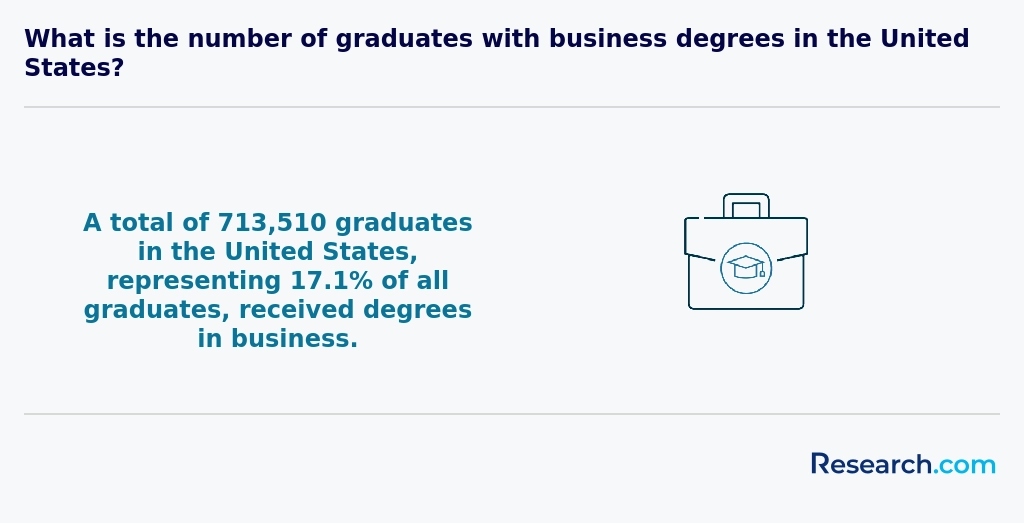
Investing in a Business degree not only opens doors to immediate career opportunities but also builds a strong foundation for long-term financial stability and professional growth. Prospective students who carefully weigh program costs against potential earnings can see how an affordable education in Missouri translates into a high return on investment over time. Many alumni report that the blend of rigorous academics and real-world projects helped them secure competitive roles, with some even transitioning into leadership positions within their industries. In today’s evolving market, skills like strategic analysis, financial management, and digital marketing remain in high demand, ensuring that graduates can ride out economic fluctuations with confidence. For example, graduates who have taken proactive steps-such as networking, internships, and continuous learning-have successfully leveraged their degrees to advance their careers. If you are exploring career opportunities and want to understand what are some jobs you can get with business degree, current trends suggest that positions in areas like consulting, finance, and technology management are emerging as top choices. This section underscores the importance of considering long-term career benefits and ROI alongside upfront tuition and associated costs, enabling students to make informed decisions that align with both their financial and professional ambitions.
Missouri business students have access to a wide range of financial aid that transforms the dream of earning a degree into an achievable reality. By submitting the FAFSA, students unlock federal aid like the Pell Grant, which can provide up to $7,395 annually, easing the burden of tuition costs at institutions such as the University of Missouri or Missouri State University.
State programs like the Bright Flight Scholarship reward top Missouri high school graduates with up to $3,000 a year, helping them confidently pursue their business ambitions close to home. Community college students benefit from the A+ Scholarship, which covers tuition at participating public colleges, offering a smart and affordable stepping stone toward four-year degrees.
Graduates often share how university-specific scholarships, ranging from $500 to several thousand dollars, lifted their financial worries, enabling focus on studies and career growth. On-campus work-study roles not only help cover expenses but also provide valuable real-world business experience, making every dollar earned deeply rewarding.
With these supportive resources, Missouri's business students step forward with hope and confidence toward their bright futures.
Investing in a business degree in Missouri delivers one of the most attractive returns on investment (ROI) when compared to regional and national averages. With an average in-state tuition of $11,260 per year for public institutions and a median starting salary of $55,000 for business graduates, students can expect to recoup tuition costs in approximately 4–5 years post-graduation. This calculation assumes a total program cost of $45,000 over four years and accounts for typical living expenses, fees, and modest inflation adjustments. A critical component of ROI analysis is the debt-to-income ratio. Missouri business alumni report an average student loan debt of $28,000, resulting in a debt-to-income ratio below 0.6-well under the 1.0 threshold that financial experts deem manageable. Graduates entering high-demand fields like financial management or management consulting often see accelerated payback, with senior roles pushing median salaries above $80,000 within ten years. Comparatively, the national average payback period for a bachelor’s degree in business is closer to 6–7 years, making Missouri a cost-effective choice. Prospective students may also benchmark Missouri programs against similarly affordable online options by exploring the Low Cost Online Business Degree Programs Ranking in St. Davids, PA. Such comparisons highlight Missouri’s competitive tuition, strong alumni networks, and robust career services that contribute to sustained earnings growth. To maximize ROI, students should pursue internships, leverage career centers for networking, and consider accelerated or dual-degree pathways that reduce time to degree completion. By strategically planning course loads and financing, Missouri business degree holders can position themselves for rapid salary growth and a healthy financial future.
Enrolling in a business degree program in Missouri is an exciting first step toward a rewarding career. Most students from institutions like the University of Missouri or Missouri State University share one common starting point: a high school diploma or equivalent, such as a GED. Graduates often recall how submitting official transcripts gave admissions a clear picture of their academic strengths, especially in math courses like algebra and statistics, which build crucial skills for business success.
Many find reassurance knowing that test scores like the SAT or ACT are becoming optional at several Missouri schools. This flexibility allows applicants to shine through other strengths, such as leadership or community involvement. For those pursuing an MBA, the requirement of a bachelor's degree with a solid GPA and relevant work experience reflects the program's professional depth, something alumni frequently appreciate when advancing their careers.
International students benefit from Missouri's supportive environment, where demonstrating English proficiency through exams like TOEFL or IELTS ensures confidence in classroom participation. The journey to a business degree here is both manageable and motivating, with clear prerequisites that guide each student toward success.

Students diving into business degrees in Missouri engage in a dynamic mix of courses designed to build confidence and skill for real-world success. At universities like the University of Missouri and Saint Louis University, graduates often reflect on how courses such as Principles of Financial Accounting gave them clarity on managing money and reading financial statements with ease-a crucial ability in any Missouri industry, from vibrant startups to established manufacturing firms.
Courses like Microeconomics and Macroeconomics open eyes to the larger economic forces shaping Kansas City's diverse markets, while Marketing Fundamentals spark creativity as students craft strategies that connect with real customers.
Many graduates treasure how classes in Organizational Behavior and Business Law and Ethics prepared them to navigate workplace challenges with integrity and leadership. Meanwhile, hands-on studies in Entrepreneurship empower future business owners to confidently launch new ventures in Missouri's thriving entrepreneurial scene.
By blending core business principles and practical applications, these courses transform ambition into action, inspiring students every step of the way.
Business degrees in Missouri offer exciting specializations designed to match a wide range of career paths and personal ambitions. Graduates from universities like the University of Missouri or Missouri State often share how focusing on Marketing transformed their ability to create impactful campaigns that resonate with local industries like healthcare and manufacturing. Finance students enjoy deep dives into investment strategies and risk management, positioning themselves for thriving careers in bustling financial hubs like St. Louis and Kansas City.
Those pursuing Accountancy find rewarding opportunities preparing for CPA certification, responding to strong statewide demand for skilled accountants. Students specializing in Management Information Systems (MIS) describe the thrill of combining business acumen with technology, preparing them to innovate in Missouri's growing tech sector. Additional specializations such as Human Resource Management and Entrepreneurship empower learners to excel in workforce planning or launch their own ventures with confidence.
This diverse array of business degree specializations in Missouri ensures each student can find their passion and pride in a career path that truly fits. If you're curious about what are some jobs you can get with business degree, Missouri's affordable business degree options make it a perfect place to start your journey.
Choosing the best business degree in Missouri means focusing on what truly matters to you. Graduates from the University of Missouri often share how the AACSB accreditation gave them confidence in their education's quality, while those from Missouri State University highlight the exciting range of specializations like data analytics and entrepreneurship that helped shape their career paths. If affordability is key, looking into the best affordable business degree programs Missouri offers, especially at public universities, can help you avoid heavy debt and graduate with peace of mind.
Imagine studying near vibrant business hubs like Kansas City or St. Louis, where networking and internships come naturally. Many students praise the flexibility of online and hybrid courses, making it easier to balance work and study. For those seeking to accelerate their degrees, Missouri's options also include 1 year mba programs online, perfect for staying competitive.
Focus on programs with strong career services and alumni support so you can step confidently into Missouri's thriving job market. This practical approach makes choosing a business degree Missouri wide an inspiring journey full of opportunity.
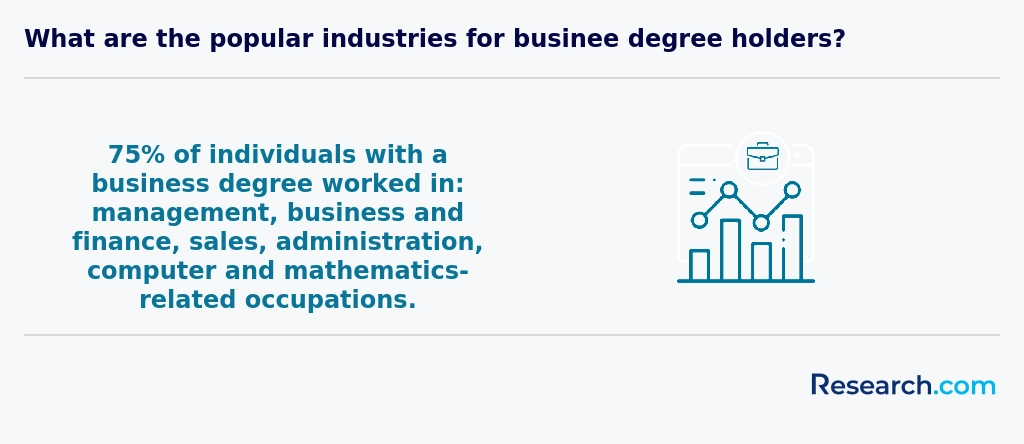
Graduates holding a business degree in Missouri find themselves stepping into diverse and rewarding career paths that truly reflect the state's vibrant economy. Many alumni from well-known Missouri universities have pursued roles as financial analysts, leveraging their education to evaluate investment opportunities and contribute to thriving financial sectors. Others become marketing managers, crafting innovative campaigns that energize competitive markets in cities like Kansas City and St. Louis.
Jobs for business graduates in Missouri extend beyond traditional roles, with human resources managers playing a crucial role in shaping company cultures across small and large businesses alike. Entrepreneurship is also flourishing, as many graduates use their business acumen to launch startups supported by Missouri's economic development programs. Success stories frequently highlight the rewarding challenges and growth found in supply chain management, given Missouri's key position as a transportation hub.
For those considering costs and options, exploring Low Cost Online Business Degree Programs Ranking in St. Davids, PA can reveal pathways to affordable education. Overall, the business degree career opportunities in Missouri are rich with potential, making it an exciting choice for ambitious future professionals eager to make an impact.
Missouri's business degree job opportunities in Missouri are thriving across diverse industries like finance, manufacturing, and healthcare. Graduates from renowned schools such as the University of Missouri and Saint Louis University often share stories of landing rewarding roles in bustling cities like Kansas City and St. Louis, where banks, healthcare providers, and manufacturers eagerly seek skilled professionals. This steady demand creates a motivating environment for students pursuing business careers.
Business graduates in Missouri experience firsthand the advantage of a stable job market, with roles ranging from supply chain analysts to healthcare administrators. Many find their education equips them with confidence and practical skills that employers value highly. These positive experiences reflect the Missouri business degree employment outlook, which is expected to grow about 7% over the next decade, offering exciting prospects for new graduates. Exploring affordable options, some students even consider a top associate's degree in 6 months to quickly enter this vibrant market.
2027 Most Affordable Business Degree Programs Ranking in Missouri
Investing in your education is a significant decision that can shape your future, and the Research.com team understands the importance of making informed choices. To assist prospective students in Missouri, we have meticulously crafted the "2027 Most Affordable Business Degree Programs Ranking in Missouri." Our commitment to quality, credibility, and accuracy is reflected in the extensive research and analysis conducted to compile this ranking.
We utilized the following reputable data sources to ensure a comprehensive evaluation of business degree programs:
By exploring this ranking, readers will gain valuable insights into the most affordable business degree options in Missouri, empowering them to make well-informed educational and financial decisions. For more details on how we created this ranking, please visit our Research.com methodology page.
# 1 position
City Vision University
Bachelor of Science in Business Administration

# 2 position
City Vision University
Master of Business Administration
# 3 position
Central Methodist University-College of Graduate and Extended Studies
Bachelor of Business Administration

# 4 position
Urshan University
Bachelor of Science in Business Administration



# 19 position
Drury University-College of Continuing Professional Studies
Bachelor of Science in Business Administration


Frequently Asked Questions About business
Business degree students in Missouri can maximize their learning experience by actively engaging in internships with local companies. Missouri hosts a diverse economy, including strong sectors like finance, agriculture, and manufacturing, offering numerous opportunities for real-world experience, according to the Missouri Department of Economic Development. Participating in student organizations such as the Missouri Business Association helps build leadership and networking skills.
Students should also utilize campus resources like career counseling and mentorship programs available at Missouri's public universities. Taking advantage of online courses and certifications in emerging business areas, such as data analytics and digital marketing, complements traditional education.
Emerging niches within the business field in Missouri reflect broader national trends toward specialization. Areas like data analytics, supply chain management, and sustainable business practices are gaining importance. For example, Missouri's manufacturing and logistics sectors have driven demand for experts in supply chain optimization and analytics, with the Missouri Economic Research and Information Center highlighting a 12% growth in related job postings over the past five years.
Additionally, green business and sustainability management are growing fields as Missouri companies increasingly focus on environmental impact. Digital marketing and e-commerce also remain strong niches due to the rise of online retail. These specializations can offer Missouri students targeted skills aligned with local economic needs.
Graduates with a business degree in Missouri can prepare for the job market by combining academic knowledge with practical experience. Internships are crucial; many Missouri universities and colleges maintain partnerships with local companies, especially in Kansas City and St. Louis, where business hubs thrive. According to the U.S. Bureau of Labor Statistics, Missouri's business and financial occupations are projected to grow by 5% from 2022 to 2032, signaling steady demand.
Networking is vital-joining organizations like the Missouri Chamber of Commerce can connect graduates with potential employers. Additionally, developing skills in data analysis, communication, and digital marketing increases employability in Missouri's competitive job market.
Employers in Missouri highly value business degree graduates who demonstrate strong analytical and communication skills. According to the Missouri Economic Research and Information Center, employers prioritize candidates proficient in data analysis, critical thinking, and problem-solving. These skills enable graduates to interpret market trends and make informed decisions.
Additionally, leadership and teamwork abilities are critical, as many Missouri businesses operate in collaborative environments. Familiarity with digital tools like Microsoft Excel and financial modeling software also boosts employability.
Understanding ethics and compliance is increasingly important due to Missouri's regulatory landscape. Overall, practical skills combined with adaptability remain key to success in Missouri's competitive business job market.
Finding internships in Missouri relevant to a business degree involves several strategic steps. Begin by leveraging university career centers, as many Missouri institutions maintain partnerships with local companies offering internships specifically for business students. Websites like Handshake and Missouri's Department of Economic Development provide updated listings of internships.
Networking is essential; attending local business events or joining groups such as the Missouri Chamber of Commerce connects students with professionals. According to the U.S. Bureau of Labor Statistics, Missouri's business sector employs over 1.2 million people, indicating diverse internship opportunities across finance, marketing, and management.
Lastly, applying early and tailoring resumes to Missouri employers can increase chances of securing internships.
In Missouri, earning a business degree significantly enhances career mobility and advancement opportunities. According to the U.S. Bureau of Labor Statistics, professionals with a bachelor's degree in business experience lower unemployment rates and higher median wages compared to those with only a high school diploma. Missouri's economy, with strong sectors in finance, healthcare, and manufacturing, values business graduates for their analytical and leadership skills.
Business degree holders in Missouri often qualify for managerial roles faster, with salary increases averaging 20% above non-degree holders in similar positions, based on recent state labor market reports. Furthermore, networking opportunities through Missouri's universities frequently lead to internships and job placements within prominent companies such as Express Scripts and Cerner.
Studying for a business degree in Missouri equips students with skills applicable across multiple fields. Missouri's universities emphasize a broad curriculum that integrates finance, marketing, management, economics, and communication, fostering an understanding of how business interacts with technology, healthcare, and public sectors. This interdisciplinary approach mirrors Missouri's diverse economy, where industries like manufacturing, agriculture, and services overlap.
Students gain practical experience through internships and projects collaborating with local companies, such as those in St. Louis and Kansas City, which rank among the nation's strongest metropolitan economies. According to the Missouri Department of Higher Education, about 75% of business graduates find roles requiring cross-functional expertise within the first year.
This prepares graduates to navigate complex workplace environments where leadership and analytical thinking span beyond traditional business boundaries.
Choosing between a thesis and a non-thesis business degree program in Missouri depends on your career goals and learning preferences. A thesis program emphasizes research, requiring students to complete an original study, which can prepare you for doctoral programs or research-focused roles. Missouri's universities often offer thesis options for MBA or master's students interested in deep academic inquiry.
Non-thesis programs typically focus on coursework and practical skills, suitable for those aiming to enter the workforce immediately or seeking managerial positions. According to the Missouri Department of Higher Education & Workforce Development, nearly 60% of business graduates in Missouri pursue professional roles where applied knowledge is prioritized over research.
Consider your personal interest in research, time commitment, and whether your targeted employers value a thesis. Universities like the University of Missouri and Missouri State University provide clear distinctions between these tracks, allowing students to choose based on their intended career pathways.
Students pursuing business degrees in Missouri have several opportunities to study abroad through university partnerships and exchange programs. Many Missouri universities, such as the University of Missouri and Missouri State University, offer business students chances to spend a semester or year at international partner institutions in Europe, Asia, and Latin America.
These programs often integrate coursework with real-world experiences, helping students develop global business perspectives. Additionally, Missouri colleges emphasize affordability, with financial aid and scholarships frequently available for study abroad participants. According to the Institute of International Education, approximately 15% of Missouri business students engage in overseas study, reflecting growing interest in global commerce education.
Part-time job opportunities in Missouri that complement business degree education often focus on roles offering practical experience in finance, marketing, and management. Positions such as administrative assistants, sales associates, or bookkeeping clerks allow students to apply classroom concepts in real-world settings. For example, Missouri's growing small business sector provides abundant entry-level roles that develop customer service and organizational skills.
Internships with local companies, banks, or non-profits also offer valuable exposure to business operations and networking. According to the Missouri Department of Economic Development, jobs in finance and insurance grew by 3.5% in recent years, highlighting increased opportunities for business students in part-time roles.
Additionally, digital marketing internships and roles in e-commerce are expanding due to Missouri's investment in tech industries, enabling students to build skills in data analysis and online business strategies.
Business students in Missouri have access to numerous networking opportunities throughout their studies. Universities often host career fairs, connecting students directly with local companies and multinational corporations based in cities like St. Louis and Kansas City. According to the Missouri Department of Economic Development, over 40,000 businesses operate statewide, providing a fertile environment for internships and mentorships.
Professional organizations such as the Missouri Chamber of Commerce and industry-specific groups also offer events and workshops tailored to business students. Additionally, many Missouri business schools have alumni networks that facilitate job placements and professional growth, creating valuable links between education and the local economy.
Alumni networks play a vital role for business degree students in Missouri by providing valuable connections and career opportunities. Many Missouri universities, such as the University of Missouri and Missouri State University, have extensive alumni groups that actively support recent graduates. These networks offer mentorship, internships, and job leads in the state's growing business sectors.
According to Missouri Economic Research and Information Center, the state's business industries employ over 1.5 million people, making networking essential for entering competitive fields. Alumni events and online platforms help students build relationships with experienced professionals. This access often leads to higher employment rates and salary potential after graduation.
Students pursuing a business degree in Missouri can tailor their programs by choosing from various specializations such as marketing, finance, management, or supply chain. Many Missouri colleges offer elective courses and certificates that align with current state economic sectors, like agriculture and manufacturing, to better prepare graduates for local job markets.
Internships and cooperative education options are widely available through partnerships with Missouri businesses, providing practical experience and networking opportunities. According to the Missouri Department of Higher Education & Workforce Development, incorporating hands-on learning directly improves job placement rates after graduation.
Additionally, students can benefit from flexible scheduling with online and evening classes offered by public universities. This flexibility supports working professionals updating skills while maintaining employment. By strategically selecting coursework and experiential learning, Missouri students can effectively align their business degrees with their unique career objectives.
Business students in Missouri face several typical challenges during their academic journey. One major issue is balancing coursework with part-time employment, as many students work to cover tuition and living expenses. According to the Missouri Department of Higher Education, nearly 60% of college students hold jobs while studying, which affects their time management and academic performance.
Additionally, some students encounter difficulty accessing up-to-date resources and technology due to budget constraints at smaller institutions. Missouri's evolving economy also creates pressure to acquire skills relevant to growing sectors like healthcare and manufacturing, requiring students to adapt quickly.
Lastly, navigating networking opportunities can be challenging, especially for those attending institutions with limited connections to local businesses and industry leaders.
With a business degree in Missouri, you can pursue several respected professional certifications that enhance your career prospects. Popular options include the Certified Public Accountant (CPA) for those interested in accounting, widely recognized across Missouri's corporate and public sectors. The Project Management Professional (PMP) certification is valuable for managing complex projects in industries like manufacturing and healthcare, big in the Missouri economy.
Certifications such as the Certified Financial Planner (CFP) and Chartered Financial Analyst (CFA) are ideal for careers in finance and investment, fields growing steadily in cities like St. Louis and Kansas City, according to the Missouri Economic Research and Information Center. Additionally, Certified Management Accountant (CMA) offers a focus on financial management and strategy that complements a business degree well.
Writing a winning application for a business program in Missouri requires clear presentation of your academic achievements and professional goals. Missouri hosts over 70 colleges offering business degrees, including well-recognized schools like the University of Missouri and Missouri State University. Admissions committees often look for strong GPA scores, typically above 3.0 for competitive programs.
Applicants should highlight relevant work experience or internships, especially those connected to Missouri's key industries such as agribusiness and finance. Including measurable accomplishments can strengthen your profile. Missouri Department of Higher Education data shows that applicants with practical business experience have a higher chance of acceptance.
Personal statements must be focused, demonstrating knowledge of the program and how it fits your career aspirations. Letters of recommendation from academic or business professionals in Missouri are highly valued. Lastly, meet all deadlines and submit required test scores like the GMAT or GRE if requested by the school.
A business career in Missouri offers connections to a global economy increasingly focused on international markets and multicultural teamwork. According to the Missouri Economic Research and Information Center, Missouri's diverse industries-from manufacturing to finance-depend on global trade relationships, creating demand for business professionals with worldwide awareness.
Nationally, organizations like the U.S. Bureau of Labor Statistics highlight that employers seek graduates skilled in global finance, supply chain management, and cross-cultural communication. Many Missouri universities integrate these skills into their business curricula, preparing students to operate in international environments.
Understanding global perspectives enables graduates to navigate complex markets and foster sustainable business growth. This global outlook aligns with trends emphasizing innovation and adaptability in the evolving business landscape.
Gaining practical experience while studying for a business degree in Missouri is essential for career readiness. Many Missouri universities offer internships through partnerships with local companies in sectors like finance, manufacturing, and healthcare, which are prominent in the state economy. For example, the Missouri Department of Economic Development highlights internships as a key way to build skills and professional networks.
Students can also participate in cooperative education programs, combining classroom learning with paid work experience. Additionally, business students often engage in consulting projects, case competitions, and campus organizations such as the Students in Free Enterprise (SIFE) club. These opportunities help develop critical real-world skills.
According to the National Association of Colleges and Employers, 60% of Missouri business students complete at least one internship before graduating, improving employability significantly.
Choosing the right concentration within a business degree program in Missouri requires understanding both your interests and the state's economic landscape. Popular concentrations include finance, marketing, management, and entrepreneurship. Missouri's diverse economy-with strong sectors in manufacturing, agriculture, and healthcare-offers unique opportunities for specialized study.
Consider job market trends; for example, the Missouri Economic Research and Information Center reports growth in financial services and professional business sectors. Research programs that provide internships or partnerships with local businesses, improving practical experience and job prospects.
Lastly, assess your long-term career goals and seek concentrations that align with in-demand skills in Missouri's business community.
- 2027 Most Affordable Online Business Degree Programs Ranking in Kansas
- 2027 Most Affordable Online Business Degree Programs Ranking in Nebraska
- 2027 Most Affordable Online Business Degree Programs Ranking in Oklahoma
- 2027 Most Affordable Online Business Degree Programs Ranking in Kentucky
- 2027 Most Affordable Online Business Degree Programs Ranking in Tennessee
- 2027 Most Affordable Online Business Degree Programs Ranking in Indiana
- 2027 Most Affordable Online Business Degree Programs Ranking in South Dakota
- 2027 Most Affordable Online Business Degree Programs Ranking in Minnesota
- 2027 Most Affordable Online Business Degree Programs Ranking in Wisconsin
- 2027 Most Affordable Online Business Degree Programs Ranking in Mississippi
See What Experts Have To Say About Studying Business
Read our interview with Business experts

David W. Stewart
Business Expert
Emeritus President's Professor of Marketing
Loyola Marymount University


Ingrid S. Greene
Business Expert
Clinical Assistant Professor of Management
Loyola Marymount University

- Business Administration Degree Salary | UE Amsterdam https://www.ue-amsterdam.com/blog/business-administration-degree-salary-how-much-can-you-earn
- Global careers, real impact: building your career with an international business degree | University of East London https://www.uel.ac.uk/blog/global-careers-real-impact-building-your-career-international-business-degree
- Tuition & Costs https://www.ucmo.edu/future-students/tuition-and-costs/
- business degree - Tłumaczenie na polski – słownik Linguee https://www.linguee.pl/angielski-polski/t%C5%82umaczenie/business+degree.html
- Is a thesis always mandatory in a master's degree program? - EFMU: The Euler-Franeker Memorial University and Institute https://euler.euclid.int/is-a-thesis-always-mandatory-in-masters-degree-program/
- The Seven Biggest Challenges Faced by Student Entrepreneurs https://venturewell.org/blog/five-biggest-challenges/
- 55 Trending Business Ideas for 2025 and Beyond https://www.uschamber.com/co/start/business-ideas/top-trending-business-ideas
- The Biggest Challenges for Business School Students | EU Business School https://www.euruni.edu/blog/the-biggest-challenges-for-business-school-students/
- Career Path: Business and Office Administration - Love Columbia https://lovecolumbia.org/career-path-business-and-office-administration
- Career Goals: 17 Inspirational Examples for you in 2026 https://www.imd.org/blog/learning-and-development/career-goals/