
2027 Most Popular Business Degree Programs Ranking in Cincinnati

Co-Founder and Chief Data Scientist
Choosing the right business degree program can shape your future and open doors to exciting career opportunities. This article features the 2027 Most Popular Business Degree Programs Ranking in Cincinnati, created by the Research.com team of data scientists.
It's designed to help you make an informed choice about which programs stand out locally. Whether you're starting your college journey or considering a change, this ranking highlights options worth exploring.
A business degree offers valuable skills that connect you to success and growth in a competitive marketplace.
Key benefits of getting business degree in Cincinnati
- Business degree graduates in Cincinnati can earn competitive salaries such as $83,190 annually for Business Development Executives and up to $112,950 for Business Analysts, reflecting strong financial rewards for your investment in education.
- Graduates from popular Cincinnati schools often explore diverse career paths including marketing, finance, and consulting, offering exciting opportunities to grow and find a fulfilling role that matches personal interests.
- Online business degrees from respected Cincinnati universities provide flexible learning schedules, allowing busy students to advance their careers without sacrificing work or family time while gaining valuable skills quickly.
- 2027 Most Popular Business Degree Programs Ranking in Cincinnati
- What can I expect from business degree in Cincinnati?
- Where can I work with business degree in Cincinnati?
What can I expect from business degree in Cincinnati?
The average cost of earning a business degree in Cincinnati depends largely on the institution and whether you qualify as an in-state student. For example, graduates from the University of Cincinnati, a popular choice for business studies, typically experience lower tuition costs if they reside in Ohio. Many alumni appreciate how this affordability made pursuing a business degree more accessible without sacrificing quality.
Private institutions like Xavier University usually charge higher tuition, but students often find that scholarships and financial aid significantly ease this burden. Graduates frequently share that applying early for grants or work-study programs was key to managing expenses effectively.
Understanding your financial options before enrolling can turn a daunting cost into a manageable investment. Take advantage of Cincinnati's local resources-such as university financial aid offices-to explore tailored aid packages and internship opportunities, which not only enhance your practical skills but also offset costs while you study.
Where can I work with business degree in Cincinnati?
Business graduates in Cincinnati find a wide range of career paths across key industries like finance, healthcare, manufacturing, retail, and logistics. Many graduates from the University of Cincinnati's Carl H. Lindner College of Business, for example, land roles in major local firms such as Fifth Third Bank or Western & Southern Financial Group, working in financial analysis or corporate banking. This hands-on experience builds confidence and practical skills for navigating the finance sector.
Others pursuing business degrees at Xavier University have successfully entered healthcare administration with organizations like Cincinnati Children's Hospital or TriHealth. These jobs tap into skills in strategic planning and revenue cycle management, areas where business graduates can make immediate impacts.
Manufacturing companies such as Procter & Gamble offer pathways in supply chain and business development, ideal for graduates who enjoy problem-solving and operations. Retail giants Macy's and Kroger hire business grads for merchandising and marketing analytics, perfect for those drawn to consumer trends.
Graduates appreciate how Cincinnati's role as a logistics hub opens opportunities in transportation planning and supply chain coordination, leveraging strong analytical and operational abilities developed during their studies.
Graduates with a business degree in Cincinnati can expect competitive earnings that align with their skills and local market demands. For example, business analysts in the area earn a mean annual wage of about $112,950, reflecting strong demand in roles involving critical analysis and strategy. At popular institutions like the University of Cincinnati, recent graduates report stepping confidently into these roles with starting salaries often exceeding local averages.
For those pursuing careers as business development executives, the mean annual wage is around $83,190. This figure highlights the opportunity to grow through networking and strategic sales skills in Cincinnati's expanding corporate and startup sectors.
Many Cincinnati business grads find that focusing on roles with measurable impact-such as analyzing data or managing growth initiatives-boosts their value. Alumni from local colleges often share how internships and connections made through university programs helped them to quickly secure lucrative positions.
Overall, Cincinnati's moderate cost of living combined with these salary levels means graduates can enjoy a comfortable lifestyle while building prosperous careers.
- Annual tuition for business degrees in Cincinnati ranges from $10,000 to $15,000 at public schools and $25,000 to $40,000 at private institutions.
- Starting salaries for business graduates in Cincinnati average between $50,000 and $55,000 per year.
- Experienced business professionals can earn salaries of $90,000 or more, especially in management, finance, or marketing.
- Major employers like Procter & Gamble, Kroger, and Fifth Third Bank offer job opportunities in supply chain, finance, marketing, and HR.
- Cincinnati schools provide internships and partnerships with local businesses to help improve student employability.
- The city's low cost of living makes business graduate salaries more attractive compared to other major metropolitan areas.
Completing a business degree in Cincinnati usually takes about four years for full-time undergraduates, such as those pursuing a Bachelor of Business Administration at the University of Cincinnati or Xavier University. Graduates often share that balancing general education and core business courses within this timeframe builds a solid foundation efficiently.
For students needing more flexibility, part-time options extend the duration to five or six years, accommodating those working or managing other commitments. Graduates appreciate how these programs allow steady progress without overwhelming schedules. On the other hand, accelerated degrees-with summer classes or compressed terms-can reduce completion to around three years, which energizes students eager to start their careers sooner.
Graduate degrees like the MBA offer similar flexibility, typically requiring one to two years full-time or up to three years part-time. Cincinnati's colleges provide evening and online classes, ideal for professionals juggling work and study. These adaptable formats help many feel confident about achieving their goals on their own terms, making business education in Cincinnati a practical and rewarding journey.
Online business degrees in Cincinnati offer flexibility that many students appreciate, especially those balancing work or family. Graduates from programs at institutions like the University of Cincinnati often praise the ability to complete coursework on their own schedule, making it easier to stay motivated despite busy lives. This asynchronous format lets you avoid commuting and campus fees, cutting down overall costs.
Conversely, students enrolled in on-campus programs at schools such as Xavier University highlight the value of face-to-face interaction. They benefit from immediate networking opportunities, engaging professors, and internships with local companies like Procter & Gamble. This immersive experience frequently leads to strong relationships that help jumpstart careers.
Hybrid programs also exist, blending online convenience with occasional on-site classes, offering a balanced alternative. Consider your learning style and daily commitments: if hands-on interaction energizes you, on-campus might be best; if flexibility drives you, online programs in Cincinnati can deliver both quality and convenience.
Navigating the application process for business degree programs in Cincinnati, OH, requires careful planning and attention to deadlines to ensure a smooth admission experience. Below is a recommended timeline and set of actionable tips to help you submit a competitive application: 1. Twelve Months Before Enrollment - Research Programs: Identify schools like the University of Cincinnati and Xavier University, noting application deadlines (often December–February for fall intake). - Prepare for Standardized Tests: Register early for the SAT, ACT, or GMAT if required. Aim to complete testing by September to allow time for retakes. - Begin Gathering Materials: Request transcripts and draft your personal statement, highlighting your career goals and relevant experiences. 2. Eight to Ten Months Before Enrollment - Secure Letters of Recommendation: Ask professors, employers, or mentors who know your academic and leadership abilities at least 8–10 weeks before the submission date. - Polish Your Resume: Emphasize internships, volunteer roles, and extracurricular activities that demonstrate business acumen and teamwork. - Explore Accelerated Options: Business professionals seeking a faster path may consider the best 1 year online mba degree programs to elevate their credentials within a concise timeframe. 3. Six Months Before Enrollment - Complete the FAFSA: Submit your FAFSA early (October 1st in Ohio) to maximize eligibility for federal grants and loans. - Finalize Essays and Statements: Revise for clarity and impact, ensuring they align with each institution’s mission and values. 4. Two Months Before Enrollment - Submit Applications: Verify all materials-transcripts, test scores, essays, recommendations-are received by each deadline. - Schedule Interviews (if applicable): Prepare by researching common questions and practicing concise, enthusiastic responses. 5. After Submission - Monitor Application Portals: Check for status updates and promptly address any requests for additional information. - Plan Campus Visits or Virtual Tours: Engage with faculty and current students to assess program fit and facilities. By adhering to this timeline and tailoring your materials to highlight both academic achievements and practical experiences, you can strengthen your candidacy for Cincinnati’s top business degree programs.
The average cost of a business degree in Cincinnati varies depending on residency and institution type, but current data shows the median total tuition and fees around $54,650 for most students, with in-state students typically paying closer to $38,150. Graduates of local universities often reflect on how these figures align well with their experiences, balancing quality education and affordability. For example, students at the University of Cincinnati find the in-state tuition manageable compared to private schools, where costs can be significantly higher.
Many business students appreciate that Cincinnati's tuition prices consider financial aid, scholarships, and flexible program options, such as part-time or online formats. These opportunities can reduce the effective spending, allowing students to pursue degrees without overwhelming debt. Consider a working professional enrolled in a part-time business degree who benefits from lower semester fees and flexible scheduling, making the investment more accessible.
To craft an effective budget, it is crucial to factor in additional yearly expenses for books and supplies, usually estimated between $2,000 and $3,000. Exploring merit-based scholarships and grants available at Cincinnati institutions can further ease the financial burden. Prospective students researching the in demand business programs available can find options that fit their financial goals while securing a reputable education.
Cincinnati offers more than just academic excellence; it provides a vibrant campus environment that enriches your overall educational journey. Beyond rigorous coursework, institutions like the University of Cincinnati and Xavier University host dynamic student organizations, leadership programs, and networking events that foster personal growth and professional development. Campus life here emphasizes interactive learning through extracurricular activities-ranging from business clubs and case competitions to mentorship and internship fairs-which help bridge the gap between academic theory and real-world applications. Engaging actively in these experiences not only sharpens your soft skills but also broadens your professional network, giving you a head start in exploring career options with business degree upon graduation. This supportive community and wealth of opportunities create an ideal setting for students to thrive both academically and personally, laying a robust foundation for a successful career in the competitive business landscape.
Business students in Cincinnati frequently access federal financial aid by completing the FAFSA, unlocking options like Pell Grants which can cover up to $7,395 annually, easing tuition burdens significantly. For example, graduates from the University of Cincinnati recall how Pell Grants combined with federal loans made their education affordable without overwhelming debt.
The Ohio College Opportunity Grant (OCOG) further supports those attending Cincinnati institutions by providing between $1,200 and $2,400 yearly for eligible students, particularly benefiting those from low- to moderate-income families. Many students at local colleges have shared how this grant bridged the gap between federal aid and actual costs.
Merit-based scholarships at schools like the Lindner College of Business at the University of Cincinnati reward academic excellence or work experience, sometimes covering up to full tuition, which many graduates say boosted their confidence and reduced financial stress.
Employer tuition reimbursement programs and scholarships from community organizations such as the Greater Cincinnati Foundation also serve as crucial resources, enabling students working while studying to manage costs effectively.
While private loans are available, Cincinnati students are advised to use them cautiously due to higher interest rates, relying primarily on combined federal, state, and university aid for a balanced financial plan.
For Cincinnati graduates aiming to deepen their expertise and accelerate career growth, pursuing a graduate business degree can be a strategic next step. Whether you’re interested in advanced leadership roles, specialized analytical positions, or entrepreneurial ventures, a master’s program offers rigorous coursework, networking opportunities, and industry-recognized credentials. Common pathways include the MBA, Master of Science in Finance, and specialized master’s in marketing or supply chain management. Many local institutions, such as the University of Cincinnati’s Carl H. Lindner College of Business, provide on-campus and hybrid formats that blend practical projects with academic theory, ensuring you develop both strategic insights and hands-on skills. If flexibility is a priority, accredited online programs allow you to balance work, family, and study without relocating. These formats often feature asynchronous lectures, live virtual discussions, and capstone projects in partnership with real companies. Before applying, consider program accreditation (e.g., AACSB), average cohort size, faculty expertise, and alumni placement rates. Additionally, evaluate scholarship opportunities and employer tuition reimbursement plans, which can significantly lower out-of-pocket expenses. To explore affordable, high-quality online master’s options beyond Cincinnati, check out our Low Cost Online Master's in Business Degree Programs Ranking in the South, which highlights programs combining value, flexibility, and industry relevance. Aligning your graduate education with your career goals will boost your competitive edge and position you for leadership in today’s dynamic business landscape.
To enroll in a business degree program in Cincinnati, you typically need a high school diploma or equivalent like a GED. Graduates from local universities often recall how completing core subjects like math and English helped them confidently tackle college-level business courses, which demand strong communication and analytical skills.
Many Cincinnati schools have adopted test-optional policies, so submitting SAT or ACT scores isn't always mandatory-but checking each school's requirements ensures you're prepared. For those pursuing an MBA at popular institutions here, having a bachelor's degree and several years of relevant work experience plays a crucial role, as it enriches class discussions and practical projects.
Applicants should also prepare for submitting letters of recommendation and personal statements, as these highlight motivation and fit for the program. Financial planning is key too; public colleges in the area average around $11,000 yearly for in-state tuition, while private options may be higher. Early financial proof or scholarship applications can smooth your path into a Cincinnati business school.

When considering a business degree in Cincinnati, OH, it's essential to explore the various in-demand business programs available. By understanding the current market trends and the skills required by the industry, prospective students can make informed decisions about their educational paths. For instance, those interested in in demand business programs can find a range of options in Cincinnati, from accounting and finance to marketing and human resources. Each of these specializations offers unique insights and skills that align with various industry demands, making the education not just a degree, but a strategic investment in the future. By choosing a specialization that resonates with their interests and career goals, students can position themselves for a fulfilling and successful future in the dynamic business landscape of Cincinnati and beyond.
Business degree programs in Cincinnati, such as those at the University of Cincinnati or Xavier University, offer courses designed to build practical skills for today's market. Graduates often recall how foundational classes like Principles of Management taught them to lead teams and make strategic decisions under pressure, skills they applied during internships with local companies.
Core coursework includes Financial and Managerial Accounting, crucial for understanding budgets and internal reporting, which many students found directly applicable when working on campus business projects. Marketing Fundamentals offers hands-on learning about consumer behavior and crafting promotion strategies, perfect for students eager to brainstorm real campaigns for Cincinnati startups.
Cincinnati's economy influences course options, with electives like supply chain management helping students grasp local manufacturing challenges, while healthcare administration classes reflect the region's strong medical sector. Graduates often highlight how Business Communication classes boosted their confidence presenting to diverse audiences, a vital skill in Cincinnati's collaborative business scene.
Business degree specializations in Cincinnati cover practical areas tailored to local industry needs. Students at the University of Cincinnati or Xavier University often choose popular Cincinnati business majors like finance, marketing, management, accounting, and entrepreneurship. Finance specializations offer hands-on experience linked to Cincinnati's financial sector, while marketing majors benefit from proximity to giants like Procter & Gamble. Graduates frequently share how management courses prepare them for leadership roles, emphasizing skills directly applicable in thriving local companies.
Supply chain management and business analytics have become increasingly attractive due to Cincinnati's role as a logistics hub. Business students pursuing these tracks find abundant opportunities for internships that apply classroom theory to real-world supply chain challenges. For those exploring emerging trends, sustainability management and human resource analytics programs reflect the growing corporate focus on responsibility and data-driven decisions.
To explore a broader range of career outcomes, consider checking out career options with business degree, which helps align your specialization choice with Cincinnati's dynamic job market.
To choose the best business degree in Cincinnati, start by checking if the program has strong accreditation, such as AACSB. Graduates from popular Cincinnati colleges often share how this helped them access quality education and valuable industry connections. Next, consider affordability-public institutions here offer more affordable business degrees Cincinnati students appreciate, with costs much lower than private schools. Look for specializations matching Cincinnati's key industries, like supply chain management or finance, which former students say gave them a competitive edge in the local job market. Schools linked to companies like Procter & Gamble provide internships that some graduates found instrumental for real-world experience. Flexibility is also crucial; many learners balance work and study by choosing programs offering online courses or hybrid formats. For those seeking fast advancement, exploring best 1 year online mba degree programs can be a great approach to accelerating career growth in Cincinnati's dynamic business landscape.

Graduates with a business degree in Cincinnati can pursue a variety of rewarding career paths aligned with the city's diverse economic sectors. For example, many find opportunities in financial services by joining prominent institutions like Fifth Third Bank, where roles in financial analysis and investment advising are common. Business graduates from the University of Cincinnati often share how the city's robust financial industry supports their professional growth, reflecting strong job prospects for business graduates Cincinnati.
Healthcare administration is another booming area, with employers such as Cincinnati Children's Hospital Medical Center offering positions that combine operational management and strategic planning. Graduates report feeling motivated by the tangible impact they can make in improving local healthcare systems through these roles.
Manufacturing companies like Procter & Gamble provide pathways in supply chain and project management, enabling graduates to apply analytical and leadership skills. Similarly, Cincinnati's retail and logistics sectors offer roles in marketing, sales management, and transportation coordination, ideal for graduates looking to work in dynamic environments.
For those weighing the cost of education against these opportunities, consider exploring options listed in the Low Cost Online Master's in Business Degree Programs Ranking in the South to continue advancing your career without excessive financial burden.
The business degree job opportunities in Cincinnati remain strong due to the city's diverse economy and presence of major corporations like Procter & Gamble and Kroger. Graduates from local universities often find roles in management, finance, marketing, and sales, where median wages can reach around $120,000 annually in metropolitan areas. This stability encourages students to focus on gaining versatile skills, as many small and medium enterprises in Cincinnati seek professionals capable of handling multiple responsibilities.
Business students who leveraged internships with financial services or logistics companies in Cincinnati report feeling confident entering the job market, with many securing positions as financial analysts or marketing coordinators. Project-based experiences at universities help them develop expertise highly valued by these employers. This positive outlook aligns well with the Cincinnati business degree employment outlook, which projects a steady growth in demand across several sectors.
When considering the cost and return on investment, students attending public universities in Ohio benefit from affordable tuition rates, with private college graduates also recognizing the city's competitive salaries. For those researching pathways, exploring college majors and careers can enhance decision-making and align studies with Cincinnati's flourishing job market.
2027 Most Popular Business Degree Programs Ranking in Cincinnati
Investing in your education is a significant decision that can shape your future, and the Research.com team understands the importance of making informed choices. To assist prospective students in Cincinnati, we have meticulously created the "2027 Most Popular Business Degree Programs Ranking in Cincinnati." Our dedication to quality, credibility, and accuracy is reflected in the thorough research and analysis behind this ranking.
We utilized the following reputable data sources to ensure a comprehensive evaluation of business degree programs:
By exploring this ranking, readers will gain valuable insights into the most popular business degree programs in Cincinnati, empowering them to make confident and well-informed educational choices. For more details on our methodology, please visit our Research.com methodology page.


Frequently Asked Questions About business
Business degree students in Cincinnati can maximize their learning by engaging with the city's robust business community. Cincinnati is home to headquarters like Procter & Gamble and Kroger, providing valuable internship opportunities. According to the Greater Cincinnati Chamber of Commerce, students who intern locally gain skills 30% faster than peers without such experience.
Joining local professional organizations, such as the Cincinnati Business Committee, enables networking and mentorship. Additionally, taking advantage of cooperative education programs offered by institutions like the University of Cincinnati helps integrate academic theory with practical work experience. Cincinnati's growing startup scene also offers students chances to apply entrepreneurial skills in real-world settings.
Emerging niches within the business field in Cincinnati reflect broader national trends towards technology integration and sustainability. Areas like data analytics and supply chain management are gaining prominence due to Cincinnati's strong logistics sector, which is among the top in the U.S. according to the Greater Cincinnati Chamber of Commerce. Another growing area is sustainable business practices, as companies increasingly focus on environmental responsibility and social governance.
Furthermore, fintech and healthcare administration are expanding niches. Cincinnati's notable healthcare industry supports demand for specialized business skills in managing health services and financial technologies. These niches provide promising career paths for business degree students.
Preparing for the job market after completing a business degree in Cincinnati involves several key steps. Graduates should leverage Cincinnati's strong corporate presence, including headquarters like Procter & Gamble and Fifth Third Bank, which often recruit locally. Internships and cooperative education programs offered by local universities provide valuable hands-on experience.
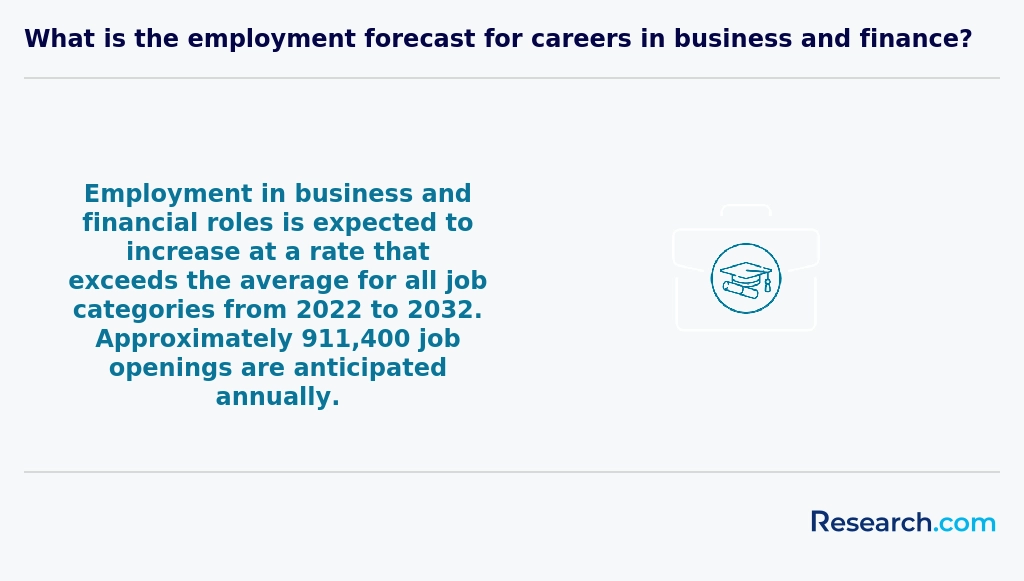
Networking is essential; Cincinnati hosts various business events and professional groups such as the Cincinnati USA Chamber of Commerce. According to the Bureau of Labor Statistics, the region's business and financial operations sector is expected to grow by 5% through 2030, indicating steady job opportunities. Building relevant skills in data analysis, communication, and digital literacy enhances employability in this competitive market.
Employers in Cincinnati highly value business graduates who demonstrate strong analytical and problem-solving skills. According to the Greater Cincinnati Chamber of Commerce, candidates proficient in data analysis and financial literacy tend to stand out in the local job market.
Communication skills, both written and verbal, are essential as businesses in Cincinnati often emphasize teamwork and client interactions. Leadership ability and adaptability also rank among the top qualities sought by hiring managers, reflecting the dynamic economic environment of the region.
Moreover, familiarity with digital tools and platforms is increasingly important. The Cincinnati USA Regional Chamber highlights that graduates comfortable with software like Excel, CRM systems, and basic coding have a competitive edge.
In sum, a blend of technical competence, interpersonal skills, and flexibility best prepares business degree holders for success in Cincinnati's diverse industries.
Finding internships in Cincinnati relevant to a business degree involves leveraging local resources and employer networks. Cincinnati is home to numerous Fortune 500 companies, including Kroger and Procter & Gamble, which frequently offer business internships. Students should consult university career centers, such as those at the University of Cincinnati, which provide tailored internship listings and employer connections.
Online platforms like Handshake and LinkedIn are widely used by Cincinnati students to identify internships in finance, marketing, and management. According to the Greater Cincinnati Chamber of Commerce, internships in the region often lead to full-time employment due to the city's strong business ecosystem.
Networking through local business events and organizations like the Cincinnati Rotary Club can also open internship opportunities. Additionally, some internships may be available through nonprofit and startup sectors, expanding options for business students.
A business degree in Cincinnati significantly enhances career mobility and advancement opportunities. The city's diverse economy, including sectors like finance, manufacturing, and healthcare, increasingly demands skilled business professionals. According to the Greater Cincinnati Chamber of Commerce, candidates with business degrees are 30% more likely to secure management roles within five years than those without.
Employers in Cincinnati value practical skills such as leadership, financial analysis, and strategic planning, commonly taught in these programs. Additionally, networking opportunities provided by local universities help graduates connect with regional companies, boosting career growth.
Overall, a business degree serves as a stepping stone, enabling professionals to climb the corporate ladder more efficiently in Cincinnati's competitive job market.
Studying for a business degree in Cincinnati equips students with skills that extend beyond traditional business disciplines. Many local universities offer programs emphasizing interdisciplinary learning, blending finance, marketing, technology, and management. This approach mirrors Cincinnati's diverse economy, which includes sectors like healthcare, manufacturing, and logistics.
According to Greater Cincinnati Inc., the region's economic strength relies on professionals who can navigate multiple fields. Business students are often encouraged to take electives in data analytics, communication, and information technology, fostering versatility.
This broad knowledge base prepares graduates for roles requiring collaboration across departments and industries, meeting employer demand for adaptable leaders.
Choosing between a thesis and a non-thesis business degree program in Cincinnati depends on your career goals and learning preferences. Thesis options typically involve original research and are ideal for students planning to pursue doctoral studies or roles requiring strong analytical skills. Non-thesis programs focus more on practical coursework and internships, catering to those aiming for immediate professional advancement in Cincinnati's diverse business sectors.
Local universities like the University of Cincinnati offer both tracks, with research emphasizing Cincinnati's growing finance and healthcare industries. The U.S. Bureau of Labor Statistics notes that business roles in Cincinnati are projected to grow 5% through 2030, encouraging practical skills development. Understanding these distinctions helps align your education with job market demands.
Students based in Cincinnati seeking to study business abroad have several options through local universities' international programs and partnerships. Institutions such as the University of Cincinnati offer structured study-abroad opportunities in business disciplines, allowing students to gain global experience while earning credits toward their degree.
Popular destinations include countries with strong international business hubs like the United Kingdom, Germany, and China. According to NAFSA's 2023 Open Doors Report, approximately 12% of U.S. business students participate in study abroad, often supported by scholarships or financial aid.
Furthermore, Cincinnati's growing economy, driven by multinational corporations such as Procter & Gamble, encourages students to learn global business practices firsthand. Local business schools often facilitate exchanges with partner institutions worldwide, helping students integrate international perspectives into their studies.
Part-time job opportunities in Cincinnati that complement business degree education are diverse and practical. Internships and assistant roles in local financial institutions, such as Fifth Third Bank, provide valuable experience in banking and finance, sectors where Cincinnati is a regional leader. Positions in marketing and sales with firms like Procter & Gamble, headquartered nearby, allow students to apply theoretical knowledge in real-world brand management.
Additionally, Cincinnati's growing startup scene offers roles in operations and project management, helping students develop entrepreneurial skills. Retail management positions and customer service roles in major Cincinnati commercial areas can enhance leadership and communication abilities. These jobs underline practical skills sought by employers and benefit students balancing education and work.
Business students in Cincinnati benefit from a variety of networking opportunities through local universities and the vibrant business community. Institutions like the University of Cincinnati and Xavier University host career fairs and networking events that connect students with employers in industries such as finance, healthcare, and manufacturing. According to the Greater Cincinnati Chamber of Commerce, over 15,000 businesses operate in the region, providing a broad spectrum of professional contacts.
Additionally, Cincinnati's strong entrepreneurial ecosystem, including organizations like Cintrifuse and the Cincinnati Business Committee, offers mentorship programs and networking mixers. These events allow students to engage with local business leaders and alumni, enhancing career prospects. Access to internships and cooperative education programs further supports practical experience and industry connections.
Alumni networks are valuable resources for business degree students in Cincinnati. These networks connect current students with graduates who have experience in diverse industries across the city's thriving economy. According to the Cincinnati USA Regional Chamber, local businesses employ over 600,000 workers, offering numerous opportunities for internships and job placements that alumni often help facilitate.
Engaging with alumni can provide mentoring, career advice, and introductions to influential professionals. Research by the National Association of Colleges and Employers shows that 85% of jobs are filled through networking, highlighting the significance of these connections for Cincinnati students.
The University of Cincinnati's Carl H. Lindner College of Business, for example, reports an active alumni network that regularly hosts events and workshops, boosting students' chances to build meaningful relationships in the business community.
Customizing a business degree program in Cincinnati allows you to align your education with specific career goals. Many local institutions offer flexible curricula with concentrations such as finance, marketing, entrepreneurship, or logistics. Cincinnati's position as a hub for major corporations like Procter & Gamble and Kroger means programs often emphasize practical skills valued in these industries.
Students can select electives or minors that support niche interests, including supply chain management or data analytics. Internships and cooperative education experiences, frequently available through partnerships with Cincinnati businesses, provide real-world learning and networking opportunities. According to the Greater Cincinnati Chamber of Commerce, over 40% of business graduates find employment locally, highlighting the value of tailored programs.
Business students in Cincinnati often face challenges such as balancing rigorous coursework with part-time jobs or internships. According to the National Center for Education Statistics, many students report time management as a key difficulty. Cincinnati's competitive job market demands practical experience, pushing students to seek internships while maintaining academic performance.
Additionally, the rising costs of higher education in Ohio impact students' financial stability. The Ohio Department of Higher Education notes that average undergraduate tuition has increased by over 20% in the past five years, leading some students to carry significant debt.
Adapting to evolving business technologies and staying current with industry trends also poses challenges, requiring continuous learning outside of class.
With a business degree in Cincinnati, you can pursue several respected professional certifications that enhance your career prospects. Popular options include the Certified Public Accountant (CPA), ideal for those interested in accounting and finance roles. The Project Management Professional (PMP) certification is also valuable, especially given Cincinnati's growing industries requiring project leadership.
Other notable certifications include the Certified Management Accountant (CMA) and the Certified Financial Planner (CFP), which support careers in financial analysis and planning. According to the Greater Cincinnati Economic Development report (2023), finance and management jobs are expected to grow by 5% over five years, increasing demand for these credentials.
Obtaining these certifications typically requires passing exams and meeting work experience criteria, offering a competitive edge in Cincinnati's job market.
To write a winning application for a business program in Cincinnati, start by thoroughly researching the specific schools and their program strengths. Emphasize your understanding of Cincinnati's dynamic economy, which includes strong sectors like finance, healthcare, and manufacturing. Tailor your personal statement to show how your goals align with local market trends.
Highlight any relevant work experience or internships related to Cincinnati businesses. According to the Greater Cincinnati Chamber of Commerce, internships increase acceptance chances by demonstrating practical skills.
Maintain a strong GPA and prepare for the GMAT or GRE, as many business programs require these scores. Finally, secure recommendation letters from professionals familiar with your leadership or business potential.
The global perspective on business careers highlights increasing demand for professionals who understand international markets and cross-cultural communication. In Cincinnati, a city with growing multinational firms, students benefit from exposure to global business practices through local internships and partnerships. According to the Cincinnati USA Regional Chamber, international trade supports thousands of jobs in the region, reflecting the importance of a global mindset.
U.S. business degree programs often emphasize skills like global supply chain management and international finance, preparing graduates for diverse opportunities worldwide. The World Economic Forum stresses adaptability as a key trait for future business leaders navigating a connected economy. Overall, a business degree in Cincinnati provides a strong foundation for engaging in the global economy.
Students pursuing a business degree in Cincinnati can gain practical experience through various opportunities that complement their academic studies. Many local universities, such as the University of Cincinnati and Xavier University, offer cooperative education (co-op) programs that integrate paid work terms with classroom learning.
Internships are widely available through Cincinnati's strong business community, which includes major companies like Procter & Gamble and Fifth Third Bank. These internships often provide hands-on experience in marketing, finance, and management roles.
Additionally, participating in student-run organizations and business competitions helps develop leadership and problem-solving skills relevant to the local market.
Choosing the right concentration within a business degree program in Cincinnati involves assessing your career goals and local job market trends. Cincinnati's economy is strong in manufacturing, finance, and healthcare sectors, which influence popular business concentrations like supply chain management, finance, and healthcare administration.
Research data from the Cincinnati USA Chamber of Commerce highlights that logistics and supply chain management roles are projected to grow faster than the national average due to the city's central location and transportation infrastructure. Students should also evaluate program offerings and faculty expertise at local universities to find concentrations with practical learning opportunities and industry connections.
Additionally, speaking with alumni and employer partners can provide insight into which concentrations produce graduates in demand. Understanding the financial investment and potential salary outcomes associated with each concentration can further guide decision-making.
- 2027 Most Popular Business Degree Programs Ranking in Indianapolis
- 2027 Most Popular Business Degree Programs Ranking in West Lafayette
- 2027 Most Popular Business Degree Programs Ranking in Chicago
- 2027 Most Popular Business Degree Programs Ranking in River Forest
- 2027 Most Popular Business Degree Programs Ranking in Kenosha
- 2027 Most Popular Business Degree Programs Ranking in Lynchburg
- 2027 Most Popular Business Degree Programs Ranking in Milwaukee
- 2027 Most Popular Business Degree Programs Ranking in Atlanta
- 2027 Most Popular Business Degree Programs Ranking in Madison
- 2027 Most Popular Business Degree Programs Ranking in Arlington
See What Experts Have To Say About Studying Business
Read our interview with Business experts


Ingrid S. Greene
Business Expert
Clinical Assistant Professor of Management
Loyola Marymount University

David W. Stewart
Business Expert
Emeritus President's Professor of Marketing
Loyola Marymount University

- The Biggest Challenges for Business School Students | EU Business School https://www.euruni.edu/blog/the-biggest-challenges-for-business-school-students/
- Global Perspectives: International Opportunities for Business School Students - SBS Swiss Business School https://sbs-uae.org/global-perspectives-international-opportunities-for-business-school-students-3/
- Online Degree vs. Traditional: Choosing the Right Path https://beal.edu/online-degree-vs-traditional/
- Business Pathways Certificate (BUSC) - Cincinnati State https://www.cincinnatistate.edu/academics/degree-certificate/business-pathways-certificate-busc/
- Guide to Business Internships | Higherin https://higherin.com/career-guides/business/business-internships
- 2024 Best Business Schools | How Alumni Rate Their Undergraduate Business Degrees https://poetsandquantsforundergrads.com/news/best-business-schools-alumni-rate-undergraduate-business-degrees/5/
- Career Goals: 17 Inspirational Examples for you in 2026 https://www.imd.org/blog/learning-and-development/career-goals/
- Top 10 Skills Employers Seek in Business Graduates in 2026 https://www.ibat.ie/blogs/top-10-skills-employers-seek-in-business-graduates-in-2026
- Global careers, real impact: building your career with an international business degree | University of East London https://www.uel.ac.uk/blog/global-careers-real-impact-building-your-career-international-business-degree
- The 6 Best Places to Study Abroad for Business Students https://www.ciee.org/go-abroad/college-study-abroad/blog/6-best-places-study-abroad-business-students


