2027 Most Popular Business Degree Programs Ranking in Chicago

Co-Founder and Chief Data Scientist
Choosing the right business degree program can shape your future career and open doors to exciting opportunities. This article introduces the 2027 Most Popular Business Degree Programs Ranking in Chicago, created by the Research.com team of data scientists to help you make an informed decision.
By exploring this ranking, you'll discover which programs stand out locally for quality and impact. Whether you're starting your academic journey or considering a new path, learning about top programs can guide you toward a rewarding education and a successful career.
Investing in a business degree is an empowering step toward your professional goals.
Key benefits of getting business degree in Chicago
- Salary opportunities: Business degree graduates in Chicago can expect rewarding salaries, such as Business Analysts earning a mean annual wage of $112,950 and Business Development Executives averaging $83,190.
- Career paths: Graduates from popular Chicago universities often find diverse roles in consulting, marketing, and finance, showcasing the versatility and growth potential of a business degree.
- Online degree benefits: Earning a business degree online from a well-known Chicago institution offers flexibility and the ability to balance work and study, making career advancement more accessible without sacrificing income.
- 2027 Most Popular Business Degree Programs Ranking in Chicago
- What can I expect from business degree in Chicago?
- Where can I work with business degree in Chicago?
What can I expect from business degree in Chicago?
Affording a business degree in Chicago dances between ambition and budgeting, shaped by the city's diverse educational landscape. Graduates from DePaul University often recall balancing the slightly higher tuition with eager scholarship boosts, while those at the University of Chicago embrace steeper costs as investments in a network that opens doors to Wall Street and beyond.
Public institutions offer a gentler financial footprint, with tuition often landing in the tens of thousands for bachelor's programs-an approachable figure when paired with generous financial aid. Private schools, sparkling with AACSB accreditation, may push costs higher but supply fertile soil for internships at Boeing or United Airlines, transforming tuition into real-world experience.
One graduate's story echoes a familiar theme: juggling classes, a part-time job, and business clubs, yet thriving amid Chicago's buzz. The average cost varies from $15,000 a year at public options up to $60,000 at private universities, but these numbers come alive when set against the backdrop of mentorship and exponential career growth.
Where can I work with business degree in Chicago?
Graduates from Chicago's top business schools often find themselves stepping into vibrant roles at iconic headquarters like McDonald's or Boeing, where finance whizzes shape strategic plans that ripple across global markets. Imagine collaborating with teams at Deloitte or PwC downtown, turning data into actionable insights that drive real-world business shifts. That's the pulse of consulting in the city, where every project feels like a puzzle waiting to be solved by sharp minds fresh out of university.
Others dive into Chicago's legendary finance sector, joining firms like Northern Trust to craft wealth management strategies or analyze risks that safeguard millions. The adrenaline rush of a fast-paced investment banking role here mirrors the city's dynamic skyline - always expanding, always evolving.
Some graduates are drawn to the chaos and rhythm of logistics giants such as C.H. Robinson, orchestrating supply chains that stretch from the Windy City to the world. Even startups thriving amidst the 580,000 small businesses use the marketing and entrepreneurial savvy honed at colleges like UChicago or DePaul, turning fresh ideas into flourishing ventures.
In Chicago, your business degree isn't just a piece of paper - it's a passport to diverse careers fueled by ambition and the city's unmistakable energy.
Imagine stepping out of DePaul University or the University of Illinois at Chicago, diploma in hand, ready to tackle the bustling Chicago business world. A Business Analyst salary averaging $112,950 a year isn't a distant dream but a tangible reality for many graduates navigating this city's vibrant economic landscape. This figure reflects a rewarding leap from entry-level roles, pushing you into mid-level executive territory where your analytical prowess drives key decisions.
Or picture yourself as a Business Development Executive, where $83,190 annually means your networking skills and strategic thinking directly fuel Chicago's thriving sectors like finance and consulting. These salaries blossom because Chicago's competitive market values both sharp intellect and the city's rich inter-industry connections, far beyond mere numbers on a paycheck.
Such solid earning potential sparks enthusiasm among recent graduates who left top Chicago business schools knowing their investment is paying off. The city's professional pulse beats in their favor-offering dynamic roles with compensation that mirrors the city's economic vigor and promises exciting career growth.
- Business degrees in Chicago cost between $30,000 and $60,000 for four-year undergraduate programs, with community colleges and online options sometimes under $15,000 for two-year associate degrees.
- MBA and other graduate business programs range from $50,000 to $90,000 depending on the school and program length.
- Entry-level salaries for business graduates typically start at $55,000 to $65,000 per year, rising to $90,000 to $110,000 after five or more years of experience.
- The job market for business graduates is expected to grow by about 7% statewide over the next decade, supported by strong local industries like finance and real estate.
- Many Chicago business programs include internships or cooperative education to improve employment chances in competitive fields.
Imagine diving into the bustling heart of Chicago's business world, starting your journey at places like DePaul University or the University of Illinois at Chicago. For most bachelor's degree dreamers, this is a four-year adventure, where each semester builds the toolkit to navigate corporate jungles or launch startups. Graduates often recall the thrill of conquering those transformative years, balancing rigorous courses with vibrant city life.
For those stepping onto the associate degree path, community colleges like City Colleges of Chicago become a two-year launchpad, blending foundational skills with a taste of business basics. Many feel energized by how quickly they gain practical knowledge, setting sights on later transferring to four-year universities, making every semester count.
And for the ambitious professionals eyeing an MBA at the University of Chicago Booth School of Business, the timeline flexes. Some embrace intensive one to two-year full-time sprints, buzzing with late-night case studies and networking. Others take the part-time or executive routes, stretching the experience into a more personal, years-long climb-perfect for those balancing boardrooms and family dinners.
Chicago’s bustling business ecosystem offers students unparalleled hands-on experiences that bridge classroom theory and real-world practice. Many top programs partner with Fortune 500 firms, local startups, and nonprofit organizations to provide internship placements, consultancy projects, and co-op rotations. For example, DePaul University’s Centre for Strategy, Execution & Valuation connects students with financial institutions for market-analysis projects, while the University of Illinois Chicago offers a practicum in collaboration with leading healthcare providers. Experiential learning not only sharpens analytical and leadership skills but also expands professional networks. Students often engage in semester-long projects-such as designing marketing campaigns for Windy City tech firms or streamlining supply-chain processes for Chicago retailers-which result in portfolio-worthy deliverables and letters of recommendation. Moreover, on-campus career fairs and employer-hosted workshops, including those at Northwestern’s Kellogg School of Management, facilitate direct access to hiring managers and alumni mentors. For working professionals seeking flexibility without sacrificing experiential components, exploring affordable aacsb online mba no gmat options can be a strategic choice. These programs often embed virtual internships and live consulting engagements with industry partners, ensuring that even remote learners gain the same depth of practical exposure as their on-campus peers. By leveraging Chicago’s vibrant business community and curated experiential platforms, students can accelerate career readiness and secure competitive positions upon graduation.
Imagine walking the bustling halls of DePaul University, buzzing with the energy of face-to-face brainstorming sessions and spontaneous coffee chats that spark fresh business ideas. On-campus business degrees in Chicago offer this vibrant atmosphere where students dive into internships in the Loop or attend networking events at the University of Illinois at Chicago, soaking up connections that textbooks simply can't deliver.
On the flip side, picture settling into your favorite nook at home, logging into an online platform to tackle coursework on your schedule. Chicago's online business programs embrace flexibility, perfect for balancing a day job while earning a degree. Graduates often praise the financial perks-cutting commute costs and skipping pricey campus fees-freeing up resources to invest elsewhere in their futures.
Both paths, whether amid Chicago's iconic skyscrapers or a digital classroom, lead to respected credentials. Yet, the in-person route electrifies collaboration; the online path celebrates independence and adaptability, crafting uniquely skilled professionals ready for Chicago's dynamic business world.
When considering a business degree in Chicago, one of the most crucial decisions a student can make is choosing the right business school. This decision can significantly impact not only the quality of education but also future career prospects. Prospective students should research thoroughly, considering factors such as accreditation, program offerings, and reputation. For those interested in exploring further educational opportunities, visiting websites like popular business schools can provide insights into the best programs available. By evaluating these factors and considering the specific needs and goals of their future career, students can make an informed decision that sets them up for success in Chicago's dynamic business landscape.
The average cost of a business degree in Chicago hovers around $48,246 for out-of-state students and about $34,088 for those who qualify as in-state residents. Imagine a graduate who chose a vibrant private university in the heart of the city, balancing ambition and investment-taking on this level of tuition as a stepping stone to a thriving career. More affordable paths also exist; for example, a student starting at City Colleges might pay significantly less, easing the financial stride toward a bachelor's in business.
When unpacking business degree tuition and fees Chicago students face, it's not just about tuition. Graduates often recall the late nights spent budgeting for expensive textbooks-sometimes reaching $1,200 a year-and weighing the costs of networking events around downtown hotspots or internships that open doors to Fortune 500 companies. These lived experiences highlight how the cost of a business degree intertwines with opportunity, ambition, and the desire to join Chicago's dynamic business community.
Choosing where to study also impacts cost and access to resources. Public universities show distinct advantages for Illinois residents due to lower tuition rates, making a business degree a more attainable dream. Prospective students can explore popular business schools in the area to find that sweet spot between price and prestige, leveraging financial aid options that ease the burden while maximizing educational value.
For those wondering about the average cost of business degree in Chicago, it's wise to consult with admissions and financial aid counselors and check out the popular business schools available locally to tailor the journey toward success.

Understanding the return on investment for a Business degree in Chicago, IL, is critical for prospective students weighing tuition costs against long-term career benefits. Recent data show that over 90% of graduates secure full-time employment within six months of graduation, with a median starting salary of $65,000-substantially above the city’s overall graduate average. When factoring in the average four-year tuition of $120,000 at private institutions and $60,000 at public universities, most students recoup their investment in under five years, thanks to accelerated career progression and high‐demand specializations. Graduates from AACSB-accredited programs report an average 15% salary premium, while those who pursued internships or co-op placements during their studies achieved a 20% higher starting salary compared to peers without practical experience. Moreover, the ratio of alumni earning six-figure salaries within ten years of graduation exceeds 40%, underscoring the value of networking and mentorship initiatives offered by Chicago’s business schools. For students seeking cost-effective options and comparing affordability benchmarks, our Most Affordable Online Business Degree Programs Ranking in Waltham, MA provides insights into programs that minimize debt without compromising quality. By carefully evaluating ROI metrics-such as debt-to-earnings ratios, alumni success rates, and time to break even-prospective business students can make data-driven decisions that align with their financial goals and career aspirations.
Imagine walking the halls of a top Chicago business school, like the University of Illinois at Chicago or Loyola, knowing your financial worries are softened by a patchwork of aid. Federal Pell Grants quietly lift the heaviest burdens, no strings attached, while Direct Subsidized Loans offer breathing room with manageable payments. Graduates recall juggling work-study jobs coordinated through their campus-whether at a local startup or nonprofit-earning dollars and valuable business savvy simultaneously.
Institutional scholarships sparkle like hidden gems. Merit-based awards at DePaul or Illinois Tech reward your hustle and brainpower, turning dreams into tangible tuition discounts. Meanwhile, Illinois' Monetary Award Program (MAP) breathes life into budgets, carving tuition relief for in-state students chasing their Chicago business ambitions.
Beyond universities, private foundations and chambers of commerce extend open hands, sponsoring future leaders with targeted scholarships. Business students often share stories of how these combined resources stitched together an affordable education, proving that Chicago's financial aid ecosystem is as dynamic and vibrant as the city itself.
Diving headfirst into a business degree in Chicago means gearing up with more than just ambition. Imagine a graduate from a top Chicago college recalling how their journey began with a solid foundation: a high school diploma paired with algebra and compelling essays that showcased their knack for storytelling and numbers.
Standardized tests like the SAT once loomed large, but many Chicago schools have embraced test-optional paths, allowing personal grit and unique experiences to take center stage. Picture classmates swapping stories about late-night study sessions and community projects that brought real-world economics into the classroom at a famed business school downtown.
For MBA hopefuls in Chicago, the path sharpens. A bachelor's degree from an accredited institution is non-negotiable, often partnered with years of professional hustle to fuel lively discussions and case studies. Graduates often highlight how submitting GMAT or GRE scores felt like a rite of passage-sometimes waived, reflecting trust in their proven track records.
Beyond grades and tests, letters of recommendation, personal essays, and interviews spark moments of self-discovery, shaping confident business leaders ready to thrive amid Chicago's vibrant economic heartbeat.
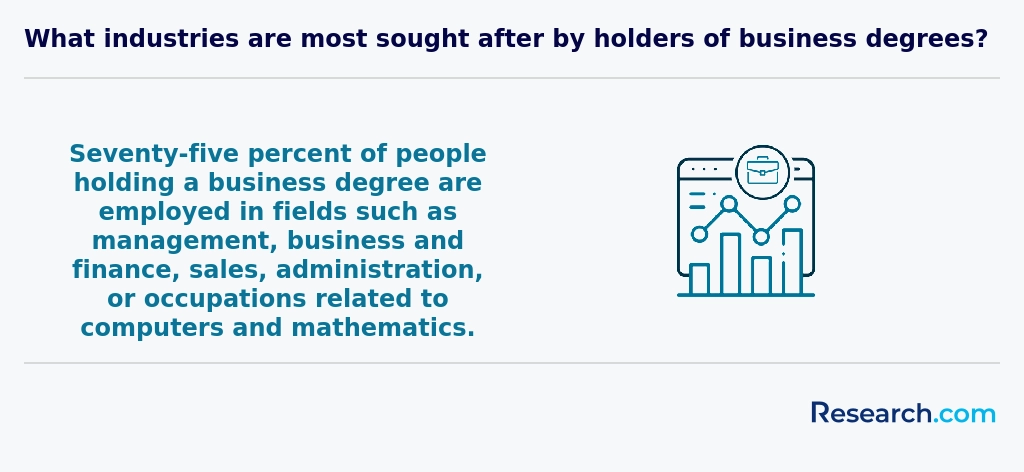
As the business landscape evolves, keeping an eye on future trends is essential for students planning their educational journey. Emerging technologies, such as artificial intelligence and data analytics, are reshaping how companies operate and strategize, making it crucial for business programs to update their curricula accordingly. Many Chicago institutions are already integrating courses that emphasize digital transformation, sustainability, and global market strategies. This forward-thinking approach not only enhances classroom learning but also directly translates into competitive skills for the workplace. Additionally, graduates are now advised to continuously refine their professional network and seek opportunities that align with future market demands. For instance, staying informed about sectors that offer robust career prospects-such as Highest Paying Business Majors-can provide a significant advantage. Institutions and career advisors recommend leveraging emerging trends through specialized workshops, internships, and integration of cutting-edge technologies into coursework. By anticipating these industry shifts, business students in Chicago, IL, can strategically position themselves for long-term success and adaptability in an ever-changing marketplace.
Picture yourself diving into the whirlwind of a business degree in Chicago, where classes transform into dynamic journeys through Financial and Managerial Accounting, unraveling the stories numbers tell. Graduates from renowned Chicago colleges recall grappling with Principles of Marketing, crafting campaigns that feel alive and pulsing with the city's energetic vibe.
Organizational Behavior and Management courses become lively rehearsals of real-world leadership, reflecting the vibrant corporate culture found in the Loop's towering offices. Business Law and Ethics discussions echo the complexities faced by startups in bustling innovation hubs across the city, challenging students to think beyond textbooks.
You'll navigate the intricacies of Microeconomics and Macroeconomics, imagining yourself analyzing Chicago's economic rhythms - from the stockyards to tech corridors. Business Statistics and Quantitative Methods shape your analytical mindset, turning raw data from internships into powerful strategic decisions.
Operations Management feels tangible as you explore supply chain puzzles tied to Chicago's massive transportation networks, engaging with cases that alumni describe as electrifying blends of theory and hands-on challenge.
Diving into business degree specializations in Chicago is like stepping into a bustling marketplace where finance, marketing, and logistics converge with street-smart savvy. Imagine a graduate from a top Chicago business college, energized after dissecting the nuances of finance amid the buzz of the Chicago Board of Trade, ready to tackle investment banking with a pulse on real-world stock flows. Meanwhile, peers specializing in marketing decode the city's vibrant retail rhythms, crafting campaigns that resonate with Chicago's diverse neighborhoods.
Supply chain management students experience hands-on challenges inspired by Chicago's mammoth inland port, feeling the thrill of optimizing routes that keep America moving. Beyond these, unique niches like Entrepreneurship tap into the city's startup zeal, while International Business aligns perfectly with Chicago's global trade arteries. Human Resource Management and Information Systems enthusiasts in local universities embrace the evolving corporate heartbeat.
Those curious about earnings can explore the Highest Paying Business Majors to match passion with paycheck in this dynamic environment.
Imagine yourself roaming the vibrant streets of Chicago, where business education leaps off the page and into the buzzing heart of the city's economy. Choosing the best business degree programs in Chicago means tuning into your passions-maybe finance thrills you, or perhaps entrepreneurship sparks your fire. Graduates from local universities often reminisce about forging valuable connections during internships at downtown firms, where theories meet skyscraper-level deals. Budgeting wisely is crucial; public institutions offer in-state tuition around $13,700 while private universities elevate the experience (and cost) with exclusive networks and specialized programs that can feel worth every dollar.
Campus stories often highlight the pride of AACSB accreditation, ensuring a curriculum that's rigorous yet rewarding. One alumni recalls how their AACSB-backed education smoothed the path into Chicago's fierce job market. If flexibility is your beat, you might explore affordable aacsb online mba no gmat alternatives tailored to busy schedules, merging quality with convenience.
Ultimately, the best choice marries your personal goals with the pulse of Chicago's diverse business landscape, creating a degree that feels less like paperwork and more like a launchpad.
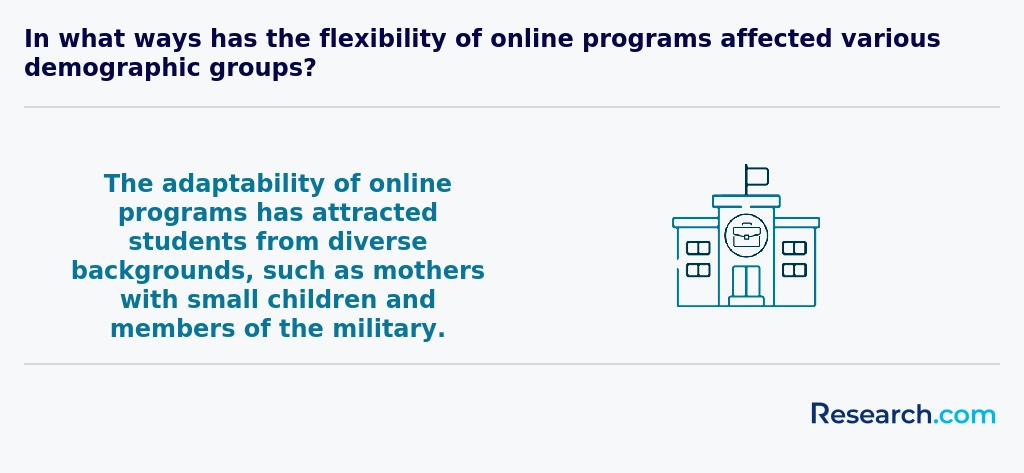
Graduates with a business degree in Chicago often find themselves stepping into vibrant roles that mirror the city's dynamic heartbeat. Picture a graduate from a top Chicago business school navigating the bustling floor of the Chicago Stock Exchange, thriving as an investment banker or financial analyst, riding the waves of the city's renowned finance sector. This reflects one of the promising business degree career options in Chicago, where the local economy's strength propels ambitious professionals forward.
Others dive into marketing and sales, where creativity meets commerce in the expanding tech hubs and retail giants that pepper Chicago's urban landscape. Picture a business graduate from a well-known Chicago university crafting digital campaigns that captivate diverse audiences, redefining customer engagement in Midwest's economic capital. This path makes top business jobs for Chicago graduates an exciting reality.
Management positions at major headquarters offer fruitful avenues too-graduates become project managers or consultants steering companies through complex strategies, often citing their hands-on experience gained through Chicago's rich corporate network. Entrepreneurship thrives here as well, with many business degree holders launching startups fueled by the city's supportive ecosystem. If you're curious about costs, many explore options like the Most Affordable Online Business Degree Programs Ranking in Waltham, MA to balance investment and opportunity.
The business degree job opportunities in Chicago unfold like a vibrant mosaic, rich with possibilities across finance, tech startups, and corporate giants. Graduates from well-known Chicago universities often share stories of landing coveted roles at firms like JPMorgan Chase or innovative marketing teams in buzzing tech hubs. These roles aren't just jobs-they're stepping stones to careers fueled by ambition and a city's energy. One graduate recounted how internships in Chicago's financial district offered not only experience but a network that thickened with every coffee meeting and industry event.
Chicago business degree career outlook is brightened by a steady employment growth noted by the Chicago Cook Workforce Partnership, with surges in project management and sales roles. Affordability adds to the charm: many find local universities strike a balance, reducing debt pressures while opening doors. For students curious about which paths unlock these vibrant futures, the list of college majors and careers offers a helpful compass, guiding choices grounded in real opportunity.
2027 Most Popular Business Degree Programs Ranking in Chicago
Investing in your education is a significant decision that can shape your future, and the Research.com team understands the importance of making informed choices. To assist prospective students in Chicago, we have meticulously crafted the "2027 Most Popular Business Degree Programs Ranking in Chicago." Our commitment to quality, credibility, and accuracy is reflected in the extensive research and analysis conducted to compile this ranking.
We utilized the following reputable data sources to ensure a comprehensive evaluation of business programs:
By exploring this ranking, readers will gain valuable insights into the most popular and well-regarded business degree programs in Chicago, helping them make well-informed decisions about their educational paths. For more details on our methodology, please visit our Research.com methodology page.


Frequently Asked Questions About business
Business degree students in Chicago can maximize their learning by engaging with the city's vast corporate network. Chicago is home to over 400 major corporate headquarters, including Walgreen Co. and Boeing, offering abundant internship opportunities that enhance practical skills.
Students should also utilize Chicago's strong alumni networks and local business organizations. Groups like the Chicagoland Chamber of Commerce provide access to mentorship and networking events, which are valuable for career development.
Additionally, enrolling in experiential learning programs offered by many Chicago universities helps bridge theory with real-world application, an approach supported by the National Association of Colleges and Employers.
Emerging niches within the business field reflect growing trends in technology, sustainability, and data-driven decision-making. In Chicago, one rapidly expanding area is business analytics, where professionals leverage big data to guide strategic choices. The Chicago Federal Reserve highlights a 25% job growth in analytics roles over the past five years.
Another niche is sustainable business practices, driven by local companies emphasizing environmental responsibility. Chicago's Green Economy report notes a rise in green jobs, influencing business curricula.
Additionally, financial technology (fintech) sees significant demand, with Chicago becoming a fintech hub according to the Illinois Technology Association. Students focusing on fintech can expect strong career prospects.
Preparing for the job market after earning a business degree in Chicago requires strategic planning and leveraging local resources. Chicago hosts a diverse economy with strengths in finance, manufacturing, and technology, providing numerous career opportunities.
Networking is essential; attending events at business schools such as the University of Chicago Booth School of Business or DePaul University can connect graduates with employers. According to the Chicago Cook Workforce Partnership, internships improve job placement by up to 20%. Therefore, gaining relevant experience through internships or cooperative education during your studies is crucial.
Additionally, obtaining certifications like the Certified Business Analyst Professional (CBAP) or Project Management Professional (PMP) can enhance employability in Chicago's competitive market. Familiarity with local companies such as Boeing, JPMorgan Chase, and Walgreens Boots Alliance may open targeted job opportunities.
Employers in Chicago seek business degree graduates with a combination of technical and interpersonal skills. According to the Chicago Cook Workforce Partnership, top skills include data analysis, financial literacy, and proficiency in business software such as Excel and Tableau. Communication skills are equally important, with 78% of local employers valuing teamwork and effective presentation abilities. Problem-solving and critical thinking also rank highly, as businesses need graduates who can adapt to Chicago's competitive market. Additionally, knowledge of local industry trends, especially in finance and manufacturing sectors, can give candidates an edge when applying for jobs in the city.
Finding internships in Chicago related to a business degree involves a strategic approach leveraging local resources and networking. Chicago hosts numerous Fortune 500 companies, including Boeing and McDonald's, offering diverse business internship opportunities. According to the Chicagoland Chamber of Commerce, sectors like finance, marketing, and consulting are particularly strong.
Students should utilize university career centers, which often maintain partnerships with local businesses to offer exclusive internships. Websites such as Handshake and LinkedIn also list many Chicago-based internships tailored to business majors.
Attending industry events and joining professional groups like the Chicago Business Networking Association can improve visibility and connections. Additionally, registering with the Illinois Department of Employment Security provides access to state-supported internship programs.
A business degree significantly enhances career mobility and advancement for professionals in Chicago. The city's dynamic economy, with its strong finance, technology, and manufacturing sectors, demands skilled graduates who understand market trends and management principles. According to the U.S. Bureau of Labor Statistics, business and financial occupations in Chicago are expected to grow by 7% from 2021 to 2031, faster than the average for all jobs.
Employers in Chicago often prioritize candidates with business degrees for leadership roles, valuing their analytical and strategic thinking skills. Additionally, networking opportunities provided by Chicago's numerous business schools and professional organizations play a key role in career progression.
Studying for a business degree in Chicago offers unique preparation for interdisciplinary roles by integrating knowledge across various fields. Chicago's business programs often combine finance, marketing, data analytics, and management, reflecting the city's diverse economic landscape. According to the U.S. Bureau of Labor Statistics, Chicago's metropolitan area employs over 840,000 people in business and financial operations, highlighting demand for versatile skills.
Many universities incorporate real-world projects with local industries, fostering critical thinking and collaboration. Students learn to navigate complexities involving technology, law, and social sciences, essential for cross-functional teamwork. This approach equips graduates to adapt quickly in roles that require multiple competencies, a key advantage in Chicago's competitive job market.
When choosing between a thesis and a non-thesis business degree program in Chicago, consider your career goals and learning preferences. Thesis programs emphasize research and critical thinking, ideal for students aiming for doctoral studies or research roles. Non-thesis options often focus on practical skills, appealing to professionals seeking advancement in Chicago's dynamic corporate landscape.
Chicago, as a major business hub with firms like Boeing and McDonald's, values applied knowledge. According to the Chicago Tribune (2023), over 60% of local business graduates enter roles requiring strong managerial skills rather than academic research. This trend influences demand for non-thesis programs.
Additionally, thesis programs typically require more time, often an extra semester or two, which may affect working professionals balancing studies and jobs.
Students based in Chicago who are interested in studying business abroad have several options through their home universities and exchange programs. Many Chicago institutions, including the University of Illinois at Chicago and DePaul University, offer study abroad opportunities in countries known for strong business education, such as the UK, Germany, and China.
Programs typically last from a few weeks to an entire semester and focus on global business practices, finance, and entrepreneurship. According to NAFSA: Association of International Educators, business remains one of the top fields for U.S. students studying overseas. These experiences can enhance a student's resume by providing international exposure vital in today's global economy.
Chicago offers varied part-time job opportunities that complement business degree education effectively. Many students find roles in retail management, gaining firsthand experience in sales, inventory control, and customer relations. Additionally, positions such as financial clerks or accounting assistants enable students to apply coursework in real-world financial analysis and bookkeeping. According to the U.S. Bureau of Labor Statistics, Chicago's business services sector grew by 3.2% in 2023, increasing demand for entry-level business roles.
Internships and part-time roles in marketing agencies or startups also provide valuable exposure to digital marketing and project management. These experiences develop practical skills highly relevant for business majors planning careers in the city's vibrant corporate environment.
Chicago offers extensive networking opportunities for business students through its status as a major financial and corporate hub. The city hosts over 400 corporate headquarters, including major banks, consulting firms, and manufacturing companies, providing students with access to diverse industries. According to the Chicagoland Chamber of Commerce, regular networking events, job fairs, and business mixers are organized throughout the year, connecting students with professionals and alumni.
Many universities partner with organizations such as the Chicago Business Networking Group and the Economic Club of Chicago, facilitating internships and mentorship programs. Additionally, Chicago's active startup scene allows students to engage with entrepreneurs via meetups and innovation hubs like 1871.
These environments enable students to build meaningful connections, essential for career advancement in the competitive business landscape of Chicago.
Alumni networks play a crucial role for business degree students in Chicago by providing valuable connections and career opportunities. Many top Chicago business schools have extensive alumni groups that host networking events, mentoring programs, and industry panels. These networks help students link directly with experienced professionals in the city's diverse economic sectors, from finance to technology.
According to the Chicago Network, alumni engagement significantly increases job placement rates, with 70% of business graduates securing roles through networking. The city's strong presence of Fortune 500 companies makes these connections especially beneficial for internships and full-time positions.
Furthermore, alumni often share insights about Chicago's evolving business landscape, supporting students' professional growth and local market understanding.
In Chicago, customizing your business degree to align with your career goals is highly feasible due to the city's diverse educational institutions. Many universities offer flexible curricula that allow students to choose concentrations such as finance, marketing, entrepreneurship, or supply chain management. By selecting relevant electives and participating in internships with Chicago's top firms, students gain practical experience tailored to their ambitions.
Furthermore, programs often include networking opportunities with local business leaders, which helps students build industry-specific connections. According to the Chicago Urban League, nearly 15% of businesses in the city focus on financial services, making finance concentrations particularly valuable. This regional alignment ensures that your degree matches local market demands.
Business students in Chicago often face a combination of academic and practical challenges unique to the city's dynamic economic environment. One key challenge is balancing rigorous coursework with internships or part-time jobs, as Chicago's competitive business market demands real-world experience. According to the Chicago Tribune, about 65% of business students seek employment during their studies, which intensifies time management pressures.
Additionally, navigating the diverse industries in Chicago-from finance to manufacturing-requires adaptability and broad skillsets. The city's high cost of living also adds financial stress, with average rent for students exceeding $1,200 per month, based on recent reports from Apartments.com.
Networking remains essential yet challenging due to the large, crowded market of aspiring professionals. Students must proactively leverage local business events and university resources to build meaningful connections in Chicago's crowded business scene.
With a business degree, there are several professional certifications you can pursue to advance your career in Chicago's competitive market. Popular options include the Certified Public Accountant (CPA) for those interested in accounting and finance. The CPA credential is highly recognized in Illinois and requires passing a rigorous exam administered by the Illinois Board of Accountancy.
The Project Management Professional (PMP) certification is another valuable choice, especially given Chicago's strong presence in manufacturing and construction industries. It demonstrates expertise in managing complex projects.
For marketing professionals, the Certified Marketing Executive (CME) credential represents advanced knowledge and leadership skills in marketing. Additionally, the Certified Financial Planner (CFP) is common among those pursuing financial advisory roles.
These certifications help graduates stand out in a city where the Illinois Department of Employment Security reports steady growth in business occupations.
Crafting a winning application for a business program in Chicago requires a clear focus on academic achievement and relevant experience. Chicago's business schools often prioritize strong undergraduate GPAs, typically above 3.0, and competitive GMAT or GRE scores. Applicants should highlight leadership roles and internships within Chicago's diverse industries, including finance, technology, and manufacturing, as these sectors dominate the local economy according to the Chicagoland Chamber of Commerce.
Personal statements must clearly articulate career goals while demonstrating how a Chicago-based program aligns with those ambitions. References from professional or academic sources that can attest to work ethic and potential add considerable value. Lastly, engaging in community or business activities in Chicago can distinguish your application by showing local commitment and awareness.
Global perspectives on a business career emphasize adaptability, cultural awareness, and strategic thinking. In the U.S., especially in Chicago, business education often integrates international case studies and partnerships to prepare students for a global marketplace. According to the U.S. Bureau of Labor Statistics, jobs in management, business, and financial operations are expected to grow 8% from 2022 to 2032, reflecting the increasing demand for globally minded professionals.
Chicago is a major financial and commercial hub, hosting multinational corporations like Boeing and McDonald's, offering diverse opportunities for students and graduates. Business degrees here often include global economics and international marketing to meet these industry needs.
Emphasizing global competence enables graduates to navigate cross-border challenges, which is vital given Chicago's role in international trade and finance, supported by institutions like the World Business Chicago.
Students pursuing business degrees in Chicago have numerous opportunities to gain practical experience alongside their studies. Many universities offer cooperative education (co-op) programs that integrate paid work placements in local companies, providing hands-on industry exposure.
Internships are another common route. Chicago is home to a robust business environment, including firms in finance, marketing, and technology, which often recruit interns from nearby schools. According to the Illinois Department of Employment Security, about 50,000 business-related jobs are posted annually in the Chicago metro area, reflecting strong internship availability.
Additionally, business students can engage in consulting projects, case competitions, and student-run enterprises, which foster real-world problem solving and leadership skills.
Choosing the right concentration within a business degree program in Chicago begins with understanding your career goals and local market demands. Chicago's economy is diverse, with strong industries in finance, manufacturing, healthcare, and technology. The city's financial sector employs over 600,000 professionals, making concentrations in finance and accounting highly relevant (Chicago Fed).
Consider your interests and strengths alongside labor market trends. For example, marketing and supply chain management are growing fields in Chicago due to the city's role as a transportation hub. Research programs' curriculum and internship opportunities to ensure practical experience.
Additionally, connect with local alumni and industry professionals to gain insight into which concentrations lead to the best employment outcomes within Chicago's competitive business environment.
- 2027 Most Popular Business Degree Programs Ranking in River Forest
- 2027 Most Popular Business Degree Programs Ranking in Kenosha
- 2027 Most Popular Business Degree Programs Ranking in Milwaukee
- 2027 Most Popular Business Degree Programs Ranking in West Lafayette
- 2027 Most Popular Business Degree Programs Ranking in Madison
- 2027 Most Popular Business Degree Programs Ranking in Indianapolis
- 2027 Most Popular Business Degree Programs Ranking in Minneapolis
- 2027 Most Popular Business Degree Programs Ranking in Conway
- 2027 Most Popular Business Degree Programs Ranking in Lynchburg
- 2027 Most Popular Business Degree Programs Ranking in Little Rock
See What Experts Have To Say About Studying Business
Read our interview with Business experts

David W. Stewart
Business Expert
Emeritus President's Professor of Marketing
Loyola Marymount University

Ingrid S. Greene
Business Expert
Clinical Assistant Professor of Management
Loyola Marymount University


- Networking Tips for Business Students and MBA Candidates - Cyprus West University https://www.cwu.edu.tr/networking-tips-for-business-students-and-mba-candidates/
- Career Goals: 17 Inspirational Examples for you in 2026 https://www.imd.org/blog/learning-and-development/career-goals/
- Business - City Colleges of Chicago https://www.ccc.edu/washington/departments/business-and-computer-information-systems/
- Know more about thesis vs non- thesis: what is the difference? https://studyfans.com/en/blogs/816
- 10 Key Benefits of Part-Time Jobs for Students While Studying https://www.ue-amsterdam.com/blog/top-10-benefits-of-working-part-time-for-students-while-studying
- 55 Trending Business Ideas for 2025 and Beyond https://www.uschamber.com/co/start/business-ideas/top-trending-business-ideas
- How to Write a Statement of Purpose for Business School https://www.statementswritingservices.com/blog/how-to-write-a-statement-of-purpose-for-business-school.html
- Undergraduate Business Major Prerequisites | OnlineMBA.com https://www.onlinemba.com/resources/undergraduate-business-major-prerequisites/
- Is a thesis always mandatory in a master's degree program? - EFMU: The Euler-Franeker Memorial University and Institute https://euler.euclid.int/is-a-thesis-always-mandatory-in-masters-degree-program/
- Chicago, IL: Top Jobs and Growing Markets | Randstad USA https://www.randstadusa.com/job-seeker/best-jobs-per-city/chicago/