2027 Most Popular Business Degree Programs Ranking in Little Rock

Co-Founder and Chief Data Scientist
Choosing the right business degree program in Little Rock can feel overwhelming. Our 2027 Most Popular Business Degree Programs Ranking in Little Rock offers clear guidance to help you navigate your options confidently.
This ranking was carefully crafted by the Research.com team of data scientists to highlight programs that truly stand out. By exploring this article, you'll discover valuable insights that make it easier to pick a program aligned with your goals.
Investing in a business degree opens doors to exciting career opportunities and personal growth. Let this resource support your journey toward a brighter future.
Key benefits of getting business degree in Little Rock
- Business degree graduates in Little Rock can expect competitive salaries, such as a Business Analyst earning a mean annual wage of $112,950 and a Business Development Executive making around $83,190 per year.
- Graduates from local colleges often pursue diverse career paths including analysis, management, and development roles, offering exciting opportunities to grow and advance in various industries.
- Online business degrees from Little Rock universities provide flexible learning options, allowing students to balance work and study while gaining practical skills that employers value, making career advancement more accessible.
- 2027 Most Popular Business Degree Programs Ranking in Little Rock
- What can I expect from business degree in Little Rock?
- Where can I work with business degree in Little Rock?
What can I expect from business degree in Little Rock?
The average cost of pursuing a business degree in Little Rock varies depending on the institution and program format, but many graduates from the University of Arkansas at Little Rock (UA Little Rock) report spending approximately $8,000 to $12,000 per year for in-state tuition in traditional business programs. Those attending Arkansas Tech University-Little Rock Campus find similar pricing, with some opting for online or hybrid courses that can slightly reduce expenses through flexible scheduling and reduced commuting costs.
Students often highlight the value gained beyond just tuition, emphasizing the practical learning experiences available through local internships and strong ties with the Little Rock business community. For example, graduates frequently mention how small class sizes and direct access to professors with industry experience made financial investments feel worthwhile and personally rewarding.
While some might assume that higher cost equates to better quality, local accreditation by AACSB and the networking opportunities provided by organizations such as the Little Rock Regional Chamber of Commerce often weigh more heavily in students' satisfaction. This practical perspective helps many balance cost concerns with career advancement potential in Little Rock's expanding economic environment.
Where can I work with business degree in Little Rock?
Graduates with business degrees from Little Rock's well-regarded institutions often find themselves working in sectors that reflect the city's economic diversity. For instance, many secure roles in finance and banking, benefiting from the proximity to firms like Stephens Inc., where skills in financial analysis and management are strongly valued. This creates a tangible pathway between classroom learning and local employment.
Others pursue careers in healthcare administration, leveraging the city's expanding medical facilities such as Baptist Health. The demand for business-trained professionals in logistics and supply chain management here mirrors broader national growth trends, offering stability and growth potential.
Government roles in budgeting and policy implementation are common among graduates who appreciate applying their business knowledge to public service in Arkansas's capital. Some find satisfaction in helping small businesses thrive, connecting with networks through the Little Rock Regional Chamber, which many local alumni highlight as a valuable support system.
Retail management jobs are also accessible, though competition can be steep. Graduates often point out that gaining relevant internships during their studies, especially from universities like the University of Arkansas at Little Rock, improves employability.
Graduates with business degrees in Little Rock can anticipate starting salaries around $83,190 as Business Development Executives, reflecting solid mid-range earning potential in the local economy. Those moving into Business Analyst roles often see significantly higher wages, with a mean annual salary reported at $112,950. This uplift aligns with the growing demand for analytical skills in sectors prominent in Little Rock, such as finance and regional corporate services.
Many graduates from universities like the University of Arkansas at Little Rock share that their education equips them with relevant expertise allowing them to compete effectively for these roles. The practical focus on local market dynamics, combined with internships around the city's business hubs, helps graduates gain confidence and improved employability.
While some professions like Project Manager or Operations Supervisor lack specific salary data here, the existing figures underscore that Little Rock offers promising financial outcomes compared to other regional areas. This is especially compelling considering the city's relatively low living costs, which enhances the real value of these incomes for recent graduates.
- Business degrees in Little Rock are offered by accredited institutions with options for on-campus or online classes.
- In-state tuition at public universities ranges from $8,000 to $12,000 per year, while private schools average about $20,000 or more annually.
- Entry-level salaries for business graduates start around $45,000, with experienced professionals earning between $65,000 and $85,000.
- Fields like financial analysis, human resources, and marketing are growing, with strong demand for skills in data analysis, digital marketing, and supply chain management.
- Choosing a program accredited by AACSB can improve degree recognition and value.
- Scholarships and financial aid are available to help reduce the cost of earning a business degree.
Completing a business degree in Little Rock typically takes about four years for a full-time undergraduate student enrolled in popular programs at universities like the University of Arkansas at Little Rock. Many graduates recall balancing classes with part-time work while taking advantage of evening and online courses offered to accommodate their busy schedules.
Part-time students, including those working full-time jobs, often take five to six years to finish. For example, a graduate who started at a local college while working found that summer courses helped accelerate progress, turning a six-year plan into five.
Graduate degrees like MBAs commonly require around two years of full-time study at well-known Little Rock institutions. However, some working professionals appreciate part-time MBA tracks that stretch between 18 and 24 months, providing flexibility without sacrificing momentum.
Ultimately, factors such as transfer credits or specific program requirements influence timelines. Those students who strategically use these options frequently express satisfaction with tailoring their pace to fit personal and professional demands in Little Rock's supportive academic environment.
When deciding on a business degree program, it's essential to consider the local economy, job market, and available resources. Pursuing a business degree in Little Rock, AR, offers a unique set of benefits, including access to a thriving business community and a wide range of in demand business programs. The city's economy is diverse, with major industries in healthcare, finance, and technology, providing graduates with a broad spectrum of career opportunities. Additionally, the cost of living in Little Rock is relatively low, making it an attractive location for students who want to balance their educational expenses with a comfortable lifestyle. By choosing a business degree program in Little Rock, students can leverage the city's business-friendly environment, networking opportunities, and practical learning experiences to launch a successful career.
Graduates from popular Little Rock universities often describe on-campus business degrees as immersive experiences marked by lively classroom discussions and easy access to campus resources like career centers and networking events. Being physically present allows them to build connections in real time, which many find invaluable when seeking internships or jobs within the bustling Little Rock metropolitan area.
By contrast, those who pursue their business degrees online frequently appreciate the flexibility that helps them juggle work or family commitments. For example, a working parent enrolled at a well-known online program based in Arkansas shared how asynchronous courses allowed studying late at night after putting kids to bed-something not possible with fixed classroom hours. However, some express missing the spontaneous conversations and in-person camaraderie found on campus.
Cost-wise, online students usually pay tuition comparable to on-campus programs but save on commuting and housing, which is significant in Little Rock's context where transportation can add up. Both forms must be accredited; graduates emphasize checking this to ensure credentials are respected by local employers managing competitive hiring.
The average cost of a business degree in Little Rock can vary widely depending on the institution and residency status, but the median total cost hovers around $28,590. For in-state students, the median tends to be closer to $13,014, making public universities like the University of Arkansas at Little Rock (UALR) a more affordable option. Graduates often reflect positively on managing these costs, remarking on the practical value of their education balanced against reasonable expenses.
Out-of-state students face significantly higher charges, nearly doubling the typical in-state costs. This difference can impact decisions, especially for those weighing the total expenses for business degree programs Little Rock offers. Many students share experiences of creatively budgeting for books, housing, and fees, which supplement tuition yet remain essential parts of the overall financial picture.
Private colleges near Little Rock, including Lyon College and Harding University, usually ask for significantly higher tuition, often exceeding $20,000 annually. However, these institutions sometimes offer generous financial aid packages that graduates say helped them offset initial sticker prices. Those exploring business education will find that financial aid, scholarships, and employer tuition assistance play a large role in making these programs achievable.
Choosing a business program involves assessing value beyond just tuition. Many students highlight how the quality of faculty, networking opportunities, and hands-on experiences-found in the in demand business programs-influence their satisfaction. These factors often guide prospective students looking for a balance between cost and educational benefit.
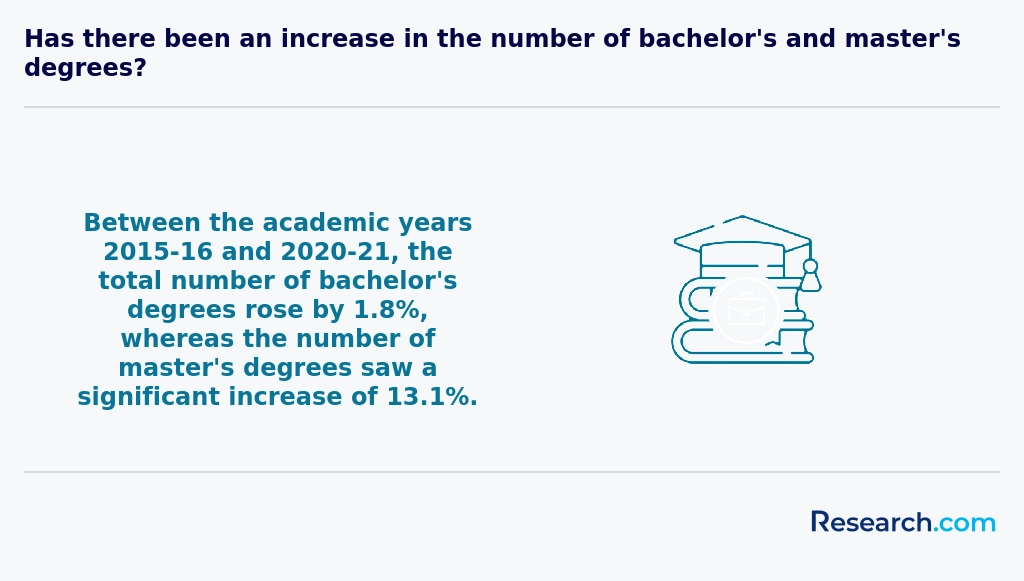
Investing in a business degree requires weighing tuition costs against future earning potential and career growth. In Little Rock, the average in-state tuition for a 120-credit bachelor’s program is approximately $20,040, while out-of-state students may incur over $40,000 in tuition alone. When you factor in additional expenses-textbooks, fees, and living costs-the total investment can reach $25,000–$50,000. On the benefits side, the U.S. Bureau of Labor Statistics reports mean annual wages of $80,220 for project managers and $108,790 for business analysts in the region, with a median starting salary around $55,000. Assuming an in-state student graduates debt-free (or with manageable loans), the break-even point-where cumulative salary gains offset educational costs-can occur within 2.5 to 4 years of full-time employment. Key ROI considerations:
- Total Program Cost vs. Starting Salary: An in-state graduate earning $55,000 annually can recoup a $25,000 investment in under three years.
- Salary Growth Trajectory: With typical mid-career salaries surpassing $90,000, long-term ROI improves dramatically.
- Alternative Paths: For budget-minded students, exploring options like our Most Affordable Online Business Degree Programs Ranking in Illinois can reduce upfront costs even further, accelerating ROI.
- Financial Aid Impact: Grants and scholarships can cut net costs by 30–50%, shortening payback periods by 1–2 years. By analyzing these factors, prospective students can choose a program that not only fits their budget but also maximizes lifetime earnings and career satisfaction.
Students pursuing business degrees in Little Rock often rely on a mix of financial aid options to make education more affordable. Federal aid, particularly Pell Grants via FAFSA, stands out as a helpful resource; recipients at institutions like the University of Arkansas at Little Rock have shared how grants covering up to $7,395 eased their tuition burdens significantly. However, it's important to recognize this aid varies based on need and enrollment, so not everyone receives the maximum amount.
State scholarships, such as the Arkansas Academic Challenge Scholarship, provide another layer of support, rewarding both academic achievement and financial eligibility. Graduates often recall how this scholarship played a key role in lessening their financial stress while studying business locally.
Many business students also tap into university merit scholarships and work-study programs, which offer practical job experience alongside income. Some graduates mention how these part-time roles made balancing costs manageable without sacrificing their studies.
Lastly, seeing local employers offer tuition reimbursement or assistance adds a real-world boost to students juggling work and school, highlighting the community's investment in future business leaders in Little Rock.
Based on enrollment figures, academic reputation, and graduate outcomes, the following programs emerge as the most popular choices for business students in Little Rock in 2024:
-
University of Arkansas at Little Rock – Bachelor of Science in Business Administration
Renowned for its strong corporate partnerships and internship placements, UALR’s BSBA program leads with over 1,200 enrolled students and a 92% job-placement rate within six months of graduation. -
Philander Smith College – Bachelor of Business Administration
A liberal arts foundation combined with practical business training makes PSC’s BBA a top pick, boasting a 15:1 student-to-faculty ratio and personalized mentoring from industry experts. -
Hendrix College – Bachelor of Arts in Business Administration
Known for small cohorts and experiential learning, Hendrix’s BA in Business Administration emphasizes ethical leadership and innovation, with 85% of graduates pursuing advanced studies or entrepreneurial ventures. -
Arkansas State University – Little Rock Campus – Online MBA
Flexible scheduling and a curriculum aligned with AACSB standards attract working professionals; many students complement their degrees with aacsb online mba degree programs affordable to enhance career mobility. -
Pulaski Technical College – Associate of Applied Science in Business Management
Ideal for students seeking entry-level roles quickly, this two-year AAS program features hands-on projects and partnerships with local businesses, with 80% of graduates hired by regional employers.
Enrolling in a business degree program in Little Rock typically requires several key prerequisites that align with both national standards and local educational expectations. Graduates from popular institutions in the area often recall the importance of submitting a high school diploma or GED, along with academic transcripts highlighting strengths in math, economics, and English. A GPA around 2.5 to 3.0 is commonly expected, reflecting a balance between academic rigor and accessibility.
Standardized test scores like the SAT or ACT remain relevant for many programs, though some schools have shifted to test-optional policies, which can ease pressure for certain applicants. One graduate described how this flexibility allowed a focus on improving other application areas, like essays and recommendation letters.
For MBA hopefuls, a bachelor's degree and GRE or GMAT scores are usually necessary, but professional experience can sometimes waive these requirements, recognizing real-world skills alongside academics. Additionally, proving residency for in-state tuition and meeting computer proficiency standards are practical steps reflecting the workforce demands in Little Rock's business community.

Business degree programs in Little Rock commonly include courses such as Financial Accounting, Marketing Fundamentals, Business Law and Ethics, and Organizational Behavior, which give students a balanced foundation. Graduates from well-known local universities often share how mastering Financial Accounting helped them confidently manage real budgets during internships with Little Rock's finance sector. Similarly, Marketing Fundamentals allow students to create effective campaigns for small local businesses, blending theory with practical application.
Courses like Operations Management and Managerial Finance also stand out, as they equip students with skills directly applicable to Little Rock's logistics and healthcare industries. One graduate mentioned how learning Strategic Management in class translated to better decision-making when working on a group project simulating competitive market scenarios in Arkansas.
Electives in business analytics or international business offer flexibility, reflecting diverse interests and the city's evolving economic landscape. While this curriculum prepares students well, some argue that more hands-on local internship opportunities could deepen the connection between coursework and the city's dynamic business environment.
Business degree specializations in Little Rock often include finance, marketing, management, accounting, and entrepreneurship, reflecting the city's diverse economic landscape. Graduates from institutions like the University of Arkansas at Little Rock share that focusing on finance prepared them well for work in local banks and corporate roles, while those who pursued marketing appreciated hands-on projects with regional retail businesses. However, some emphasize the challenge of balancing broad coursework with these targeted skills, suggesting the importance of internships to enhance real-world application.
Little Rock business program concentration options sometimes extend to supply chain management and information systems, catering to students interested in logistics or tech-driven business solutions. One graduate noted that the entrepreneurship track helped develop confidence in starting small ventures, inspired by the city's growing startup culture. For those weighing choices, understanding the regional job market's dynamics is crucial, and resources like the highest paying business major data offer valuable insights into career prospects post-graduation.
Choosing the best business degree programs in Little Rock requires balancing program reputation, cost, and alignment with your career goals. Graduates from local universities often highlight the value of AACSB accreditation, noting how it opened doors to competitive internships and job placements within the city's robust finance and healthcare sectors. However, some caution against prioritizing rankings alone-faculty expertise and connections to Little Rock's business community can be equally important.
Many students find that examining program flexibility is crucial, especially those juggling work or family commitments; part-time, evening, or online course options offer a realistic way to advance education without sacrificing income. Comparing tuition fees also matters-while public institutions tend to be more affordable business colleges Little Rock Arkansas, private schools often provide scholarships or financial aid that can make costs competitive.
Exploring specialized fields like supply chain management or entrepreneurship at local colleges can give students practical skills linked to regional industry needs. For those seeking to deepen their credentials, programs such as aacsb online mba degree programs affordable represent a thoughtful way to enhance their qualifications while managing expenses and time effectively.

Graduates with a business degree in Little Rock often find a variety of career paths shaped by the city's economic landscape. Many pursue roles in management, marketing, or finance, benefiting from the presence of regional headquarters like Dillard's and Acxiom. These companies, along with local healthcare organizations, offer opportunities that graduates from popular institutions such as the University of Arkansas at Little Rock appreciate for their practical training and connections.
The appeal of Little Rock's business degree career opportunities lies in its diverse sectors-including supply chain logistics and healthcare administration-where business principles are applied in real-world contexts. Graduates often highlight how experiential learning and internships tailored to these industries provide confidence when entering competitive fields. Others explore entrepreneurship, motivated by the city's growing startup culture, which aligns with an affordable cost of business education in Arkansas.
Alternative paths include financial services, government roles due to Little Rock's status as the state capital, and consulting for local businesses. Those interested may find it valuable to explore the Most Affordable Online Business Degree Programs Ranking in Illinois as a comparative option when considering cost and career versatility beyond Arkansas.
The business degree job opportunities in Little Rock benefit from a steady demand driven by local employers such as Dillard's and Acxiom Corporation. Graduates from universities like the University of Arkansas at Little Rock often find roles in financial management, marketing, and project leadership. They report a positive transition into the workforce, with entry-level salaries typically starting around $55,000, increasing to roughly $85,000 mid-career. However, it's important to consider that while the job market is growing at about 5% over the next decade, competition remains, especially in specialized fields.
Those pursuing business degrees in Little Rock notice the advantage of firmly rooted local networks, including business incubators and chambers of commerce, which foster valuable connections and career growth. Yet, some graduates suggest exploring options such as the best accelerated associate's degree online programs to complement their education and meet evolving market demands. The Little Rock business degree employment outlook points to a balanced environment-offering significant opportunities tempered by the need for adaptability and continuous skill development.
2027 Most Popular Business Degree Programs Ranking in Little Rock
Investing in one's education is a significant decision that can profoundly impact one's future, and the Research.com team recognizes the importance of making well-informed choices. To support prospective students in Little Rock, we have carefully developed the "2027 Most Popular Business Degree Programs Ranking in Little Rock." Our dedication to quality, credibility, and accuracy is demonstrated through thorough research and analysis conducted to compile this ranking.
We utilized the following reputable data sources to ensure a comprehensive evaluation of business degree programs:
By consulting this ranking, readers will gain valuable insights into Little Rock's most popular business degree programs, empowering them to make informed and confident educational decisions. For more information on how this ranking was created, please visit our Research.com methodology page.

# 3 position
Philander Smith University
Bachelor of Science in Management

# 4 position
Strayer University-Arkansas
Bachelor of Business Administration

# 5 position
Philander Smith University
Master of Business Administration

Frequently Asked Questions About business
Business degree students in Little Rock can maximize their learning experience by engaging with the city's vibrant business community. Little Rock hosts over 18,000 businesses, providing ample internship and networking opportunities that complement academic study (Arkansas Economic Development Commission, 2023). Participating in internships with local companies helps students apply classroom knowledge to real-world challenges.
Students should also take advantage of collaborations between universities and regional organizations like the Little Rock Regional Chamber to access workshops and mentorships. According to the U.S. Bureau of Labor Statistics, Arkansas' demand for business graduates is expected to grow by 5% through 2030, highlighting the value of practical experience.
Additionally, joining student business clubs or attending conferences hosted in Little Rock can sharpen leadership and communication skills essential in today's job market.
Emerging niches within the business field reflect evolving market demands and technological advances. In Little Rock, fields like data analytics and supply chain management are gaining traction due to the city's growing logistics and transportation sectors. According to the Arkansas Economic Development Commission, these areas offer promising career growth over the next decade.
Additionally, sustainability-focused business practices are becoming integral as companies prioritize environmental responsibility. Health care administration also stands out, driven by Arkansas's expanding health services industry.
Entrepreneurship programs focusing on technology startups are popular in Little Rock, fed by local initiatives supporting innovation and small business growth.
Graduating with a business degree in Little Rock positions students well for entering a diverse job market. To prepare effectively, graduates should begin building their professional networks through local organizations like the Little Rock Business Alliance. Networking often leads to internships or job offers in the city's growing sectors such as finance, healthcare, and logistics.
Students should also develop strong practical skills by engaging in internships or cooperative education programs during their studies. According to the Arkansas Department of Workforce Services, business jobs in Little Rock are expected to grow by 7% through 2030, highlighting the importance of relevant experience.
Additionally, maintaining an updated resume and LinkedIn profile tailored to local employers improves visibility. Participating in career workshops offered by universities and community partners can teach effective interviewing and job search strategies specific to the Little Rock market.
Employers in Little Rock highly value a blend of technical and interpersonal skills in business degree graduates. According to the Arkansas Department of Workforce Services, strong communication and teamwork abilities rank among the top qualities sought by local employers. These skills are essential for roles in Arkansas's growing sectors like finance, healthcare administration, and retail management.
Proficiency in data analysis and familiarity with software such as Excel and QuickBooks are increasingly important. Many companies in Little Rock emphasize adaptability and problem-solving as vital, reflecting broader national trends identified by the National Association of Colleges and Employers (NACE).
Leadership potential and ethical judgment also stand out, supporting the region's focus on sustainable and responsible business practices.
Finding internships in Little Rock relevant to a business degree involves leveraging local resources and understanding the city's economic landscape. Little Rock hosts several major employers in finance, healthcare, and retail, sectors known for offering business internships. The city's unemployment rate of 3.8% (U.S. Bureau of Labor Statistics, 2024) reflects a moderately competitive job market.
Students should utilize university career centers, which often have partnerships with local businesses such as Dillard's and Stephens Inc. Networking events and local chambers of commerce also provide direct connections to internship opportunities.
Additionally, online platforms like Handshake and LinkedIn offer listings focused on the Little Rock area, allowing students to filter internships by business focus and location. Applying early and tailoring resumes to specific roles can improve chances.
Obtaining a business degree in Little Rock significantly enhances career mobility and advancement opportunities within the city's growing economy. According to the U.S. Bureau of Labor Statistics and local economic reports, sectors such as finance, healthcare administration, and retail management are expanding, creating demand for skilled business professionals. A degree signals to employers that candidates possess essential skills in leadership, critical thinking, and financial analysis, which are highly valued across industries. Graduates from Little Rock institutions often benefit from established networks connecting them with local businesses and internships, increasing their chances to secure managerial roles. Additionally, business degree holders in Arkansas typically earn 15-20% higher salaries than those without degrees, further supporting career growth.
Studying for a business degree in Little Rock offers students a practical foundation to excel in interdisciplinary roles. Local programs emphasize collaboration between business, technology, and communication fields, reflecting the diverse needs of the regional economy. Little Rock's growing sectors, such as finance, healthcare, and logistics, demand adaptable professionals skilled across multiple disciplines.
Universities here integrate courses in data analysis, marketing, and strategic management, often supported by partnerships with local firms. According to the Arkansas Department of Workforce Services, business-related jobs in Little Rock are expected to grow by 8% through 2028, highlighting a strong need for versatile skill sets. This tailored education prepares graduates for roles that bridge traditional business knowledge with emerging industry requirements.
Choosing between a thesis and a non-thesis business degree program in Little Rock depends largely on your career goals and learning preferences. A thesis program emphasizes original research and is ideal for students interested in academic careers or further graduate study. It typically requires 6 to 12 credit hours of research work alongside coursework. Non-thesis programs focus more on practical skills and coursework, appealing to professionals aiming to enter the business workforce quickly.
In Little Rock, home to institutions such as the University of Arkansas at Little Rock, about 60% of business students opt for non-thesis programs, valuing their flexibility and shorter completion times (UALR Office of Institutional Research, 2023). Understanding your professional priorities will guide the best choice.
Students in Little Rock interested in studying business abroad have several pathways through US institutions offering international programs. Many Arkansas-based universities, such as the University of Arkansas at Little Rock, provide study abroad opportunities in partnership with foreign universities, allowing students to earn credits toward their business degrees while experiencing global markets firsthand.
Programs often include exchanges to Europe, Asia, and Latin America, focusing on international business, finance, or marketing. According to NAFSA: Association of International Educators, around 10% of business students nationwide participate in study abroad during their degree, a trend reflected in Arkansas institutions.
Additionally, students can pursue dual-degree or semester-abroad options, which enhance global career prospects and cultural understanding, vital for business success in today's interconnected economy.
Students pursuing business degrees in Little Rock have several part-time job options that can enhance their education and professional skills. Roles such as administrative assistants, sales associates, and marketing interns within local firms provide practical experience in business operations. According to the Arkansas Economic Development Commission, the metro area's growing sectors include finance, healthcare, and retail, offering diverse opportunities.
Part-time positions in banking or financial services can deepen understanding of finance principles. Internships with local startups or established companies in Little Rock's downtown district expose students to real-world challenges and networking possibilities. These jobs complement coursework in management, economics, and marketing effectively.
Business students in Little Rock benefit from a variety of networking opportunities that connect them to local industries and professionals. The region hosts active chapters of national business organizations like the Arkansas Small Business and Technology Development Center (ASBTDC), which offers workshops and networking events tailored to student engagement. Additionally, institutions such as the University of Arkansas at Little Rock facilitate events including career fairs and guest speaker series featuring executives from companies like Dillard's and Acxiom, major employers headquartered in the city.
Students can also join groups such as the Little Rock Chamber of Commerce, which regularly organizes mixers and industry panels that promote relationship-building. According to the Arkansas Economic Development Commission, Little Rock's diverse economy supports internships that are valuable for practical experience and networking. These opportunities enable students to build connections beneficial for their future careers.
Alumni networks play a significant role for business degree students in Little Rock by offering valuable professional connections. Graduates from local universities often stay connected through these networks, providing access to mentorship, job leads, and industry insights. According to the University of Arkansas at Little Rock, active alumni engagement can improve job placement rates by up to 20% for recent business graduates.
In Little Rock's competitive business market, networking is crucial. Alumni frequently work in key sectors such as finance, healthcare, and retail, creating opportunities for students to learn about local trends and company cultures firsthand. These connections can also facilitate internships and full-time employment.
Moreover, alumni events and platforms foster continuous learning, helping students remain updated on evolving business practices within Arkansas and beyond.
In Little Rock, students can tailor their business degree programs by selecting specialized tracks or concentrations offered by local universities. Common options include finance, marketing, management, and entrepreneurship, allowing you to focus on areas aligned with your career goals. Many institutions offer elective courses designed to build industry-specific skills.
Internships and cooperative education programs in Little Rock's business community are valuable for practical experience and networking. Local economic reports highlight sectors like retail, healthcare, and technology as growth areas, which can guide your specialization choices.
Consult academic advisors early to create a flexible plan combining coursework, practical experiences, and leadership opportunities tailored to your ambitions.
Business students in Little Rock often face challenges linked to balancing academic workload with work or family commitments. Many enrolled students juggle part-time or full-time jobs, which can limit study time and increase stress. According to the Arkansas Department of Higher Education, approximately 40% of students in the state attend college part-time, impacting academic progress.
Another challenge is accessing relevant internships and networking opportunities within the local market. While Little Rock has a growing business sector, competition for quality internships is high, which may affect practical experience gathering.
Cost of education also remains a concern; although in-state tuition is more affordable than national averages, financial aid gaps persist for some students.
With a business degree in Little Rock, graduates can pursue several professional certifications to enhance their careers. Common options include the Certified Public Accountant (CPA) for those focused on accounting and finance. This certification often leads to higher salaries, with Arkansas CPAs earning a median annual wage close to the national average, according to the Bureau of Labor Statistics.
Another popular certification is the Project Management Professional (PMP), valuable for roles that involve managing teams and projects across various industries. Additionally, the Certified Management Accountant (CMA) is ideal for those interested in cost management and strategic financial planning.
Business professionals in Little Rock can also consider the Chartered Financial Analyst (CFA) designation, especially if they plan to enter investment or portfolio management sectors that are growing locally. Pursuing these credentials strengthens business credentials and improves job prospects in the regional market.
When applying to a business program in Little Rock, it is crucial to present a clear and focused application. Highlight your academic achievements, relevant work experience, and leadership roles. Admissions committees often value applicants who demonstrate a strong understanding of business fundamentals and local economic trends.
Research Little Rock's business environment, including key industries such as healthcare, finance, and logistics, which play major roles in the city's economy, according to the Little Rock Chamber of Commerce. Tailor your personal statement to emphasize how you plan to contribute to and benefit from this local context.
Strong letters of recommendation and a polished resume add credibility. Finally, proofread carefully to ensure clarity and professionalism.
A business career offers diverse opportunities influenced by global economic trends and technological advancements. In the U.S., including Little Rock, graduates with business degrees often find roles in management, finance, marketing, and entrepreneurship. The demand for skills in data analysis and digital business continues to grow nationally, with the U.S. Bureau of Labor Statistics projecting a 7% growth for business and financial occupations through 2031.
International business perspectives emphasize cross-cultural communication and global market understanding. Little Rock businesses increasingly engage in international trade, reflected in rising exports, which benefit graduates familiar with global strategies. According to the Arkansas Economic Development Commission, local firms exporting goods have risen by 10% over recent years, indicating expanding global opportunities.
Overall, a business degree from Little Rock aligns well with global career paths while addressing local economic needs.
Gaining practical experience while studying for a business degree in Little Rock is essential for career readiness. Many local universities offer internship programs connecting students with businesses in the region's diverse economy, including sectors like healthcare, retail, and manufacturing. For example, the University of Arkansas at Little Rock facilitates internships that often lead to job offers upon graduation. Additionally, students can engage with local business incubators such as the Little Rock Regional Chamber's Innovation Hub, which supports startups and provides hands-on opportunities.
Networking events and business clubs at campuses also help students apply classroom knowledge to real-world challenges. According to the Bureau of Labor Statistics, internships increase employment chances by 20%, making these experiences especially valuable in Little Rock's growing business market.
Choosing the right concentration within a business degree program in Little Rock involves understanding your career goals and the local job market. Business programs often offer options like finance, marketing, management, and entrepreneurship.
Research from the Little Rock Regional Chamber highlights finance and health care management as fast-growing fields in the area, with the finance sector expected to grow by 8.5% over the next decade. Tailoring your concentration to these trends can improve employment prospects.
Additionally, consider internships and networking possibilities with Little Rock businesses. Programs linked to well-established local companies may provide stronger practical experience and job placement after graduation.
- 2027 Most Popular Business Degree Programs Ranking in Conway
- 2027 Most Popular Business Degree Programs Ranking in Dallas
- 2027 Most Popular Business Degree Programs Ranking in Denton
- 2027 Most Popular Business Degree Programs Ranking in Birmingham
- 2027 Most Popular Business Degree Programs Ranking in Mobile
- 2027 Most Popular Business Degree Programs Ranking in Montgomery
- 2027 Most Popular Business Degree Programs Ranking in Austin
- 2027 Most Popular Business Degree Programs Ranking in Atlanta
- 2027 Most Popular Business Degree Programs Ranking in Indianapolis
- 2027 Most Popular Business Degree Programs Ranking in West Lafayette
See What Experts Have To Say About Studying Business
Read our interview with Business experts


Ingrid S. Greene
Business Expert
Clinical Assistant Professor of Management
Loyola Marymount University

David W. Stewart
Business Expert
Emeritus President's Professor of Marketing
Loyola Marymount University

- What is the future of bachelor’s degrees in business? https://www.amba-bga.com/insights/what-is-the-future-of-bachelors-degrees-in-business
- Business Study Abroad Programs | Go Overseas https://www.gooverseas.com/study-abroad/business
- Career Goals: 17 Inspirational Examples for you in 2026 https://www.imd.org/blog/learning-and-development/career-goals/
- Guide to Business Internships | Higherin https://higherin.com/career-guides/business/business-internships
- Online and Traditional Business Degrees Comparison | Free Essay Example https://studycorgi.com/online-and-traditional-business-degrees-comparison/
- 5+1: Five challenges facing business schools and one solution https://charteredabs.org/insights/opinion/51-five-challenges-facing-business-schools-and-one-solution
- Is a thesis always mandatory in a master's degree program? - EFMU: The Euler-Franeker Memorial University and Institute https://euler.euclid.int/is-a-thesis-always-mandatory-in-masters-degree-program/
- BUSINESS MANAGEMENT ENGLISH (THESIS / NON-THESIS) - Lisansüstü Eğitim Enstitüsü https://lee.nisantasi.edu.tr/en/business-management-english-thesis-non-thesis/
- A guide to finding an internship https://www.ipag.edu/en/blog/guide-finding-internship
- Why Alumni Networks Matter in Business School: 7 Reasons https://europe.ceibs.edu/article/why-alumni-networks-matter-business-school