2027 Most Popular Business Degree Programs Ranking in Atlanta

Co-Founder and Chief Data Scientist
If you're considering a business degree in Atlanta, this article is designed to guide you through your options with confidence. The 2027 Most Popular Business Degree Programs Ranking in Atlanta was created by the Research.com team of data scientists to help students like you make informed decisions about their education choices.
Exploring this ranking allows you to discover programs that align with your goals and aspirations, making the path to a rewarding career clearer. A business degree offers exciting opportunities, and understanding which programs shine in Atlanta can help you take the next step with assurance.
Key benefits of getting business degree in Atlanta
- Salary advantages: Graduates with a business degree in Atlanta can earn competitive salaries, such as a Business Development Executive making around $83,190 annually and a Business Analyst earning about $112,950 per year, reflecting strong financial prospects.
- Diverse career opportunities: Business degree holders from local schools often pursue varied roles in sales, analytics, and management, offering a flexible career path that fits their interests and strengths.
- Flexible learning options: Online business degrees provide convenience and allow students to balance work and study, making it easier to gain valuable skills without pausing their career growth.
- 2027 Most Popular Business Degree Programs Ranking in Atlanta
- What can I expect from business degree in Atlanta?
- Where can I work with business degree in Atlanta?
What can I expect from business degree in Atlanta?
The average cost of a business degree in Atlanta varies significantly based on the type of institution. For example, in-state tuition at Georgia State University averages around $8,000 per year, making it a cost-effective option for local students. By contrast, private schools like Emory University's Goizueta Business School can exceed $50,000 annually, reflecting their exclusive resources and AACSB accreditation.
Graduates often highlight how attending a public university eased their financial stress while still providing access to internships with major companies such as Coca-Cola and Delta Air Lines. This access to internships enhances both learning and employability, helping students feel confident about their futures. Meanwhile, private university attendees speak positively about smaller class sizes and personalized mentorship, which justify their higher investment.
Many students combine tuition with scholarships aimed specifically at business majors in Atlanta, further lowering overall expenses. This financial support, combined with a robust job market driven by more than 50 Fortune 500 companies in the region, attracts ambitious professionals keen on maximizing return on their educational investment.
Where can I work with business degree in Atlanta?
Graduates with a business degree in Atlanta find a robust job market anchored by over 75 Fortune 500 companies, including major employers like The Coca-Cola Company and Delta Air Lines. Business students from institutions such as Georgia State University often secure roles in corporate management, marketing, and finance within these firms, leveraging the city's strong economic base.
Many grads pursue financial services careers, supported by Atlanta's ranking as a top U.S. city for finance jobs. Banks like SunTrust and Regions Bank actively recruit from local business schools, reflecting a growing demand for financial analysts and advisors in the metro area. This presents realistic prospects for those interested in finance-driven roles.
Others tap into Atlanta's advanced logistics sector, capitalizing on the city's infrastructure centered around Hartsfield-Jackson Airport. Business graduates from Georgia Tech and Emory University frequently engage in operations and procurement, benefiting from Atlanta's leadership in supply chain management.
Entrepreneurial-minded students thrive within Atlanta's vibrant startup culture, thanks to numerous incubators and accelerators. The city also offers opportunities in nonprofit management and government roles, catering to grads passionate about strategic planning and community impact.
Graduates with a business degree in Atlanta can expect varying earnings based on their career path and experience. For example, business analysts from local universities often report an average annual salary around $112,950, reflecting strong demand in sectors such as finance and technology.
Business development executives typically earn about $83,190 annually, a solid starting point for those leveraging internships and networking opportunities in Atlanta's bustling corporate landscape. Many graduates from institutions like Georgia State University find this salary encouraging as they embark on dynamic roles in business growth.
Hourly wages also illustrate positive prospects, with business analysts earning approximately $54.30 per hour, highlighting the premium placed on analytical skills in Atlanta's competitive market. These figures reflect how hands-on experience combined with a reputable Atlanta business education can translate into rewarding compensation.
The integration of Atlanta's growing industries, including supply chain management and technology, enhances salary potential, especially for graduates familiar with local market trends and corporate culture.
- Tuition at public universities in Atlanta ranges from $8,000 to $12,000 per year for in-state students, while private schools charge between $25,000 and $40,000 annually.
- Total annual costs, including books and housing, can be between $20,000 and $50,000.
- Entry-level salaries for business graduates typically range from $50,000 to $60,000 per year, with mid-career salaries rising to $85,000 to $100,000 annually.
- Key industries hiring graduates include finance, marketing, consulting, logistics, and technology sectors like data analysis and e-commerce.
- Many programs offer internships with local companies to help students gain practical experience and professional networks.
- Accreditation by AACSB International is important and can enhance employment opportunities.
Completing a business degree in Atlanta generally takes about four years for a traditional Bachelor of Business Administration (BBA), assuming full-time study and consistent enrollment during fall and spring semesters. Many students at institutions like Georgia State University or Emory University's Goizueta Business School follow this timeline by completing roughly 15 credit hours per semester to meet the typical 120-credit requirement.
Graduate business degrees such as the MBA usually require two years for full-time students. However, Atlanta's flexible education options allow many students to pursue part-time, evening, or online MBA programs, which can extend completion time from 18 months up to four years, accommodating working professionals who balance career and study.
Some graduates appreciate accelerated options offered locally that enable completion of an MBA within 12 to 18 months, allowing them to advance careers rapidly without delaying income. Practical experiences like internships and cooperative education also affect timelines but enhance job readiness, reflecting the city's dynamic business environment.
In Atlanta, on-campus business degrees typically involve attending institutions like Georgia State University or Emory University, where graduates emphasize the value of face-to-face interactions with professors and peers. This setting offers structured schedules and direct access to campus resources such as libraries, career centers, and group projects, which many find essential for building professional networks.
Conversely, online business degrees, such as those from Kennesaw State University's Coles College of Business, provide flexibility for working professionals balancing jobs and family. Graduates report appreciating the ability to study asynchronously while maintaining the same rigorous curriculum found on-campus, though without daily campus presence.
Financially, on-campus students face additional costs beyond tuition-estimated around $9,500 annually for in-state public programs-such as commuting, housing, and campus fees. Online students often save on these expenses, making the total cost lower despite similar tuition rates.
Networking is stronger in person due to Atlanta's vibrant business community offering internships and job fairs, but online students benefit from growing virtual events to connect professionally.
To make an informed decision about their educational path, prospective students should research and compare different business colleges in Atlanta, GA. When exploring options, it's essential to consider factors such as accreditation, program offerings, and experiential learning opportunities. For instance, students can explore the most popular business colleges in the region, which can provide valuable insights into the quality of education and career outcomes. By weighing these factors and considering their personal and professional goals, students can choose a business college that aligns with their aspirations and sets them up for success in the competitive job market.
The average cost of a business degree in Atlanta varies notably between in-state and out-of-state students, with the median in-state total cost around $12,754, while out-of-state students face a median total around $42,900. This difference shapes the financial planning of many local students attending public universities like Georgia State University or Georgia Institute of Technology.
Graduates from public institutions often share how the more affordable tuition eases financial concerns, allowing them to focus on career-building opportunities during their studies. Conversely, those attending private universities, such as Emory University, prepare for a higher investment, often exceeding $40,000 annually, reflecting the premium education and networking advantages available in Atlanta's competitive business programs. These cost dynamics are central to any discussion about business degree tuition and fees in Atlanta.
Beyond tuition, students must consider ancillary expenses including fees, textbooks, and living costs, although Atlanta's moderate living expenses help balance out overall affordability. Many students benefit from scholarships and financial aid, which significantly reduce effective costs. Exploring the most popular business colleges in the area can reveal programs with strong aid packages and support systems.
Analyzing current data provides essential clarity for prospective students weighing investment decisions, bridging raw numbers with the lived experiences of Atlanta's business students navigating their educational journeys.
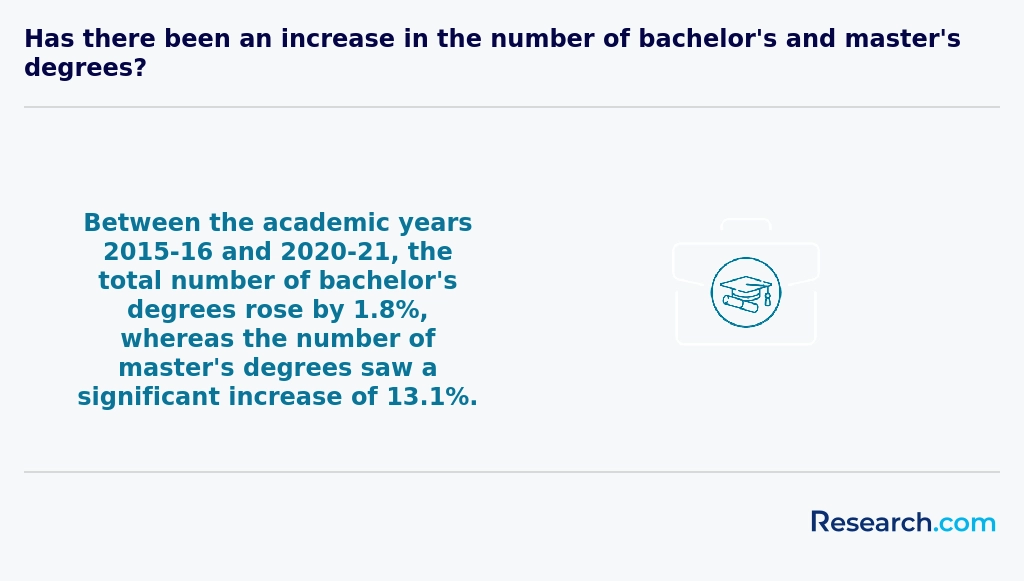
Investing in a business degree requires careful consideration of both upfront costs and long-term earnings potential. In Atlanta, the average tuition for a bachelor’s in business ranges from $12,600 to $13,100 per year, while master’s programs, such as the MBA, can exceed $40,000 annually. On the earnings side, recent graduates entering roles like Project Manager and Business Analyst report average salaries of $80,220 and $108,790 respectively, translating to a typical payback period of under five years. When assessing program value, calculate your individual ROI by comparing total program costs (including fees, books, and living expenses) against projected starting salaries and mid-career earnings. To maximize ROI, prospective students should explore cost-effective pathways without sacrificing accreditation or curriculum quality. For example, accredited online programs can offer significant savings on both tuition and ancillary expenses. Many Atlanta-area professionals have found that pursuing the cheapest online aacsb mba delivers the same rigorous curriculum and employer recognition as on-campus options, while reducing costs by up to 30%. Additionally, leveraging employer tuition reimbursement, state grants, and income-share agreements can further lower the net price of attendance. Beyond tuition, consider intangible factors that enhance ROI: alumni networks, career services, and experiential learning opportunities. Programs that integrate internships, consulting projects, and mentorship can accelerate salary growth and promotion timelines. Before committing, request alumni outcome data from your target institutions-such as median time to first promotion or five-year salary growth-to ensure your chosen program aligns with both your budget and career ambitions.
Business students in Atlanta commonly access federal financial aid programs like Pell Grants and FSEOG, which can provide up to $7,395 annually without repayment. Graduates from universities such as Georgia State report that these grants significantly alleviate tuition pressures, allowing them to focus more on studies than finances. Federal student loans also play a role but require careful planning due to repayment obligations.
Merit-based scholarships are another key resource, often awarded for academic excellence or leadership. At Georgia State, many business majors receive scholarships that cover large tuition portions, while Emory's business school offers prestigious endowed scholarships supported by alumni and corporate donors, boosting students' financial confidence and enabling immersion in their programs.
State-funded aid through Georgia's HOPE Scholarship and HOPE Grant programs can cover up to full tuition at public institutions for qualifying residents, providing a vital safety net. Working professionals often benefit from employer tuition assistance programs offered by local corporations such as Coca-Cola and UPS, facilitating career advancement without financial strain.
Such combined financial aid avenues make pursuing a business degree in Atlanta a realistic goal for many students, reducing typical barriers and promoting academic commitment.
Atlanta learners concerned with tuition and schedule constraints can find competitive solutions through accredited online business programs. By removing relocation expenses and offering tiered tuition models, these options deliver an affordable online business degree pathway with the same rigor as traditional on-campus formats. When comparing regional affordability and program quality, consult the Affordable Online Business Degree Programs Ranking in Nebraska for insights into institutions excelling in cost-effectiveness and student support. High-performing online programs often feature interactive virtual classrooms, dedicated career coaching, and flexible part-time enrollment-ideal for working professionals aiming to advance in fields like digital marketing, finance analytics, and supply chain management. Prioritize AACSB-accredited programs with robust alumni networks to ensure credibility and strong graduate outcomes.
Applicants seeking a business degree in Atlanta typically must hold a high school diploma or equivalent, with many institutions requiring a minimum GPA between 2.5 and 3.0. For example, graduates from Georgia State University recall the importance of strong math foundations, particularly algebra and statistics, which equipped them for business coursework. Some programs remain test-optional, but standardized exams like the SAT or ACT still play a key role in assessing readiness, especially at public universities.
Undergraduate applicants often complete prerequisite courses such as introductory economics or accounting, which smooth the transition into business studies. Personal statements and recommendation letters further demonstrate motivation and character, aligning with what admissions committees at prominent Atlanta colleges expect.
At the graduate level, MBA candidates report needing an undergraduate degree with a GPA above 3.0, alongside relevant work experience ranging from two to five years. Many recall the challenge-and reward-of submitting GMAT or GRE scores, though some programs waive these tests for applicants with strong professional backgrounds.
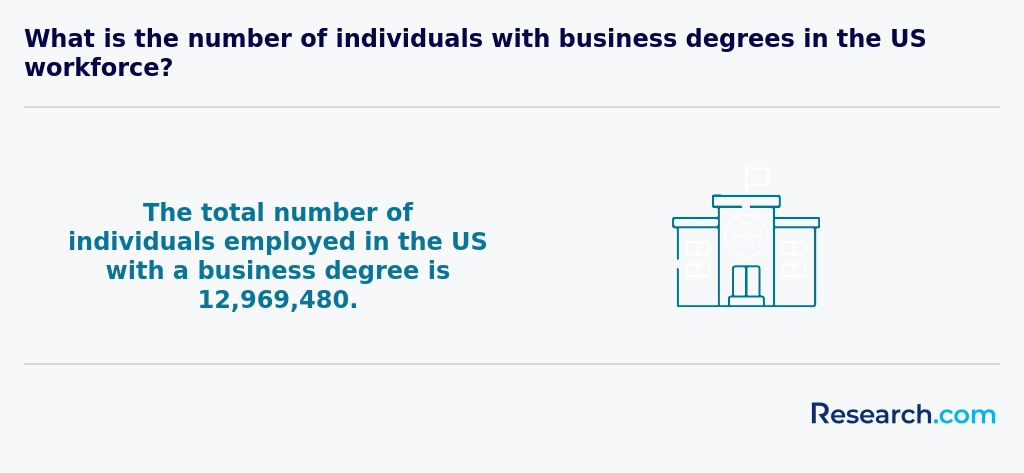
In today’s fast-evolving business landscape, it is crucial for prospective students and industry professionals to stay informed about emerging trends that are reshaping the field. This section explores how technological advancements, global market dynamics, and innovative learning methods are influencing the future of business education and career opportunities in Atlanta, GA. Recent innovations in digital technology are driving a significant shift in business strategies. Companies are increasingly prioritizing data analytics, artificial intelligence, and digital transformation to remain competitive. Consequently, business programs are incorporating courses on big data, cybersecurity, and digital marketing, ensuring graduates are equipped with cutting-edge skills that align with industry demands. Additionally, globalization continues to expand career horizons. With Atlanta serving as a key economic hub, business graduates must be adaptable, culturally aware, and proficient in managing cross-border collaborations. Emerging sectors in international trade and supply chain management present unique opportunities for those who can navigate diverse market challenges. The convergence of sustainability and corporate responsibility is also gaining momentum. Modern businesses are integrating environmental, social, and governance (ESG) principles into their operations, prompting academic programs to highlight sustainability practices and ethical decision-making. Graduates who understand these principles are likely to stand out in a competitive job market and drive long-term business success. For students aiming to maximize their earning potential and align their career paths with industry trends, exploring avenues such as the highest paying business majors can provide valuable insights. By staying current with evolving trends and continuously expanding skill sets, graduates can confidently position themselves for future success in Atlanta's dynamic business environment.
Business degree programs in Atlanta commonly include core courses such as Introduction to Business, Financial Accounting, Marketing Principles, and Business Law. These subjects equip students with a foundational understanding essential for various industries. Graduates from well-known Atlanta institutions often highlight how courses in Management and Organizational Behavior helped them develop leadership skills critical for team settings in local companies.
Students frequently engage with Business Ethics and Economics classes, learning to navigate complex decision-making and market dynamics. For example, electives like Real Estate and International Business reflect Atlanta's growing economy and its significance as a transportation hub, allowing students to apply academic concepts to real-world challenges within the metropolitan area.
Several grads emphasize that Statistics and Quantitative Methods courses sharpened their ability to analyze data, a skill highly valued by Atlanta's business community. Programs frequently incorporate Operations Management and Entrepreneurship classes, enabling students to understand supply chains and develop startup ideas, closely aligned with Atlanta's vibrant business environment.
Business degree specializations in Atlanta reflect the city's dynamic economic landscape. Students at popular institutions such as Georgia State University and Emory University often select concentrations aligned with Atlanta's strengths, including finance, marketing, and supply chain management. For example, graduates specializing in finance benefit from Atlanta's role as a banking hub, gaining real-world experience with firms headquartered locally. Marketing students tap into the city's vibrant media industry to develop digital campaigns and brand management skills, enhancing their career readiness.
Atlanta business degree programs with concentrations also frequently include entrepreneurship and human resource management, providing opportunities for immersive learning through startup incubators and corporate internships. Those pursuing Management Information Systems merge technical expertise with strategic business insight, a synergy that matches Atlanta's growing tech sector. Graduates often share excitement about practical applications, such as managing logistics linked to Hartsfield-Jackson Airport or participating in new initiatives integrating sustainability.
Understanding how these paths compare financially can be critical. Students interested in highest paying business majors benefit from tailored advice, helping them align strengths with market demands.
Choosing the best business degree in Atlanta involves verifying program accreditation, especially AACSB, to ensure rigorous academic standards recognized by employers nationwide. Graduates from well-known universities in Atlanta often highlight the value of specialized tracks in finance, marketing, or entrepreneurship as crucial to landing meaningful internships and jobs. Many point to hands-on experiences facilitated by Atlanta's strong corporate presence, with companies like Coca-Cola providing networking that accelerated their career paths.
Cost considerations are also key-public institutions in Georgia average about $10,000 annually for in-state tuition, while private schools can exceed $30,000. Some students pursuing affordable business colleges Atlanta have found relief through scholarships and financial aid, making education more accessible. For those exploring further affordability, programs like the cheapest online aacsb mba offer competitive options.
Graduates frequently emphasize the advantage of programs offering direct connections to Atlanta's major companies, enhancing real-world learning and mentoring possibilities. Reviewing graduate outcomes, including employment rates and starting salaries, helps prospective students align their choice with local market demands, especially in areas such as technology management and financial services.
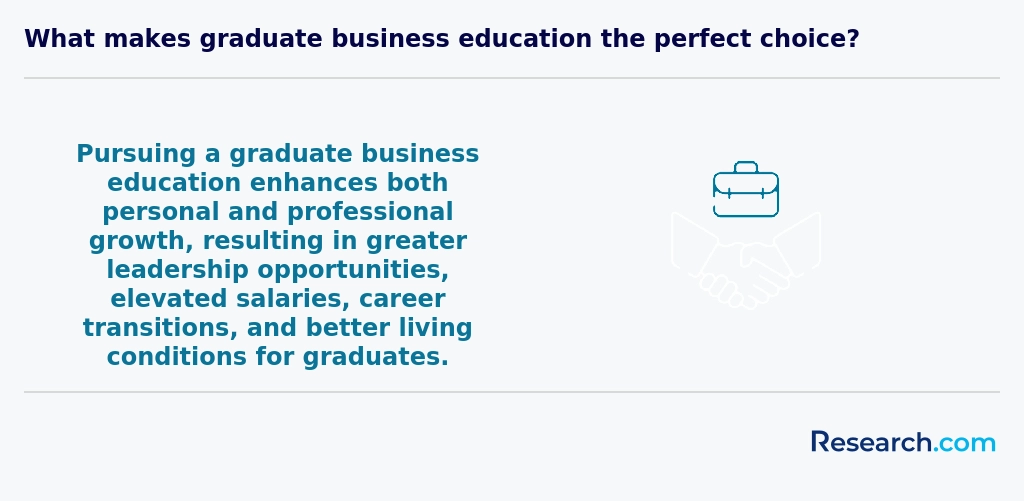
Graduates holding a business degree in Atlanta have access to a variety of career paths spanning finance, marketing, management, and entrepreneurship. Many find rewarding roles as financial analysts or advisors at major banks and investment firms, capitalizing on the city's robust finance sector. Marketing coordinators and brand managers benefit from Atlanta's expanding digital marketing agencies, creating dynamic environments for strategic growth. Operations and supply chain managers thrive due to Atlanta's prominence as a logistics hub, with companies like UPS anchoring these opportunities. Human resources specialists and organizational development consultants also find strong demand within Atlanta's corporate landscape. Entrepreneurs and business consultants are supported by the city's vibrant startup ecosystem, offering networking events and hands-on learning experiences often connected to programs at institutions like Georgia State University. For students evaluating business degree career opportunities in Atlanta, programs focusing on internships and co-ops provide practical experience that graduates commonly cite as pivotal in securing competitive employment. Those interested in affordable options may explore programs listed in the Affordable Online Business Degree Programs Ranking in Nebraska to compare costs.
The business degree job outlook Atlanta reveals a dynamic environment fueled by over 75 corporate headquarters, including industry giants like Delta Air Lines and Coca-Cola. Graduates from well-known local universities often secure positions in finance, marketing, and supply chain management shortly after completing their studies. For example, business students at institutions such as Georgia State University benefit from internship programs linked with these corporations, boosting their employability and practical skills.
Between 2022 and 2032, more than 100,000 new business-related jobs are expected to emerge in the metro area, encompassing management, financial analysis, and human resources roles. The availability of engaging career fairs and networking events hosted by groups like the Metro Atlanta Chamber provides graduates valuable opportunities to expand their professional connections. Many report positive outcomes from these community resources, emphasizing the advantage of studying business locally.
In addition to strong job prospects, the average starting salary for business graduates in Atlanta is around $57,000 annually, slightly above national averages. Those seeking flexible education options can explore the quickest online undergraduate degrees for working adults, which many find helpful for balancing work and study while remaining competitive in Atlanta's expanding job market.
2027 Most Popular Business Degree Programs Ranking in Atlanta
Investing in your education is a significant decision that can profoundly impact your career, and the Research.com team is committed to helping you make informed choices. To support prospective students exploring business degrees in Atlanta, we have carefully developed the "2027 Most Popular Business Degree Programs Ranking in Atlanta." Our dedication to quality, credibility, and accuracy is demonstrated through the thorough research and analysis underpinning this ranking.
We utilized the following reputable data sources to ensure a comprehensive evaluation of business degree programs:
By reviewing this ranking, readers will gain crucial insights into the most sought-after business degree programs in Atlanta, empowering them to make well-informed decisions about their education and future. For an in-depth understanding of how this ranking was created, please visit our Research.com methodology page.


# 14 position
Herzing University-Atlanta
Master of Business Administration

# 15 position
Herzing University-Atlanta
Bachelor of Science in Business Management
# 16 position
American InterContinental University-Atlanta
Bachelor of Business Administration

# 17 position
Atlanta Metropolitan State College
Bachelor of Science in Business Administration

# 18 position
American InterContinental University-Atlanta
Master of Business Administration
# 19 position
Beulah Heights University
Master of Business Administration

# 20 position
Morris Brown College
Bachelor of Business Administration

Frequently Asked Questions About business
Business degree students in Atlanta can maximize their learning by engaging with the city's vibrant business environment, which boasts over 75,000 companies, including global headquarters like Coca-Cola and Delta Air Lines (Atlanta Regional Commission, 2023). Practical experience through internships and cooperative education programs is crucial; local universities often partner with firms to provide hands-on opportunities.
Additionally, attending networking events and business seminars offered in Atlanta helps students build professional relationships and stay updated on industry trends. Utilizing university resources such as career services and mentorship programs further enhances learning.
Lastly, focusing on emerging fields like logistics and fintech, key Atlanta economic sectors, can increase career prospects upon graduation.
Emerging niches within the business field in Atlanta reflect the city's dynamic economy and growing industries. One prominent area is fintech, with Atlanta ranking as a major hub, home to over 300 fintech companies as reported by the Metro Atlanta Chamber. This growth creates demand for professionals specializing in financial technology and digital payments.
Another rising niche is supply chain management. Atlanta's position as a logistics center, anchored by Hartsfield-Jackson Atlanta International Airport, supports expanding careers in operations and distribution management. The Georgia Institute of Technology highlights increasing enrollment in this specialization.
Additionally, healthcare management is growing fast due to Atlanta's strong medical infrastructure, including Centers for Disease Control and Prevention headquarters. Graduates with business skills tailored to healthcare settings are increasingly sought after.
Data analytics and sustainable business practices also attract attention as students focus on ethical and data-driven decision-making relevant to Atlanta's tech and environmental sectors.
Preparing for the job market after earning a business degree in Atlanta involves strategic planning and leveraging local opportunities. Atlanta hosts over 75,000 business establishments, making it a vibrant hub for careers in finance, marketing, and management (Georgia Department of Economic Development, 2023). Graduates should focus on building professional networks through internships with companies like Coca-Cola, Delta, and UPS, which actively recruit locally.
Additionally, gaining proficiency in data analysis and digital marketing tools can boost employability. Attending career fairs at institutions such as Georgia State University offers direct access to employers. Finally, utilizing Atlanta-based professional organizations like the Metro Atlanta Chamber can enhance visibility and job prospects.
Employers in Atlanta highly value strong communication skills among business degree graduates. Clear writing and confident presentations are often essential for roles in the city's diverse industries, including finance and logistics. Analytical thinking is also critical, as Atlanta businesses rely on data-driven decision-making to remain competitive.
Problem-solving abilities and adaptability are prized, especially given Atlanta's fast-paced corporate environment. Many employers seek graduates who can apply critical thinking to real-world challenges effectively.
According to a 2023 Georgia Chamber of Commerce report, teamwork and leadership are key skills, with 68% of local businesses prioritizing candidates able to lead projects and collaborate well.
Finding internships in Atlanta relevant to a business degree involves leveraging local resources and understanding the city's economic landscape. Atlanta is a major business hub, hosting headquarters for companies like Coca-Cola, Delta Air Lines, and Home Depot, creating numerous internship opportunities.
Start by exploring career services offered by Atlanta's universities, such as Georgia State University or Georgia Tech, which maintain internship listings and employer connections. Websites like Handshake also provide access to internships targeted at students in business programs.
Networking events and professional organizations, including the Atlanta Chamber of Commerce, are valuable for connecting with potential employers.
According to the Atlanta Regional Commission, the business sector contributes significantly to regional employment, making internships widely available in finance, marketing, and management roles.
In Atlanta, a business degree significantly enhances career mobility and advancement opportunities. The city's diverse economy, anchored by major corporations like Coca-Cola and Delta Air Lines, demands skilled professionals with a strong business background. According to the U.S. Bureau of Labor Statistics, business-related occupations in the Atlanta metropolitan area are projected to grow by 10% from 2020 to 2030, reflecting expanding opportunities.
Graduates with a business degree often qualify for management and leadership roles, which typically offer higher salaries and faster advancement. Employers in Atlanta value degrees from accredited institutions, particularly those featuring practical skills in finance, marketing, and data analysis.
Networking opportunities through Atlanta's extensive business communities and professional organizations are more accessible for degree holders. These connections can directly influence promotions and career shifts into competitive industries such as technology and logistics.
Studying for a business degree in Atlanta equips students with skills that span multiple disciplines, making them valuable in diverse professional settings. Atlanta's business schools emphasize a combination of finance, marketing, technology, and management courses, reflecting the city's dynamic economy driven by sectors like logistics, media, and technology.
Students often engage in collaborative projects integrating data analysis, communication, and strategic planning. This approach is crucial as 62% of Fortune 500 companies have a presence in Atlanta, requiring versatile professionals. According to the Georgia Department of Economic Development, interdisciplinary expertise is key to meeting regional employers' demands.
Furthermore, internships and partnerships with companies such as Coca-Cola and Delta Air Lines provide real-world experience, fostering adaptability and cross-functional understanding among students.
Choosing between a thesis and a non-thesis business degree program in Atlanta depends on your career goals and learning preferences. Thesis programs typically focus on research, requiring students to complete an original study, which may better suit those aiming for academic or analytical roles. Non-thesis options often emphasize practical skills and coursework, appealing to professionals seeking faster completion and immediate application in the workforce.
Atlanta, as a major business hub with over 75,000 business establishments (U.S. Census Bureau, 2023), offers diverse opportunities. Thesis programs might enhance prospects in research-heavy sectors, while non-thesis degrees align with Atlanta's dynamic corporate environment.
Students based in Atlanta seeking to study business abroad have several structured options through their local universities and affiliated programs. Many institutions like Georgia State University and Georgia Tech offer exchange programs and dual degrees with business schools worldwide. These programs enable students to spend a semester or full academic year abroad while earning credits applicable to their Atlanta-based business degree.
The Atlanta metropolitan area is home to over 150,000 students enrolled in higher education, many of whom take advantage of international study opportunities in Europe, Asia, and Latin America. Participation in study abroad can enhance global business skills and cultural understanding, highly valued in today's global market.
According to Open Doors Report 2023, about 10% of US business undergraduates engage in study abroad, with popular destinations including the United Kingdom, Spain, and China. Atlanta students often leverage these trends through partnerships facilitated by their institutions to gain competitive advantages in international business careers.
Atlanta offers a variety of part-time job opportunities that can complement business degree education effectively. Roles such as sales associates, marketing assistants, and administrative support in local companies provide practical experience in areas like customer relations and project coordination.
Internships at financial institutions or startups in Atlanta's thriving business ecosystem allow students to gain hands-on skills in accounting, finance, and management. According to the Atlanta Regional Commission, the metro area added over 70,000 business-related jobs in the last five years, creating a robust job market for students.
Additionally, positions in data analysis or social media management enable students to apply classroom knowledge to real-world scenarios, enhancing their resume and networking opportunities.
Atlanta offers a variety of networking opportunities for business students, supported by its status as a major economic hub with over 75 Fortune 500 companies. Students can engage with professional groups like the Atlanta Business League and the Metro Atlanta Chamber, which frequently host events and workshops. Universities also partner with local businesses to provide internships and mentorship programs that connect students directly with industry leaders.
Several annual events, such as the Atlanta Small Business Expo, attract thousands of professionals seeking connections. According to the Atlanta Journal-Constitution, participation in these activities often leads to valuable career contacts and job opportunities. These resources make Atlanta an advantageous location for building a strong professional network while earning a business degree.
Alumni networks offer significant advantages for business degree students in Atlanta by providing access to a broad community of experienced professionals. These networks help students build valuable connections that can lead to internships, mentorships, and job opportunities within Atlanta's dynamic business environment.
Atlanta hosts many large corporations, including several Fortune 500 companies, which increases the importance of alumni ties for career advancement. According to the Metro Atlanta Chamber, networking through alumni can boost job placement rates for recent graduates by as much as 25%.
Furthermore, alumni often participate in events and workshops, offering real-world insights and guidance. For business students, this direct engagement with established professionals strengthens both skills and industry understanding.
Such networks also foster entrepreneurship by connecting students with potential investors and collaborators experienced in Atlanta's startup ecosystem, which is one of the fastest-growing in the U.S., as noted by the Georgia Economic Development Association.
Customizing a business degree in Atlanta to fit your career goals is highly feasible due to the diverse offerings at local colleges and universities. Many institutions provide flexible programs with concentrations such as finance, marketing, entrepreneurship, and supply chain management. For example, Georgia State University, a top-ranked business school in Atlanta, allows students to tailor electives to align with specific industries.
Internship opportunities are abundant in Atlanta's growing business sectors, including technology and logistics, enabling practical experience alongside academic study. According to the Atlanta Metro Chamber, the city's business environment supports networking through partnerships between schools and corporations.
Additionally, some programs offer evening, online, or hybrid classes catering to working professionals, allowing for continued education without career disruption. Utilizing career services and academic advising can also help shape a curriculum that matches your professional ambitions and local market demands.
Business students in Atlanta face several common challenges during their studies. One major difficulty is balancing academic workload with part-time jobs or internships, as many students seek practical experience in Atlanta's competitive business environment. According to the Georgia Department of Labor, Atlanta's job market is rapidly evolving, requiring students to stay up-to-date with new skills and technologies.
Another challenge is managing student debt, with the average loan amount for business students in Georgia reaching approximately $32,000, per the Institute for College Access & Success. Additionally, navigating Atlanta's diverse economy-ranging from logistics to finance-can make it hard to choose a clear career focus early in the program. Networking opportunities exist, but knowing how to leverage them effectively can be daunting for newcomers.
With a business degree in Atlanta, you can pursue several professional certifications to enhance your career opportunities. Popular certifications include the Certified Public Accountant (CPA), especially relevant if you focus on accounting. The CPA credential is widely respected and can open doors in the finance sector.
The Project Management Professional (PMP) certification is another option. It's ideal for graduates interested in managing complex business projects and is highly regarded across industries.
Additionally, the Certified Management Accountant (CMA) certification emphasizes management accounting skills and is valued in corporate finance roles. According to the Georgia Department of Labor, Atlanta's business and financial sectors continue to grow, increasing demand for certified professionals.
Writing a winning application for a business program in Atlanta requires careful preparation and a clear demonstration of your goals. Start with a compelling personal statement that highlights your interest in business, linking it to Atlanta's vibrant economy, which is home to over 75 Fortune 500 companies as reported by the Metro Atlanta Chamber. Mention any relevant experiences, such as internships or leadership roles, that align with the program's focus.
Additionally, provide strong academic records and prepare for required standardized tests like the GMAT or GRE. Many Atlanta programs value analytical skills and practical knowledge. Finally, secure letters of recommendation from professional or academic contacts who can attest to your abilities and motivation.
Global perspectives on a business career emphasize adaptability and cultural awareness. For students in Atlanta, this means that studying business with a focus on international markets can enhance career opportunities. According to the Georgia Department of Economic Development, Atlanta ranks as a major hub for global trade and corporate headquarters, hosting more than 75 multinational companies.
Business programs in Atlanta often include courses on global economics, cross-cultural communication, and international finance. These skills are increasingly important as companies seek professionals who can manage diverse teams and navigate global supply chains.
Furthermore, the U.S. Bureau of Labor Statistics projects a steady growth in business management careers, driven by a demand for leaders capable of operating globally. Gaining a global perspective can therefore distinguish candidates in a competitive job market, especially in a city like Atlanta, which serves as a gateway to international business in the Southeast.
Gaining practical experience while studying for a business degree in Atlanta is essential to enhance skills and improve job prospects. Many universities in Atlanta, such as Georgia State University, offer cooperative education programs and internships with local companies. Atlanta is home to over 75 Fortune 500 companies, including Coca-Cola and Delta Air Lines, providing ample internship opportunities for business students. Students can also engage in on-campus entrepreneurship centers or participate in business competitions to develop real-world skills. According to the National Association of Colleges and Employers, around 60% of business students secure internships before graduation, significantly boosting their employability.
Choosing the right concentration within a business degree program in Atlanta requires understanding both your interests and the local job market. Atlanta is a major business hub, home to companies like Coca-Cola and Delta Air Lines, meaning concentrations in logistics, marketing, and finance are particularly relevant.
Research available programs at Georgia Tech, Emory University, or Georgia State University, and consider specializations that align with growth areas in the region. According to the Atlanta Regional Commission, finance and tech-related business roles are projected to grow by over 10% by 2030.
Students should also evaluate internship and networking opportunities in Atlanta, as practical experience often guides successful career choices. Access to industry connections can be a key factor in choosing a concentration that offers hands-on learning and job placement.
- 2027 Most Popular Business Degree Programs Ranking in Macon
- 2027 Most Popular Business Degree Programs Ranking in Birmingham
- 2027 Most Popular Business Degree Programs Ranking in Montgomery
- 2027 Most Popular Business Degree Programs Ranking in Savannah
- 2027 Most Popular Business Degree Programs Ranking in Jacksonville
- 2027 Most Popular Business Degree Programs Ranking in Mobile
- 2027 Most Popular Business Degree Programs Ranking in Gainesville
- 2027 Most Popular Business Degree Programs Ranking in Daytona Beach
- 2027 Most Popular Business Degree Programs Ranking in Lynchburg
- 2027 Most Popular Business Degree Programs Ranking in Winter Park
See What Experts Have To Say About Studying Business
Read our interview with Business experts

David Souder
Business Expert
Senior Associate Dean for Faculty and Research
Michigan State University

Ingrid S. Greene
Business Expert
Clinical Assistant Professor of Management
Loyola Marymount University


- Exploring Different Types of Business Majors https://www.ivywise.com/ivywise-knowledgebase/exploring-different-types-of-business-majors/
- Niche Business Ideas: A Guide to Profitable Niche Business Selection - Inar Learn https://inarlearn.com/niche-business-ideas-a-guide-to-profitable-niche-business-selection/
- How to Identify Profitable Business Niches: A Guide for ... https://www.invoiceonline.com/the-entrepreneur-s-handbook/entrepreneurship/business-strategy/how-to-identify-profitable-business-niches-97365
- UGA Terry College BBA Prerequisites 2026: Full Course Checklist https://rainwatertutoring.com/guides/uga-terry-college-bba-prerequisites/
- Career Goals: 17 Inspirational Examples for you in 2026 https://www.imd.org/blog/learning-and-development/career-goals/
- Business Programs - Atlanta Technical College https://www.atlantatech.edu/programs/business/
- Interdisciplinary Business https://www.okwu.edu/academics/undergraduate/bachelor-interdisciplinary-business/
- MBA in Atlanta, GA | Online & On-Campus Hybrid at South U https://www.southuniversity.edu/atlanta/business-administration-mba
- How to Write a Statement of Purpose for Business School https://www.statementswritingservices.com/blog/how-to-write-a-statement-of-purpose-for-business-school.html
- Networking Tips for Business Students and MBA Candidates - Cyprus West University https://www.cwu.edu.tr/networking-tips-for-business-students-and-mba-candidates/